7 Flowers That Are Quietly Competing With Your Tomatoes
A rival is quietly changing your tomato harvest this year, and it isn’t the weather. Your garden hides a competitor you never even suspected.
Certain plants near your tomatoes compete for water and light. They pull nutrients from soil your tomato roots need most. Every square foot of your garden competes for scarce resources.
Nobody truly warns you how much a neighboring plant can secretly cost you. Roots spread faster underground than you expect.
Pollinators drift toward flashier competitors instead of your tomatoes. Sunlight disappears as taller stems crowd your tomato cage. Nutrients slip away slowly before your tomatoes taste them.
Summers now leave you little room for costly setbacks. Quiet shifts happen long before your harvest reveals anything wrong.
Specific rivals work against your tomatoes right now, unnoticed. Nothing about your shrinking yield truly comes down to bad luck. You need to know exactly what’s working against your harvest.
1. Sunflowers
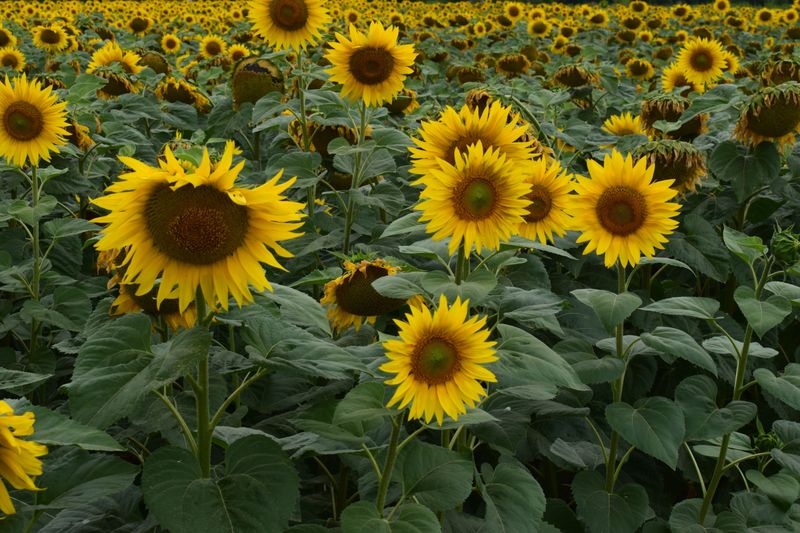
Sunflowers are among the most visually striking and dominant plants in a garden. These towering beauties can grow anywhere from six to twelve feet tall, casting serious shade over everything nearby.
That extra height puts sunflowers in direct competition with nearby tomatoes. Your tomatoes need full sun for at least six to eight hours each day to thrive.
A row of sunflowers planted too close can block that light faster than a summer storm rolls in. Below the soil, sunflowers become even more competitive.
Their roots spread wide and deep, competing directly with tomato roots for water and key nutrients like nitrogen and phosphorus. This underground rivalry can go unnoticed until growth slows.
Sunflowers also release natural allelopathic compounds into the surrounding soil. These substances can quietly slow the growth of nearby plants, including your prized tomatoes, without you ever noticing the cause.
Pollinators love sunflowers with a passion that borders on obsession. Bees and butterflies flock to those bold golden heads, often ignoring smaller, less flashy blossoms entirely.
That means your tomato flowers may get far fewer visits than they actually need. Fewer pollinator visits mean fewer tomatoes forming on the vine, and that is a real cost you pay just for having a stunning neighbor nearby.
Planting sunflowers at least ten to fifteen feet away from your tomatoes gives both plants room to breathe. You get the visual drama without paying the price in lost fruit.
Sunflowers and tomatoes can absolutely coexist, but only with smart spacing and real planning. Distance becomes your secret weapon, keeping your harvest strong and your garden looking spectacular all season long.
2. Dahlias
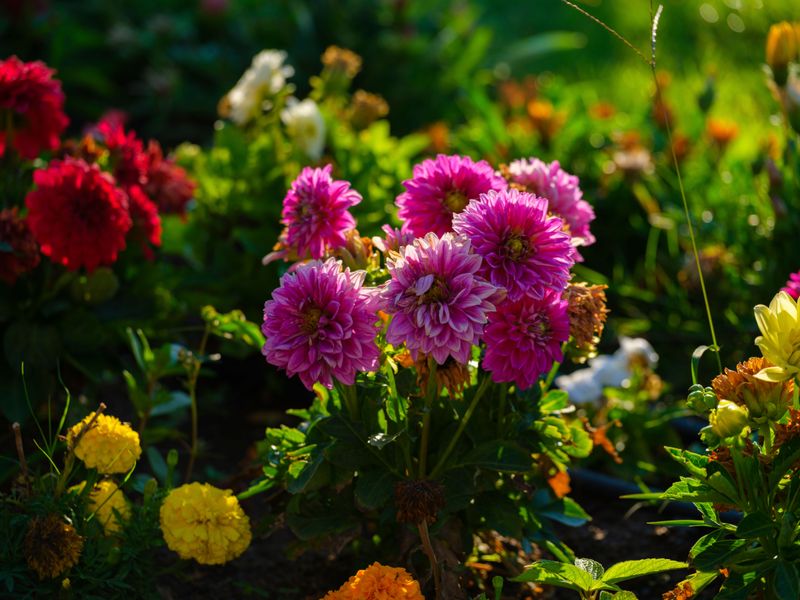
Dahlias are known for vigorous, high-demand growth. These blooms are stunning, but they come loaded with serious resource demands that most gardeners never anticipate.
A single dahlia tuber can grow into a bushy plant that spreads two to three feet wide within a single season.
That footprint can crowd out young tomato plants if spacing is too tight, though the effect varies by planting distance and soil volume.
Dahlias are notorious heavy feeders, which means they pull large amounts of nutrients straight from the surrounding earth.
Nitrogen, potassium, and phosphorus disappear fast whenever dahlias and tomatoes share the same patch of ground.
Both plants also demand consistent moisture to perform at their absolute best. During any dry spell, dahlias and tomatoes end up in ongoing competition over available water.
Dahlias bloom from midsummer straight through fall, overlapping perfectly with peak tomato season across most climates.
That timing means competition hits hardest exactly when your tomatoes need the most support to size up their fruit.
Pollinators go wild for dahlia blooms, especially the open-centered varieties with easy access to nectar. Bees that might have visited your modest tomato flowers instead get pulled toward those large, layered petals nearby.
Spacing matters here more than most gardeners ever realize until it’s too late. Keeping dahlias at least eight feet from tomatoes reduces root overlap and nutrient rivalry significantly.
Dahlias absolutely deserve a place in your garden, just not directly beside your tomatoes. Give them their own dedicated bed instead, and both plants will reward you generously with spectacular results all season long.
3. Gladiolus
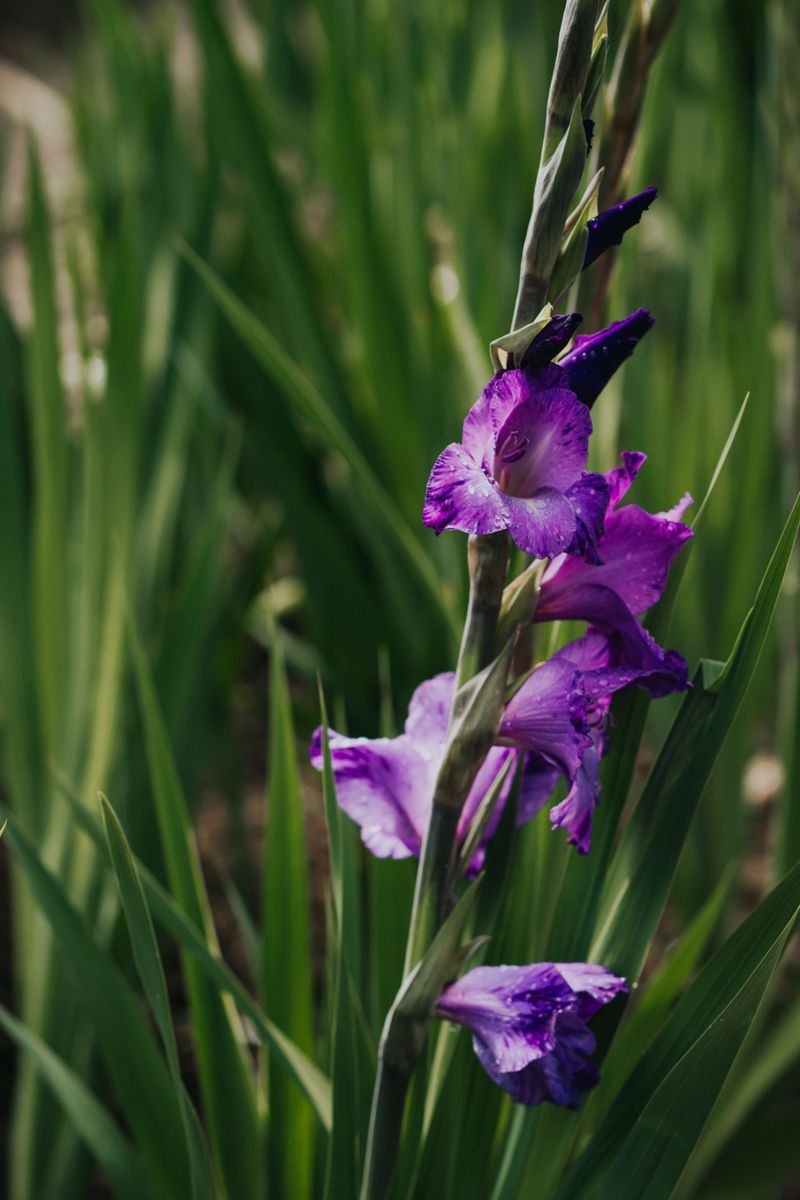
Gladiolus grows quickly and vertically, blooming with dramatic, sword-shaped spikes that stop people mid-stride. But that same dramatic growth habit makes it an overlooked competitor inside the vegetable garden.
Gladiolus corms send up tall, narrow stalks that can reach five feet in height. When planted near tomatoes, those stalks can block airflow and create humid pockets that invite fungal problems.
Poor air circulation around tomatoes is a leading cause of diseases like early blight and septoria leaf spot. Planting gladiolus too close can create favorable conditions for those issues to take hold and spread.
These fungal problems often appear gradually, making the true cause easy to overlook until damage is already visible.
Underground, gladiolus corms are surprisingly aggressive about absorbing water. During summer heat, they pull moisture from the soil at a rapid rate, leaving nearby tomato roots scrambling for a drink.
That competition intensifies during the exact weeks when tomatoes need consistent moisture most.
Gladiolus also attracts thrips, tiny insects that feed on flower petals and delicate plant tissue. Thrips can migrate from gladiolus blooms directly onto tomato plants, damaging both leaves and developing fruit.
That pest connection makes gladiolus a dual challenge in the garden. You end up facing both resource competition and a potential pathway for pests to reach your tomatoes.
Cutting gladiolus for indoor arrangements is one smart, practical workaround worth trying. Harvesting the spikes early reduces the plant’s resource demands and removes the pest attraction before populations can build.
Gladiolus truly belongs in a cutting garden, not sandwiched between your tomato cages. A little separation goes a long way toward protecting your harvest from this gorgeous but competitive bloom.
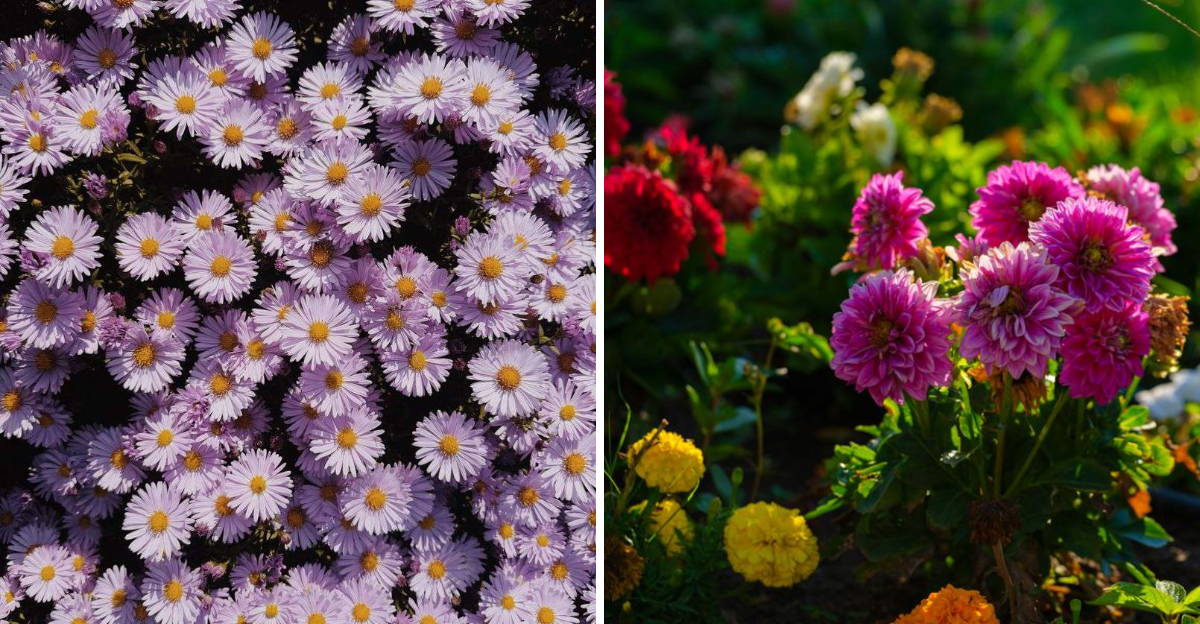
4. Asters
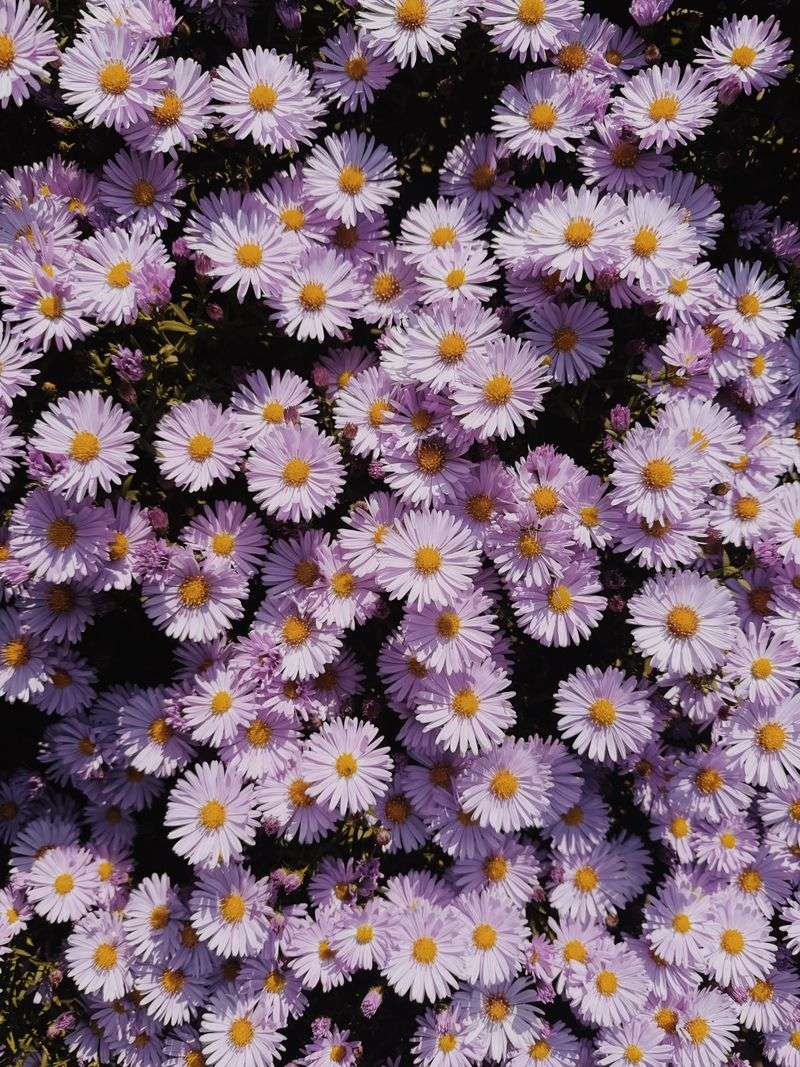
Asters look innocent enough with their cheerful daisy-like faces and soft purple petals. But these late-season bloomers gradually use shared resources.
Asters are perennials, which means their root systems grow stronger and wider with every passing year. An established aster clump can develop roots that extend well beyond anything visible above ground.
Those spreading roots overlap directly with tomato root zones, competing for the same nitrogen-rich pockets in the soil.
Tomatoes sharing space with mature asters may show yellowing leaves, though this can also result from overwatering, disease, or natural aging rather than nutrient competition alone.
Late summer is exactly when asters really kick into high gear and accelerate their growth. That timing also happens to be when your tomatoes are loading up with fruit, needing every available nutrient to finish strong.
The timing of that competition could hardly be worse for your overall harvest. Asters can draw resources away from tomatoes during critical weeks.
On the pollinator side, asters are incredibly popular with bees and butterflies throughout fall. While that sounds helpful on the surface, it can actually draw pollinators away from your late-blooming tomato flowers nearby.
Asters also spread readily by self-seeding, so one plant can quietly multiply into a dense colony over time. Before long, a small aster patch can take over a surprisingly large chunk of garden real estate.
Managing asters with regular division and consistent trimming keeps their spread firmly in check. Plant them in a separate border bed instead, and your tomatoes will finish the season strong, fruitful, and undisturbed.
5. Black-Eyed Susans
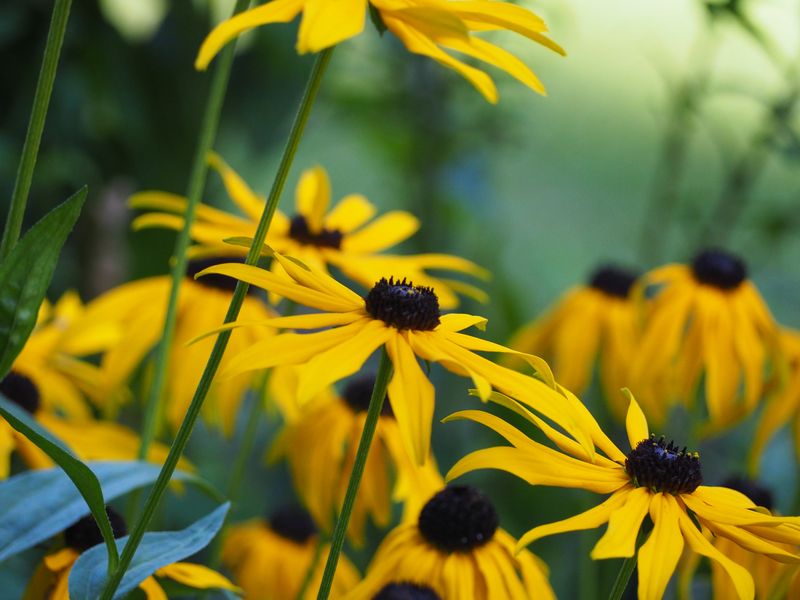
Black-eyed Susans are the wildflower crowd-pleasers that seem to show up in every garden. They are tough, cheerful, and surprisingly vigorous when it comes to competing for resources.
These native perennials spread readily through both self-seeding and underground rhizome expansion. One small clump can double or even triple in size within just two growing seasons.
As they spread, their root network pushes into territory that tomatoes depend on for water and minerals. Tomato plants growing near established black-eyed Susan patches often struggle to develop strong, productive root systems of their own.
Black-eyed Susans are also remarkably drought-tolerant, which sounds appealing until you understand what that actually means. Their roots are extremely efficient at finding and holding onto moisture, leaving far less available for thirstier neighbors like tomatoes.
During hot, dry stretches of summer, that moisture competition becomes a genuine problem. Tomatoes under water stress tend to drop blossoms and produce noticeably less fruit, and nearby black-eyed Susans may be partly responsible.
These flowers also generate dense foliage at ground level as the season progresses further. That low canopy can trap humidity around tomato stems, creating damp conditions that favor soil-borne diseases.
The good news is that black-eyed Susans are easy to manage with consistent, regular maintenance. Removing spent blooms before seeds drop prevents unwanted spreading into your vegetable garden zones.
Keep these sunny natives contained in a dedicated wildflower section away from your tomatoes entirely. Both will thrive with that clear boundary in place, and your garden will look effortlessly beautiful all summer long.
6. Daylilies
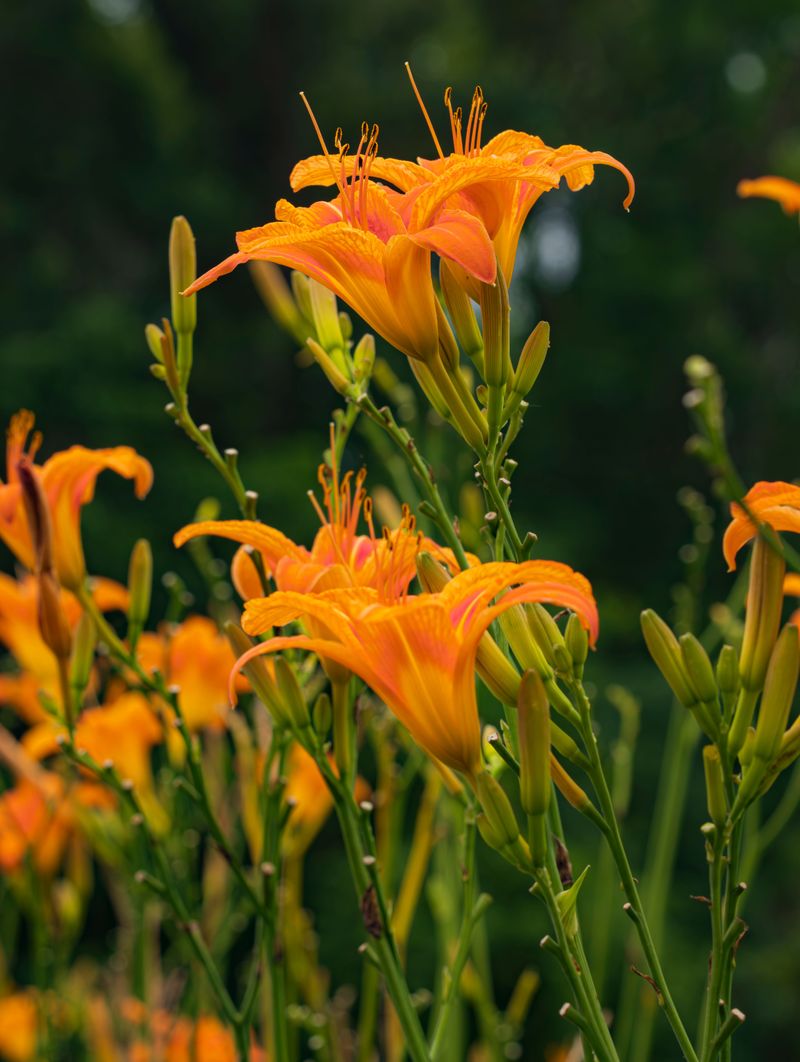
Daylilies are known for spreading well beyond their original planting space. They are beautiful, low-maintenance, and highly effective at taking up space. That combination makes them deceptively easy to underestimate near a vegetable bed.
A single daylily clump grows outward every year, forming thick mats of fleshy roots just below the soil surface. Those roots are strong enough to crowd out nearby plants, including established tomato root systems.
Once established, this root mat becomes difficult to remove without disturbing everything around it. Daylilies are not picky about nutrients, which makes them strong competitors.
They absorb whatever is available in the soil, leaving less for the more demanding tomato plants growing beside them.
Their foliage grows thick and wide, sometimes reaching two feet in spread per clump. That leafy mass can shade the base of tomato plants, slowing growth and reducing fruit production over time.
Daylilies bloom for only one day per flower, but the plant puts out dozens of buds over several weeks. That extended bloom period keeps pollinators coming back repeatedly, pulling them away from tomato blossoms nearby.
The fleshy root system also retains water with impressive efficiency. During dry periods, daylilies retain moisture efficiently for themselves, which can leave less available for nearby tomatoes.
Dividing daylily clumps every two to three years keeps their spread under control. Replanting the divisions farther from your vegetable beds is a smart way to manage their spreading habits.
Daylilies earn their place in the garden, just not inches from your tomato stakes. Respect their boundaries and your tomatoes will thank you with an abundant, juicy harvest.
7. Bearded Iris
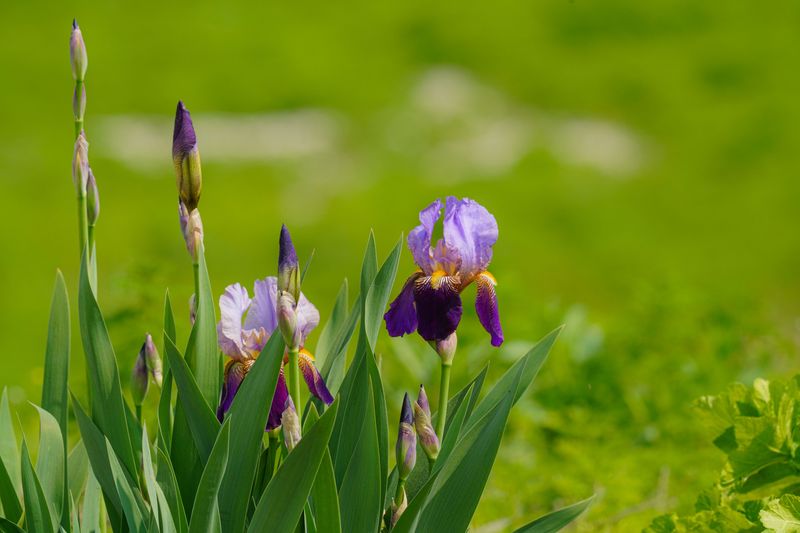
Bearded iris carries an air of elegance that makes it hard to say no to in any garden design. But beneath those ruffled, fragrant blooms lies a surprisingly vigorous, fast-spreading grower.
That contrast catches gardeners off guard. Bearded iris grows from thick, fleshy rhizomes that spread horizontally at or above the soil surface.
Those rhizomes expand outward each year, claiming ground and pushing into neighboring plant zones. Left unchecked, a planting can double its footprint within a few seasons.
When iris rhizomes creep toward tomato plants, they disrupt the shallow root network that tomatoes rely on for early-season nutrient uptake. That disruption can slow tomato growth from the start of the season.
Iris plants prefer the same well-drained, fertile soil conditions that tomatoes love. Planting them together means both compete for the same soil environment and mineral profile.
The tall, sword-like foliage of bearded iris can also block light from reaching the lower portions of tomato plants. Reduced light at the base slows photosynthesis and can weaken the plant over time.
This effect often intensifies as iris clumps mature and thicken. Iris blooms attract early-season pollinators, and since tomatoes are largely self-pollinating, this overlap has only a limited, possible effect on nearby tomato flowers.
After iris finishes blooming, the foliage remains all season, continuing to compete for water and nutrients. The plant never really goes dormant enough to stop mattering in the garden ecosystem.
Giving bearded iris its own raised bed keeps its rhizomes contained and your tomatoes free to thrive. That small design choice can make a difference in your garden success this season.