The Spotted Lanternfly Is Closing In On Wisconsin, And Here’s What To Watch For
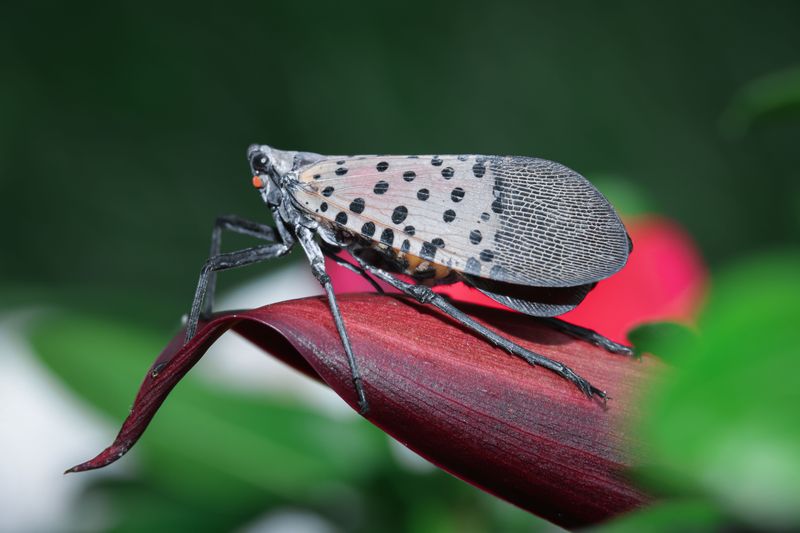
A bug with wings like stained glass is making steady progress across state lines, and Wisconsin sits right in its next stretch of travel. The spotted lanternfly earns its looks honestly, with bold red underwings and a spotted gray coat that turns heads.
Don’t let the color distract you, though. This insect feeds on more than seventy plant species, weakening trees and draining sap from grapevines, hops, and hardwoods alike.
First confirmed in Pennsylvania in 2014, it has moved outward through a habit of hitching rides rather than flying long distances on its own. Car bumpers, patio furniture, stacked firewood, and shipping pallets all serve as free transportation for its eggs.
Wisconsin’s agricultural community has started tracking reports closely, and backyard gardeners now play a real role in catching early signs. Spotting one egg mass early can stop a much bigger problem down the road.
Spotted Lanternfly’s Distance From Wisconsin’s Border
The spotted lanternfly is no longer just a distant East Coast problem. As of recent reports, confirmed populations have been spotted in Michigan and Illinois, both of which share borders with Wisconsin, along with nearby Indiana.
That means the pest is practically knocking on the state’s front door. Entomologists tracking the spread say the insect moves quickly, especially when humans accidentally carry egg masses on vehicles and outdoor gear.
The bug was first detected in Berks County, Pennsylvania, in 2014. Since then, it has expanded into over a dozen states with alarming speed, covering hundreds of miles in just a few years.
No one can predict the exact timeline, but officials expect the pest to reach Wisconsin eventually given its pace elsewhere. Some researchers think it could happen even sooner, depending on weather patterns and human movement.
Trade routes, highways, and rail corridors all run directly through the Midwest. The spotted lanternfly uses these same paths, hitchhiking on freight and personal vehicles without anyone noticing.
Wisconsin’s agricultural sector is particularly vulnerable. The state is home to apple orchards, vineyards, hops farms, and hardwood forests that this pest loves to feed on.
State officials have already begun public awareness campaigns to prepare residents. Training programs for farmers and landscapers are being rolled out across multiple counties.
Staying informed right now is the single smartest move you can make. The sooner Wisconsinites recognize this threat, the better the chances of slowing its arrival.
Identifying Spotted Lanternfly At Every Life Stage
Spotting this insect sounds easy, but it actually looks completely different depending on its age. Knowing each stage makes identification far more reliable when you are out in the yard.
Early-stage nymphs are tiny, black, and covered in white dots. They hatch in spring and are roughly the size of a pencil eraser, easy to miss on tree bark.
As nymphs grow into their third and fourth stages, red patches begin appearing on their bodies. At this point, they are still wingless but noticeably larger and more visible on stems and trunks.
Your Wisconsin Garden Changes Every Week. Your Plan Should Too.
Gardening in Wisconsin changes quickly throughout the season. Every Friday you’ll receive a simple weekly plan showing exactly what to plant, prune, fertilize, harvest, and protect so you never miss the right timing.
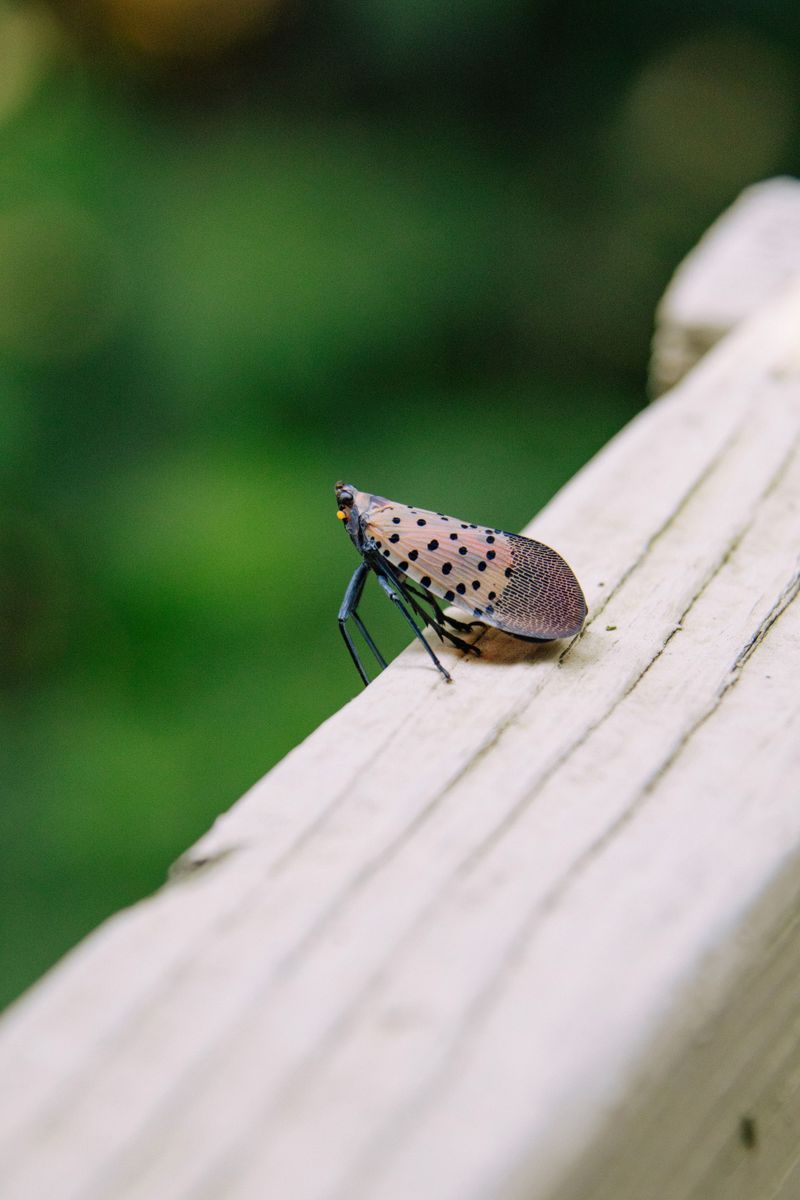
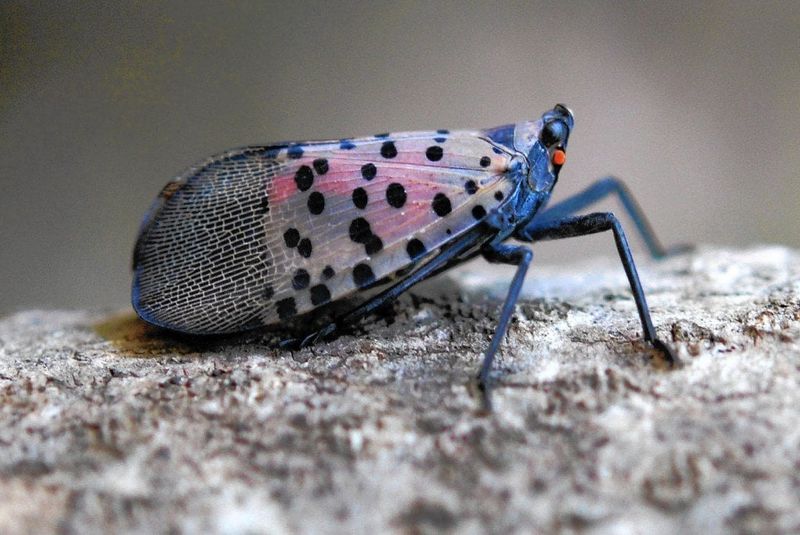
The adult form is the most striking. Adults have grayish-tan forewings covered in black spots, and when those wings open, you see a burst of vivid red and black underneath.
Adults are about an inch long, roughly the size of a large grape. They tend to cluster together on plant stems, tree trunks, and fence posts in late summer and fall.
One important detail: the spotted lanternfly does not fly well. It hops and glides more than it soars, making it surprisingly easy to catch if you are quick enough.
Many people confuse early nymphs with other common beetles or leafhoppers. Paying close attention to that distinctive white-dot pattern on a black body is the key tell in the early months.
Learning these stages gives you a real advantage. The more eyes trained to recognize this pest at any age, the faster Wisconsin can respond.
Tree Of Heaven As The Preferred Host Plant To Watch

If you want to find a spotted lanternfly, start by finding a Tree of Heaven. This weedy, fast-growing tree is the pest’s absolute favorite feeding spot, and it grows abundantly across Wisconsin roadsides.
Tree of Heaven, known scientifically as Ailanthus altissima, is itself an invasive species originally from China. It thrives in disturbed soils, popping up along highways, rail lines, and vacant lots.
The tree has long compound leaves with pointed leaflets, and it produces clusters of papery, winged seeds. Crushed leaves give off a strong, unpleasant smell, which makes identification surprisingly straightforward.
Spotted lanternflies feed on dozens of plant species, but they always return to Tree of Heaven in large numbers. Researchers describe it as a magnet for the pest, especially during late summer feeding frenzies.
Removing Tree of Heaven from your property can help reduce the attractiveness of your yard to this invasive insect. However, improper removal can cause the tree to sprout back even more aggressively.
Wisconsin residents who spot Tree of Heaven growing near their homes should contact a local extension office for safe removal guidance. Cutting it without treatment often makes the problem worse.
Even if you cannot remove the tree right away, monitoring it closely for insect activity is a productive step. Regular checks during late summer can catch an infestation before it spreads further.
Knowing this tree is your first line of defense. Recognize it, monitor it, and act on what you find.
Signs Of Egg Masses And Feeding Damage
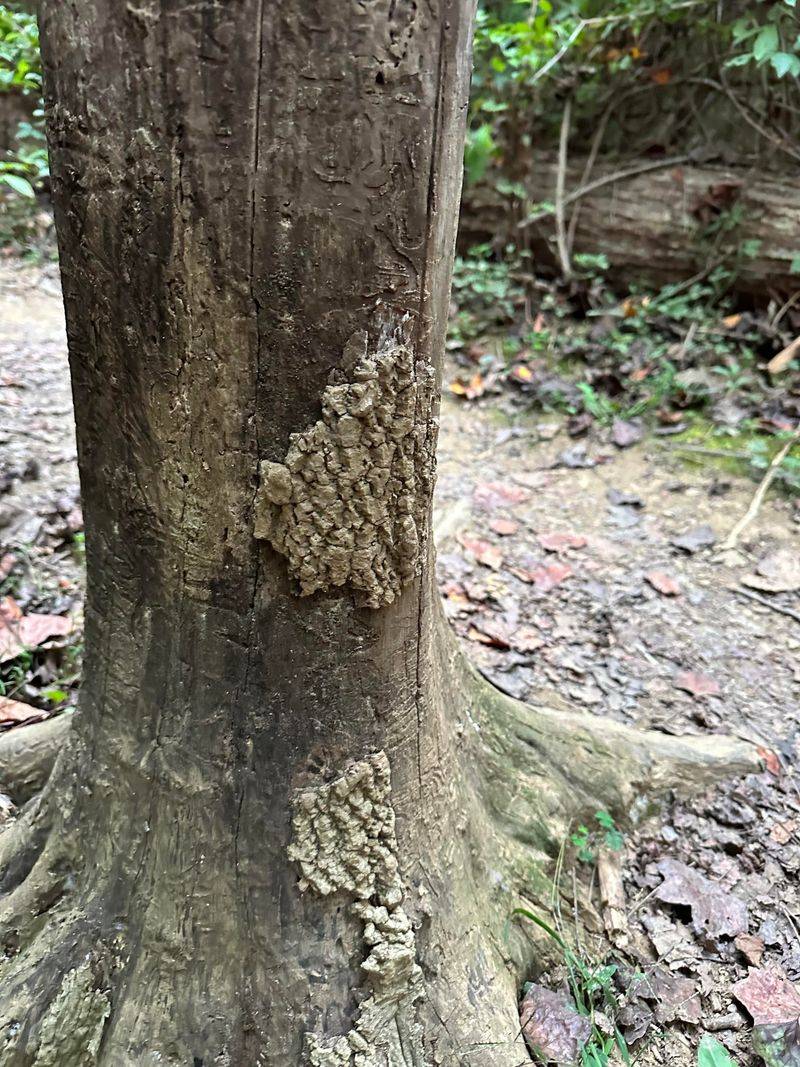
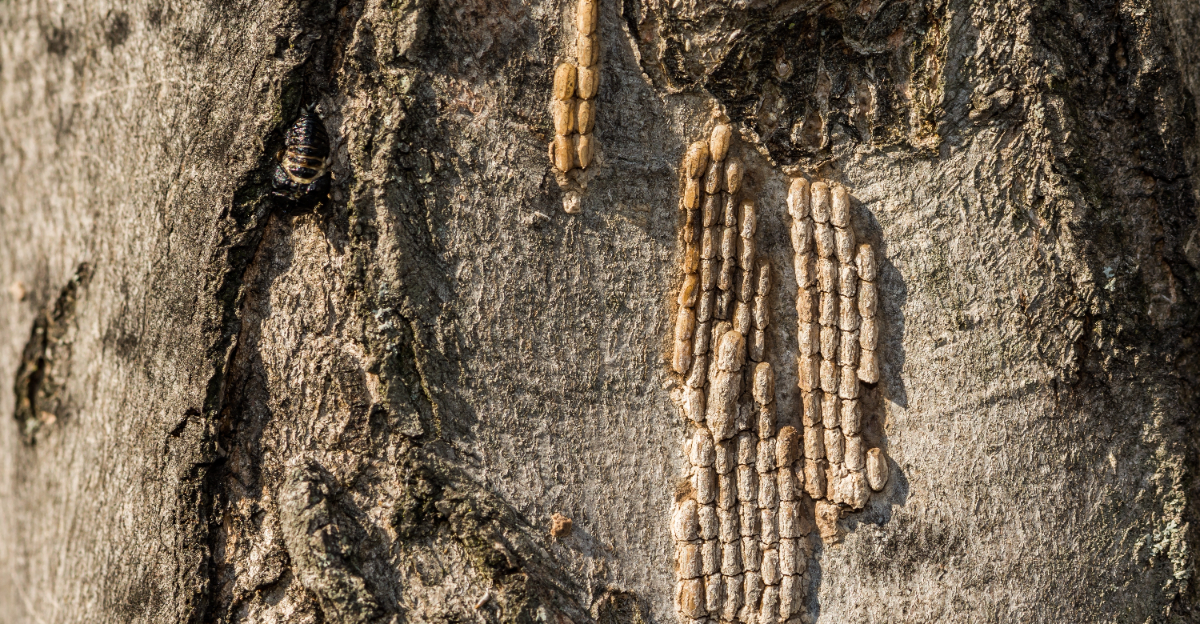
Egg masses are the sneakiest part of this whole invasion. They look like smeared gray mud, and most people walk right past them without a second glance.
Each egg mass contains between 30 and 50 eggs arranged in neat rows under a waxy, mud-like coating. They are typically deposited in fall on tree trunks, rocks, outdoor furniture, and even car bumpers.
Fresh egg masses look slightly shiny, almost like dried putty. Older ones crack and peel, revealing rows of brown seed-like eggs underneath that are easier to identify up close.
Beyond egg masses, feeding damage is another major clue. When spotted lanternflies feed on a tree, they pierce the bark and suck out sap, leaving behind weeping wounds and sticky residue.
That sticky substance is called honeydew, and it drips onto surfaces below the feeding site. Honeydew encourages a black sooty mold to grow, which coats leaves, branches, and anything sitting underneath the tree.
Heavily infested trees show wilting leaves, oozing bark, and a general decline in health over time. Grapevines are especially sensitive, sometimes losing entire growing seasons of fruit production.
Checking outdoor items before moving them is critical. Egg masses on firewood, patio chairs, and trailers have been responsible for spreading this pest across state lines repeatedly.
Scraping and destroying egg masses is one of the most effective controls available right now. A firm card and a bag of soapy water are all you need to start making a difference.
Steps To Take After Spotting One In Your Yard
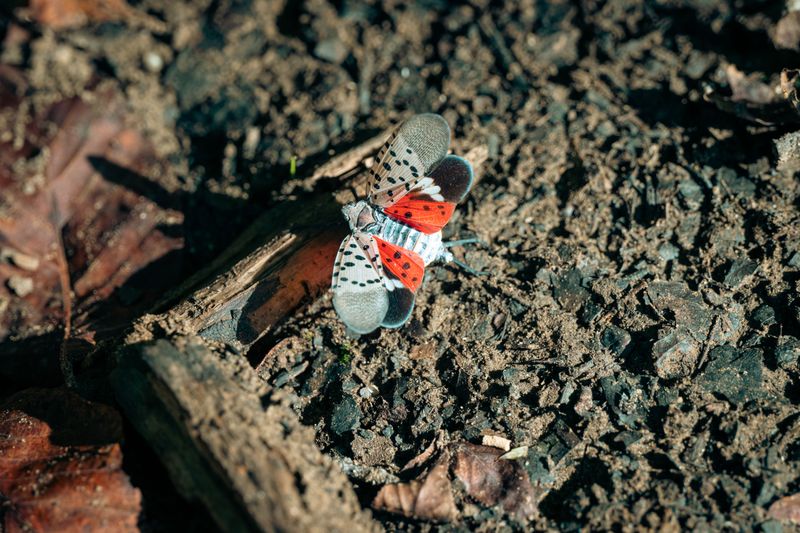
Finding one of these insects in your yard can feel alarming, but staying calm and acting fast is the right move. You have more power in this situation than you might think.
First, try to capture the insect if it is safe to do so. Place it in a sealed plastic bag or container to preserve it for identification purposes.
Take clear photos from multiple angles before or after capturing it. Good photos showing the wing pattern, body shape, and approximate size are incredibly helpful for experts confirming the species.
Do not simply release it elsewhere or let it go. Moving a live specimen to a new location defeats the entire purpose of early containment efforts.
Check the surrounding area carefully for egg masses on nearby trees, fences, and outdoor furniture. A single adult in your yard likely means there are more insects or egg masses close by.
Scrape any egg masses you find into a container of soapy water to destroy them. This method destroys the eggs effectively without requiring any special equipment or professional help.
Avoid spraying random pesticides on your own without guidance. Broad pesticide use can harm beneficial insects, including pollinators that your garden depends on throughout the growing season.
Acting quickly and smartly gives Wisconsin the best chance at containment. Every sighting reported and every egg mass destroyed is a real win for the state’s farms and forests.
Reporting Sightings To Wisconsin Agriculture Officials
Reporting a spotted lanternfly sighting is one of the most impactful things a Wisconsin resident can do right now. Your observation could be the data point that triggers a statewide response.
The Wisconsin Department of Agriculture, Trade and Consumer Protection manages invasive species reports. Their online reporting form is straightforward and takes less than five minutes to complete.
You can also submit sightings through the EDDMapS app, a free tool used by researchers and citizens across North America. The app lets you upload photos and pinpoint your exact location on a map.
When reporting, include as many details as possible. Note the date, the specific location, the number of insects observed, and which plants or surfaces they were found on.
Photos are the most valuable piece of any report. A sharp image showing the insect’s wing pattern or the distinctive egg mass texture helps officials confirm the species without needing a physical specimen.
Do not worry about being wrong. Officials would rather receive a hundred uncertain reports than miss one confirmed sighting. False alarms are a normal and expected part of early detection programs.
Sharing information with neighbors and local community groups also multiplies the impact. The more people scanning their yards and parks, the wider the surveillance network becomes across the state.
Keeping Wisconsin ahead of the spotted lanternfly is a team effort. Every photo taken, every report filed, and every egg mass scraped brings the whole state one step closer to staying protected.