This Simple Habit Builds Drought Tolerance In New Mexico Gardens
New Mexico gardens live under pressure. Between blazing sun, sandy soil, and rainfall that barely qualifies as a formality, your plants are constantly negotiating for survival.
Skip a watering here and roots stall for days, sometimes longer. Yet gardeners across the state are quietly relying on one overlooked technique to raise plants that shrug off dry spells instead of wilting under them.
The secret isn’t a fancy irrigation system or an expensive soil additive. It’s a deliberate shift in how you water from the very first season, one that pushes roots deeper and teaches your garden to store moisture instead of chasing it.
Once that habit takes hold, your beds stop depending on constant attention. The desert stays demanding, but your garden stops flinching every time the forecast turns hot.
Deep, Infrequent Watering Trains Roots To Grow Downward
A common mistake is watering too often, too shallow, and too fast. That habit keeps roots hovering near the surface, where they stay weak and needy.
Deep, infrequent watering is the foundation of building drought tolerance in New Mexico gardens. When you water slowly and let moisture sink 8 to 12 inches down, roots chase that water downward.
Deeper roots can reach moisture that stays cool below the topsoil. They also anchor plants more firmly against wind and heat stress.
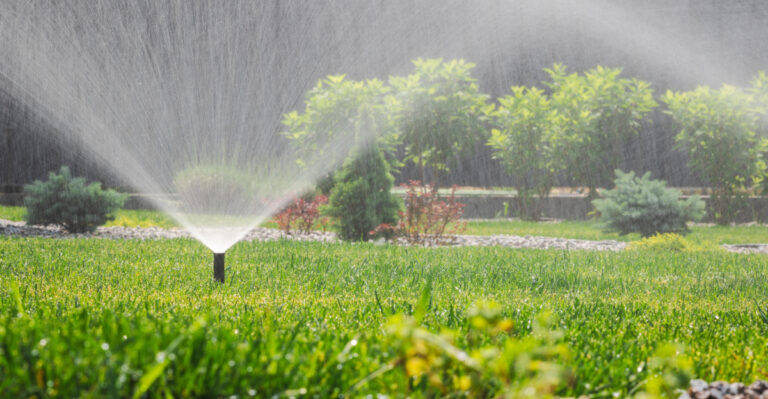
The trick is to water less frequently but for longer periods each time. A slow drip for 45 minutes beats a quick spray for 10 minutes every single day.
Start by watering every three to four days instead of daily. Watch your plants closely during the adjustment period.
Leaves may look slightly less perky at first, but that is normal. The plant is redirecting energy from foliage to root growth.
After two to three weeks, you will notice stronger stems and perkier growth even between waterings. That is your sign the roots are settling in deeper.
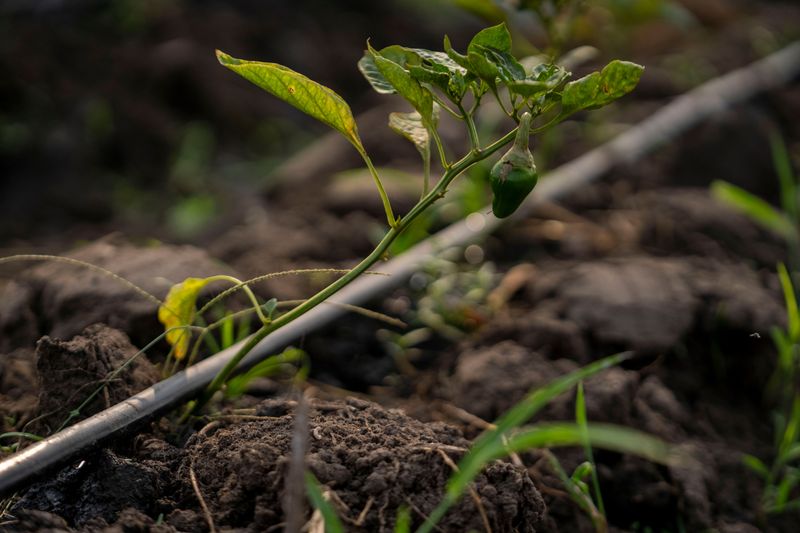
Drip irrigation systems make this habit easier to maintain consistently. They deliver water right at the root zone, cutting evaporation dramatically.
Soaker hoses work well too, especially for raised beds or long garden rows. Both options save water and train roots the right way.
Commit to this one change and your garden starts working smarter. Stronger roots mean a stronger garden when the dry months hit hard.
Signs Your Garden Still Relies Too Much On Shallow Roots
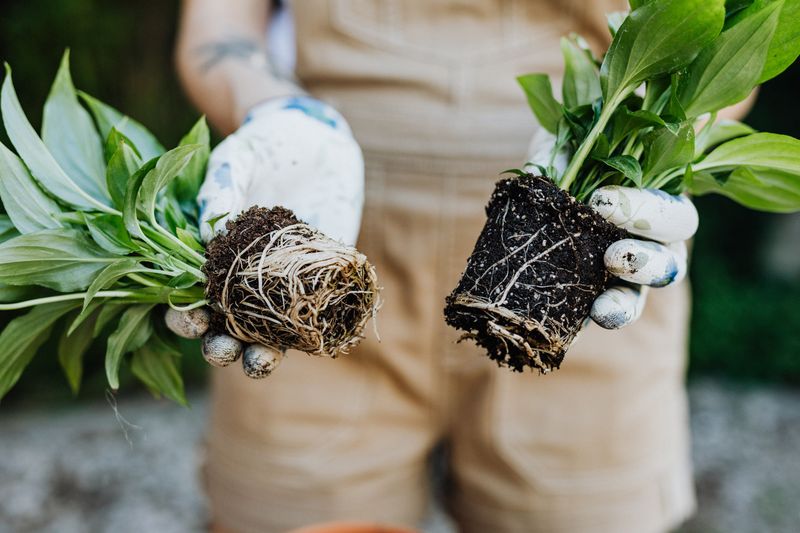
Your garden is telling you something when it wilts by noon every single day. That mid-day slump is not just about heat; it is about roots that cannot reach deeper moisture.
Shallow-rooted plants depend heavily on the top two inches of soil. That layer dries out within hours on a hot New Mexico afternoon.
One clear sign of shallow roots is rapid wilting after just one missed watering. If your plants bounce back overnight but wilt again by midday, the root system is too close to the surface.
Another clue is soil that looks bone dry just an inch below the surface. Shallow roots cannot pull moisture from deeper, cooler layers where it actually lingers.
Your New Mexico Garden Changes Every Week. Your Plan Should Too.
Gardening in New Mexico changes quickly throughout the season. Every Friday you’ll receive a simple weekly plan showing exactly what to plant, prune, fertilize, harvest, and protect so you never miss the right timing.
Check for roots that circle near the soil line when you gently lift a plant. That tangled, surface-level root ball signals a plant stuck in survival mode.
Frequent pest pressure can also point to root stress. Weakened plants attract aphids and spider mites faster than healthy, deeply rooted ones.
Yellow lower leaves with no obvious disease cause often mean inconsistent watering patterns. The plant is shedding older growth to cope with stress.
Soil that cracks and pulls away from container edges is another warning. That gap lets water run straight down the sides without ever reaching roots.
Recognizing these signs early gives you time to correct the watering routine. Catch it now and your garden can still build the drought tolerance it needs before peak summer arrives.
Watering Frequency While Building Drought Tolerance
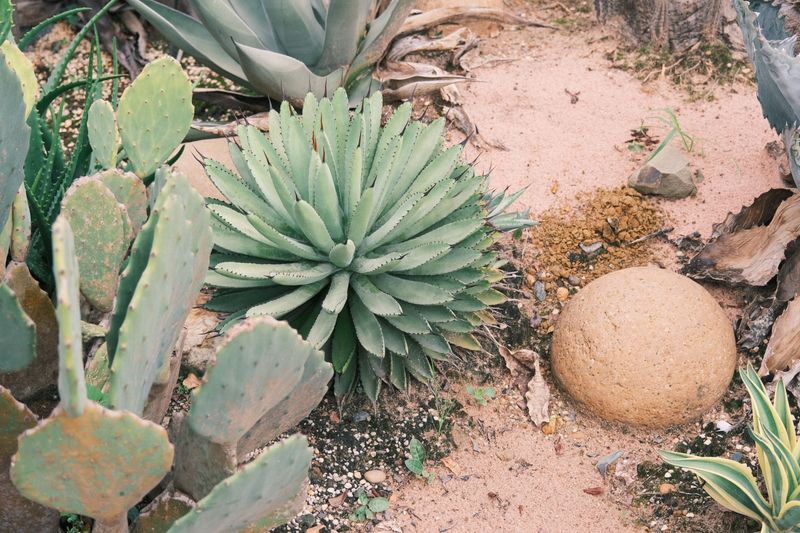
There is no single perfect watering schedule that works for every yard. Soil type, plant age, and season all shift what your garden actually needs.
Sandy soils common across much of New Mexico drain fast and may need watering every three days early in the season. Clay-heavy soils hold moisture longer and can stretch to every five or six days.
New transplants need more frequent watering for the first two to three weeks. Once they show new growth, you can begin spacing waterings further apart.
A good rule of thumb is to check soil moisture before you water, not just the calendar. Push your finger two inches into the soil near the plant base.
If the soil feels damp at that depth, skip the watering and check again tomorrow. If it feels dry and crumbly, it is time to water deeply.
Established perennials and native shrubs often need watering just once a week in spring. As temperatures climb past 90 degrees, bump that to twice a week at most.
Early morning is the best time to water in this climate. Moisture soaks in before the sun cranks up evaporation rates.
Evening watering can leave foliage damp overnight, which invites fungal problems. Morning is safer and more efficient for your plants and your water bill.
Tracking your schedule in a simple notebook helps you spot patterns over time. Small adjustments each week build the consistent habit that creates real drought tolerance in your New Mexico garden.
Mulching To Support The Habit Between Waterings
Picture your soil as a glass of cold lemonade on a hot patio. Without a lid, it evaporates fast; with one, it stays cool and full much longer.
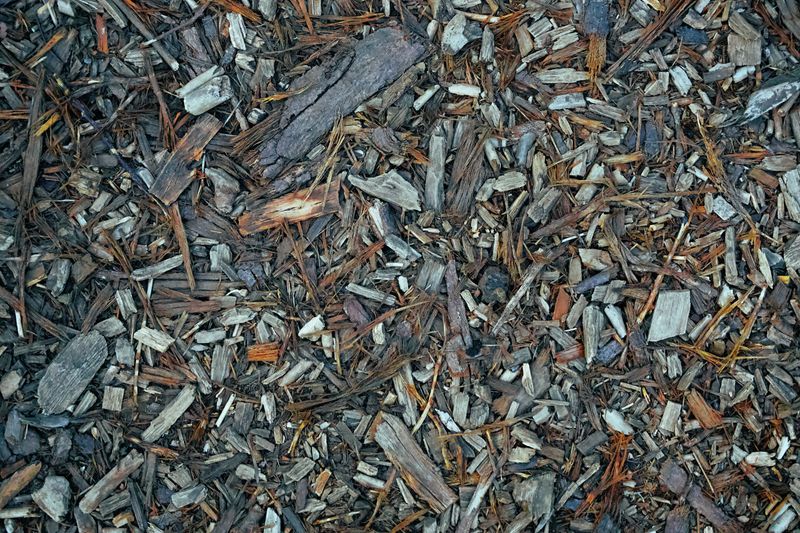
Mulch is that lid for your garden soil. A three to four inch layer of organic mulch significantly slows moisture loss between waterings.
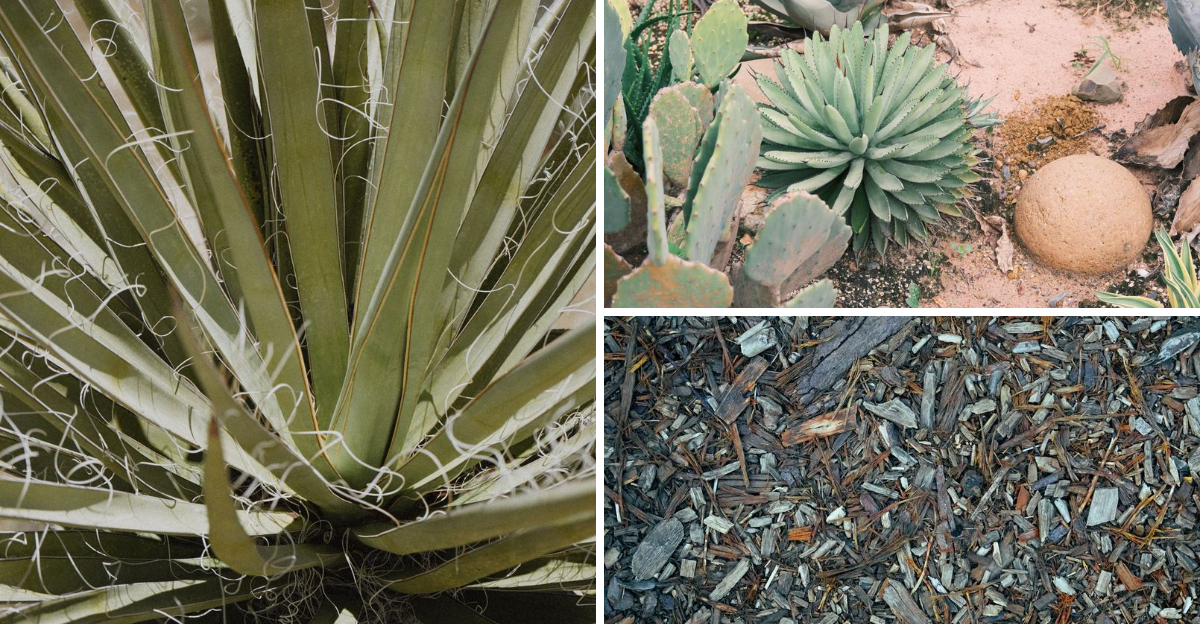
Wood chips, shredded bark, and straw all work well in dry Southwest climates. They insulate the soil surface, keeping root zones cooler even when air temperatures spike.
Mulched garden beds can retain noticeably more moisture than bare soil, especially during hot, dry stretches. That means less frequent watering and less stress on your plants overall.
Pull mulch back about two inches from the base of each plant stem. Direct contact with stems can trap moisture against the bark and invite rot.
Gravel and decomposed granite also work as mulch in xeriscape settings. They reflect heat differently than organic mulch but still reduce evaporation effectively.
Reapply organic mulch once or twice per season as it breaks down. Decomposed mulch adds nutrients back into the soil, which is a bonus for plant health.
Pathways between garden beds deserve mulch coverage too. Bare soil between rows heats up fast and pulls moisture away from nearby plant roots.
Mulching is the quiet partner to deep watering. Together, these two habits form the backbone of a truly drought-tolerant New Mexico garden that handles summer without constant attention.
Native And Drought Adapted Plants That Respond Best
Some plants were practically born for this climate. Native and drought-adapted species have evolved over thousands of years to thrive on minimal water and intense sun.
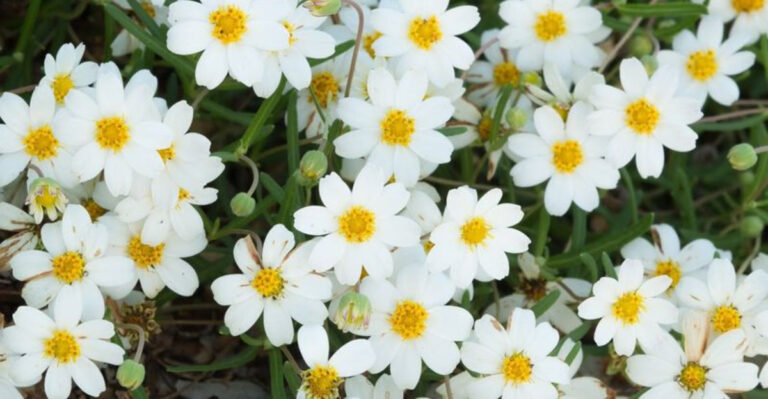
Desert marigold is a cheerful yellow bloomer that asks for almost nothing once established. It handles heat, sandy soil, and long dry spells without missing a beat.
Apache plume is another standout, producing feathery pink seed heads that catch the breeze beautifully. It grows naturally across the Southwest and rarely needs supplemental watering after its first season.
Blue grama grass is the native turf option that changes everything for water-conscious homeowners. It goes dormant in drought rather than straining, then greens back up with the first monsoon rain.
Chamisa, also called rabbitbrush, lights up fall gardens with golden blooms when most plants have given up. It thrives in alkaline soils and tolerates both drought and cold temperatures.
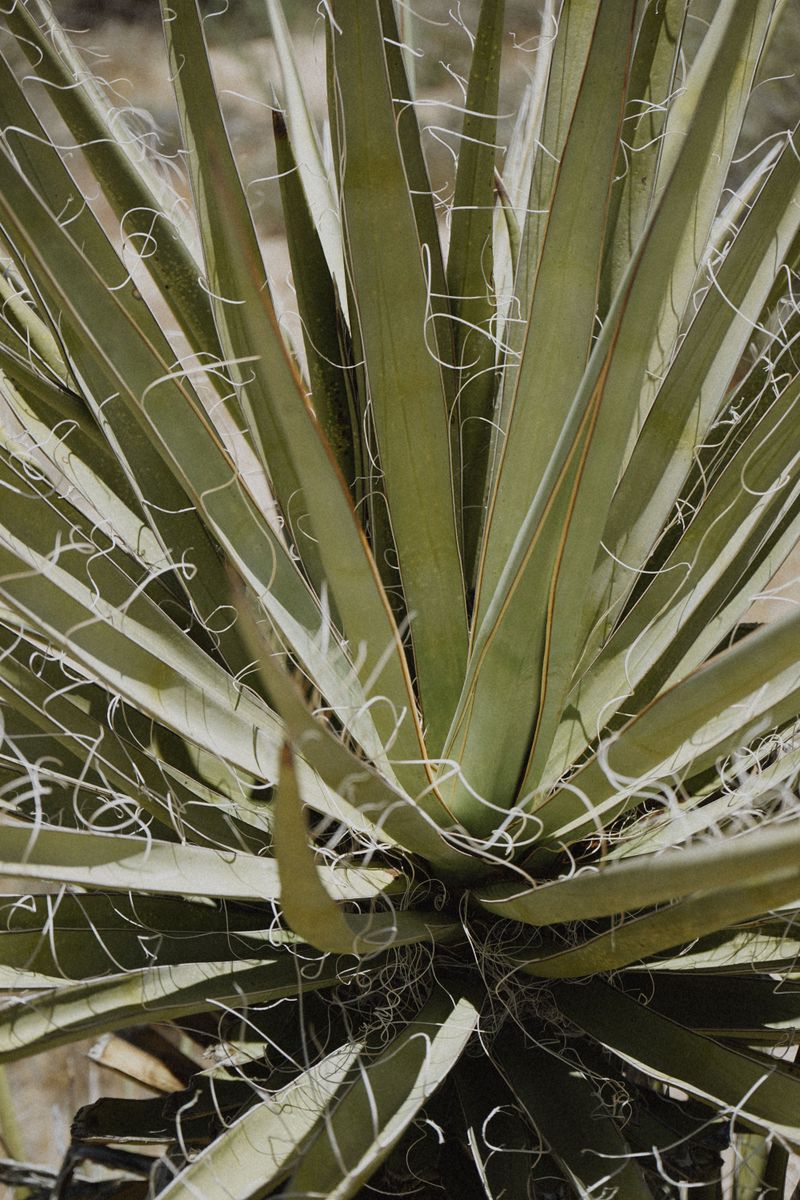
Agave and yucca bring bold structure to garden beds without demanding regular irrigation. Their thick, water-storing leaves are built for exactly the conditions found across this region.
Penstemon species add tall spikes of tubular flowers that hummingbirds love. Most varieties establish quickly and need watering only during extended dry spells.
Planting these species alongside the deep watering habit creates a powerful combination. The plants are already wired for survival, and your watering routine just makes them stronger.
Choosing the right plants is only part of the equation. The rest comes from giving them the root-training habit that lets them fully express their built-in drought tolerance.
Adjusting The Routine As Summer Heat Peaks
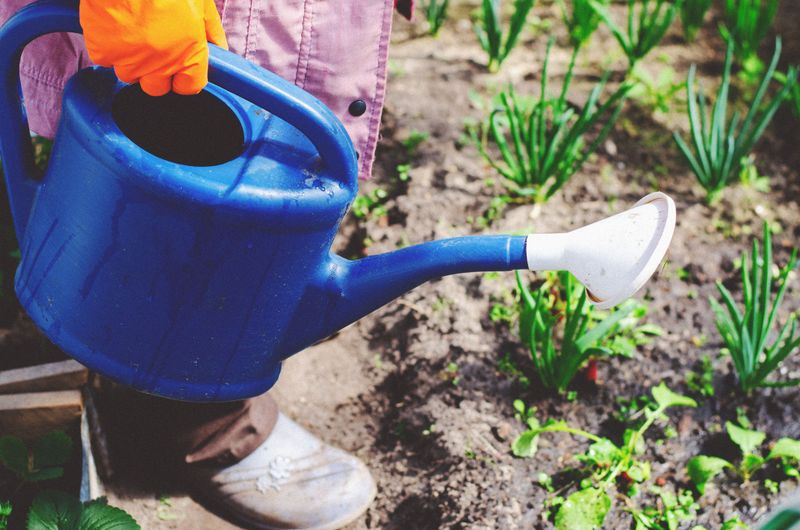
June and July in New Mexico play by different rules than April does. Temperatures that push past 100 degrees change how quickly soil dries and how much stress plants carry.
Even well-established drought-tolerant plants may need an extra watering during back-to-back days above 95 degrees. Watch the leaves, not just the calendar.
Curling or slightly cupped leaves in the early morning signal that plants are under heat stress. That is different from normal midday wilting, which usually corrects itself by evening.
Add one extra watering session per week during the hottest stretches. Keep it deep and slow rather than adding a quick surface spray.
Check your mulch layer before the peak heat season arrives. Top it off to a full four inches if it has thinned out since spring planting.
Shade cloth over sensitive plants can noticeably lower leaf temperature during peak sun exposure. That small buffer makes a big difference on the hottest afternoons.
Monsoon season typically brings relief in mid-July across much of the state. When rains arrive consistently, pull back supplemental watering to avoid oversaturation.
Overwatering during monsoon season is a real risk that many gardeners overlook. Soggy roots on drought-adapted plants can cause more harm than a dry spell.
Track rainfall with a simple rain gauge and skip scheduled waterings when an inch or more falls. Staying flexible is the final piece of building true drought tolerance in a New Mexico garden that lasts all season long.