These 9 New Mexico Garden Plants Keep Thriving When Temperatures Stay Above 90
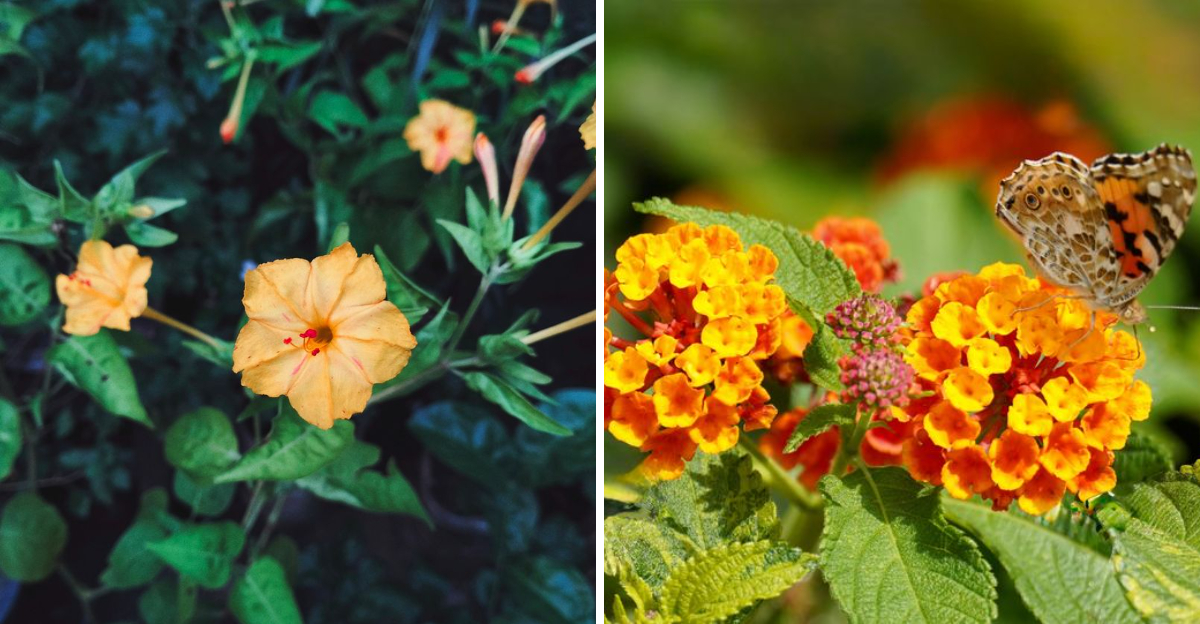
Summer in New Mexico doesn’t ease you in. It arrives like an uninvited guest who cranks up the thermostat and refuses to leave.
Weeks of temperatures above 90 degrees will test even the most dedicated gardener. Most plants simply aren’t up to the challenge. Leaves scorch, blooms drop, and what was a thriving garden in May starts looking pretty rough by July.
But not every plant taps out when the heat gets serious. A handful of tough, sun-loving plants actually hit their stride when New Mexico summers are at their worst, flowering through the hottest stretches, holding their color, and asking for very little in return.
These aren’t plants that merely tolerate the heat. They’re built for it, shaped by the same relentless sun and dry air that defines this landscape. If you’re tired of watching your garden struggle every summer, these are the plants worth knowing.
1. Desert Marigold (Baileya Multiradiata)
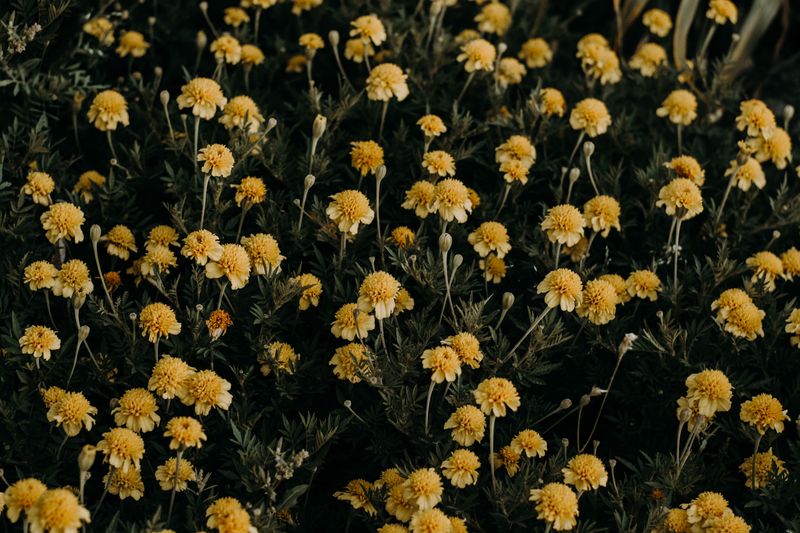
Picture a plant that greets 100-degree heat with cheerful yellow blooms. Desert Marigold does exactly that, lighting up the landscape when everything else looks fried.
This native wildflower thrives across the Southwest’s harsh terrain. It handles poor, rocky soil without complaint and rarely needs extra water once settled in.
The silvery-gray leaves aren’t just pretty, they reflect sunlight to keep the plant cool. That’s smart desert engineering wrapped in a beautiful package.
Plant Desert Marigold in full sun and give it excellent drainage. Sandy or gravelly soil is ideal, and overwatering is the one thing that can actually cause problems.
Blooms appear from spring all the way through fall, giving you months of golden color. Pollinators love it, so butterflies and bees will treat your garden like a buffet.
Desert Marigold is also remarkably deer resistant, which is good news for New Mexico gardeners who know how persistent hungry wildlife can be. The woolly texture of the leaves seems to put most browsers off entirely.
Removing spent flowers encourages more blooms throughout the season. Even without it, this plant keeps producing flowers at an impressive rate.
Desert Marigold asks for almost nothing and keeps delivering long after flashier plants have given up. For a plant that thrives on neglect, it puts on a remarkably good show.
2. Blackfoot Daisy (Melampodium Leucanthum)
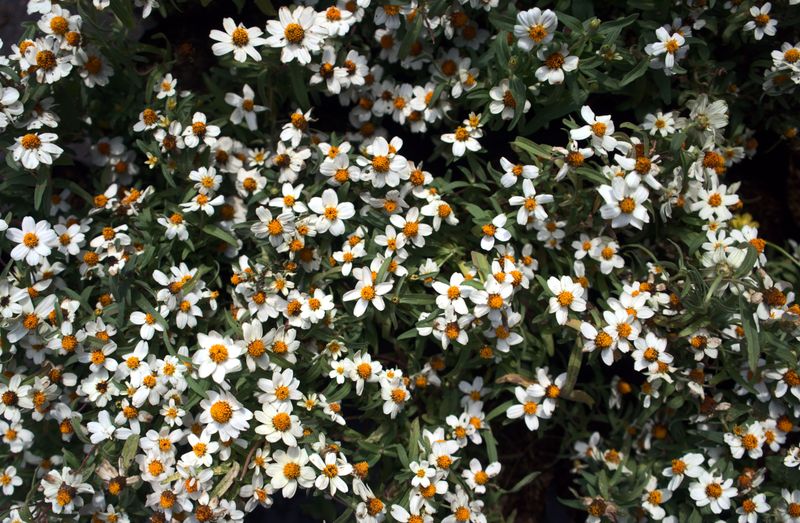
Tiny but relentless, the Blackfoot Daisy punches way above its weight class. Those cheerful white flowers with sunny yellow centers bloom almost nonstop through the hottest months.
Native to the desert Southwest and southern Plains, this plant evolved to handle intense heat and minimal rainfall. It’s essentially pre-adapted to every challenge a New Mexico summer throws at it.
The mounding growth habit makes it perfect for rock gardens, borders, and xeriscaping projects. Plants typically reach about 12 inches tall and spread into tidy, dome-shaped clumps.
Drainage is critical for this one. Wet feet in clay soil will stress it out faster than any heatwave ever could.
Once established, Blackfoot Daisy needs almost no supplemental irrigation. A deep soak every couple of weeks during peak summer is usually plenty to keep it thriving.
Your New Mexico Garden Changes Every Week. Your Plan Should Too.
Gardening in New Mexico changes quickly throughout the season. Every Friday you’ll receive a simple weekly plan showing exactly what to plant, prune, fertilize, harvest, and protect so you never miss the right timing.
Honey bees and native pollinators flock to these blooms consistently. The flowers even carry a faint honey-like scent that makes a summer stroll through the garden extra pleasant.
Pair it with Desert Marigold or Globe Mallow for a low-water, high-color combination that looks intentional and effortless. Your garden will look like a professional designed it.
3. Apache Plume (Fallugia Paradoxa)
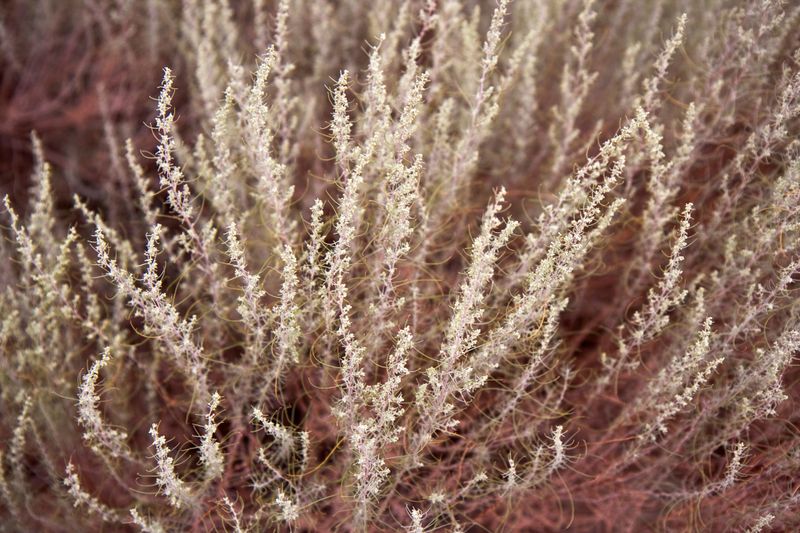
Apache Plume is one of the most visually theatrical shrubs in the desert garden. After the white rose-like flowers fade, feathery pink plumes take over and make the whole plant look like it’s wearing a fancy costume.
This native shrub handles scorching temperatures with remarkable composure. It’s been growing wild across New Mexico’s mesas and foothills for thousands of years without any human help.
Apache Plume can reach six feet tall and wide, making it a great choice for screening or as a focal point. Give it space and it will reward you generously.
Full sun and well-drained soil are the main requirements here. Once roots are established, this shrub is highly drought-tolerant and needs very little supplemental watering in most New Mexico climates.
Wildlife find it irresistible. Birds use the feathery plumes as nesting material, and the flowers attract a variety of native bees.
Pruning is minimal, just remove bare wood in late winter to encourage fresh growth. The plant takes care of the rest without any fussing from you.
Apache Plume is a true multi-season performer that earns its place in any New Mexico garden. Spring flowers give way to summer plumes, and the show never really stops.
4. Globe Mallow (Sphaeralcea Ambigua)
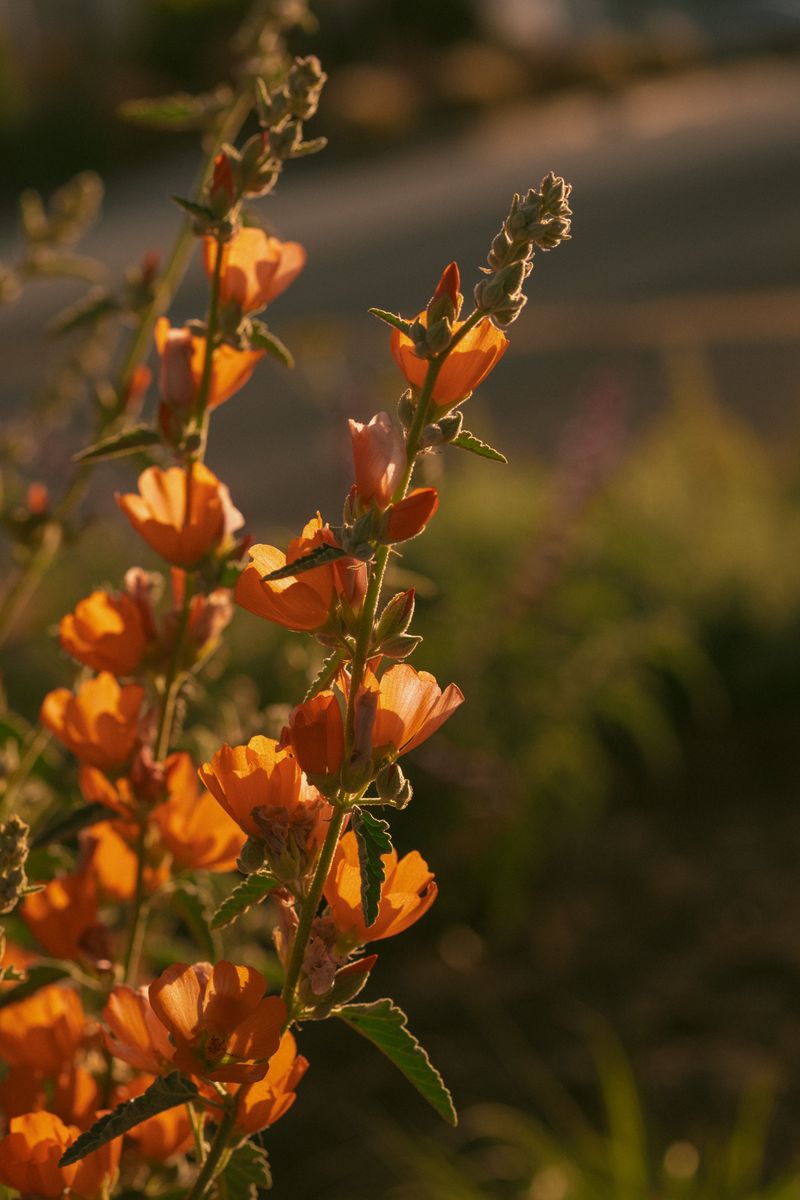
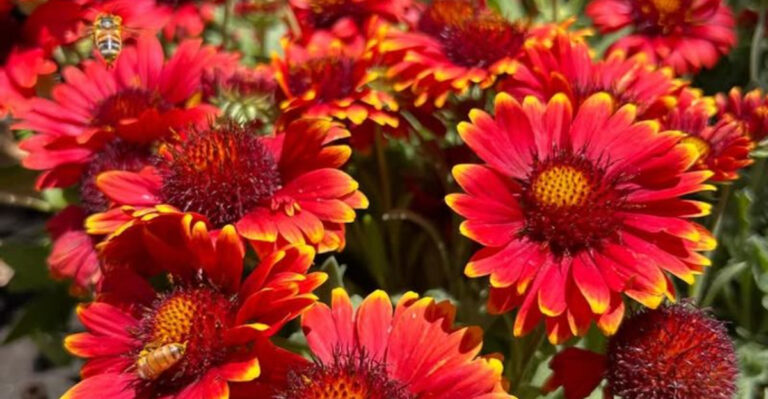
Orange is the color of summer heat, and Globe Mallow wears it proudly. Those vivid, cup-shaped blooms pop against the dusty landscape like little flames that refuse to go out.
This perennial wildflower has been brightening roadsides and arroyos across the Southwest for centuries. It needs almost nothing from you to perform at its absolute best.
Globe Mallow grows two to three feet tall with a loose, airy structure. The gray-green foliage has fine hairs that help reduce moisture loss in intense heat.
Plant it in fast-draining soil and full sun for the best results. It adapts to poor, rocky conditions that would discourage almost any other flowering plant.
Established plants survive on rainfall alone in most New Mexico climates. A little supplemental watering during extended dry spells will keep blooms coming more consistently.
Hummingbirds are particularly fond of the tubular flowers. Setting up a garden with Globe Mallow is basically an open invitation to these tiny aerial acrobats.
One caution: the plant’s fine hairs can irritate sensitive skin, so wear gloves when handling it. That small trade-off is absolutely worth the months of spectacular color it delivers.
Few garden plants handle triple-digit days with this much flair and no fuss.
5. Autumn Sage (Salvia Greggii)
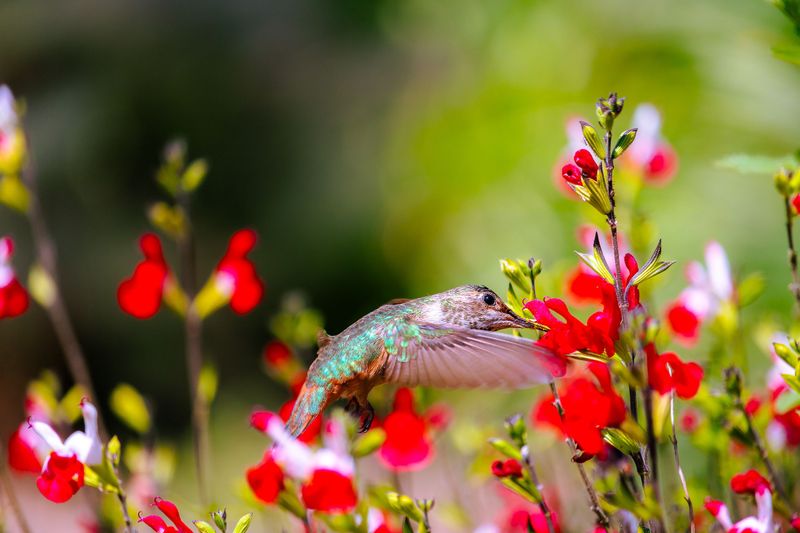
Autumn Sage blooms so aggressively in summer heat that you might wonder if it actually prefers the scorching conditions. The answer, surprisingly, is yes, it absolutely does.
Native to the Chihuahuan Desert region, this compact salvia handles high temperatures with impressive stamina. Tubular flowers in red, pink, coral, and white cover the plant from late spring through fall frost.
Hummingbirds treat Autumn Sage like a personal diner. Plant a few of these near a window and you’ll have front-row seats to some entertaining aerial feeding shows all season long.
The shrub grows two to three feet tall with aromatic foliage that releases a pleasant scent when brushed. That fragrance alone makes it worth planting near a patio or walkway.
Water needs are moderate compared to other landscape plants. A deep watering once a week during peak summer is generally enough to keep it blooming without encouraging shallow, weak roots.
Shearing the plant back by about one-third in midsummer rejuvenates it for a spectacular fall flush. That second wave of blooms often looks even better than the first.
Autumn Sage pairs beautifully with blue-flowering plants like salvia or agastache. That color contrast stays sharp and striking all the way through the hottest months.
6. Blue Grama Grass (Bouteloua Gracilis)
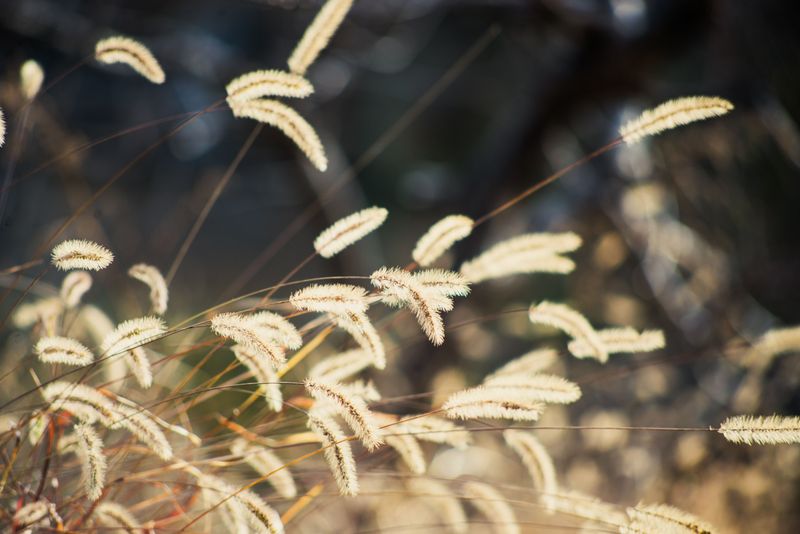
Blue Grama Grass is the unsung hero of the New Mexico landscape. While flashier plants get all the attention, this native grass quietly holds the soil, feeds wildlife, and looks stunning through every season.
The seed heads are truly one of nature’s quirkiest designs. They look like tiny curved combs or eyelashes perched atop slender stems, and they catch the light in a way that feels almost magical.
As the state grass of New Mexico, Blue Grama has deep roots in the region’s ecology. It covered millions of acres of shortgrass prairie long before anyone thought about landscaping.
This warm-season grass actively thrives when summer temperatures soar. Growth peaks during the hottest months, which makes it perfectly timed for a New Mexico garden.
Water requirements are minimal once the grass is established. It can survive on natural rainfall in most parts of the state, making it one of the most water-efficient lawn alternatives available.
Use it as a low-maintenance turf replacement or let it grow naturally as an ornamental clump. Both approaches create a beautiful, native-friendly garden space with almost no maintenance.
Mixing Blue Grama with wildflowers creates a meadow-style planting that supports native bees and birds. That’s a garden that works hard for the whole ecosystem.
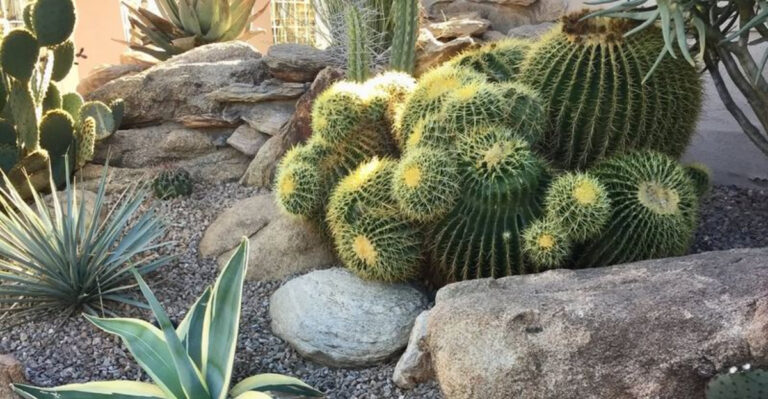
7. Prickly Pear Cactus (Opuntia Engelmannii)
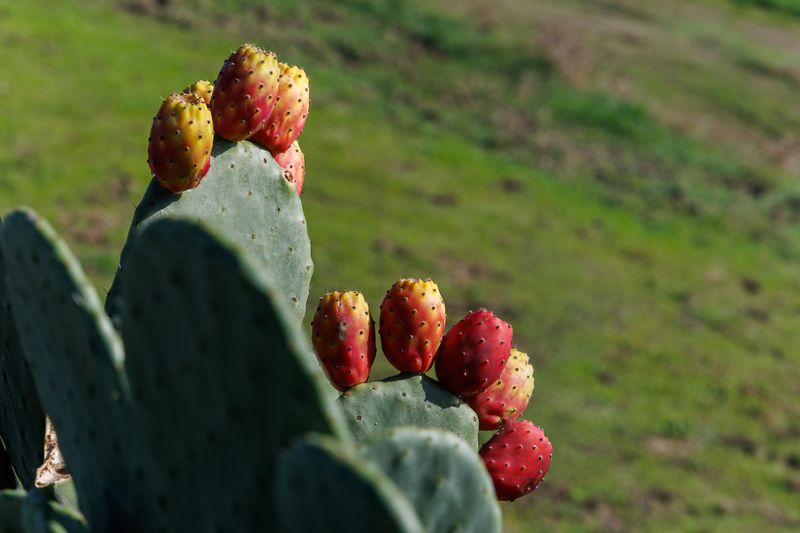
No plant embodies the Southwest spirit quite like Prickly Pear. It’s tough, iconic, surprisingly beautiful, and it gives you free fruit if you treat it right.
Opuntia engelmannii grows in broad, paddle-shaped pads that store water with extraordinary efficiency. Once established, the plant can go extended periods without rain and still produce yellow flowers in late spring.
Those flowers give way to deep red or purple tunas, which is what locals call the fruit. The tunas are edible and commonly used in jams and syrups across the Southwest.
Prickly Pear thrives in the poorest, rockiest soil you can find. Amending the soil or overwatering is actually more likely to cause problems than neglect ever would.
Wildlife interactions are a bonus with this plant. Javelinas, deer, and birds all feast on the pads and fruit, making it a living wildlife station in your garden.
Planting is straightforward but gloves are non-negotiable. The tiny glochids, those hair-like spines, are far more irritating than the larger spines and stick to skin with frustrating persistence.
Prickly Pear is hard to match for sheer architectural drama. It transforms any dry corner into a statement piece that looks sculpted by nature itself.
8. Four O’Clock (Mirabilis Multiflora)
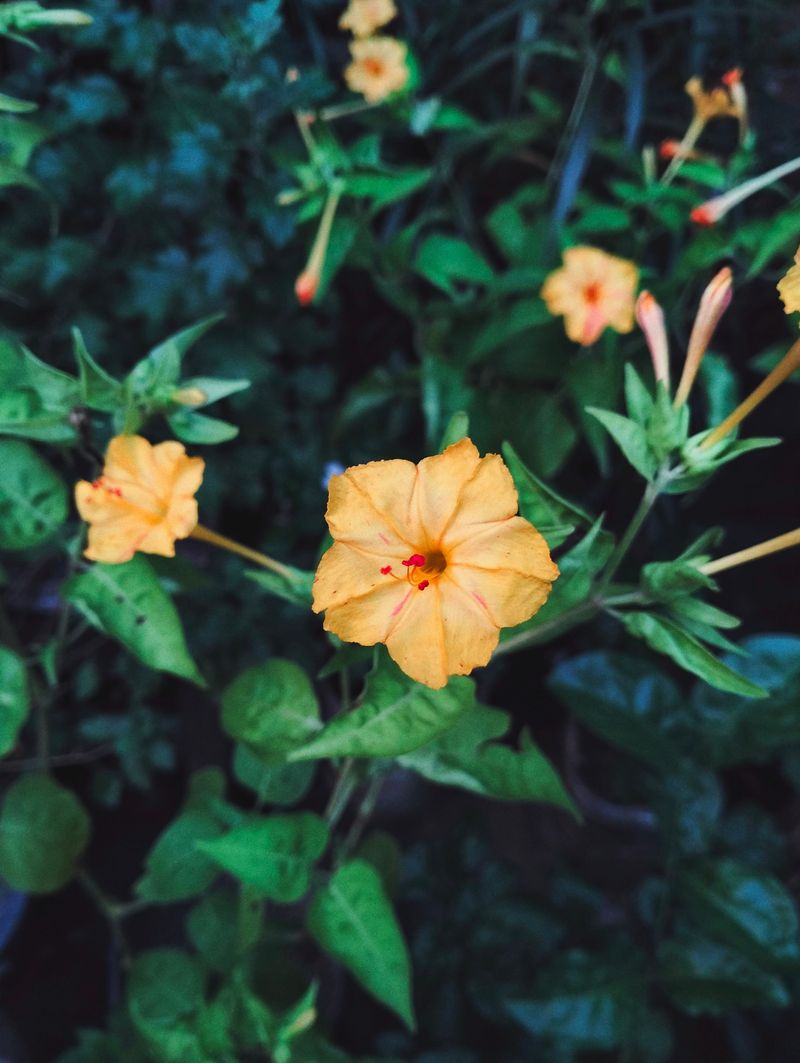
Image Credit:
© Punam Oishy / PexelsWatching Four O’Clock bloom is one of summer’s small daily pleasures. Right around late afternoon, those magenta trumpet flowers pop open like tiny fireworks, filling the air with a light, sweet fragrance.
Mirabilis multiflora is native to the Colorado Plateau and surrounding desert regions. It’s been a beloved garden plant in New Mexico for generations, and for excellent reason.
The plant grows from a large, tuberous root that stores water and nutrients like a natural reservoir. That underground storage system is what allows it to bounce back after intense heat or drought.
Above ground, it forms a lush, spreading mound two to three feet tall. The deep green foliage looks surprisingly tropical for a plant that handles desert conditions so effortlessly.
Flowers open in late afternoon and stay open through the night, attracting sphinx moths and hummingbirds. Running a garden light nearby at night creates a genuinely magical scene.
Four O’Clock goes dormant in winter and returns reliably from the same root each spring. That perennial dependability makes it a true garden investment rather than a seasonal expense.
Minimal watering, little to no fertilizer, and very few pest issues make this one of the most carefree choices for summer color. It’s proof that the best things in the garden sometimes require the least effort.
9. Lantana (Lantana Camara)
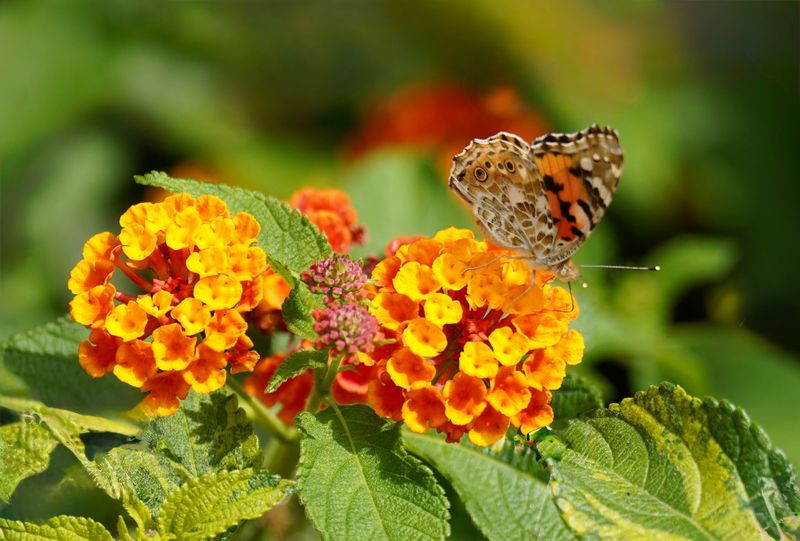
Image Credit: © Жанна Алимкулова / Pexels
Lantana laughs at summer heat. While other plants wilt and sulk, this powerhouse bloomer cranks out clusters of tiny multicolored flowers in orange, yellow, red, and pink all season long.
Butterflies are absolutely obsessed with Lantana. Plant even a small patch and you’ll start attracting swallowtails, monarchs, and painted ladies once the blooms get going.
The color combinations within each flower cluster are almost unreal. Individual blooms shift from one hue to another as they age, creating a sunset-like gradient across the whole plant.
Lantana grows fast and full, reaching two to four feet depending on the variety. It works beautifully as a ground cover, in containers, or cascading over retaining walls.
Water needs are low once established, making it a smart pick for water-conscious gardeners. A thorough soaking once a week during peak heat keeps it blooming at full capacity.
One important note: the berries are toxic to people and pets. Planting it in areas away from curious kids and animals is a simple precaution that keeps everyone safe.
Lantana delivers more color per square foot than almost anything else you can plant in a New Mexico summer. It’s the kind of plant that makes the whole garden feel like it’s celebrating.