Warning: Stake Tall Michigan Flowers Tonight Before The Storms Hit
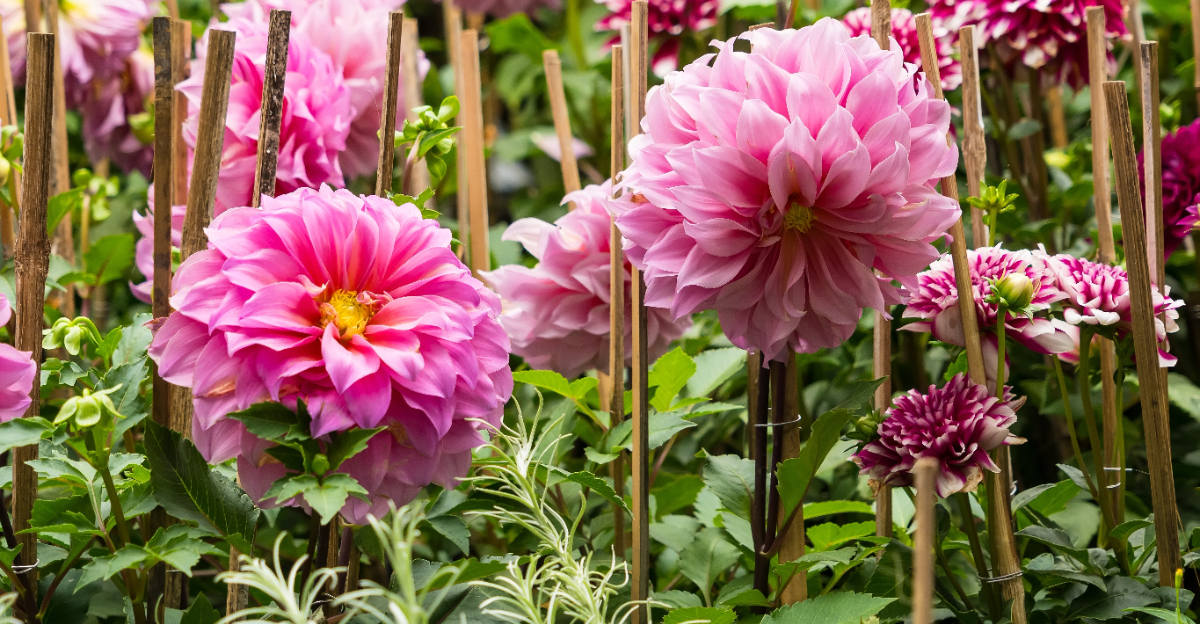
Michigan storms do not give much warning. One evening the garden looks fine and by morning tall flowers are snapped, bent, or flattened against the ground in ways that no amount of staking after the fact can fully correct.
Dahlias, delphiniums, lilies, and tall rudbeckias are the first to go. They grow fast through summer and get top-heavy before most gardeners think to support them.
A stem that breaks at the base is gone for the season. A stem that bends sharply at a joint rarely recovers its original strength.
Tonight is the window. The stakes and ties that take twenty minutes to put in place now represent weeks of bloom that would otherwise end on the ground before the storm clears.
1. Dahlias
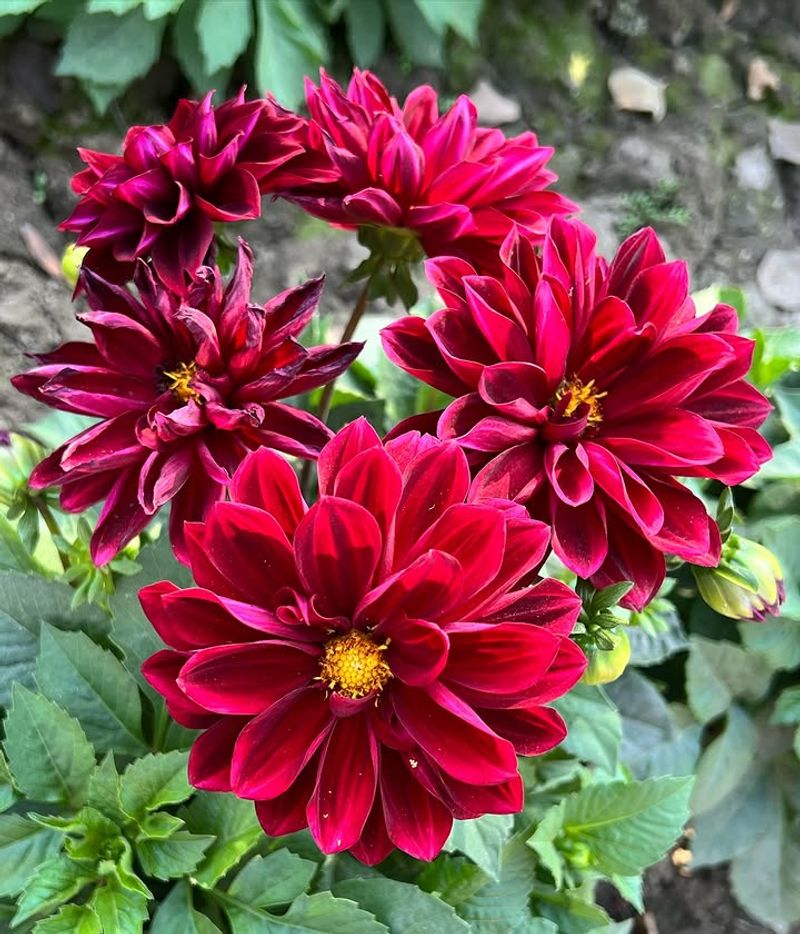
Dahlias have a sneaky way of fooling gardeners. Those thick, sturdy-looking stems give the impression that these plants can handle anything, but the truth is they snap surprisingly easily when wind hits them at the wrong angle.
The stem may look tough on the outside, but it has a pithy, soft center that gives way under pressure fast.
Staking a dahlia early in the season is the smartest move you can make. Once a storm snaps a stem close to the base, you risk damaging the tuber underground, and that tuber is the heart of next year’s plant.
A single bamboo stake driven about six inches from the base, tied loosely with garden twine, gives the stem something to lean on without restricting its growth.
The key word here is “loosely.” Tying too tight can cut off circulation and cause more harm than good. A figure-eight tie works great because it creates a cushion between the stem and the stake.
Drive the stake in at a slight angle toward the plant so it catches the direction most storms come from in Michigan, which is typically from the west or northwest.
Do not wait until your dahlias are blooming to stake them. By then, the root system is well established, and driving a stake in risks piercing the tuber.
Get those stakes in now, before tonight’s storm rolls in, and you protect both the bloom above ground and the tuber below. Your dahlias will reward you with a full, healthy season.
2. Delphiniums
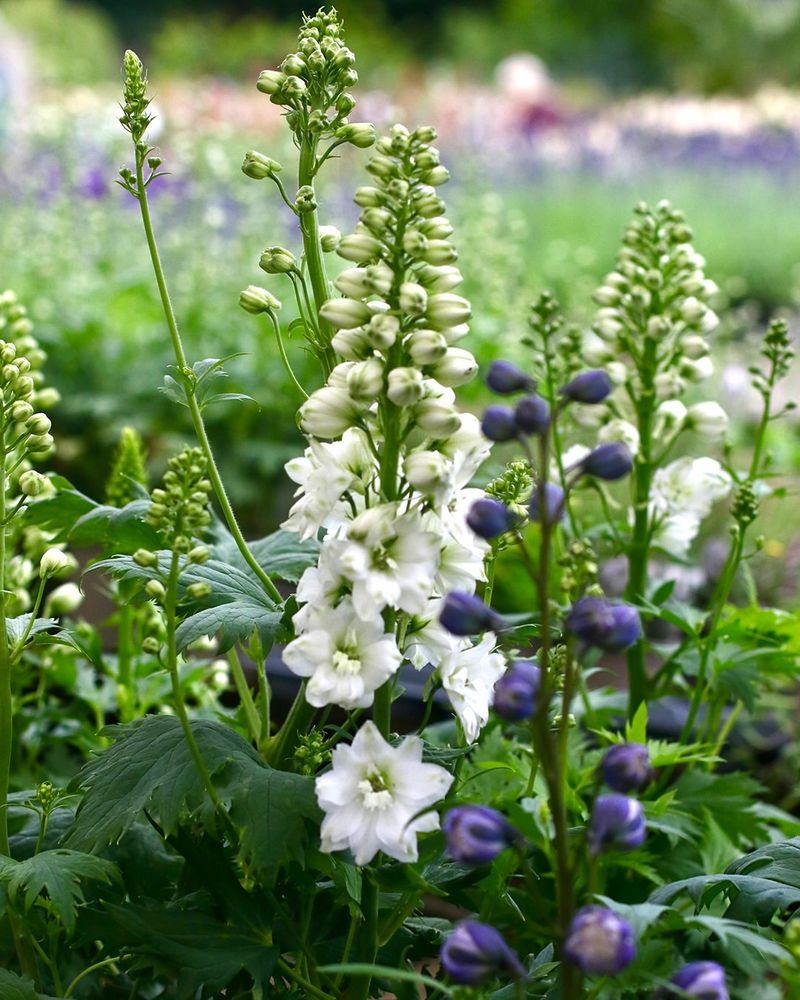
Few flowers in a Michigan garden turn heads quite like a tall delphinium spike reaching five or six feet into the air. That height, though, is exactly what makes them so vulnerable when a storm rolls in.
Wind does not just push these spikes sideways; it grabs them like a sail and twists them, which is when the real damage happens at the base of the stem.
The best staking method for delphiniums uses three thin bamboo canes placed evenly around the plant in a triangle shape. Run soft garden twine around the outside of the canes, encircling the flower spike without pressing directly against it.
This creates a little cage that lets the plant sway naturally while still preventing it from folding over in a strong gust.
Your Michigan Garden Changes Every Week. Your Plan Should Too.
Gardening in Michigan changes quickly throughout the season. Every Friday you’ll receive a simple weekly plan showing exactly what to plant, prune, fertilize, harvest, and protect so you never miss the right timing.
One mistake people make is staking only the main spike and ignoring the side shoots. Those side shoots will grow tall too, and they are just as likely to snap.
Take a few extra minutes to add support to secondary growth, especially if your delphiniums have been growing for a few weeks already.
Michigan storms in July and August often come with strong downbursts that hit fast and hit hard. Delphiniums that are not staked beforehand rarely survive these events with their spikes intact.
A crushed flower spike means no blooms for the rest of the season, and that is a real loss when you consider how long these plants take to reach full height. Get those canes in the ground tonight before the weather turns.
3. Gladiolus
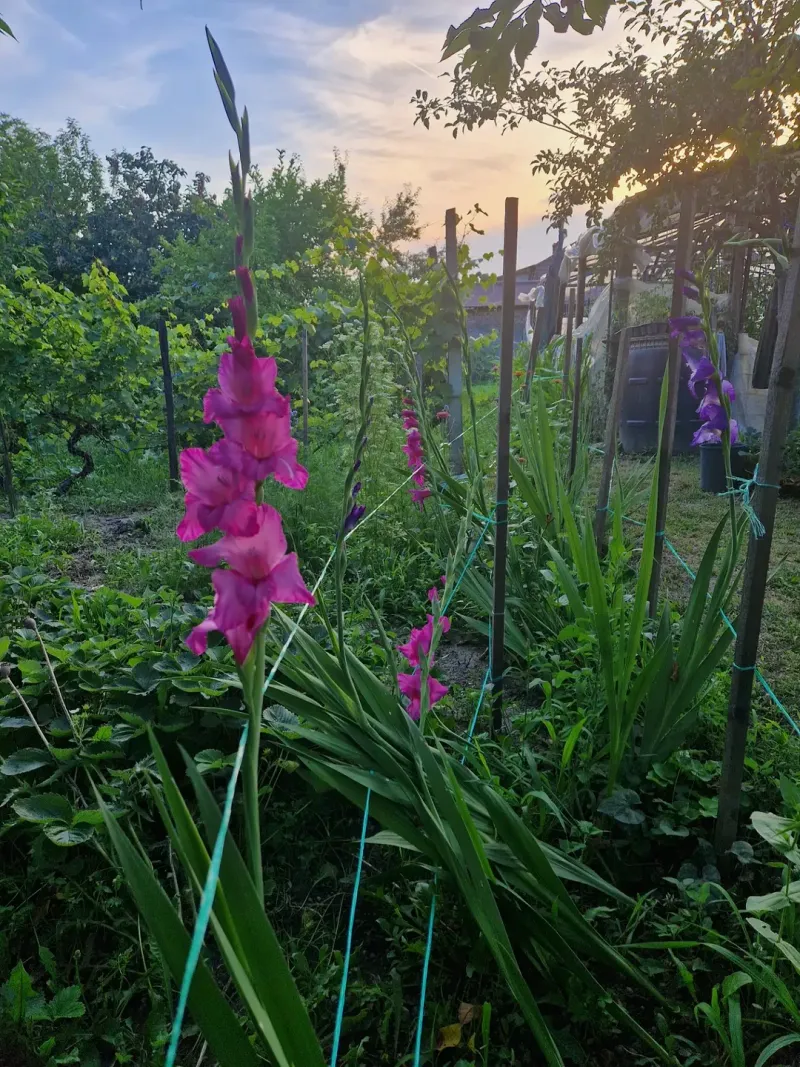
Gladiolus are top-heavy by design. All of those gorgeous blooms stack up along one side of a tall, narrow stem, and that uneven weight is exactly what causes them to bend and flop at the base when wind or heavy rain hits.
A single stem loaded with open flowers can weigh more than you might expect, and that weight acts like a lever working against the base of the plant.
The good news is that staking a full row of gladiolus does not have to take forever. Instead of staking each individual stem, drive a sturdy stake at each end of your row and run a length of twine down both sides at about mid-stem height.
This creates a simple corral that holds the whole group upright without you needing to fuss with each plant one by one.
For smaller clusters or scattered gladiolus, a single stake per stem works fine. Push the stake in about four inches from the base and tie loosely at two points, once near the middle and once closer to the flower spike.
Avoid tying right at the blooms, since that can crush or distort the flower arrangement as it opens.
Timing matters a lot with gladiolus. Once a stem bends sharply at the base, the vascular tissue inside gets pinched, and water and nutrients stop flowing properly to the blooms.
Staking before a storm keeps that pathway open and your blooms vibrant. Tonight is the perfect time to walk your garden rows and get every gladiolus properly supported before the wind picks up.
4. Hollyhocks
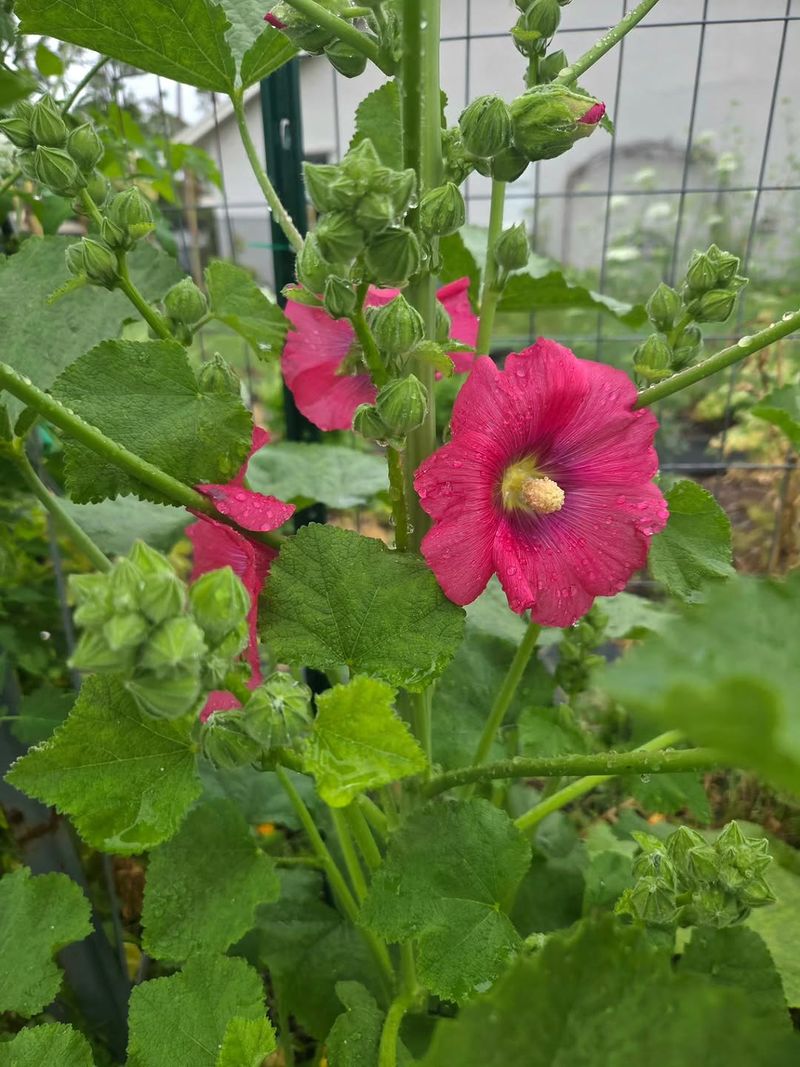
Hollyhocks have a reputation for being tough, old-fashioned cottage garden plants that basically take care of themselves. That reputation is mostly true, but there is one situation where they need your help: open yards with no natural windbreak.
Growing hollyhocks along a fence or the side of your house gives them some protection, but hollyhocks planted in open beds are fully exposed to Michigan’s summer storm winds from every direction.
The height of hollyhocks is what makes them catch wind differently than shorter flowers. A six or seven foot hollyhock stem acts like a flagpole in a gust, collecting enormous pressure at the base.
Unlike a flagpole, though, hollyhock stems are not anchored deeply, and they will lean and eventually topple without support.
Staking hollyhocks is straightforward. Use a heavy bamboo stake or a metal garden rod at least as tall as the plant, and drive it at least twelve inches into the ground for a solid anchor.
Tie the stem at two or three points going up, using soft cloth strips or foam-coated wire so you do not cut into the fibrous outer stem.
One extra tip: hollyhocks that grow against a wall or fence still benefit from a stake on the side facing away from the structure.
Wind can funnel along walls and actually create turbulence that pushes the plant outward rather than against the wall.
A stake on the open side catches that force and keeps the plant vertical. Do this tonight, and your hollyhocks will stay standing through whatever Michigan throws at them.
5. Foxglove
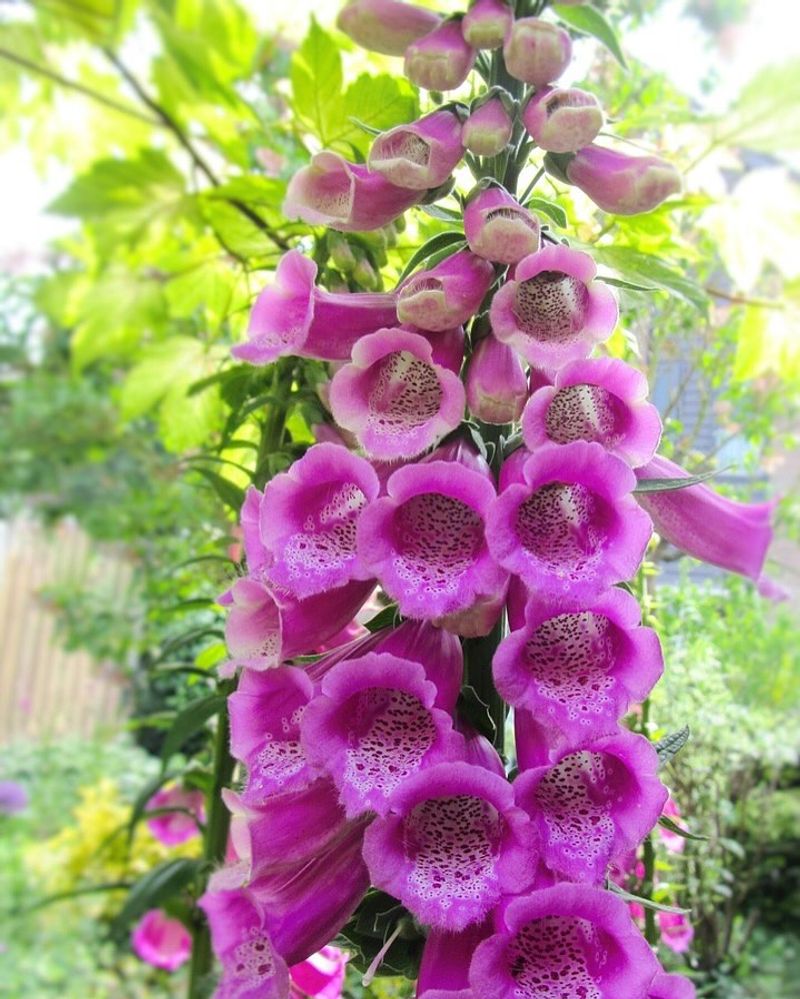
Foxglove spikes are one of the most dramatic sights in a summer garden, rising up to five or six feet with rows of spotted, tubular bells lining every inch of the stem. What most people do not realize is that those impressive spikes are actually hollow inside.
That hollow structure makes them incredibly vulnerable to splitting lengthwise when heavy rain or wind puts pressure on them from the side.
A split stem on a foxglove is not something you can easily fix. Once that hollow core cracks open, moisture gets in and the whole spike weakens from the inside out.
The blooms above the split will wilt and fade quickly, cutting your flowering season short by weeks. Prevention is the only real solution, and that means staking before the storm arrives.
The soft tie method works best for foxglove because the outer stem skin is thin and tears easily under pressure. Use strips of old pantyhose, foam garden tape, or silicone plant ties instead of rough twine.
These materials stretch slightly with the plant’s movement rather than cutting in when the wind pushes the stem against the stake.
Place your stake on the side of the prevailing wind so the plant leans into the stake during a gust rather than away from it. One stake per spike is usually enough if it is tall and sturdy.
Tie at the midpoint of the spike and again about two-thirds of the way up. Foxglove is a biennial, meaning it only blooms once every two years, so protecting that spike tonight is especially worth the effort.
6. Cosmos
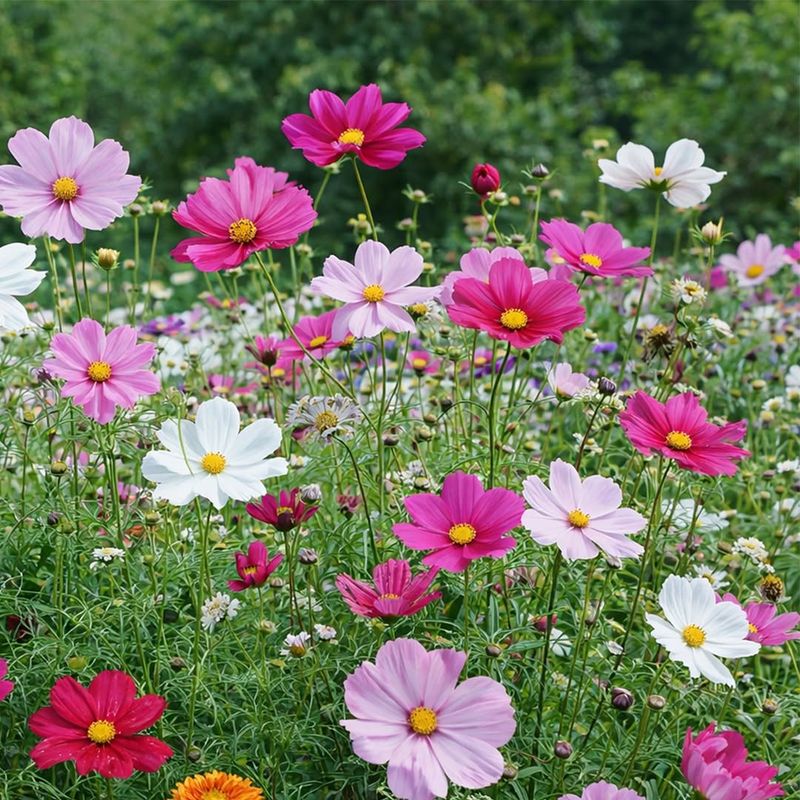
Cosmos are the free spirits of the garden world. Their wispy, thread-like stems and feathery foliage make them look like they would fall over in a light breeze, yet they are surprisingly resilient when given even a little bit of support.
The secret is that their stems flex and bounce rather than snap, which means a small amount of staking goes a long way during a storm.
Rather than staking each cosmos stem individually, group staking is the way to go. Push three or four bamboo canes around a cluster of cosmos plants and run soft twine in a loose circle around the outside.
This lets all the stems within the cluster lean on each other and on the twine, distributing wind pressure across the whole group instead of concentrating it on any single stem.
Cosmos planted in dense patches actually fare better than isolated single plants because the group creates its own internal windbreak.
If your cosmos are more spread out, consider adding a second ring of twine higher up on the stakes to catch taller stems that might arch outward when the wind picks up.
One thing to keep in mind is that cosmos grow fast. A plant that looks short today may be two feet taller by the time the next storm rolls in.
Staking now with stakes tall enough to accommodate future growth means you will not have to redo your work in a few weeks.
Cosmos reward low-effort care with an enormous number of blooms, so a few minutes of staking tonight protects weeks of beautiful color in your garden.
7. Joe Pye Weed
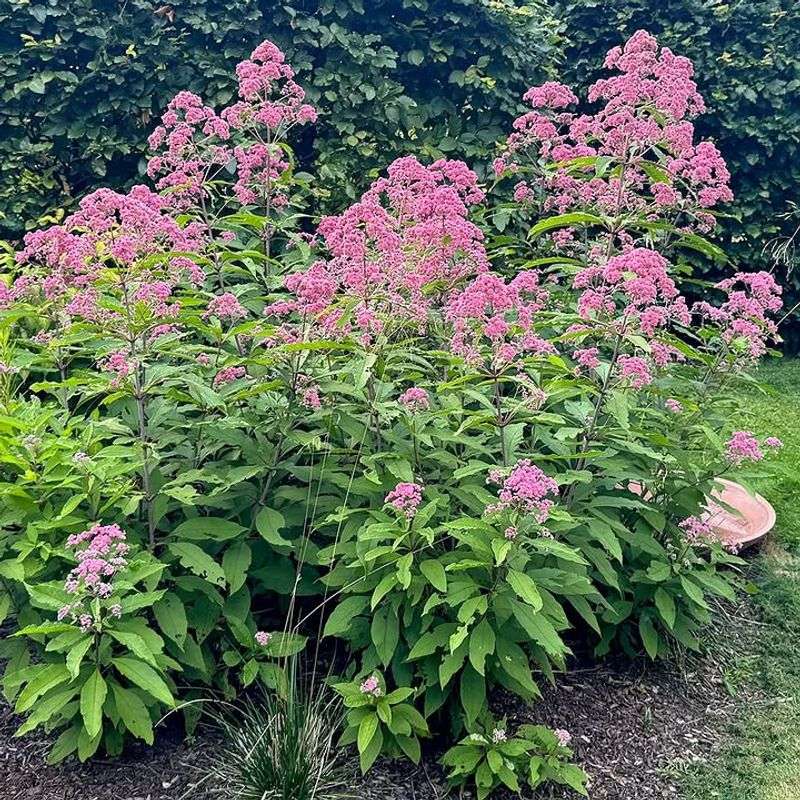
Joe Pye Weed is one of Michigan’s most beloved native plants, and for good reason. It grows tall, feeds pollinators generously, and fills the late-summer garden with dusty rose-purple flower clusters that butterflies absolutely love.
The problem is that it can reach six to eight feet in height, and at that size it becomes one of the most common plants to flop over in a late-summer storm.
The flopping usually happens in two stages. First, the heavy flower heads at the top start to pull the stems outward as they fill with blooms.
Then a storm gust catches those heavy heads and the whole plant leans dramatically to one side, sometimes dragging neighboring plants down with it. Staking early in the season, before the plant reaches its full height, prevents both of these problems.
A ring support or grow-through grid placed around the base of the plant in late spring works best. As the stems grow upward, they naturally pass through the grid openings and the grid holds them in place without any tying required.
If you missed that window, you can still use three or four tall stakes around the plant with twine looped around them at mid-height and again near the top.
Joe Pye Weed is perennial, so it comes back every year in the same spot. Once you stake it properly this season, you will know exactly where to set up your support structure next spring.
Protecting it tonight means the butterflies and bees that depend on those blooms will still have their favorite late-summer feeding spot after the storm passes.
8. Black-Eyed Susan, Tall Varieties
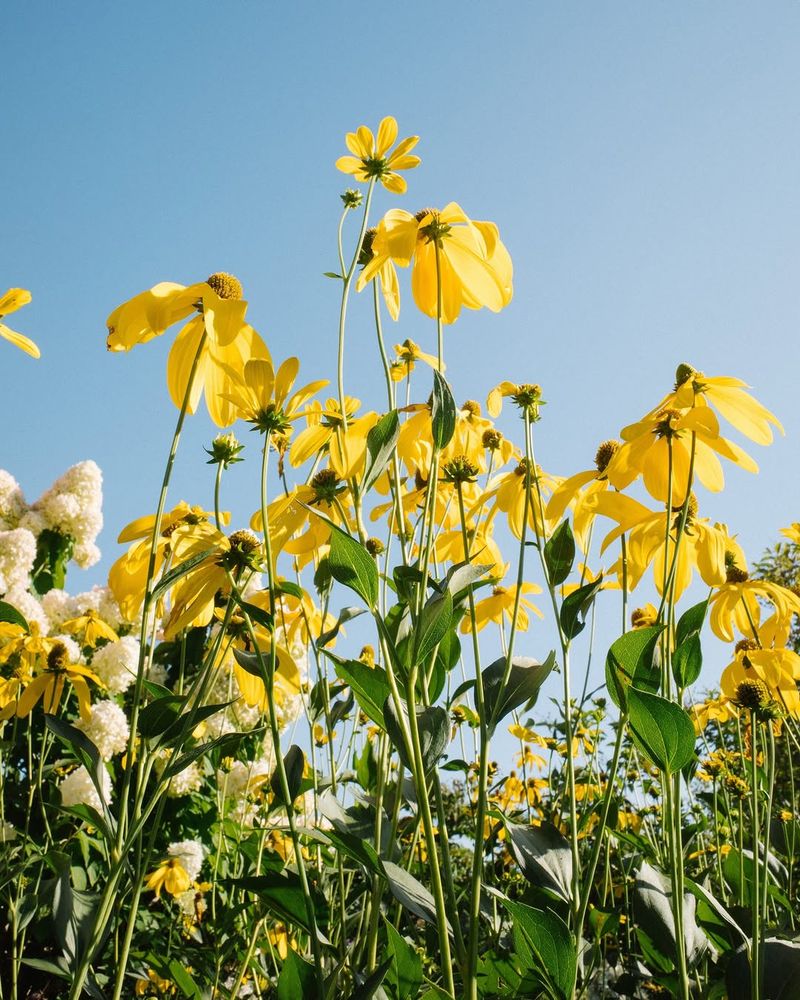
Most Michigan gardeners are familiar with the classic compact Black-Eyed Susan, a cheerful, knee-high plant that stands up to wind pretty well on its own.
But the tall varieties of Rudbeckia laciniata, sometimes called cutleaf coneflower, are a completely different story.
These plants can reach six to nine feet tall, and at that height they need support that their shorter cousins simply do not require.
The weight of the blooms is what triggers the problem. As the flower heads open and multiply, the upper portion of the stem becomes significantly heavier.
When a storm hits, that top-heavy weight acts as a counterbalance against the root system, and the whole plant can lean or topple if the soil is softened by rain. Staking before bloom weight sets in is the critical window to hit.
For tall Rudbeckia, aim to stake when the plant reaches about three feet high, well before the flower buds appear.
At that point, the stems are flexible enough to be guided gently toward the stake without snapping, and the root system is not yet competing with a deep stake for space. Use a metal rod or heavy bamboo at least as tall as the plant’s expected full height.
Tie the stem at two points using soft garden tape, and check the ties after the storm since wet stems swell slightly and tight ties can cut in. Rudbeckia laciniata is a Michigan native that supports goldfinches, bees, and butterflies all season long.
Keeping it upright through storm season means your garden stays alive with wildlife and golden color right through fall.