Why More Georgia Homeowners Are Attracting Bats This Summer
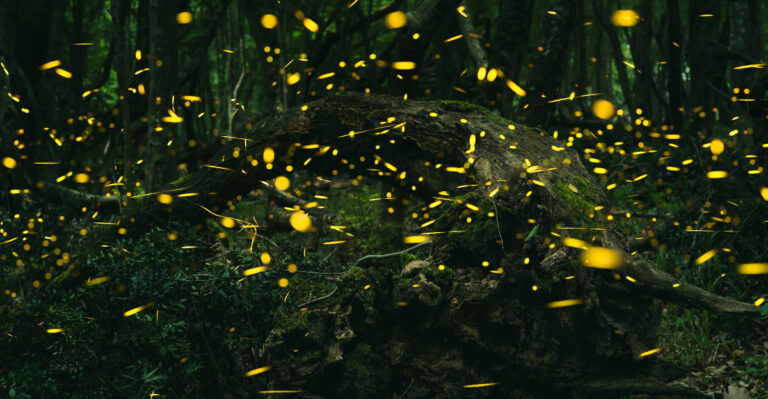
Summer evenings in Georgia have a lot going for them: warm air, fireflies blinking across the yard, and that particular kind of quiet that only shows up after a hot day finally cools down. And then the mosquitoes arrive, which is where the evening takes a turn.
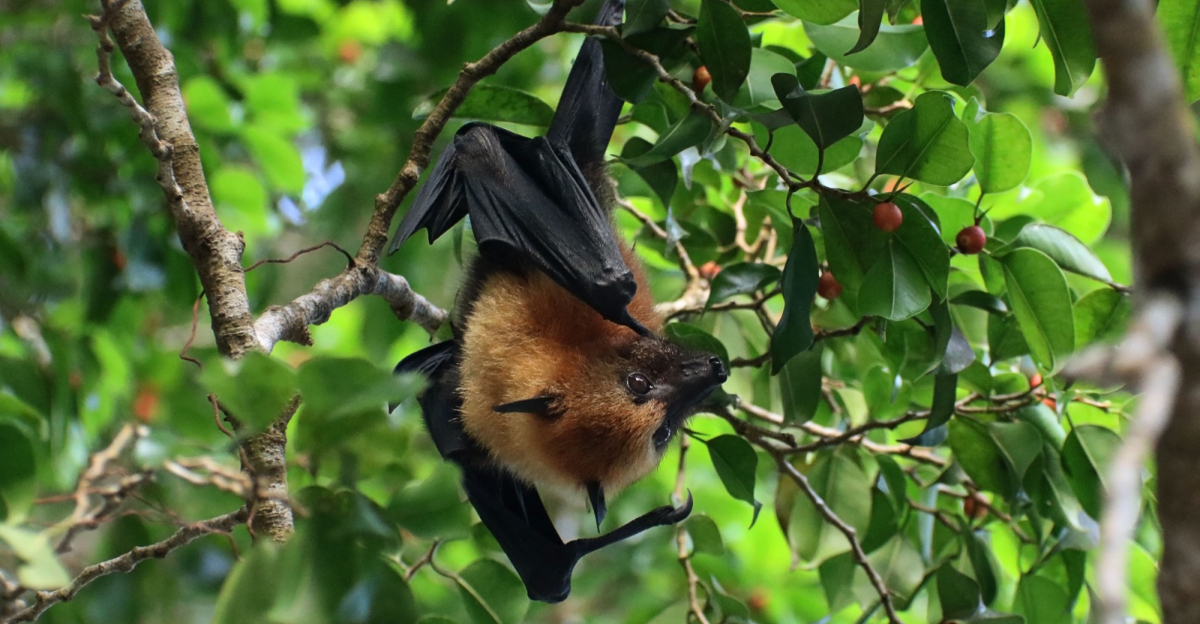
What a lot of homeowners don’t realize is that those fast-moving shadows darting around at dusk are actually doing some genuinely useful work out there.
Bats are remarkably effective at consuming night-flying insects, and creating a yard environment that supports local bat populations is something more Georgia families are starting to explore.
The goal here is responsible habitat support, think bat houses, native plantings, reduced pesticide use, and darker outdoor lighting, not inviting bats into attics or living spaces. That distinction matters, and getting it right makes the whole thing work.
1. Bats Eat Night-Flying Insects
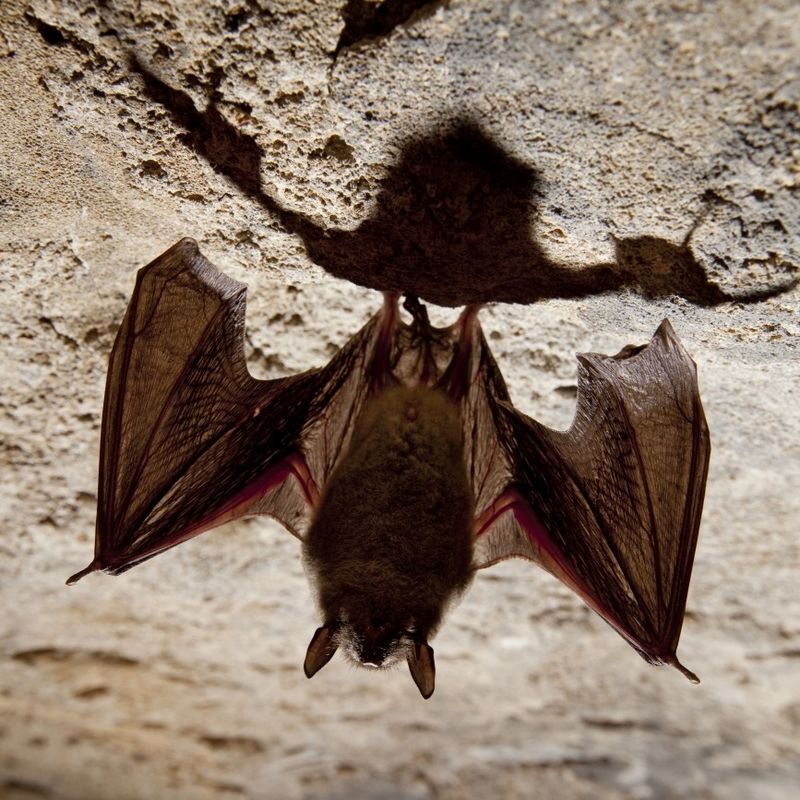
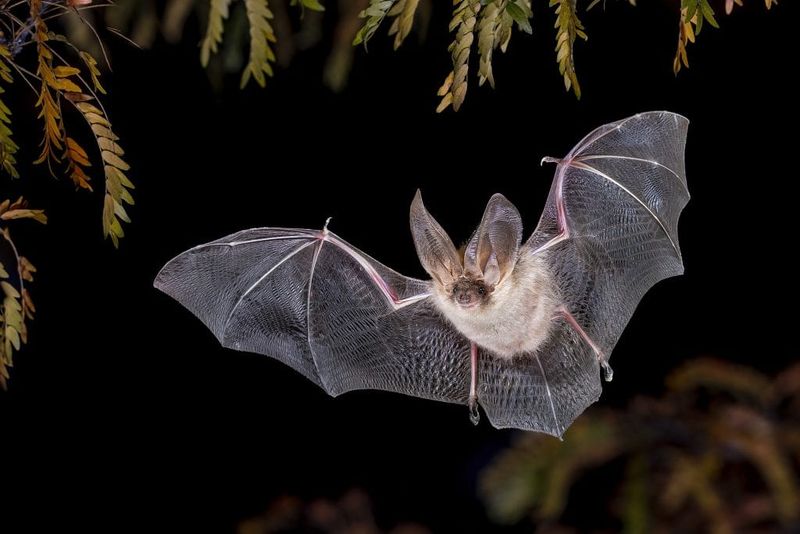
Watch any porch light on a Georgia summer night and you will quickly notice the swirling cloud of moths, gnats, and beetles gathering around the glow. Bats have been feeding on those exact insects for millions of years, and their appetite is genuinely impressive.
A single bat can consume hundreds of insects during one evening of foraging, which adds up quickly over a long summer.
Mosquitoes, crane flies, and various moth species are common targets, though bats tend to eat whatever is most available rather than hunting specific insects selectively.
That variety makes them useful contributors to the nighttime food web rather than a single-purpose solution.
Homeowners who notice fewer moths bumping against their windows after installing a bat house nearby often appreciate the connection.
Bats are not a complete fix for mosquito problems, and it would be misleading to suggest otherwise.
However, they do play a meaningful role in reducing overall insect pressure around Georgia yards, especially near water features, wooded edges, and open garden spaces where insects gather after dark.
Supporting bats means supporting a more balanced outdoor environment.
2. Bat Houses Offer Roosting Shelter
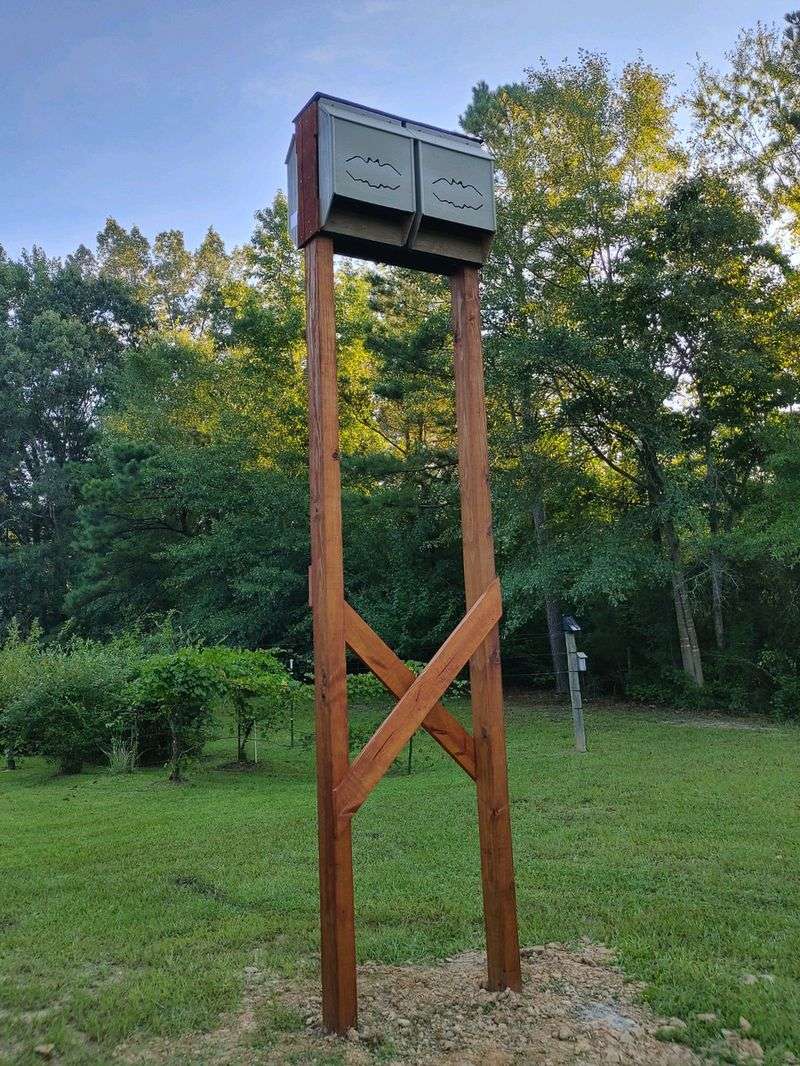
A bat house mounted on a sunny wall or tall pole gives local bat colonies a warm, safe place to roost during the day.
Without sheltered spots like hollow trees or old barns, bats in suburban Georgia neighborhoods often struggle to find suitable daytime rest areas.
A well-built bat house fills that gap and encourages bats to stay close to your yard.
Most bat houses work best when they absorb heat throughout the day, keeping the interior warm enough for roosting mothers and their young. Georgia summers provide plenty of solar warmth, which makes the state a genuinely good region for bat house success.
Darker exterior colors help absorb more heat, which is especially useful during the cooler parts of spring and early fall.
Bat houses come in single-chamber and multi-chamber designs, with larger multi-chamber options typically supporting bigger colonies. Choosing a house that meets established construction guidelines improves the chance that bats will actually move in and stay.
Many homeowners find that patience is required, since bats may take one or two full seasons before consistently using a new roost.
Your Georgia Garden Changes Every Week. Your Plan Should Too.
Gardening in Georgia changes quickly throughout the season. Every Friday you’ll receive a simple weekly plan showing exactly what to plant, prune, fertilize, harvest, and protect so you never miss the right timing.
3. Backyard Habitat Supports Local Wildlife
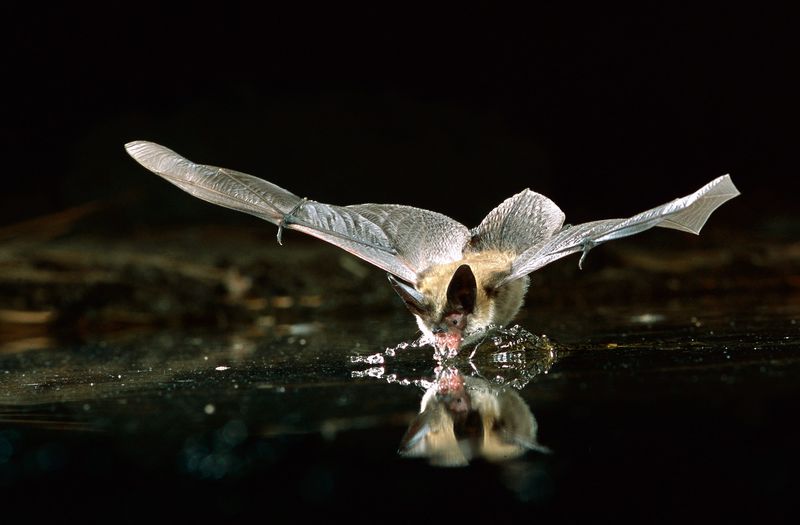
Quiet evening gardens in Georgia have a way of revealing just how much wildlife passes through after sundown. Fireflies blink near the shrubs, frogs call from the edge of a water feature, and bats trace quick arcs through the darkening sky above.
Creating a yard that supports this kind of activity starts with thinking about habitat rather than just aesthetics.
Bat-friendly backyards tend to include several overlapping elements: open flying space, water sources, native plantings, and roosting structures. Each piece supports the others, making the yard more attractive to bats and the insects they feed on.
Even modest changes, like adding a small pond or leaving a brushy corner near the fence line, can increase nighttime wildlife activity noticeably.
Georgia yards that function as habitat patches also support birds, beneficial insects, and native pollinators alongside bats. That layered approach to landscaping tends to be more resilient and more rewarding than a yard managed purely for appearance.
Homeowners who shift toward habitat-focused gardening often find that the yard feels more alive and interesting throughout the entire warm season.
4. Native Plants Help Feed The Food Web
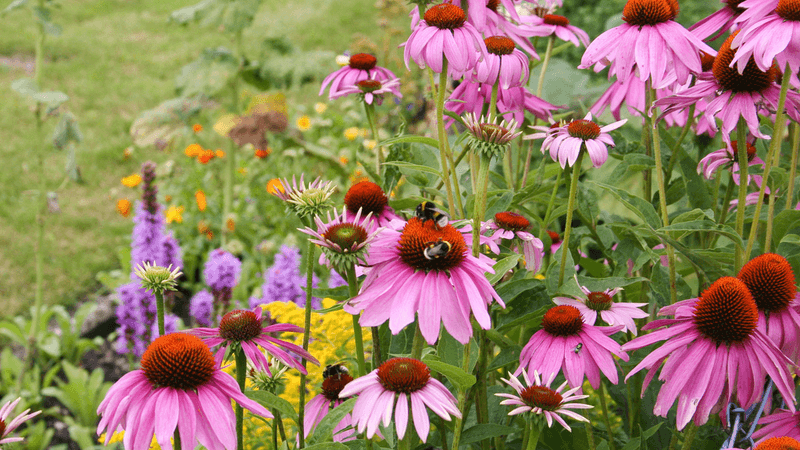
Native flowers blooming along a Georgia garden bed at dusk attract a surprising variety of night-flying insects, from small moths to beetles that emerge after the sun goes down.
Those insects become food for bats, which is why native plantings and bat activity tend to go hand in hand.
The relationship is indirect but genuinely important to how the nighttime food web functions.
Plants like native coneflowers, black-eyed Susans, native grasses, and wild bergamot support insect populations that non-native ornamentals often cannot.
Native plants have co-evolved with local insects over long periods, providing the right nectar, foliage, and structure that native species depend on.
Homeowners who replace even a portion of their lawn or ornamental beds with native species often notice more insect activity within a single season.
More insects mean more foraging opportunities for bats, especially during the long warm summer nights. Native plant beds near open flying areas, water features, or wooded yard edges create the kind of layered habitat that supports multiple wildlife species at once.
Choosing plants native to Georgia specifically helps ensure they are well adapted to the local climate and soil conditions.
5. Reducing Pesticides Leaves More Insects Available
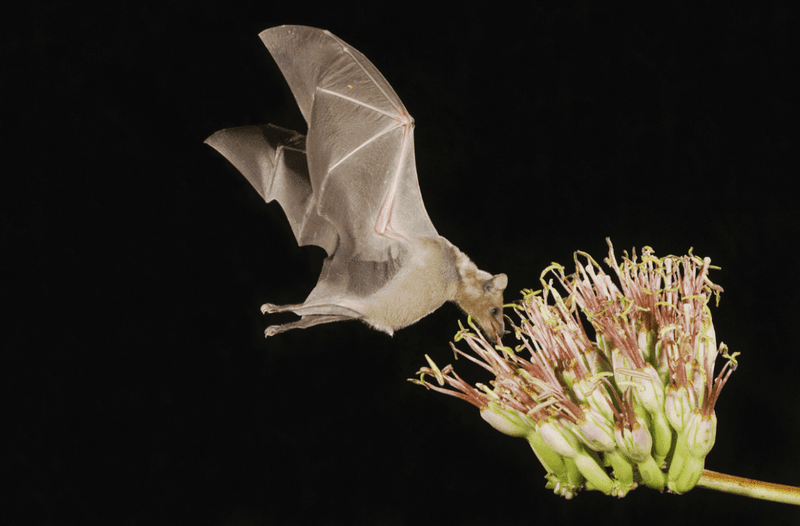
Fewer chemical sprays in the yard means more insects surviving into the evening hours, which directly benefits the bats foraging overhead.
Broad-spectrum insecticides reduce insect populations across the board, including the moths, beetles, and midges that bats depend on for food.
When those populations drop significantly, bats have less reason to forage near a particular yard.
Many Georgia homeowners are shifting toward integrated pest management approaches that rely on targeted treatments, beneficial insects, and physical barriers rather than routine chemical applications.
This shift tends to support a much wider range of backyard wildlife, including bats, birds, and native pollinators.
Gardens managed with fewer pesticides generally show more insect diversity, which supports a healthier food web overall.
Reducing pesticide use does not mean accepting plant damage or ignoring pest problems.
It means being more selective about when and how treatments are applied, favoring options that address specific problems without wiping out beneficial insect populations in the process.
Georgia gardeners who make this adjustment often find that their yards become noticeably more active with wildlife, especially during the long summer evenings when bats are most likely to be foraging.
6. Dark Yards Are Better For Bats
Bright floodlights and motion-activated security lights can disrupt the natural behavior of bats and the insects they feed on.
Many night-flying insects are drawn toward bright artificial lights rather than dispersing naturally through the yard, which can pull insect activity away from the areas where bats prefer to forage.
Darker yards tend to support more natural insect movement and more consistent bat activity.
Georgia homeowners who enjoy spending summer evenings outdoors can still use lighting thoughtfully without eliminating it entirely.
Warm-toned, low-intensity path lights or string lights aimed downward tend to be less disruptive than bright white floodlights or blue-spectrum LED fixtures.
Keeping bright lights away from bat houses and foraging corridors gives bats a comfortable space to move through without interference.
Shaded garden corners, dense shrub borders, and tree canopy areas also help create the darker microhabitats that bats prefer when moving through a yard.
Even small adjustments to how and where outdoor lighting is used can make a yard more welcoming to bats over time.
Thinking about the yard after dark, rather than only during daylight hours, is a useful shift in perspective for any Georgia homeowner interested in supporting local bat populations.
7. Bat Support Comes With Clear Safety Rules
Supporting bats in a Georgia yard is genuinely rewarding, but it comes with a straightforward set of safety practices that every homeowner should follow.
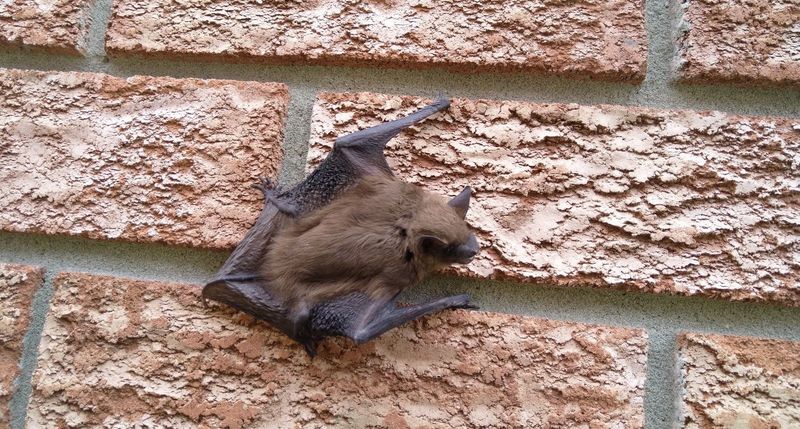
Bats, like other wild mammals, can carry rabies, even though most bats do not have the virus and transmission to humans is uncommon.
The important rule is to avoid handling any bat directly, especially one found on the ground or behaving unusually.
Children and pets should be kept away from any bat that appears sick, disoriented, or grounded during daylight hours. A bat found inside the home should be handled only by a licensed wildlife professional or animal control officer.
Residents who may have had contact with a bat, even indirect contact during sleep, should consult a healthcare provider promptly as a precaution.
These safety rules do not make bats dangerous neighbors when they are living outdoors in a proper bat house and foraging naturally at night.
The risk of any negative interaction drops significantly when bats are supported through outdoor habitat features rather than allowed into living spaces.
Following wildlife safety guidelines allows Georgia homeowners to enjoy bat-friendly yards confidently and responsibly throughout the summer season.
8. Proper Placement Matters More Than Just Hanging A Box
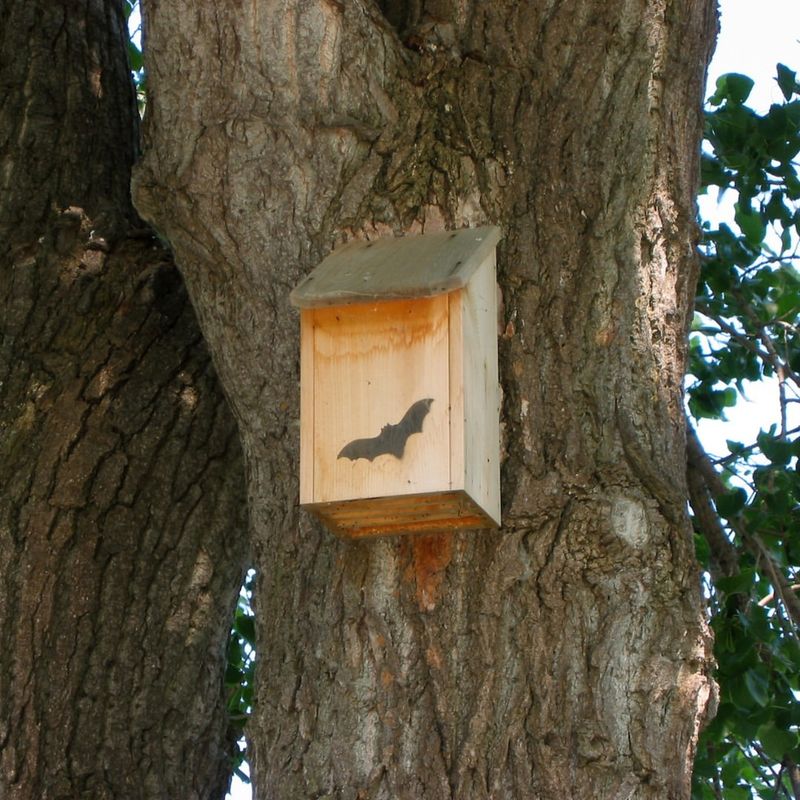
A bat house hanging in the wrong spot is one of the most common reasons new roost boxes go unused for years.
Placement decisions affect how warm the interior gets, how easily bats can approach and exit the box, and how close the roost is to reliable food and water sources.
Getting these details right from the start makes a meaningful difference in whether bats actually move in.
Most bat house guidelines recommend mounting boxes at least twelve to fifteen feet above the ground in a location that receives substantial direct sunlight each day.
Open flying approaches from below are important, since bats drop from the roost entrance before flying upward.
Trees, dense shrubs, or structures directly beneath or in front of the box can block that approach and discourage use.
Water sources within a quarter mile of the bat house improve the odds of occupancy, since bats need to drink regularly and often skim water surfaces while foraging.
Georgia properties near ponds, streams, or even larger backyard water features have a natural advantage.
Homeowners who take the time to evaluate sun exposure, clearance, and water access before installing a bat house tend to see faster and more consistent results than those who simply hang a box and hope for the best.
9. Bats Are Often Misunderstood Backyard Neighbors
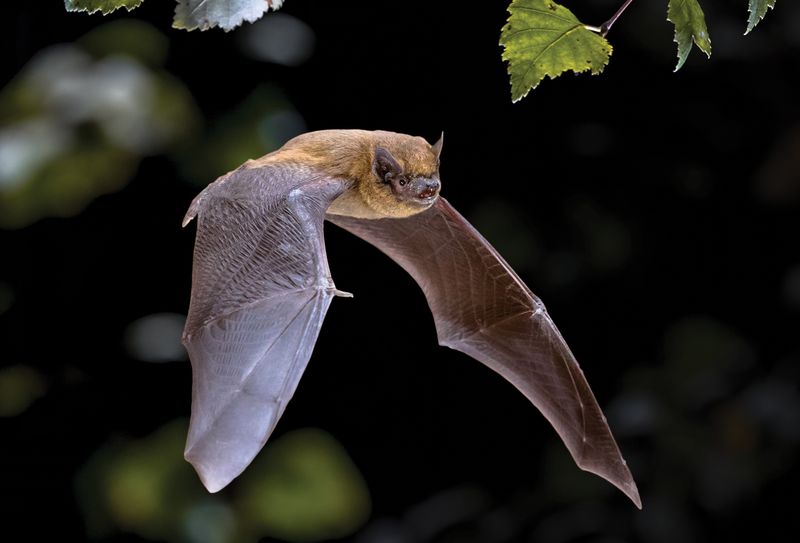
Shrubs rustling near a fence line at dusk and a fast-moving shadow overhead are often the only signs most homeowners get that a bat has just passed through the yard.
Despite living alongside people for generations, bats remain one of the most misunderstood groups of wildlife in the eastern United States.
Most of the fear surrounding them comes from myths rather than actual bat behavior.
Bats are not aggressive toward people and do not seek out human hair or skin.
They are highly maneuverable fliers that use echolocation to navigate and catch insects in the dark, which makes them look erratic from a distance but actually puts them in very precise control of their movements.
Georgia is home to several bat species, including the Eastern red bat and the big brown bat, both of which are common in suburban and rural landscapes.
Understanding what bats actually do, and what they do not do, helps homeowners feel more comfortable sharing outdoor space with them.
A bat foraging over a Georgia backyard on a warm summer evening is simply doing what it has always done: looking for insects in the dark.
Seeing that behavior for what it is makes the whole experience much easier to appreciate.