The One August Mistake That Makes North Carolina Camellias Drop Buds Before Fall
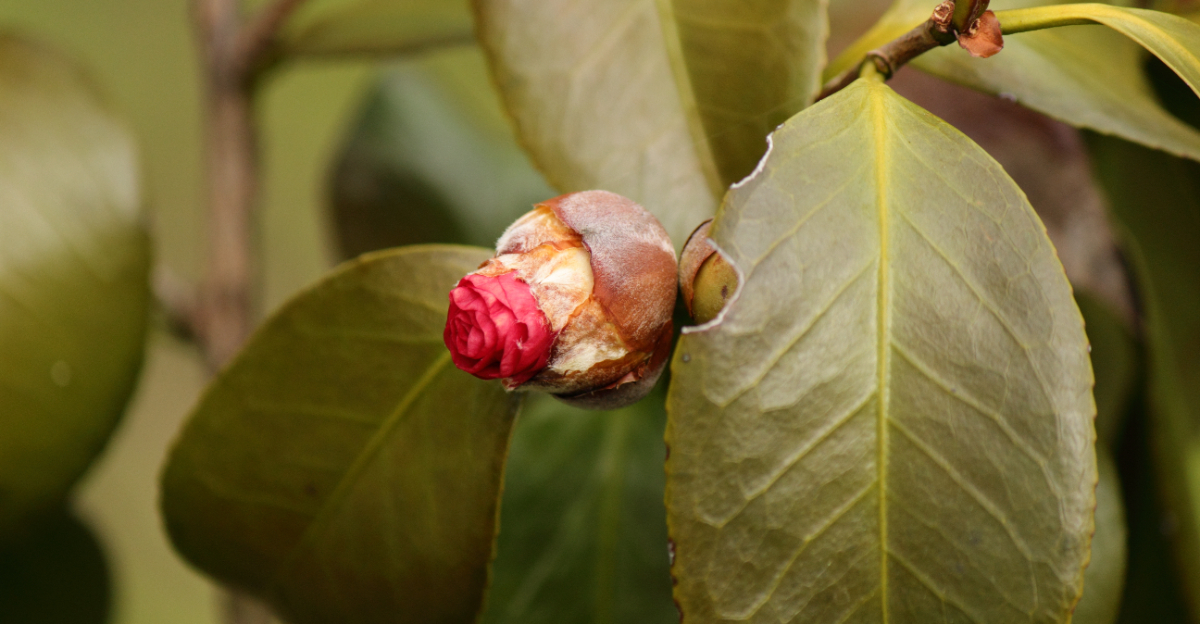
Camellia bud drop in late summer is one of the most discouraging things a North Carolina gardener can walk out to find, especially after watching those buds develop through the heat of July and August with what seemed like promising progress.
The drop is almost never random. One specific mistake in August disrupts critical bud development and triggers a stress response. This causes the plant to shed the buds weeks before they can open into fall and winter blooms.
The mistake is common, completely understandable, and entirely avoidable once the connection between that action and the outcome it produces becomes clear.
1. Letting The Root Zone Dry Out Is The Big August Mistake
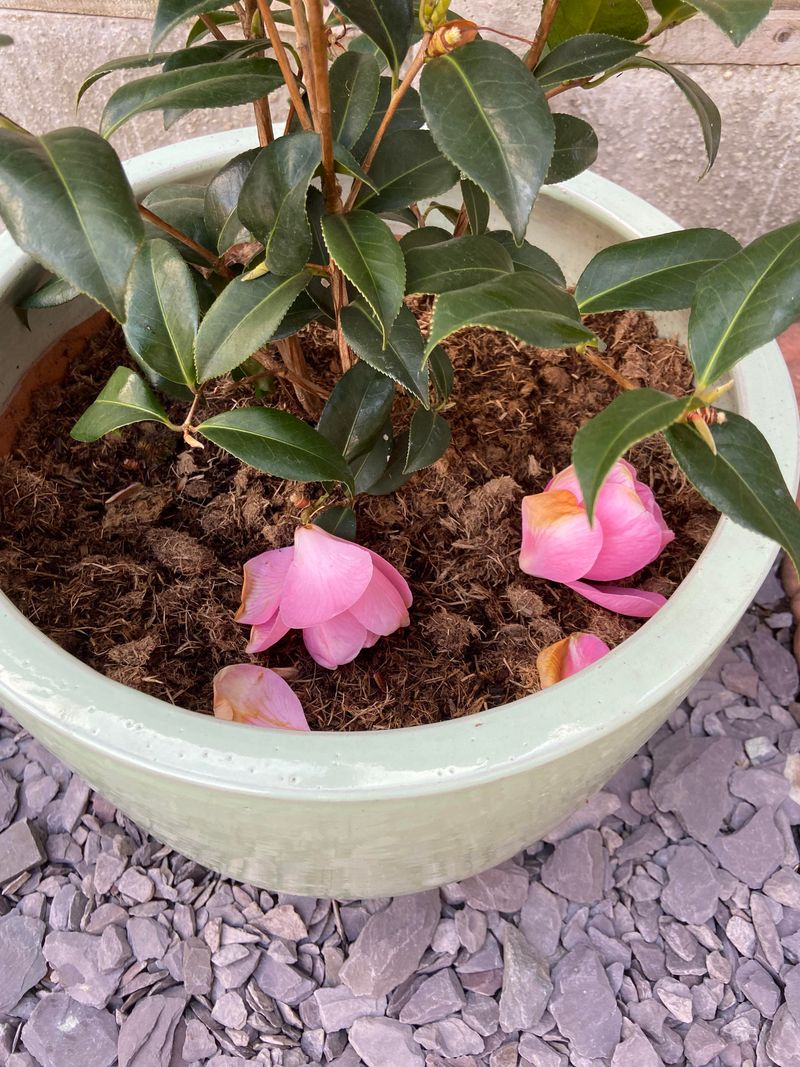
Picture your camellia loaded with tiny green buds in late August, looking strong from a distance while something quietly goes wrong underground.
The number one mistake North Carolina gardeners make in August is letting the root zone dry out right when those buds are forming and growing.
Camellias set their flower buds during the summer months, so what happens below the soil in August directly shapes what you will see blooming in fall and winter.
North Carolina summers bring serious heat, long sunny days, and stretches of dry weather that can pull moisture out of the soil faster than most gardeners expect.
The camellia shrub is actively working during this time, pushing energy into each developing bud.
When the roots run short on water, the plant has to make tough choices, and protecting future flowers is not always the top priority.
Keeping the root zone evenly moist through August is honestly one of the most effective things you can do for your camellia.
You do not need to overdo it, but you also cannot afford to forget about watering for a week during a dry spell.
A deep, thorough soak every few days during dry periods does far more good than a quick surface rinse every morning.
Getting water down to where the roots actually live, usually six to twelve inches deep, is what keeps buds secure and healthy through the heat of late summer in North Carolina.
2. August Bud Stress Shows Up Later
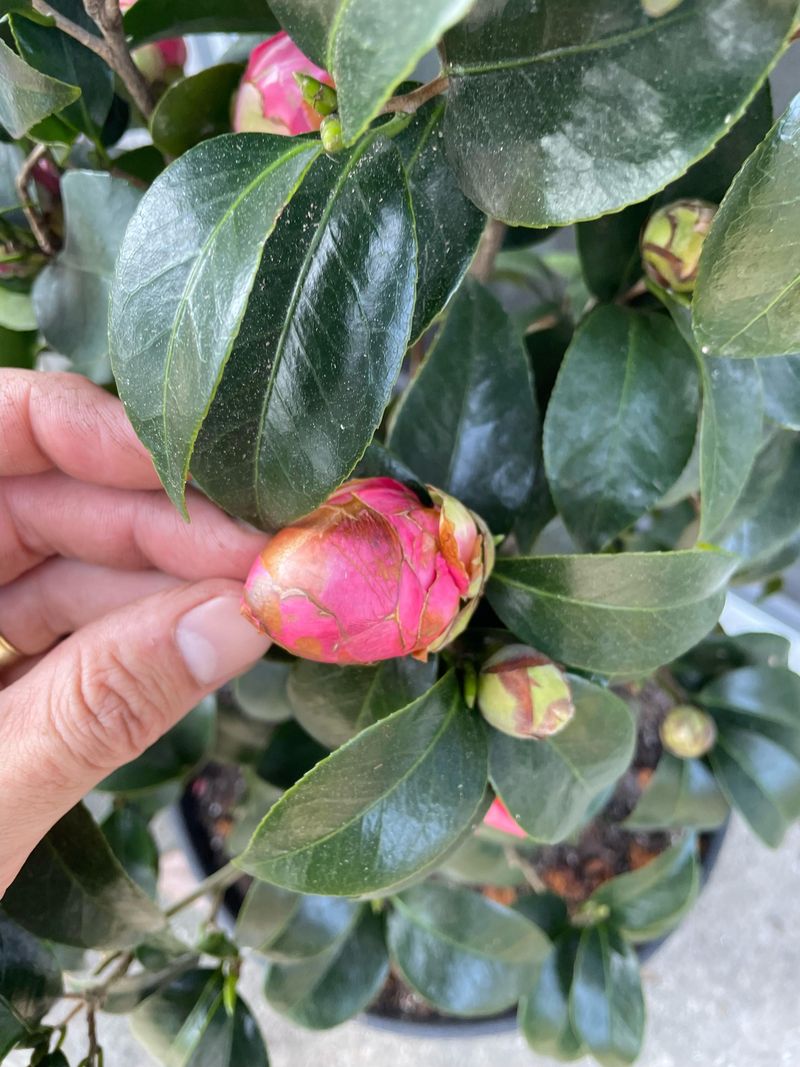
Here is something that catches a lot of gardeners off guard: the damage from a dry August often does not show up until weeks later.
You might walk past your camellia in late August and think everything looks perfectly fine because the leaves are still green and the shrub looks full.
What you cannot see is that the flower buds forming inside those branches are already under stress from soil that dried out too many times during the summer.
Camellias are pretty tough plants in a lot of ways, but they are also surprisingly sensitive when it comes to bud development.
A stretch of dry, hot days in August can weaken those tiny buds enough that they eventually fall before they ever get a chance to open.
By the time you notice buds dropping in September or October, the window to fix the August watering problem has already passed.
Your North Carolina Garden Changes Every Week. Your Plan Should Too.
Gardening in North Carolina changes quickly throughout the season. Every Friday you’ll receive a simple weekly plan showing exactly what to plant, prune, fertilize, harvest, and protect so you never miss the right timing.
Staying ahead of this issue means paying attention to your camellia even when it looks like nothing is wrong.
Check the soil regularly in August rather than waiting for the plant to show visible signs of stress.
Leaves wilting or looking dull can be a late warning sign, and at that point the buds may already be struggling. Think of August watering as an investment in your October and November bloom display.
A little consistent attention during the hottest part of summer pays off in a big, colorful way once the cooler days of fall finally arrive in North Carolina.
3. Sasanqua Camellias Need Moisture Before Fall Bloom
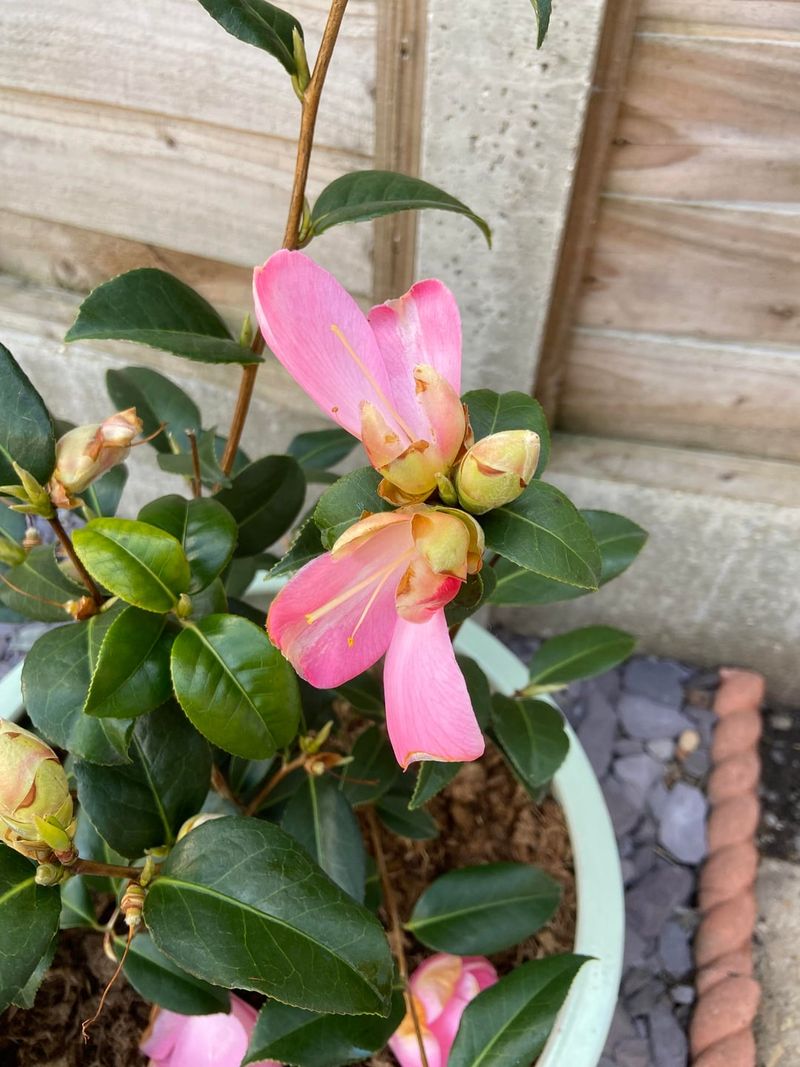
Sasanqua camellias are the ones that light up North Carolina yards from October through December with their cheerful pink, white, and red flowers.
Most people admire them in fall without realizing that the real work of protecting that bloom display happens back in August, when the buds are quietly developing and the plant is still months away from its big show.
Because Sasanqua types bloom earlier than Japanese camellias, their bud development timeline moves fast through summer.
By the time August rolls around, the plant is already carrying a full set of developing buds that need steady moisture to stay healthy and attached.
A dry spell during this critical window can cause those buds to abort, meaning they simply stop developing and eventually fall from the branch without ever opening into a flower.
North Carolina gardeners who grow Sasanqua camellias should treat August watering as seriously as they treat spring fertilizing or fall pruning.
The shrub might look perfectly comfortable in the heat, but that does not mean the root zone has enough moisture to support all those developing buds.
A good rule of thumb is to water deeply whenever the top two to three inches of soil feel dry, rather than sticking to a rigid schedule.
Every yard is a little different depending on soil type, sun exposure, and rainfall, so checking the soil by hand gives you the most accurate picture of what your Sasanqua actually needs during these important late summer weeks.
4. Japanese Camellias Also Need August Moisture
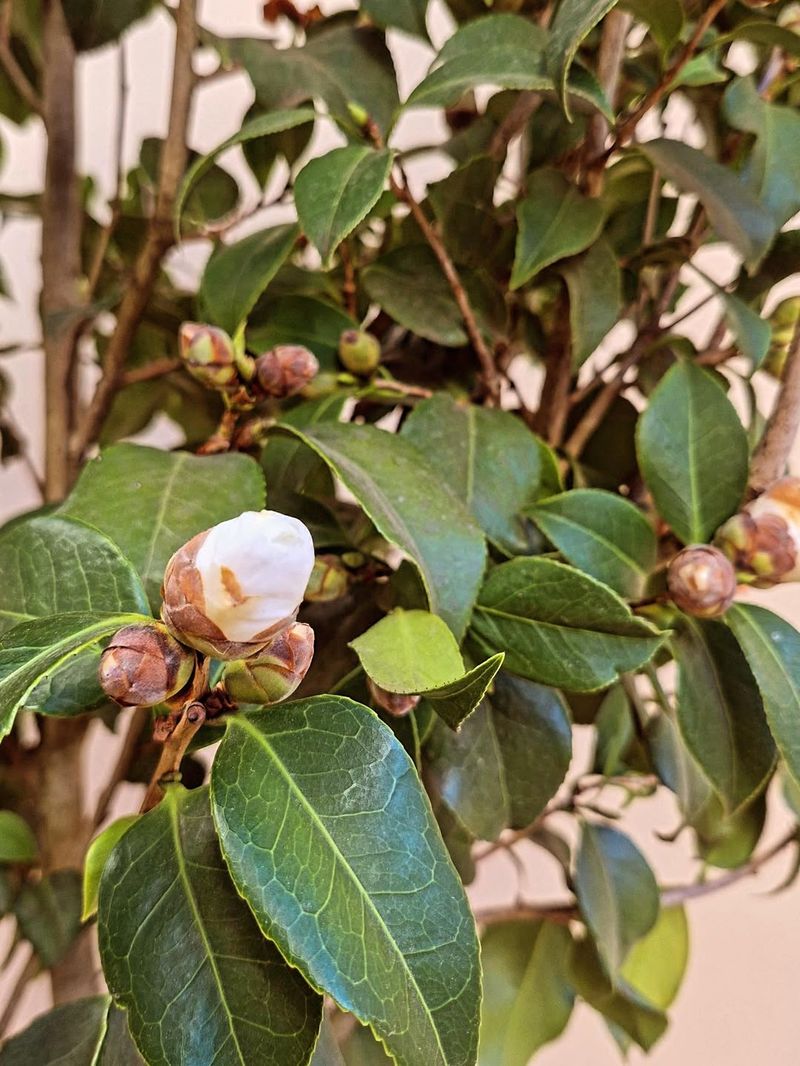
Japanese camellias, the classic Camellia japonica varieties, tend to bloom in late winter and early spring in North Carolina, which makes some gardeners think August care is not that urgent for them.
That thinking can lead to a frustrating winter season with far fewer flowers than expected.
Even though Japanese camellias bloom months later than Sasanqua types, their buds still start forming during summer, and August drought can absolutely affect how many flowers show up come February and March.
The bud development cycle for Japanese camellias is long and gradual. Tiny buds begin forming in early summer and slowly grow through the heat of July and August before finally maturing and opening in the cooler months ahead.
Dry soil during this long development window stresses the plant and can cause bud drop at various stages, sometimes early and sometimes not until just before the buds would have opened.
Protecting Japanese camellias through August is really about protecting next season’s bloom potential, even though the payoff feels far away.
Keeping the root zone evenly moist during late summer helps the plant stay strong and committed to every bud it has set.
You do not need to water on a strict daily schedule, but you should never let the soil around a Japanese camellia go bone dry during August or September.
Checking the soil a few inches below the surface every few days gives you a reliable sense of whether your shrub needs a drink before the next natural rainfall comes through North Carolina.
5. Too Much Water Can Cause Bud Trouble Too
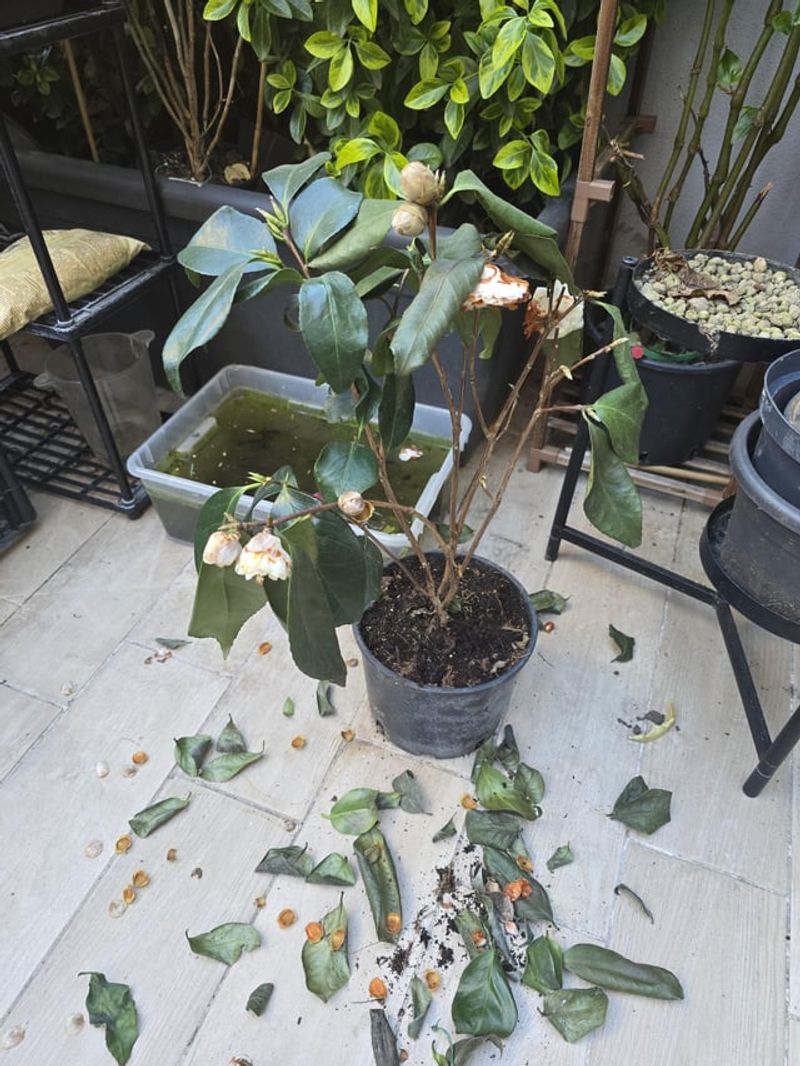
Watering mistakes go both ways with camellias, and soggy roots can be just as damaging as dry ones.
Plenty of gardeners hear that camellias need consistent moisture in August and immediately start watering every single day, sometimes more than once.
That approach creates a different kind of stress for the plant and can also lead to bud drop, along with root problems that affect the shrub for seasons to come.
Camellias are native to regions where they get reliable rainfall but also benefit from soil that drains well between watering events.
Their roots need oxygen just as much as they need moisture, and soil that stays saturated for long periods pushes oxygen out and creates conditions where roots struggle to function properly.
When roots cannot do their job efficiently, the plant cannot support all of its developing buds, and some will drop as a result. Poor drainage in a garden bed is sometimes a bigger problem than irregular watering.
If your camellia sits in an area where water pools after rain or where the soil stays soggy for more than a day or two, the plant is fighting an uphill battle regardless of how carefully you water.
Improving drainage by amending the soil with organic matter, planting on a slight slope, or raising the bed can make a dramatic difference in overall plant health.
The sweet spot for camellias is soil that holds enough moisture to stay consistently damp but never feels wet or heavy when you squeeze a handful. Getting that balance right in August protects buds from both extremes at once.
6. Check Under The Mulch Before Watering
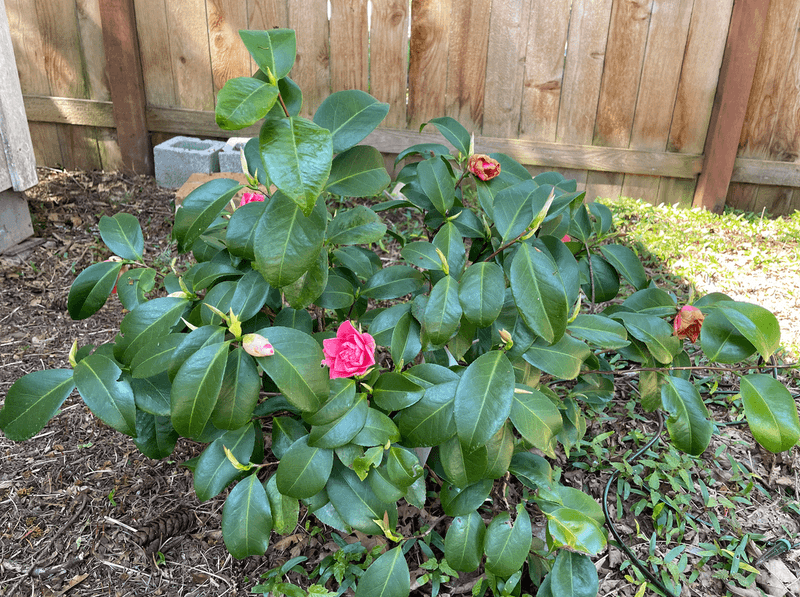
Mulch is one of the best tools a camellia grower has in August, but it can also fool you into thinking the soil is doing just fine when it actually needs water.
The surface of a mulched bed often looks dry and light-colored even when the soil underneath is still holding plenty of moisture from the last rain or watering session.
On the flip side, a thin layer of mulch can hide soil that has dried out completely just an inch or two below the surface.
Before reaching for the hose in August, take thirty seconds to check what is actually happening under the mulch.
Push your finger or a small trowel several inches into the soil near the drip line of your camellia, which is roughly the area under the outer edge of the canopy.
That is where most of the active roots are feeding and drinking. If the soil there feels moist and cool, your camellia probably does not need water yet. If it feels dry and powdery, it is time to water deeply.
Checking soil moisture before watering is a simple habit that prevents both overwatering and underwatering at the same time.
It takes away the guesswork and helps you respond to what your camellia actually needs rather than what the calendar or the weather forecast suggests.
In a North Carolina August, when temperatures can swing and rain can be unpredictable, this hands-on approach makes a real difference in keeping bud development on track through the end of summer and into the early weeks of fall.
7. Mulch Helps Keep Moisture Steady
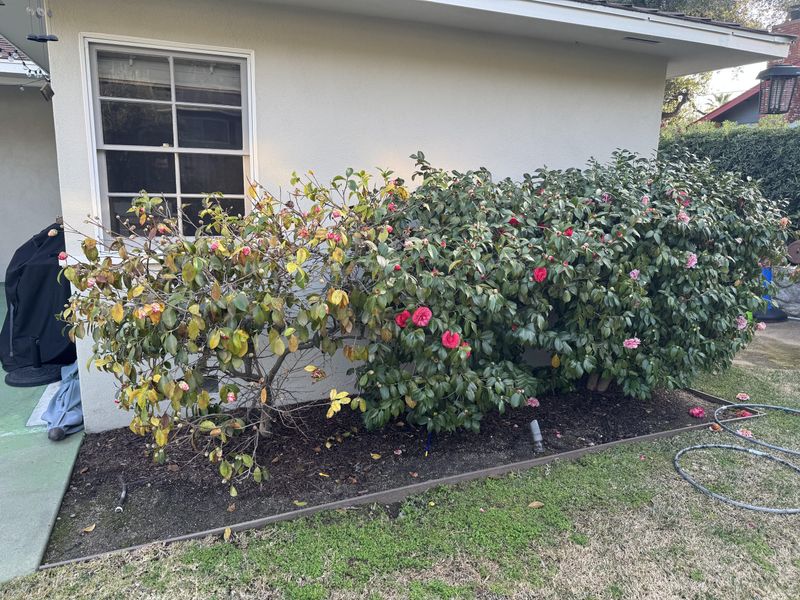
One of the smartest moves you can make for your camellias in August costs very little and takes only a few minutes to do.
Spreading a fresh layer of organic mulch around the base of your camellia shrubs helps the soil hold onto moisture much longer between rainfalls and watering sessions.
In the heat of a North Carolina summer, that extra moisture retention can mean the difference between buds that thrive and buds that struggle.
Pine straw is a classic choice for camellias in the Southeast because it is easy to find, breaks down slowly, and adds a slight acidity to the soil as it decomposes, which camellias genuinely love.
Pine bark nuggets, shredded leaves, and similar organic materials all work well too.
Aim for a layer about two to three inches thick, spreading it out to the drip line of the shrub so the mulch covers the area where the roots are most active.
One important detail that many gardeners overlook is keeping mulch pulled back a few inches from the trunk itself.
Mulch piled directly against the bark can trap moisture against the wood, which creates conditions that weaken the shrub over time.
A small gap between the mulch and the trunk keeps things healthy and allows the base of the plant to breathe properly.
Beyond holding moisture, mulch also helps moderate soil temperature during August heat waves, keeping roots cooler and more comfortable while buds are developing.
That combination of steady moisture and cooler soil gives North Carolina camellias exactly the support they need to carry their buds all the way to a full and rewarding fall bloom.
8. Protect Your Winter Blooms Now
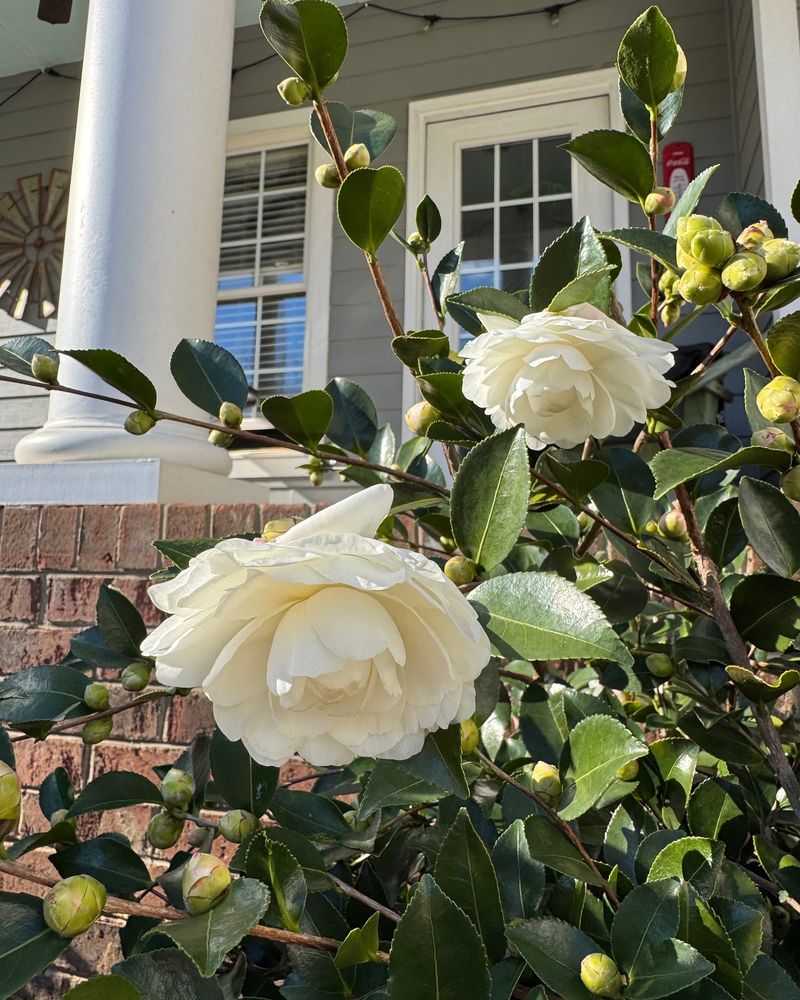
Every beautiful camellia bloom you enjoy in October, November, or February started its journey months earlier, quietly developing through the heat of a North Carolina summer.
August is the month that can quietly make or break that bloom display, and the most common mistake is straightforward: letting the root zone dry out while buds are forming.
Keeping that from happening is the single most important thing you can do for your camellias right now.
Water deeply when the soil a few inches below the surface feels dry, and do not rely on surface appearance alone to judge what your plants need.
Avoid soggy conditions by making sure your garden bed drains well and that you are not watering more than the soil can comfortably absorb.
Both extremes, too dry and too wet, push the plant toward dropping buds before they ever reach their full potential.
Protect your shrubs from harsh afternoon sun where possible, since intense late-summer heat adds stress on top of whatever is happening in the soil.
A fresh layer of organic mulch spread out to the drip line helps moderate both moisture and temperature at the root zone, giving your camellia a steadier environment through the toughest weeks of summer.
Pull the mulch back a few inches from the trunk so the base stays healthy.
With a little consistent attention in August, your North Carolina camellias will carry their buds safely through summer and reward you with a stunning fall and winter flower display that makes all that care completely worth it.