Grow These Pennsylvania Natives Instead Of Arborvitae Along Dusty Roads
You drive past the very same tired green wall on every Mid-Atlantic road. Arborvitae photographs beautifully but declines fast along harsh, salt-heavy roadsides.
Salt spray damages your hedge within a single hard winter. Compacted soil limits your roots long before they ever fully mature. Drought stress leaves your once tidy columns brown and patchy.
Pennsylvania tests soft, imported plants without a shred of mercy. Native shrubs meet that test because they evolved right here.
Birds, pollinators, and small mammals already depend on resilient Pennsylvania natives. Winter berries, spring blooms, and fall color arrive without extra effort.
Nothing about these choices forces you to trade beauty for resilience. Your roadside deserves plants built to thrive, not merely endure.
Every mile you drive past faltering arborvitae wastes real potential. Something stronger and far hardier is already growing, waiting for you. Soon you’ll understand exactly why these native picks leave arborvitae far behind.
1. Eastern Redcedar
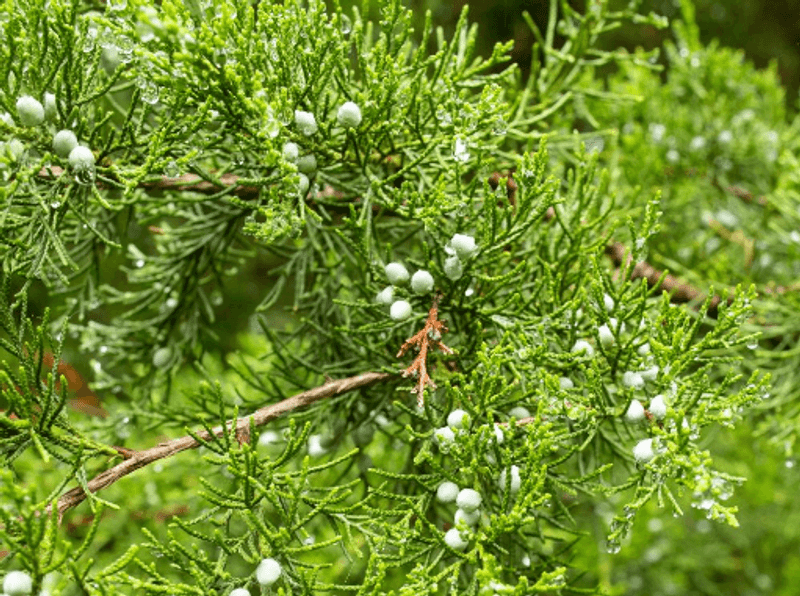
Highly resilient and built for harsh conditions, Eastern Redcedar thrives where many plants struggle to hold on. This native evergreen handles drought, dust, road salt, and poor soil like a seasoned pro.
It grows in a naturally columnar shape that mimics arborvitae without any of the fragility. Homeowners along rural roads love how it creates a dense, year-round privacy screen with almost no maintenance required.
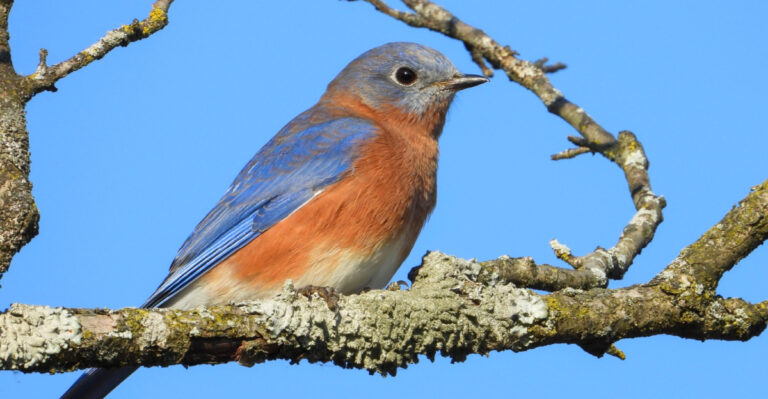
Eastern Redcedar produces small, blue-gray berries that cedar waxwings absolutely go wild for each winter. Those berries also attract bluebirds, making your roadside a buzzing wildlife corridor.
The bark peels in attractive reddish strips, adding winter texture when other plants look dull and bare. Deer do browse it occasionally, but established trees recover quickly and keep their shape.
Plant it in full sun and well-drained soil for the fastest, healthiest growth possible. Spacing them six to ten feet apart creates a windbreak that also blocks road noise effectively.
Unlike arborvitae, this native can show somewhat better bagworm resistance over the long term. Once established after the first season, it needs very little supplemental watering in most years.
Growing fifteen to forty feet tall depending on conditions, it fits both narrow lots and wide open roadsides. If you want a rugged, handsome, wildlife-friendly screen along dusty roads, Eastern Redcedar is your first call.
2. Serviceberry
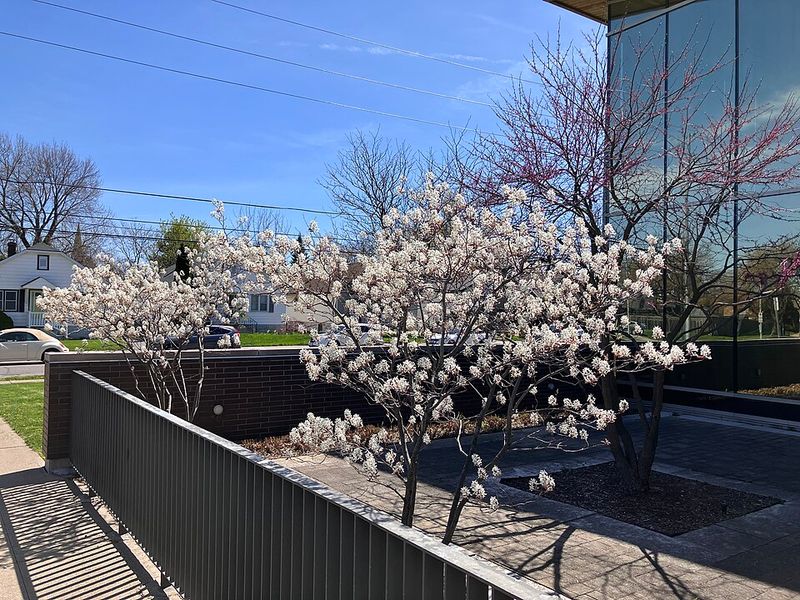
Every spring, Serviceberry produces abundant white blossoms before almost any other plant even wakes up. That early show makes it an instant favorite among gardeners tired of boring, one-season shrubs.
Native across Pennsylvania, this adaptable small tree or multi-stemmed shrub handles roadside conditions with surprising grace. It tolerates both moist and dry soils, making it flexible enough for almost any site you throw at it.
The berries ripen in early summer and are often described as tasting like mild blueberries with a hint of almond. Birds compete fiercely for those fruits, so expect robins, catbirds, and thrushes to show up like clockwork.
Fall color ranges from golden yellow to deep orange-red, giving roadsides a warm seasonal glow. That four-season interest makes Serviceberry a far smarter investment than a single-season hedge plant.
Your Pennsylvania Garden Changes Every Week. Your Plan Should Too.
Gardening in Pennsylvania changes quickly throughout the season. Every Friday you’ll receive a simple weekly plan showing exactly what to plant, prune, fertilize, harvest, and protect so you never miss the right timing.
It grows ten to twenty-five feet tall depending on the variety you select for your space. Compact cultivars like Autumn Brilliance work especially well where height needs to stay controlled near road sight lines.
Plant in full sun to part shade, and water it during the first growing season to get roots established. After that first year, supplemental watering becomes mostly optional on most roadside sites.
Unlike arborvitae, Serviceberry never needs shearing to look attractive and natural along dusty roads. Its graceful branching habit fits right into any informal hedgerow without looking forced or stiff.
3. Ninebark
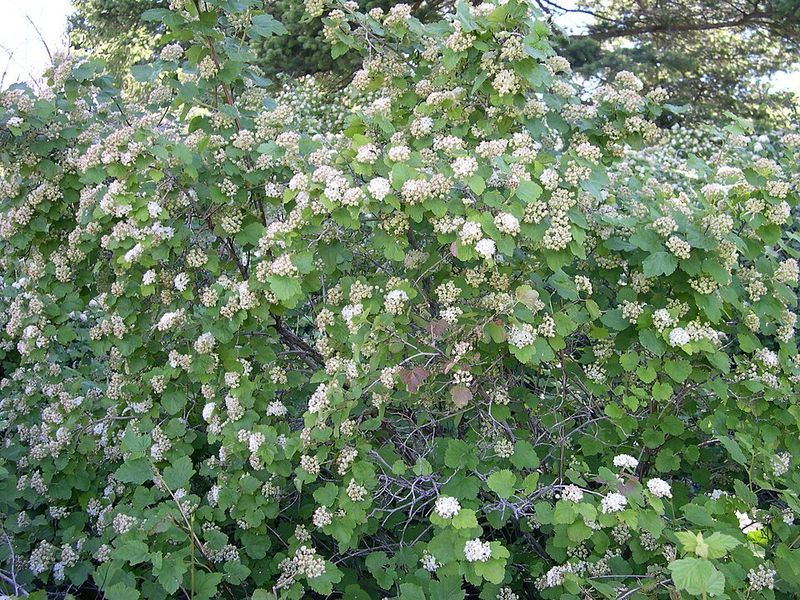
Ninebark has a standout feature that most shrubs cannot match: bark that peels in dramatic layers all winter long. That exfoliating bark in shades of cinnamon and copper turns a bare roadside into something genuinely interesting.
This rugged native shrub thrives in conditions that would send arborvitae into a slow decline. Poor soil, road salt, drought, and full sun are basically its ideal living conditions.
Clusters of white or pink flowers appear in late spring and attract native bees in impressive numbers. After blooming, red seed clusters provide food for birds and visual interest well into fall.
Foliage comes in green, gold, or deep burgundy depending on the cultivar you choose for your roadside. Diablo and Summer Wine are two popular dark-leaved varieties that look striking against a light background.
Ninebark grows fast, sometimes adding up to around two feet of height per year in good conditions. That speed means you get a full, established screen much sooner than slower-growing alternatives can provide.
It reaches six to ten feet tall and spreads nearly as wide, so give it room to breathe. Pruning right after flowering keeps the shape tidy without sacrificing next year’s flower buds.
Deer resistance is strong, which matters enormously along rural Pennsylvania roads where herds are heavy. Ninebark earns its place along dusty roads by being both beautiful and completely undemanding once it settles in.
4. Northern Bayberry
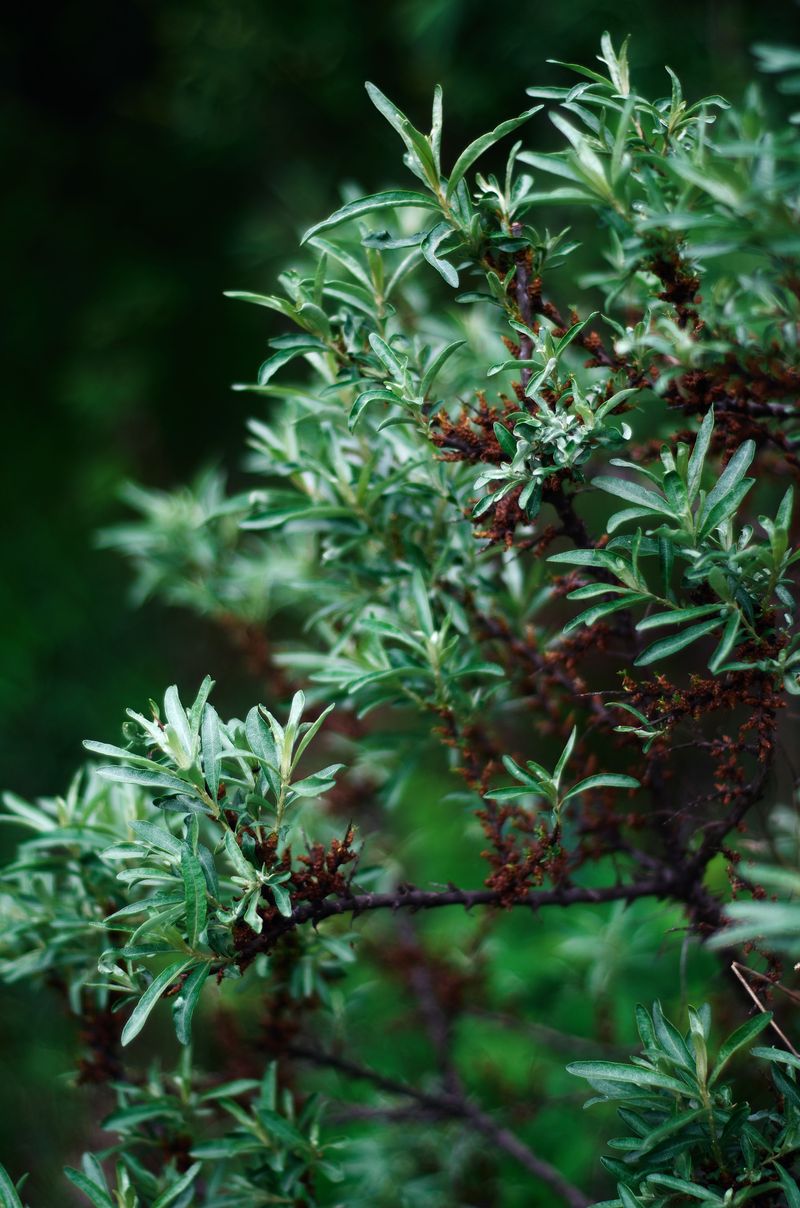
Northern Bayberry smells like a holiday candle, and that fragrance hits you the moment you brush against its leaves. Early colonists actually boiled the waxy gray berries to make bayberry candles, which is a genuinely cool piece of history.
This tough native shrub handles sandy, poor, salty roadside soil better than almost anything else you can plant. It fixes its own nitrogen, meaning it feeds itself and actually improves the soil around it over time.
The waxy berries cluster tightly along the stems and persist through winter, serving as an important food source for yellow-rumped warblers. Those birds often strip the berries clean on cold January mornings.
Northern Bayberry grows as either a shrub or a small tree reaching five to twelve feet in height. Its semi-evergreen foliage holds on late into fall, giving roadsides green color long after other shrubs go bare.
It spreads by root suckers to form dense colonies, which is exactly what you want along a dusty road edge. That spreading habit creates a natural barrier that stabilizes soil and reduces dust drift effectively.
Plant it in full sun to light shade, and do not bother amending the soil before planting. This shrub genuinely performs better in lean, unamended conditions than in rich garden soil.
Along dusty roads where arborvitae turns brown and struggles, Northern Bayberry simply gets thicker and more fragrant every single year.
5. Arrowwood Viburnum
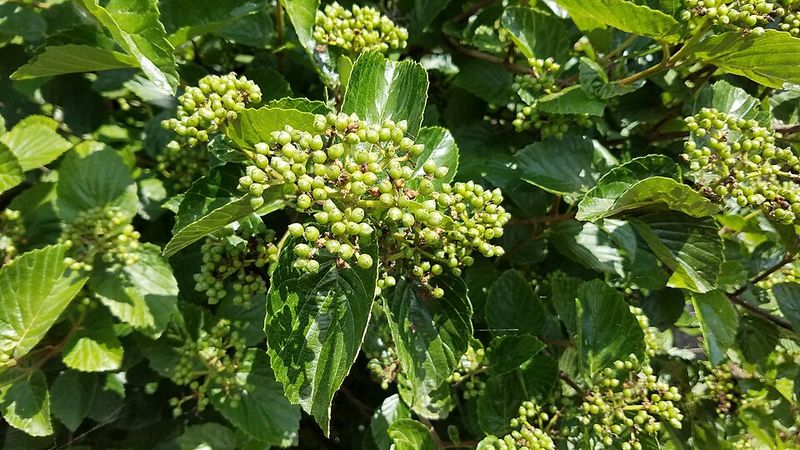
Arrowwood Viburnum is the overachiever of native Pennsylvania shrubs, delivering four full seasons of beauty without asking for much in return. Spring brings flat-topped white flower clusters that hum with native bee activity from morning to evening.
Its straight stems were traditionally used for arrow shafts, which is widely cited as the origin of its common name. That historical connection makes it a great conversation piece for anyone curious about the plants growing along your Pennsylvania road.
By late summer, clusters of dark blue berries ripen and attract numerous species of birds to the roadside. Those berries disappear fast, so plant several shrubs together to keep the wildlife buffet stocked longer.
Fall foliage shifts from glossy green to shades of red, burgundy, and purple in a stunning seasonal display. Few native shrubs can match that autumn color intensity, especially along open, sunny road edges.
Arrowwood Viburnum grows six to ten feet tall and equally wide, forming a dense, multi-stemmed thicket. That thicket structure provides excellent nesting cover for songbirds during the spring breeding season.
It tolerates a wide range of soils, from dry and sandy to moist and clay-heavy roadside conditions. Salt tolerance is moderate, which means planting it slightly back from the road edge gives it the best chance.
Plant two or more together for better berry production, since cross-pollination improves fruit set significantly. Arrowwood Viburnum rewards patient Pennsylvania gardeners along dusty roads with beauty that keeps building year after year.
6. Gray Dogwood
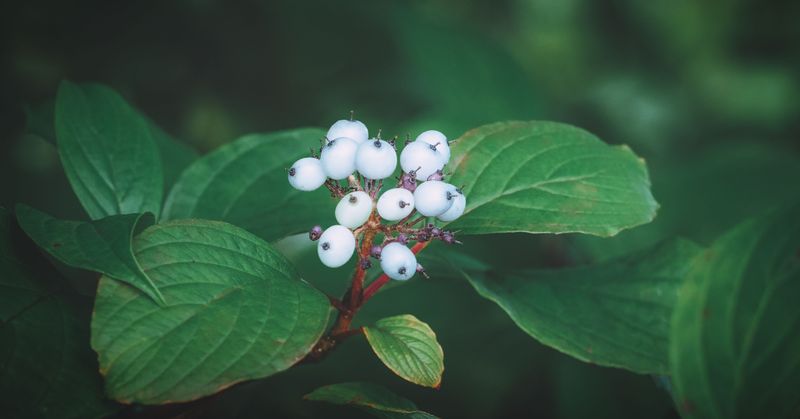
Gray Dogwood offers something few other shrubs can match: strong visual interest in all four seasons without any help from you. White flower clusters appear in June, followed by white berries on brilliant red stems that glow in fall light.
Those red stems hold their color all winter, turning a drab roadside into something worth a second glance in January. Birds flock to the berries in early fall, often stripping the entire shrub within days of ripening.
This native shrub spreads aggressively by root suckers, forming dense colonies that anchor roadsides against erosion beautifully. That spreading habit is a feature, not a flaw, when you need to cover a long stretch of road edge.
Gray Dogwood handles wet, dry, shady, and sunny conditions with equal ease, making it one of the most adaptable native shrubs available. Road salt, compacted soil, and dusty conditions barely slow it down at all.
It grows six to ten feet tall and can spread widely over time, often reaching considerable width without any encouragement. Mowing the outer edge annually keeps colonies from expanding beyond where you want them to grow.
Fall foliage turns a rich purplish-red that contrasts beautifully with the white and red berry display. Few native plants offer that much visual complexity in a single growing season.
Along dusty roads where arborvitae fades and browns, Gray Dogwood just keeps spreading, thriving, and feeding everything with wings.
7. Black Chokeberry
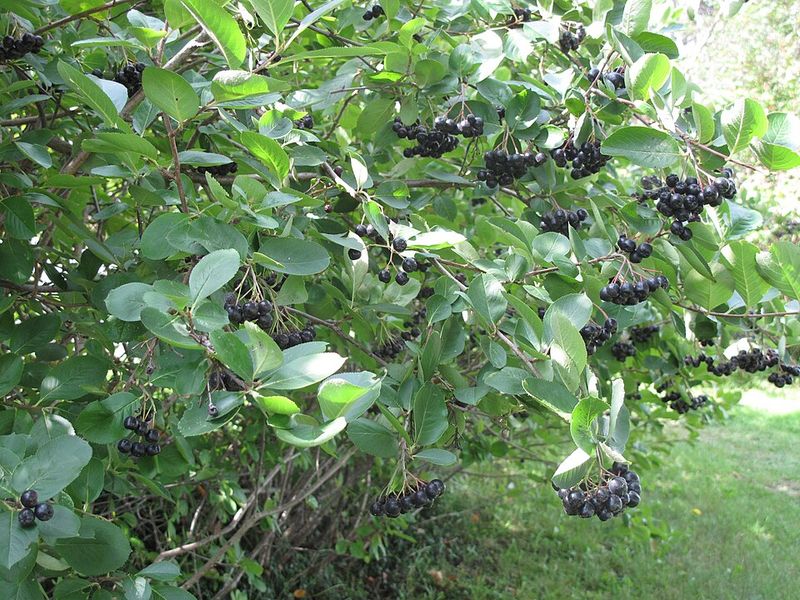
Black Chokeberry earns its keep twice: first with white spring flowers, then again with glossy black berries that persist well into winter. That long fruiting window makes it one of the most reliable wildlife plants you can establish along a road edge.
The fall foliage is strikingly colorful, shifting from green to scarlet and crimson in late September. Many gardeners find themselves slowing down to look twice when a well-established colony hits peak fall color.
Native to wetlands and dry uplands alike, it handles the drainage extremes typical of Pennsylvania roadsides without complaint. Standing water, drought, and everything in between falls within its comfort zone.
Black Chokeberry grows three to six feet tall and spreads by suckers to form tidy, manageable colonies over time. That moderate size makes it easier to manage near sight lines than taller screening plants.
Birds eat the berries, but not as quickly as they hit sweeter fruits, so the display lasts longer into winter. That delayed consumption means you get weeks of ornamental berry interest before the wildlife claims the harvest.
Plant it in full sun for the most intense fall color and the heaviest berry production each season. Part shade works fine, but the color and fruit display will be somewhat less dramatic in lower light.
Salt spray and dust do not faze this native at all, making it a natural fit along dusty roads where arborvitae simply cannot compete.
8. American Hazelnut
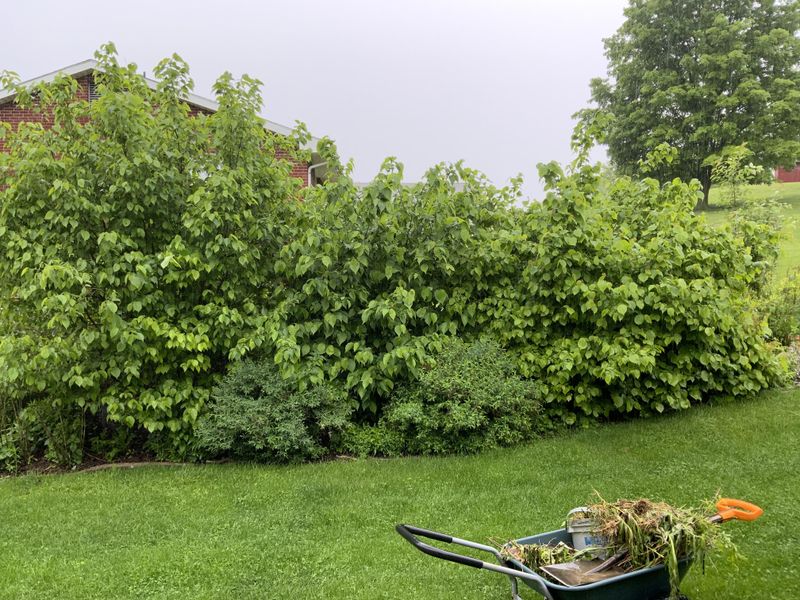
American Hazelnut brings something genuinely exciting to a roadside planting: edible nuts that wildlife and humans both scramble to collect. Squirrels, blue jays, and turkeys rely on a hazelnut thicket as a food source every single fall.
Dangling yellow catkins appear in late winter, sometimes as early as February, before any other plant shows signs of life. That late-winter bloom makes it one of the earliest pollen sources for native bees emerging on warm days.
This native shrub grows eight to sixteen feet tall with a naturally rounded, multi-stemmed form that needs no shaping. Left alone along a dusty road, it develops into a dense, attractive hedgerow that wildlife absolutely loves.
American Hazelnut tolerates dry, rocky, and poor roadside soils with a resilience that far exceeds that of arborvitae. It also handles part shade well, making it useful along roads with scattered tree cover overhead.
Fall foliage turns warm shades of yellow and orange, adding a soft, painterly quality to the roadside landscape. The combination of fall color, interesting catkins, and wildlife value makes this shrub a true four-season performer.
Plant at least two or three shrubs near each other to improve nut set through cross-pollination. Better pollination means heavier crops, which in turn means more wildlife activity around your roadside planting.
Along dusty roads where arborvitae struggles, American Hazelnut grows stronger and more productive with every passing season.