This Watering Mistake Causes Arizona Fig Trees To Split Fruit
Few things are more frustrating than waiting for fresh figs, only to find the fruit splitting before it is ready to pick. It often happens just when the harvest starts looking its best.
Many homeowners blame the weather as soon as they notice the damage. The real reason is often much closer to home than they expect.
Fig trees respond quickly when watering habits suddenly change. Even healthy trees can struggle if moisture levels swing too much from one week to the next.
Arizona’s long, hot summers make steady care especially important. Small changes in your routine can have a much bigger impact than you might realize.
Your next watering could make all the difference.
Understanding what your fig tree is responding to can help you enjoy far more beautiful fruit this season.
1. Irregular Watering Causes Figs To Split Open
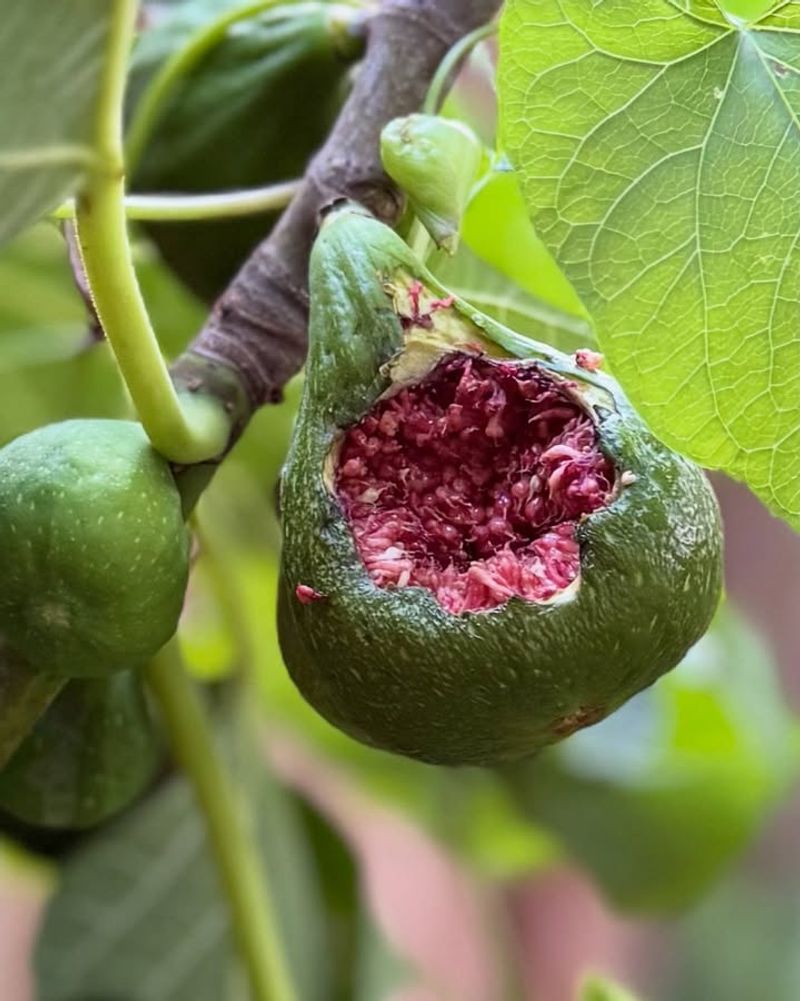
Cracked figs usually point to one culprit: uneven watering. When a fig tree goes dry for several days and then receives a large amount of water, the fruit absorbs it too fast.
That rapid intake puts pressure on the skin from the inside out.
Fig skin does not stretch well once the fruit is close to ripe. A sudden surge of moisture causes the flesh to expand faster than the outer layer can handle.
The result is a split that runs along the fruit, sometimes deep enough to expose the inside completely.
Skipping watering sessions and then overcompensating with a heavy soak is a common mistake. It tends to happen during monsoon season in Arizona, when gardeners ease off irrigation and then get hit with unexpected rain on top of dry soil.
Keeping a consistent watering schedule matters more than most people realize. Figs prefer steady, reliable moisture rather than feast-or-famine cycles.
Even one or two missed waterings followed by a heavy session can trigger splitting across multiple fruits on the same tree.
Setting up a drip irrigation timer can help take the guesswork out of watering.
2. Even Soil Moisture Helps Fruit Develop Normally
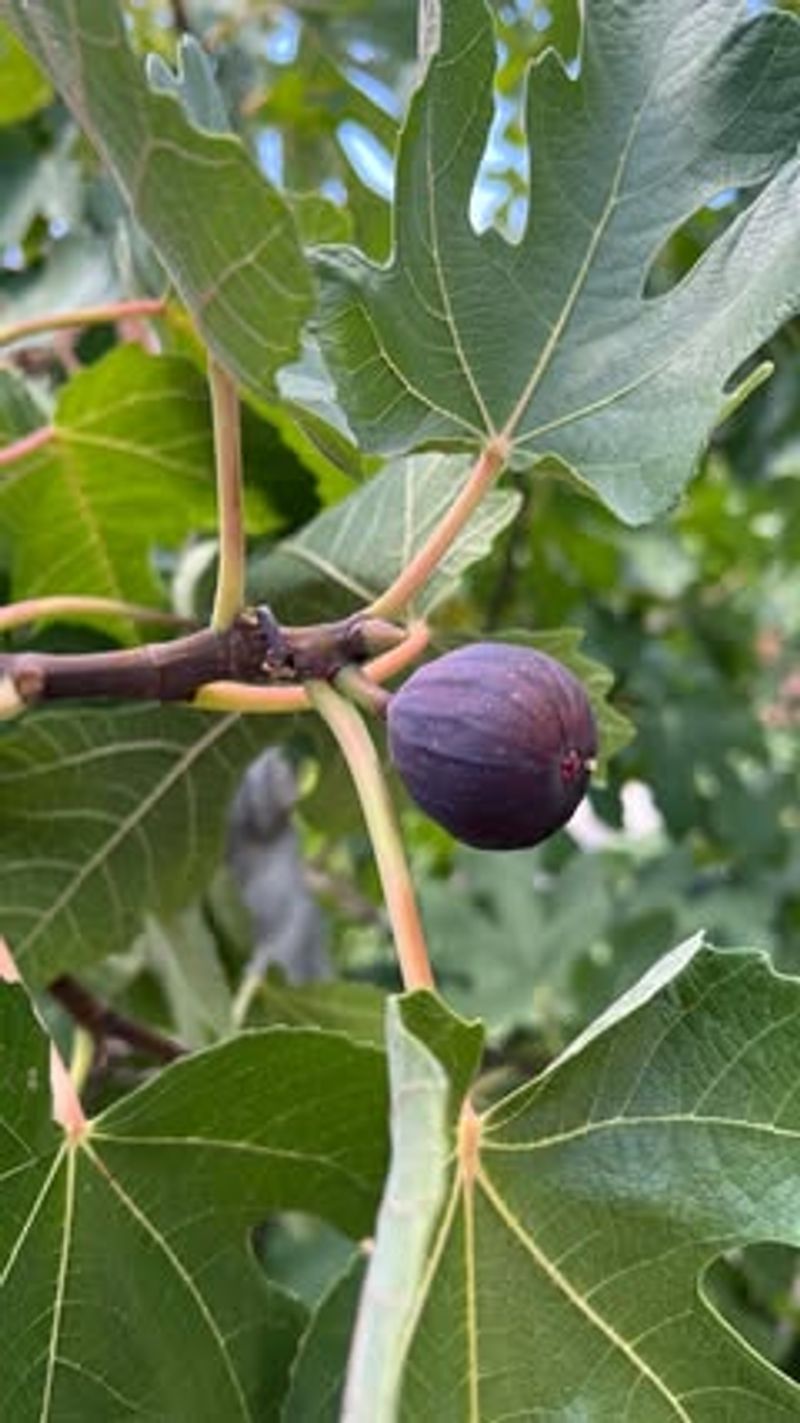
Steady soil moisture is one of the best things you can give a fig tree during fruit development. When moisture levels stay consistent, the fruit grows at a predictable rate.
That steady growth allows the skin to keep up without splitting.
Dry soil followed by wet soil creates a cycle that figs struggle with. Roots pull in large amounts of water when it suddenly becomes available.
That water moves into the fruit quickly, and the skin has no time to adjust gradually.
Checking soil moisture a few inches below the surface gives you a better read than just looking at the top. Surface soil in hot climates dries out fast, but deeper soil holds moisture longer.
A simple soil probe or even a wooden stick can help you check before watering.
Aim for soil that feels consistently damp but not soggy. Waterlogged roots cause their own set of problems, so balance matters.
The goal is moisture that stays relatively stable between watering sessions.
Your Arizona Garden Changes Every Week. Your Plan Should Too.
Gardening in Arizona changes quickly throughout the season. Every Friday you’ll receive a simple weekly plan showing exactly what to plant, prune, fertilize, harvest, and protect so you never miss the right timing.
In Arizona, high temperatures pull moisture from soil faster than in cooler regions. Watering frequency may need to increase during summer months to maintain that even baseline.
3. Deep Roots Benefit From Slow Thorough Watering
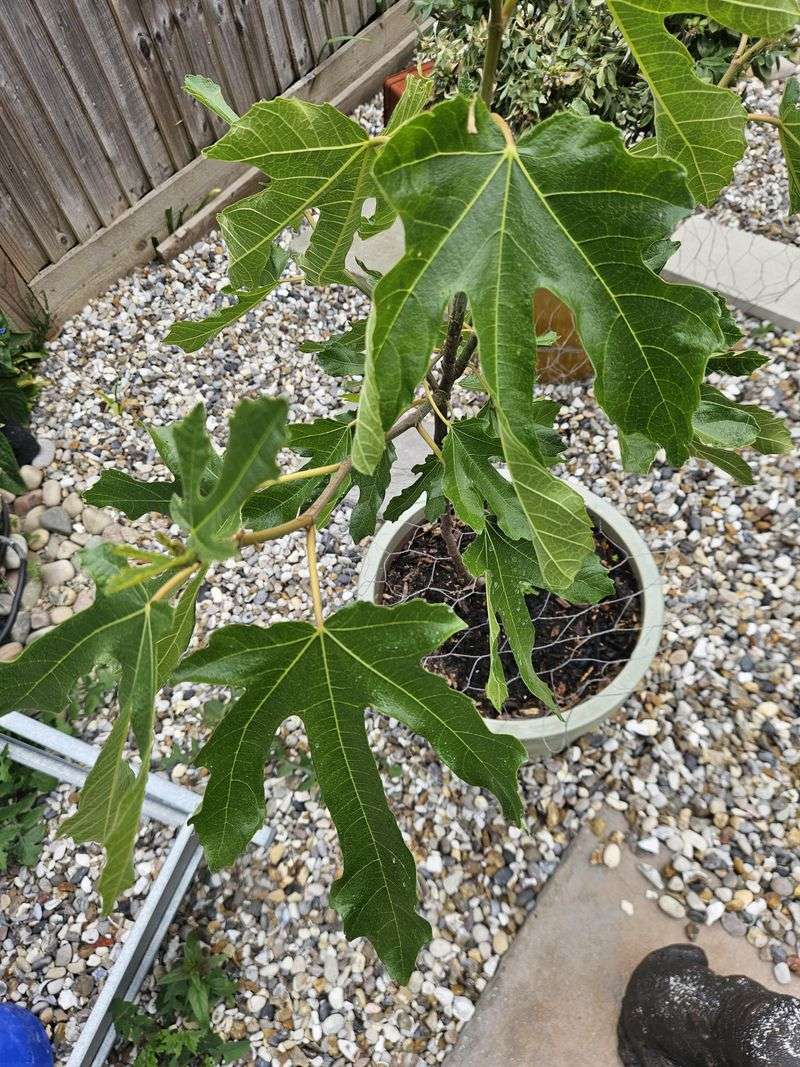
Shallow watering trains roots to stay near the surface, and surface roots are vulnerable to rapid moisture swings. A slow, deep soak encourages roots to grow further down where soil temperature and moisture stay more stable.
Deep roots give the tree a buffer. When the top layer of soil dries out quickly in summer heat, deeper roots can still access moisture.
That buffer helps regulate how much water the tree pulls into the fruit at any given time.
Running water for a short burst does not push moisture deep enough for most fig trees. Slow drip irrigation or a low-flow soaker hose left on for an extended period works better.
The water has time to move down through the soil profile instead of spreading sideways near the surface.
Fig trees in dry climates often develop surprisingly deep root systems when watered correctly. Those deeper roots make the tree more resilient during dry spells between waterings.
Less stress on the root system generally means less stress on the developing fruit.
Watering deeply two or three times per week tends to work better than light daily watering in warm months. Frequency depends on soil type, tree size, and current temperatures.
4. Heavy Rain Can Trigger Fruit Splitting
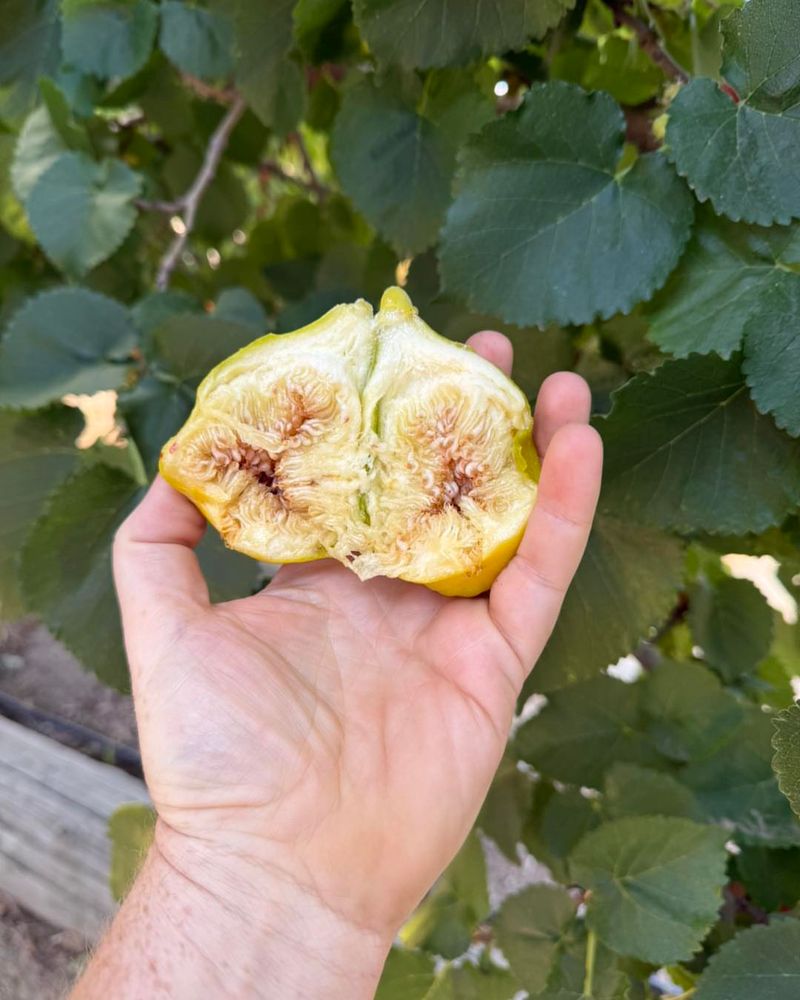
Monsoon season in Arizona can be rough on fig trees, especially when the ground is dry going into a storm. A sudden heavy rain after a dry stretch dumps a large amount of water into soil that has been pulling moisture away from roots for days.
The tree responds by absorbing water rapidly. Roots that were stressed from dry conditions suddenly have access to far more moisture than usual.
That water moves through the tree quickly, and the fruit takes on more than the skin can manage.
Gardeners who rely only on rainfall during monsoon season often see more splitting than those who maintain consistent drip irrigation through the summer.
Predictable irrigation keeps the soil from getting too dry between storms, which softens the impact when rain does arrive.
Reducing irrigation slightly before an expected storm can help, but it is hard to predict exactly when or how much rain will fall.
A better long-term approach is keeping the soil moisture baseline steady so the difference between a dry day and a rainy one is not extreme.
Covering smaller trees with shade cloth during heavy rain events is an option some gardeners use, though it is not practical for large, established trees.
5. Mulch Helps Reduce Sudden Changes In Soil Moisture
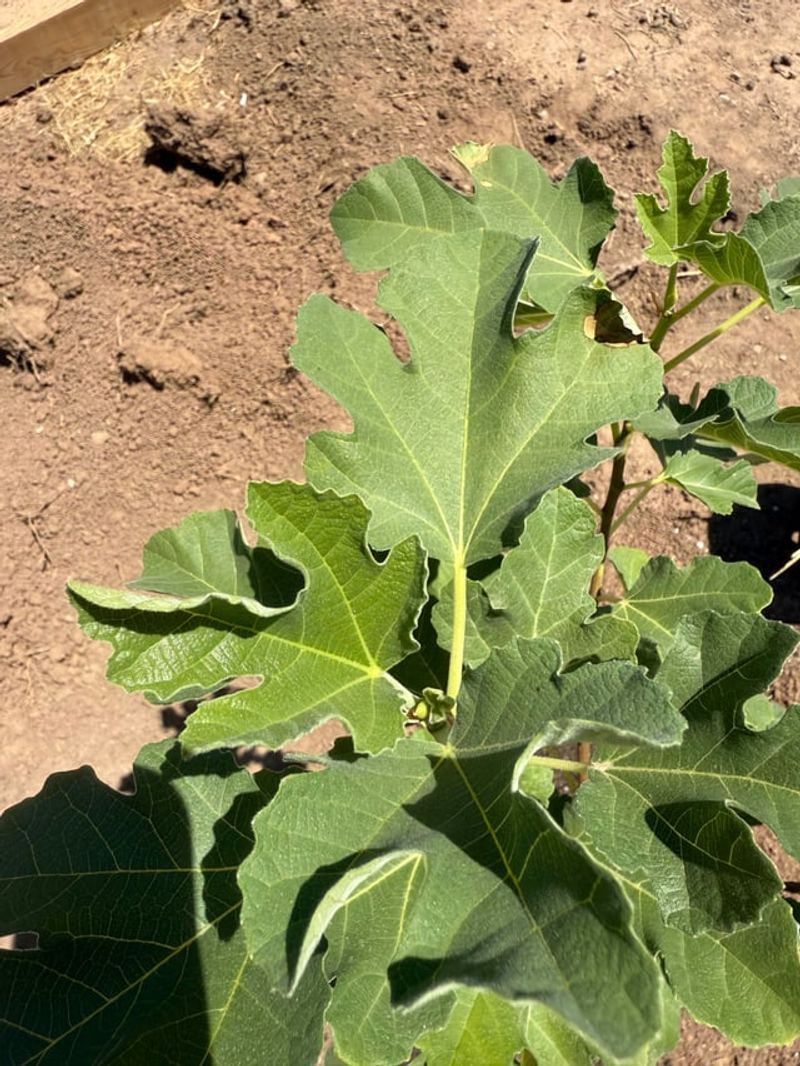
Bare soil around a fig tree is like leaving a glass of water in direct sun. Moisture evaporates fast, and the soil temperature swings widely between morning and afternoon.
Mulch slows both of those problems down considerably.
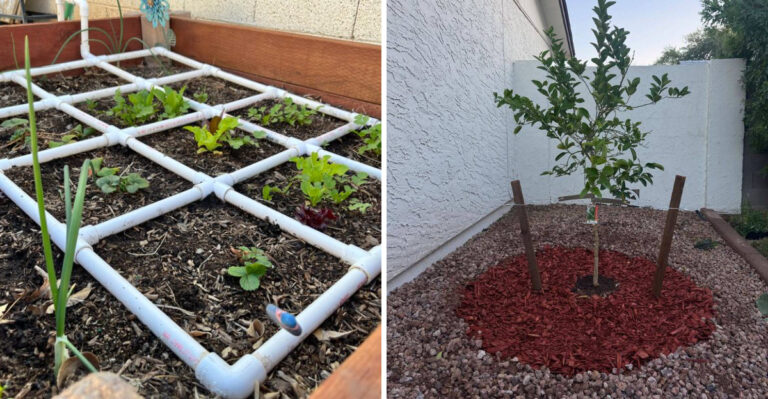
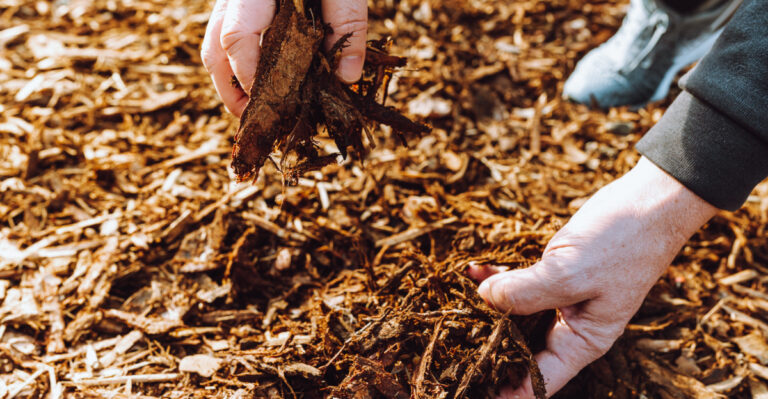
A thick layer of organic mulch, around three to four inches deep, acts as insulation. It keeps the soil cooler during peak afternoon heat and slows evaporation between waterings.
That stability directly reduces the kind of moisture spikes that cause fruit to crack.
Wood chips, straw, and shredded leaves all work well as mulch options. Avoid piling mulch directly against the trunk, since that can create moisture buildup right at the base and lead to bark issues.
Keep a small gap around the trunk and spread the mulch outward toward the drip line instead.
Mulch also breaks down over time and adds organic matter back into the soil. That improves the soil’s ability to hold moisture more evenly, which further supports consistent root uptake.
Refreshing the mulch layer once or twice a year keeps it effective.
In hot desert environments, mulch can make a noticeable difference in how often you need to water. Less frequent evaporation means the soil stays moist longer after each watering session.
That consistency is exactly what fig trees need to carry fruit through to harvest without splitting.
6. Ripe Figs Are More Likely To Crack
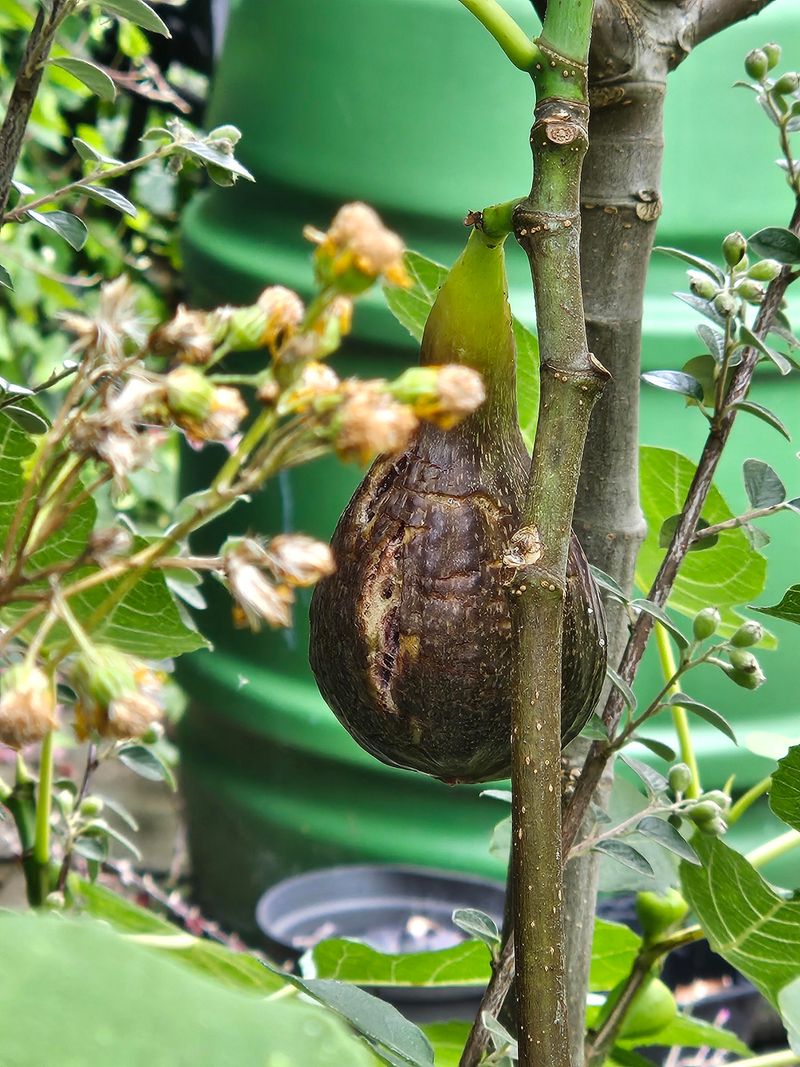
Fully ripe figs have softer skin than figs earlier in development. That softer skin has much less flexibility, which makes it more prone to cracking when moisture levels shift even slightly.
A fig that is two or three days from perfect ripeness is far more vulnerable than one that still has weeks to go.
As figs ripen, the sugar content inside increases and the flesh becomes denser. Any additional water intake puts immediate pressure on an already stretched skin.
Even a moderate watering after a short dry period can push a nearly ripe fig past its limit.
Watching your figs closely during the final stage of ripening helps you catch problems early. Soft spots, slight skin tension, or a drooping neck are signs that harvest is close.
Waiting too long once those signs appear raises the risk of splitting before you get to pick the fruit.
Reducing watering frequency slightly as figs approach peak ripeness can lower the risk of cracking. Not cutting off water entirely, just easing back a bit.
The goal is to avoid giving the tree a large drink right when the fruit is at its most fragile stage.
Timing matters more than most gardeners expect.
7. Harvest Fruit As Soon As It Ripens
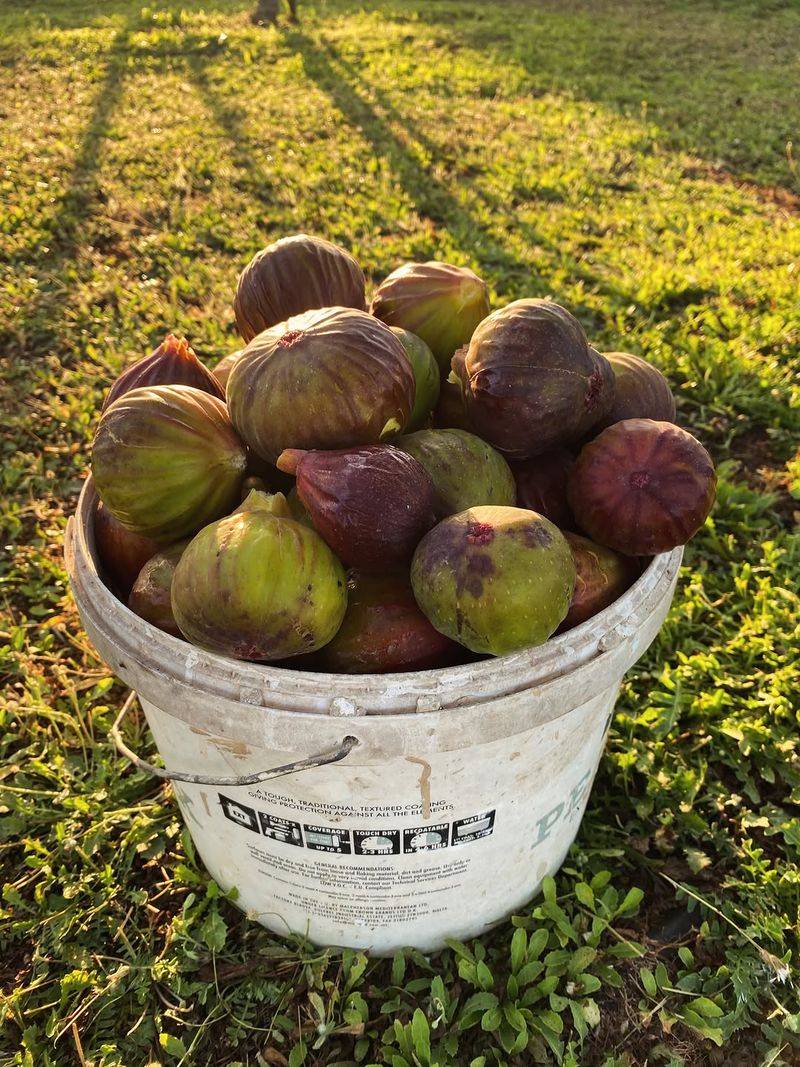
Leaving ripe figs on the tree too long is a fast way to lose them to splitting. Once a fig reaches full ripeness, it becomes fragile.
Any change in moisture, even morning humidity or a light watering, can push the skin past its limit.
Checking the tree every one to two days during peak season keeps you ahead of the problem. Ripe figs feel soft when gently squeezed, and the neck often droops slightly.
A small bead of syrup at the base of the fruit is another reliable sign that it is ready.
Picking figs at or just before peak ripeness gives you more control. A fig harvested slightly early will continue to soften off the tree and still tastes good.
One left on the branch past its prime is far more likely to crack, attract insects, or begin to ferment on the tree.
In hot desert climates, figs can go from nearly ripe to overripe within a day or two during peak summer heat. Checking once in the morning and once in the late afternoon during the busiest part of the season is worth the effort.
A consistent harvest routine also reduces the workload. Picking every ripe fig as it matures prevents a backlog of overripe fruit sitting on the tree.