Why Hanging Baskets Dry Out So Fast, And How To Keep Them Moist
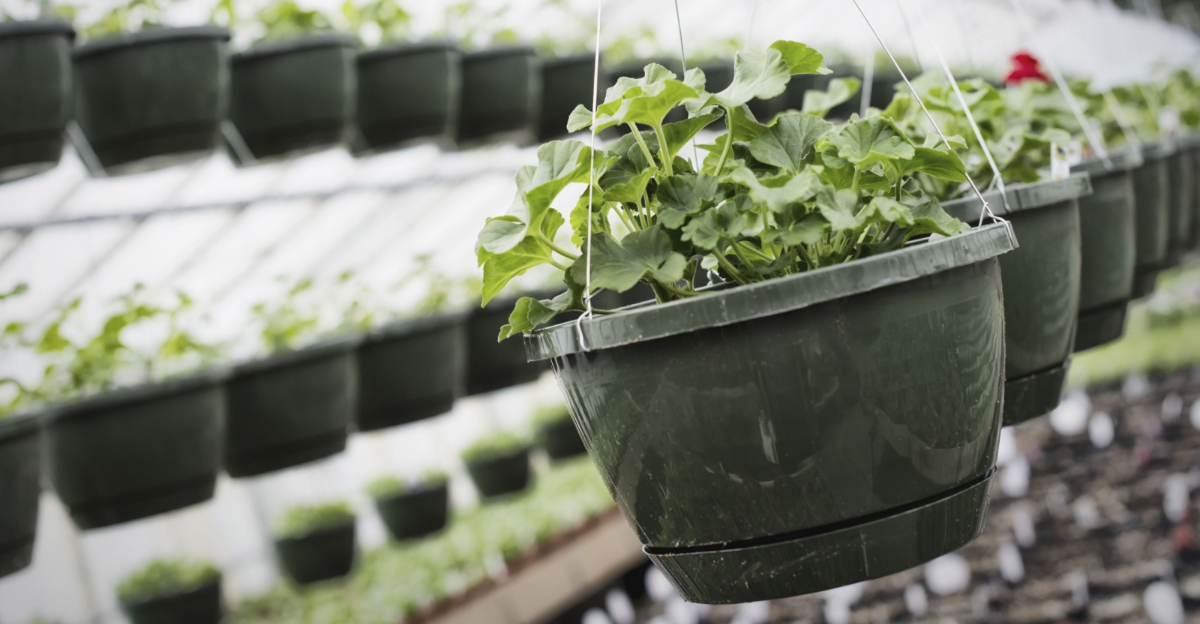
Water leaves your hanging basket faster than any ground bed nearby. Wind pulls moisture straight out of your leaves. You fight gravity, heat, and drought every long day outdoors.
Small containers leave your thirsty roots too little soil. Roots crowd together, fighting for every drop you give. Containers heat up fast under your afternoon sun.
Elevated position exposes your basket to constant drying wind. Arizona challenges you far more than almost any other climate. Heat radiates upward from your patio, baking soil below.
Timing matters far more than the water you use. Drainage holes release moisture faster than your roots can absorb. Growth stalls the moment stress creeps into your roots.
Humidity swings wildly across your Arizona mornings and afternoons. Strategy beats guesswork when you want thriving, vibrant growth.
Nothing about this process should trap you in frustration. Everything you have ever assumed about watering is about to fall apart.
1. Wind Exposure Pulls Moisture From Soil Quickly
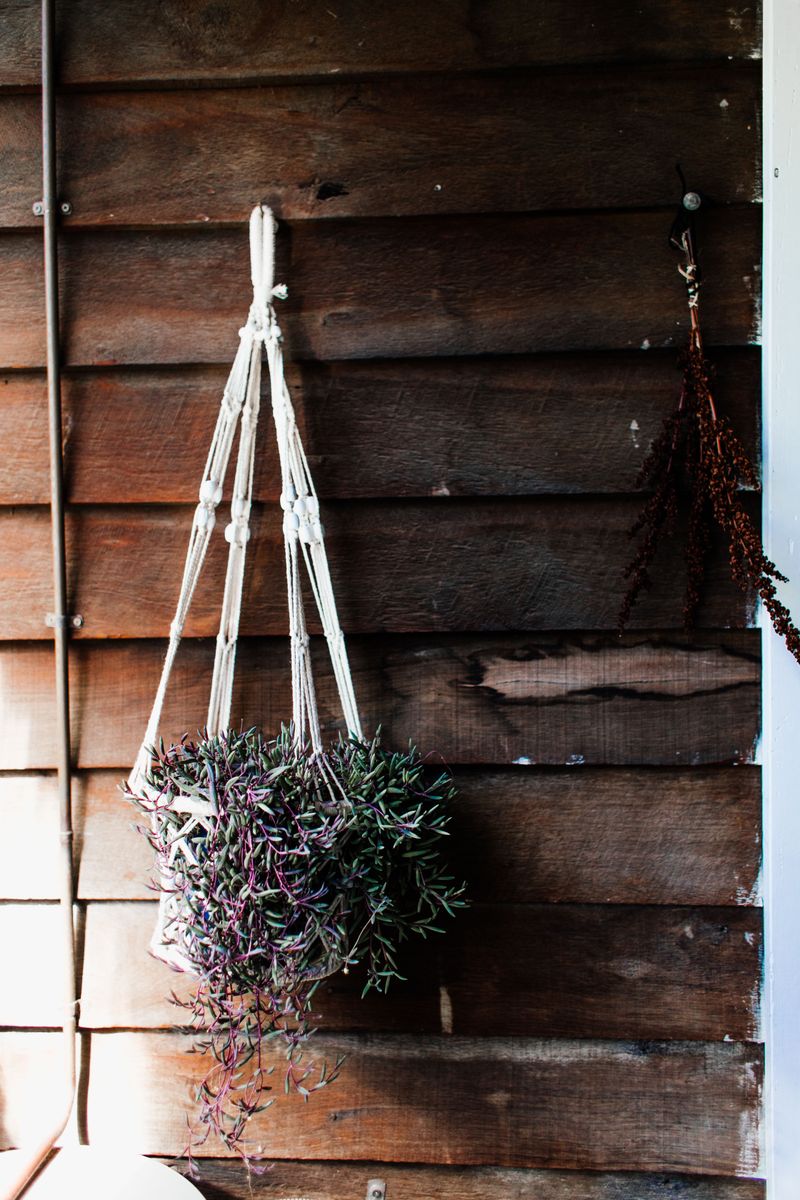
Hanging baskets and wind are a bad combination. Every gust that passes through your yard pulls moisture straight out of the soil and off the leaves.
Think of it like leaving a wet sponge in front of a fan. The air movement speeds up evaporation at a rate that still soil never experiences.
Ground-level containers are sheltered by fences, mulch, and nearby plants. Hanging baskets get hit from every direction with no protection.
Even a light breeze creates a drying effect that compounds hour by hour throughout the day. By evening, a basket that was soaked in the morning can feel bone dry.
The fix starts with location. Placing baskets near a wall, under an overhang, or behind a windbreak can cut moisture loss dramatically.
You can also choose plants with thicker, waxy leaves that resist wind drying better than delicate petals. Trailing succulents and thick-leafed begonias handle breezy spots well.
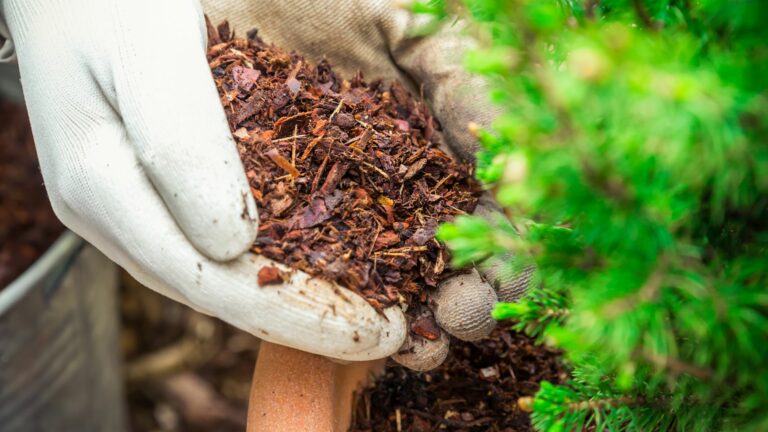
A simple layer of mulch on top of the soil adds another line of defense. It slows evaporation even when air is moving around the basket.
Wind is invisible, but its impact on your hanging baskets is anything but subtle. Take control of airflow and your watering schedule gets a whole lot easier.
2. Small Containers Hold Very Little Water Reserve
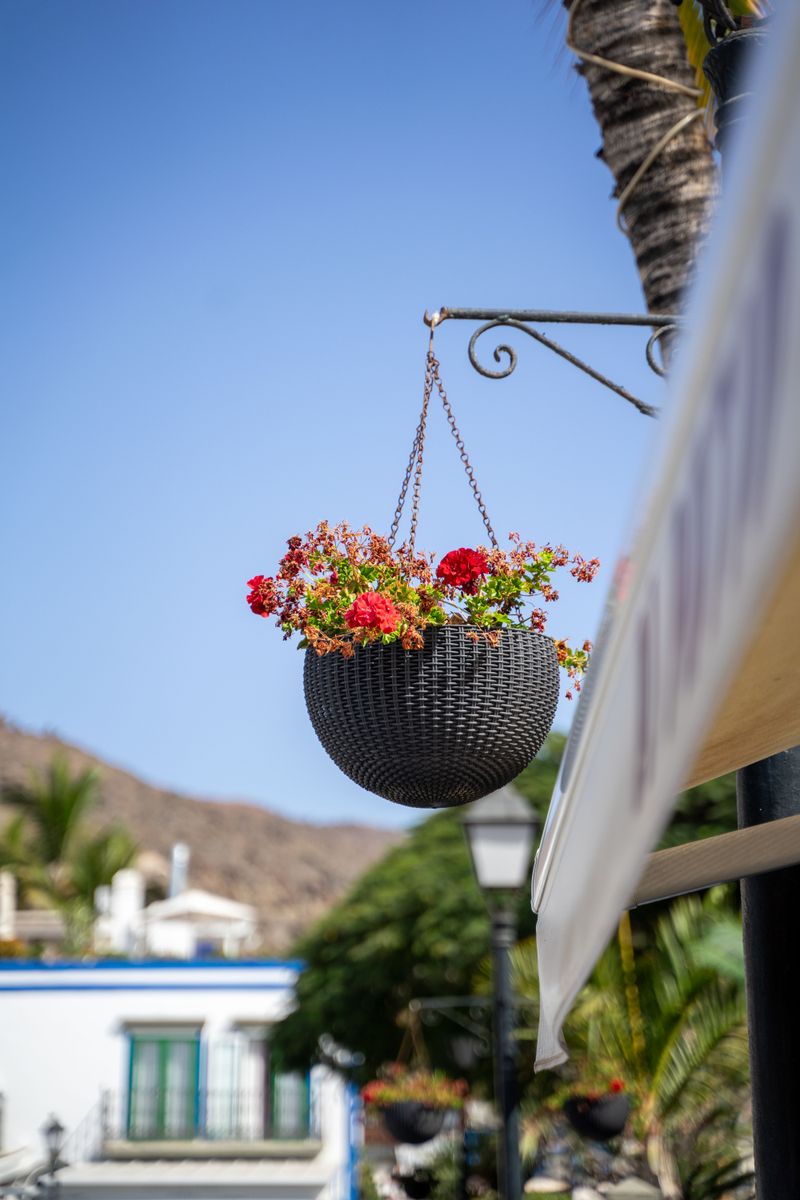
Size matters more than most gardeners realize. A small pot simply cannot hold enough water to last through a hot afternoon.
Most standard hanging baskets range between 10 and 14 inches in diameter, offering limited soil volume for roots.
That sounds reasonable until you factor in roots, soil, and drainage holes all competing for that tiny volume.
Bigger pots act like reservoirs. They store extra moisture deep in the soil where roots can pull from it slowly throughout the day.
Small baskets drain fast and dry out even faster. Once the top layer goes dry, the rest follows within hours under summer conditions.
Upgrading to a larger basket is one of the easiest improvements you can make. A 16-inch or 18-inch pot holds significantly more water and gives roots room to spread.
If you love the look of a smaller basket, plan to water more often. Two or even three times daily may be necessary during peak heat.
Self-watering hanging baskets are another smart option. They feature a built-in reservoir at the bottom that slowly feeds moisture upward through the soil.
Do not let pot size be an afterthought when you shop for baskets this season. Choosing a larger container from the start saves time, effort, and a lot of wilted flowers later.
3. Roots Fill The Pot Leaving No Room For Water
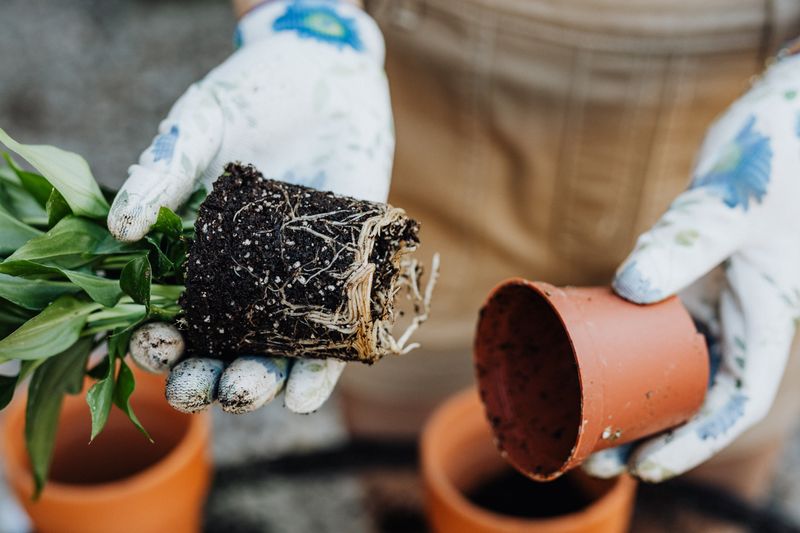
A healthy plant develops an extensive root system that can eventually fill the entire pot. Once that happens, most water runs through and out the drainage holes rather than being absorbed.
Root-bound baskets are one of the most overlooked reasons your plants seem to need water constantly. The roots crowd out the soil, and soil is what holds moisture in place.
Press your finger into a root-bound basket and it feels almost solid. There is no fluffy, water-absorbing soil left because the roots have taken over completely.
When you water, the liquid rushes through channels between the roots and exits the bottom without ever soaking in properly. Your plant stays thirsty no matter how much you pour on.
The solution is refreshing the soil mid-season. Gently remove the plant, loosen the roots, and repot with fresh moisture-retaining mix.
Adding perlite or coco coir to the new mix improves water retention without restricting airflow to the roots. Both materials hold moisture while still allowing good airflow around the root zone.
Trimming back roots slightly before repotting also helps. It encourages new growth and opens up space for fresh soil to do its job.
A root-bound basket will need attention soon to stay healthy. Giving roots room to breathe is the reset your plants need to truly thrive.
4. Sun And Heat Hit Baskets From All Angles
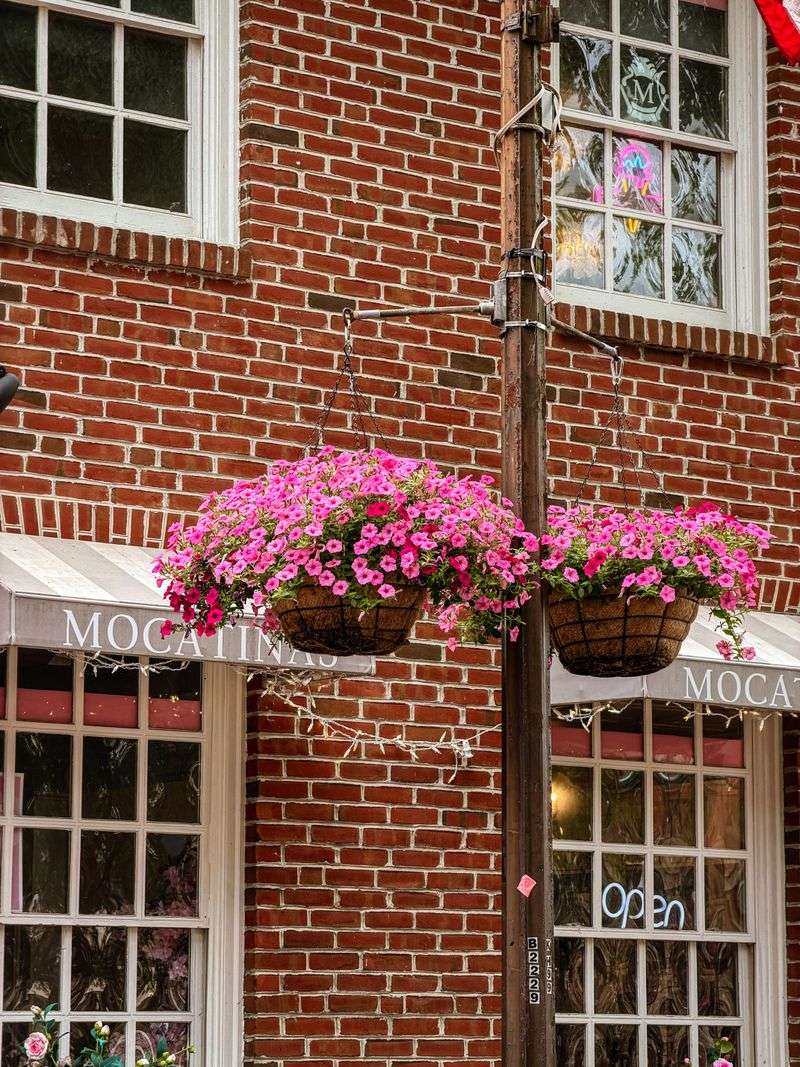
Ground pots get shade from nearby plants, mulch, and the ground itself. Hanging baskets get none of that protection.
When the sun is high, it bakes the top of the soil. When it shifts lower, it hits the sides of the basket directly. The pot heats up from every angle throughout the day.
Warm soil loses moisture faster than cool soil. This is basic science, but the effect on a hanging basket is extreme because there is no insulation anywhere around the container.
Dark-colored baskets absorb even more heat than light ones. If your basket is black, brown, or dark green, it may be cooking your roots as well as drying out the soil.
Switching to a light-colored or white basket reflects sunlight instead of absorbing it, which generally helps keep soil noticeably cooler on hot afternoons.
Moving baskets to a spot with afternoon shade is another powerful fix. Morning sun is gentler and less drying than the intense heat that arrives after noon.
Wrapping the outside of a basket in burlap or a light fabric cover also helps. It acts as insulation, keeping the soil cooler and slowing evaporation significantly.
Sun helps baskets bloom, but excess heat can work against your plants. Finding the right balance keeps your plants thriving without constant watering stress.
5. Hanging Height Increases Airflow Around The Pot
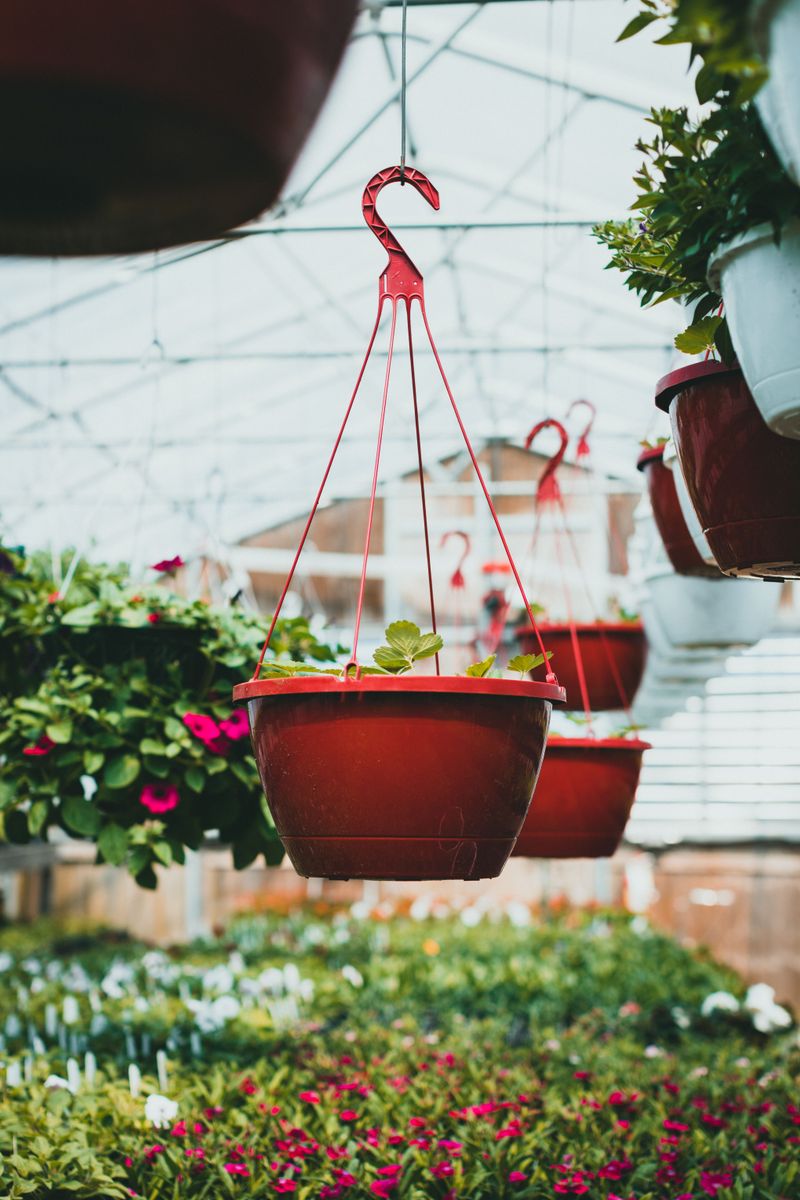
The higher a basket hangs, the more air moves around it. That extra airflow might feel refreshing to you, but it is relentless on your soil moisture.
At ground level, plants are surrounded by other plants, walls, and barriers that naturally slow airflow. A basket hanging at head height or above has nothing buffering it from moving air.
Airflow pulls water vapor off the soil surface and carries it away. The faster the air moves, the faster evaporation happens, and the sooner your basket dries out completely.
Lowering your basket even a foot or two can make a noticeable difference. Less exposure to open air means slower moisture loss between watering sessions.
If lowering is not an option, try hanging your basket closer to a wall or fence. The surface nearby slows the air movement around the pot significantly.
Covering the soil surface with a thin layer of moss or bark chips also helps. These materials act as a barrier between the soil and moving air, reducing evaporation at the source.
Some gardeners use decorative fabric wraps around the outside of the pot. These wraps block wind while keeping the basket looking polished and put-together.
Height is part of what makes hanging baskets so charming, but it comes at a cost. A few small adjustments to placement can protect your plants without sacrificing the look you love.
6. Line Baskets With Moisture-Retaining Materials Like Coco Coir
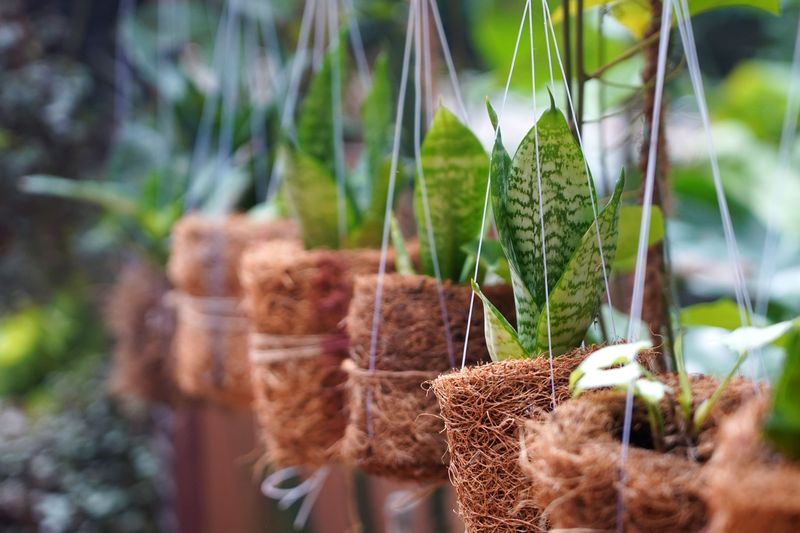
Coco coir is a lesser-known but highly effective option in hanging basket gardening. Made from coconut husks, it holds moisture like a sponge while still letting roots breathe freely.
Wire hanging baskets look gorgeous, but they are basically open cages that let water escape from every side. Lining them with coco coir creates a barrier that holds soil and moisture in place.
Unlike traditional sphagnum moss, coco coir is often considered a more renewable option and tends to hold up longer through the season. It does not break down as quickly, so it keeps doing its job all summer.
To use it, simply press sheets of coco coir against the inside of the wire frame before adding soil. Cut a small hole at the bottom for drainage and fill the rest with your planting mix.
The coir absorbs water during each watering session and releases it slowly back into the soil. This buffer effect means the roots stay moist even hours after you last watered.
You can find coco coir liners pre-cut to fit most standard basket sizes at garden centers and online retailers. They are affordable and easy to replace at the start of each new season.
Pairing coco coir with a quality moisture-retaining potting mix significantly increases the benefit. Your basket becomes a water-holding system rather than a water-draining one.
This one change can noticeably reduce your watering frequency and keep your hanging baskets looking lush all season long.
7. Water Twice Daily During Peak Summer Heat
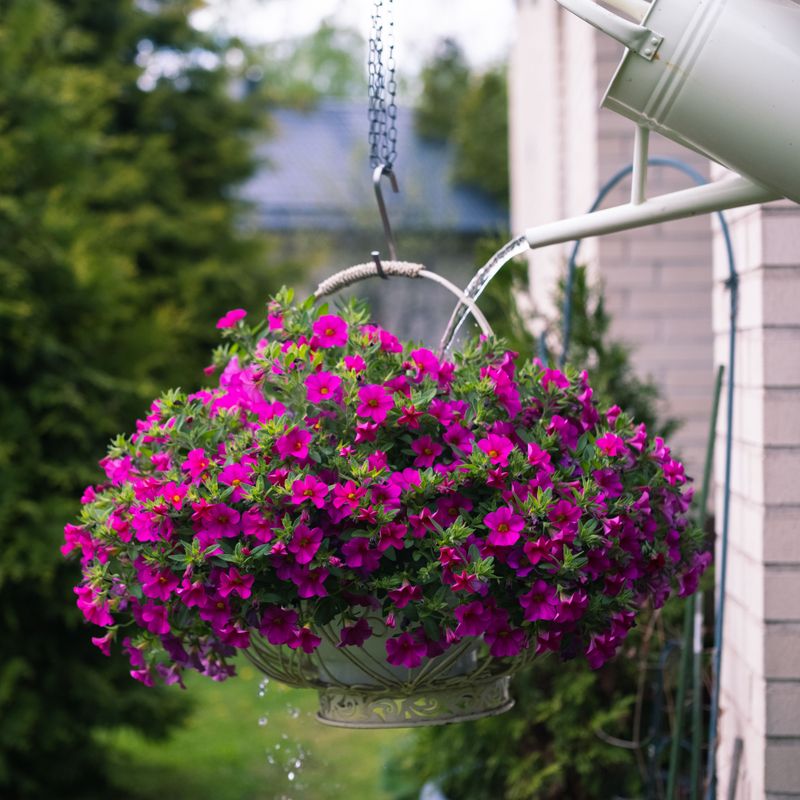
Once a day is not always enough in summer. During periods of intense summer heat, hanging baskets can lose moisture faster than a single morning watering can replace it.
A morning watering gets your plants off to a good start. But by early afternoon, that moisture is often gone, and your plants spend the rest of the day stressed and wilting.
Adding an evening watering session gives plants a second chance to absorb what they need. Cooler evening temperatures mean less evaporation, so the water actually stays in the soil longer.
Try to avoid watering at the hottest point of the day. Midday watering evaporates quickly and can cause stress to plant leaves if water droplets heat up under direct sun.
A long-reach watering wand makes the task much easier for baskets hung overhead. You can water thoroughly without dragging out a ladder or straining your arms and shoulders every time.
Watch for signs that your basket needs a second drink, including drooping leaves, curling petals, or soil that looks pale and powdery. These are clear signals that moisture is already running low.
Setting a phone reminder for morning and evening watering helps build the habit quickly. Consistency is key because plants under stress from drought recover more slowly each time it happens.
Twice-daily watering sounds like extra work, but it keeps hanging baskets vibrant and healthy when summer heat is at its worst.
8. Add Water-Retaining Crystals To The Potting Mix
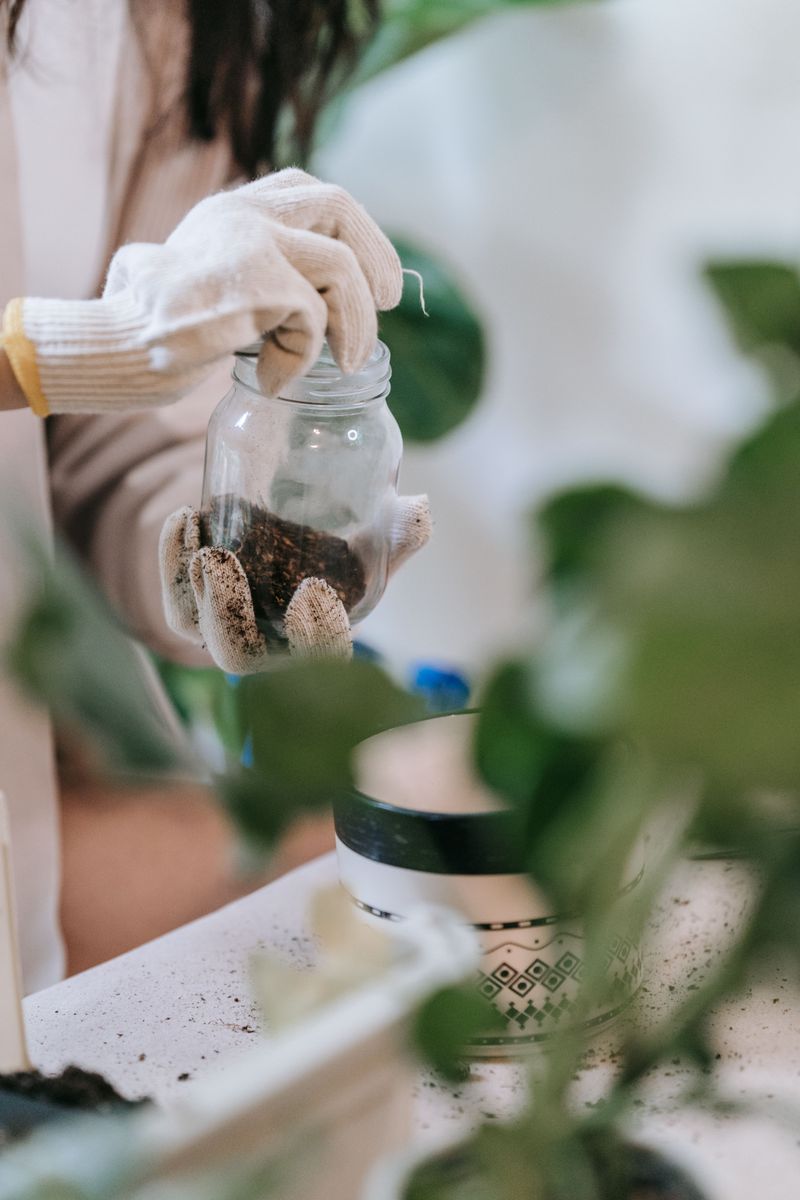
Water-retaining crystals are a lesser-known but effective gardening tool. These tiny polymer beads absorb hundreds of times their own weight in water.
When you mix them into potting soil, they swell up like little gel cubes every time you water. Then they slowly release that stored moisture back into the soil over the next day or two.
For hanging baskets, this slow-release effect offers a real advantage. Instead of water draining away immediately, it stays locked inside those crystals and feeds the roots gradually.
You can find these crystals at most garden centers under names like water gel, soil moist, or hydrogel crystals. A small bag goes a long way because you only need a tablespoon or two per basket.
Mix the dry crystals into your potting soil before planting, following the package directions for the right ratio. Using too many can cause the soil to become waterlogged and push out of the pot.
Some gardeners pre-soak the crystals in water first, then mix the gel into the soil. This method lets you see exactly how much volume they add before you commit to a ratio.
Crystals break down over time, with effectiveness typically declining after a season or two depending on the product. Refreshing the mix each spring keeps the moisture-holding benefit working at full strength.
Adding crystals is a small step that pays off every single hot afternoon when your hanging baskets stay moist longer than you expected.
9. Group Baskets Together To Reduce Airflow Exposure
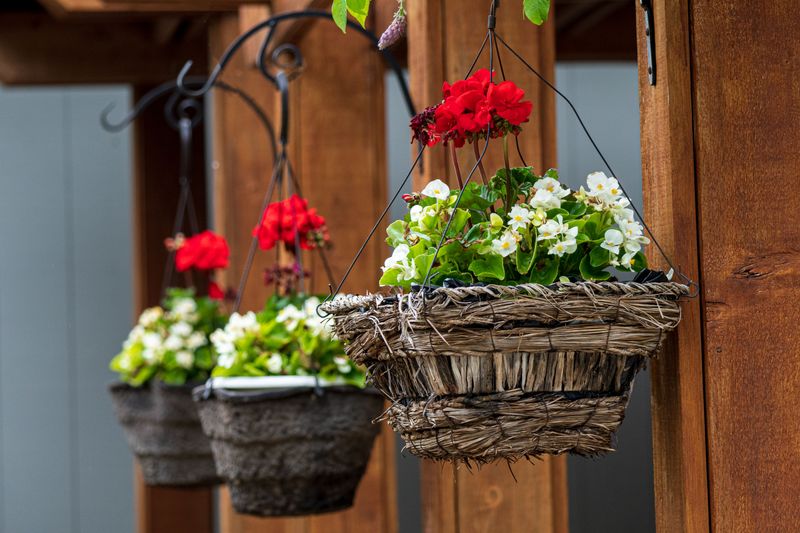
Grouping baskets together offers a practical advantage. When you cluster several baskets close together, they create a shared microclimate that benefits every plant in the group.
Grouped baskets block wind from reaching each other. The outer baskets shield the inner ones, and the whole cluster experiences less airflow than any single basket would alone.
Less airflow means slower evaporation. Soil in grouped baskets stays moist longer, which means you spend less time watering and more time actually enjoying your garden.
Grouped plants also release moisture into the air around them through a process called transpiration. That shared humidity creates a slightly wetter environment that helps neighboring baskets hold onto their moisture.
Try arranging three or four baskets at varying heights along a single porch beam or pergola post. The visual effect is stunning, and the plants genuinely benefit from being near each other.
Pairing hanging baskets with potted plants on a nearby surface adds even more protection. Floor pots break up airflow at a lower level and contribute to the shared humid zone.
Avoid spacing baskets so far apart that each one stands alone in open air. Even a foot or two of separation makes a big difference in how much wind each basket absorbs.
Grouping baskets is a strategy where beauty and practicality work well together. Your porch looks fuller, and your plants stay healthier with far less effort.