What South Dakota Gardens Need This Week As The Heat Wave Pushes Toward 110 Degrees

Friday’s heat index in South Dakota reads 110, and your garden does not care what the calendar says about typical July. Prairie natives that survived droughts your grandfather remembers can still wilt in six hours flat once soil temperature crosses a certain line.
This is not a weekend project. It is a today problem. Heat spikes on the Great Plains now arrive faster and hit harder than they did even five years ago, leaving less room to react once the mercury starts climbing.
A tomato plant can look fine at noon and be cooked by 4pm, roots baked in soil that lost its moisture hours earlier without anyone noticing. Coneflowers, black-eyed Susans, even switchgrass have limits nobody talks about until they are crossed.
What follows are six moves that actually matter this week, not a checklist recycled from a mild summer.
1. Deep Watering Before Sunrise Keeps Roots From Baking
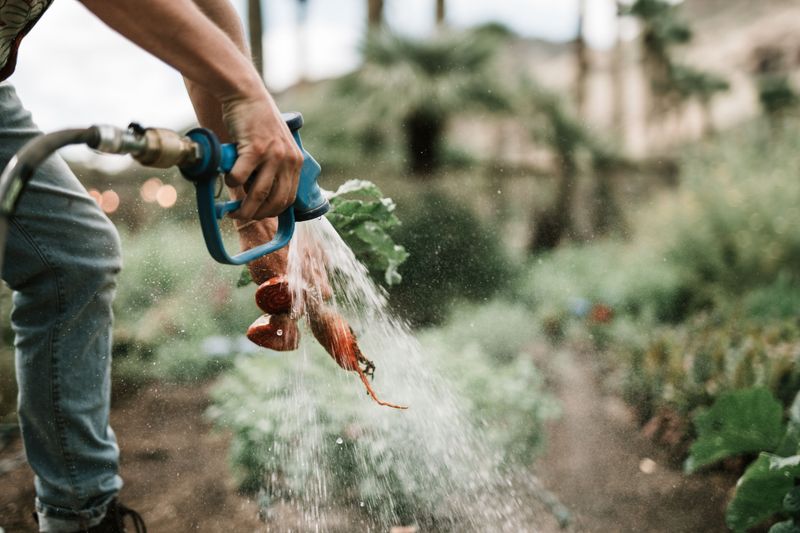
Your roots are already in trouble if you wait until noon. When the heat wave pushes toward 110 degrees, the soil surface can reach scorching temperatures before most people finish their morning coffee.
Deep watering before sunrise is the single most protective step you can take right now. Water applied early soaks down to the root zone instead of evaporating off the top inch of soil.
Shallow sprinkles do almost nothing during extreme heat. You want water to penetrate at least six to eight inches down, where roots can actually reach it.
A soaker hose laid along your beds works far better than overhead sprinklers for this purpose. Slow, steady flow lets the ground absorb moisture rather than letting it run off baked, compacted soil.
Set a timer and run your hose for at least 30 to 45 minutes per bed before 6 a.m. That window gives water time to settle before the sun starts pulling it back out.
Clay-heavy South Dakota soil can be tricky because it resists fast absorption. Watering in two shorter cycles with a 10-minute break in between helps the ground soak up more without pooling.
Vegetable gardens need the most attention during stretches like this one. Tomatoes, peppers, and squash all drop flowers or stop setting fruit when roots get too hot.
Check your soil with a finger or a cheap moisture meter each morning. If it feels dry past the second knuckle, your plants are already thirsty and need water immediately.
2. Extreme Heat Is Colliding With Critical Fire Danger This Week
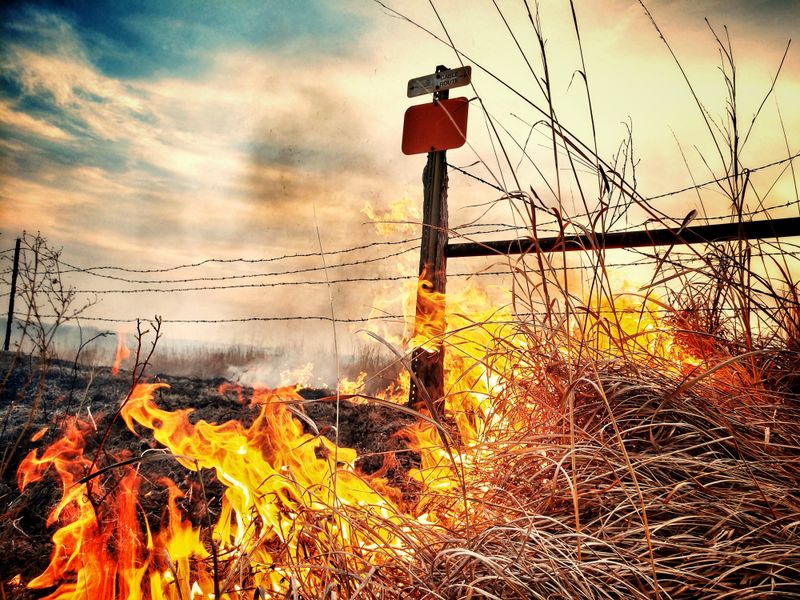
Smoke on the horizon is not just a backdrop this week. Extreme heat and critical fire danger are arriving together across South Dakota, and that combination changes how you manage your outdoor space.
Dry winds that pull moisture from leaves also pull it from the ground. When relative humidity drops below 20 percent, even recently watered soil loses moisture faster than most gardeners realize.
Garden hoses left in direct sun can reach temperatures hot enough to scald plant roots when you first turn them on. Always let water run for a few seconds before directing it toward any plant.
Your South Dakota Garden Changes Every Week. Your Plan Should Too.
Gardening in South Dakota changes quickly throughout the season. Every Friday you’ll receive a simple weekly plan showing exactly what to plant, prune, fertilize, harvest, and protect so you never miss the right timing.
Avoid using string trimmers or metal tools near dry grass during red flag warning days. A single spark from equipment can ignite parched prairie grass in seconds during conditions like these.
Check your local fire weather forecast every morning this week alongside your garden plan. The National Weather Service issues spot fire danger ratings that directly affect what yard work is safe to do.
Keep a charged garden hose accessible near any dry mulch beds or wood fencing. Fast access matters when fire danger is elevated and winds shift unexpectedly.
Stressed plants during a heat wave are more flammable than healthy ones. Crispy, dehydrated foliage near a structure is a real concern when fire risk is critical.
Staying aware of both plant health and fire conditions this week is genuinely smart gardening. Your yard and your neighborhood will both be safer for it.
3. Mulch And Shade Cloth Cut Moisture Loss Fast
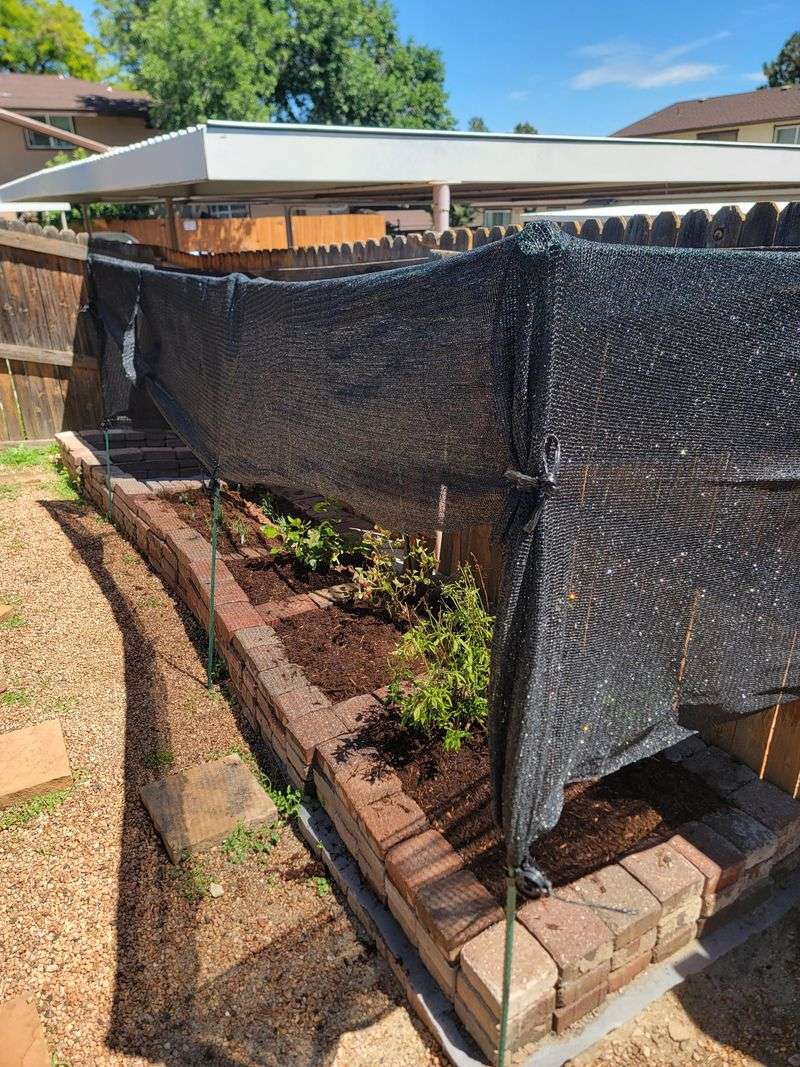
Nothing holds soil moisture through a 110-degree afternoon quite like a thick layer of mulch. Two to three inches of straw, wood chips, or shredded leaves can cut evaporation by more than 50 percent.
Bare soil in direct sun acts like a frying pan during a heat wave. Covering it with organic mulch keeps the ground cooler, which protects root systems that would otherwise overheat by early afternoon.
Apply mulch right after your morning watering session for maximum benefit. That way, you lock in moisture before the sun has a chance to pull it back out of the top layer.
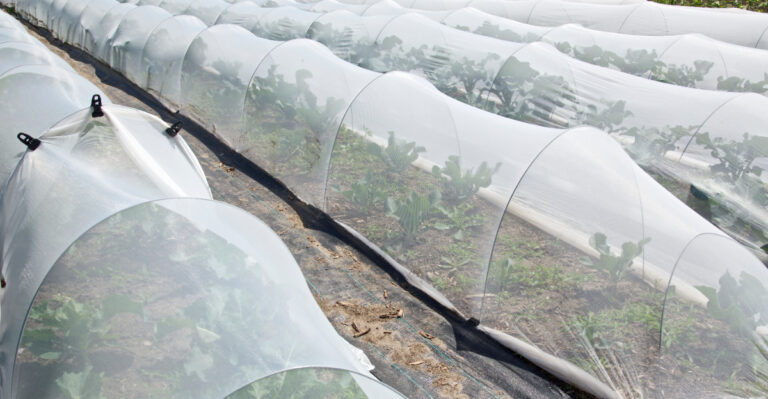
Shade cloth makes a measurable difference for vegetable gardens during extreme heat events like this one. A 30 to 50 percent shade cloth stretched over tomatoes, lettuce, or peppers can drop leaf temperature by 10 to 15 degrees.
Lightweight row cover fabric works as a quick substitute if you do not own shade cloth. Drape it loosely over plants and secure the edges with rocks or garden staples.
Avoid piling mulch directly against plant stems. That practice traps moisture against the base and invites rot, which is the last problem you need on top of heat stress.
Straw mulch is widely available at South Dakota feed stores and garden centers for just a few dollars per bale. One bale can cover a surprising amount of garden bed space.
Paired together, mulch and shade cloth form a simple but powerful shield that keeps your garden holding steady through the worst of this week.
4. Afternoon Watering Wastes Water And Stresses Leaves
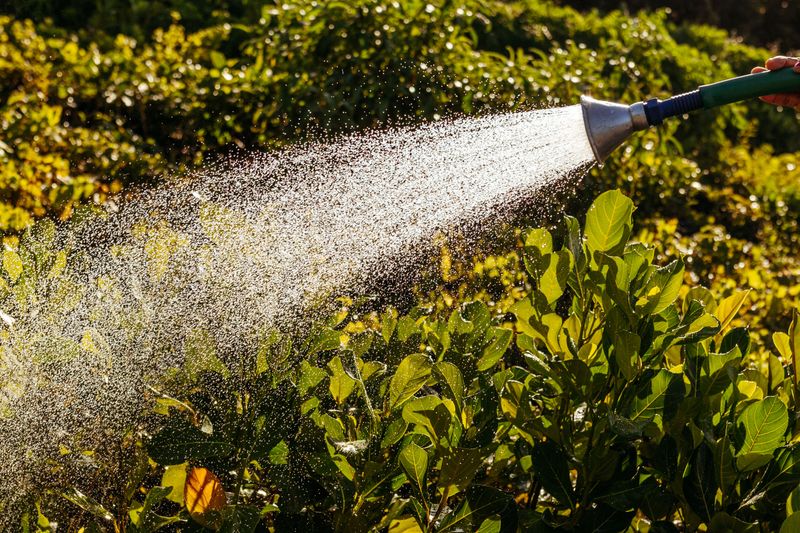
Turning on the sprinkler at 2 p.m. feels helpful, but it often does more harm than good. Water applied during peak afternoon heat evaporates before it ever reaches the root zone.
Overhead watering in full sun also creates a magnifying effect on leaves. Water droplets sitting on foliage under intense sunlight can cause scorch spots that look like burn marks by evening.
Gardeners often see wilting at midday and assume the plant needs water immediately. In many cases, healthy plants wilt slightly in extreme heat as a self-protective response, then recover once the sun drops.
Check the soil before reaching for the hose at any point after 10 a.m. If the ground still feels moist a few inches down, the plant is probably okay and afternoon water would be wasted.
Evening watering after 7 p.m. is a better option than midday if you missed your morning window. Temperatures are lower, evaporation slows, and roots can absorb moisture through the night.
The one downside to evening watering is that wet foliage overnight can invite fungal problems. Aim your hose or drip line at the soil, not the leaves, to keep foliage dry.
Drip irrigation systems eliminate most of this guesswork entirely. They deliver water slowly and directly to the root zone at whatever time you set them, making afternoon waste a non-issue.
Smarter timing costs nothing but a habit change, and it stretches every drop of water further during a punishing week like this one.
5. Container Plants Dry Out Twice As Fast In This Heat
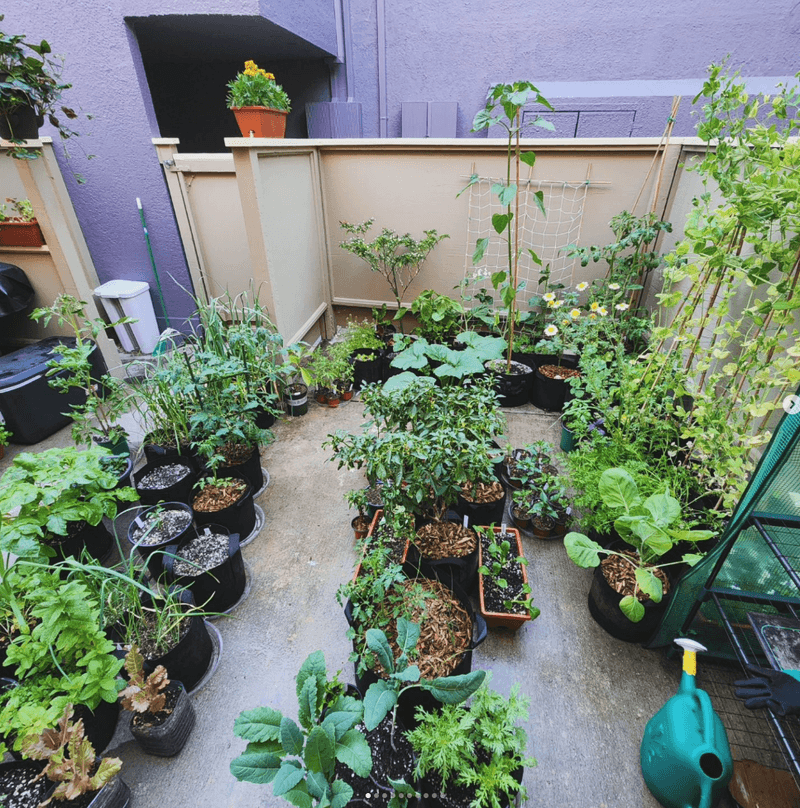
A pot sitting on a hot patio behaves nothing like a garden bed once temperatures climb toward 110 degrees. Limited soil volume heats up fast, and roots inside a dark plastic container can bake even when the plant looks fine above the soil line.
Terracotta pots make the problem worse during extreme heat. Clay pulls moisture straight through its walls, so a plant that would survive fine in plastic can dry out within hours in an unglazed container sitting in direct sun.
Check container soil moisture twice a day during this stretch, not once. Stick a finger down two inches, and if it comes out dry, water immediately rather than waiting for evening.
Moving pots into afternoon shade makes a real difference for anything not rooted directly in the ground. A patio table, a porch corner, or even the shadow cast by a taller shrub can drop soil temperature enough to matter.
Grouping containers together also helps more than most gardeners expect. Pots clustered close create shade for each other’s sides, cutting down on the heat absorbed through container walls.
Adding a saucer underneath each pot gives roots a small reserve of water to pull from between waterings. Just empty standing water after an hour so roots do not sit in it overnight.
Small containers under twelve inches wide are the most vulnerable of all. If daily watering still is not keeping up, moving that plant into a larger pot with fresh soil gives roots more of a buffer against the heat.
6. Wilting Plants Need Attention Before Damage Sets In
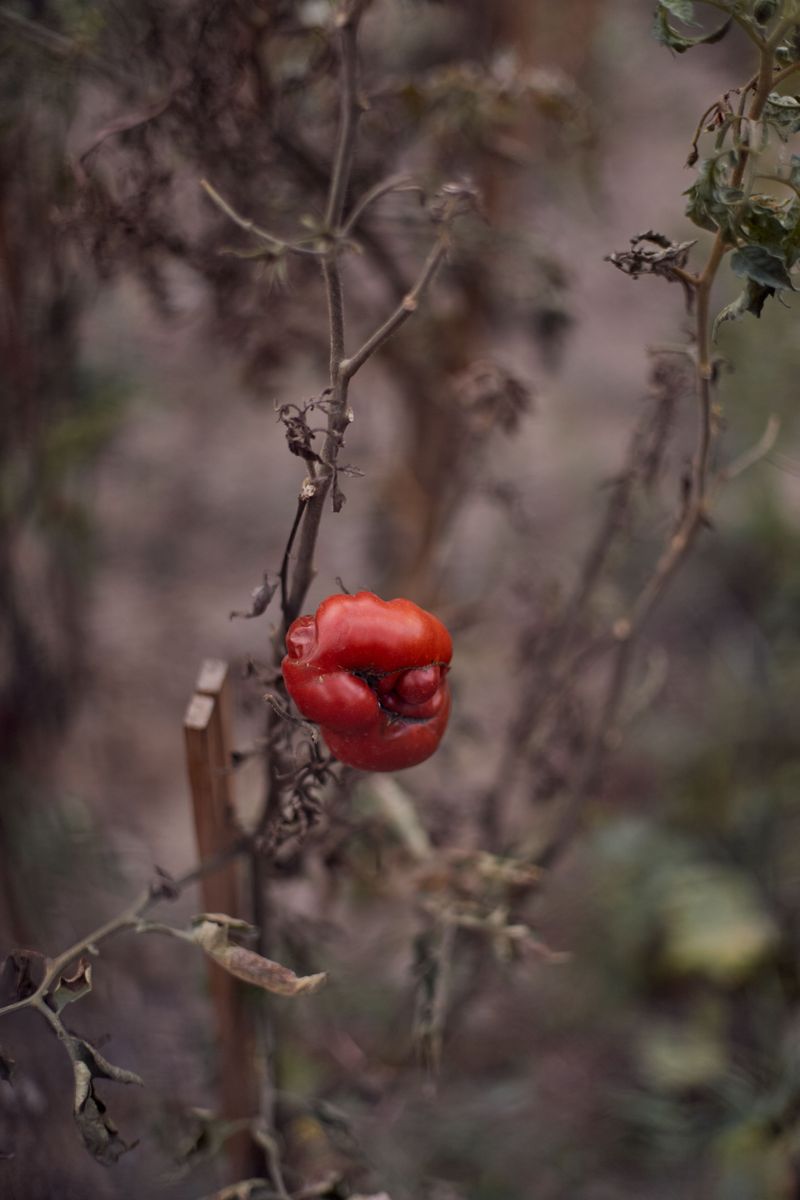
A drooping plant at noon tells you something important, and ignoring it past 4 p.m. can mean real trouble. Prolonged wilting under 110-degree heat wave conditions causes cell damage that watering alone often cannot reverse.
Not all wilting looks the same. Soft, limp leaves that recover by evening are usually just heat stress, while crispy, curled edges that stay stiff are a sign of actual tissue damage.
Check your most vulnerable plants around 9 a.m. before the worst heat arrives. Tomatoes, cucumbers, squash, and annual flowers are typically the first to show distress in extreme conditions.
If a plant is wilting badly before noon, give it a slow, deep drink directly at the base. Then prop up a piece of cardboard or burlap on the south-facing side to block the harshest afternoon rays.
Perennials and native plants are more resilient, but they are not invincible. Even established prairie coneflowers and black-eyed Susans can show stress when soil moisture drops during a prolonged extreme event.
Pull any weeds you see near stressed plants immediately. Weeds compete directly for the limited water in the soil and make heat stress significantly worse for everything around them.
Do not fertilize wilting plants during a heat wave. Fertilizer pushes new growth, and new growth demands more water and energy than a stressed plant can spare right now.
Catching wilting early and acting fast is what separates a garden that bounces back from one that does not make it through the week.
7. Lawn Grass Needs A Different Survival Strategy Than Garden Beds
Grass responds to extreme heat in ways that catch a lot of homeowners off guard. Raising the mower blade to three and a half or four inches lets grass shade its own soil, which keeps roots several degrees cooler than a lawn cut short.
Skip mowing entirely during the hottest stretch of the week if possible. Cutting grass while it is heat stressed adds another layer of injury on top of what the temperature is already causing.
Cool-season grasses like Kentucky bluegrass and fescue, common across South Dakota lawns, often go dormant and turn brown once heat and dry soil combine. That browning is usually a survival response rather than a sign the lawn is gone for good.
Resist the urge to fertilize a stressed lawn this week. Fertilizer pushes leaf growth at a time when the grass plant needs its energy directed toward keeping roots alive.
Watering a lawn deeply once or twice a week beats a light daily sprinkle every time during a heat event like this one. Aim for about an inch of water per session, applied early in the morning so it reaches root depth before evaporation takes hold.
Foot traffic on heat-stressed grass causes damage that shows up days later. Keeping kids, pets, and lawn furniture off dormant patches gives blades a better chance of bouncing back once temperatures ease.
8. A Short Recovery Window Follows Once Temperatures Drop
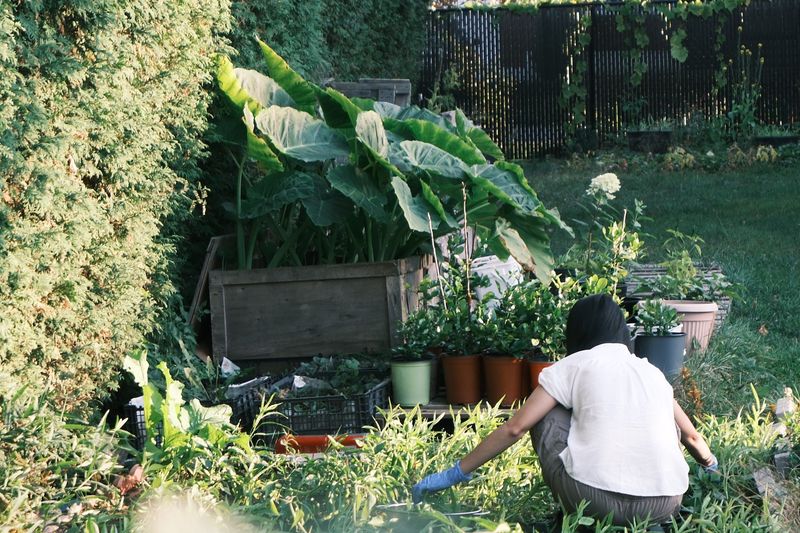
Relief is coming, and your garden will be ready to bounce back if you plan ahead now. Once temperatures drop below 90 degrees, plants shift from survival mode into active recovery almost immediately.
That transition window is short, usually just two to three days before the next heat event or a dry stretch arrives. Moving quickly during that window makes a real difference in long-term plant health.
Start by doing a full walkthrough of every bed once the heat breaks. Look for damaged leaves, broken stems, or areas where soil dried out completely despite your best efforts this week.
Remove any dead or heavily scorched foliage as soon as you spot it. Leaving damaged plant material in place invites disease and draws energy away from the healthy growth trying to come back.
Add a thin layer of compost to any bed that looks depleted after the heat wave pushes through. Compost restores soil biology and helps roots access nutrients more efficiently as conditions improve.
Hold off on aggressive pruning until plants show clear signs of new growth. Cutting back too early after heat stress can shock a plant that is still stabilizing its root system.
Reseed any bare patches in your lawn or garden beds during the cooler window. Bare soil left exposed will just bake again in the next round of summer heat.
The gardens that survive a South Dakota heat wave pushing toward 110 degrees are the ones tended by gardeners who keep paying attention, even after the worst seems to pass.