What To Do If You Find A Joro Spider Web On Your Georgia Porch
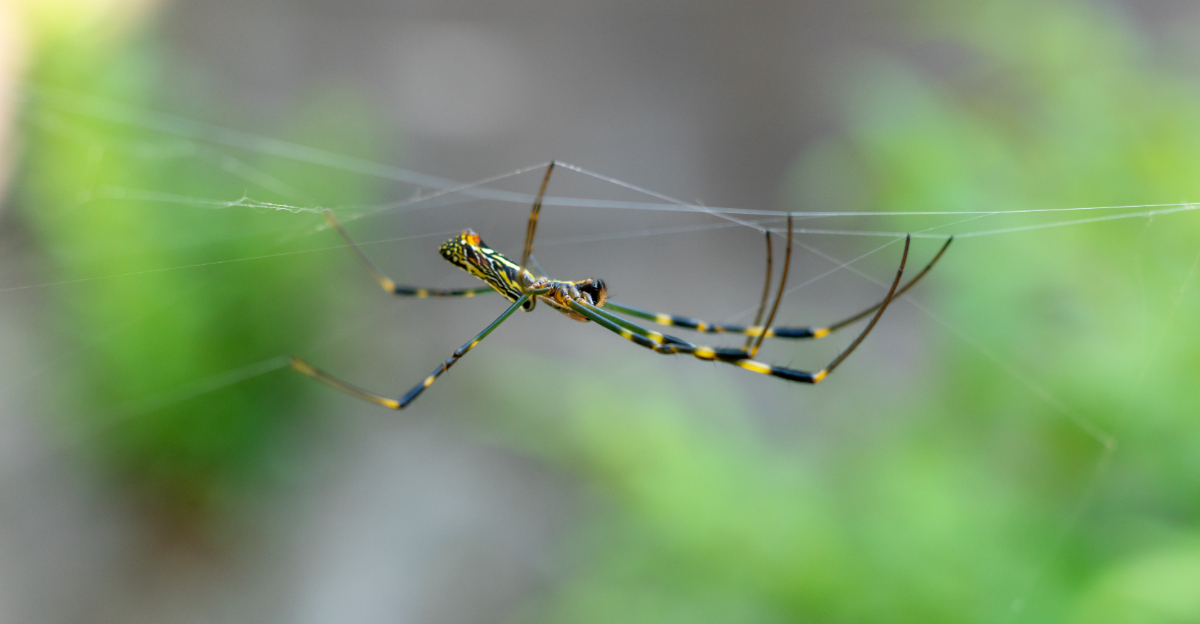
Finding a huge spider web stretched across your porch can make you stop what you are doing for a moment.
Clearing it away immediately might seem like the obvious choice, but it is worth identifying the spider first.
Joro spiders build large, eye-catching webs, yet they are not considered aggressive toward people. Knowing that before you react can save you unnecessary worry and help you decide what to do next.
Many porches across Georgia become popular web-building spots as Joro spiders grow larger later in the season. Whether you leave the web alone or remove it depends on where it is and how it affects your daily routine.
A few simple steps can help you deal with the situation safely while avoiding unnecessary contact with the spider.
1. Identify Whether The Web Belongs To A Joro Spider
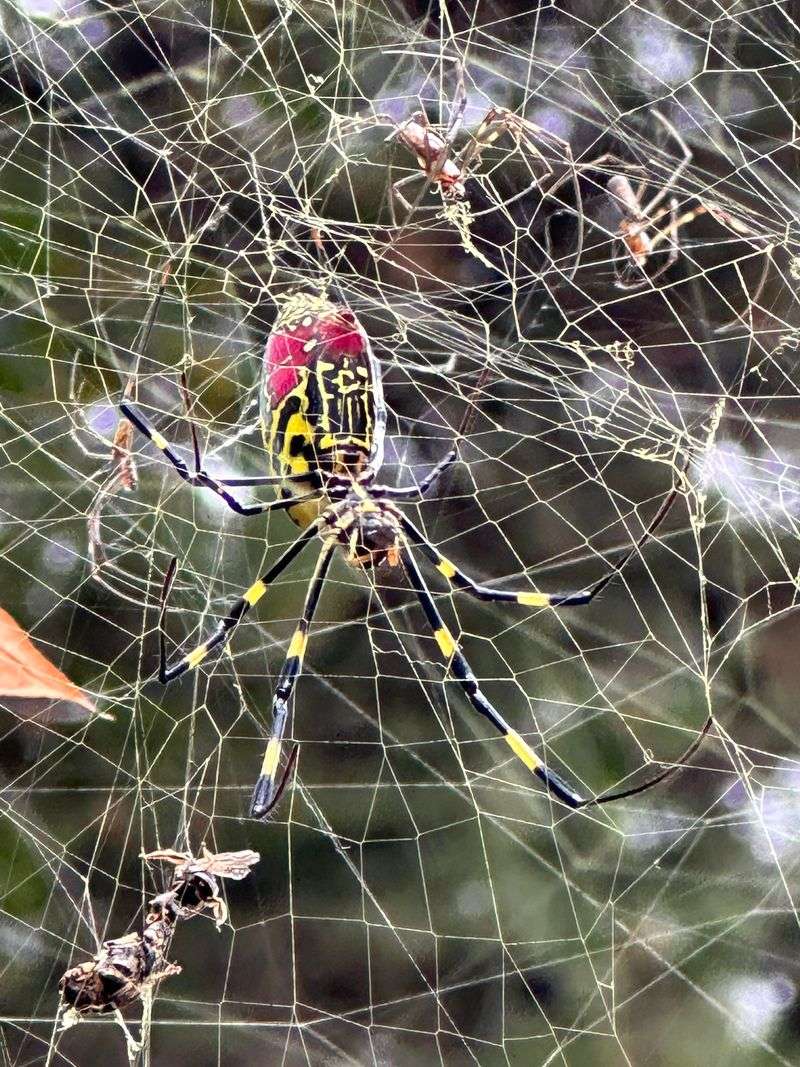
Not every big web on your porch belongs to a Joro spider. Knowing what you are actually looking at matters before you do anything else.
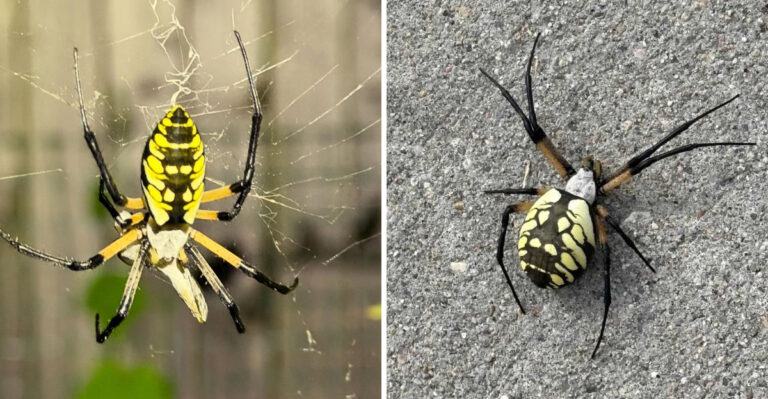
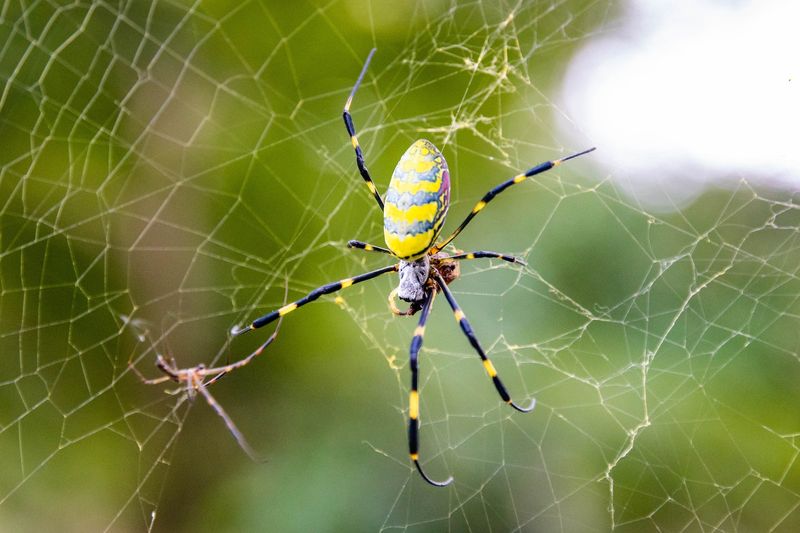
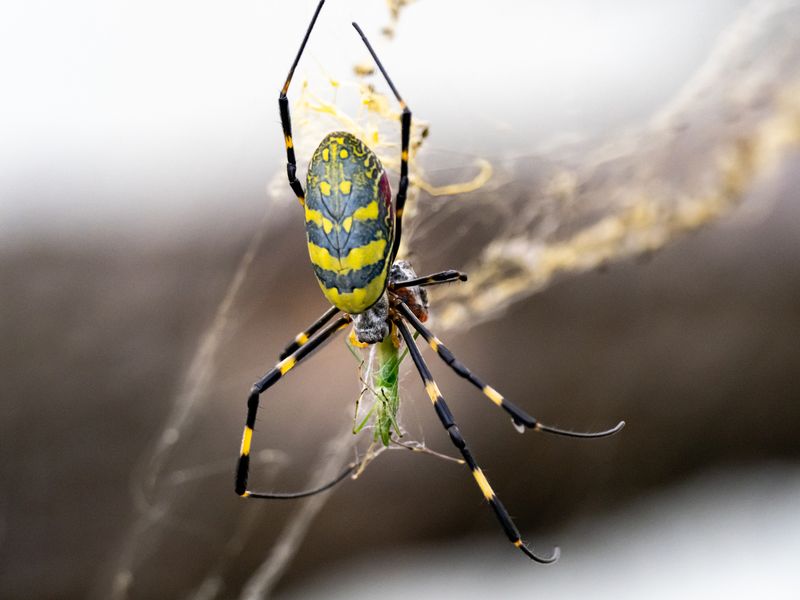
Joro spiders are large orb-weavers with bright yellow, blue, and red markings on their bodies. Females can reach about three inches across with legs included.
Their webs are multi-layered, often with a tangled barrier web above and a flat orb web below. That layered structure is a strong clue you are dealing with a Joro.
Look at the web’s location too. Joro spiders tend to anchor their webs between structures, posts, railings, and shrubs.
Webs can appear several feet off the ground and span surprisingly wide gaps.
Check the center of the web during daylight hours. Joro females typically rest in the center or just off to one side.
Males are much smaller and harder to spot nearby. If you see a large, colorful spider with that layered web setup, a Joro is almost certainly what you have found.
Confusing them with common garden spiders is easy since both are orb-weavers. Garden spiders usually have black and yellow markings but lack the blue coloring and the thick barrier web layer above.
2. Clear The Web Before It Grows Larger
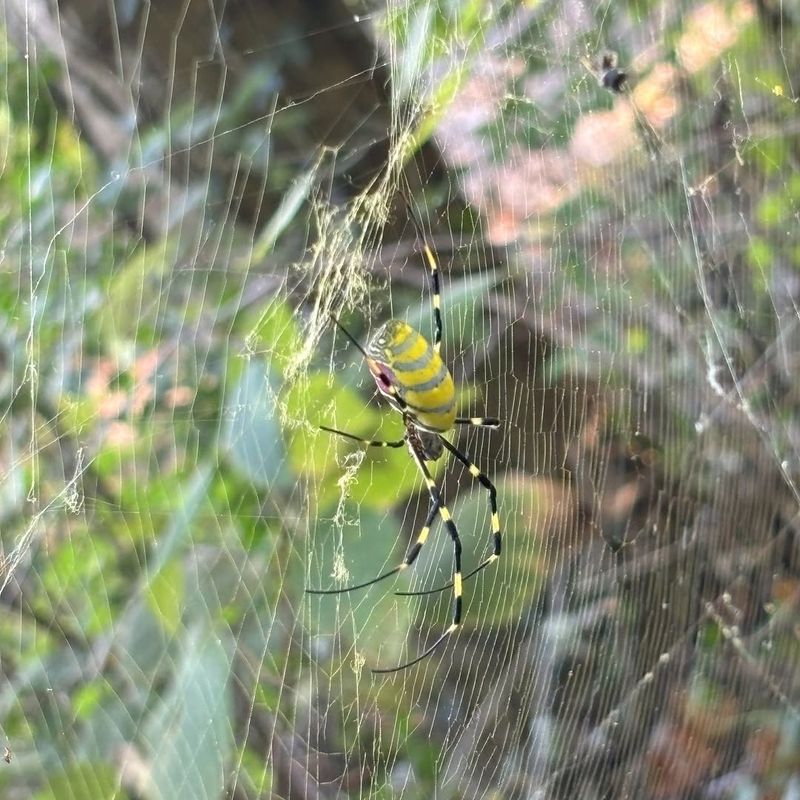
Joro webs grow fast. What starts as a modest web on a Monday can triple in size by the weekend if left alone.
Removing the web early keeps your porch usable and prevents the spider from establishing a long-term spot. Use a long stick, broom handle, or old rake to knock the web down.
Work slowly so you do not accidentally push the spider toward yourself.
Wear gloves if you prefer, though Joro spiders are not aggressive and biting is rare. A bite from one is generally compared to a mild bee sting and is not considered medically significant for most healthy people.
Still, no reason to be careless.
Once the web is down, the spider will likely move to a nearby shrub or tree. Joros are persistent rebuilders.
A removed web may reappear within a day or two if the spider stays in the area. Consistent removal over several days often encourages the spider to relocate on its own.
Your Georgia Garden Changes Every Week. Your Plan Should Too.
Gardening in Georgia changes quickly throughout the season. Every Friday you’ll receive a simple weekly plan showing exactly what to plant, prune, fertilize, harvest, and protect so you never miss the right timing.
Avoid using sprays or chemicals on the web itself unless absolutely necessary. Pesticides can affect other beneficial insects and pollinators in the area.
Physical removal is straightforward, low-cost, and much less disruptive to the surrounding environment.
3. Decide Whether To Leave Or Remove The Spider
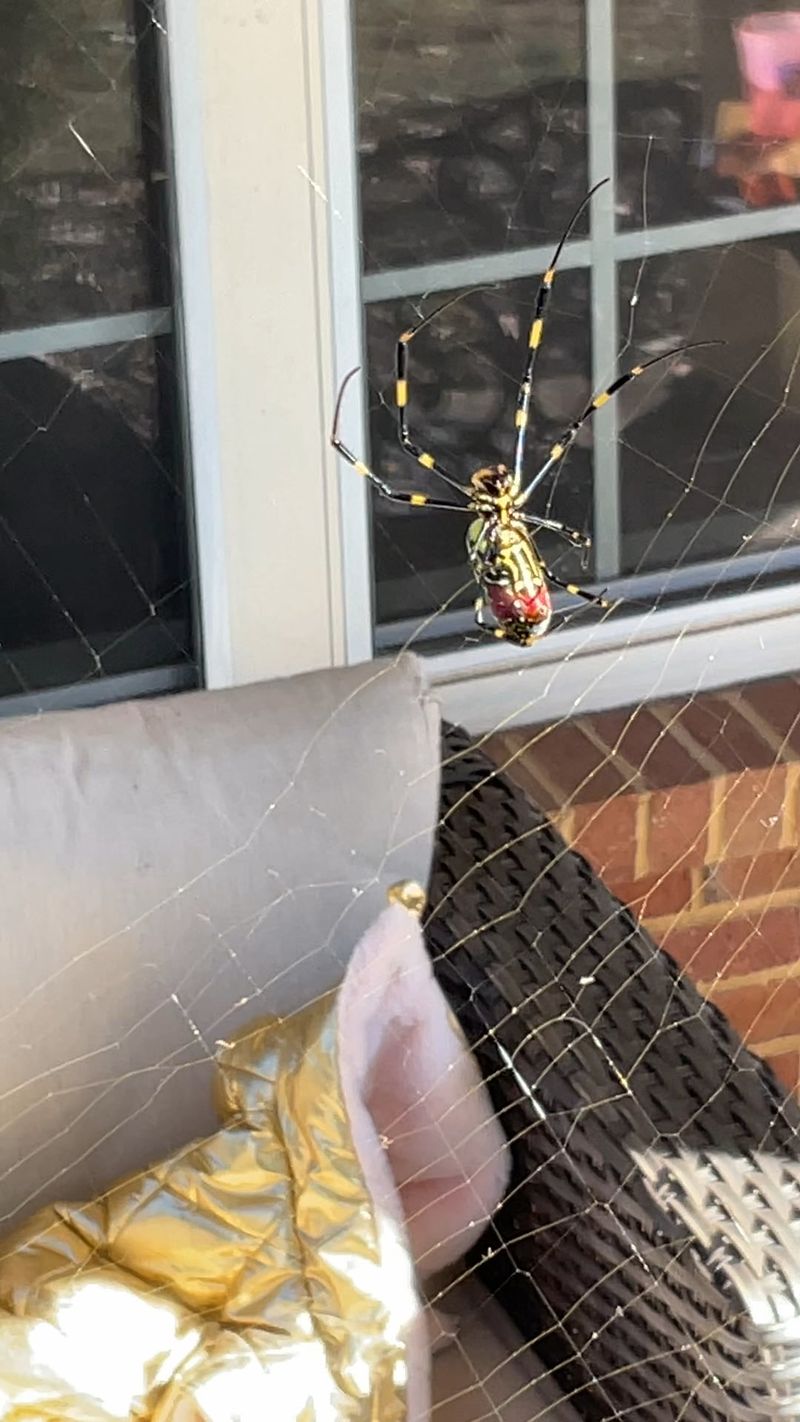
Here is the honest truth. Joro spiders eat a lot of pest insects.
Mosquitoes, flies, stink bugs, and even spotted lanternflies have been found caught in their webs. Keeping one around can actually work in your favor.
If the web is in a corner that does not get much foot traffic, leaving the spider alone is a reasonable choice. Joros are not aggressive.
They usually stay on their webs and prefer to avoid people whenever possible.
On the other hand, if the web is blocking your front door, a walkway, or a heavily used area of the porch, removal makes practical sense. No one wants to duck under a web every time they walk outside.
Relocating the spider is an option if you want to keep it nearby without sharing your porch. Carefully guide the spider onto a stick and move it to a shrub or tree at the edge of your yard.
Joros adapt quickly and will spin a new web in a suitable spot.
Your comfort matters. Some people have no issue sharing space with a large spider.
Others find it genuinely stressful. Both reactions are understandable.
Remember that every porch and yard is different, so the right choice depends on your comfort level and the spider’s location.
4. Keep Shrubs Trimmed Near The Porch
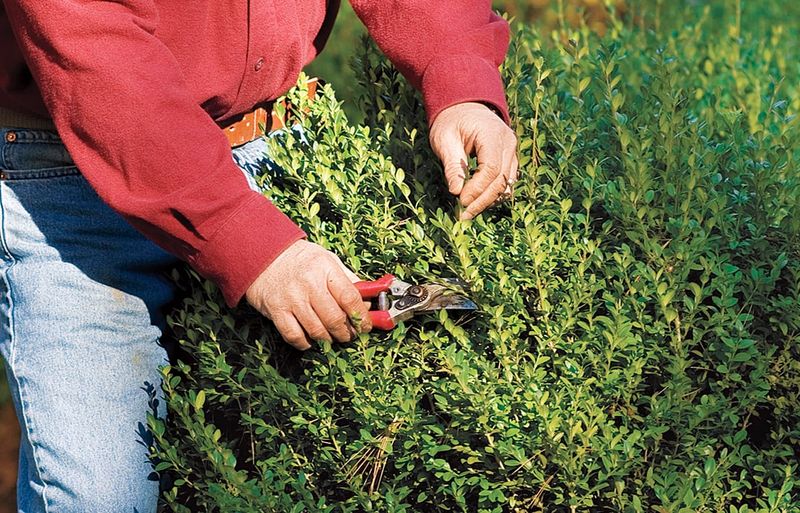
Overgrown shrubs right next to your porch are basically an open invitation for Joro spiders. Dense vegetation gives them anchor points, shelter, and a steady supply of prey insects.
Keeping shrubs trimmed back from the porch edge reduces the number of natural attachment spots for webs. Joros need something solid on both sides to anchor their large webs.
Fewer anchor points mean fewer webs directly on your porch.
Aim to keep a gap of at least two feet between dense shrubs and the porch structure. It does not need to be a perfectly manicured border, just enough open space to discourage web building in that zone.
Regular light trimming every few weeks during summer and fall is usually enough to maintain that buffer.
Clearing out leaf litter and debris under shrubs also helps. Decaying leaves attract small insects, which attract spiders looking for food.
A tidy base around your shrubs disrupts that food chain at an early stage.
Pruning does not need to be drastic. Removing a few inches of new growth regularly is far easier than tackling an overgrown hedge all at once.
A pair of quality hand pruners or loppers handles most porch-side shrubs without much effort.
5. Inspect The Porch For Additional Webs
Finding one Joro web usually means there are more nearby. Joro spiders sometimes cluster in groups, especially when conditions are good and prey is plentiful.
Walk the full perimeter of your porch and check every corner, overhang, railing gap, and light fixture. Webs can hide in spots you do not normally look at closely.
Check underneath furniture cushions, behind potted plants, and along the ceiling edges where the porch roof meets the walls.
Early morning is the best time to inspect. Dew settles on the silk and makes webs much easier to see.
A flashlight also helps in shaded corners or covered areas where natural light does not reach well.
Make a quick mental note or even a simple sketch of where webs appear most often. Patterns help.
If webs keep showing up near the same light fixture, that light is likely drawing in insects at night and feeding a spider nearby. Addressing the light source can reduce web recurrence in that spot.
Regular inspections do not need to take long. A five-minute walkthrough every few days during late summer and fall, when Joro populations peak in the Southeast, keeps you ahead of any buildup.
Catching new webs early means less work overall. A small web is far easier to remove than one that has been growing undisturbed for two weeks.
6. Reduce Flying Insects Around The Porch

Fewer insects means fewer spiders. Joro spiders build webs where prey is easy to catch, and a porch lit up at night is basically a buffet for them.
Switching outdoor light bulbs to yellow or amber-toned bulbs cuts down on the number of flying insects attracted to your porch at night.
Standard white and blue-spectrum lights draw in moths, gnats, and other small insects that become easy meals for nearby spiders.
Motion-activated lights are another practical option. Lights that only switch on when needed spend less time attracting insects compared to lights left on for hours each evening.
Less light time means fewer insects gathering, which removes a key food source for Joro spiders anchoring webs nearby.
Standing water near the porch also attracts mosquitoes and other flying insects. Empty saucers under potted plants, clean out gutters, and check for any containers holding stagnant water.
Reducing mosquito breeding spots cuts down on one of the Joro’s preferred food sources.
Keeping a fan running on the porch during warm evenings helps too. Flying insects struggle in moving air, so a steady breeze from a porch fan discourages them from gathering.
It also makes the porch more comfortable for you.
7. Check The Porch Regularly During Spider Season
Joro spider activity in Georgia ramps up noticeably in late summer and peaks through October. That window is when consistent porch checks pay off the most.
Building a quick inspection into your regular morning routine takes almost no extra time. A short walk around the porch before you settle in for the day catches new webs before they expand.
Webs that are caught early take seconds to remove rather than minutes.
Pay attention to changes week by week. Joro populations can shift based on how wet or warm the season has been.
A drier summer may mean fewer spiders early on, but a warm September can bring a surge. Staying observant lets you respond to what is actually happening rather than following a fixed schedule that may not match real conditions.
Keep a broom or long stick near the back door during peak season. Having a tool ready makes quick web removal a habit rather than a chore.
You are far more likely to act on a small web if the right tool is already within reach.
Joro populations tend to decline once temperatures drop consistently in late fall. Eggs overwinter and a new generation emerges the following spring, so seasonal patterns do repeat.
Understanding that rhythm helps you stay prepared without feeling overwhelmed.