9 Steps To Revive A Scorched Oklahoma Garden After Extreme Heat
Heat doesn’t ask permission before it undoes everything you planted. Summers here test Oklahoma gardens without warning or mercy.
Cracked soil can look severe, but it isn’t necessarily permanent. Wilted leaves often mislead about what’s actually struggling underneath.
Roots frequently outlast the surface long after it fades. Worry ruins more plants than actual heat ever does.
Shears feel tempting, but timing matters more than tools. Setbacks spread fast when neglect follows extreme temperatures.
Recovery demands strategy, not guesswork or wishful thinking. Gardeners across Oklahoma face this exact challenge every year.
Momentum matters here, because stalled gardens rarely bounce back. Every hour without action costs you real plant tissue.
Nothing about this process rewards waiting around passively. Grasp this: your garden still has plenty of life left.
Answers exist, and you deserve them immediately. Confidence beats worry every time heat strikes hard. Your garden’s next chapter depends entirely on you now.
1. Wait Before Pruning What Looks Gone
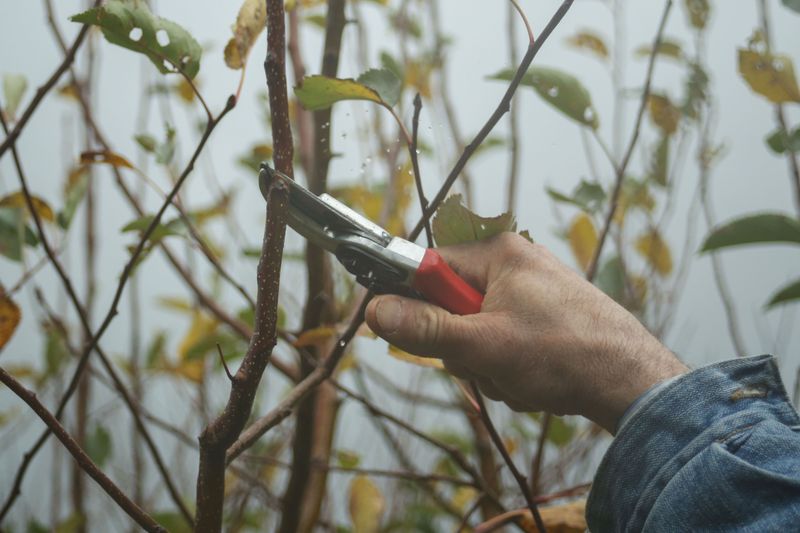
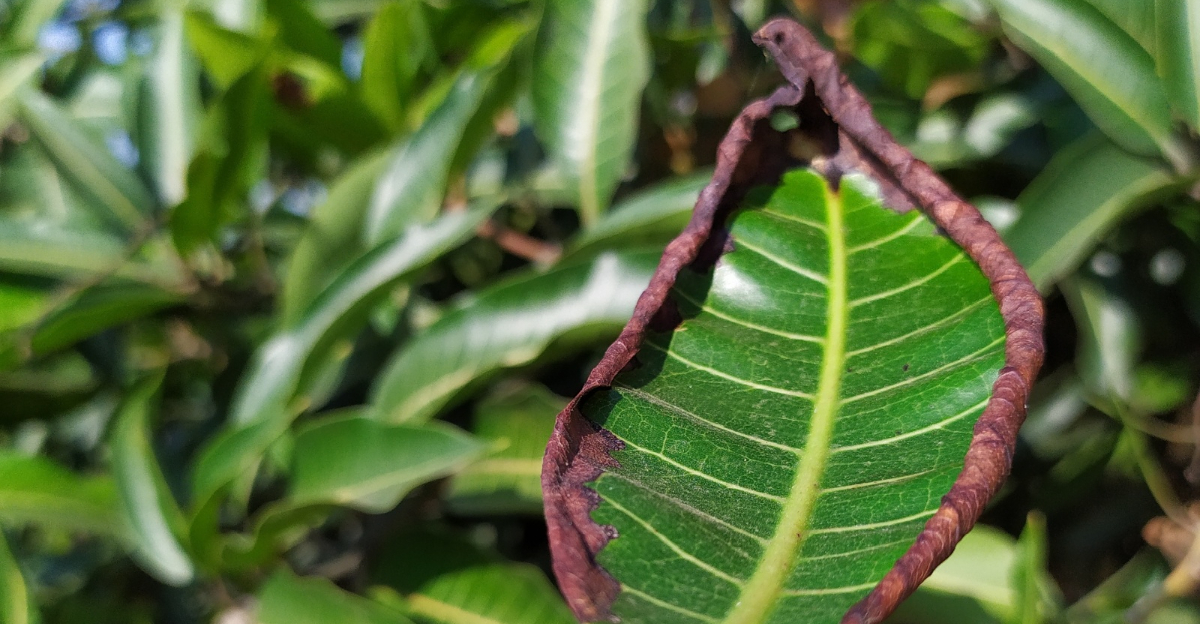
That crispy, brown mess staring back at you might not be beyond recovery. Many plants go dormant during extreme heat as a survival instinct, pulling energy down into their roots to protect what matters most.
Cutting too soon removes the very stems that protect the crown from sun damage. Brown leaves act like a natural sunscreen for the tender growth hiding underneath, shielding it while the plant quietly rebuilds below the surface.
Gardeners who wait often discover new green shoots emerging from what looked like significant decline just weeks earlier. Patience here is not laziness, it is strategy, and that strategy pays off more reliably than a hasty trim ever could.
Give your plants at least two to three weeks before making any cuts, even when the yard looks discouraging. Watch the base of each stem closely for signs of life instead of judging the whole plant by its worst leaves.
Even a single green node near the soil line means the plant is fighting back. Your job right now is to stay out of its way and resist the urge to intervene too soon.
Rushing to prune a stressed plant can add further stress at the worst possible moment, undoing weeks of quiet recovery in seconds. Let the plant tell you what it needs first.
Mark the stems you are watching with a small flag or twist tie. That way you can track progress without second-guessing yourself every morning.
2. Water Deeply, Not Lightly
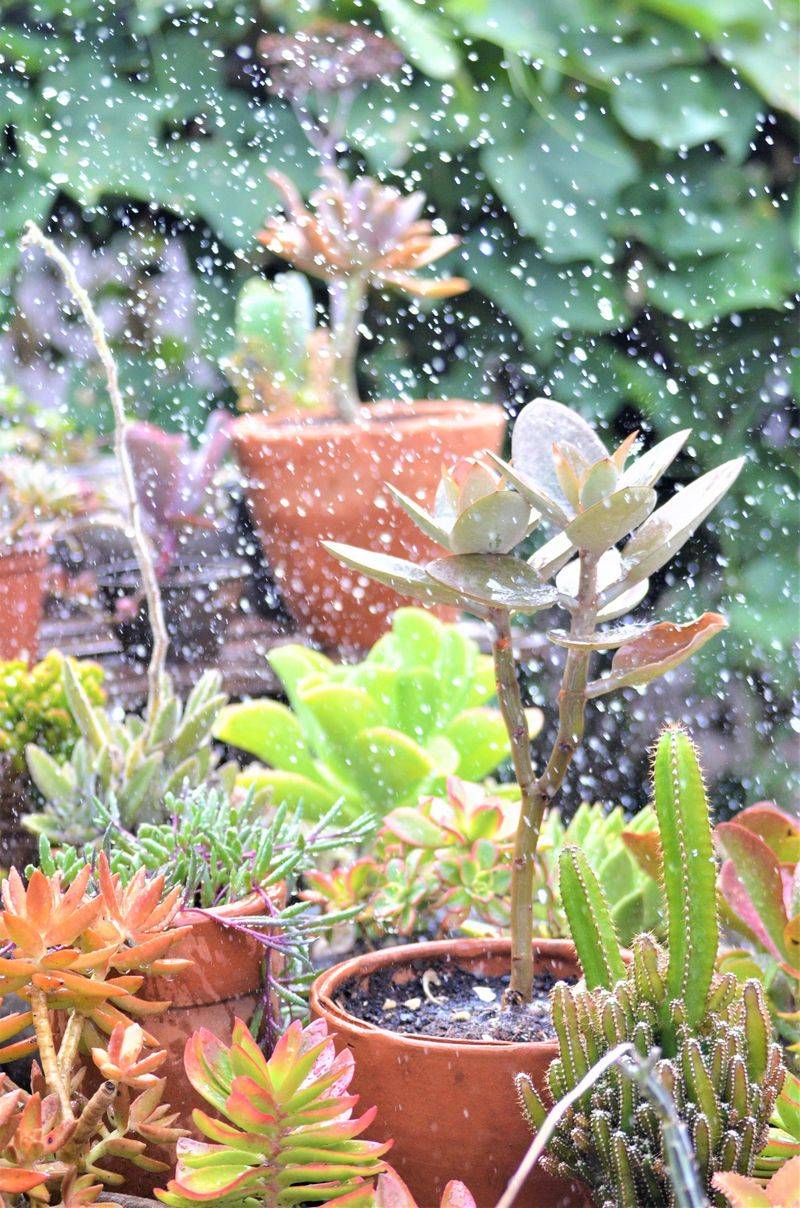
Shallow watering is one of the sneakiest mistakes gardeners make during a heat wave. It wets the top inch of soil and tricks you into thinking the job is done, when the ground underneath stays bone dry.
Roots chase moisture, and if that moisture never goes deep, roots stay shallow and weak. Shallow roots are far more vulnerable to heat and drought stress, and they struggle to support a plant through repeated triple-digit days.
Deep watering means letting water soak down at least six to eight inches into the soil. That depth encourages roots to grow downward where temperatures are cooler and moisture lasts longer between watering sessions.
Your Oklahoma Garden Changes Every Week. Your Plan Should Too.
Gardening in Oklahoma changes quickly throughout the season. Every Friday you’ll receive a simple weekly plan showing exactly what to plant, prune, fertilize, harvest, and protect so you never miss the right timing.
The best way to water deeply is slowly and deliberately. A soaker hose or drip system left running for an hour beats a five-minute blast from a sprinkler every single time, since slow water actually has time to sink in.
Water early in the morning before the sun gets aggressive and evaporation speeds up. Evening watering works too, but morning is better because leaves dry out faster and fungal issues stay lower throughout the day.
Check your soil moisture by pushing a finger or a wooden dowel six inches into the ground. If it comes out dry, keep watering until that depth finally feels damp.
Reviving a scorched Oklahoma garden after extreme heat starts with getting moisture where it truly counts. Deep roots mean a plant that can actually fight back and outlast the next heat wave.
3. Avoid Fertilizing Stressed Plants
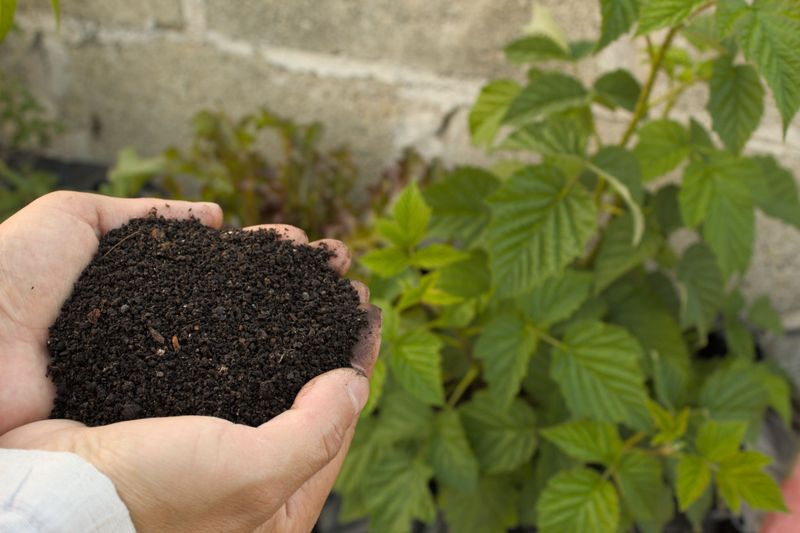
Fertilizer feels like medicine, but for a heat-stressed plant it can do more harm than good right now. The timing could not be worse.
When plants are struggling to survive, their root systems are already working overtime just to pull in water. Adding fertilizer forces them to process nutrients they cannot handle right now.
Nitrogen, the main ingredient in most fertilizers, pushes new leafy growth. New growth during a heat wave is soft, tender, and gets scorched almost immediately.
That burned new growth then stresses the plant even further, slowing recovery by weeks. Skipping fertilizer now is one of the kindest things you can do.
Wait until temperatures ease consistently before feeding anything. Once the plant shows active new growth on its own, that is your green light.
A light application of compost around the base is a gentler option if you feel the urge to do something helpful. Compost feeds slowly and improves soil structure without overwhelming fragile roots.
Resist the temptation to push recovery faster with chemicals. Letting nature set the pace leads to stronger, more resilient plants in the long run.
4. Remove Only Fully Brown Growth
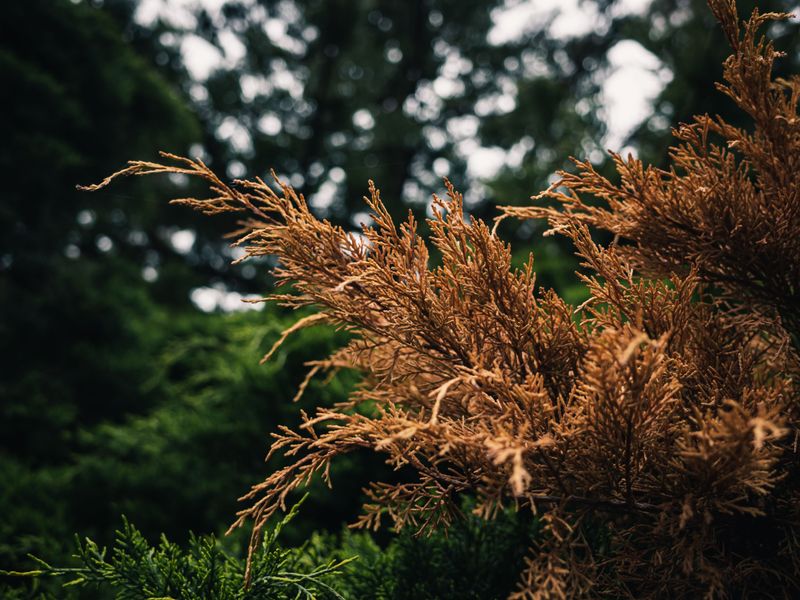
Grab your pruning shears, but use them with a light touch right now. The rule is simple: only remove growth that is completely, entirely, one hundred percent brown.
If there is any green left on a stem, even a faint hint of it, leave that stem alone. That green means the plant is still moving nutrients through that branch.
Removing partially brown stems too early reduces the plant’s total leaf surface. Less leaf surface means less ability to photosynthesize and recover once cooler weather arrives.
Fully brown growth, on the other hand, offers nothing back to the plant. It pulls no water, makes no food, and can actually harbor fungal spores that spread to healthier tissue.
Cut those spent stems back to just above the nearest healthy node or to the soil line if the whole stem is gone. Clean cuts heal faster and reduce disease entry points.
Sterilize your pruning shears between plants with a quick wipe of rubbing alcohol. This one small habit prevents you from spreading problems from one struggling plant to another.
Think of this step as editing, not erasing. You are clearing away what cannot recover so the plant’s energy flows entirely toward what still can.
5. Add Mulch To Protect Roots
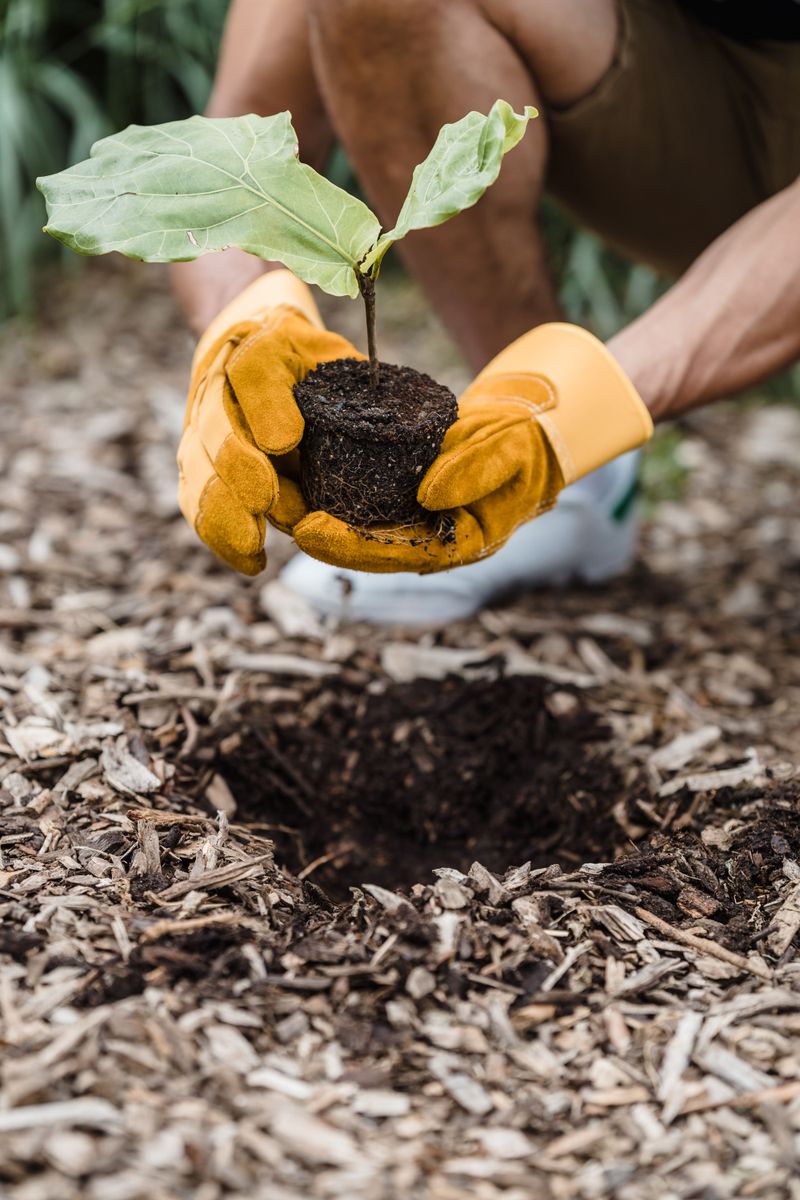
Bare soil in an Oklahoma summer heats up fast and holds that heat. Soil temperatures without cover can climb dramatically, which stresses root systems near the surface.
A three to four inch layer of mulch acts like insulation, keeping the soil beneath it dramatically cooler. Mulched soil generally stays noticeably cooler than exposed ground.
Wood chips, shredded bark, straw, and pine needles all work well for this purpose. Avoid dyed mulch products in extreme heat since some dyes can leach chemicals into already stressed soil.
Spread mulch out to the drip line of each plant, which is roughly where the outermost branches reach. Keeping mulch a few inches away from the main stem prevents rot and pest problems at the crown.
Fresh mulch also slows water evaporation dramatically. That means your deep watering sessions actually last longer, stretching your effort and your water bill further.
As the mulch breaks down over time, it adds organic matter back into the soil. Improved soil structure makes future heat waves easier for your garden to handle.
Mulching is one of the highest-return moves in reviving a scorched Oklahoma garden after extreme heat. A single afternoon of spreading mulch pays off for months.
6. Skip Transplanting Until It Cools
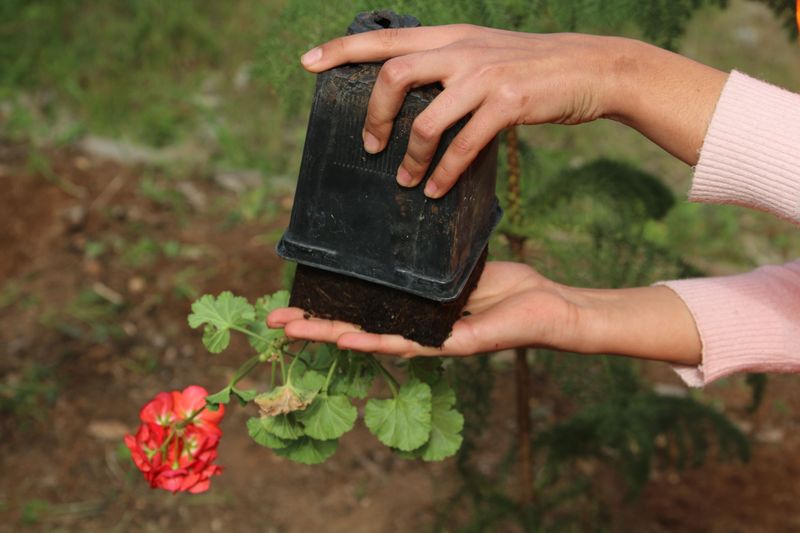
Moving plants during a heat wave puts serious strain on an already stressed root system. The timing is difficult and success rates drop.
Transplanting forces a plant to rebuild its root system in an entirely new location. Under normal conditions that process takes a few weeks, under extreme heat it can fail completely.
Even plants that look healthy enough to move will often drop leaves, wilt badly, and struggle to anchor themselves during periods of extreme heat. The stress compounds fast.
Hold off on all transplanting, dividing, and repotting until nighttime temperatures cool down consistently. That cooler window gives roots a fighting chance to establish before the next hot day hits.
If you absolutely must move something, do it at dusk and water the new hole generously before and after planting. Then shade the transplant for at least a week with a cloth or umbrella.
Container plants are a slightly different story since you can move pots into shade without disturbing roots at all. Use that flexibility to your advantage during peak heat days.
Patience with timing saves plants and saves money. A well-timed fall transplant almost always outperforms a desperate summer move.
7. Check Soil Before Assuming Loss
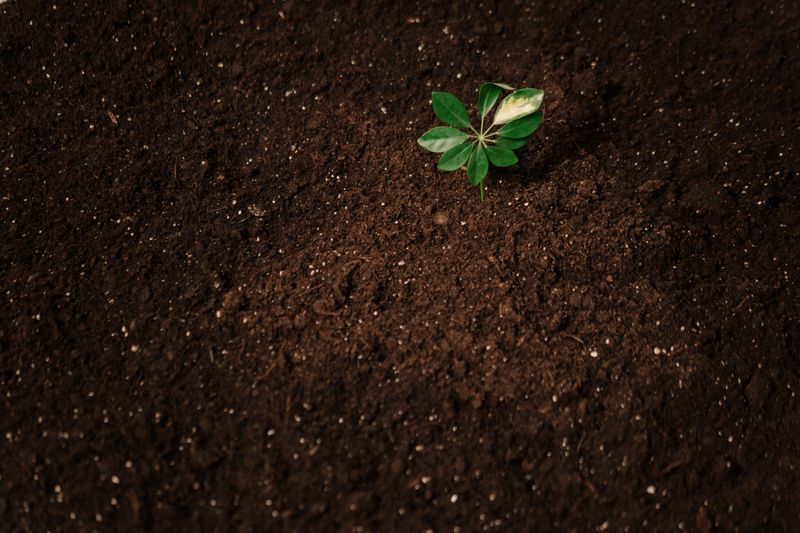
Before you write off a plant as gone, get your hands in the dirt. What looks like a struggling plant above ground is often a very alive root system below it.
Soil that looks dry on the surface can be holding adequate moisture just a few inches down. The opposite is also true, soil that feels slightly damp on top can be bone dry at root level.
An inexpensive moisture meter removes most of the guesswork. Push the probe down six to eight inches and read the actual moisture level where roots live.
Compacted soil is another hidden issue that mimics drought stress. Water may be pooling on the surface and running off instead of soaking in, leaving roots completely dry despite regular watering.
If your soil feels like concrete, use a garden fork to gently aerate around the plant’s drip line. This opens channels for water to reach deeper layers without cutting major roots.
Clay-heavy soils common across much of the state can bake into a crust that repels water entirely. A surfactant product or a slow trickle of water over several hours can break that crust open.
Knowing what is actually happening underground turns guessing into a plan. Soil tells the truth when plants cannot.
8. Give Perennials Time To Recover
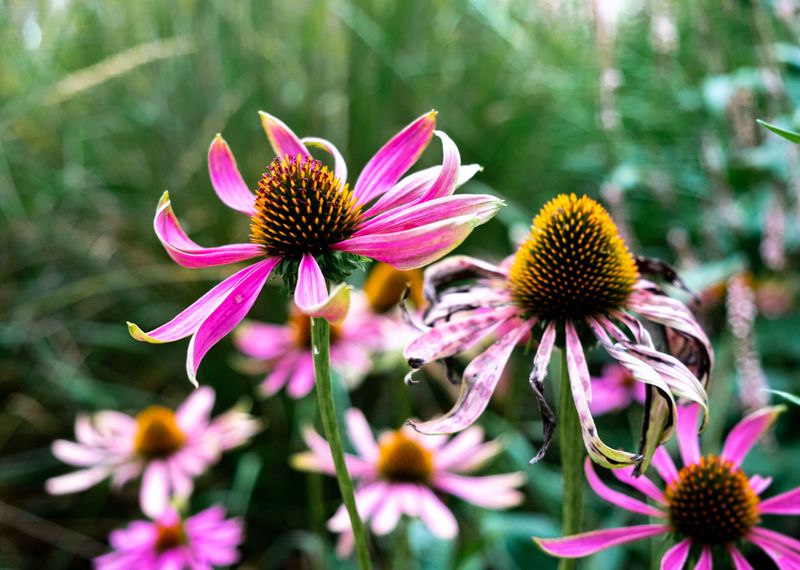
Perennials are often the most resilient plants in the garden. They have been storing energy in their root systems for months, and that underground reserve is what makes them so resilient.
When a perennial looks completely finished after an intense heat stretch, the crown and roots below are often perfectly intact. That underground part is where the real plant lives.
Black-eyed Susans, coneflowers, salvias, and ornamental grasses are classic examples of plants that look finished but are simply resting. They have dropped their above-ground growth to protect themselves.
Your job with perennials is to stop watering too little or too much, add mulch, and then genuinely wait. Forcing recovery with extra feeding or pruning usually backfires.
Most perennials will push new growth once nighttime temperatures cool down consistently. That new growth may be modest the first season, but the plant is rebuilding its energy stores for next year.
Keep a garden journal noting which plants went dormant and when they returned. That record becomes invaluable for planning future summers with less guesswork and more confidence.
Reviving a scorched Oklahoma garden after extreme heat is largely about trusting perennials to do their thing. Your patience is their best fertilizer.
9. Shade Plants During Peak Heat
Not every plant tolerates full Oklahoma sun in July. Even sun-lovers hit a breaking point when afternoon temperatures push past 100 degrees for days in a row.
Shade cloth is one of the most underused tools in a summer gardener’s kit. A moderate-density shade cloth draped over vulnerable beds can meaningfully lower leaf temperature.
Focus shade coverage on the intense west and southwest exposures where afternoon sun hits hardest. Morning sun is gentler and actually helps plants dry off from overnight humidity.
Old bed sheets, burlap, or even patio umbrellas work in a pinch when commercial shade cloth is not available. The goal is to break the intensity of direct sun, not block all light entirely.
Set up shade structures before the hottest part of the afternoon in midsummer. Removing the cover in the evening lets air circulate and prevents fungal buildup.
Vegetables like tomatoes, peppers, and squash actually produce better fruit when shaded during peak heat. Extreme temperatures cause blossom drop, and shade helps prevent that frustrating problem.
Shading your plants is the final piece in reviving a scorched Oklahoma garden after extreme heat. A little cover goes a very long way toward keeping survivors alive until fall arrives.