9 Clues A Skunk Is Secretly Living In Your New York Yard
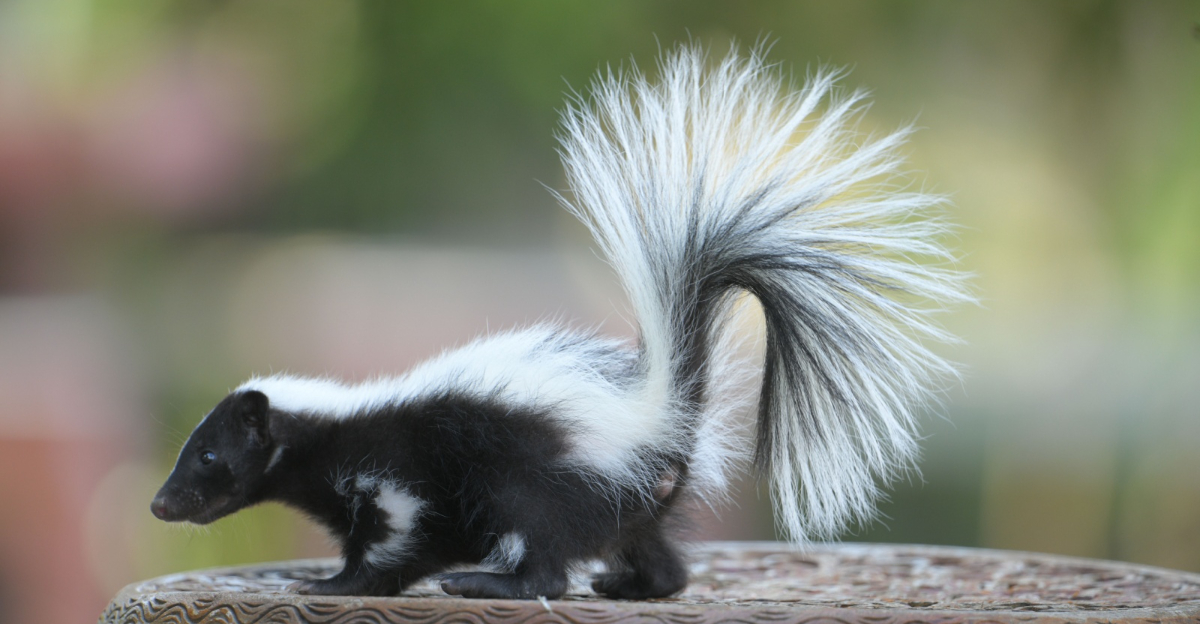
Let’s be honest, if a skunk has moved into your yard, you probably won’t see it coming. These little guys are practically ninjas.
Out before midnight, back under your deck before sunrise, and leaving just enough evidence to make you wonder what on earth happened to your lawn.
New York might not feel like prime wildlife territory, but skunks thrive here, quietly setting up camp in backyards from Staten Island to the suburbs without a single housewarming announcement.
The good news? They always leave clues.
The bad news? Most people don’t recognize them until their dog comes sprinting inside smelling like a chemical disaster.
A little knowledge goes a long way. Knowing what to look for means you can deal with your uninvited guest early, calmly, and ideally before anyone ends up soaking in tomato juice at midnight.
Here are nine clues one has been making itself at home in your yard.
1. That Unmistakable Smell, Even If It Is Faint
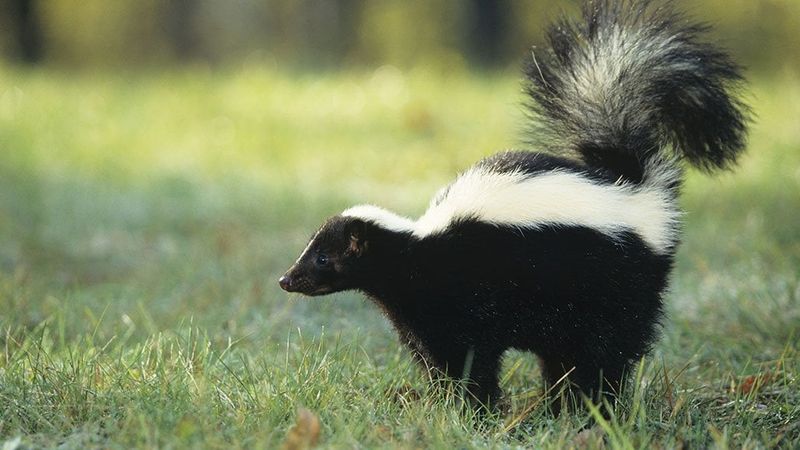
Your nose is often the first detective on the scene.
Even a faint, musky odor drifting through your yard at night is a serious clue that one has claimed your property as its own. Most people recognize the full-blast spray smell instantly.
Not many people realize that these creatures also release a much milder, lingering musk as they roam around. That low-level scent can smell almost like burnt rubber or a mix of garlic and sulfur.
If you catch a whiff near your porch, fence line, or garden beds, do not brush it off as a distant visitor passing through. One living in your yard will leave that odor trail night after night, especially in warm, humid weather when smells travel farther.
Sniff around the perimeter of your home early in the morning. Cool air and morning dew help trap scent close to the ground, making it significantly easier to follow.
That is when the smell is freshest and easiest to track to a specific location. Those are the spots where the scent tends to concentrate and linger the longest.
Trusting your nose early can help you act before a spray incident ever happens.
2. Shallow, Cone-Shaped Holes Dug In Your Lawn Overnight
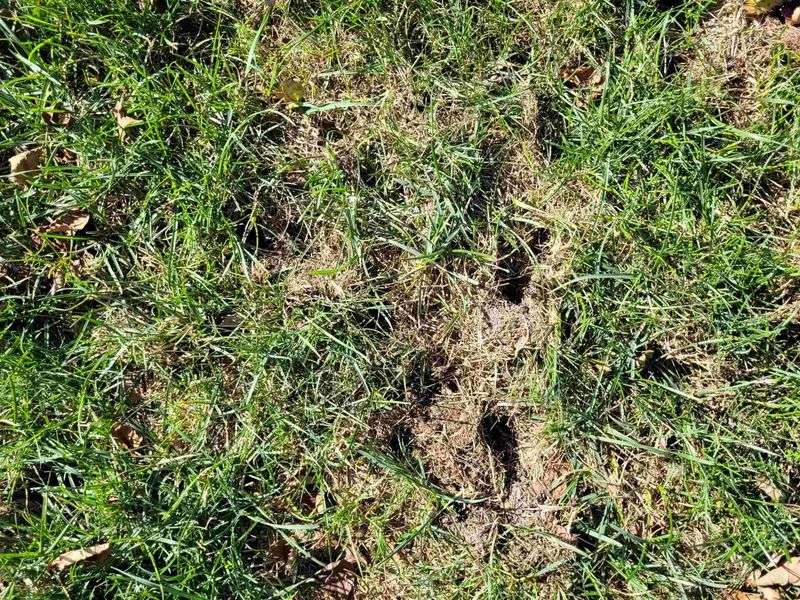
Waking up to a lawn that looks like a tiny golf course gone wrong is a classic skunk calling card.
These are obsessive foragers. They spend their nights digging for grubs, beetles, and earthworms hiding just beneath the surface of your grass.
Each hole is usually about the size of a tennis ball and shaped like a small cone or funnel. Unlike mole damage, which creates raised ridges and tunnels, this type of digging is shallow and scattered.
You might find five holes here, a cluster of three over there, and a lone one near the flower bed. The pattern looks almost random, but it actually follows the scent trail of insects underground.
Fresh digging is the biggest giveaway. If the holes appear overnight and the soil around them looks moist and recently turned, one was almost certainly in your yard within the last few hours.
Your Illinois Garden Changes Every Week. Your Plan Should Too.
Gardening in Illinois changes quickly throughout the season. Every Friday you’ll receive a simple weekly plan showing exactly what to plant, prune, fertilize, harvest, and protect so you never miss the right timing.
Check the disturbed patches closely before dismissing them.
Grub infestations in your lawn actually attract skunks like a neon sign.
Treating your lawn for grubs with a safe, targeted product can make your yard far less appealing to these nighttime diggers and reduce the damage significantly.
3. Scratched-Up Or Disturbed Garbage Cans And Compost Bins
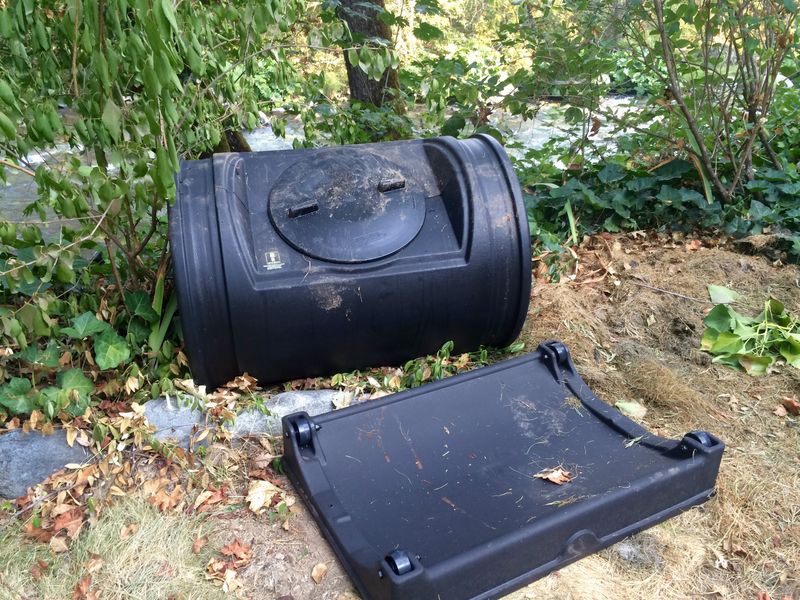
Knocked-over trash cans are not always the work of raccoons. Skunks are surprisingly bold scavengers, and they will investigate any container that smells like food, including tightly lidded garbage bins and backyard compost piles.
They may not have the brute strength to flip a heavy can, but they are persistent and clever enough to pry, scratch, and nudge their way in.
Look for claw marks along the bottom edges of your bins or on the sides of wooden compost boxes. Their claws leave thin, shallow scratches compared to the deeper gouges a raccoon makes.
You might also notice disturbed compost material scattered nearby, as if something rooted around and tossed things aside while searching for scraps.
Securing your bins with bungee cords or locking lids is a smart first step. These are creatures of habit, and if they find food in your yard once, they will come back every single night.
Moving compost bins away from fences and structures can also reduce the appeal. A skunk that cannot find easy food in a New York yard will usually move on and look elsewhere within a week or two.
4. Small, Tubular Droppings Near Your Fence Or Shed
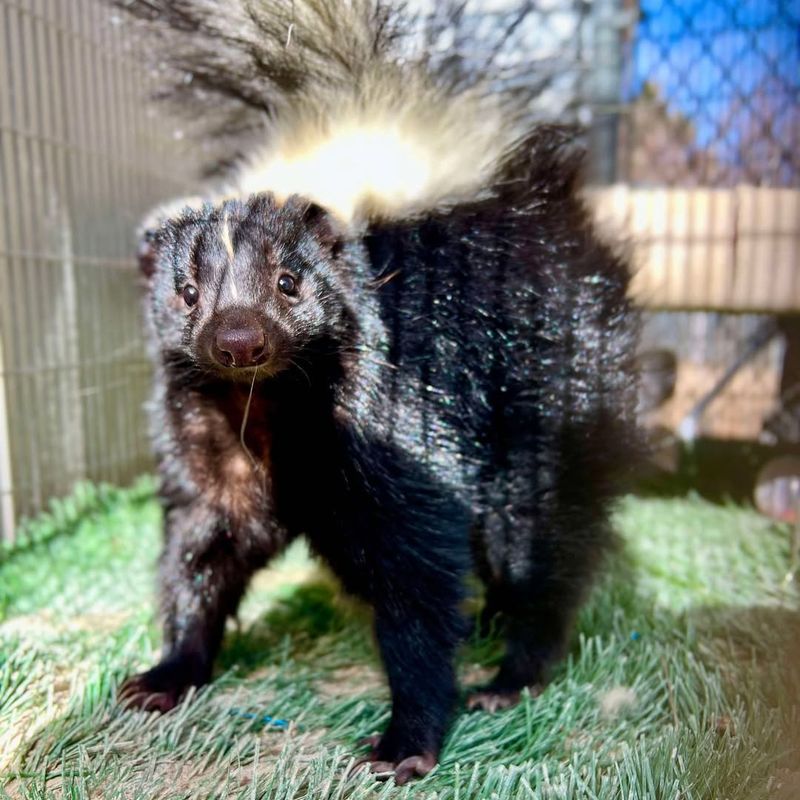
Finding droppings in your yard is never fun, but it is one of the clearest signs that wildlife has moved in.
Skunk scat is small and tubular, usually about the length of a finger and roughly half an inch wide, with blunt ends.
It often contains visible insect parts, berry seeds, or bits of grass, which tells you a lot about what the animal has been eating.
Location matters just as much as appearance.
They tend to leave droppings in consistent spots, near fence posts, along shed walls, or at the base of trees they pass regularly.
Finding multiple droppings in the same general area over several days is a strong sign that one has established a routine path through your property.
Always wear gloves when inspecting or cleaning up animal droppings. Their feces can carry parasites and bacteria that are harmful to both humans and pets.
After removing the waste, disinfect the area with a diluted bleach solution or an enzyme-based outdoor cleaner.
If your dog has been sniffing around those spots obsessively, it is time to act. Contact a licensed wildlife removal professional in your area.
5. Tracks In Mud Or Soft Soil
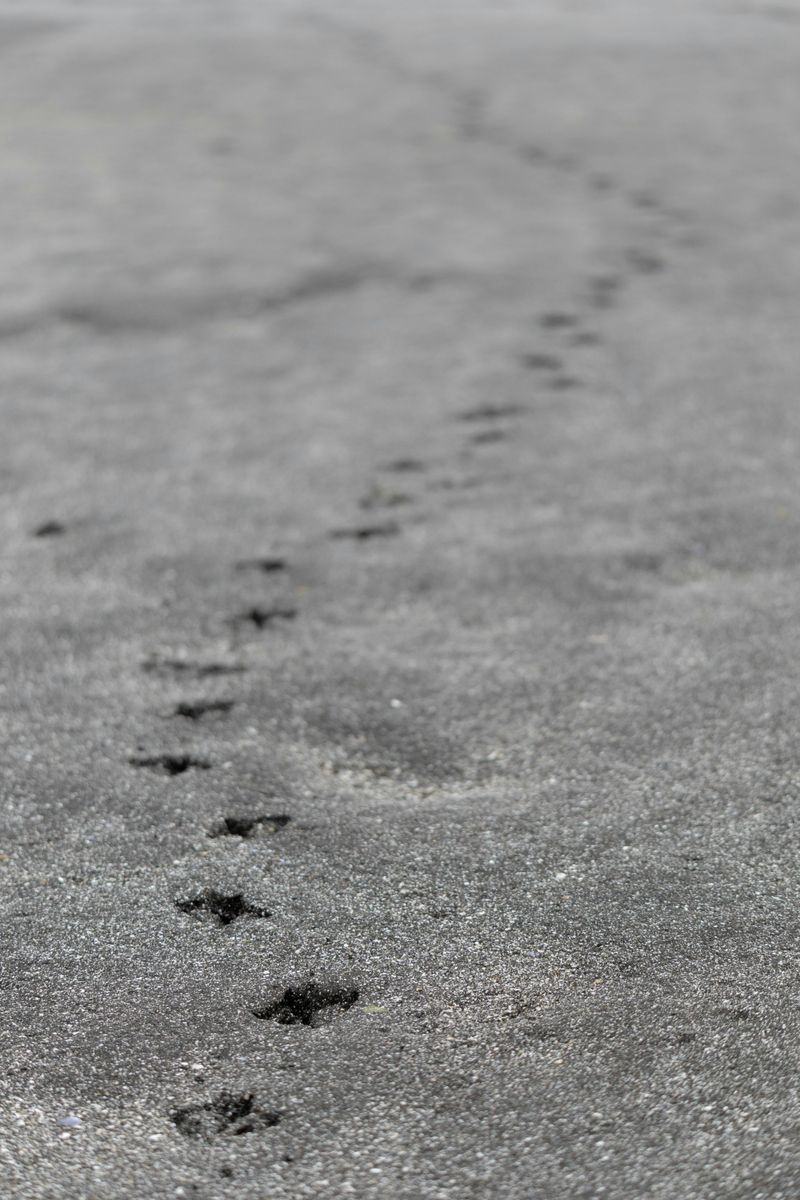
Mud is basically a free wildlife camera.
After rain or in areas near garden hoses and birdbaths, soft soil captures a perfect record of every creature that passed through overnight.
Their tracks are distinctive and surprisingly easy to identify once you know what to look for. Each paw print shows five toes with visible claw marks.
The claws sit close to the toes rather than extending far out like a cat’s.
The front prints are about an inch wide and look almost hand-like, while the back prints are slightly longer and narrower.
You will often see a waddling stride pattern, with front and back prints close together and a slight drag mark between steps.
Check muddy patches near your garden beds, along fence lines, and around any standing water after a rainy night.
A trail of these prints leading toward your deck, shed, or woodpile is a strong indicator that a skunk has been making regular visits.
Photographing the tracks is a smart move before they dry out.
Sharing the photos with a local wildlife expert or pest control professional can confirm whether you are dealing with a skunk or another animal entirely.
6. Pets Acting Anxious Or Sniffing Obsessively At Certain Spots
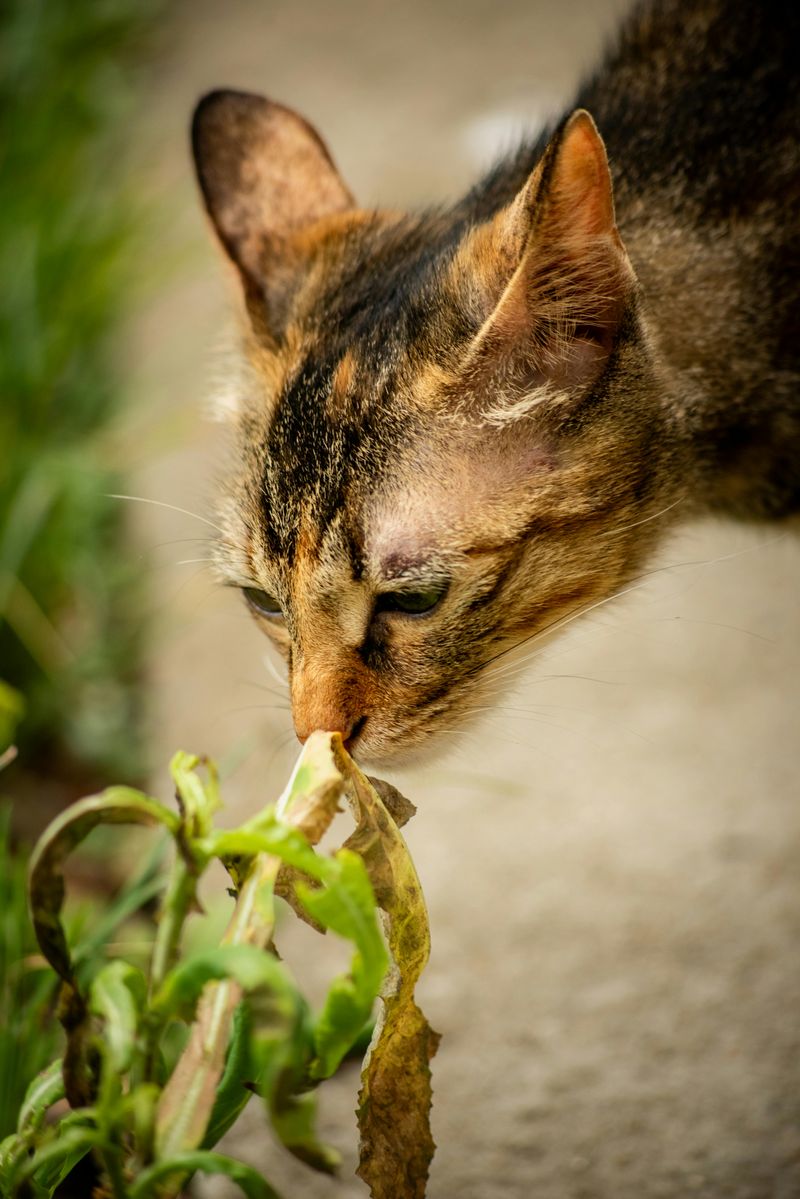
Your dog knows something you do not.
Animals pick up on scents that are completely invisible to humans, and a pet that suddenly becomes fixated on one corner of the yard is practically waving a flag at you.
Cats may crouch and stare, while dogs may whine, paw at the ground, or refuse to leave a specific spot alone.
They release a musky scent as they travel, and that scent soaks into soil, wood, and vegetation. Even after one has moved through hours earlier, your pet can still detect exactly where it walked, rested, or marked territory.
If your normally calm dog is acting wound up every time it goes outside, pay close attention to which spots it keeps returning to.
Watch for your pet sniffing obsessively at the base of your deck, along fence boards, or near low crawl spaces. Those are the exact locations where these animals in New York yards tend to den up or pass through nightly.
Never let your pet investigate those spots unsupervised, especially at dusk or dawn.
A startled skunk will spray without much warning. Getting that smell out of a dog’s coat is a serious project that takes days of effort and multiple treatments.
7. Burrow Entrances Near Decks, Porches, Or Woodpiles
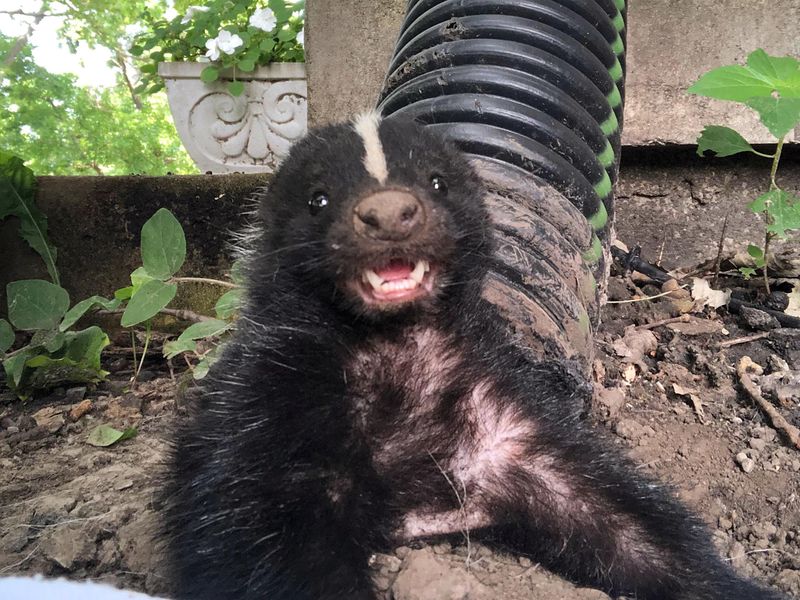
A skunk that has truly settled in will build a home on your property.
Burrow entrances are the most definitive sign that one is not just passing through but has actually moved in. These openings are usually four to six inches wide, just large enough for the animal to squeeze through comfortably.
The entrance is almost always surrounded by freshly displaced soil. Check the ground beneath your deck, along the foundation of your porch, or at the base of a stacked woodpile.
They prefer sheltered, dark spaces that protect them from wind and predators.
You might also notice flattened grass or a worn path leading to the entrance, a sign the animal has been using the same route repeatedly for days or weeks.
Blocking burrow entrances without confirming the skunk is gone first is a mistake many homeowners make.
Trapping an animal inside can cause significant damage and create a much worse odor problem.
Instead, loosely stuff the entrance with newspaper for a few nights.
If the paper stays undisturbed, the burrow is likely empty and safe to seal permanently.
For active dens, especially in a New York yard during spring when females may have young inside, calling a licensed wildlife removal specialist is always the safest approach.
It is also the most responsible one.
8. Pet Food Disappearing Overnight
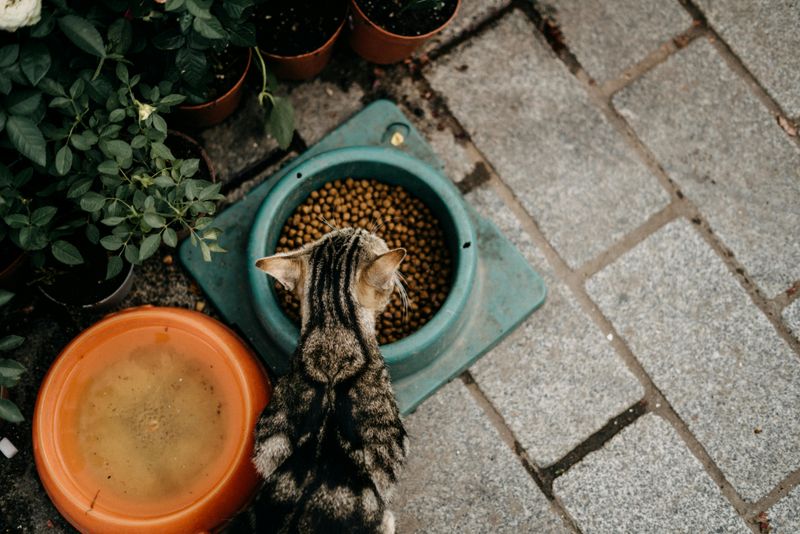
You filled the bowl before bed. By morning, it is completely empty and your pet is staring at you like it has not eaten in days.
Sound familiar?
If you leave food outside for a dog or cat, you may be running a free buffet for the local wildlife without even knowing it.
Skunks are opportunistic eaters, and pet food left outdoors is one of their favorite targets. They have an excellent sense of smell and can detect kibble from a surprising distance.
Unlike raccoons, which tend to knock things over and make a mess, these creatures feed quietly and efficiently. You might not even notice anything unusual at first, apart from the empty bowl.
The timing is the biggest clue. They are strictly nocturnal.
If the food disappears consistently after dark and your pet has already eaten its fill, something else is finishing the job.
Setting up a basic motion-activated camera near the bowl for a few nights can confirm your suspicions quickly.
The fix is simple. Bring all pet food inside before sunset.
It is one of the easiest ways to make your yard less attractive to skunks and other nighttime visitors.
9. Greasy Smear Marks Along Fences And Low Surfaces
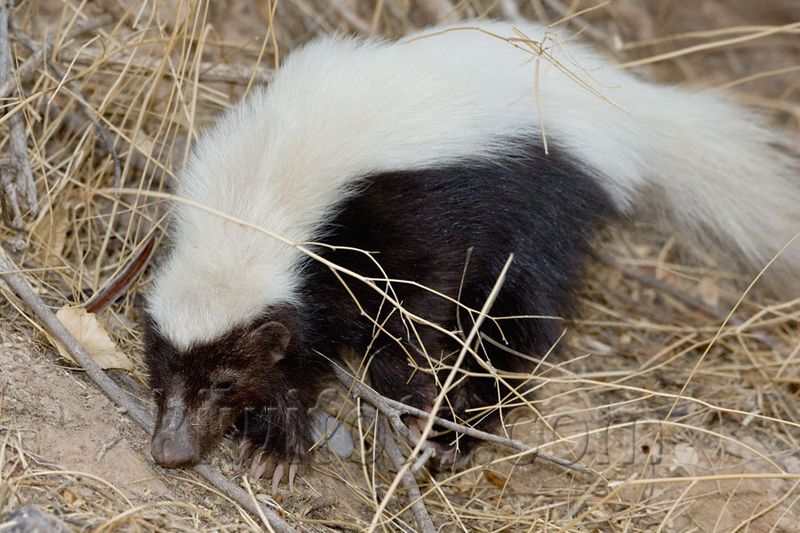
This one flies under the radar for most homeowners, but once you know what to look for, it is hard to miss.
Skunks have naturally oily fur. As they squeeze through tight spaces or brush repeatedly along the same surfaces, they leave behind faint greasy smear marks.
These show up most often along the bottom of wooden fence panels, the base of concrete foundations, and low garden walls that form part of their nightly route.
The marks themselves are subtle. They are not dramatic stains but rather a dull, slightly darkened streak at ground level, usually between four and eight inches off the ground.
Running your hand along a fence board and feeling an unusual slickness in one specific spot is another giveaway.
What makes this sign particularly useful is that it points directly to the path the animal uses every night. Skunks are creatures of habit and tend to follow the exact same route through a yard repeatedly.
Finding smear marks in two or three consistent spots suggests the animal has been visiting long enough to establish a routine.
Check wooden fence boards, shed bases, and any low gaps between structures after a dry stretch of weather, when the marks are easiest to spot.