The Watering Mistake That’s Destroying Oregon Hydrangeas This Summer
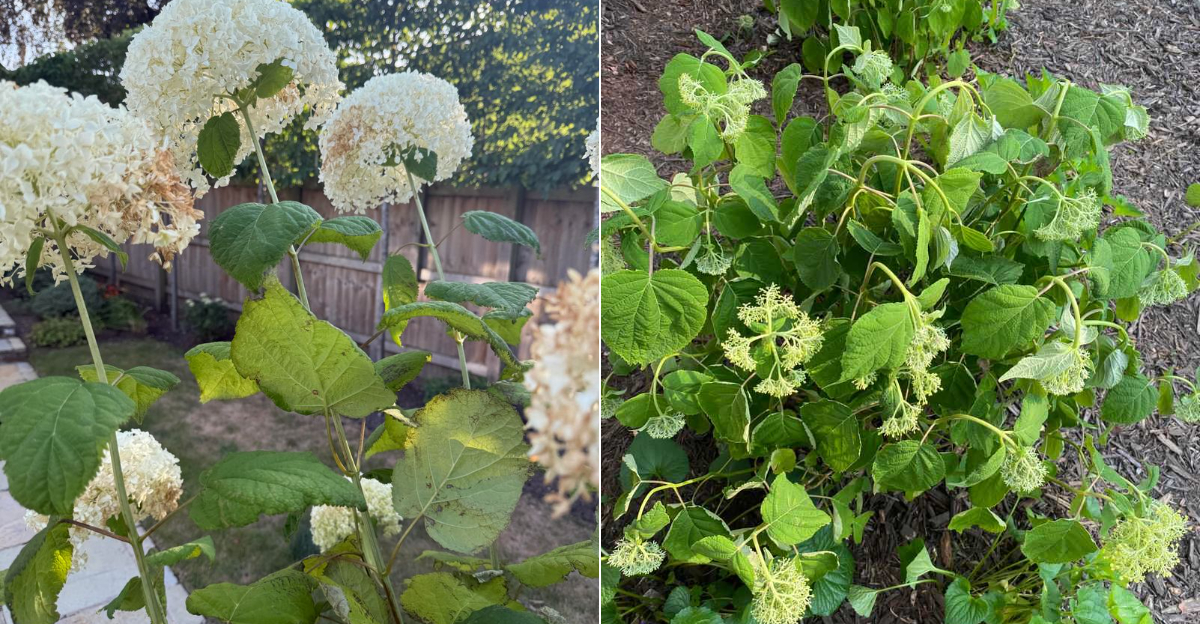
Oregon hydrangeas can go from lush showpieces to drooping disappointments faster than expected during summer heat.
The leaves sag, the blooms lose their bounce, and the hose suddenly feels like the obvious hero. That is exactly where trouble can begin.
One common watering habit may look generous while quietly stressing the plant. It often starts with good intentions, especially when temperatures climb and the soil seems dry.
Hydrangeas, however, can be surprisingly picky about how moisture reaches their roots.
The damage may not appear right away. Instead, the plant can decline slowly, leaving gardeners convinced it simply needs even more water.
Plot twist: that may make things worse. A better routine can help hydrangeas handle hot weather without turning daily care into a guessing game.
Once the mistake is corrected, those dramatic blooms have a much better chance of looking like themselves again.
1. This Is The Mistake Everyone Repeats
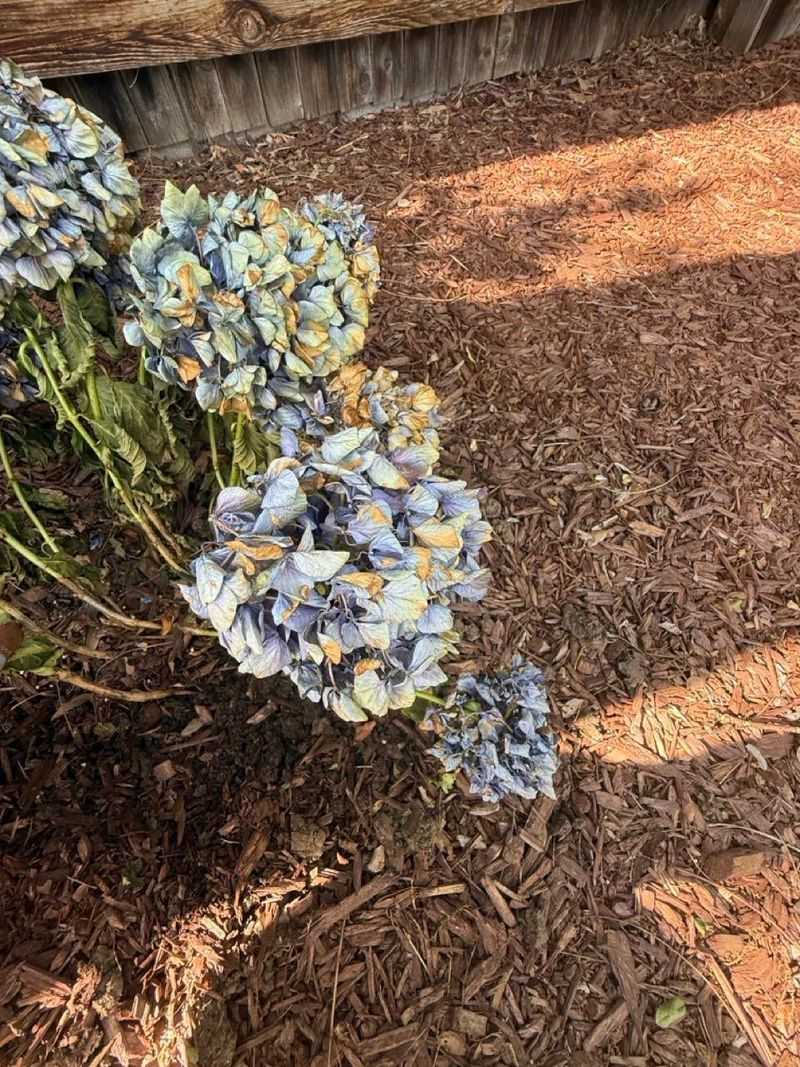
Most gardeners think they are doing a great job just by watering every day. But watering every day means nothing if the water never reaches deep into the ground.
Shallow watering is the single biggest mistake hurting hydrangeas across Oregon this summer.
When you give your plant a quick sprinkle, the water only wets the very top layer of soil. Roots grow where moisture is, so shallow watering trains roots to stay near the surface.
Surface roots are extremely vulnerable to heat and drought.
A plant with shallow roots cannot handle a hot July afternoon. It wilts fast and struggles to recover.
You might water again the next morning, but the damage keeps adding up over time. The cycle repeats, and the plant gets weaker with each passing week.
Fixing this mistake is actually straightforward. You do not need special equipment or expensive products.
You just need to change how long and how deeply you water. Slow, steady watering that lasts several minutes gives moisture time to sink down six to eight inches into the soil.
That deeper moisture is what roots are truly searching for. When roots can reach down, they are better protected from surface heat.
The plant becomes stronger and more stable. Switching from shallow sprinkling to deep soaking is the single most powerful change you can make for your hydrangeas this season.
2. Quick Sprinkling Leaves Roots Thirsty
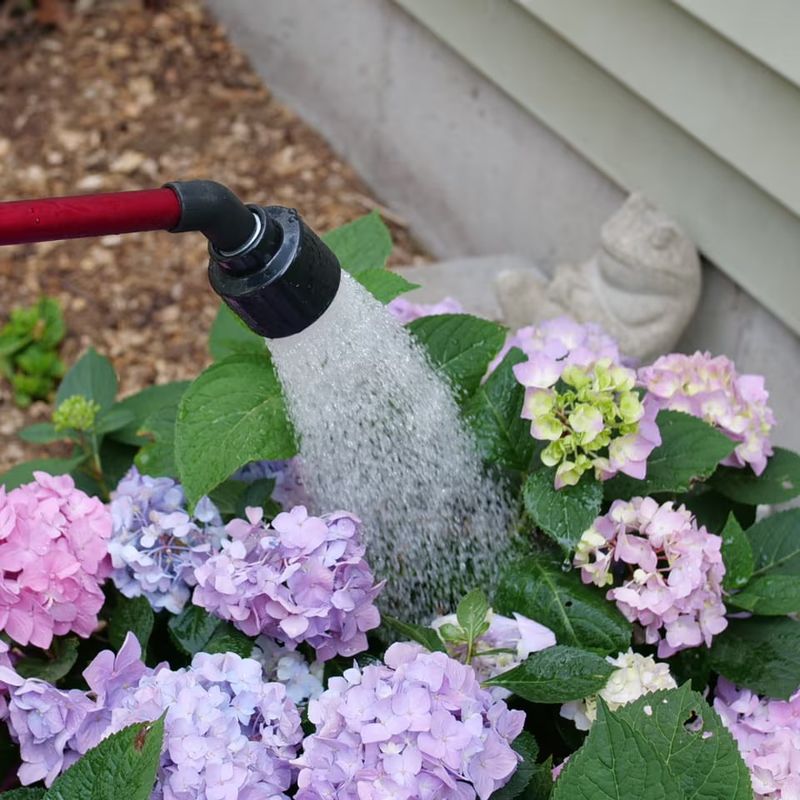
Grabbing the hose for sixty seconds and calling it done feels satisfying, but the roots underground are not impressed.
Quick sprinkling is one of the most common habits gardeners fall into during busy summer weeks.
It looks like watering, but it rarely functions like watering.
Water applied too quickly runs off the soil surface or evaporates before it can move downward. On warm days, the top inch of soil can dry out in just a few hours.
Roots sitting in that dry zone get no benefit from a quick sprinkle at all.
Think of dry soil like a dry sponge. If you drop a little water on it too fast, the water beads up and rolls off instead of soaking in.
Your Oregon Garden Changes Every Week. Your Plan Should Too.
Gardening in Oregon changes quickly throughout the season. Every Friday you’ll receive a simple weekly plan showing exactly what to plant, prune, fertilize, harvest, and protect so you never miss the right timing.
Slow watering gives the soil time to absorb moisture properly, pulling it deeper where roots actually live.
A good rule to follow is to water slowly for at least fifteen to twenty minutes in one spot. You can use a soaker hose or simply hold the hose low near the base of the plant and let it trickle gently. Patience here really pays off.
Checking your soil after watering is a smart habit. Push a finger two inches into the ground.
If it feels dry, the water did not go deep enough. Keep watering until that finger test tells you the moisture has truly reached the root zone.
3. Hydrangeas Have Shallow, Moisture-Hungry Roots
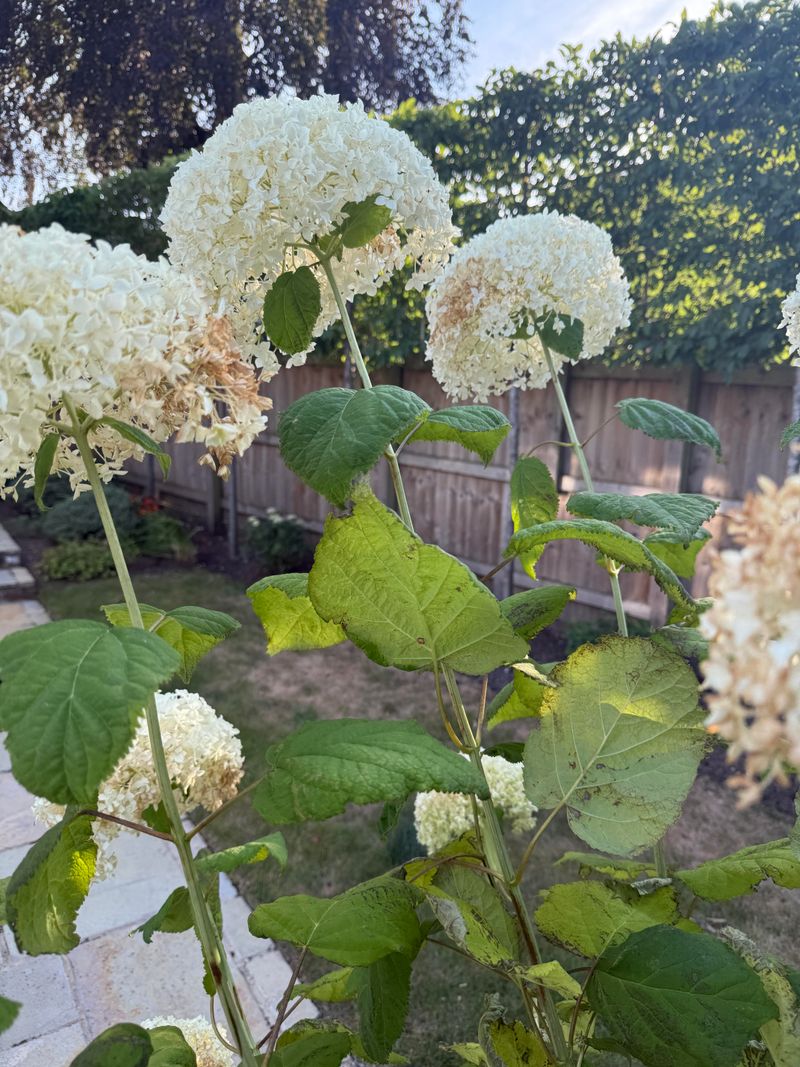
Not all plants have the same root systems, and knowing a little about hydrangea roots helps you understand why they need special watering care.
Unlike deep-rooted trees that pull moisture from far underground, hydrangeas spread their roots wide and relatively shallow just below the soil surface.
Because these roots stay close to the top, they are among the first to feel the effects of dry weather. They cannot reach down to find hidden moisture the way a mature oak tree can.
They depend almost entirely on what the gardener provides.
Shallow roots also heat up faster than deep roots. When summer soil temperatures rise, roots in the top few inches of ground feel that heat directly.
Hot, dry roots cannot absorb water efficiently, which causes leaves to wilt even when moisture is technically nearby.
This root structure is not a weakness exactly. It is just a characteristic that requires a thoughtful watering approach.
Keeping that shallow root zone consistently moist, without letting it dry out between waterings, is the goal every summer gardener should aim for.
Watering deeply and consistently gives those shallow roots the environment they need to stay healthy. Pairing good watering habits with mulch creates an even better buffer against heat and dryness.
Understanding the root system is the foundation of everything else you will do to care for your hydrangeas this season.
4. Surface Water Evaporates Fast In Summer
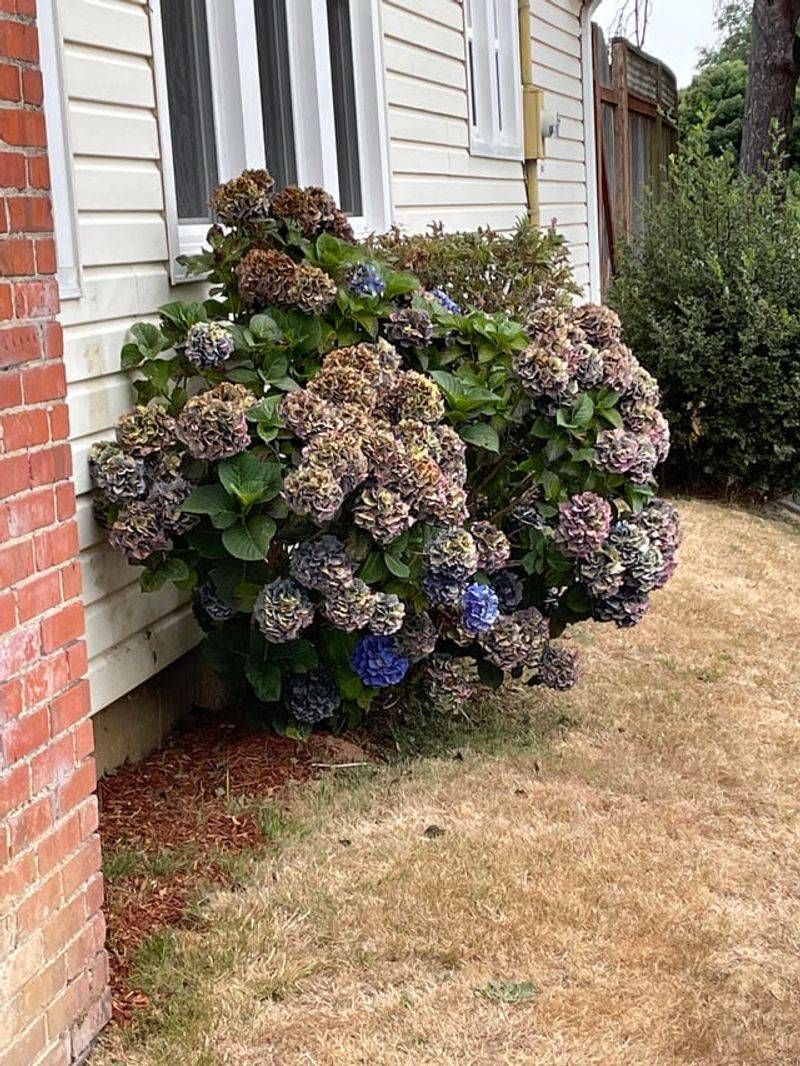
Summer sun in Oregon can be surprisingly intense, especially during July and August. When water lands on exposed soil, it does not just sit there waiting for roots to absorb it.
On a hot afternoon, surface moisture can evaporate within minutes of hitting the ground.
This is a physics problem as much as a gardening problem. Heat energy pulls water molecules up into the air through evaporation.
The hotter and drier the air, the faster this happens. Bare soil with no shade or mulch loses moisture at a shocking rate.
Even if you water generously in the afternoon, a large portion of that water never reaches the roots. It disappears into the air before the soil can hold onto it.
This means your effort and your water are going to waste without you even realizing it.
Timing your watering to avoid peak evaporation hours makes a real difference. Early morning is the best time to water because temperatures are cooler and the sun is low.
The moisture has more time to soak in before the heat of the day kicks in.
Covering the soil around your plant with a layer of mulch also slows evaporation dramatically. Mulch acts like a blanket, shading the soil and holding moisture in place.
Between smart timing and good mulching, you can cut your evaporation losses significantly and keep roots properly hydrated throughout the summer months.
5. Wilting Leaves Can Fool Oregon Gardeners
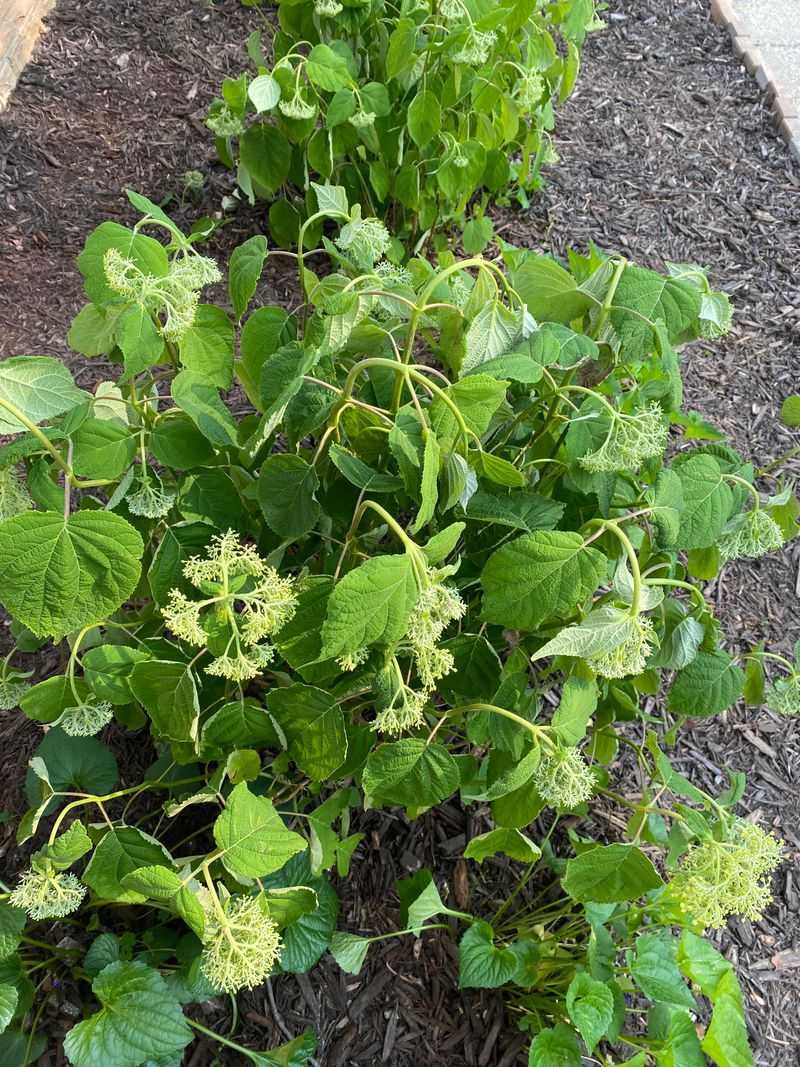
Seeing droopy, wilted leaves on a hydrangea almost always triggers the same reaction: grab the hose and water immediately.
That instinct makes sense, but it can actually lead you in the wrong direction. Wilting does not always mean the plant is dry.
On very hot afternoons, hydrangeas sometimes wilt as a self-protection response to heat stress. The plant temporarily reduces water loss through its leaves by letting them droop.
This can happen even when the soil has plenty of moisture in it.
Watering more when the soil is already moist can cause a different set of problems. Overwatered roots cannot breathe properly.
Waterlogged soil cuts off oxygen to the root zone, which weakens the plant just as much as drought does. More water is not always the answer.
Before reaching for the hose, do a quick soil check. Push your finger two inches into the ground near the base of the plant.
If the soil feels moist, the plant is likely just reacting to heat. Wait until evening and check again. Most heat-stressed plants perk back up once temperatures drop.
If the soil feels dry two inches down, then yes, it is time to water deeply and slowly. Learning to read your soil instead of just your leaves gives you a much clearer picture of what your hydrangeas actually need.
This simple habit saves time, water, and a lot of worry throughout the growing season.
6. Deep Soaks Reach The Whole Root Zone
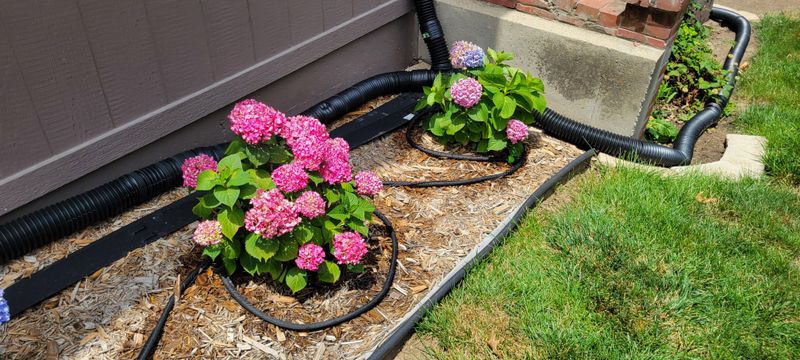
Watering deeply is the single most effective thing you can do for a struggling hydrangea.
A deep soak means applying water slowly enough and long enough that moisture travels six to eight inches below the soil surface. That is where the majority of active roots are feeding.
A soaker hose is one of the best tools for this job. It releases water slowly right at the base of the plant, giving the soil plenty of time to absorb it without runoff.
Running a soaker hose for twenty to thirty minutes delivers a genuinely deep drink.
You can also deep-water by hand if you are patient. Hold the hose low near the soil surface and let water trickle out at a slow, steady pace.
Move around the base of the plant so moisture spreads evenly throughout the root zone rather than pooling in one spot.
After a deep soak, check the soil again with your finger. Go down as far as you can reach.
The goal is to feel moisture at least six inches below the surface. If the soil is still dry at that depth, keep watering a little longer.
Deep watering also encourages roots to grow downward rather than staying near the surface. Over time, this makes the plant more resilient to heat and short dry spells.
It is a simple habit that pays off in stronger, healthier growth all summer long.
7. Morning Watering Helps Moisture Last Longer
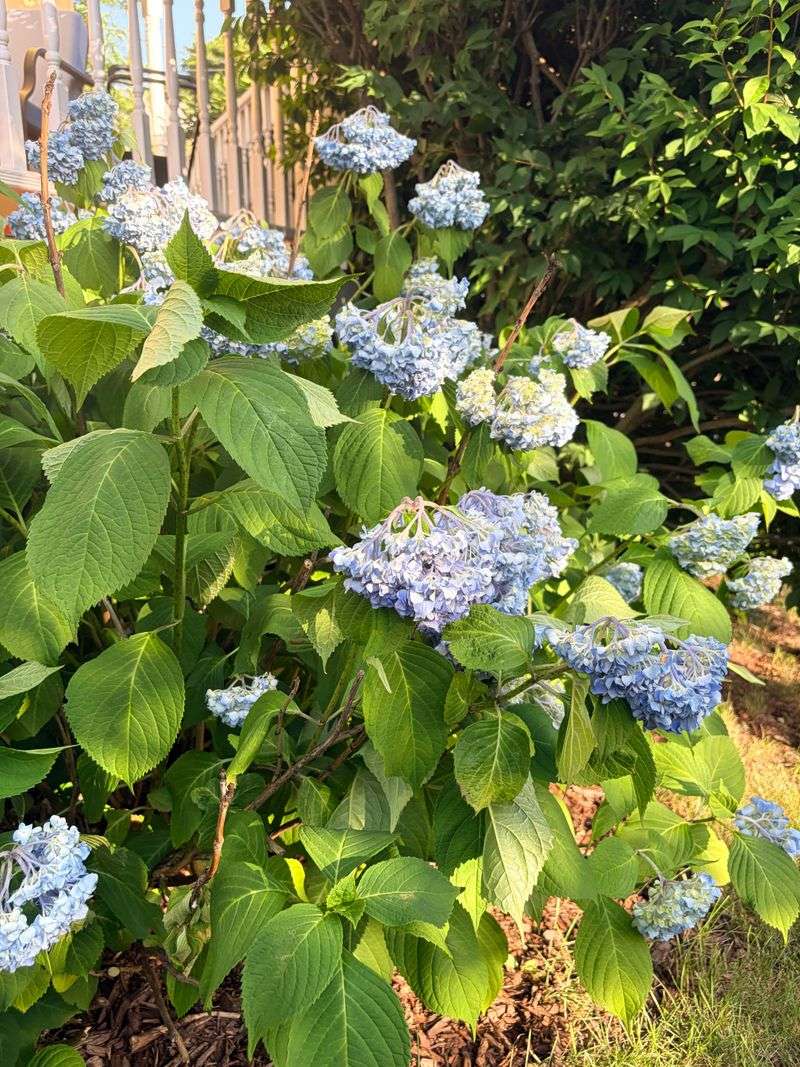
Timing really does matter when it comes to keeping your hydrangeas properly hydrated. Watering in the morning is one of the easiest and most effective habits you can build this summer.
It works with nature instead of against it. Early morning temperatures are cooler, which means evaporation rates are much lower.
Water applied at six or seven in the morning has several hours to soak deeply into the soil before the midday heat arrives.
The roots get a long, slow drink without losing half the water to evaporation.
Morning watering also gives any moisture that splashes onto leaves time to dry off during the day. Wet leaves that stay damp overnight can invite mold and fungal issues.
Watering in the morning reduces that risk naturally without any extra effort on your part.
Afternoon watering is the least effective option in summer. The sun and heat are at their peak, and water evaporates almost as fast as it lands.
You end up using more water while the roots receive less of it. Evening watering is better than afternoon, but it still leaves foliage wet overnight.
Setting a morning watering routine does not have to be complicated. Even three or four days a week with a deep soak each time is far better than daily shallow sprinkles at noon.
Pick a time that fits your schedule and stick with it. Your hydrangeas will reward that consistency with stronger growth and brighter blooms all season.
8. Mulch Keeps Hydrangea Roots Cooler
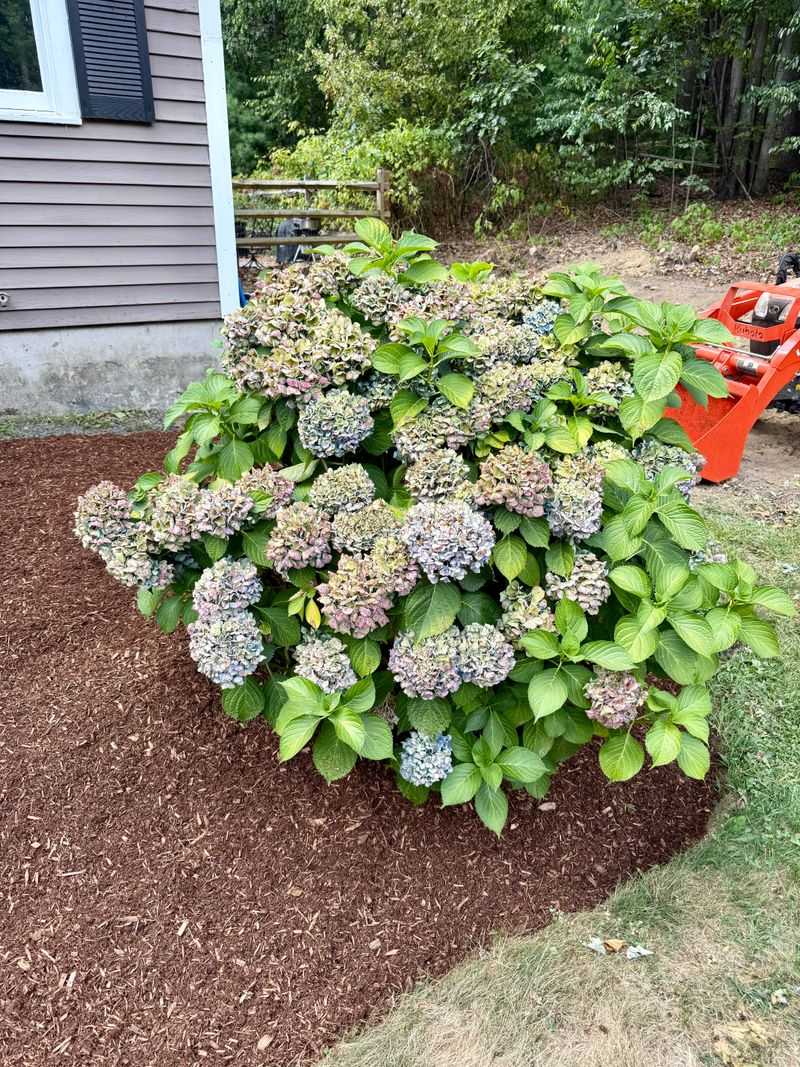
Mulch might be the most underrated tool in a summer gardener’s toolkit. A two to three inch layer of organic mulch spread around the base of your hydrangea can completely change how well your plant handles summer heat.
It is simple, affordable, and remarkably effective. Mulch works by insulating the soil from direct sunlight. Bare soil in full sun heats up quickly and loses moisture fast.
Covered soil stays noticeably cooler and holds onto water much longer between waterings. That difference in soil temperature can mean everything to shallow roots on a hot afternoon.
Good mulch options include shredded bark, wood chips, straw, or compost. Spread the mulch in a wide circle around the plant, keeping it a few inches away from the actual stem to prevent rot.
The wider you spread it, the more of the root zone you protect. As organic mulch breaks down over the season, it also adds nutrients back into the soil.
This slow release of organic matter improves soil structure over time, helping it hold moisture even better in future seasons.
It is a gift that keeps giving year after year. Refreshing your mulch layer mid-summer is a smart move if it has thinned out. Just add another inch on top to restore the insulating effect.
Pairing mulch with deep morning watering creates the ideal growing environment for hydrangeas and makes your whole Oregon summer gardening routine easier and more rewarding.