The Monsoon Watering Mistake That Rots Plant Roots In Arizona Gardens
One good rainstorm can fool even experienced gardeners. It feels like nature handled the watering for you.
Then a few days later, plants begin struggling for reasons that seem hard to explain. The real problem may be hiding below the soil, where roots stay wet far too long.
Don’t let one common habit undo all your hard work.
During monsoon season, watering the same way after heavy rain can quietly damage healthy roots. Arizona gardens often need less water than you think once storms roll through.
A simple change in timing can protect your plants from rot and keep them growing strong through the hottest weeks of summer.
Learn what to avoid before the next storm leaves your garden dealing with a problem that could have been easily prevented today.
1. Skipping Irrigation Adjustments After Heavy Rain
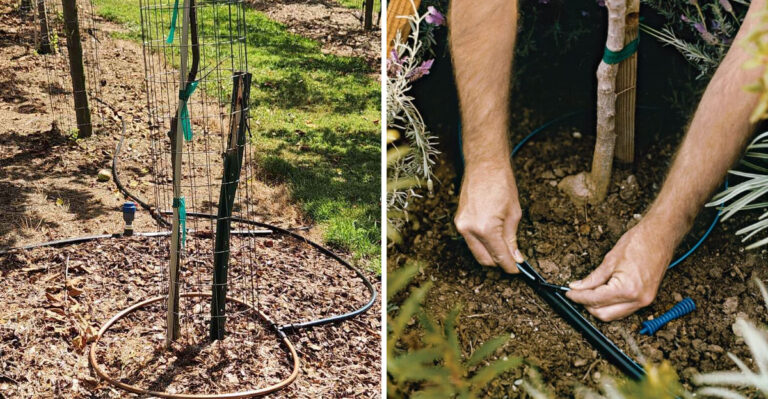
Most irrigation timers do not know it just rained. Your drip system runs on a set schedule, and unless you manually pause it, water keeps flowing into already-soaked ground.
That is where the trouble starts.
After a strong monsoon storm drops half an inch or more, the top layer of soil may look dry within a day or two, but deeper down it stays wet much longer. Roots sitting in that saturated zone start struggling quickly.
Skipping an adjustment after heavy rain is one of the most common mistakes desert gardeners make. Soil types matter here.
Clay-heavy soil holds moisture far longer than sandy soil, so the risk is higher depending on your yard.
A simple rain gauge near your garden beds helps track how much water actually fell. If your area received more than a quarter inch, consider pausing irrigation for at least two to three days.
Check the soil a few inches down before restarting.
Smart irrigation controllers with weather sensors can automate this adjustment. They detect rainfall and skip scheduled cycles automatically.
Basic timer-based systems require manual intervention, so check them after every significant storm.
Adjusting your watering schedule during monsoon season is not optional if you want healthy roots.
2. Saturated Soil Leaves Roots Without Oxygen
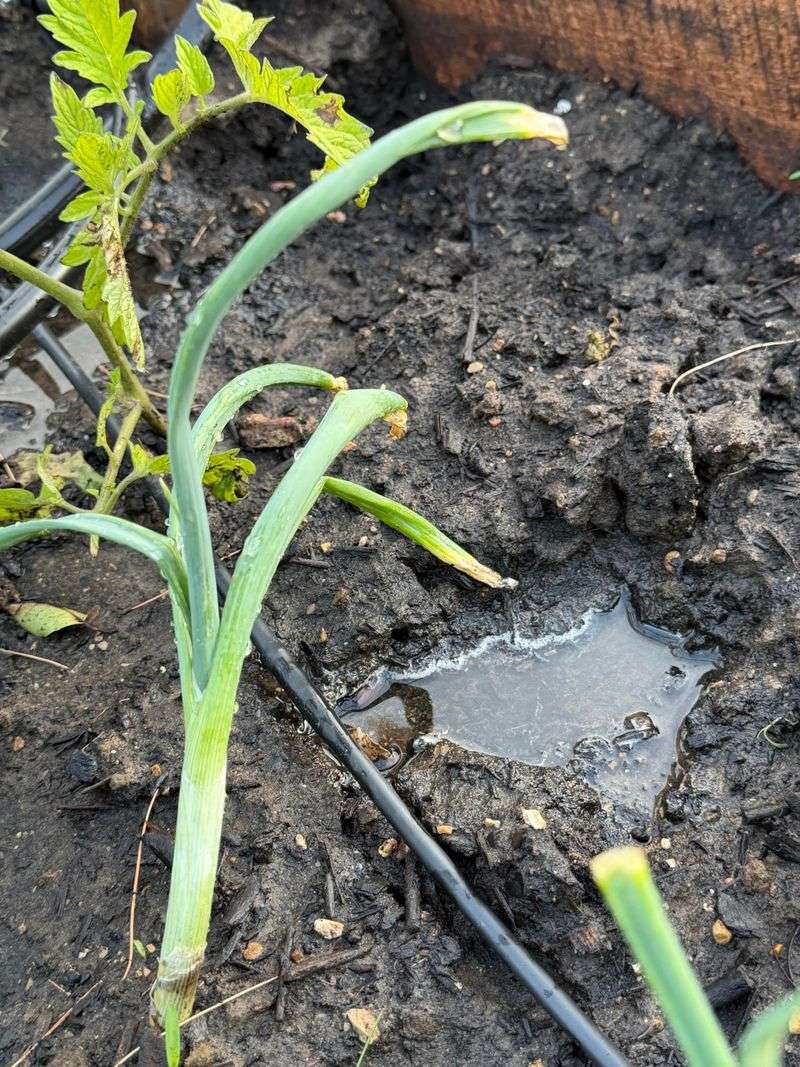
Roots breathe. Most people forget that fact, but oxygen is just as critical to root health as water.
When soil becomes waterlogged, air pockets fill with water and roots essentially suffocate.
Desert plants are especially sensitive to this condition. Species like saguaro, prickly pear, and native shrubs evolved in fast-draining, dry conditions.
Their roots are not built to survive extended periods of wet, dense soil.
Saturated soil creates a low-oxygen environment where harmful bacteria and fungi thrive. Pathogens like Phytophthora and Pythium spread rapidly in these conditions and attack root tissue directly.
Once infection sets in, it moves fast.
Soil saturation after monsoon rains can last anywhere from a few hours to several days, depending on drainage and soil composition. Sandy desert soils drain faster.
Compacted or clay-rich soils hold water much longer and pose a higher risk.
Raised beds and mounded planting areas help by keeping roots elevated above standing water. Good soil amendment with coarse sand or gravel improves drainage noticeably in problem areas.
Your Arizona Garden Changes Every Week. Your Plan Should Too.
Gardening in Arizona changes quickly throughout the season. Every Friday you’ll receive a simple weekly plan showing exactly what to plant, prune, fertilize, harvest, and protect so you never miss the right timing.
Watching for wilting, yellowing leaves, or sudden plant decline after heavy rain are signs that roots may be suffering from oxygen deprivation.
3. Let The Soil Dry Before Watering Again
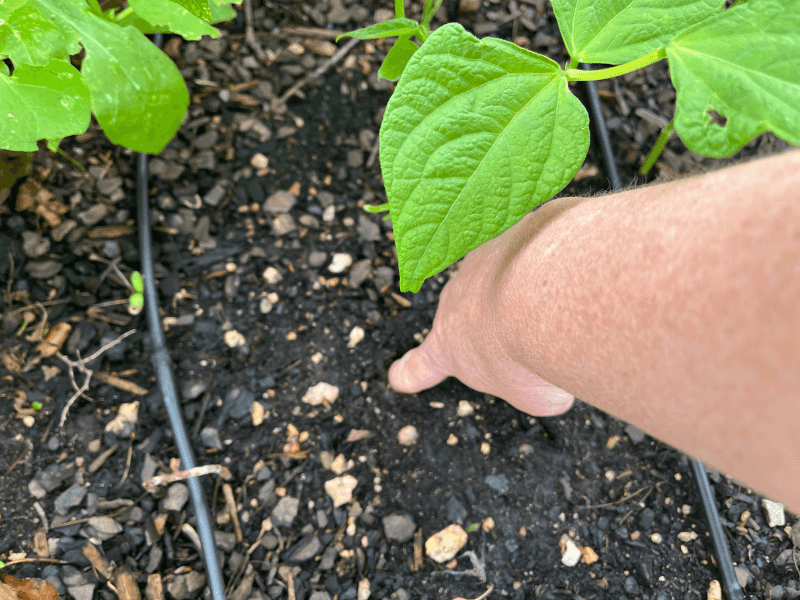
Patience is one of the most underrated gardening tools during monsoon season. After a good rain, the instinct to water again quickly can actually set back plants that are already stressed from excess moisture.
Checking soil moisture before watering is a habit worth building. Push a finger or a wooden dowel two to three inches into the soil.
If it comes out damp or with soil clinging to it, the ground still has enough moisture and does not need more water yet.
Most native and desert-adapted plants in the Southwest can handle dry intervals between waterings much better than they handle prolonged wet conditions. Letting soil dry out between storms is not neglect.
It is appropriate care for the plants growing there.
Soil moisture meters are inexpensive and useful for gardeners who want a more precise reading. They measure moisture at different depths and take the guesswork out of deciding when to water.
They work especially well in containers and raised beds.
The general rule during active monsoon periods is to water only when the top two to three inches of soil feel dry to the touch. Deeper-rooted plants may need even longer dry intervals between watering sessions.
Skipping one or two irrigation cycles after significant rainfall rarely causes harm to established desert plants.
4. Containers Dry Out Differently After Monsoon Rains
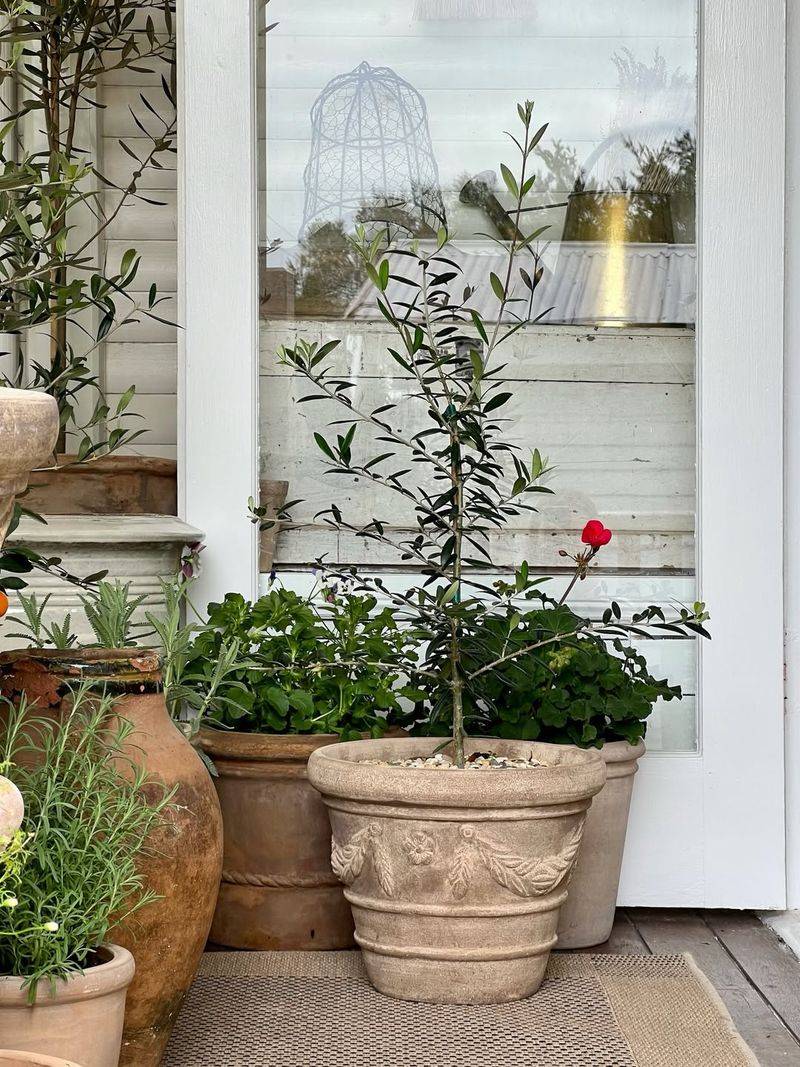
Containers behave completely differently from in-ground garden beds when it comes to moisture. A potted plant sitting on a patio can end up far wetter than anything planted in the ground nearby, and the problems show up faster.
Pots without drainage holes are a serious risk during monsoon season. Water pours in from overhead rain with nowhere to escape.
Roots end up sitting in standing water at the bottom of the container, which accelerates root rot significantly.
Even pots with drainage holes can cause issues if they sit in saucers filled with collected rainwater. That water wicks back up through the drainage hole and keeps the root zone wet far longer than intended.
Emptying saucers after storms matters.
Terra cotta pots are more forgiving because the porous walls allow some moisture to evaporate through the sides. Glazed ceramic or plastic containers hold moisture much longer, so they need closer monitoring during wet stretches.
Moving containers under a covered patio or overhang during extended monsoon rain events is a practical option for smaller pots. This limits how much extra water the soil absorbs beyond what was already there from the last watering.
Container soil mix also plays a role. Standard potting mix holds more moisture than a well-draining cactus and succulent mix.
5. Early Root Rot Signs Are Easy To Miss
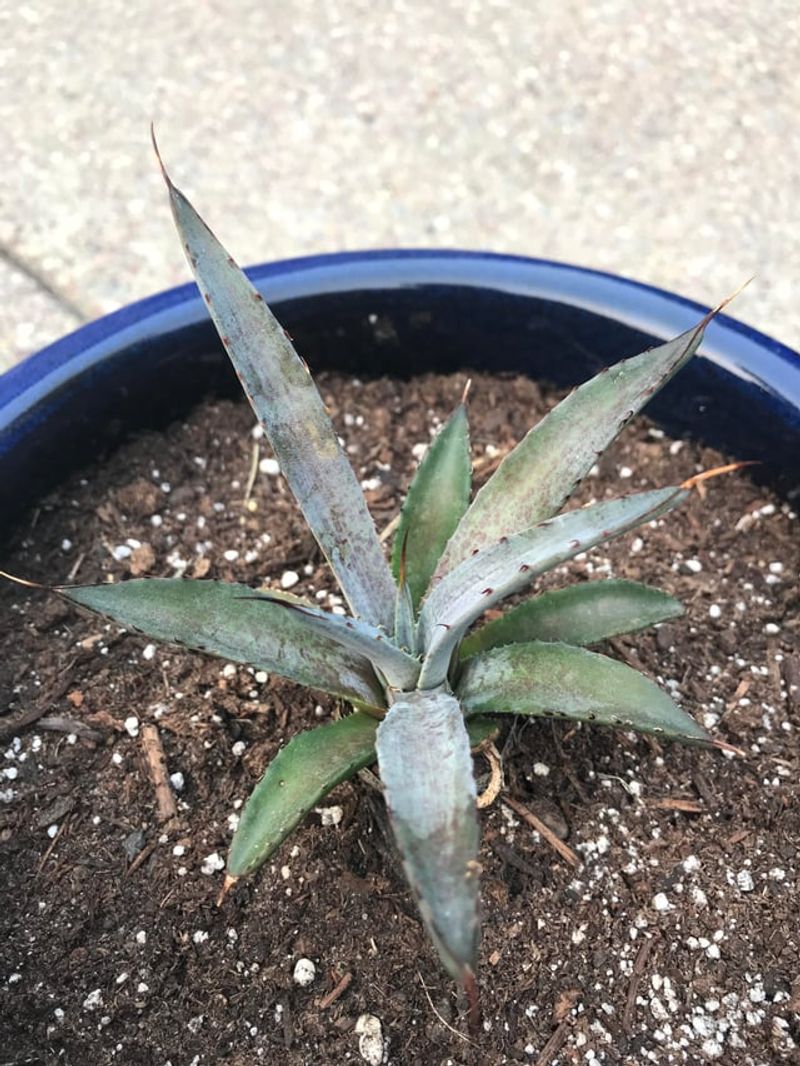
Root rot rarely announces itself loudly. By the time a plant looks obviously sick, the damage below the soil line is often already significant.
Catching early signs takes deliberate attention.
Yellowing leaves that appear after wet weather are one of the first visible clues. Gardeners often mistake this for a nutrient issue and start fertilizing, which can make things worse.
Wet soil plus yellow leaves after a storm points toward roots first.
Soft or mushy stems near the soil line are another red flag. Gently pressing the base of a plant should feel firm.
If it gives under light pressure, that is a sign something is wrong below the surface.
Wilting that does not improve after watering is counterintuitive but common with root rot. Damaged roots cannot absorb water properly, so the plant wilts even in moist soil.
More watering in this case makes the situation worse.
Pulling a plant slightly from the soil and checking the roots directly is the most reliable way to assess root health. Healthy roots are white or light tan and firm.
Rotted roots appear brown, black, or gray and feel soft or slimy.
Acting quickly once early signs appear gives a plant a much better chance of recovery.
6. Poor Drainage Keeps Moisture Trapped Too Long
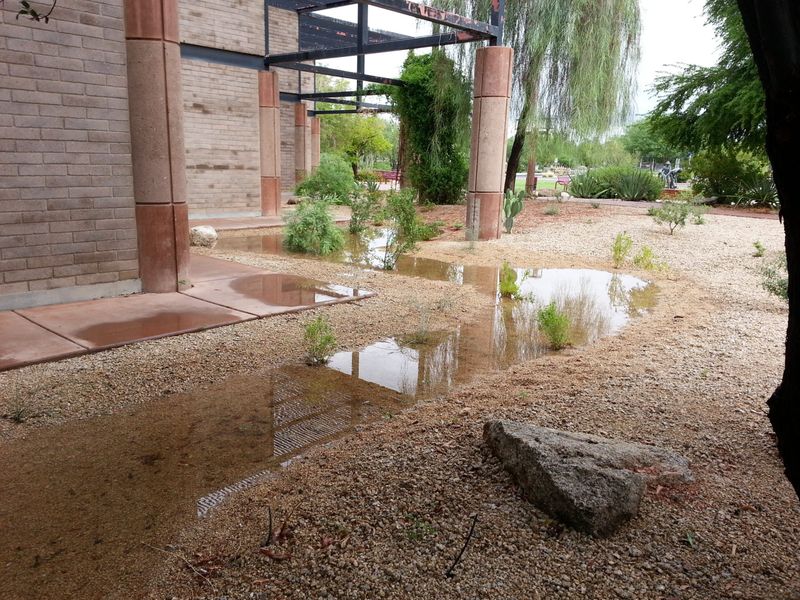
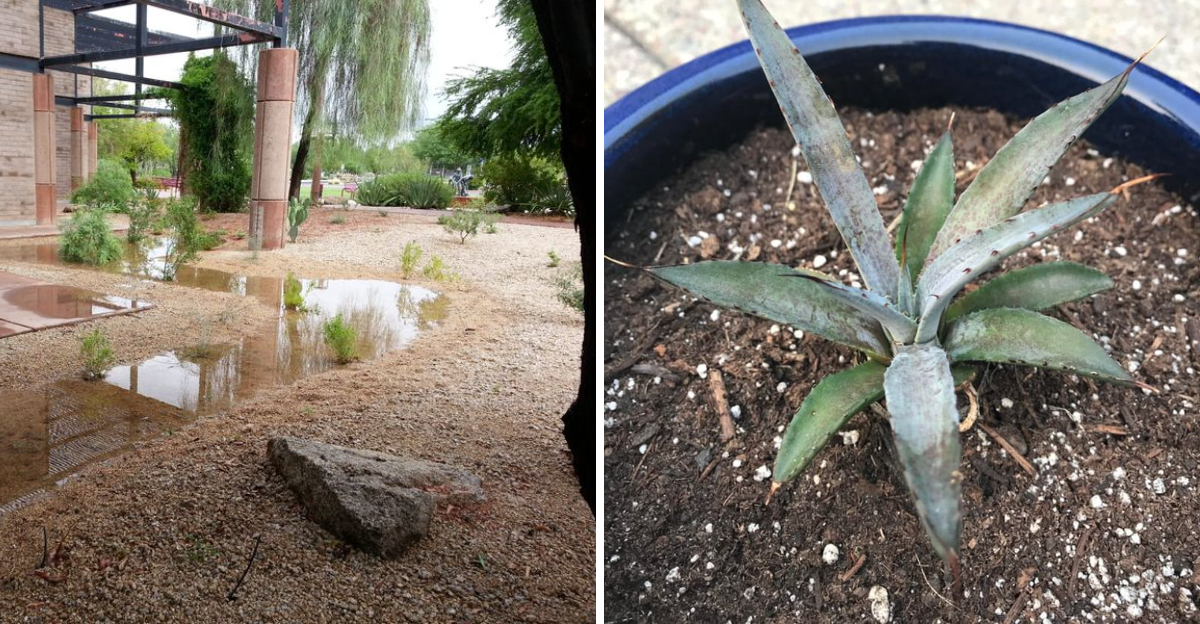
Standing water in a garden bed is a warning sign. Moisture that cannot move through the soil quickly enough creates the exact conditions that lead to root rot.
Drainage is everything in a desert garden during monsoon season.
Low spots in a yard naturally collect water. If your planting beds sit in one of these depressions, roots can end up submerged for hours after a storm.
Even drought-tolerant plants struggle in those conditions over time.
Compacted soil is another culprit. When the ground is packed tight, water cannot filter down through the layers efficiently.
It pools on the surface or moves sideways instead of draining away from the root zone.
A simple drainage test helps identify problem spots. Dig a hole about twelve inches deep and fill it with water.
If it drains in an hour or less, your soil drains reasonably well. If water is still sitting there two hours later, drainage is poor.
Amending soil with coarse grit, perlite, or decomposed granite improves drainage in many situations. Building raised beds or planting on slight berms keeps root zones elevated above areas where water collects.
Routing water away from planting areas with shallow swales or dry creek beds also helps during heavy storms.
7. Healthy Roots Need Air As Much As Water
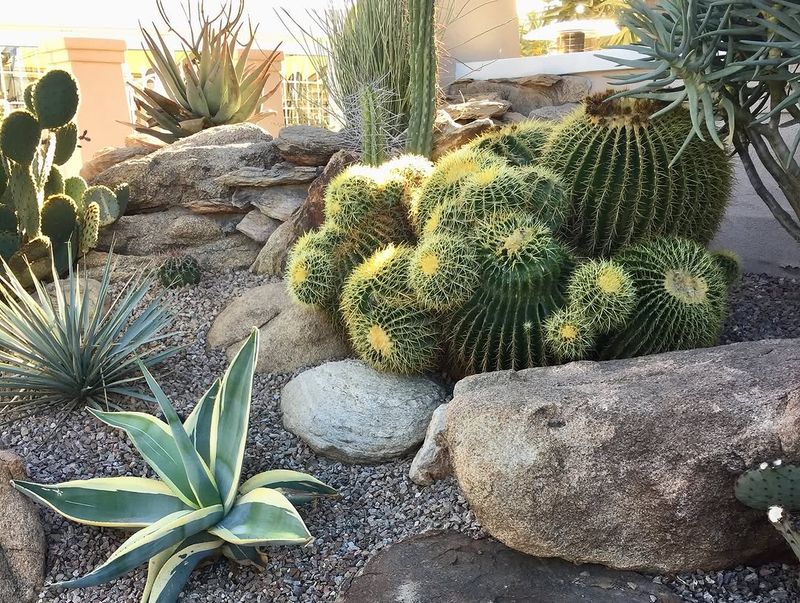
Air and water work as a team underground. Roots pull oxygen from tiny air pockets in the soil while absorbing water at the same time.
When one of those elements disappears, the whole system starts breaking down.
Well-aerated soil has a loose, crumbly texture that allows both water and air to move through it freely. Compacted or waterlogged soil closes off those air channels.
Without oxygen available at the root level, cellular function slows and roots weaken.
Loosening soil around established plants helps maintain good aeration. A gentle pass with a hand fork around the root zone improves structure without cutting into roots.
Doing this before monsoon season starts gives soil a better chance of draining well when storms arrive.
Organic mulch applied around plant bases helps in multiple ways. It reduces surface compaction from heavy rain impact, slows water runoff, and gradually improves soil structure as it breaks down.
Two to three inches is a reasonable layer for most desert garden plants.
Avoid piling mulch directly against plant stems or trunks. Trapped moisture at the base of a stem creates a warm, wet environment where rot can develop, particularly during humid monsoon nights in the desert Southwest.