Why Pennsylvania Oakleaf Hydrangeas Are Having Their Best Moment Yet In 2026
Something has shifted in Pennsylvania gardens over the past few seasons, and oakleaf hydrangea is right at the center of it.
This native shrub has been quietly building momentum for years among native plant enthusiasts and serious gardeners, but 2026 feels different.
The conversations have gotten louder, the nursery demand has climbed noticeably, and yards that planted oakleaf hydrangeas a few years ago are now showcasing exactly why everyone else is paying attention. This is the oakleaf hydrangea’s moment.
Part of it is timing. Pennsylvania gardeners have become increasingly aware of the value of native plants, and oakleaf hydrangea delivers ecological value alongside genuine beauty in a way that very few shrubs can match.
Part of it is performance. After a few challenging growing seasons, this shrub has demonstrated a resilience that has made a lot of gardeners rethink what they’re planting.
Whatever the reason, the enthusiasm is well deserved and long overdue. Here’s why 2026 is shaping up to be the best year yet for oakleaf hydrangea in Pennsylvania gardens.
1. They Offer Four-Season Interest From One Shrub
Imagine getting four completely different looks from just one plant in your yard. That is exactly what oakleaf hydrangea delivers, and it is a big reason why Pennsylvania gardeners are falling hard for it in 2026.
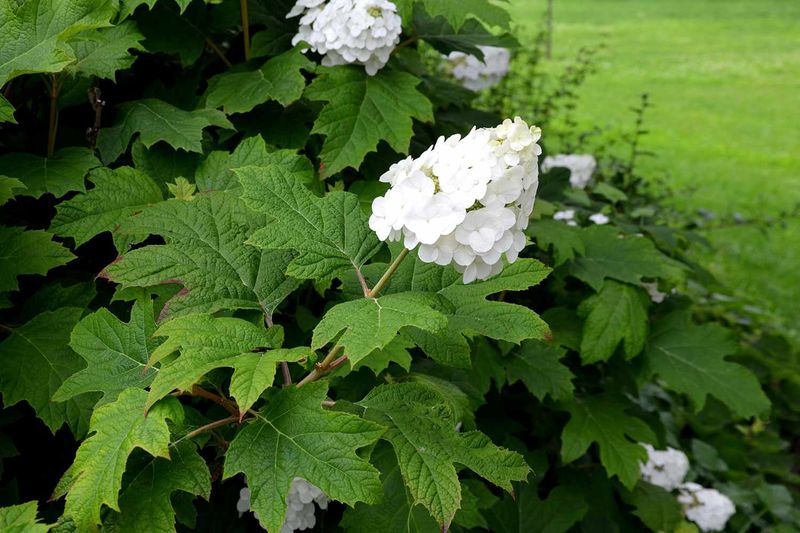
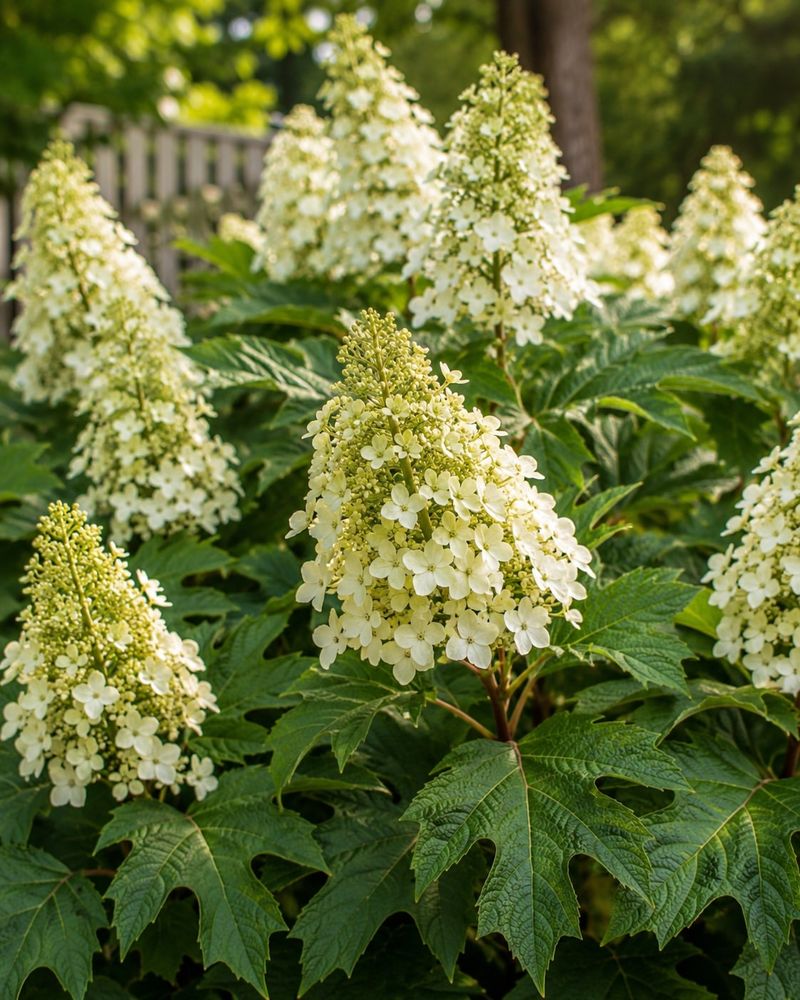
Most shrubs have one good moment. Oakleaf hydrangea has four. In summer, the plant bursts out with big, cone-shaped white flower clusters that are hard to miss.
The foliage is large and bold, giving the garden a lush, layered feel from the moment leaves open in spring. You get a full, healthy-looking shrub long before the flowers even show up.
By fall, the leaves shift into warm reds, deep burgundies, and rich bronzes that rival any maple tree in the neighborhood. That transformation catches people off guard in the best way possible.
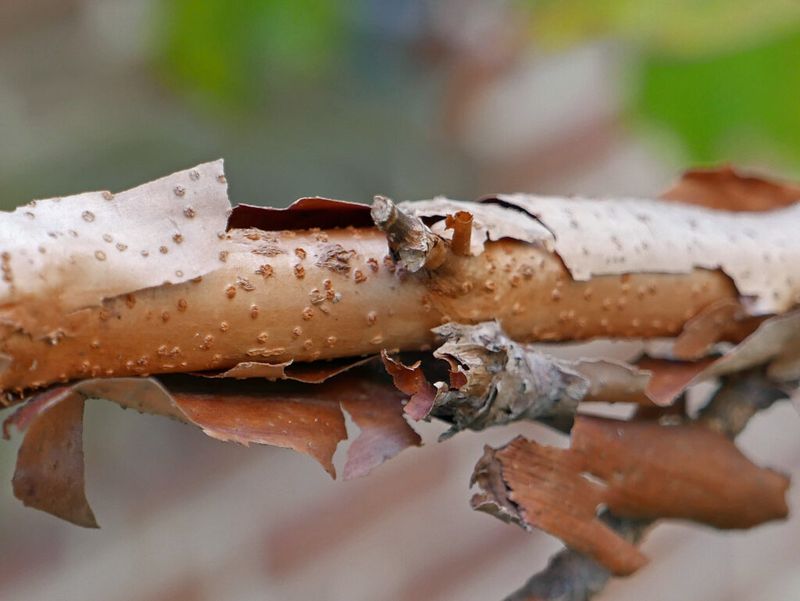
Then winter arrives, and instead of looking bare and sad, the shrub reveals its exfoliating bark, which peels back in strips to show cinnamon and tan tones underneath.
Oakleaf hydrangea is native to the southeastern United States, not Pennsylvania, but it has adapted beautifully to Pennsylvania’s climate and soil conditions. Gardeners in zones 5 and 6 have had great success growing it across the state.
It handles cold winters better than many other hydrangea types. Having a plant that contributes something visually interesting in every single month of the year is genuinely rare. Most shrubs sit dormant and invisible for months at a time.
Oakleaf hydrangea keeps earning its spot in the garden year-round, which is exactly why it fits the 2026 mindset of getting more from every plant you choose.
2. The Flowers Look Expensive Without Much Effort
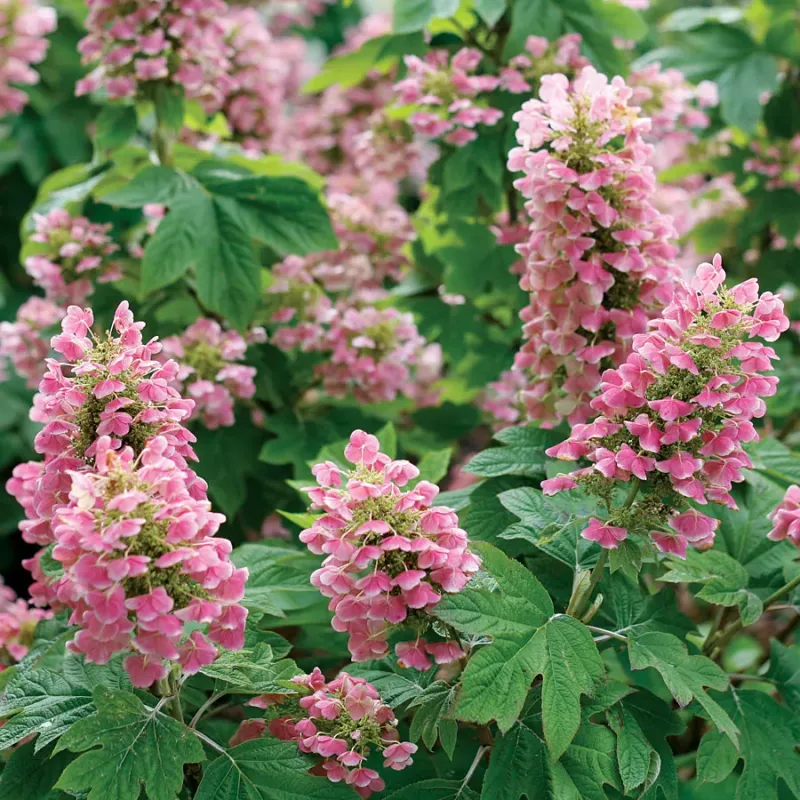
There is something about oakleaf hydrangea flowers that makes a garden look like it was designed by a professional.
The blooms are large, cone-shaped panicles that can stretch up to a foot long, and they appear in early to midsummer with a clean, bright white color that pops against dark green foliage. Neighbors will absolutely ask what that plant is.
Your Pennsylvania Garden Changes Every Week. Your Plan Should Too.
Gardening in Pennsylvania changes quickly throughout the season. Every Friday you’ll receive a simple weekly plan showing exactly what to plant, prune, fertilize, harvest, and protect so you never miss the right timing.
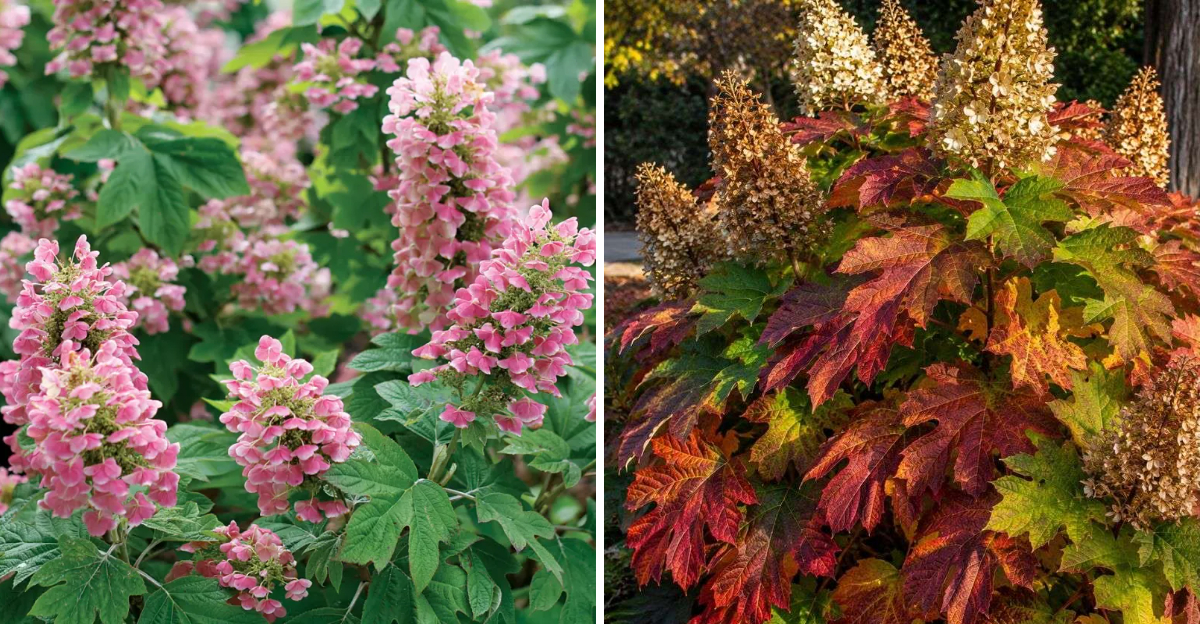
What makes the flowers even more impressive is what happens next. Instead of quickly browning and falling apart, the blooms age gracefully into soft pink, warm tan, and antique parchment tones.
That slow color shift gives the garden a layered, high-end look that lasts for months rather than weeks. You basically get two rounds of flower color from one bloom cycle.
Foundation beds, woodland edges, and mixed shrub borders all benefit from that kind of long-lasting floral display.
The flowers also dry beautifully right on the plant, which means you can leave them in place through fall and still enjoy them indoors if you cut them for arrangements. Dried oakleaf hydrangea blooms are popular in farmhouse and cottage-style decorating.
Growing that kind of flower show does not require expensive fertilizers or complicated pruning schedules.
Oakleaf hydrangea blooms on old wood, so the main rule is to avoid cutting it back in fall or late winter. Prune lightly right after flowering if needed, and the plant does the rest on its own.
For Pennsylvania homeowners who want a garden that looks polished and intentional without spending every weekend working on it, this shrub is a genuinely smart investment that pays off season after season.
3. The Leaves Are Decorative Even Before It Blooms
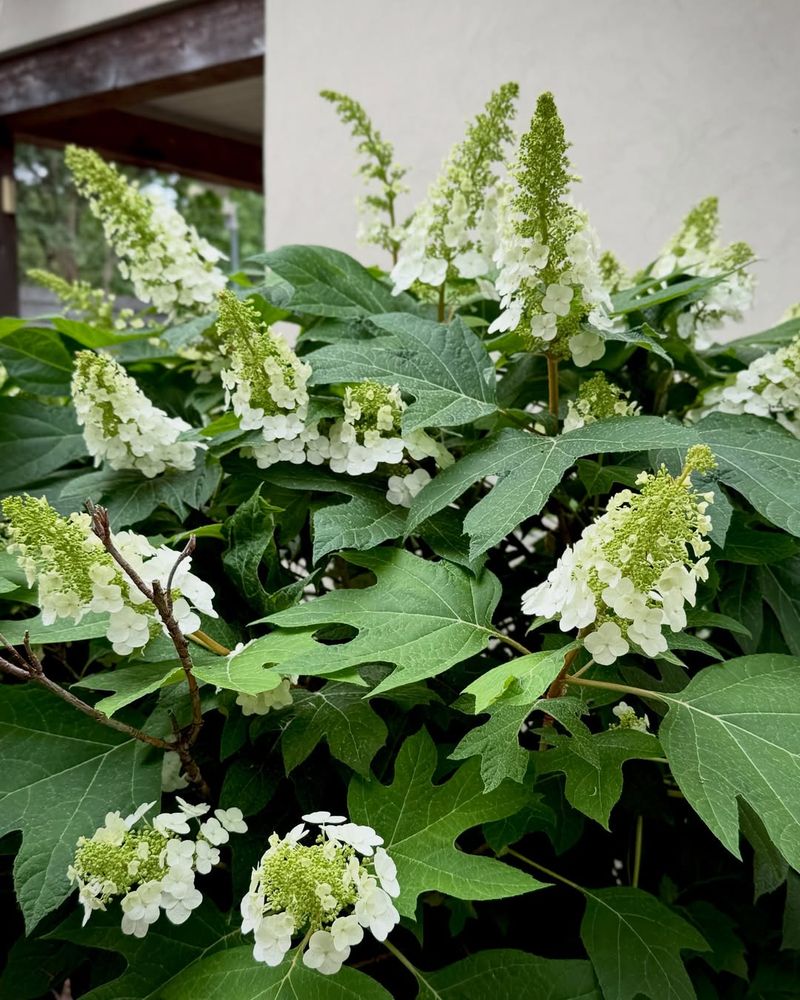
Bold, dramatic foliage is one of the most underrated qualities a garden shrub can have. Oakleaf hydrangea brings that quality in a big way, and the leaves start doing their job long before a single flower bud opens.
Each leaf is large, deeply lobed, and shaped almost exactly like an oak tree leaf, which is where the plant gets its name.
That leaf shape gives the shrub a strong visual presence from the moment it leafs out in spring. Placed next to fine-textured plants like ferns, sedges, or foamflower, the contrast is striking and beautiful.
Hostas and native woodland perennials also pair extremely well with oakleaf hydrangea because the leaf sizes and textures play off each other in a way that looks intentional and designed.
Good garden design is really about layering textures, shapes, and heights to create visual interest throughout the season. Oakleaf hydrangea does a lot of that heavy lifting on its own.
Its leaves are large enough to anchor a planting bed while still looking natural and relaxed in a woodland-style garden.
The leaves also hold up well through summer heat and humidity, which is something Pennsylvania gardeners know can be a challenge. Many plants look tired and ragged by August, but oakleaf hydrangea tends to stay looking fresh and full.
That durability matters when you want a garden that looks good through the entire growing season, not just in May and June.
Fun fact: the leaf shape is so distinctive that most gardeners can identify this plant immediately, even without seeing the flowers. That recognizable look is part of what makes it so satisfying to grow.
4. It Handles Part Shade Better Than Many Showy Shrubs
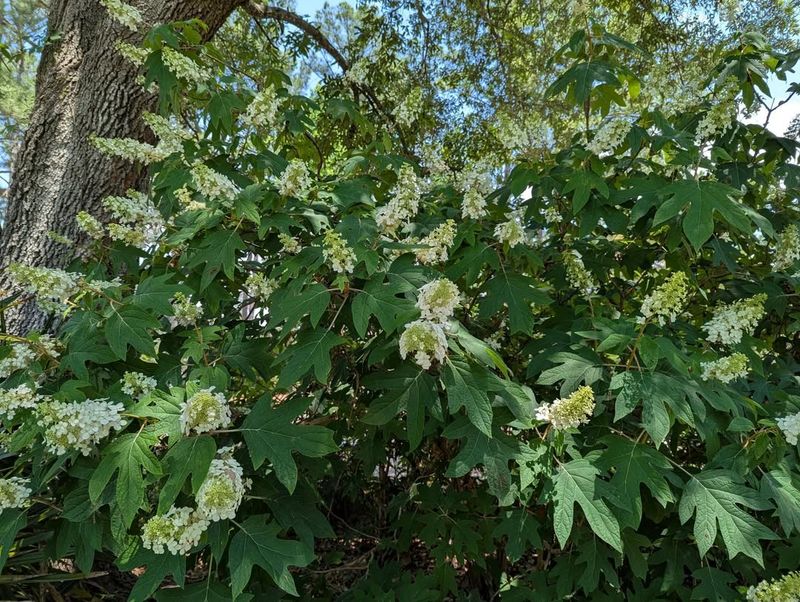
Finding a shrub that actually looks lush and blooms well in partial shade is one of gardening’s greatest challenges. Pennsylvania homeowners with tree canopies, north-facing beds, or tight spaces between buildings know the struggle.
Many popular flowering shrubs sulk in those conditions and produce only a handful of weak blooms.
Oakleaf hydrangea is built differently. It evolved in the understory of southeastern forests, where dappled light and filtered shade are the norm rather than the exception.
That background means it is genuinely comfortable in the kind of part-shade conditions that are common across Pennsylvania properties. Morning sun with afternoon shade is close to ideal for this plant.
In those conditions, the foliage stays a rich, deep green without scorching at the edges. The flowers still develop fully and hold their color well.
The plant does not stretch and lean toward light the way some shade-stressed shrubs do. It simply grows in a full, rounded, natural shape that looks like it belongs exactly where it is planted.
Moist, well-drained soil gives oakleaf hydrangea the best possible start in part-shade spots. Amending heavy clay with compost before planting makes a real difference, especially in areas where drainage is slow.
Once established, the plant becomes surprisingly tolerant of occasional dry spells even in shaded spots.
Pennsylvania neighborhoods with mature tree canopies often have yards full of challenging shade.
Rather than fighting that shade or planting annuals every year, choosing oakleaf hydrangea gives homeowners a permanent, beautiful solution that actually thrives in those conditions and improves every single year.
5. Its Fall Color Makes It Feel Like Two Plants In One
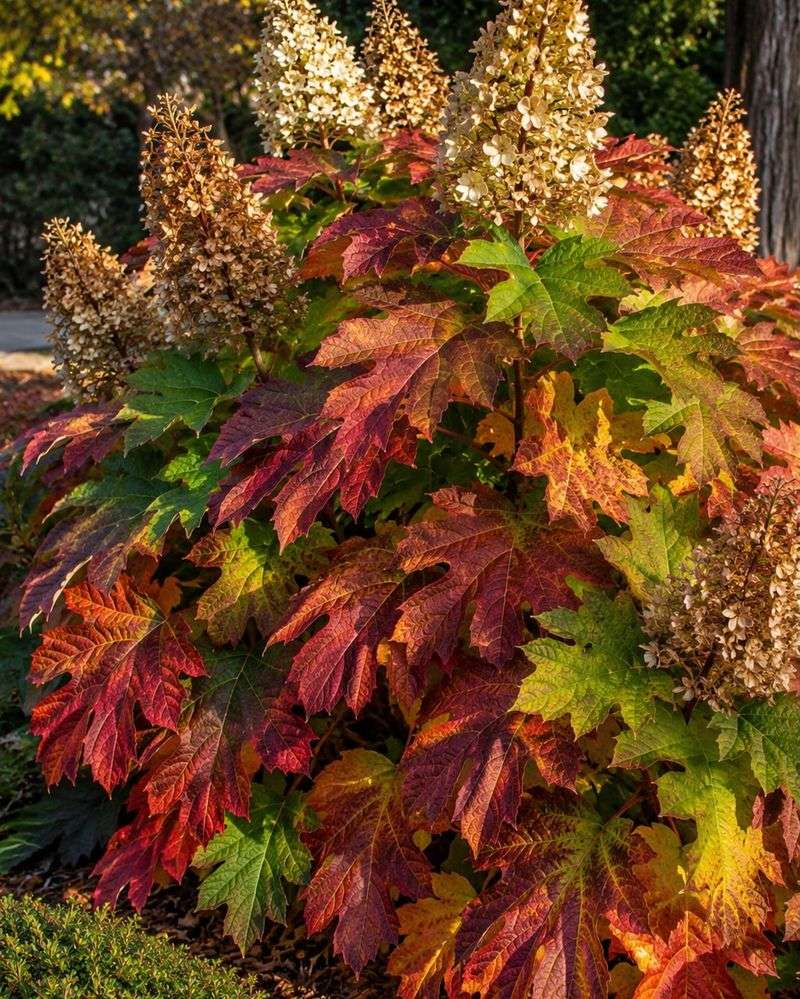
Most people plant oakleaf hydrangea for the summer flowers and then get completely surprised by what happens in autumn. The foliage transformation is that good.
Leaves shift from deep green into rich shades of red, burgundy, bronze, and sometimes deep purple as temperatures cool in September and October across Pennsylvania.
That fall color display is genuinely comparable to some of the best ornamental shrubs grown specifically for autumn interest.
Burning bush and Virginia sweetspire are common go-to choices for fall color, but oakleaf hydrangea matches them while also delivering a full summer of flowers and bold foliage. Getting both of those things from one plant is a real value for any garden.
Front yards and entry gardens benefit especially from that autumn show. When a homeowner’s front border explodes with deep red and burgundy oakleaf hydrangea foliage, it creates the kind of curb appeal that makes the whole property look well-cared-for and intentional.
Dried flower clusters often stay attached through fall, adding another layer of texture alongside the colored leaves.
The intensity of fall color can vary depending on the variety, the amount of sunlight the plant receives, and the specific weather patterns of a given year.
Plants growing in more sunlight tend to develop more vivid color. Cooler nights in early fall also seem to push the color deeper and richer.
Varieties like Pee Wee, Ruby Slippers, and Alice are especially known for strong fall color performance. Shopping for named varieties at a local Pennsylvania nursery is a great way to find plants that have been selected specifically for that autumn payoff.
6. The Peeling Bark Adds Winter Character
Winter can make a garden look completely empty and forgotten. Bare branches, brown mulch, and empty beds stretch on for months across Pennsylvania, and most shrubs offer nothing interesting to look at until spring.
Oakleaf hydrangea is one of the few plants that actually adds something worth seeing during those cold, gray months.
As the shrub matures, its stems develop a beautiful exfoliating bark that peels away in thin, papery strips. Underneath, the bark reveals warm cinnamon, tan, and reddish-brown tones that catch light beautifully on bright winter days.
It is the kind of detail that makes a garden feel alive and layered even when nothing is actively growing.
Dried flower heads often remain on the plant through winter, too. Those papery brown clusters add another texture against the peeling bark and bare winter sky.
Some gardeners leave them in place on purpose because they create a soft, natural look that feels right for a winter landscape. Birds occasionally use the dried flower clusters as a perching spot.
That winter bark texture is especially noticeable when oakleaf hydrangea is planted near a path, a front walkway, or a window where it can be seen up close from inside the house.
Placing the shrub where winter detail is visible from a frequently used space makes the most of that seasonal quality.
Older, more established plants show the best bark exfoliation. Patience pays off with this feature because younger plants have smoother stems.
By the time the shrub reaches four or five years old, the bark display becomes genuinely impressive and adds real personality to a winter garden.
7. It Fits The 2026 Shift Toward Lower-Maintenance, High-Impact Gardens
Gardening trends in 2026 are pointing in a clear direction: homeowners want plants that do a lot without requiring constant attention. Weekend gardeners, busy families, and first-time homeowners are all looking for the same thing.
They want a beautiful yard that does not turn into a second job. Oakleaf hydrangea fits that expectation almost perfectly. Once it is established, which typically takes two to three growing seasons, it asks for very little.
It does not need deadheading to look tidy. It does not require annual replanting like perennials that struggle to return reliably. Pruning is minimal and only necessary if the plant outgrows its space.
Fertilizing is optional in most Pennsylvania soils. A layer of compost mulch in spring gives it everything it needs in most situations.
Watering during the first summer is important for establishment, but after that, the plant handles normal Pennsylvania rainfall without much help from a garden hose.
Beyond low maintenance, oakleaf hydrangea also supports local pollinators and wildlife. The flowers attract bees and butterflies during the blooming season.
The dense branching structure provides shelter for small birds. That ecological value aligns with another strong 2026 trend: gardening with purpose and planting things that give back to the local environment.
Landscape designers across Pennsylvania are recommending oakleaf hydrangea more frequently because it satisfies clients who want results without complexity. It earns its space in the garden every single month of the year.
For anyone rethinking their yard in 2026, starting with one oakleaf hydrangea might be the best garden decision they make all year.