The Best Low-Maintenance Flowers For Busy Gardeners
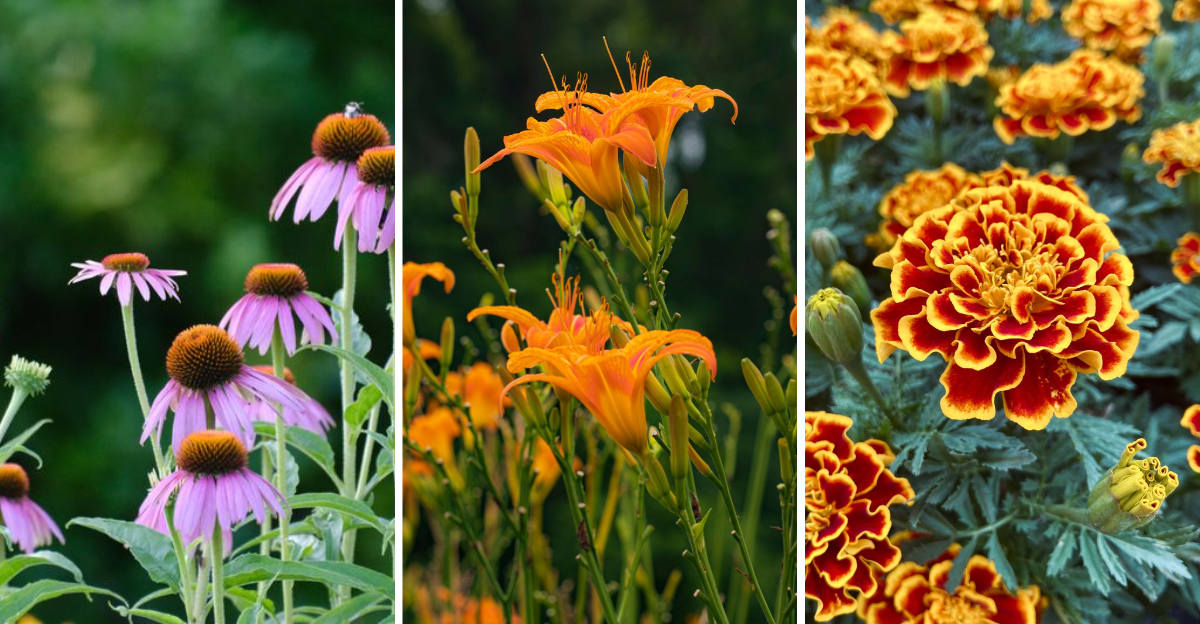
Your flower beds do not care that you have a job, a family, and a phone that buzzes every ten minutes. Left alone, they turn into a patch of crispy stems and guilt. Yet some flowers keep thriving no matter how often you forget them.
These plants shrug off dry spells, ignore the occasional weed, and still look magazine-ready. They root deep, resist pests, and bounce back after a scorching week without extra care.
Pick the right ones and your yard becomes the envy of every neighbor who spends their Saturdays hunched over a garden hose. Small patio or full backyard, these flowers deliver drama all season with barely any effort on your part.
1. Marigolds
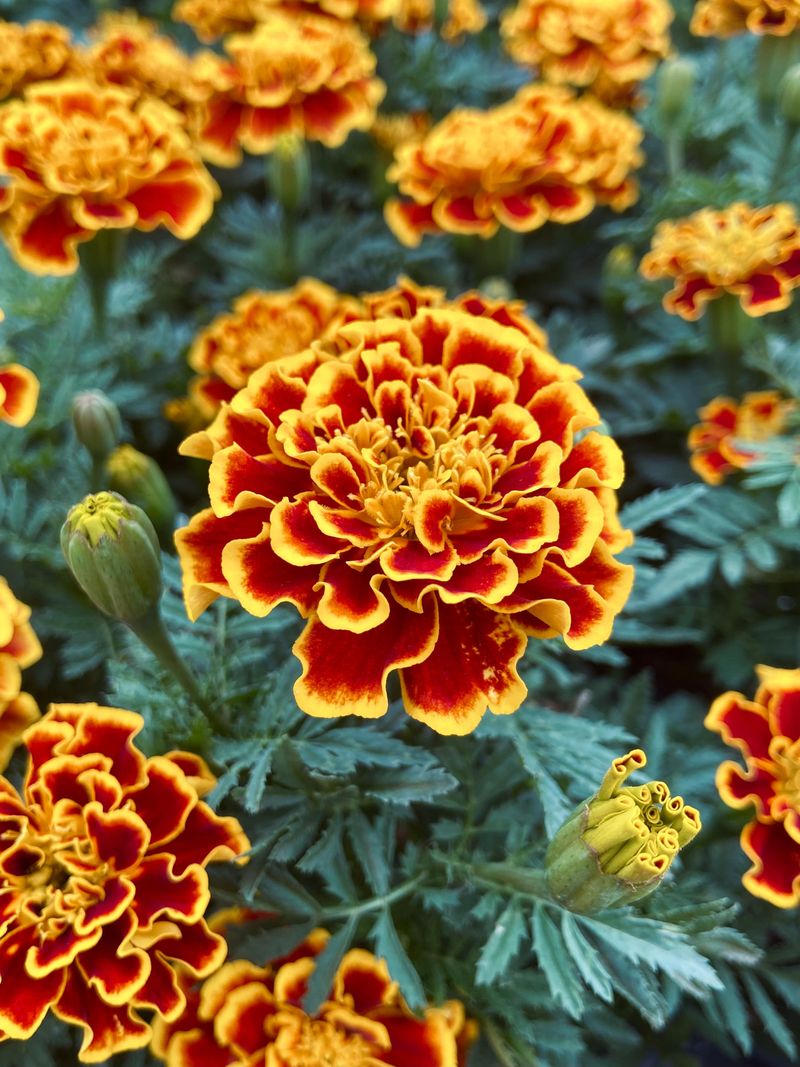
Marigolds are the overachievers of the flower world, blooming boldly without asking for much in return.
These cheerful, golden-orange beauties have been grown in gardens for centuries. Ancient Aztec cultures used them in ceremonies and medicine long before they became backyard staples.
Planting marigolds is almost embarrassingly simple. Drop seeds into well-drained soil, give them a sunny spot, and step back.
They handle heat like champs and bounce back after dry spells. Most varieties need watering only once or twice a week once they are established.
One of the best perks is pest control. Marigolds are known to repel certain nematodes in the soil, and many gardeners plant them near tomatoes and peppers for extra pest protection.
Plant them along garden borders or between vegetable rows and watch the whole space benefit. They pull double duty as protectors and showstoppers.
Removing spent blooms encourages more flowers, but skipping it will not hurt the plant. Marigolds are forgiving like that.
They come in shades ranging from pale yellow to deep burnt orange. You can mix varieties to create a gradient effect that looks planned and professional.
By midsummer, a marigold patch can look like a sunset froze in your yard.
2. Zinnias
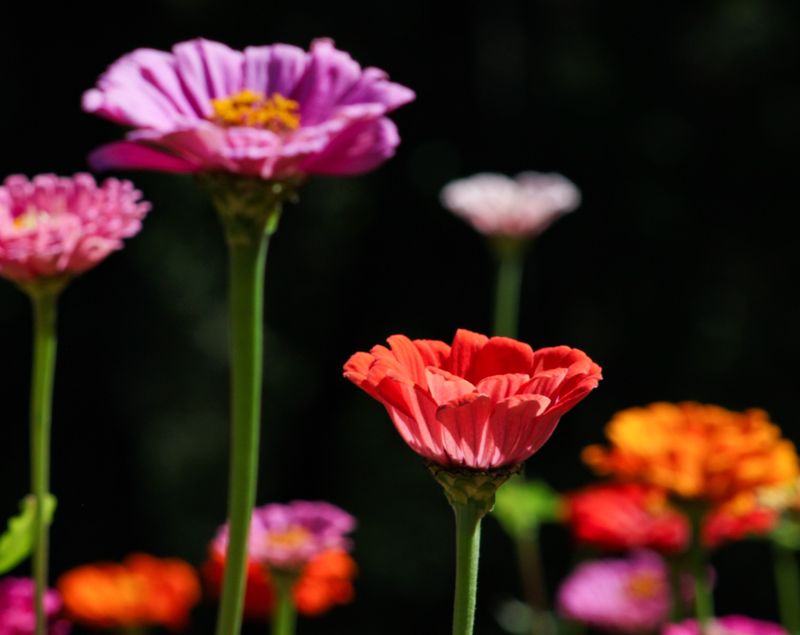
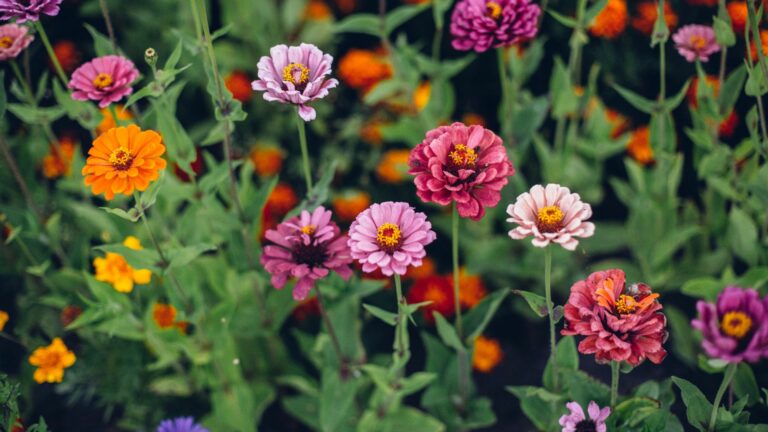
If flowers had personalities, zinnias would be the life of the party. Loud, colorful, and largely unbothered by neglect, they thrive in conditions that would make other plants sulk.
Zinnias grow fast, sometimes flowering within weeks of planting. That kind of speed is deeply satisfying when you want results without a long wait.
They love full sun and warm temperatures. Plant them after the last frost and they will take off like they have somewhere important to be.
Watering deeply but infrequently suits zinnias perfectly. They prefer dry conditions over soggy soil, so overwatering is actually the bigger risk.
One fun trick is to snip blooms for indoor vases. Cutting actually signals the plant to produce more flowers, turning your garden into a never-ending supply of fresh arrangements.
Zinnias attract butterflies and hummingbirds like a magnet. Watching pollinators flock to your yard adds a whole new layer of enjoyment to your gardening hobby.
They come in single, double, and semi-double bloom styles. Heights range from compact six-inch varieties to tall three-foot statement plants.
Zinnias are annuals, meaning they complete their life cycle in one season. But they self-seed generously, so you may find new plants popping up next spring without any effort from you.
3. Black-Eyed Susans
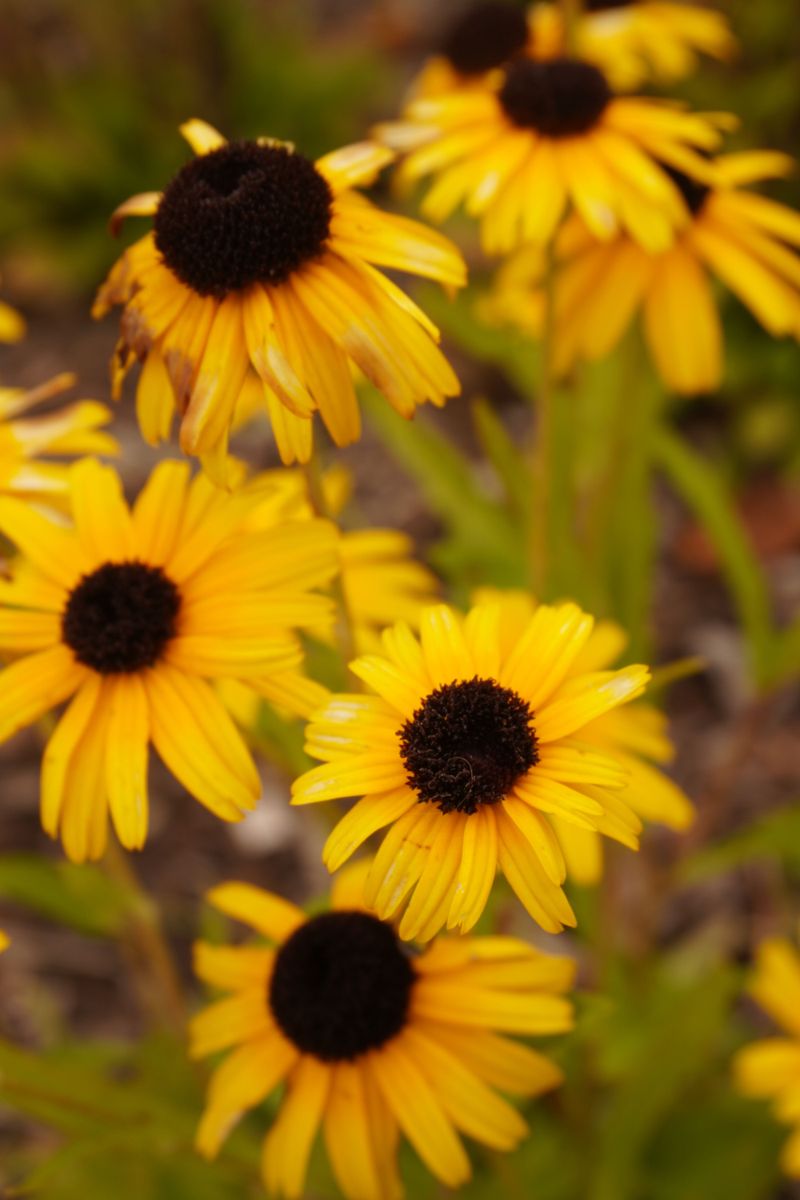
Black-Eyed Susans look like tiny suns scattered across a meadow. Their golden petals and dark chocolate centers create a contrast so striking that people often mistake them for professionally planted arrangements.
Native to North America, these wildflowers evolved to handle tough conditions. They laugh at drought, shrug at poor soil, and keep blooming through summer heat without complaint.
Planting them is straightforward. Scatter seeds in a sunny area, barely cover them with soil, and water lightly until sprouts appear.
After that, they are largely on their own. Established plants need watering only during extreme dry stretches, making them ideal for people who forget to water regularly.
Black-Eyed Susans spread naturally over time. A single plant can become a cheerful cluster within a couple of growing seasons.
They attract goldfinches, who love pecking at the seed heads in late summer. Leaving the spent blooms standing gives birds a natural food source through fall and winter.
These flowers also pair beautifully with ornamental grasses and purple coneflowers. The color combinations feel natural and effortless, like the garden designed itself.
They often return year after year through reseeding, even where they behave more like biennials than true perennials. That means less replanting and more admiring from your lawn chair.
For gardeners who want wildflower charm without constant upkeep, Black-Eyed Susans deliver season after season.
4. Coneflowers
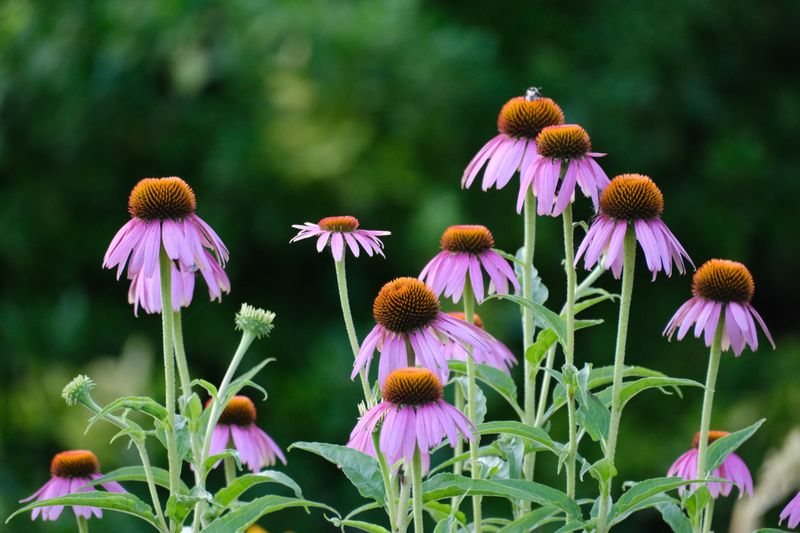
Coneflowers have a reputation for being nearly indestructible, and honestly, that reputation is well earned. These spiky-centered beauties handle heat, drought, and poor soil better than most garden plants you will ever grow.
Also known as Echinacea, coneflowers have a rich history in herbal medicine. Native American tribes used them for centuries to treat colds and infections long before they became garden favorites.
Modern gardeners grow them for pure visual appeal. The classic purple variety is stunning, but breeders have developed shades ranging from white and yellow to deep coral and red.
Plant coneflowers in full sun with well-drained soil and they will reward you generously. Once established, they need very little supplemental watering.
They bloom from midsummer into fall, which is a longer season than many other perennials offer. That extended color makes them incredibly valuable in a garden plan.
Pollinators consistently flock to coneflowers. Bees, butterflies, and even hummingbirds visit regularly, turning your yard into a buzzing, fluttering ecosystem.
Leaving seed heads standing through winter serves double duty. Birds feed on them while the dried stalks add sculptural interest to an otherwise bare winter garden.
Coneflowers multiply over time by self-seeding and spreading through root division. You can split clumps every few years to create new plants for free.
Few flowers offer this much beauty, wildlife value, and toughness in one package. Coneflowers belong in nearly every low-effort, high-reward garden.
5. Daylilies
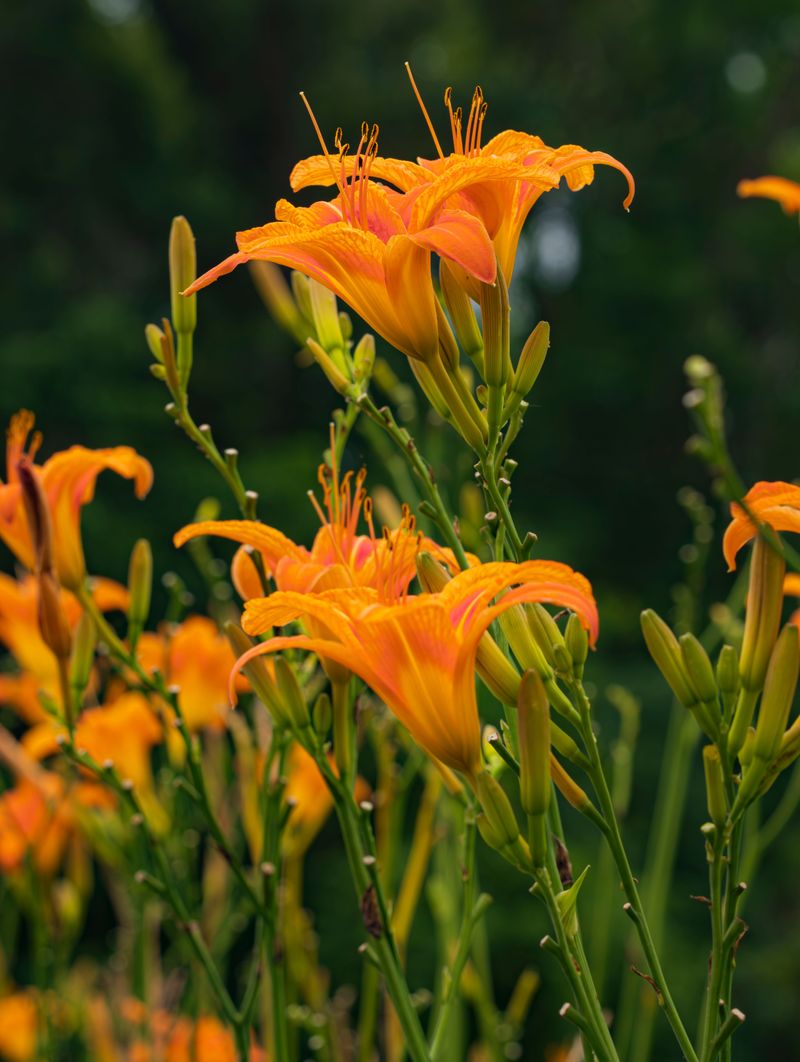
Daylilies are the workhorses of the perennial world, blooming enthusiastically even when ignored for weeks at a time. Each flower lasts just one day, but each plant produces dozens of buds, so the show keeps going all summer long.
Gardeners have grown daylilies for generations because of their reliability. They spread steadily, fill in bare spots beautifully, and ask for almost nothing in return.
Full sun to partial shade works fine for most varieties. That flexibility makes them easy to place almost anywhere in your yard without overthinking it.
Daylilies tolerate drought remarkably well once their roots settle in. During the first season, water them regularly to help them establish, then mostly leave them alone.
They come in thousands of cultivars, with colors spanning from pale cream to deep burgundy. Breeders have created ruffled edges, bi-colored petals, and unusual patterns that look almost tropical.
Dividing clumps every few years keeps plants vigorous and blooming heavily. It also gives you free plants to share with friends or expand your own beds.
Daylilies pair wonderfully with ornamental grasses and black-eyed susans. The combinations feel natural, like a meadow that organized itself with surprisingly good taste.
Pests rarely bother healthy daylily plants, and diseases are not a common concern. That low drama approach to growing makes them a dream for gardeners with limited time and patience.
If you want reliable beauty that returns every year without fuss, daylilies deliver dependable color with almost no upkeep.
6. Sedum
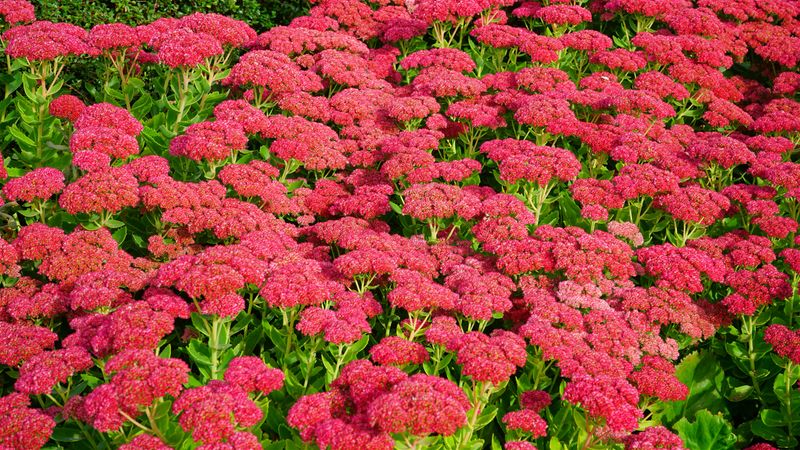
Sedum is the plant equivalent of that friend who thrives under pressure while everyone else falls apart. This tough succulent stores water in its thick leaves, making drought conditions feel like a minor inconvenience rather than a crisis.
There are hundreds of sedum varieties, ranging from low creeping ground covers to upright clumps that reach two feet tall. The tall varieties, often called Autumn Joy, produce flat-topped flower heads that bloom pink in late summer and fade to copper by fall.
Planting sedum successfully comes down to one basic rule: do not overwater it. These plants evolved in rocky, dry environments and actually suffer more from too much moisture than too little.
Full sun is their sweet spot, though they tolerate partial shade reasonably well. Sandy or gravelly soil that drains quickly suits them perfectly.
Sedum flowers attract late-season pollinators when most other plants have finished blooming. That timing makes them incredibly valuable for bees and butterflies trying to stock up before winter.
The seed heads stay attractive through the cold months, adding texture and visual interest to a winter garden. Many gardeners leave them standing specifically for that structural beauty.
Deer tend to avoid sedum, which is a significant bonus in suburban and rural gardens. Finding a plant that survives both drought and deer pressure feels like winning the gardening lottery.
7. Coreopsis
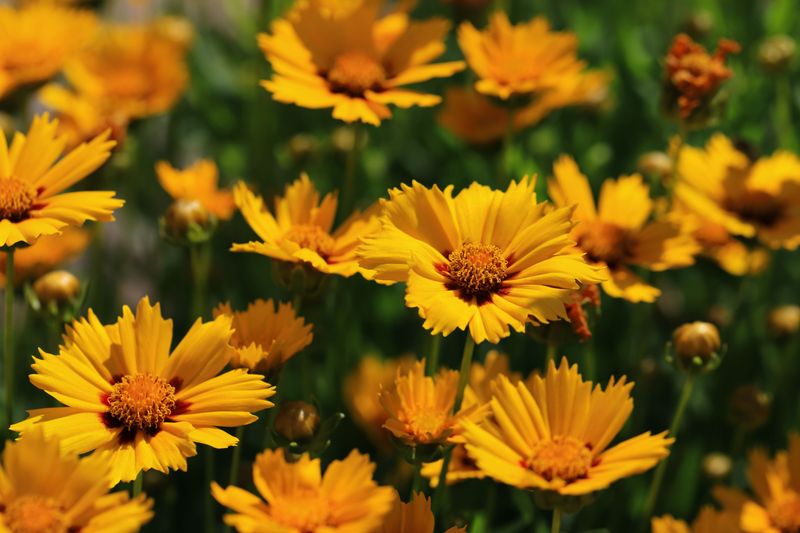
Coreopsis earns its nickname, Tickseed, by producing so many flowers that plants look thickly covered in cheerful blooms all season. This sunny perennial is one of the easiest flowers you will ever grow, and it shows off like it knows it.
Native to North America, coreopsis evolved to handle the region’s variable weather patterns. Heat waves, dry spells, and humidity do not slow it down noticeably.
Plant it in full sun and well-drained soil and you have basically done your job. Supplemental watering during the first growing season helps roots establish, but after that, rainfall usually handles things adequately.
Removing spent flowers extends the blooming period significantly. Snip off faded blooms every week or two and the plant responds by pushing out fresh flowers almost immediately.
Coreopsis blooms in shades of golden yellow, soft pink, and bi-colored red and yellow. The variety called Moonbeam produces delicate pale yellow flowers that look stunning against darker foliage plants.
Butterflies and bees visit coreopsis frequently throughout the growing season. Planting a cluster creates a lively pollinator hub right outside your window.
This perennial spreads slowly through the years, filling in garden spaces naturally. You can also divide clumps in spring to multiply your plants without spending extra money at the nursery.
Coreopsis pairs effortlessly with salvia, black-eyed susans, and ornamental grasses. The combinations look thoughtfully designed without requiring much planning from you.
8. Salvia
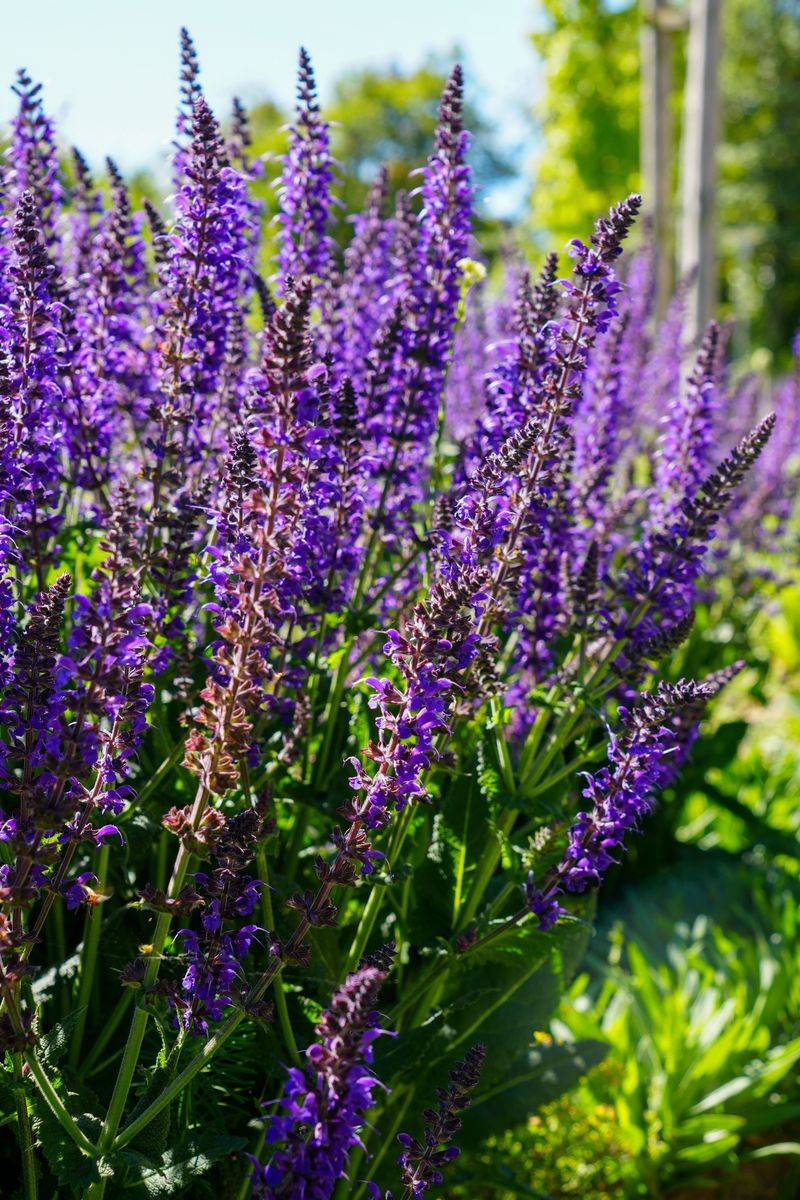
Salvia walks into the garden and immediately commands attention with its tall, vivid spikes of purple, blue, or red flowers. This plant is not shy, and that bold personality makes it one of the most rewarding low-effort choices available.
There are annual and perennial salvia varieties, so you can choose based on your climate and commitment level. Perennial types like Salvia nemorosa return each spring without replanting, which is a huge time saver.
Full sun and good drainage are the two main requirements salvia insists on. Meet those conditions and the plant practically takes care of the rest itself.
Salvia is remarkably drought tolerant once established. Its origins in warm, dry climates mean it is built for conditions that would stress out less resilient plants.
Cutting back plants after the first bloom flush encourages a second wave of flowers later in summer. That simple snip keeps the garden looking fresh without much additional effort.
Hummingbirds are particularly drawn to red salvia varieties. Watching them hover and feed just a few feet away is one of gardening’s most genuinely thrilling experiences.
Deer and rabbits typically avoid salvia due to its aromatic foliage. That natural resistance reduces the need for fencing or repellent sprays that take time and money to manage.
Salvia pairs beautifully with coreopsis and white shasta daisies. The color contrasts feel vibrant and intentional, like a professional landscape designer quietly did you a favor.
For low-maintenance flowers that deliver drama and wildlife appeal, salvia is an outstanding performer worth every inch of garden space it occupies.
9. Yarrow
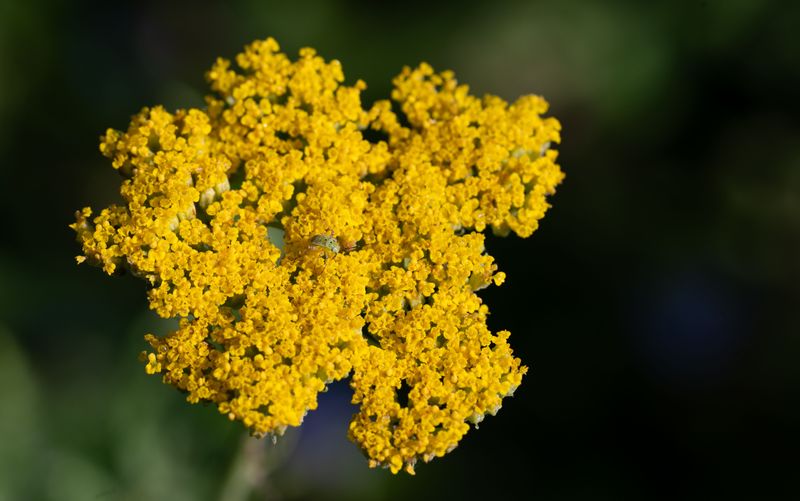
Yarrow is one of those plants that makes experienced gardeners smile knowingly when beginners ask about it. It is tough, adaptable, and beautiful in a way that feels effortless because, for yarrow, it genuinely is.
This ancient plant has been used medicinally for thousands of years across multiple cultures. According to Greek legend, the warrior Achilles used this plant to soothe injuries, which is where its Latin name, Achillea, comes from.
Modern gardens grow yarrow purely for its ornamental value. Flat-topped flower clusters in yellow, white, pink, and red bloom from early summer into fall with minimal intervention required.
Sandy, rocky, or poor soil suits yarrow just fine. It actually performs worse in rich, heavily amended soil, which means less work for you at planting time.
Drought tolerance is one of yarrow’s strongest qualities. Once established, it rarely needs supplemental watering except during extended dry periods that would stress almost any plant.
The feathery, aromatic foliage deters deer and most common garden pests. That natural protection reduces the headaches that come with growing more vulnerable plants nearby.
Yarrow spreads aggressively in ideal conditions, so planting it in contained areas or dividing it regularly keeps it from taking over. That spreading habit can also work in your favor when filling large bare areas quickly.
Cut yarrow for dried flower arrangements because the blooms hold their color beautifully after drying. Few garden plants transition so gracefully from outdoor bed to indoor decor.
Yarrow proves that low-maintenance flowers for busy gardeners can carry centuries of history while still fitting right into a modern American backyard.
10. Shasta Daisies
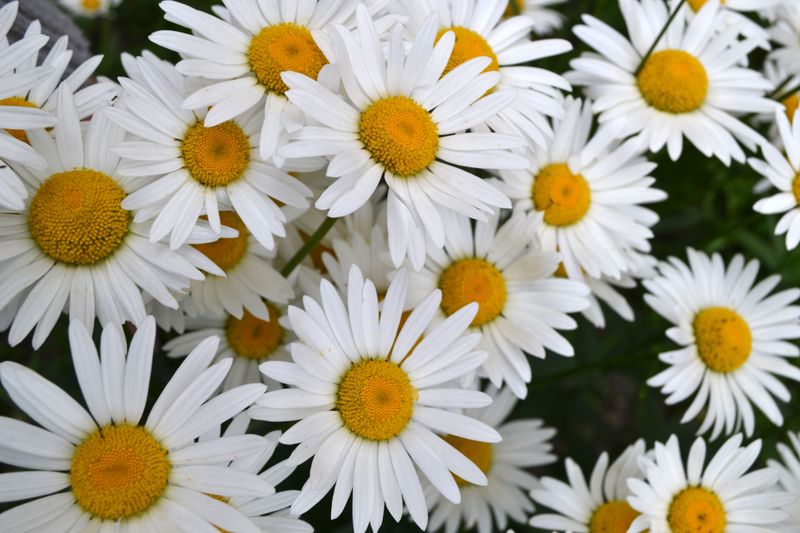
Shasta daisies are the flowers that show up in every childhood memory of a summer garden, white petals fanned around a golden center, simple and timeless. They carry a nostalgic warmth that no trendy hybrid can quite replicate.
Developed in the early 1900s by American botanist Luther Burbank, Shasta daisies were bred specifically for toughness and beauty. Burbank spent years crossing several daisy species to create a plant that could handle North American growing conditions with ease.
Plant them in full sun with average, well-drained soil and they establish quickly. They are not fussy about soil quality, which makes them forgiving for gardeners still learning the basics.
Once established, Shasta daisies handle short dry spells reasonably well, though they still prefer consistent moisture.
Removing spent blooms keeps plants tidy and encourages continuous flowering through summer. Cutting stems back by about a third after the main bloom period often triggers a second flush of flowers.
They grow in clumps that expand gradually each season. Dividing plants every two to three years keeps them blooming vigorously and prevents overcrowding in the bed.
Shasta daisies attract butterflies and beneficial insects throughout the growing season. Their classic open-faced flowers are easy for pollinators to access, making them an ecologically friendly choice.
They pair beautifully with purple salvia, blue ornamental grasses, and coneflowers. Those combinations create a cottage garden look that feels warm, welcoming, and easy to achieve.
Shasta daisies remind us that low-maintenance flowers for busy gardeners can be both simple and spectacular at the same time.