8 Drought-Tolerant Flowers That Save Gardeners Time And Water
Dry soil greets you before sunrise, promising yet another demanding day. Texas heat tests your patience long before it tests your flowers.
Water bills climb steadily while you watch your lawn beg for relief. Gardeners across Texas will tell you certain blooms handle drought effortlessly.
Nobody ever warns you that such toughness can look absolutely stunning. Blazing afternoons challenge delicate petals, yet yours could grow stronger.
Drought doesn’t ever have to end your dream of a colorful yard. Some flowers actually crave the exact conditions you secretly dread most.
Busy schedules shouldn’t force you to give up the color you love. Restrictions on water don’t have to restrict your imagination.
Resilience quietly hides inside petals you’d never expect to thrive. Surprising strength lives behind blooms you probably overlook completely today.
Confidence endlessly grows wherever neglect meets the flowers you choose. Your yard is about to become something you cannot ignore.
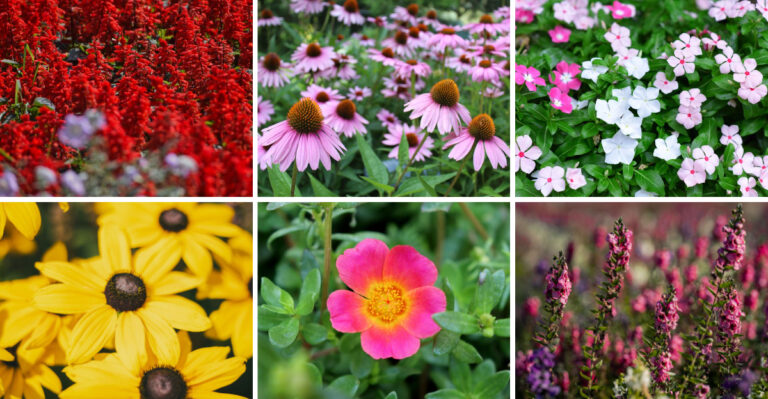
1. Black-Eyed Susan
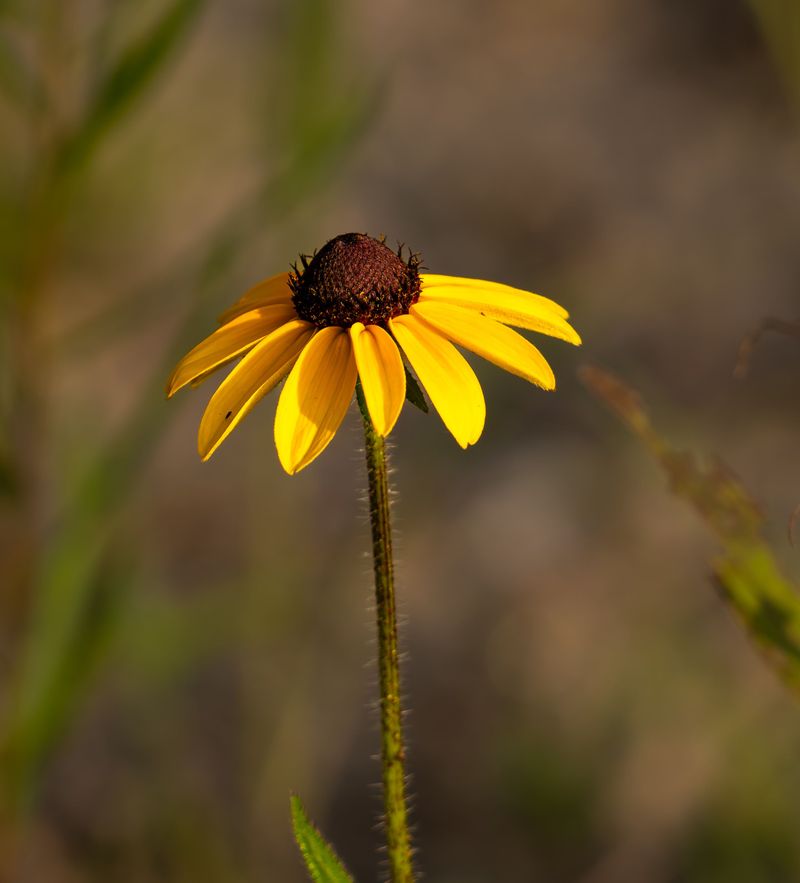
There is something deeply cheerful about a black-eyed susan. Those golden yellow petals surrounding a rich, dark center radiate warmth and quiet good energy.
Black-eyed susan is a native wildflower that grows across meadows, roadsides, and prairies naturally. That wild origin story explains exactly why it handles drought so effortlessly.
It blooms from midsummer into fall, bridging that awkward gap when many spring flowers have already faded. Your garden stays vibrant during the hottest, driest part of the year, when other plants start to struggle.
Plant black-eyed susans in full sun and they practically take care of themselves. Minimal watering, no fussy soil requirements, and very little ongoing maintenance make this flower a dream for busy gardeners.
It naturalizes beautifully in cottage gardens, meadow plantings, and even formal borders without looking out of place. The bright color works with nearly every other flower, making it one of the most versatile plants you can grow.
Finches and sparrows flock eagerly to the seed heads throughout late fall and into winter. Leaving those dried stems standing through the colder months benefits local wildlife and adds structure to a quiet garden.
Black-eyed susan pairs especially well with ornamental grasses for a relaxed, naturalistic look that feels intentional rather than overplanned. That combination creates a living garden scene that shifts naturally with each passing season.
For drought-tolerant flowers that bring pure sunshine to dry, sun-baked spaces, black-eyed susan never disappoints. It is the kind of plant that makes gardening feel easy and genuinely rewarding.
2. Russian Sage
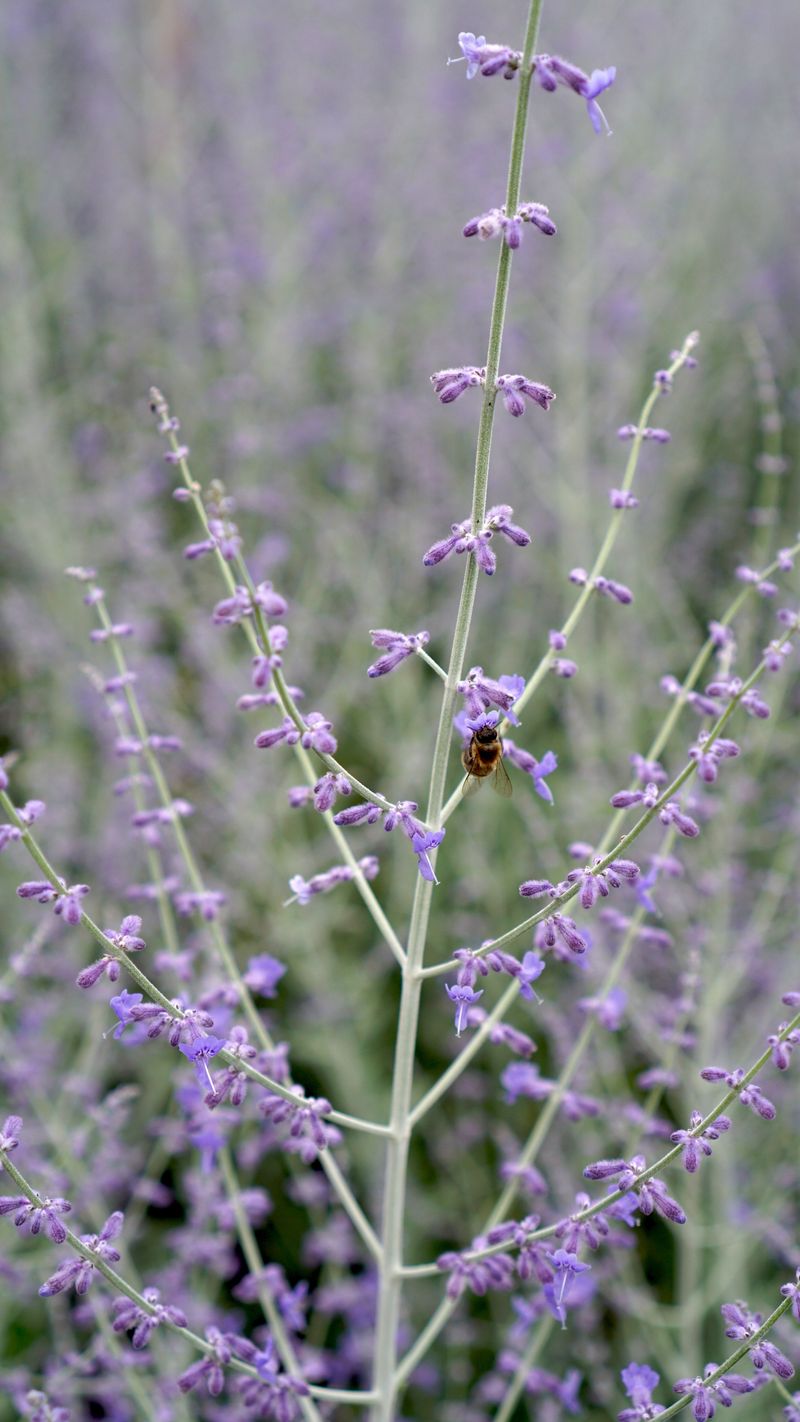
Russian sage looks like something out of a watercolor painting. Its tall, airy stems are covered in tiny lavender-blue flowers that seem to float above silver-gray foliage.
Despite the elegant appearance, this plant is incredibly tough. It tolerates drought, poor soil, and scorching afternoon sun without missing a single bloom.
Russian sage belongs in the back of a garden border where its height creates drama. Pair it with bright yellow or deep red flowers and the contrast becomes almost jaw-dropping.
The silvery stems are aromatic, which is a bonus when you brush past it on a warm evening. That soft, herbal scent adds a whole sensory layer to your garden experience.
Established plants need almost no supplemental watering once summer kicks in. They pull moisture from deep in the soil, making them perfect for water-conscious gardeners.
Pruning is simple: cut it back hard in early spring and it bounces back fuller and stronger. That yearly reset keeps the plant looking fresh rather than woody and tired.
Bees absolutely love Russian sage, so planting it supports your local pollinator population too. It is a functional beauty that earns its spot in any drought-tolerant garden.
Among drought-tolerant flowers, Russian sage stands out for its sophistication. It brings a soft, romantic quality to spaces that might otherwise look harsh and sun-baked.
3. Blanket Flower
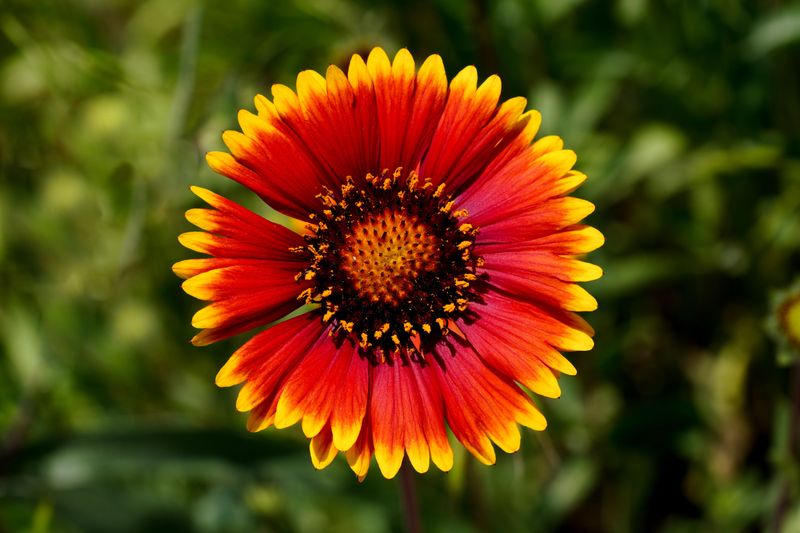
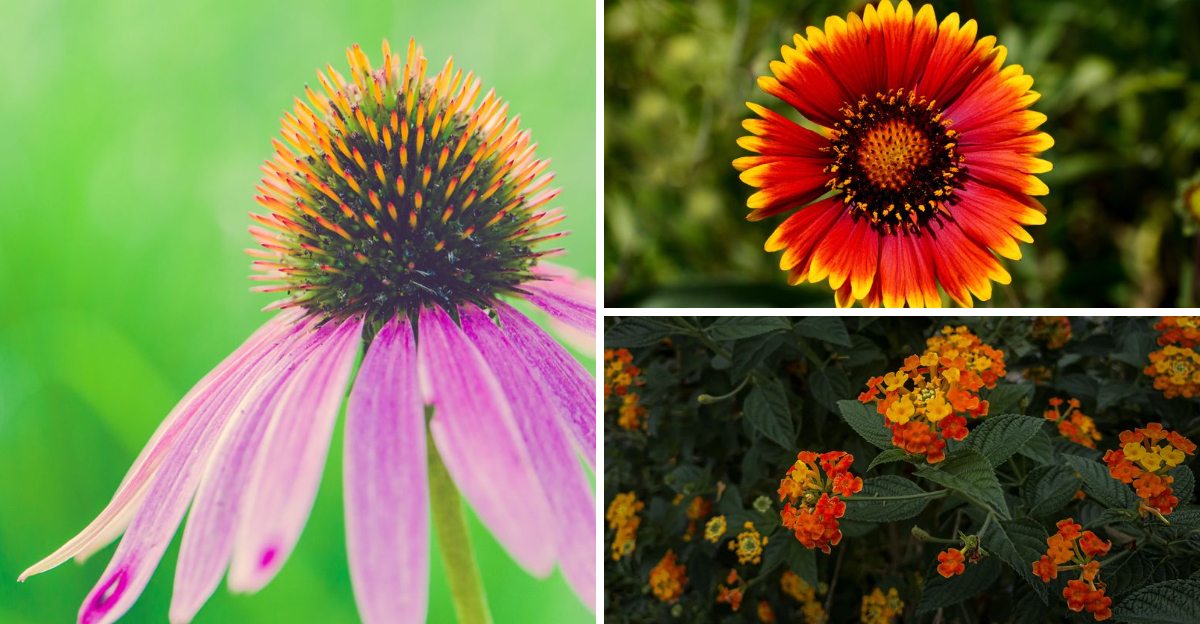
Blanket flower is said to have earned its name from its bold, patterned blooms, which resemble colorful textiles traditionally made by Native American artisans. Those fiery red, orange, and yellow petals are genuinely hard to ignore.
This native wildflower has been thriving in North American prairies for centuries. It evolved in tough, dry conditions, which means it is practically built for neglect.
Blanket flower blooms from early summer all the way into fall, giving it an unusually long season. You get months of color with relatively little effort.
Plant it in well-drained soil and full sun for the best results. Soggy roots are its one true weakness, so avoid low-lying spots that collect standing water after rain.
Removing spent blooms keeps the flower production going strong. Snip off the faded heads and the plant responds by pushing out fresh new buds almost immediately.
Birds love the seed heads left behind after blooming ends. Letting a few go to seed in fall gives local wildlife a natural food source heading into winter.
Blanket flower pairs beautifully with ornamental grasses and black-eyed susans in a prairie-style planting. That combination creates a wild, natural look that feels effortless and completely on-trend right now.
For gardeners who want reliable, cheerful color without constant care, blanket flower delivers. Its tough prairie roots make it one of the most dependable drought-tolerant flowers around.
4. Lantana
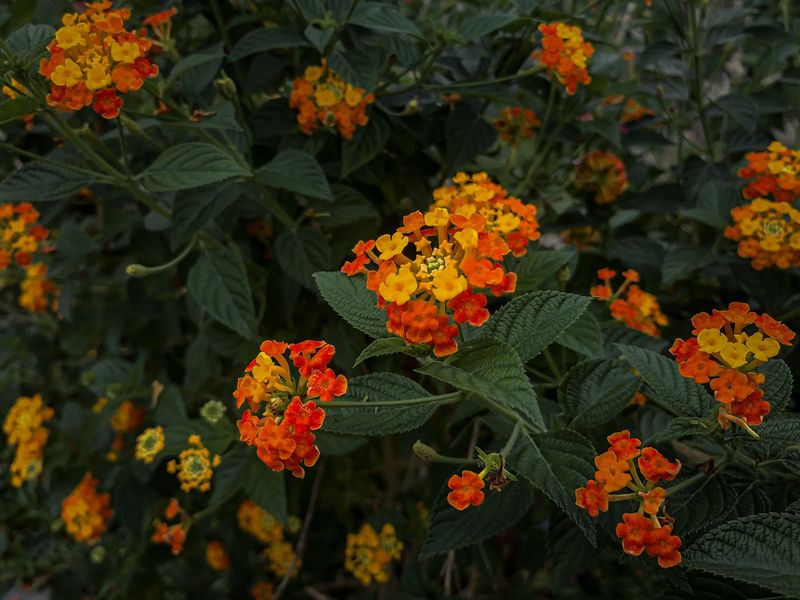
Lantana is one of the most productive plants in the drought-tolerant world. It blooms in wild clusters of orange, yellow, pink, and red, often all on the same plant at once.
Pollinators are strongly attracted to it. Butterflies and hummingbirds treat lantana like an all-you-can-eat buffet from spring straight through fall.
You can grow it in containers on a hot patio or let it sprawl across a dry garden bed. Either way, lantana shows up looking spectacular without asking for much in return.
Once established, it handles heat and dry soil reliably. It actually performs better when you ease up on the water, which feels almost too good to be true.
Lantana thrives in full sun, so give it the hottest, brightest spot in your yard. Poor soil? No problem. This plant does not require rich or amended soil to thrive.
Trim it back occasionally to keep the shape tidy and encourage fresh blooms. A light pruning every few weeks keeps lantana looking intentional rather than wild and overgrown.
One fun fact: lantana has a long history of use in traditional folk remedies in parts of the tropics. That history hints at just how tough and adaptable this plant truly is.
If you want color that refuses to quit, lantana is your answer. Plant it once and watch it reward your low-maintenance lifestyle all season long.
5. Coneflower
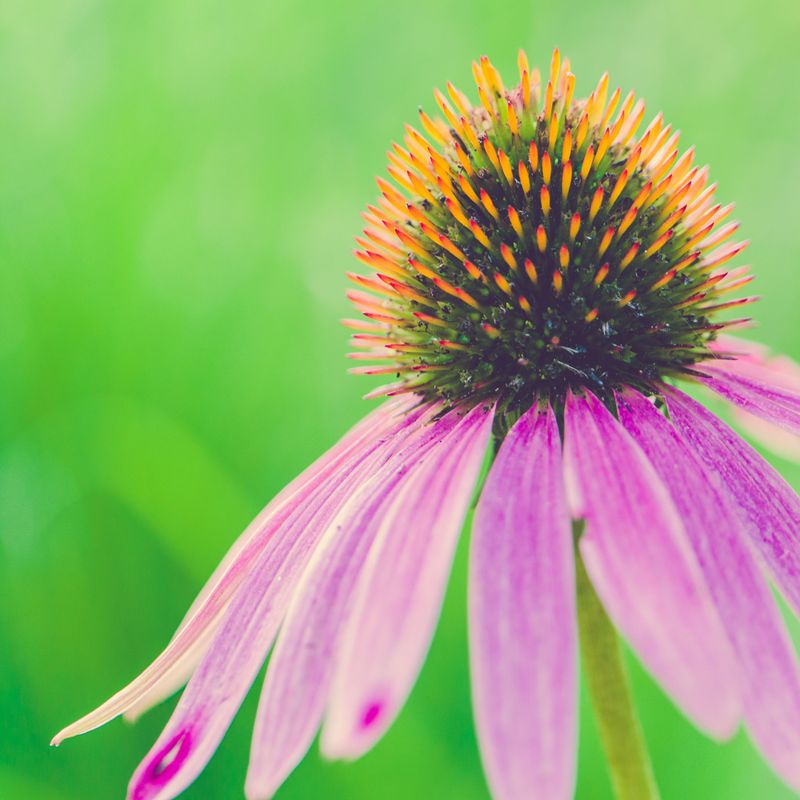
Coneflower, or echinacea, is probably already growing somewhere in your neighborhood. It is that classic purple daisy-like flower with the spiky orange-brown center that shows up in gardens everywhere.
Its popularity is completely deserved. Coneflower is tough, beautiful, and incredibly useful to pollinators all at the same time.
Butterflies, bees, and goldfinches all depend on coneflower throughout the growing season. The seeds that form after blooming become a critical winter food source for birds.
Modern breeding has introduced coneflowers in pink, white, yellow, orange, and even deep red. You can build an entire garden palette using just this one versatile, drought-hardy species.
Once established, coneflower handles dry spells with ease. Its deep taproot pulls moisture from soil layers that shallower plants simply cannot reach during a dry stretch.
Plant it in full sun to partial shade and it will adapt. Few flowers offer that kind of flexibility while still maintaining such reliable bloom performance through the heat.
Coneflower spreads gently over time by self-seeding, so one plant can quietly become a small colony. That natural spreading fills bare spots in the garden without any extra effort on your part.
Among drought-tolerant flowers, coneflower is the one that seems to do it all. It is low-maintenance, long-blooming, wildlife-friendly, and genuinely stunning from midsummer through early fall.
6. Yarrow
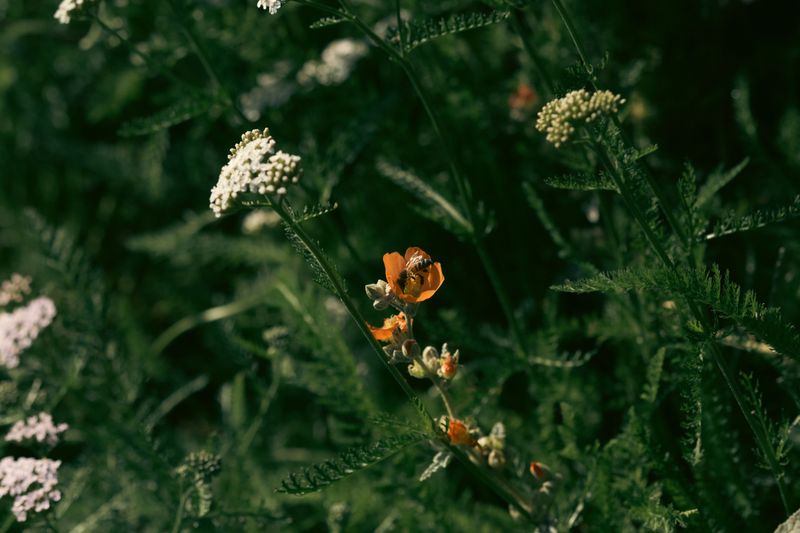
Yarrow has been growing wild across Europe and North America for thousands of years. According to long-standing legend, ancient soldiers used it to help stop bleeding during combat, a story that hints at its remarkable resilience.
Today, yarrow is celebrated more for its garden value than its first-aid history. Its flat-topped flower clusters come in white, yellow, pink, red, and salmon, making it wildly versatile.
The feathery, fern-like foliage is attractive even when yarrow is not blooming. That textured greenery adds visual interest to garden beds during the quiet weeks between flower flushes.
Yarrow thrives in poor, dry soil and full sun. Rich, moist soil actually weakens the stems, causing them to flop over, so hold back on the fertilizer and extra watering.
Pollinators swarm yarrow from late spring through late summer. The wide, flat blooms create a natural landing pad for bees and beneficial insects looking for easy access to pollen.
Cutting yarrow for dried arrangements is one of its most underappreciated uses. The flowers hold their color beautifully when dried, giving you a way to enjoy the garden indoors all winter.
Dividing yarrow every few years keeps clumps healthy and vigorous. Simply dig up the root mass in early spring, split it apart, and replant the divisions for even more coverage.
Among drought-tolerant flowers, yarrow earns extra points for its historical depth and sheer adaptability. It is a survivor in every sense of the word.
7. Zinnia
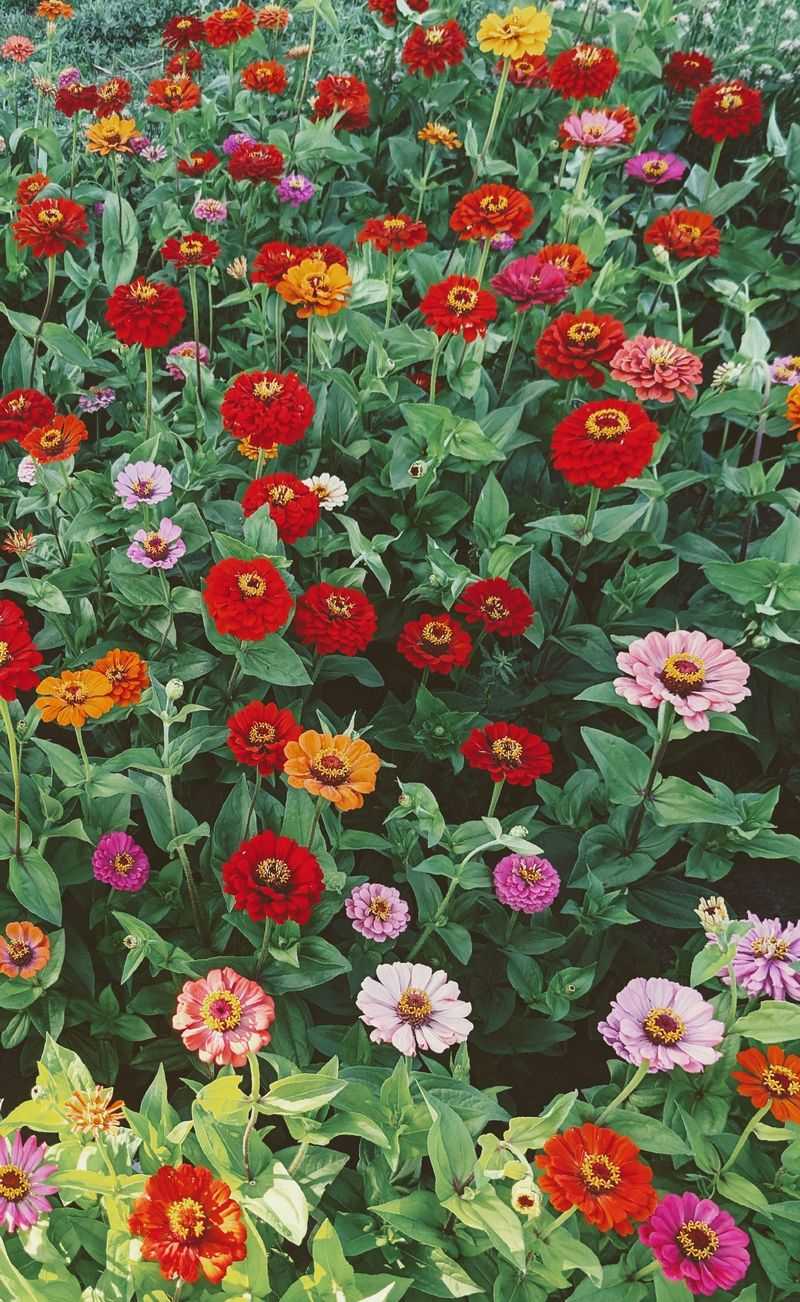
Zinnias are a lively addition to the summer garden. They show up bold and colorful, drawing attention from every passerby.
What most people do not realize is that zinnias are also surprisingly tough. Once established, they handle heat and dry conditions far better than their flamboyant appearance suggests.
Zinnias come in almost every color imaginable, from pure white to deep burgundy to neon orange. You can design an entire garden using just zinnias and never run out of color combinations.
Direct sow seeds into warm soil after the last frost and germination happens fast. Within days you will see tiny seedlings pushing up, and blooms follow in about eight to ten weeks.
Trimming is the secret to keeping zinnias producing all season. Removing spent flowers signals the plant to keep making new buds instead of putting energy into seed production.
Monarch butterflies are particularly drawn to zinnias during their late-summer migration. Planting a patch near your home could give you a good chance to see migrating monarchs up close.
Zinnias also make extraordinary cut flowers that last well in a vase. Cutting them regularly actually encourages more blooms, so harvesting from the garden benefits the plant and your home decor.
As drought-tolerant flowers go, zinnias bring the most visual excitement per square foot. Plant generously and enjoy the kind of garden that draws attention from the sidewalk.
8. Salvia
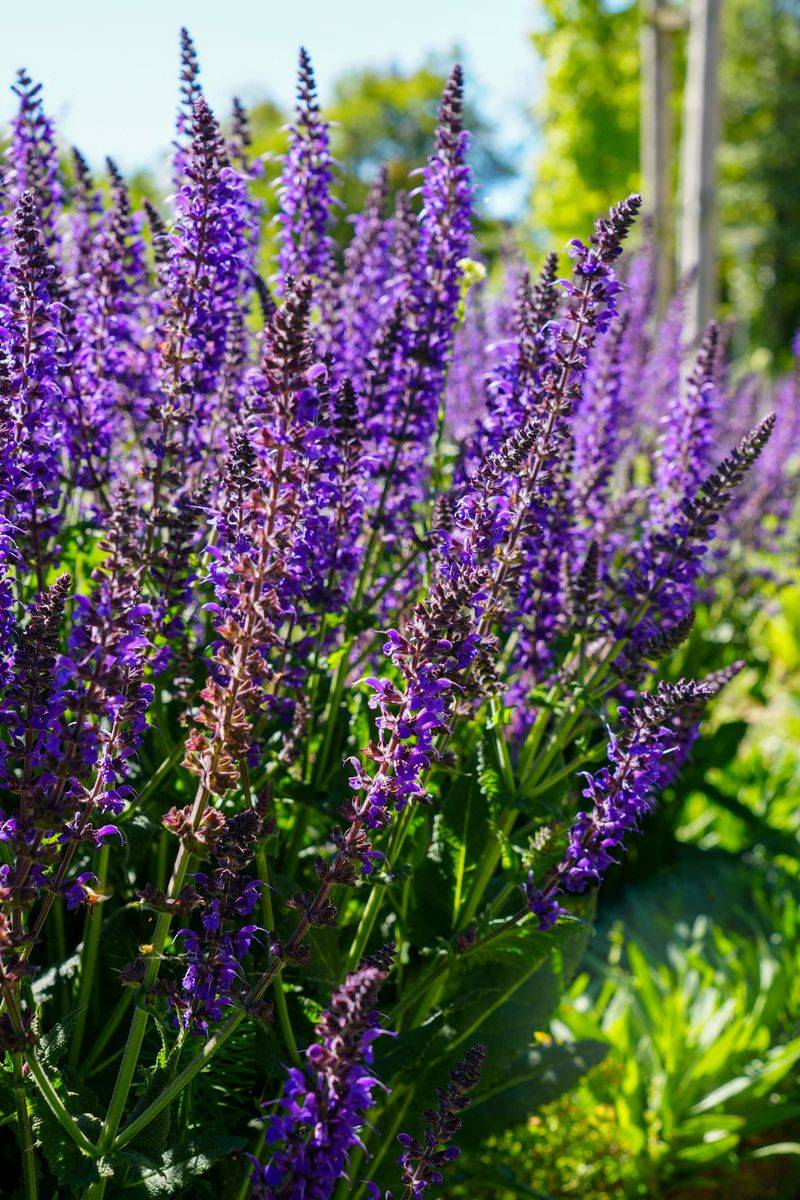
Salvia is a reliable perennial that experienced gardeners keep reaching for year after year. Its tall spikes of deep blue, purple, or red blooms have a refined elegance that feels almost effortless.
There are hundreds of salvia species, ranging from compact annuals to large woody perennials. That variety means there is a salvia perfectly suited to nearly every garden size and climate zone.
Hummingbirds are strongly drawn to salvia, often favoring it over other blooms in the yard. The tubular blooms are perfectly shaped for their long beaks, creating a reliable food source throughout the warm months.
Salvia’s aromatic foliage is a natural deterrent for deer and rabbits. If browsing animals have been a problem in your garden, salvia gives you beauty and built-in pest protection simultaneously.
Most salvias prefer well-drained soil and full sun, though some tolerate partial shade. Avoid overwatering because salvia roots are prone to rot when soil stays soggy for extended periods.
Cutting back spent flower spikes encourages a second or even third flush of blooms. That simple step stretches the visual season and keeps the plant looking neat and intentional throughout summer.
Annual salvias like Salvia splendens bring bold red color to summer containers and borders. Perennial types like Salvia nemorosa return each spring, getting bigger and better with every passing year.
For drought-tolerant flowers that combine grace, wildlife value, and real staying power, salvia is the one to trust. Plant it and wonder why you waited so long.