What Oregon Gardeners Should Do When Hydrangea Blooms Brown Too Early
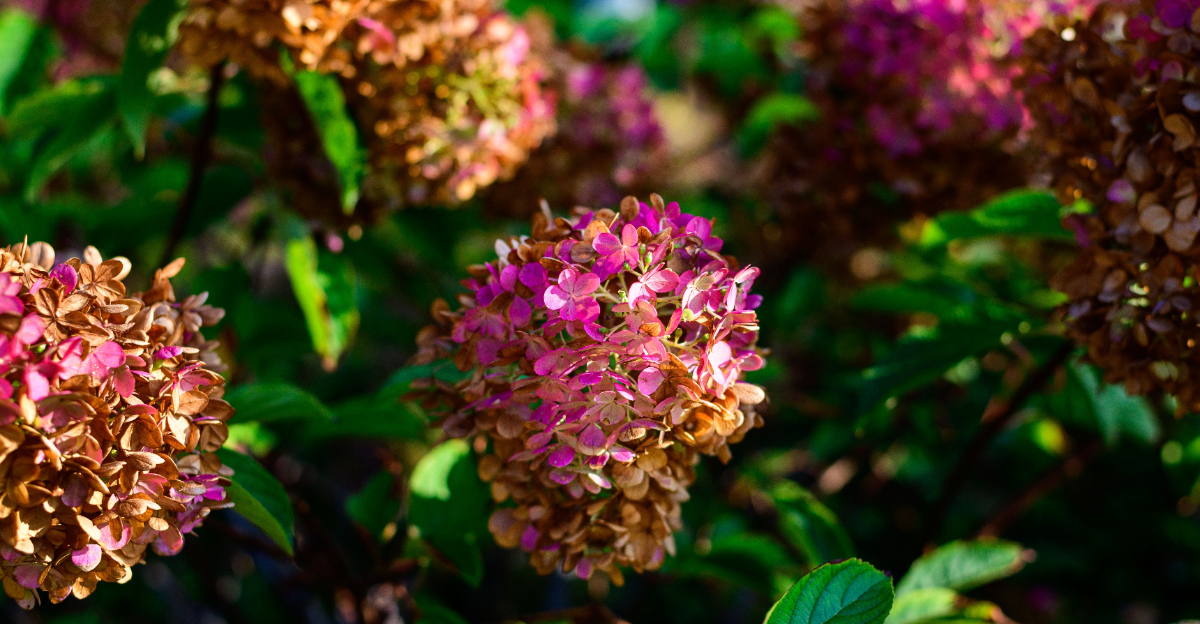
Hydrangeas are supposed to be the showoffs of the summer garden, so brown blooms arriving early can feel like a personal betrayal. One day, the flowers look lush and colorful.
Soon after, they appear tired, papery, and ready to retire long before the season is over.
The cause is not always obvious. A plant may look healthy overall while its blooms tell a very different story.
Oregon weather can add another layer of confusion, especially when conditions shift quickly and the garden cannot quite keep up. Dramatic, but understandable.
Reaching for the pruners may seem like the easiest fix, yet the next step deserves a little thought. What happens now can affect the plant’s appearance and its ability to recover.
Early browning does not automatically mean the hydrangea is failing. A closer look can reveal what the plant needs and help those disappointing flowers make a lot more sense.
1. Check Whether Heat Is Aging Blooms Fast
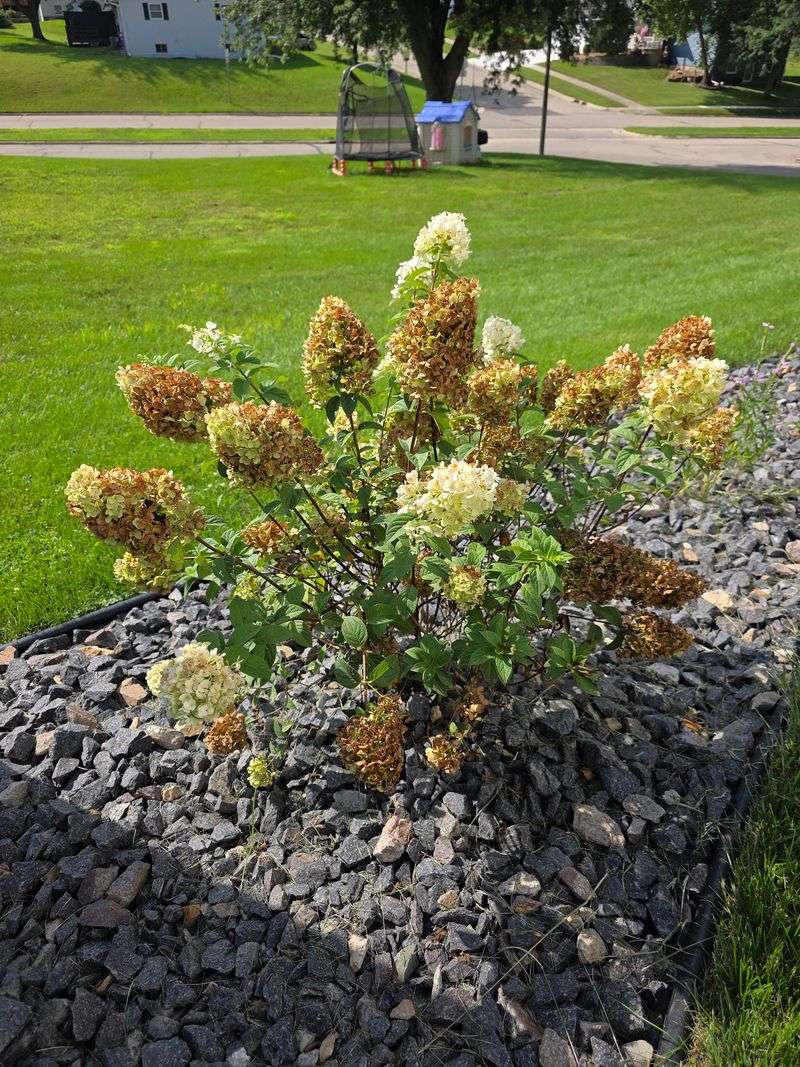
Not every brown bloom means your plant is in trouble. Sometimes the heat is simply moving faster than the flowers can handle.
Hydrangeas are known for loving mild, moist conditions, and when temperatures spike above 85 degrees, the blooms can start browning within just a day or two.
Oregon is beautiful, but the summers here can be sneaky. A stretch of hot, dry days in July or August can catch gardeners off guard, especially after a cool spring.
The blooms on your hydrangea may look perfectly fine one morning and then papery and brown by evening.
Before you panic or pull anything out, take a close look at the flowers. Are the leaves still green and healthy?
Is new growth still coming in at the tips? If so, heat stress is likely the main cause, not a disease or pest problem.
Check the soil around the base of the plant too. If it feels dry just an inch below the surface, your hydrangea is probably not getting enough water to survive the heat.
Hot air pulls moisture out of flower petals faster than roots can replace it.
Knowing that heat is the cause actually puts you in a great position. You can act quickly by increasing water, adding shade cloth, or adjusting when you water.
Catching the problem early gives your plant the best chance to keep producing healthy new blooms throughout the season.
2. Morning Sun Is Gentler Than Afternoon Sun
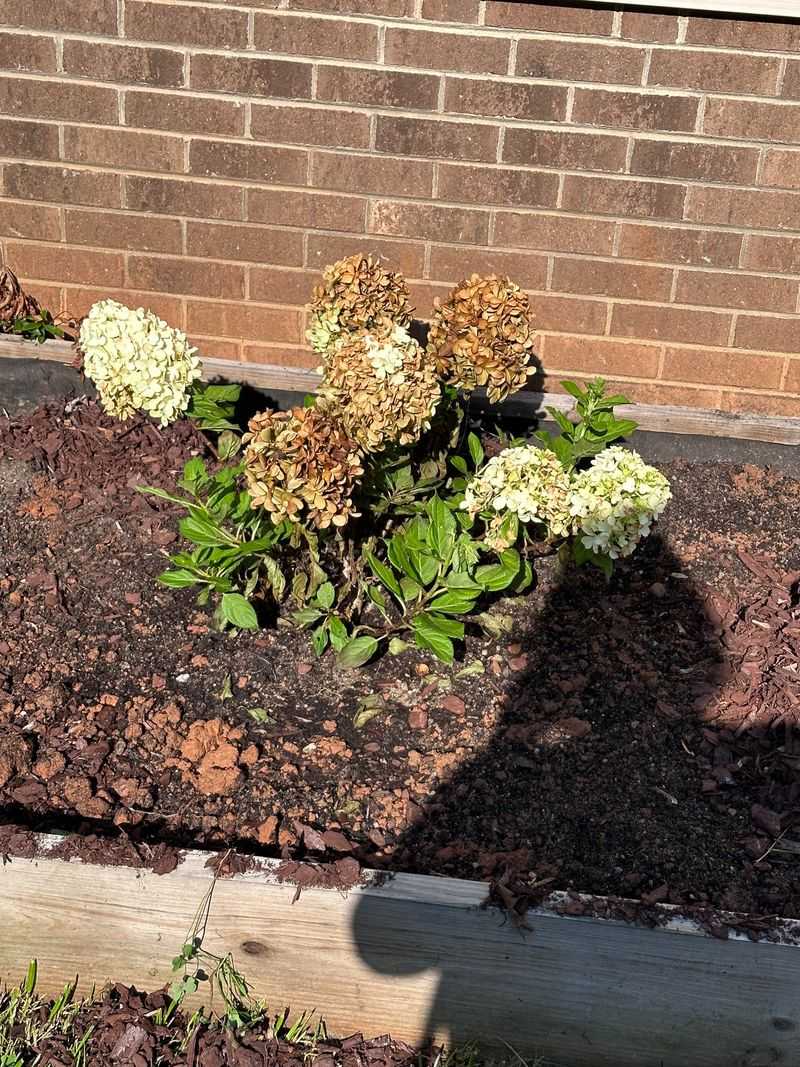
Sunlight is not the same all day long. Morning sun is soft, warm, and easy on delicate flower petals.
Afternoon sun, especially between 1 p.m. and 5 p.m., is much more intense and can scorch blooms quickly.
Many gardeners in Oregon plant hydrangeas in full sun spots without realizing how brutal the western afternoon sun can be during a heat wave.
Even varieties that are labeled as sun-tolerant can struggle when temperatures climb above 90 degrees for several days in a row.
If your hydrangea is planted in a spot that gets direct afternoon sun, consider adding a temporary shade structure.
A simple piece of shade cloth attached to stakes can block 30 to 50 percent of that harsh light without blocking airflow. It does not have to be permanent or expensive.
Your Oregon Garden Changes Every Week. Your Plan Should Too.
Gardening in Oregon changes quickly throughout the season. Every Friday you’ll receive a simple weekly plan showing exactly what to plant, prune, fertilize, harvest, and protect so you never miss the right timing.
You can also use taller plants or shrubs to create natural shade. Planting your hydrangea on the east side of a fence or building is another smart trick.
That way it gets plenty of gentle morning light but stays protected during the hottest part of the day.
Repositioning a potted hydrangea is even easier. Just move it to a shadier spot during heat waves and bring it back once temperatures cool down.
Paying attention to where and when the sun hits your garden can save your blooms from turning brown before their time.
3. Deep Water Before The Plant Wilts
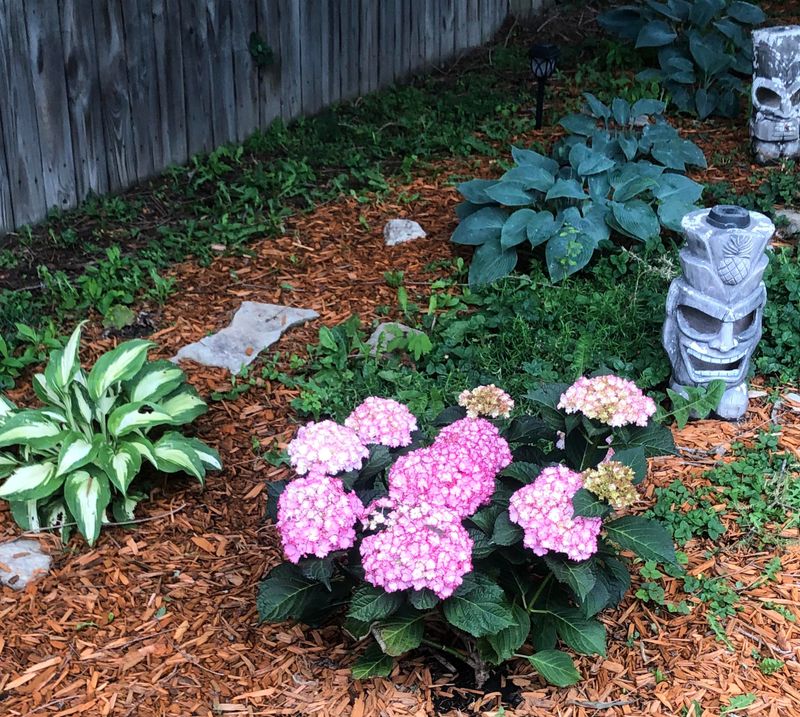
Watering your hydrangea before it shows signs of stress is one of the smartest things you can do during a hot stretch.
Most Oregon gardeners wait until the leaves start to droop, but by then the plant has already been struggling for hours. Getting ahead of the problem keeps blooms fresher for longer.
Deep watering means soaking the soil slowly so water reaches the roots, not just the top inch or two. A quick spray from the hose does not cut it during hot weather.
You want the moisture to go down at least six to eight inches where the roots are actually absorbing it.
Try watering early in the morning before the heat sets in. This gives the plant a full tank of water to draw from throughout the day.
Evening watering works too, but it can sometimes encourage fungal problems if the leaves stay wet overnight.
A soaker hose or drip irrigation system makes deep watering easy and consistent. These tools deliver water slowly right at the base of the plant, which reduces waste and keeps the soil evenly moist.
They are especially helpful during long dry spells that are becoming more common in our state.
Check the soil moisture every day during a heat wave. Hydrangeas can use a surprising amount of water when temperatures are high.
Staying consistent with deep watering is one of the most effective ways to prevent early browning all season long.
4. Mulch Keeps Shallow Roots Cooler
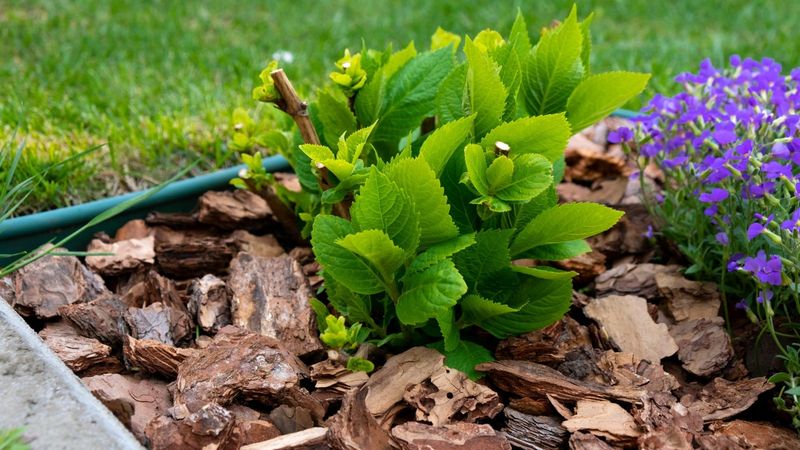
Here is something a lot of gardeners do not think about until it is too late: hydrangeas have shallow roots that sit close to the surface of the soil.
When the ground heats up in summer, those roots get stressed fast. Mulch is one of the easiest ways to protect them.
A two to three inch layer of organic mulch around the base of the plant acts like a blanket. It keeps the soil from heating up too quickly, holds in moisture, and slowly breaks down to add nutrients to the ground over time.
It is a simple fix with a big payoff. Wood chips, shredded bark, and straw all work well for this purpose. Avoid piling mulch right against the stem of the plant, though.
Leaving a small gap of a few inches around the base helps prevent rot and keeps pests from nesting too close.
In Oregon, where summer rain can disappear for weeks at a time, mulch can cut your watering needs almost in half.
That is a big deal if you are trying to keep your water bill reasonable or if you garden in an area with water restrictions during dry months.
Spreading mulch in late spring, before the heat arrives, gives you the best results. If you missed that window, do not worry.
Adding mulch now still helps. Even a thin layer makes a noticeable difference in how well your hydrangea holds up through the rest of summer.
5. Don’t Mist Brown Blooms In Hot Sun
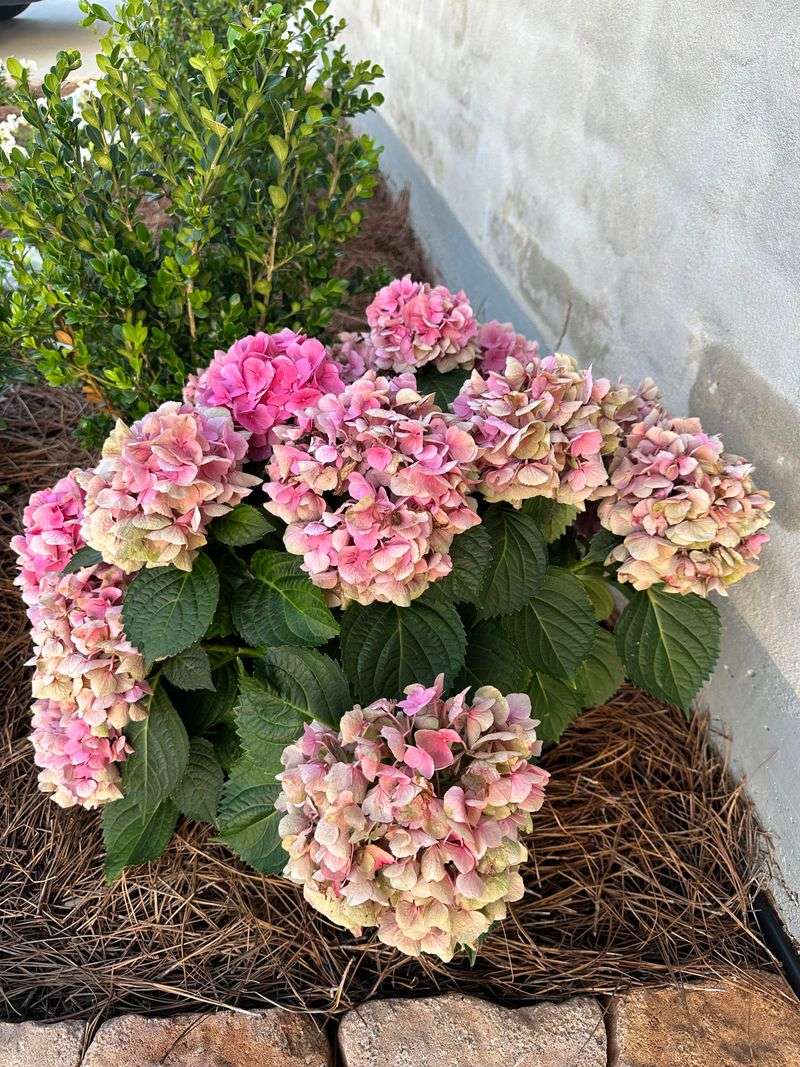
Reaching for a spray bottle when you see wilting or browning blooms feels like the natural thing to do. It seems like giving the flowers a drink would cool them off and perk them up.
Unfortunately, misting blooms in direct hot sun can actually make things worse, not better.
Water droplets sitting on flower petals act like tiny magnifying glasses in bright sunlight. They concentrate the heat and can cause small burn spots to appear, which speeds up browning rather than slowing it down.
What looks like a helpful move can end up damaging the very blooms you are trying to save.
If you want to cool down your plant during a heat wave, focus the water at the base, not the top. Watering the soil deeply is far more effective than spraying the flowers or leaves.
The roots pull the water up naturally and distribute it where the plant needs it most.
If you feel the urge to mist, wait until evening when the sun is low or gone completely. Misting in the evening gives the plant a chance to absorb moisture without the risk of burning.
Just make sure the leaves have time to dry before nightfall to reduce the chance of mold or mildew.
Keeping your watering habits focused on the soil rather than the plant itself is a simple but powerful shift. It takes a little getting used to, but your blooms will thank you for it over the long run.
6. Remove Crispy Flowers If They Bother You
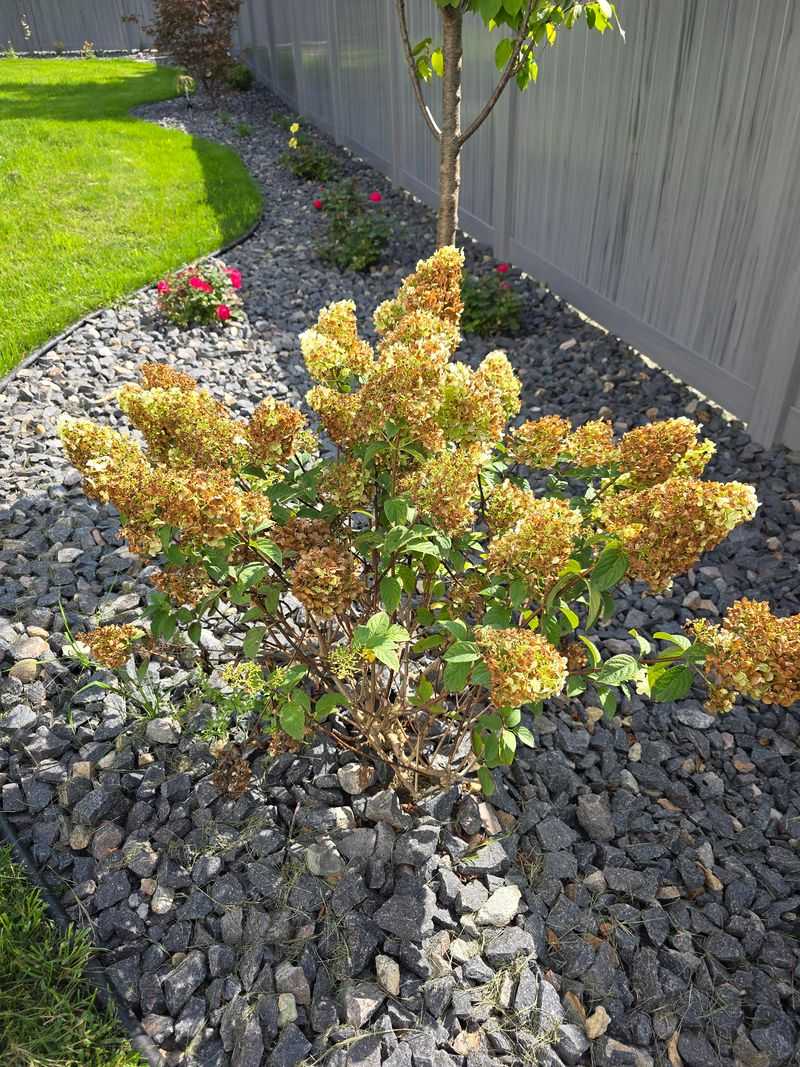
Brown, papery blooms are not exactly pretty, and it is completely okay to remove them if they are bothering you.
Cutting off spent or crispy flowers is called deadheading, and it is a normal part of caring for flowering plants. It does not hurt the plant at all.
Some hydrangea varieties will actually push out new blooms after old ones are removed. Reblooming types like Endless Summer or Incrediball are especially good at this.
Giving them a light trim after the first flush of flowers fades can encourage a fresh round of blooms later in the season.
Use clean, sharp pruning shears when you cut. Dull blades can crush the stem instead of cutting it cleanly, which stresses the plant and makes it harder to heal.
Wiping your shears with rubbing alcohol between cuts also helps prevent spreading any potential issues from plant to plant.
Cut just below the spent flower head, right above the next set of healthy leaves. You do not need to cut back far into the stem.
A light touch is all that is needed to tidy things up and encourage the plant to redirect its energy.
Not everyone bothers with deadheading, and that is fine too. Some gardeners love the look of dried hydrangea blooms and leave them on through fall and winter.
There is no right or wrong answer here. Do what makes your garden feel good to you.
7. Leave Green Leaves To Feed The Plant
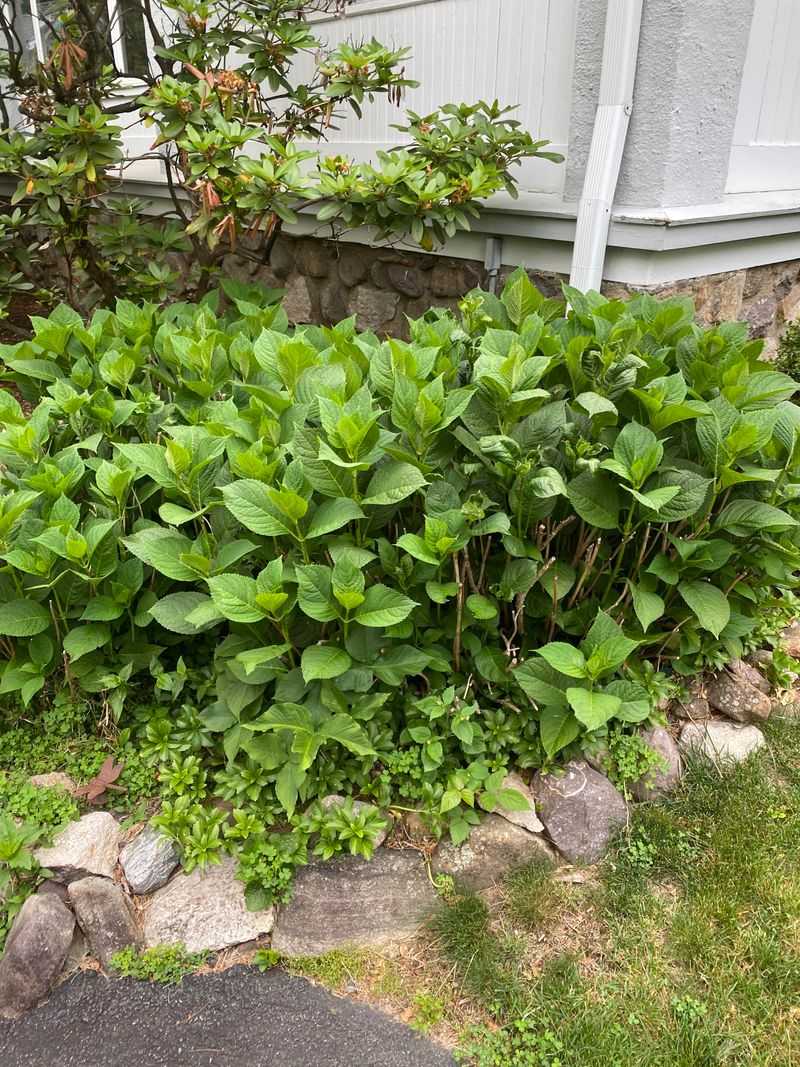
When blooms go brown, it can be tempting to cut the whole stem back or strip away the surrounding leaves. Resist that urge.
The green leaves on your hydrangea are doing important work, even when the flowers above them look rough.
Leaves are where photosynthesis happens. That is the process plants use to turn sunlight into energy.
As long as the leaves are green and healthy, they are feeding the roots and helping the plant store up strength for future growth. Removing them too soon puts the plant in a tougher spot.
Only remove leaves that are clearly brown, yellow, or damaged. Spotted or wilted leaves that are not recovering after a few days of good watering can also come off.
But healthy green leaves, even ones that look a little tired from the heat, should stay on the plant.
Think of the leaves as solar panels. Each one is quietly capturing energy and sending it down to the roots.
The more panels you leave in place, the more energy the plant can build up before fall arrives. That stored energy is what helps it survive winter and come back strong next spring.
Oregon’s winters are actually a big advantage for hydrangeas. But the plant still needs to go into fall with a good energy reserve.
Keeping the foliage intact through summer is one of the best things you can do to set your plant up for a great season next year.
8. Avoid Fertilizer During Heat Stress
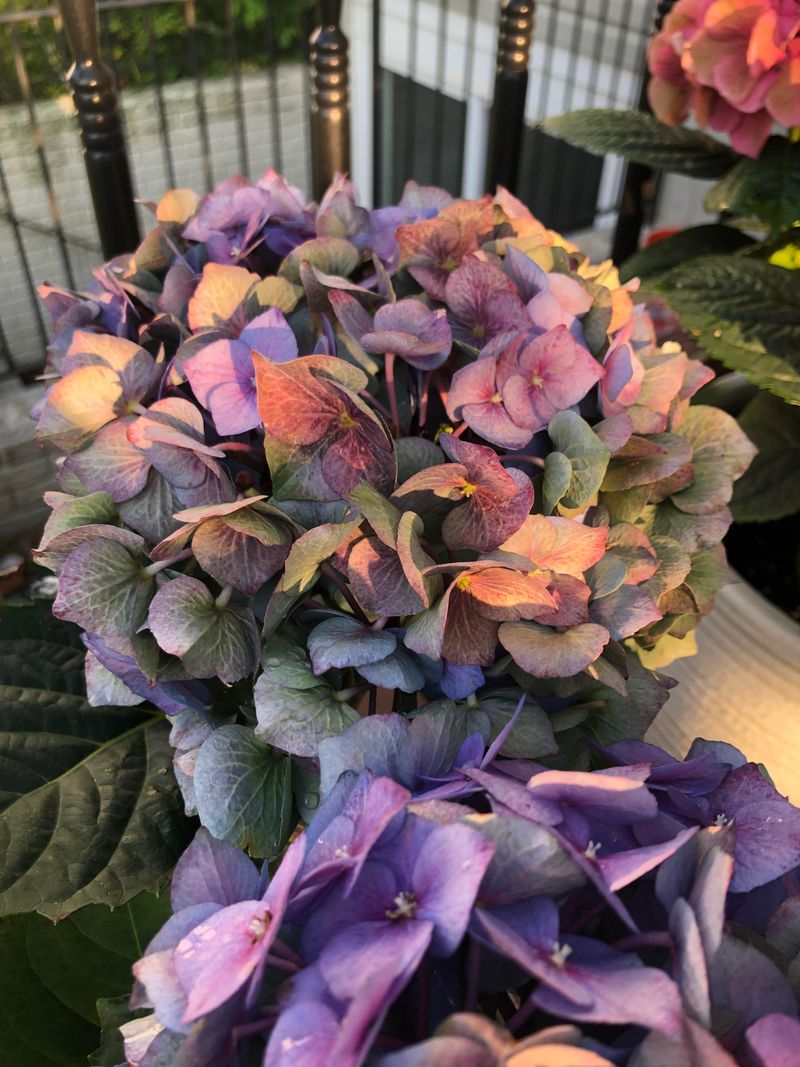
Pulling out the fertilizer bag when your hydrangea looks stressed might seem like a logical fix. If the plant is struggling, maybe it just needs a boost, right?
Actually, feeding a heat-stressed plant can cause more harm than good, and here is why.
Fertilizer pushes plants to grow new leaves and flowers. That sounds helpful, but during a heat wave, the plant is already working overtime just to survive.
Adding fertilizer forces it to use energy it does not have, which can actually speed up the browning and stress the root system further.
High-nitrogen fertilizers are especially risky in hot, dry conditions. They can burn the roots when the soil is dry, leading to more damage at a time when the plant is least able to recover.
Even slow-release fertilizers can cause problems if applied during a prolonged heat event.
The right time to fertilize hydrangeas is early spring, just as new growth begins, or in late summer after the worst heat has passed.
These windows give the plant time to use the nutrients at a healthy pace without being overwhelmed.
A light application of balanced fertilizer at the right time goes a long way.
If you have already fertilized recently and a heat wave hits, water the soil deeply to help dilute the nutrients and reduce root stress. Going forward, mark your calendar to fertilize in the cooler shoulder seasons.
Your plant will respond much better and reward you with stronger, longer-lasting blooms.