This Low-Growing Herb Keeps North Carolina Zinnia Beds Weed-Free All Summer Long
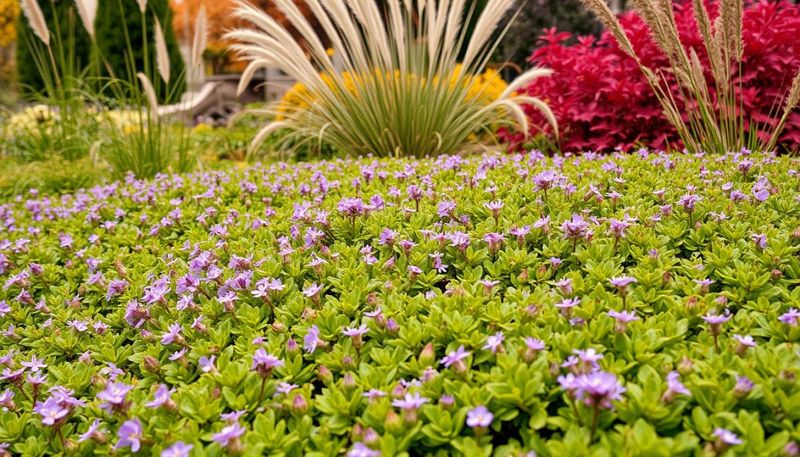
Bare soil between zinnia plants is basically an open invitation for weeds, and any North Carolina gardener who has spent a July morning pulling crabgrass out of a flower bed knows exactly how fast that invitation gets accepted. There is a low-growing perennial herb called creeping thyme that can spread across that open ground and shade out many of the annual weeds trying to sprout there. It won’t deliver a perfectly weed-free bed, but a well-established mat can genuinely cut down on the weeding you do all summer. That’s a trade worth understanding before you plant.
Meet the Groundcover Behind the Qualified Promise
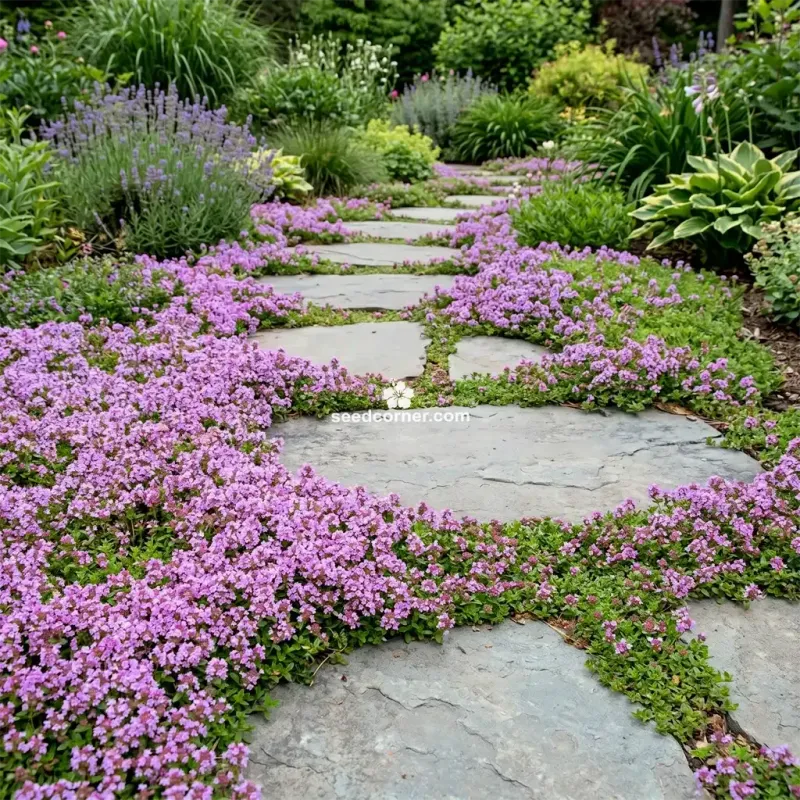
Creeping thyme, sold under the botanical name Thymus serpyllum and in low-growing cultivars such as ‘Elfin’, is a perennial groundcover that hugs the soil and spreads outward in a slow, dense mat. According to NC State’s Plant Toolbox description of the thyme genus, it is an ornamental groundcover species, not a culinary workhorse. ‘Elfin’ grows only 1 to 3 inches tall, which means it stays below the ankles of your zinnias rather than competing with them for light.
The honest version of the headline promise is this: established creeping thyme can help reduce bare-ground weed pressure around North Carolina zinnias. It does that by covering the soil between plants so fewer weed seeds find bare dirt to germinate in. It cannot guarantee a weed-free summer, eliminate perennial weeds already rooted in your bed, or stop seeds from blowing in on a Piedmont afternoon storm.
Before you buy anything at the garden center, check the plant tag carefully. “Thyme” covers a lot of ground, so to speak. Culinary thyme, woolly thyme, and miniature ornamental cultivars differ in height, habit, and intended use.
NC State’s profile of ‘Elfin’ thyme describes it as primarily ornamental, so do not assume it is safe to cook with unless the label specifically says so. Look for the botanical name on the tag, confirm it is a low-growing creeping type, and you will have the right plant for this job.Its Mat Blocks New Weeds, Not Every Weed
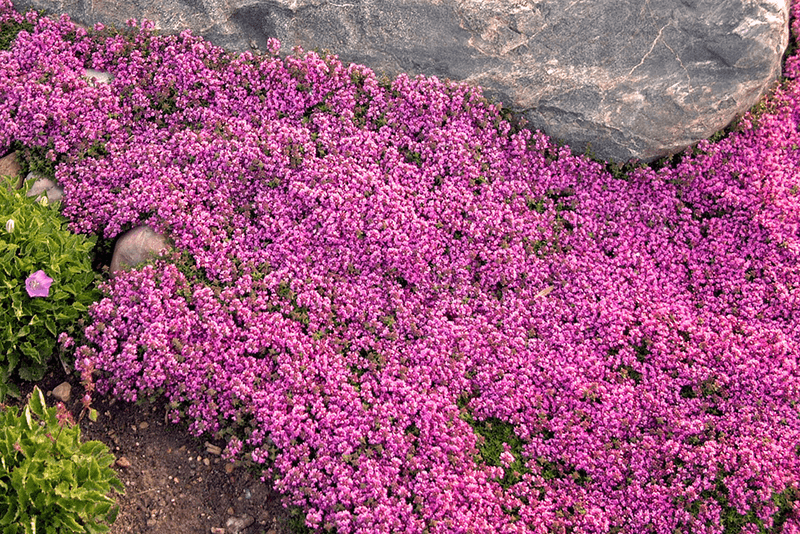
Here is where it gets tricky. A mature thyme mat works the way a thick layer of mulch works: it covers the soil surface, blocks sunlight from reaching the ground, and takes up the space, water, and nutrients that a germinating weed seed would otherwise grab. University of Vermont Extension’s research on groundcovers as living mulch explains that dense coverage limits weed emergence primarily by reducing available light at the soil surface. That is the actual mechanism, physical shading and competition, not any kind of chemical weed-killing effect.
The realistic target is annual weeds sprouting from seed. Think crabgrass, spurge, and the small-seeded opportunists that colonize bare dirt between your zinnias every summer. A dense mat genuinely makes life harder for those seedlings. What it cannot do is reach down and pull out the bindweed or nutsedge already established in your bed.
Penn State Extension’s guidance on organic weed management is clear that existing perennial weeds and grass must be removed before a groundcover goes in, because aggressive rooted weeds will push right through a thyme planting.
Your North Carolina Garden Changes Every Week. Your Plan Should Too.
Gardening in North Carolina changes quickly throughout the season. Every Friday you’ll receive a simple weekly plan showing exactly what to plant, prune, fertilize, harvest, and protect so you never miss the right timing.
Gaps matter too. Until thyme fills in completely, any open patch of soil is fair game for wind-carried seeds. Summer storms rolling across the Coastal Plain or the Sandhills do not check whether your thyme is established before dropping weed seeds. So even after the mat thickens, you will still find a stray weed here and there, especially along edges and wherever a stem died back.
Fewer weeds to pull is the honest payoff, not zero weeds.
Prepare the Bed Before Planting Thyme
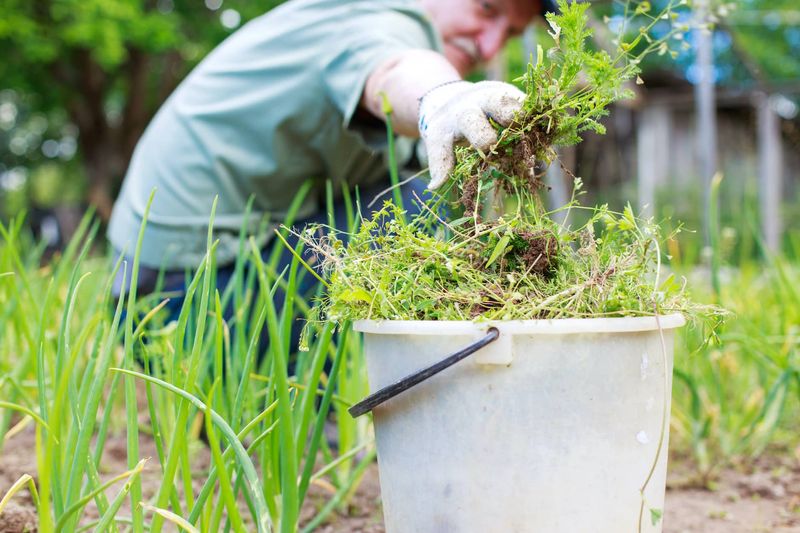
Bed preparation is not optional here, it is the whole foundation. Before a single thyme plant goes in the ground, every clump of grass and every perennial weed needs to come out, roots and all where you can manage it. NC State Extension’s planning guide for flower beds identifies perennial weed removal before planting as the single most important step in weed control for annual flower beds. Skip that step and you are essentially tucking a thyme mat over a weed nursery.
During the first year after planting, thyme grows slowly and leaves plenty of open soil exposed. That open soil will not wait politely. Hand-weeding during the first season is not a sign that the plan is failing, it is just the expected early maintenance while the groundcover finds its footing. A thin layer of appropriate mulch, about 1 inch for annual color beds according to NC State’s organic gardening handbook, can help cover the gaps between young thyme plants while they spread.
Keep that mulch away from zinnia stems, piling material against the crown invites rot and fungal problems in North Carolina’s humid summer air.
The payoff comes later, not immediately. Think of bed prep and first-year weeding as the cost of admission. NC State’s handbook on herbaceous ornamentals reinforces that no groundcover compensates for poor preparation, and thyme is no exception. Put in the work now and the mat you build over two or three seasons will actually earn its keep.
Choose Sun and Drainage Before You Choose a Spot

Both plants in this pairing are sun lovers with no patience for wet feet. NC State’s profile of ‘Elfin’ thyme calls for at least 6 hours of direct sunlight and recommends sandy loam, rocky soil, or other fast-draining sites. Thyme sitting in soggy ground is thyme on its way to root rot, and a North Carolina summer delivers plenty of heavy afternoon downpours that can turn a low spot into a puddle for hours.
Zinnias share those requirements almost exactly. NC State’s zinnia profile specifies full sun, good air circulation, and well-drained soil, particularly in the hot, humid conditions that define a Piedmont or Coastal Plain summer. The two plants are genuinely compatible where those conditions exist. The trouble spot is anywhere water lingers after a storm.
Regional soil types shape how much work you need to do before planting. Piedmont red clay holds water and may need compost worked in or a raised bed to improve drainage before thyme will thrive. Sandy soils in the Coastal Plain and Sandhills drain quickly, which suits thyme well, though those same soils dry out fast during dry spells and may need closer attention to irrigation while both plants are getting established. Mountain sites in the 6a to 7a zones can support thyme, but a south-facing slope with good drainage gives the best results.
These are practical inferences from the documented drainage and sunlight requirements, not separately tested regional guarantees, so read your own yard honestly before you commit. A sunny, dry-edged bed with 6 or more hours of direct light is where this pairing actually works.
Plan for a Several-Season Payoff

Patience is not optional with creeping thyme. NC State Extension’s groundcover guidance reports that thyme grows roughly 6 inches per year, needs close weed attention during the first year, may begin outcompeting new weed seeds during the second year, and can reach fuller coverage during the third or fourth season. That timeline means a plant you put in the ground this spring is not going to close off your bed by August. Anyone expecting immediate results will be disappointed.
Timing your installation helps. Spring and fall are the most practical windows for putting in a new groundcover. Fall planting gives thyme time to establish roots while cooler air reduces heat stress, and spring gives it a full growing season to spread before the next summer. Summer installation is possible, but it requires more consistent watering and closer monitoring.
Covering a large bed in July is a bigger commitment than most people expect when they are already managing a zinnia bed through the heat.
Spacing depends on the cultivar and how fast you want the bed to fill in. ‘Elfin’ thyme spreads about 12 to 18 inches wide at maturity, but that spread takes time. Planting closer together speeds up coverage and reduces the bare soil you have to manage in the meantime, though it also raises the plant cost. University of Illinois Extension’s groundcover planting guidance notes that spacing decisions should reflect the cultivar’s mature spread, the size of plants you are buying, and your budget. There is no single correct distance that works for every situation, so look at the tag, measure the spread, and decide how many seasons you are willing to wait.
Protect Zinnias While Thyme Fills In

Zinnias are tough flowers, but they have one real vulnerability in a North Carolina summer: fungal leaf diseases that thrive when air cannot move around the base of the plant. NC State’s zinnia care guidance emphasizes good air circulation and well-drained soil, especially during the hot, humid months when powdery mildew and other fungal problems spread quickly. That means thyme should never crowd directly against a zinnia crown or lower stem. Keep a practical open buffer around each plant base, think of it as giving the zinnia room to breathe rather than a measured number you need to hit exactly.
Watering needs some coordination too. Mexican zinnia varieties and standard zinnias both benefit from soil-level irrigation that keeps foliage dry, especially in the afternoon. Direct water at the root zone rather than overhead, and avoid late-day watering that leaves leaves wet overnight. Newly planted thyme needs regular moisture to establish, but established ‘Elfin’ thyme prefers soil that dries between waterings and will struggle if kept consistently soggy.
A living groundcover still asks something of you even after it fills in. NC State’s groundcover maintenance notes point to occasional trimming as part of keeping a thyme planting tidy and from encroaching on neighboring plants. Check the edges of the mat a few times each season, pull any weeds that push through gaps, and redirect stems that start creeping toward a zinnia crown. The groundcover works for you, but it does not run itself.
Use Thyme as One Layer of Weed Management

No single plant solves the weed problem in a summer flower bed, and creeping thyme is no different. The strategy that actually works combines thorough bed preparation, removal of perennial weeds before planting, early hand-weeding during the first year, appropriate mulch in the gaps while thyme establishes, and good drainage and spacing throughout. NC State Extension’s bed planning guidance treats groundcovers as one layer of an integrated approach, not a replacement for the other steps.
Thyme does bring a genuine bonus once it blooms. The small flowers attract bees and butterflies, adding some life to the bed beyond the zinnias themselves. NC State’s thyme genus overview notes the plant’s value as a nectar source for pollinators. Worth knowing: creeping thyme is native to Eurasia, not North Carolina.
The NC Wildflower Society’s invasive species list does not currently flag Thymus serpyllum as invasive in this state, but it is introduced rather than native, so it does not carry the same ecological relationships with local wildlife that a native groundcover would. Do not expect it to repel Japanese beetles, stink bugs, or other North Carolina pests. That claim is not backed by evidence.
What you can honestly expect from a well-sited, established creeping thyme mat is fewer annual weeds germinating in the bare soil around your zinnias, which means fewer mornings on your knees in July. That is a real and worthwhile payoff, as long as you go in knowing it takes a few seasons to earn it.