Native Oregon Flowers That Keep Pollinators Fed Through August Heat
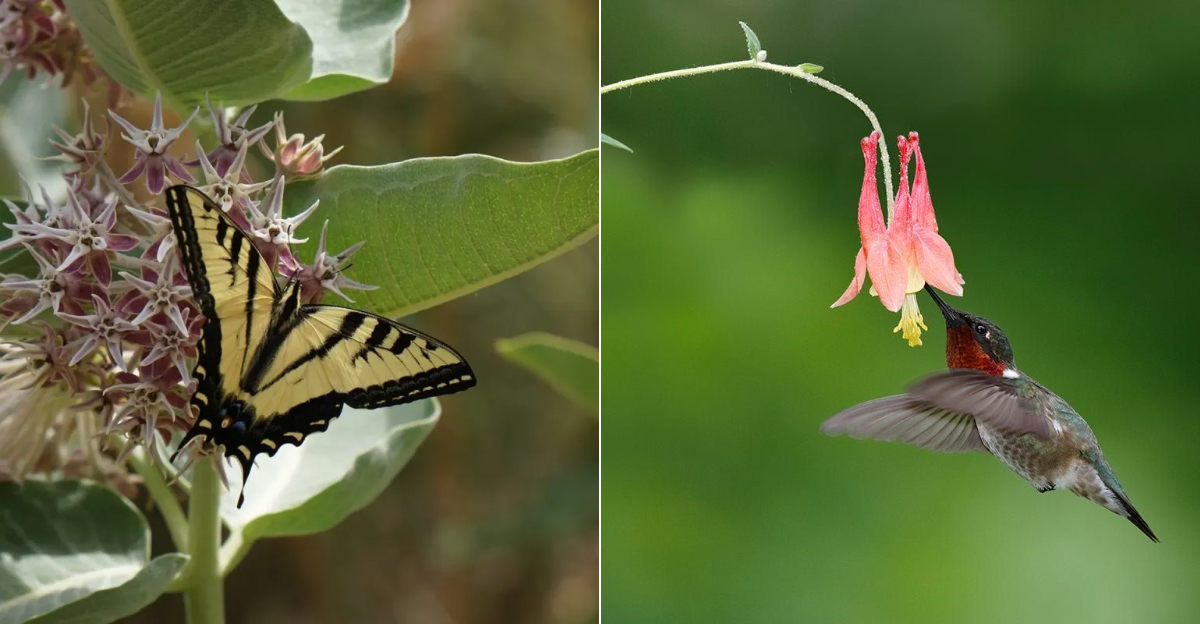
August can leave an Oregon garden caught between seasons. Spring favorites have faded, summer heat has settled in, and pollinators still need reliable places to find food.
That can make a quiet flower bed feel far more important than it looks.
Native flowers can help keep the garden active during this late-summer stretch. Their blooms suit local conditions, and many continue to offer value when other plants start to look tired. The bees certainly notice.
The challenge comes with timing. A plant may look beautiful in June yet offer little once August arrives.
That leaves a gap right when heat can make food sources harder to find.
A thoughtful mix can keep color in the yard and support the tiny visitors that help gardens thrive.
With the right choices, August does not have to feel like the end of the floral show. It can become one of the busiest chapters.
1. Douglas Aster Keeps Blooming Into Late Summer
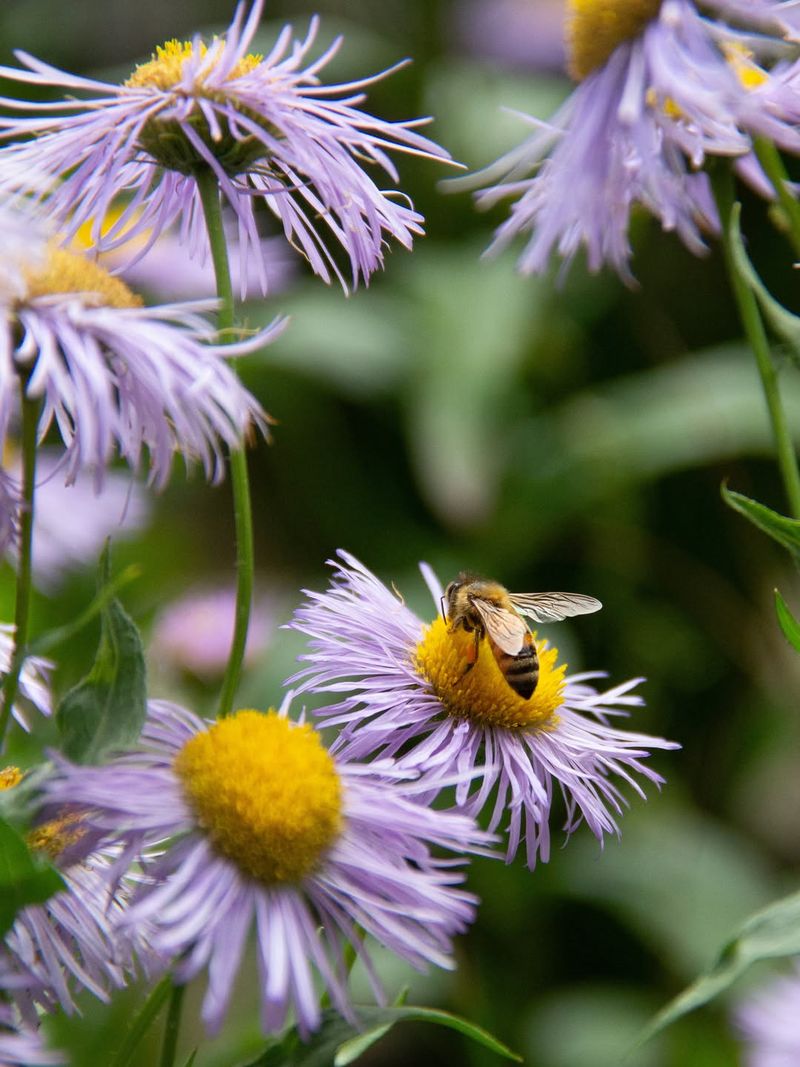
Few plants earn their keep in a late-summer garden quite like Douglas Aster. When most flowers have already faded, this tough native is just hitting its stride.
It produces clusters of small daisy-like blooms with lavender to purple petals and bright yellow centers. Bees absolutely love it.
Native to Oregon and much of the Pacific Coast, Douglas Aster thrives in open meadows, roadsides, and garden borders. It handles heat well and does not need much water once it gets established.
You can plant it in full sun or partial shade, and it will adapt either way.
Blooming from July all the way through October, it fills a critical gap in the pollinator calendar. Bumble bees, native sweat bees, and even some butterfly species visit the flowers regularly.
The plant grows two to four feet tall, making it a great mid-border choice.
One fun fact: Douglas Aster was named after David Douglas, the Scottish botanist who explored the Pacific Northwest in the early 1800s. He documented hundreds of native plants during his travels.
Gardeners today still benefit from his work every time they plant one of these cheerful bloomers.
Cut it back lightly after its first big flush of flowers to encourage a second round of blooms. Leave the seed heads in fall for birds to enjoy.
It spreads slowly over time, creating a natural, relaxed look in any yard.
2. Oregon Sunshine Handles Hot Dry Beds
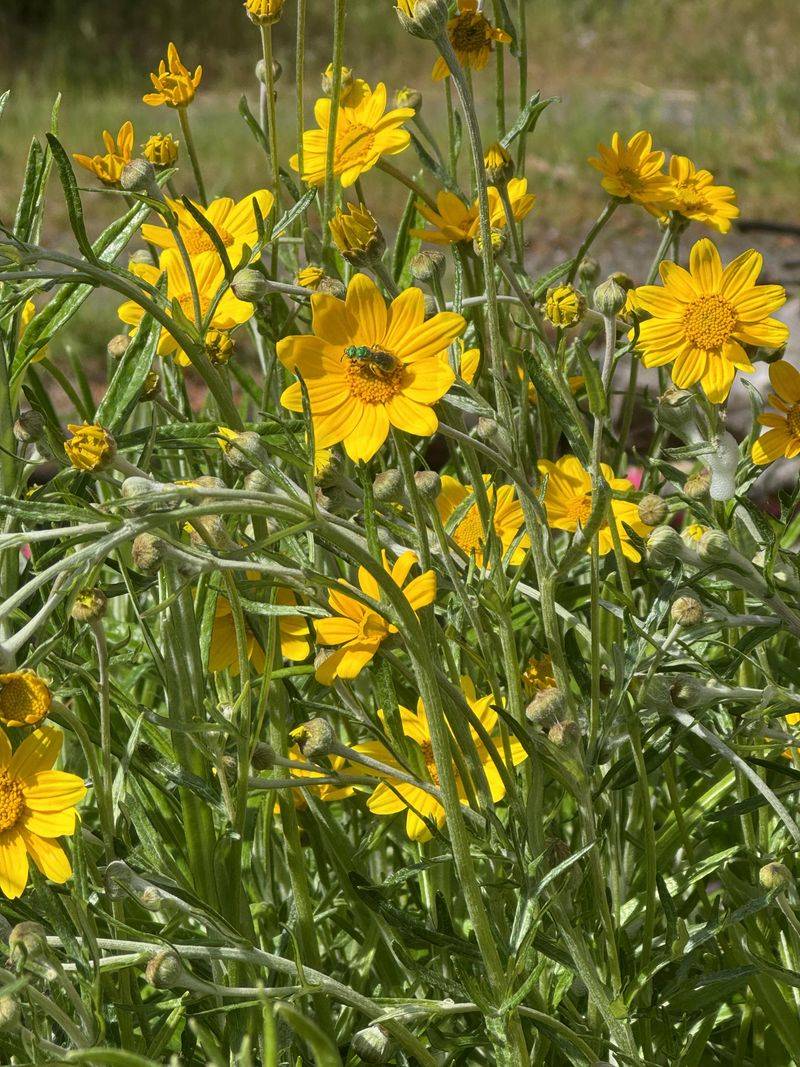
If you have a hot, dry spot in your yard where nothing seems to grow, Oregon Sunshine might be exactly what you need. This cheerful native wildflower is built for tough conditions.
It produces bold yellow daisy-like flowers on woolly silver stems, and it looks stunning even in poor soil.
Also known as Eriophyllum lanatum, it is one of the most drought-tolerant natives in this state. Once established, it needs almost no supplemental watering.
That makes it a dream plant for water-wise gardens and rocky hillside beds where irrigation is difficult or expensive.
Bees and butterflies flock to the bright yellow blooms from late spring all the way through August.
Your Oregon Garden Changes Every Week. Your Plan Should Too.
Gardening in Oregon changes quickly throughout the season. Every Friday you’ll receive a simple weekly plan showing exactly what to plant, prune, fertilize, harvest, and protect so you never miss the right timing.
The flowers are rich in pollen, which makes them especially valuable to native bees that are raising their last broods of the season.
Even small native bee species can access the open, flat flower heads with ease.
Oregon Sunshine grows six to eighteen inches tall depending on the site and moisture levels. It works beautifully as a ground cover on slopes or as an edging plant along sunny pathways.
Pair it with other drought-tolerant natives like Common Yarrow or Pearly Everlasting for a low-maintenance summer display.
Deadhead spent flowers to extend the bloom period a little longer. After the season ends, leave the plant alone.
It reseeds gently and will slowly fill in gaps over the years without becoming aggressive or weedy.
3. Common Yarrow Feeds Pollinators Through Heat
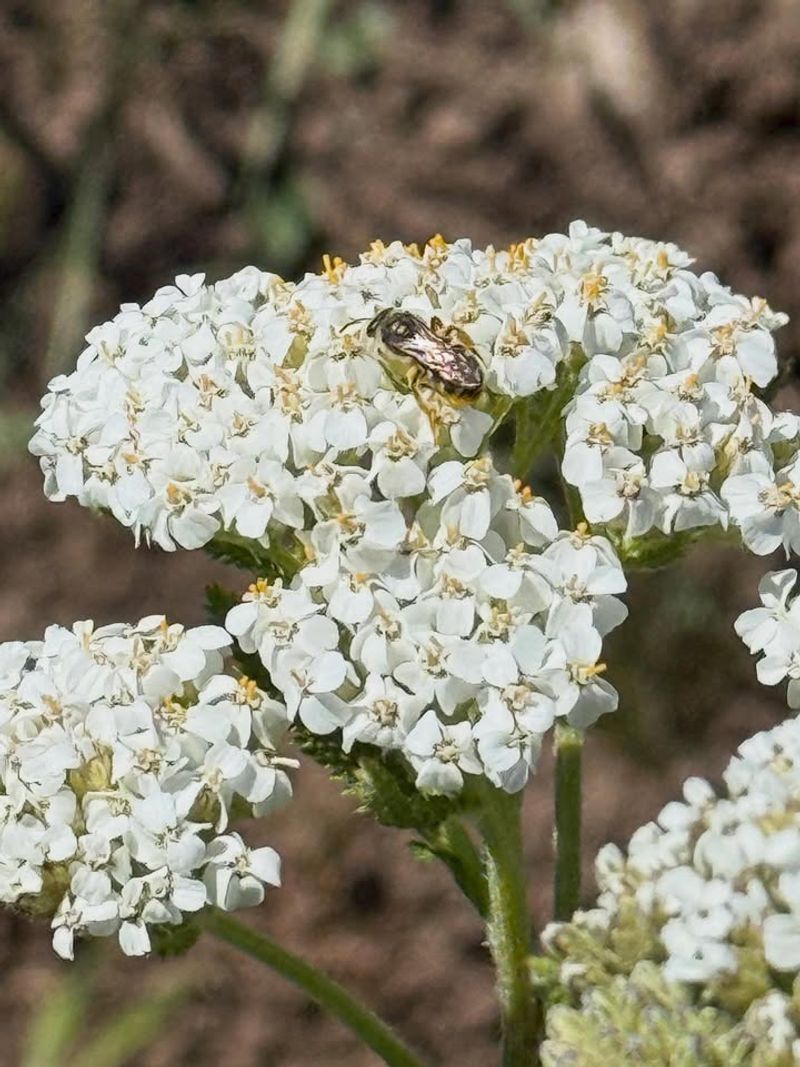
Walk through almost any sunny meadow in Oregon during summer, and you will likely spot the flat-topped white flower clusters of Common Yarrow. This plant has been feeding pollinators for centuries, and it shows no signs of slowing down.
It is one of the hardest-working native flowers in the Pacific Northwest.
Yarrow blooms from June through September, right when the heat is at its worst and other plants are struggling. The flat clusters of tiny flowers act like a landing pad for insects.
Beetles, wasps, flies, and native bees all visit regularly. Even some predatory insects use yarrow as a hunting ground, which helps keep garden pests in check naturally.
This plant handles poor soil, drought, and heat without complaint. It spreads by both seeds and underground rhizomes, so it can slowly colonize a bed over time.
If you want to keep it contained, simply pull out extra plants in spring before they get established.
Did you know that yarrow has been used medicinally for thousands of years? Ancient soldiers reportedly used it to help treat wounds on the battlefield.
The plant’s scientific name, Achillea millefolium, even references the Greek hero Achilles, who was said to have used it on his troops.
Plant yarrow in full sun and well-drained soil for best results. Water it occasionally during the first season to help it settle in.
After that, it takes care of itself remarkably well through even the driest August days.
4. Farewell-To-Spring Bridges Summer Bloom Gaps
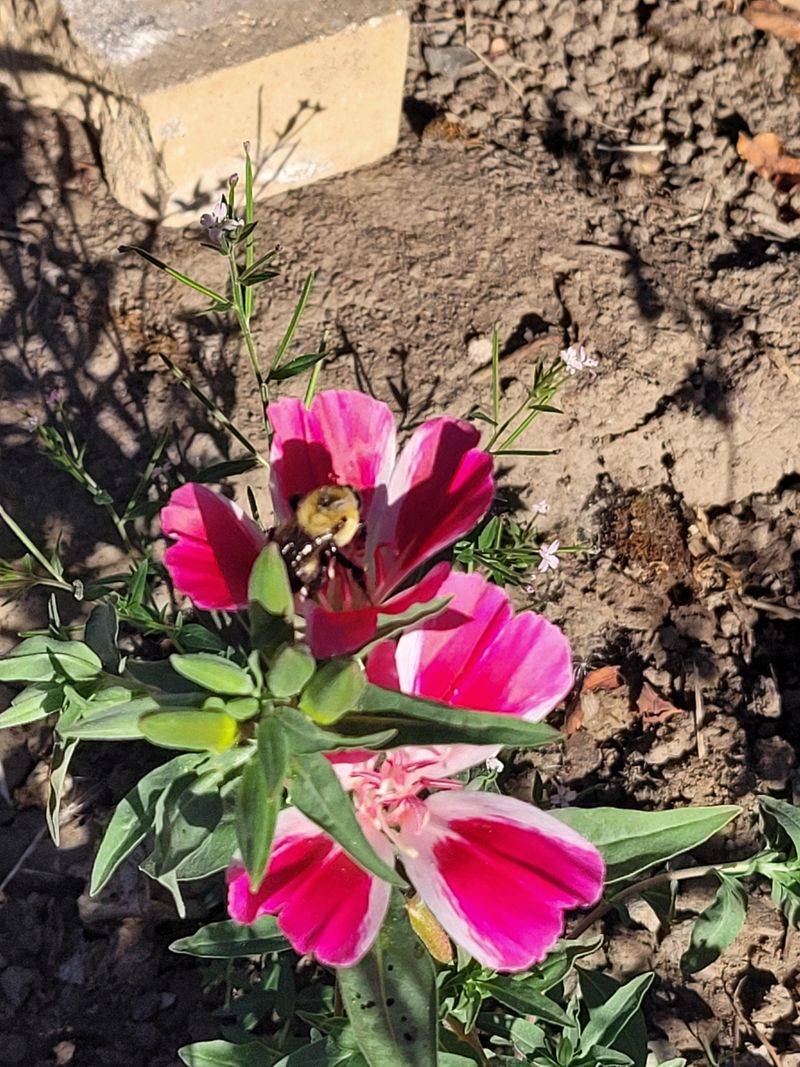
With a name that sounds like a poem, Farewell-to-Spring has a personality to match. This delicate native annual blooms in shades of pink, lavender, and magenta, often with darker blotchy centers that look hand-painted.
It shows up just as spring fades and carries pollinators right into the heart of summer.
Botanically known as Clarkia amoena, it is native to dry open slopes and roadsides throughout Oregon and the broader Pacific Coast region.
It thrives in poor, well-drained soil and actually does worse with too much fertilizer or water. Less is definitely more with this plant.
Bumble bees and native mason bees are among its biggest fans. The flowers offer generous amounts of pollen, which makes them especially attractive to bees that are actively provisioning nests during early summer.
Butterflies also visit, drawn in by the bright color display.
Because it is an annual, Farewell-to-Spring reseeds itself freely when happy. Scatter seeds in fall on a sunny, cleared patch of ground and let nature handle the rest.
It germinates in spring and blooms by early summer, perfectly bridging the gap between spring bloomers and the main summer flower season.
Clarkia amoena was named in honor of Captain William Clark of the famous Lewis and Clark Expedition.
The explorers documented this flower during their journey through the Pacific Northwest in the early 1800s.
Planting it today connects your garden to a rich piece of American history.
5. Nodding Onion Brings Bees To Sunny Borders
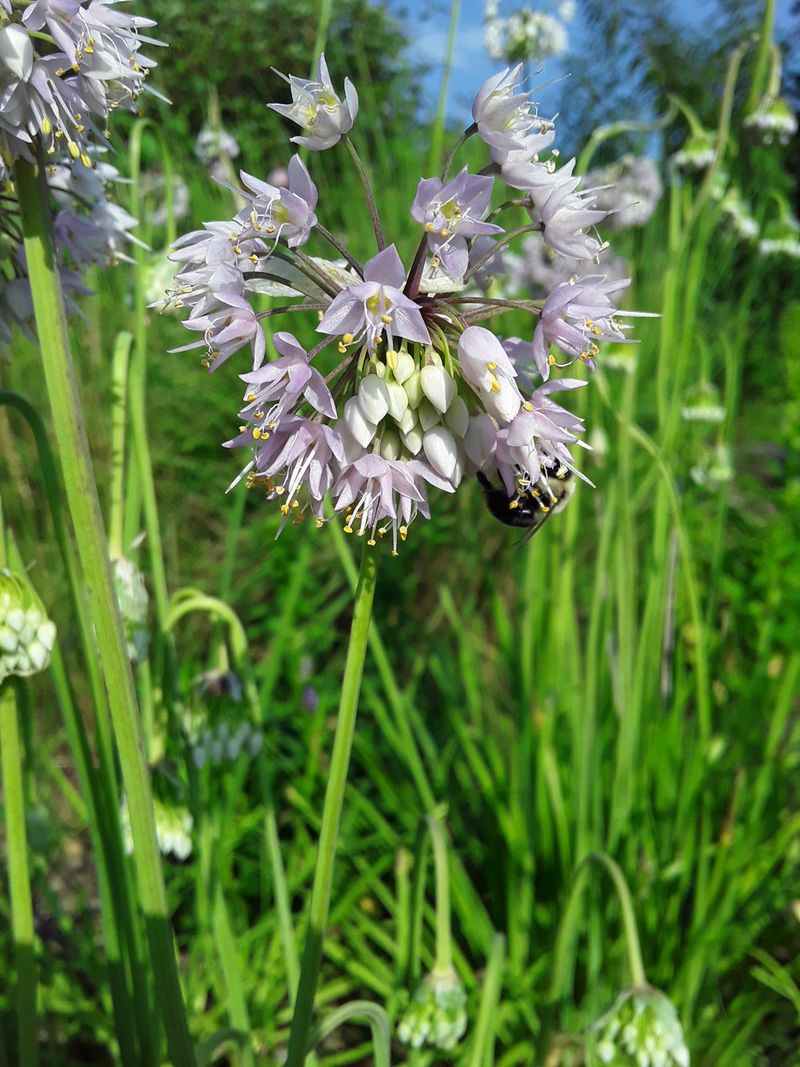
There is something charming about a flower that bows its head before it blooms. Nodding Onion does exactly that.
The rosy pink to lavender flower clusters hang downward in a nodding pose before opening up into cheerful globes that bees cannot resist. It is one of the quirkiest and most underrated native plants.
Scientifically called Allium cernuum, it belongs to the same family as the onions and garlic in your kitchen. Crush a leaf and you will immediately smell the connection.
The bulbs were actually used as a food source by Indigenous peoples across the Pacific Northwest for thousands of years.
In the garden, Nodding Onion blooms from July into August, right when pollinators need reliable food sources most. Bumble bees, sweat bees, and various bee fly species all visit the flowers regularly.
The plant grows about twelve to eighteen inches tall and looks lovely massed along a sunny border or tucked into a rock garden.
It prefers well-drained soil and full to partial sun. Once established, it handles summer drought with ease.
The bulbs multiply slowly over time, gradually filling in an area with minimal effort from the gardener. You can also divide clumps every few years to spread plants around the yard or share with neighbors.
After blooming, the seed heads dry to a warm tan color and add texture to the late-season garden. Leave them standing for birds and for the natural beauty they bring to a fall border.
6. Self-Heal Feeds Small Pollinators Low To The Ground
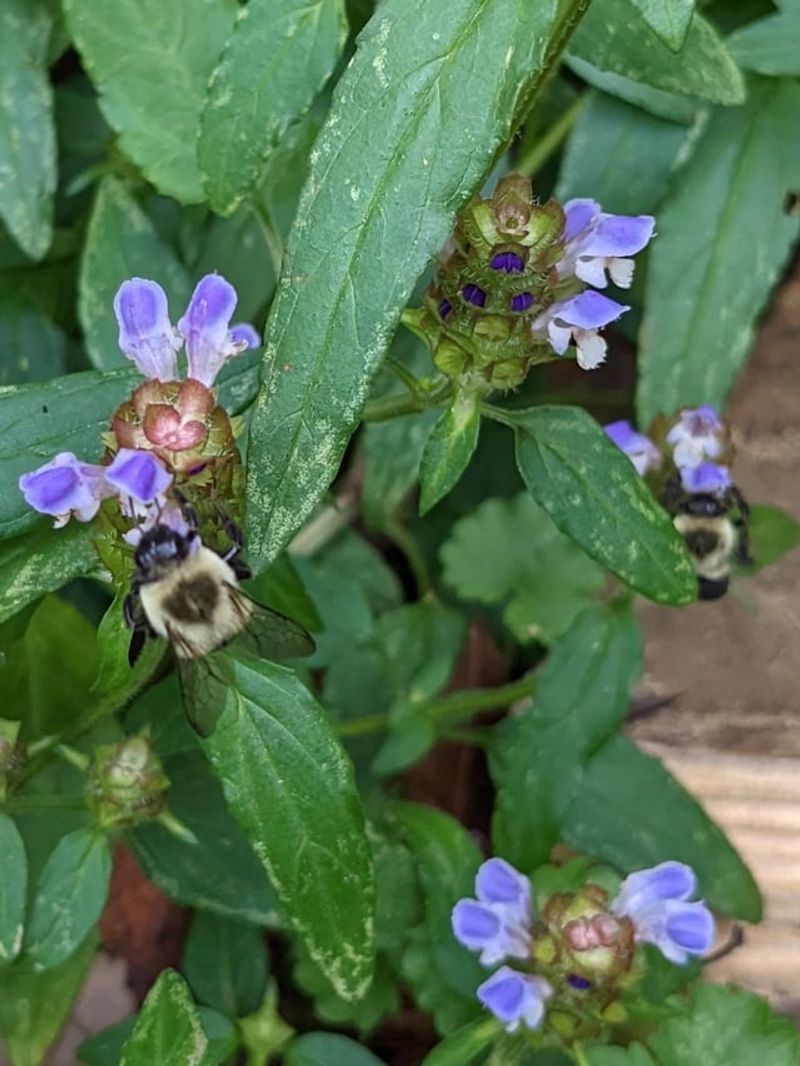
Not every pollinator is big enough to visit tall showy flowers. Small native bees, tiny flies, and even some moth species need low-growing plants they can easily access.
Self-Heal, also known as Prunella vulgaris, is one of the best natives for filling that role. It grows close to the ground and produces dense spikes of small purple flowers that small insects adore.
This plant blooms from June through September and handles both sun and partial shade well.
It tolerates some foot traffic, which makes it a smart choice for planting between stepping stones or along the edges of garden paths.
In shaded spots where lawn grass struggles, Self-Heal can create a soft, low green carpet that blooms all summer.
Bumble bees are especially fond of Self-Heal. The flower shape is perfectly designed to dust pollen onto bees as they collect nectar.
Watch a patch of it on a warm afternoon and you will see a steady stream of bee activity. It is genuinely exciting to witness how productive a single square foot of this plant can be.
Self-Heal has a long history in herbal medicine across many cultures. Traditional healers used it to treat everything from sore throats to minor skin irritations.
Its common name reflects that history directly. Whether or not you believe in its medicinal properties, its value to pollinators is absolutely well-documented and undeniable.
It spreads by seed and by short runners, creating a dense mat over time. Mow it occasionally to keep it tidy, or simply let it grow naturally in a wilder corner of the yard.
7. Western Columbine Helps Hummingbirds In Part Shade
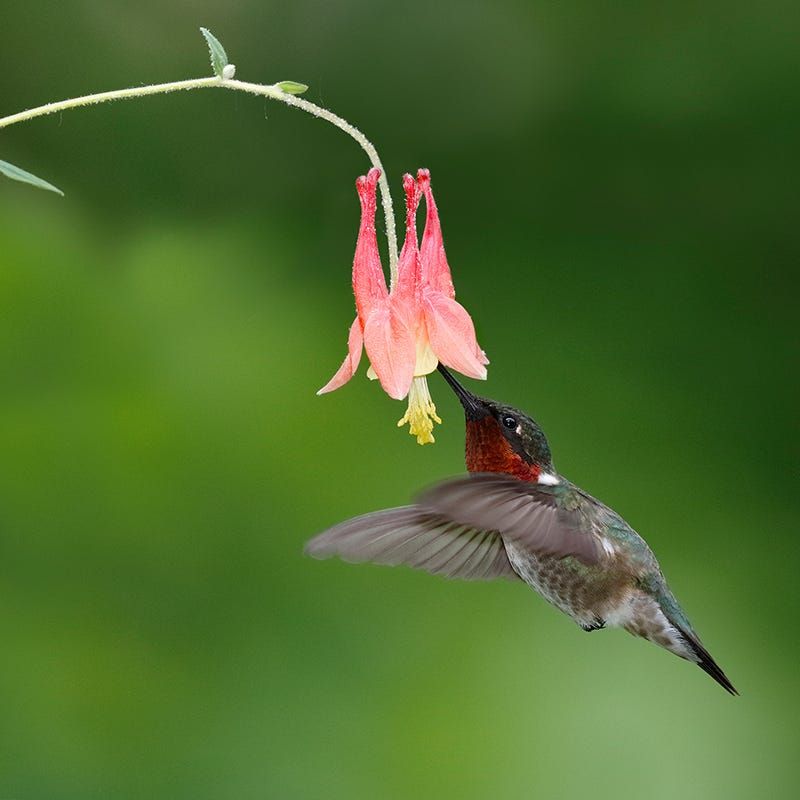
Hummingbirds have a thing for red and yellow flowers, and Western Columbine delivers both in one elegant package. The nodding blooms dangle from thin stems like little red and yellow lanterns.
Each flower holds a tube of sweet nectar at the base of its long spurs, and hummingbirds are perfectly built to reach it.
Native to moist woodlands, stream banks, and shaded rocky slopes throughout Oregon, Western Columbine is one of the few native flowers that truly thrives in part shade.
Most summer bloomers want full sun, so this plant fills a valuable niche in shaded garden spots that are otherwise hard to plant.
It blooms from April through July, making it a bridge plant between spring and the main summer season. After the flowers fade, the seed pods dry and split open, scattering seeds nearby.
New plants pop up in subsequent years, slowly naturalizing an area into a lush, layered planting.
Bumble bees also visit Western Columbine, though they sometimes cheat by biting a hole in the base of the spur to steal nectar without entering the flower properly.
That behavior is called nectar robbing, and it is a fascinating example of insect adaptability in action.
Plant it in rich, well-drained soil with consistent moisture during the first growing season. Once established, it handles dry summers better than you might expect for a woodland plant.
Pair it with ferns or native sedges to create a naturalistic shaded bed that looks effortlessly beautiful.
8. Showy Milkweed Supports Monarchs And Bees
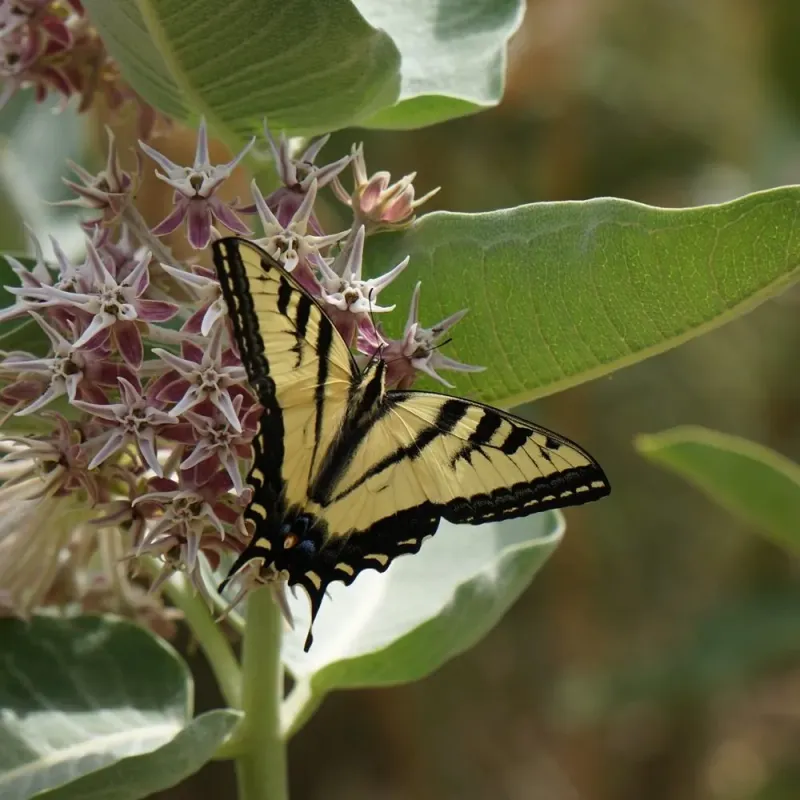
Monarch butterflies have been making headlines for years because their populations have dropped so dramatically. One of the best things a gardener can do to help is plant milkweed.
Showy Milkweed, native to drier regions, is one of the most effective options available in the Pacific Northwest.
Known scientifically as Asclepias speciosa, it produces beautiful globe-shaped clusters of dusty pink and white flowers in late June through August. The blooms smell faintly sweet and attract an impressive variety of pollinators.
Bumble bees, native sweat bees, fritillary butterflies, and of course monarch butterflies all visit regularly.
Monarchs do not just feed on milkweed. They also lay their eggs exclusively on milkweed plants.
The caterpillars then eat the leaves as they grow. Without milkweed, monarchs simply cannot complete their life cycle.
Planting even a small patch makes a real difference in supporting their recovery.
Showy Milkweed grows two to four feet tall and spreads by underground rhizomes. It can spread fairly aggressively in ideal conditions, so give it space or use a root barrier if you want to keep it contained.
In a meadow or wilder garden area, let it roam freely. It looks stunning in large drifts.
Plant it in full sun and well-drained soil. It handles summer drought like a champion once established.
The seed pods that form after flowering are also beautiful, splitting open in fall to release silky white seeds that drift on the breeze like tiny parachutes.
9. Pearly Everlasting Handles Dry Summer Soil
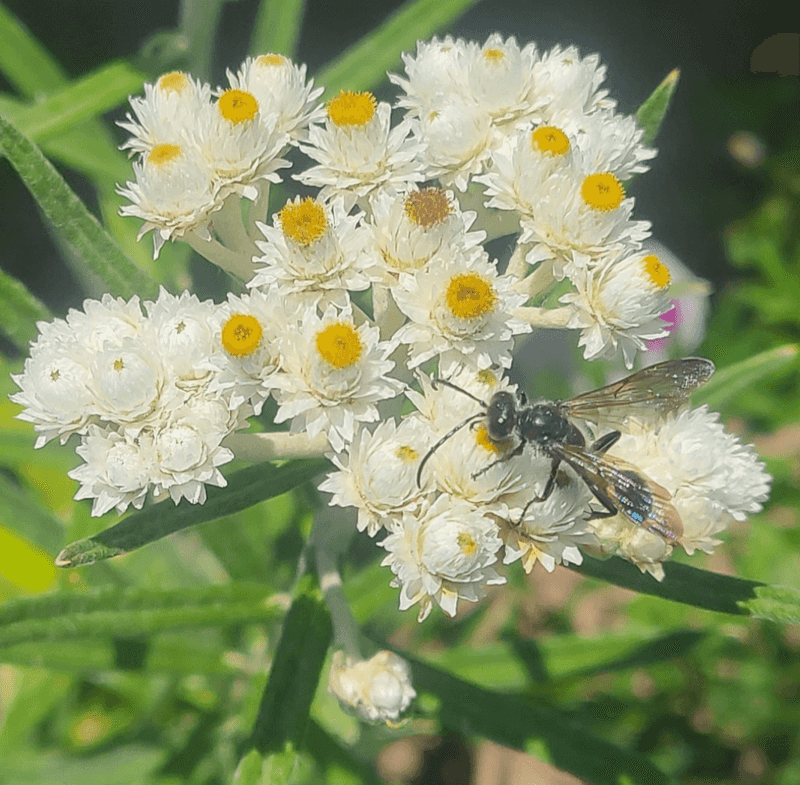
Some flowers seem to be made of paper, and Pearly Everlasting is one of them. The small white blooms have a dry, crisp texture that gives the plant its name.
They hold their shape and color even after cutting, making them popular in dried flower arrangements.
But their real value is the steady supply of pollen and nectar they offer pollinators through the driest weeks of summer.
Botanically called Anaphalis margaritacea, this native grows on dry slopes, roadsides, and open forest edges throughout this state and much of North America.
It thrives in poor, well-drained soil and handles drought conditions better than almost any other native wildflower in its range.
Painted lady butterflies are especially drawn to Pearly Everlasting. The caterpillars of painted ladies also feed on the leaves, making this plant doubly valuable to that species.
Native bees and small flies visit the flowers regularly as well, drawn by the accessible open flower heads that do not require specialized anatomy to access.
The plant grows one to three feet tall and spreads by both seeds and rhizomes. It forms loose colonies over time, which look lovely on sunny banks or in wild garden areas.
The silver-green foliage is attractive even when the plant is not in bloom.
Cut stems for dried arrangements just before the flowers fully open for the best results. Left in the garden, the seed heads provide food for small birds in fall and add soft texture to the late-season landscape well into winter.