The Oregon Weeds That Become Easier To Pull After September Rain
September rain in Oregon has a particular effect on gardeners that is hard to describe until you experience it.
After months of dry, compacted soil that practically laughed at your weeding efforts, that first real autumn moisture shows up and suddenly everything feels different out there.
The ground softens, weed roots lose their grip, and tasks that felt genuinely miserable in August become almost satisfying again. Almost.
Timing matters here though, and catching that sweet spot between the first good rain and the ground becoming waterlogged again is where Oregon gardeners who pay attention get a real advantage.
The weeds themselves have not changed, the soil conditions have, and that shift makes a bigger practical difference than most people expect.
September is quietly one of the better weeding windows of the entire year if you use it well.
1. Why September Rain Creates A Better Weeding Window
Summer can leave garden beds looking parched and ground that feels almost brick-like underfoot.
Months of dry weather compact the soil, pressing particles tightly together and making it difficult to work a trowel or pull a weed without snapping off the stem and leaving the root behind.
When the first September rains arrive, that dynamic can shift in a meaningful way.
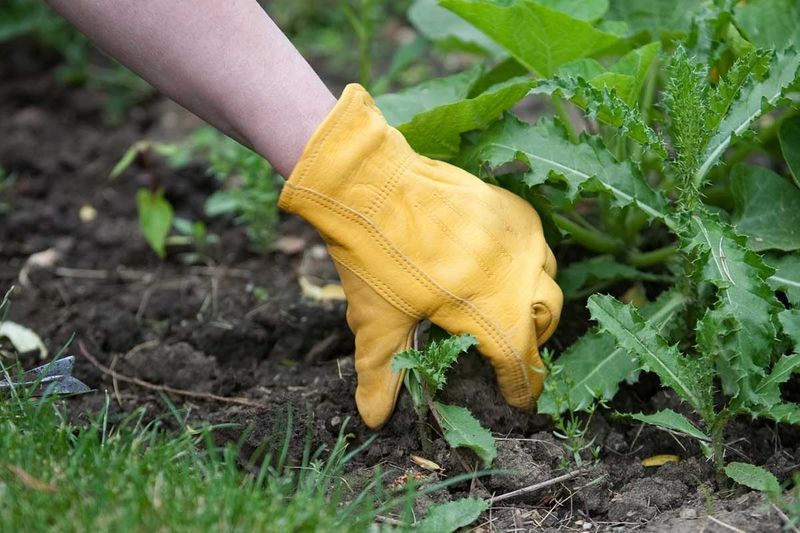
Moisture moves into the soil and begins loosening the spaces between particles, softening the area around weed roots and making it easier to get a clean pull.
This is especially helpful for weeds with deeper or more established root systems that would otherwise resist removal.
The key is waiting until the soil is moist but workable rather than saturated and muddy.
Working soil that is too wet can damage its structure, compacting it in new ways and leaving it prone to crusting once it dries out again.
Timing matters, and most gardeners find that waiting a day or two after heavy rain produces better conditions than heading out immediately after a downpour.
Rainfall timing also varies across Oregon, with coastal areas, the Willamette Valley, and Central Oregon often experiencing different onset dates for fall moisture.
Checking your local conditions before grabbing the garden gloves will help you make the most of this seasonal weeding window.
2. Dandelions Become Easier To Remove After Rain
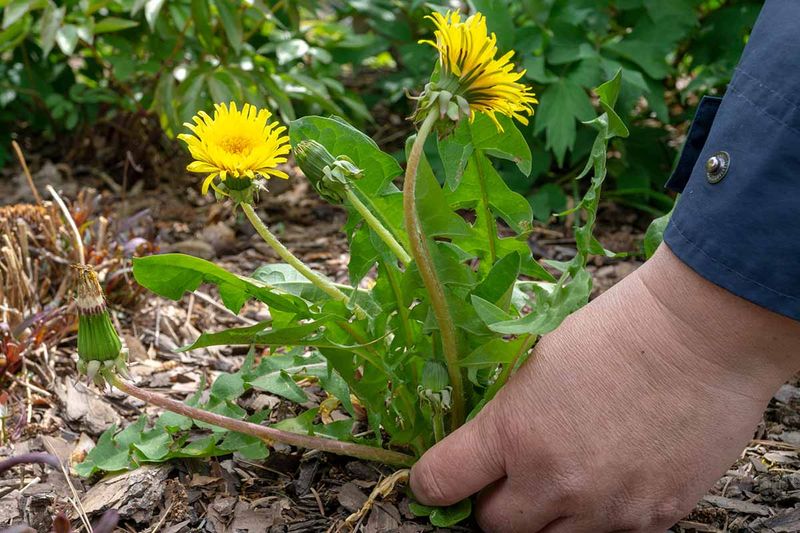
Few weeds test a gardener’s patience quite like the dandelion. Its taproot can extend several inches into the ground, anchoring itself firmly in compacted summer soil and snapping off cleanly at the surface if you try to pull it before conditions are right.
That broken root is not a small problem since even a short segment left in the soil can allow the plant to regrow.
Damp soil after September rain can make a real difference here. When moisture loosens the ground around that deep taproot, there is a much better chance of working a weeding tool alongside the root and easing the whole thing out intact.
Young dandelion plants that have not yet developed a fully established taproot tend to be the most manageable, which is another reason fall is a good time to address them before they mature further.
Your Oregon Garden Changes Every Week. Your Plan Should Too.
Gardening in Oregon changes quickly throughout the season. Every Friday you’ll receive a simple weekly plan showing exactly what to plant, prune, fertilize, harvest, and protect so you never miss the right timing.
Dandelions are widespread across Oregon in lawns, garden beds, and disturbed soil, and they can produce seeds prolifically, so removing them before flowering gives you a practical head start on the following season.
Keep in mind that one removal session may not solve the problem entirely.
Pieces of root that remain in the soil can produce new growth, so checking back over the weeks that follow can help you catch any plants that return.
Consistent attention during the fall weeding window tends to produce better long-term results than a single session.
3. Chickweed Pulls More Easily From Damp Soil
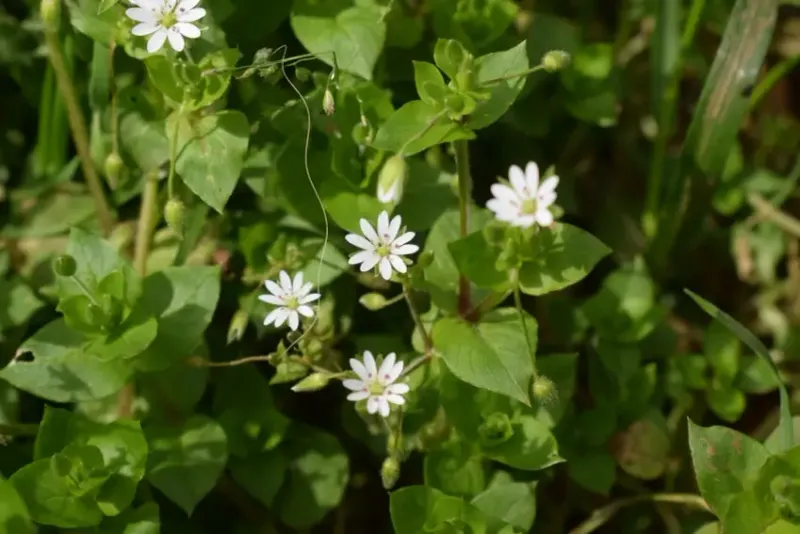
Common chickweed has a reputation for spreading quickly and quietly across garden beds, containers, and vegetable plots throughout Oregon. It tends to thrive in cooler, moister conditions, which makes fall a particularly active season for this low-growing annual.
The good news is that its shallow, fibrous root system makes it one of the more manageable weeds to hand-pull when the soil is damp.
After September rain softens the ground, chickweed plants can often be lifted in small mats with minimal effort.
Because the roots do not run deep, moist soil allows them to release fairly cleanly from the ground rather than breaking apart and leaving fragments behind.
Getting to chickweed while it is still young and before it has a chance to set seed is one of the more practical strategies for keeping it from spreading further into your beds.
A single chickweed plant can produce a large number of seeds, so timing removal before flowering and seed production begins can reduce how much of it shows up the following season.
In Oregon gardens, chickweed can appear and spread through fall and into winter in areas with mild, wet conditions, so catching it early during the fall moisture window makes sense.
Avoid turning the soil more than necessary during removal, since unnecessary digging can bring buried weed seeds closer to the surface and create fresh opportunities for germination.
A gentle lift and collect approach tends to work well for this shallow-rooted weed.
4. Henbit Seedlings Are Easier To Clear In Fall
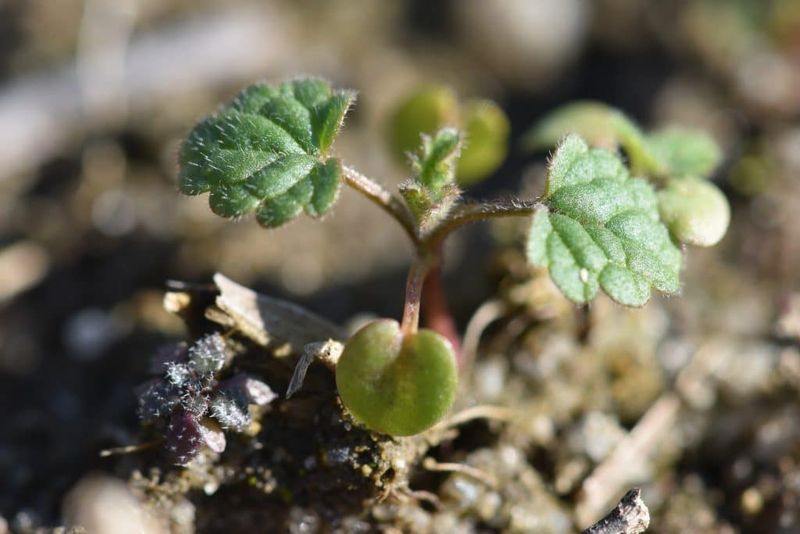
Henbit is one of those weeds that seems to appear almost overnight once cooler temperatures and fall moisture arrive in Oregon. As a winter annual, it germinates in fall, survives through winter, and produces seeds in spring before the cycle repeats.
Catching it as a seedling in the fall, shortly after September rain has softened the soil, gives gardeners a practical advantage before it becomes an established plant.
Young henbit plants are small and have limited root development, which means damp soil conditions make them relatively straightforward to pull cleanly.
The challenge with henbit is that it can germinate in waves throughout fall, so a single clearing session may not address all the plants that eventually appear.
Returning to garden beds periodically through the season can help you stay ahead of new flushes of seedlings.
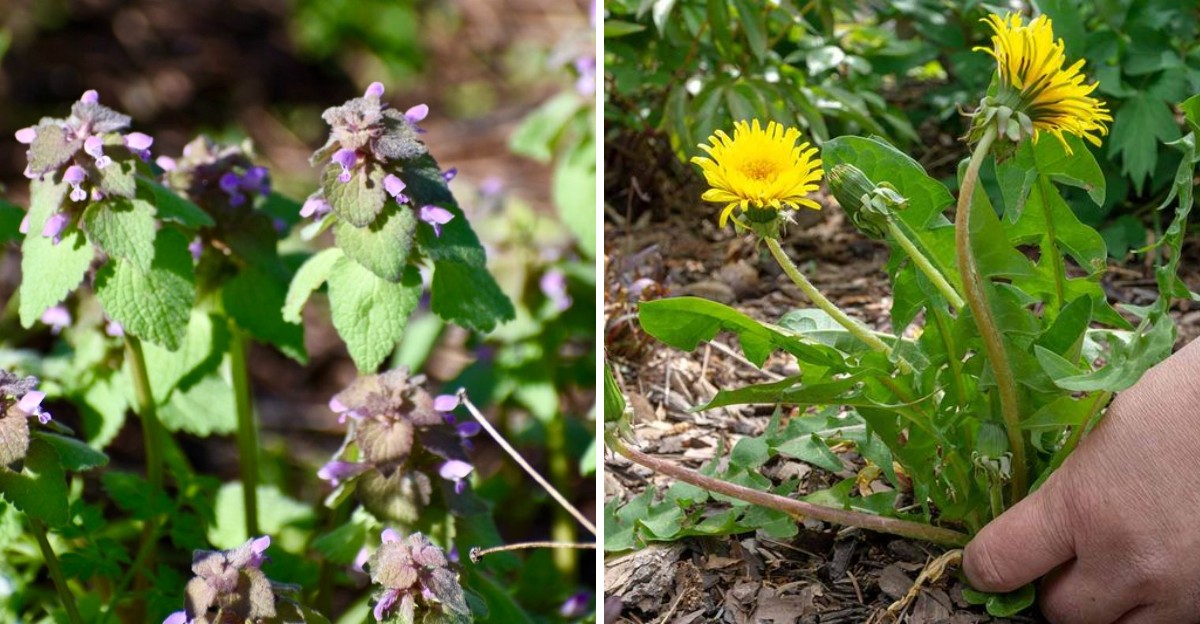
Henbit is common in vegetable gardens, landscape beds, and disturbed areas where open soil is available. Its square stems and rounded, scalloped leaves make it recognizable once you know what to look for.
Removing seedlings before they develop further is far easier than dealing with mature plants that have had time to root more firmly and begin producing seed.
The fall weeding window, when soil is moist but not waterlogged, is well suited to this kind of light but consistent maintenance.
Not every Oregon garden will experience heavy henbit pressure, but in areas where it appears regularly, fall is a reasonable time to address it.
5. Purple Archangel Is Easier To Pull Before Growth Accelerates
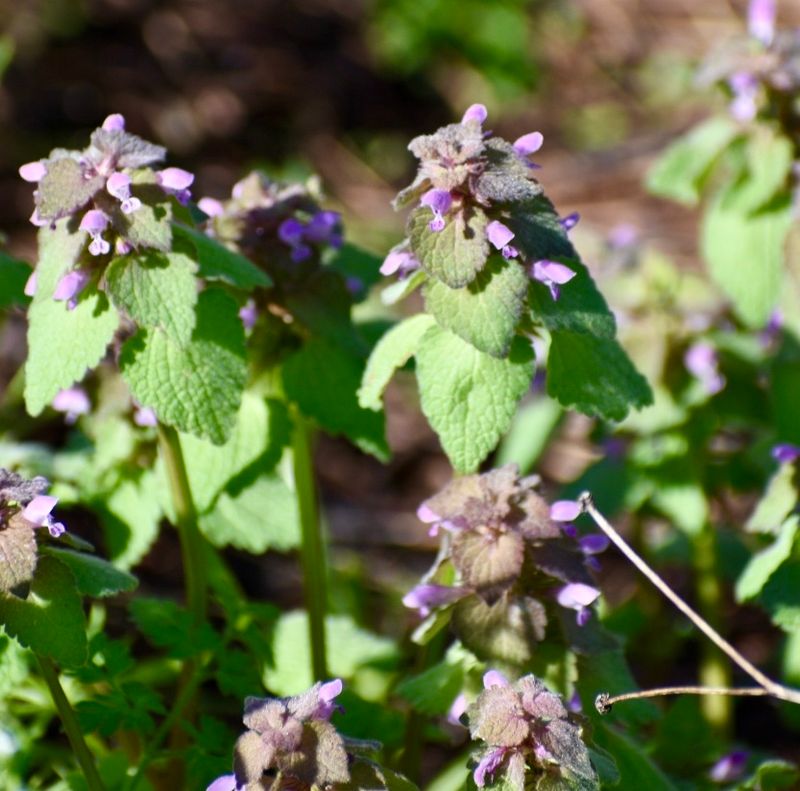
Walking through a garden bed in early fall and spotting clusters of small plants with purple-tinged leaves and square stems is a familiar experience for many gardeners.
Purple archangel, a cool-season annual related to henbit, often appears during the same fall window and responds to similar conditions.
Like henbit, it germinates in cooler weather and can spread through garden beds before gardeners notice it has taken hold.
Moist soil after September rain can make purple archangel seedlings noticeably easier to pull. The plants have relatively shallow roots and do not anchor themselves deeply in the early stages of growth, so damp ground allows for a cleaner removal.
Waiting until the soil feels workable rather than waterlogged is the better approach, since muddy conditions can make footing difficult and may cause soil structure issues if you are working in compacted areas.
Getting purple archangel out while it is small reduces the chance of it producing seeds and contributing to next season’s weed pressure.
Like other cool-season annuals, it tends to accelerate its growth once conditions are favorable, so removing young plants during the fall moisture window can be more manageable than dealing with larger, seed-bearing plants later.
Purple archangel appears in many Oregon garden types, from raised beds to ground-level borders, and is generally not considered a deeply difficult weed when caught early.
Consistent fall attention across a few seasons can noticeably reduce how much of it appears in your garden over time.
6. Bittercress Can Be Removed Before It Spreads
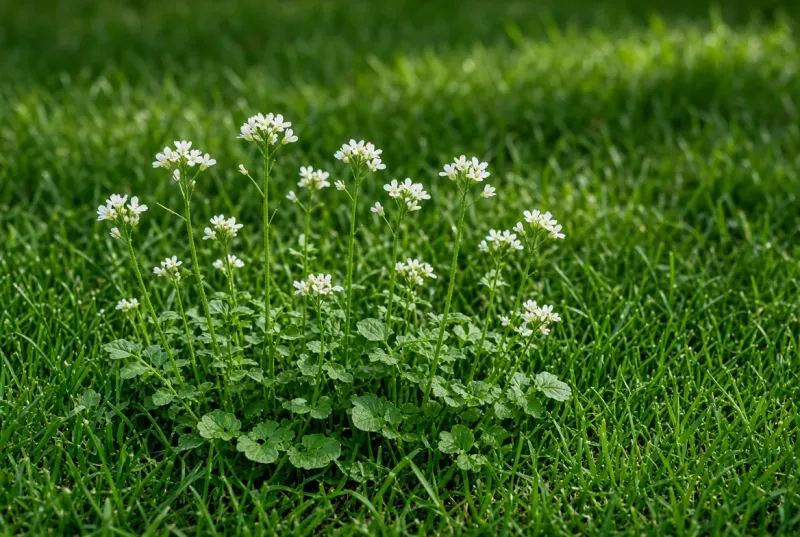
Bittercress has a trick that catches many gardeners off guard. When the plant matures and its seedpods are disturbed, even lightly, they can snap open and scatter seeds across a surprisingly wide area.
This ability to spread seeds quickly makes timing an important part of managing it, and fall is actually a reasonable window to get ahead of the problem before seed production begins.
Hairy bittercress is a cool-season annual that tends to germinate in fall and become more noticeable as temperatures drop and moisture increases. In Oregon gardens, it often shows up in containers, raised beds, and open garden soil where conditions stay moist.
Its roots are shallow and fibrous, which means that damp soil after September rain can make removal fairly straightforward, especially for young plants that have not yet developed seedpods.
The goal with bittercress is to remove it before those pods form and before any accidental disturbance sends seeds flying into nearby soil.
Pulling plants gently and placing them directly into a bag or bucket rather than shaking them loose can help reduce unintentional seed spread during removal.
Damp soil makes this process easier because the roots release more cleanly without requiring the kind of tugging that might disturb seedpods.
Bittercress is common across many parts of Oregon where fall and winter moisture is present, and catching it young during the fall weeding window is one of the more practical ways to manage its spread in garden beds and containers.
7. Field Bindweed Is Easier To Dig After Soil Softens
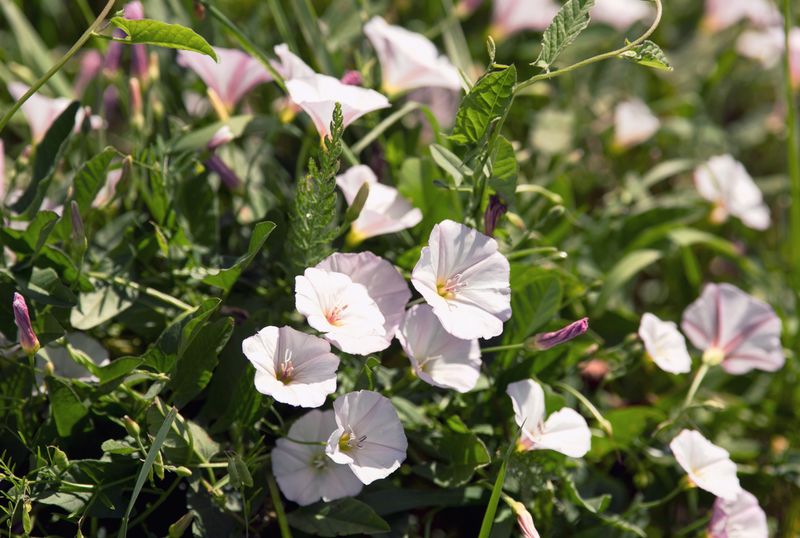
Field bindweed earns its reputation as one of the more persistent weeds in Oregon gardens. Its root system can extend deeply into the soil and spread laterally in ways that make complete removal through hand-pulling alone genuinely difficult.
The reason it appears in this article is not because September rain makes it easy to control, but because softened soil can make digging and working around those deep roots more manageable than trying to do the same in dry, compacted ground.
During summer, when soil bakes and hardens, inserting a digging fork or trowel near bindweed roots takes considerable effort, and the roots often break rather than come out intact.
Damp fall soil allows tools to enter more smoothly and gives gardeners a better chance of following the root system further down before it snaps.
Even with improved soil conditions, removing established bindweed typically requires repeated effort over time rather than a single session.
Fragments of root left in the soil can produce new growth, which is why persistence matters more than a one-time dig. Focusing on removing as much of the root as possible each time you work the area, rather than just pulling surface growth, gives better results.
Field bindweed is present in many parts of Oregon, particularly in disturbed soil, garden beds, and areas with open ground.
Using the fall moisture window to dig more thoroughly than summer conditions allow is a practical strategy, even if complete removal takes multiple seasons of consistent attention.
8. Quackgrass Can Be Dug More Easily After Rain
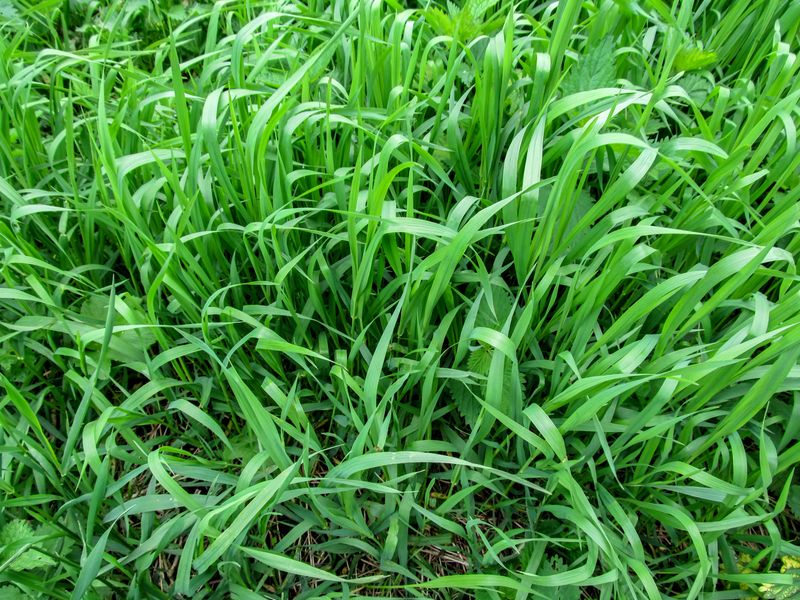
Quackgrass is the kind of weed that reminds gardeners just how complex a root system can be.
Unlike grasses that spread only from seed, quackgrass produces underground rhizomes, pale horizontal stems that extend through the soil and can generate new plants from small segments.
This underground network is what makes quackgrass so persistent and why simply pulling the visible blades above ground does very little to reduce the problem.
After September rain softens the soil, digging into quackgrass-affected areas becomes physically easier. A garden fork can be worked into damp ground with less resistance, allowing you to loosen the soil more thoroughly and follow rhizomes as you lift them out.
The goal is to remove as much of the underground structure as possible, though even careful digging may leave small rhizome segments behind that can eventually produce new growth.
Quackgrass is found across many Oregon landscapes, from vegetable gardens to landscape borders and disturbed areas. Its coarse, blue-green blades and the distinctive claw-like base where leaves meet the stem make it identifiable once you know what to look for.
Fall is not a guaranteed solution for quackgrass, but the improved digging conditions that damp soil provides can make each removal session more thorough than what is possible during dry summer months.
Consistent digging over multiple seasons, combined with good timing around fall moisture, tends to reduce the density of quackgrass in garden beds more effectively than sporadic removal efforts.