The Drainage Mistake Behind Most Failed Cucumber Plants
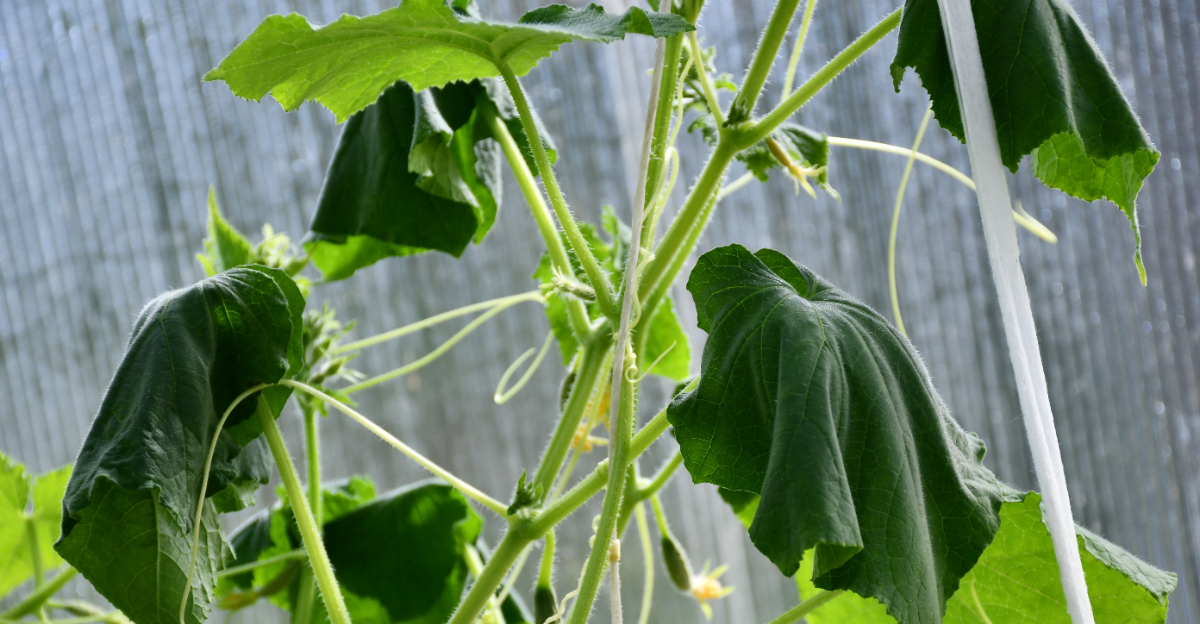
Cucumber vines wilt, leaves turn yellow, and gardeners immediately suspect pests or a bad batch of seeds. The actual problem often sits several inches below the surface, in a part of the garden most people never think to check.
Roots sitting in the wrong conditions stop absorbing nutrients properly, and the plant shows stress symptoms that look identical to disease or insect damage. This confusion sends many gardeners chasing fixes that were never going to work.
Meanwhile the real issue keeps working against the plant, and the decline continues no matter what gets sprayed or trimmed. Once the actual cause comes into focus, the pattern becomes easy to spot in almost any struggling cucumber patch.
The fix itself rarely requires tearing up the whole garden. A few targeted changes to how the bed is built and maintained can turn things around fast.
Waterlogged Roots Are Why Most Cucumber Plants Struggle
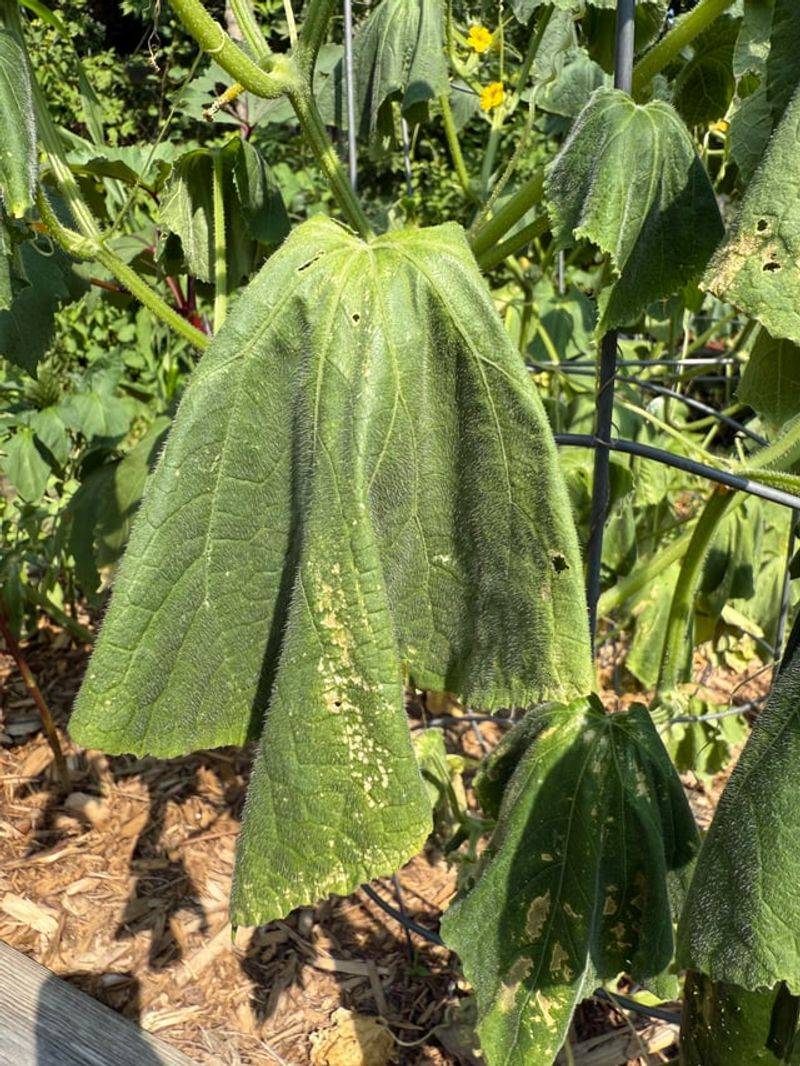
Your cucumber plant looked fine last Tuesday, then suddenly it wilted and turned yellow. That sinking feeling is familiar to almost every home gardener who has dealt with waterlogged roots.
Cucumbers are sun-loving, fast-growing plants that need oxygen just as much as water. When soil stays soaked for too long, air pockets disappear and roots are starved of oxygen.
Without oxygen, roots cannot absorb nutrients properly, even if your soil is packed with fertilizer. The plant signals stress through yellowing leaves, drooping stems, and stunted growth that looks oddly similar to drought damage.
That confusion is exactly why so many gardeners make things worse by adding more water. The drainage mistake behind most failed cucumber plants starts the moment water has nowhere to go.
Standing water around the base of a plant is an obvious red flag, but slow drainage is sneakier. Soil that feels damp three or four days after rain is already holding too much moisture for cucumbers to thrive.
Root rot is the technical name for what happens next, caused by fungal pathogens that love wet conditions. Once rot sets in, saving the plant becomes very difficult.
Catching the problem early is your best defense against losing an entire crop. Healthy roots should look white or tan and feel firm, not dark, mushy, or slimy.
Understanding why roots struggle in wet soil is the first step toward growing cucumbers that actually make it to harvest.
Signs Your Soil Is Holding Too Much Water
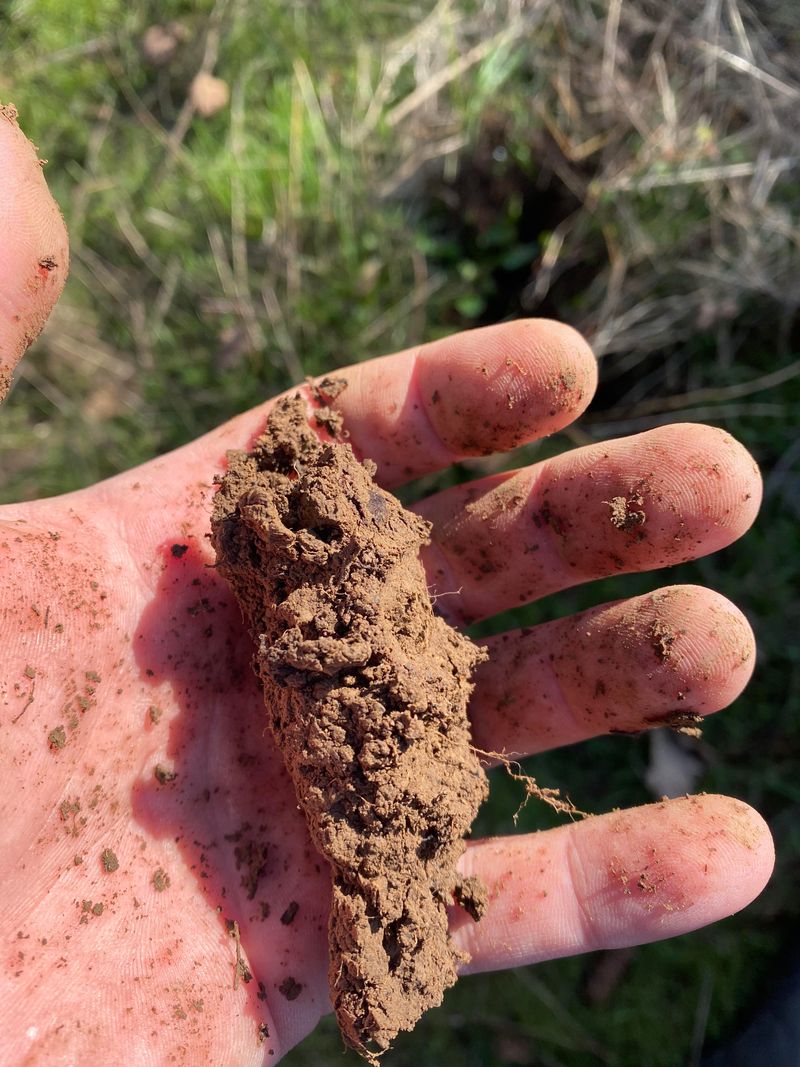
Soggy soil does not always announce itself with a puddle on the surface. Sometimes the warning signs are subtle, and gardeners miss them until real damage is done.
One of the easiest tests is the squeeze test: grab a handful of soil and squeeze it firmly in your fist. If water drips out or the clump holds its shape like clay, drainage is likely poor.
Another clue is how long water sits after you irrigate or after rainfall. Healthy, well-draining soil should absorb water within a couple of hours of a normal watering session.
Soil that stays wet for 24 hours or longer after rain is a serious warning sign worth addressing before you plant anything. Cucumbers planted in that environment face an uphill struggle from day one.
Look closely at the surface of your garden bed after watering. A crusty, cracked layer that forms as it dries often signals compaction, which slows drainage significantly.
Moss or algae growing on your soil surface is another telltale clue that moisture is sticking around too long. These organisms love consistently damp, low-oxygen environments.
Check also for a sour or rotten smell when you dig into the soil a few inches deep. That odor often means anaerobic bacteria are thriving in conditions that cucumbers struggle to tolerate.
Recognizing these signs early gives you a real shot at fixing the problem before your plants pay the price.
Raised Beds And Mounds Solve Most Drainage Problems

Building up is one of the smartest moves any gardener can make when the ground below refuses to cooperate. Raised beds and planting mounds put your cucumbers above most of the problem.
A raised bed that is just 8 to 12 inches tall creates enough vertical distance to keep roots out of saturated ground. You fill it with a custom soil mix designed specifically for drainage and root health.
A common blend for raised cucumber beds includes topsoil, compost, and coarse perlite or sand. That combination drains quickly while still holding enough nutrients to feed hungry plants all season.
Planting mounds are a simpler, lower-cost option that works surprisingly well in flat or clay-heavy yards. Pile amended soil about 6 to 8 inches high in a rounded mound before transplanting your seedlings.
Water naturally flows away from the peak of a mound, keeping the root zone aerated and comfortable. Cucumbers planted this way often grow noticeably stronger than those in flat, poorly drained beds.
Raised beds also warm up faster in spring, which gives cucumbers a head start during the critical early weeks of growth. Warmer soil temperatures encourage faster root development and stronger stems.
If you already have a raised bed that is draining slowly, check whether the bottom has become compacted over time. Loosening the base layer with a garden fork can restore drainage without rebuilding the entire structure.
Going raised is one of the most reliable solutions to the drainage mistake behind most failed cucumber plants.
Improving Heavy Clay Soil Before Planting Cucumbers
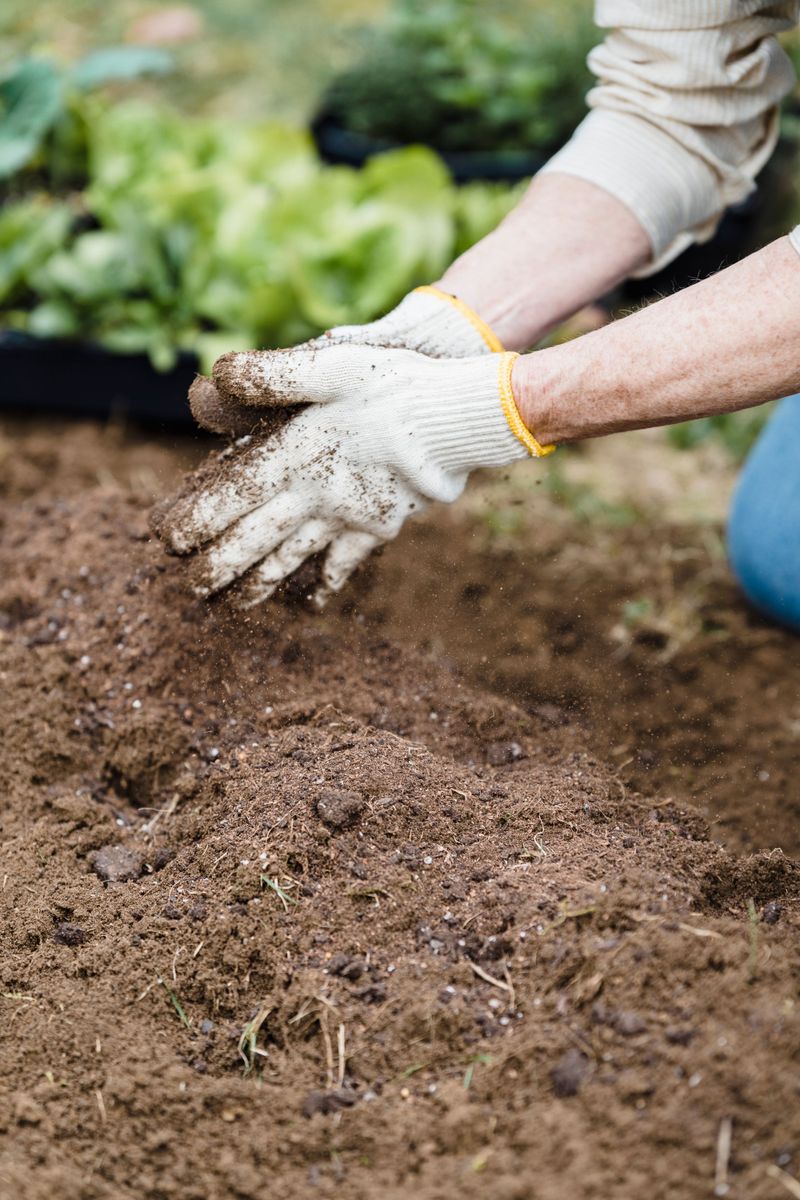
Clay soil is stubborn, sticky, and deeply frustrating for anyone trying to grow cucumbers. It holds water like a sponge and drains far slower than cucumbers need.
Clay soil can be significantly improved with the right amendments, and the results are worth every bit of effort you put in. Organic matter is your most powerful tool for breaking up that dense, compacted structure.
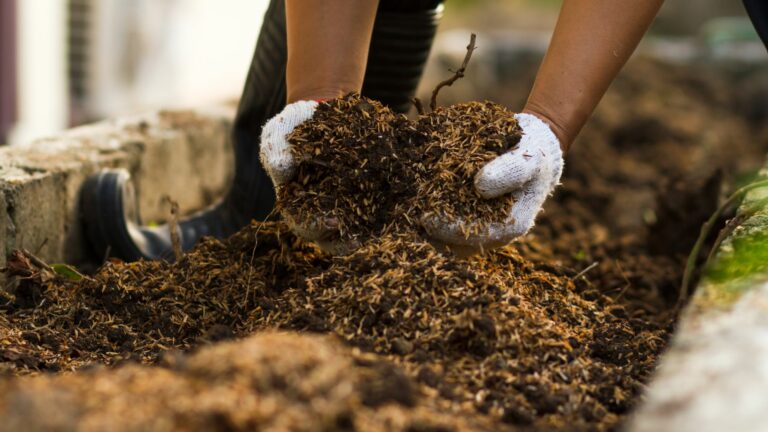
Compost is the gold standard amendment for clay-heavy garden beds. Mixing in 3 to 4 inches of finished compost before planting changes the texture and creates space for air and water to move more freely.
Coarse sand is another amendment that helps, but only when added in generous quantities. Adding just a little sand to clay can actually make drainage worse, creating a dense mixture that traps water instead of releasing it.
Aim for a ratio of at least 50 percent compost or organic material when amending clay for cucumbers. That level of amendment creates a noticeably different texture that roots can actually navigate.
Biochar is a newer amendment gaining attention among serious gardeners for its ability to improve clay structure long-term. It is lightweight, porous, and helps soil hold air while releasing water more efficiently.
Avoid tilling clay soil when it is wet, because doing so destroys soil structure and makes compaction worse. Wait until the soil crumbles slightly when squeezed before working it with any tools.
Improved clay becomes a surprisingly productive growing medium once drainage is restored and roots can finally breathe.
Watering Habits That Make Drainage Issues Worse
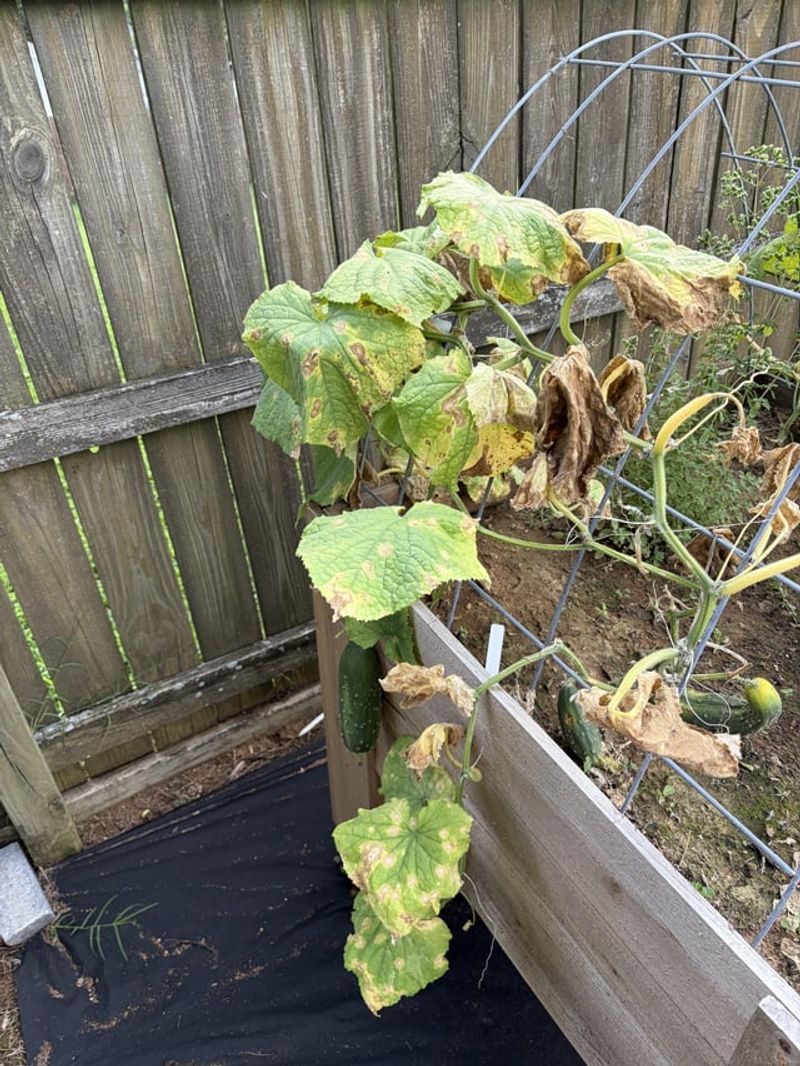
Even perfectly amended soil cannot save cucumbers from a gardener who waters too often. Overwatering is one of the most common and least-suspected causes of poor drainage outcomes.
Many gardeners water on a fixed schedule without checking whether the soil actually needs moisture that day. Watering every single morning regardless of conditions can keep soil saturated even in well-draining beds.
A simple finger test tells you everything you need to know before reaching for the hose. Stick your finger about two inches into the soil, and water only if that depth feels dry to the touch.
Sprinkler systems set to run daily are a common culprit behind mystery cucumber failures in otherwise healthy gardens. Adjusting the timer to run every two or three days can noticeably improve plant health.
Watering in the evening is another habit that compounds drainage issues over time. Soil that stays wet overnight has less chance to dry between cycles, especially during cooler stretches of the growing season.
Morning watering gives the sun time to help evaporate surface moisture and keeps the root zone from staying damp too long. Cucumbers prefer a wet-then-dry cycle that mimics natural rainfall patterns.
Heavy watering sessions followed by dry periods are far better for cucumbers than light, frequent watering that never lets soil breathe. Deep, infrequent watering also encourages roots to grow downward rather than staying shallow and vulnerable.
Fixing your watering routine costs nothing and can turn struggling plants into productive ones over the following weeks.
Choosing The Right Spot To Avoid Waterlogged Roots
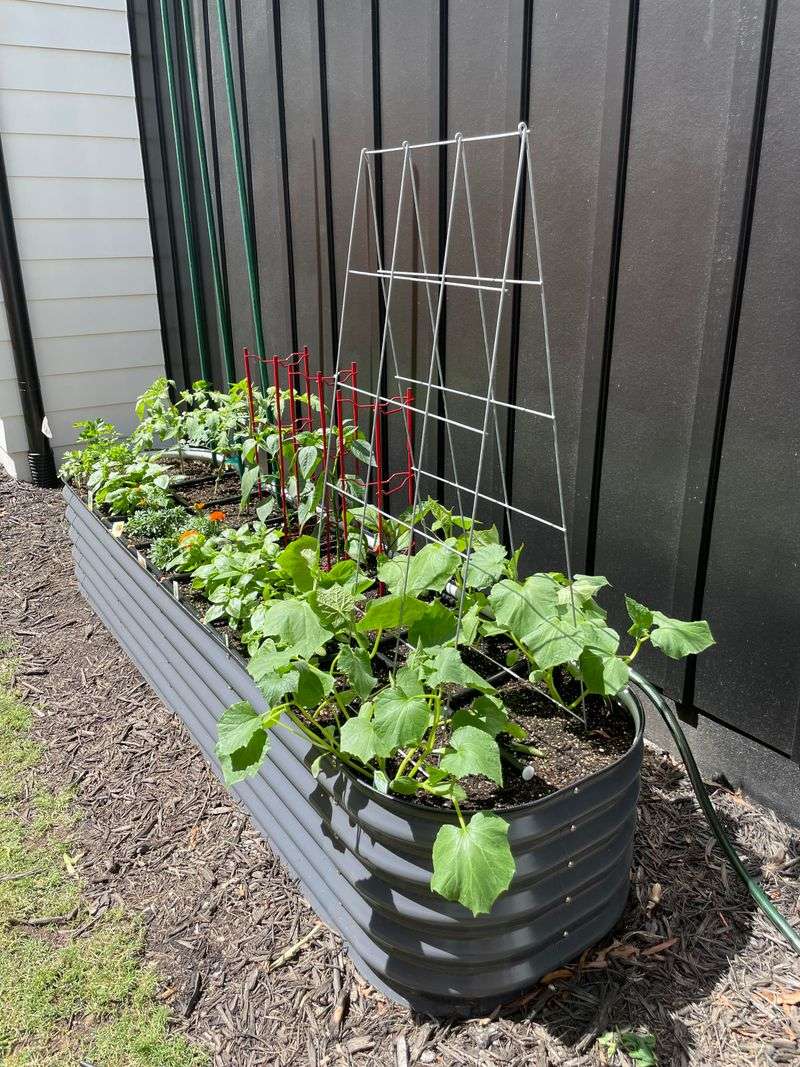
Location plays a bigger role than most gardeners expect when it comes to growing cucumbers that actually produce a harvest. Planting in the wrong spot can undermine every other effort you make, no matter how good your soil is.
Low-lying areas of a yard collect water naturally after rain and irrigation. Planting cucumbers in a depression or at the bottom of a slope is almost always a setup for waterlogged roots and poor results.
Observe your yard during and after a heavy rainstorm before choosing your planting spot. Areas where water pools or drains slowly are poor locations for cucumbers.
A gentle slope is actually ideal for cucumber beds because gravity pulls excess water away from the root zone naturally. Even a slight grade of just a few inches makes a measurable difference in drainage performance.
Full sun exposure also plays a role in drainage by helping evaporate surface moisture more quickly throughout the day. Shaded spots stay wetter longer, creating conditions that encourage root problems and fungal growth.
Avoid placing cucumber beds near downspouts, drainage channels, or areas where runoff from roofs or driveways collects. Those zones receive far more water than surrounding areas and rarely drain well enough for sensitive plants.
If your best sun spot happens to be in a low area, build it up with a raised bed or mound to compensate. Solving the drainage mistake behind most failed cucumber plants sometimes comes down to simply choosing or creating the right spot.
Smart placement costs nothing and pays off for the rest of the season.