Plant This Herb And Watch Oregon Bees Ignore Everything Else In Your Garden
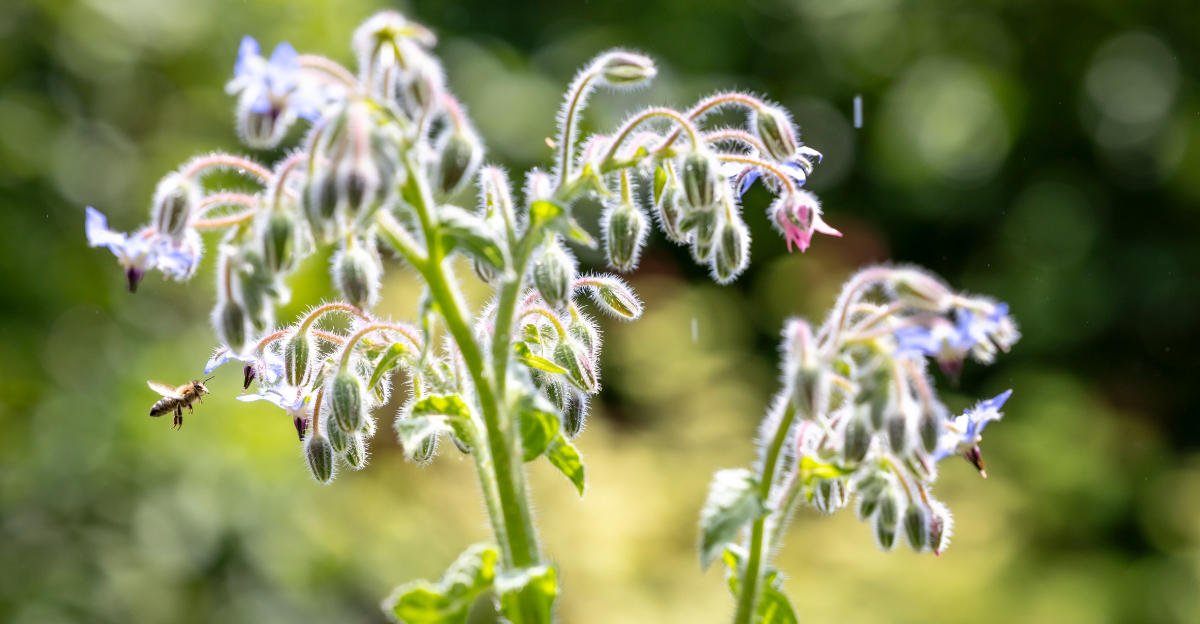
Some herbs quietly sit in the garden. This one practically throws a bee party.
Once it blooms, Oregon bees may treat every other flower nearby like old news. The plant earns attention fast, and its appeal can seem almost unfair to the rest of the yard. Even showy favorites may struggle to compete.
That intense interest can make a small herb patch feel like the busiest spot on the property. It also gives gardeners a front-row seat to constant bee traffic without the need for a huge pollinator bed.
The surprise is not just how many bees arrive. It is how often they return and how long they stay focused on one plant.
For anyone who wants more life in the garden, this herb brings serious star power. Give it a sunny spot, then prepare for every nearby bee to act as if the grand opening has begun.
1. The Bee Magnet Herb
Few herbs in the garden world create the kind of pollinator frenzy that borage does. Walk past a blooming borage plant on a warm summer morning, and you will likely hear it before you see it. The buzzing is almost constant.
Borage, also known by its scientific name Borago officinalis, is native to the Mediterranean region. It has been grown in gardens for centuries, and beekeepers have long known its secret.
The flowers produce nectar at a very high rate, making them incredibly attractive to honeybees and bumblebees alike.
What makes borage stand out from other bee-friendly plants is how quickly it gets to work. Seeds germinate fast, plants grow quickly, and blooms appear within about eight weeks of planting.
Once those blue flowers open up, bees arrive almost immediately.
Gardeners in Oregon have noticed that bees will often skip over lavender, clover, and even flowering vegetables just to get to borage. The nectar is rich and the flowers are easy for bees to access.
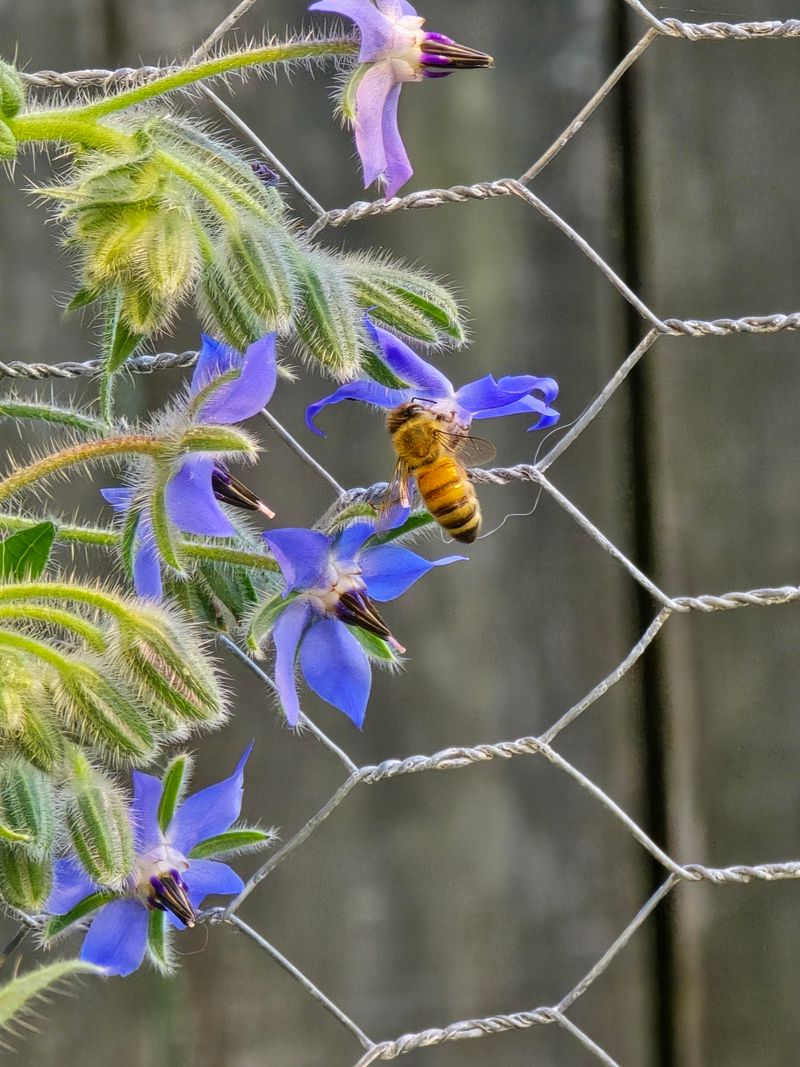
That open, star-shaped design means bees do not have to work hard to reach the reward.
Planting borage is one of the simplest decisions you can make for your garden. It thrives in average soil, needs minimal watering once established, and grows well in containers too.
For any gardener who wants more bees and better pollination, borage is the clear starting point.
2. Blue Star Flowers Pull Bees In Fast
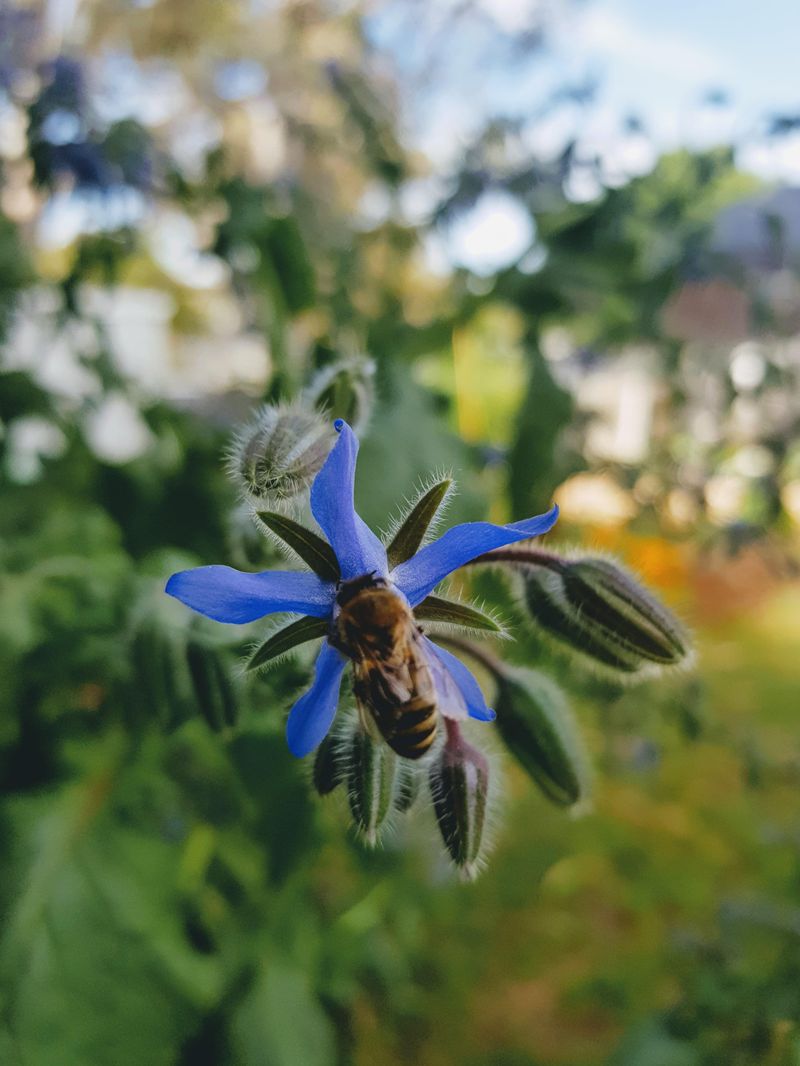
There is something almost magnetic about the color of borage flowers. That vivid, sky-blue shade is not just beautiful to human eyes.
Bees are actually drawn to blue and violet hues more than almost any other color in the spectrum.
Each borage flower is small but packed with nectar. The five petals spread out in a perfect star shape, with a dark center that acts almost like a landing signal for incoming bees.
Studies on bee foraging behavior have shown that bees return repeatedly to flowers they find rewarding, and borage keeps delivering.
The flowers also produce a fresh, faint cucumber-like scent. This aroma is mild to us but very appealing to pollinators searching for food sources.
Your Oregon Garden Changes Every Week. Your Plan Should Too.
Gardening in Oregon changes quickly throughout the season. Every Friday you’ll receive a simple weekly plan showing exactly what to plant, prune, fertilize, harvest, and protect so you never miss the right timing.
Combined with the visual cue of those blue petals, the scent makes borage nearly impossible for bees to overlook.
What is especially impressive is how fast bees respond once borage begins blooming. Some gardeners report seeing their first bee visitor within minutes of the earliest flowers opening.
That kind of instant attraction is rare among garden herbs.
Each individual flower does not last long, but the plant produces new blooms continuously over a long season. So the supply of fresh, nectar-rich flowers stays steady.
Bees learn quickly that your borage patch is a reliable food source, and they keep coming back day after day throughout the growing season.
3. Long Bloom Time Keeps Pollinators Coming
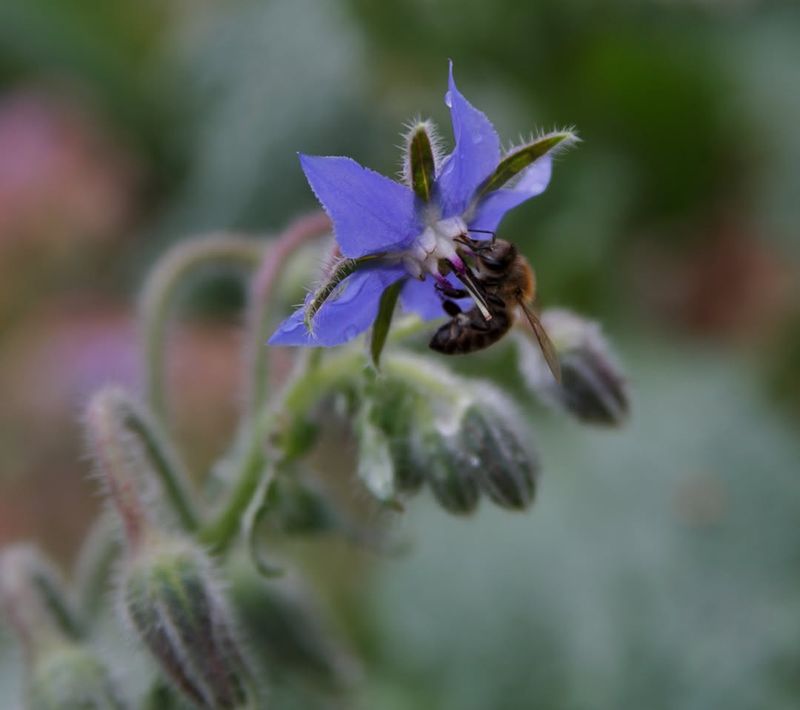
One of the biggest advantages borage has over other pollinator-friendly plants is how long it stays in bloom. Many flowers put on a short show and then fade.
Borage keeps going for months, giving bees a steady reason to stay close to your garden.
In most growing zones across Oregon, borage begins blooming in late spring and continues well into fall. That is a remarkably long window.
During that entire stretch, the plant is constantly pushing out new flowers to replace the ones that have finished.
This extended bloom cycle matters a lot for pollinators. Bees need consistent food sources throughout the season.
When one plant can provide that reliability from early summer through autumn, it becomes a central hub in your garden’s pollinator ecosystem.
Bumblebees, in particular, benefit from long-blooming plants. Their colonies grow slowly and need food over a longer period than honeybees.
Borage fits that need perfectly. It is one of the reasons bumblebee populations tend to thrive in gardens where borage is planted regularly.
To keep the blooms coming as long as possible, deadhead spent flowers when you can. Removing old blooms encourages the plant to produce new ones faster.
You can also stagger your planting dates, starting some seeds indoors and direct sowing others outside a few weeks later. That way, you get a continuous wave of fresh flowers and a non-stop pollinator parade in your yard.
4. It Works Best In Sunny Garden Beds
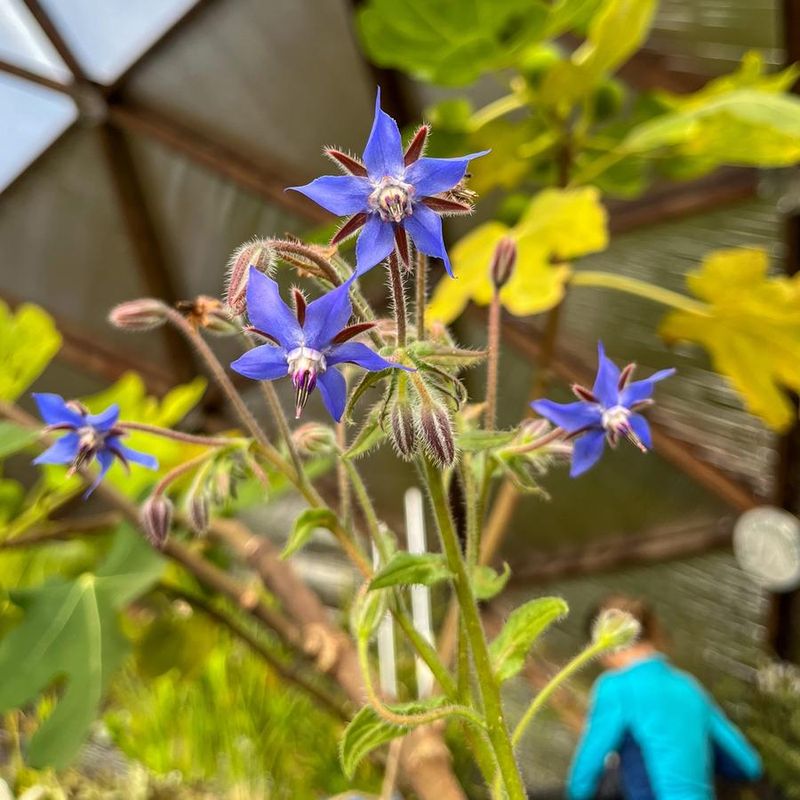
Sunlight is the single biggest factor in getting borage to perform at its best. This herb loves full sun and rewards you with stronger growth and more abundant flowers when it gets at least six hours of direct light each day.
In shaded spots, borage will still grow, but it tends to get leggy and produce fewer flowers. Fewer flowers means fewer bees.
If you want that buzzing, busy energy around your garden, pick the sunniest bed you have and plant borage there first.
Raised beds are a fantastic option for borage in Oregon. They warm up faster in spring, which gives borage an earlier start.
The improved drainage that raised beds offer also suits borage well, since this herb does not like sitting in soggy soil for extended periods.
Soil quality matters less than you might expect. Borage actually thrives in average or even slightly poor soil.
Rich, heavily fertilized soil can push the plant to produce more leaves than flowers, which is the opposite of what you want when your goal is attracting bees.
When choosing your planting spot, also think about air circulation. Borage plants can grow quite tall, sometimes reaching three feet or more.
Giving them a little space between other plants helps prevent moisture buildup around the stems. A sunny, open garden bed with decent drainage is genuinely the sweet spot for getting the most out of this remarkable herb.
5. Self-Seeding Can Be A Bonus Or A Problem
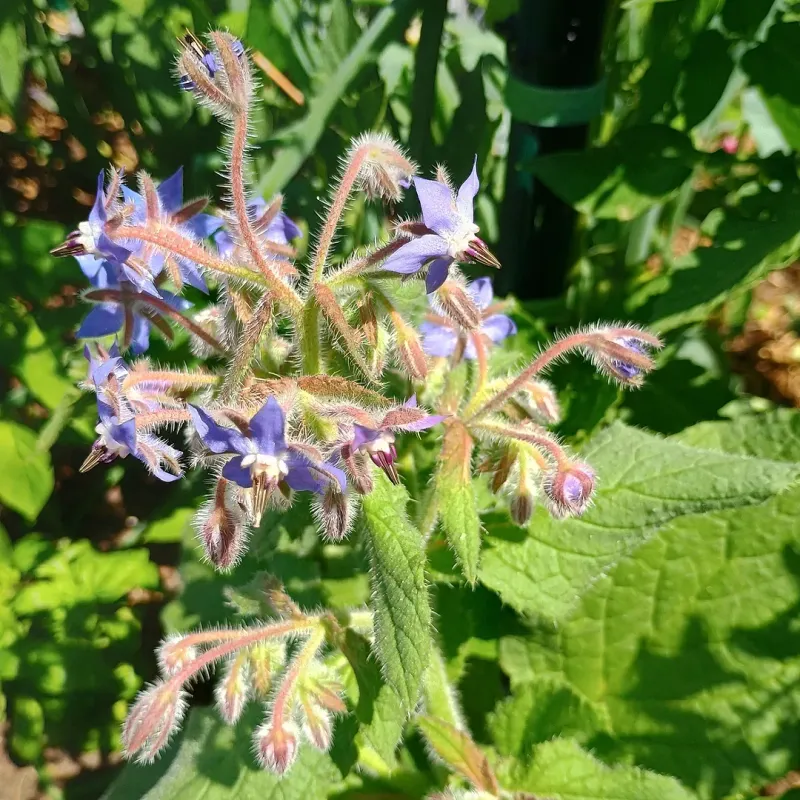
Once borage finishes flowering, it drops seeds. Lots of them. And those seeds sprout the following year without any help from you at all. For some gardeners, that is a wonderful surprise.
For others, it can feel a bit overwhelming. The self-seeding habit of borage means that once you plant it, you may never need to buy seeds again. Plants pop up each spring in and around the original planting area.
Many gardeners actually count on this to keep their borage patch going year after year without extra effort.
The challenge comes when borage starts appearing in spots where you did not plan for it. It can crowd out smaller plants or show up in pathways and container edges.
If you prefer a tidy, controlled garden layout, this tendency requires a bit of management.
The easiest way to handle self-seeding is to deadhead some flowers before they go to seed.
Let a few plants go to seed in spots where you want borage to return next year, but remove spent flowers in areas where you want to keep things neat. It is a simple balance once you get the hang of it.
In northern Oregon regions where winters are colder, self-seeding is sometimes less reliable. Seeds may not survive a hard freeze in exposed beds.
Adding a light layer of mulch over the planting area in late fall can help protect seeds and improve your chances of a strong natural return the following spring.
6. Young Leaves Are Rough But Useful
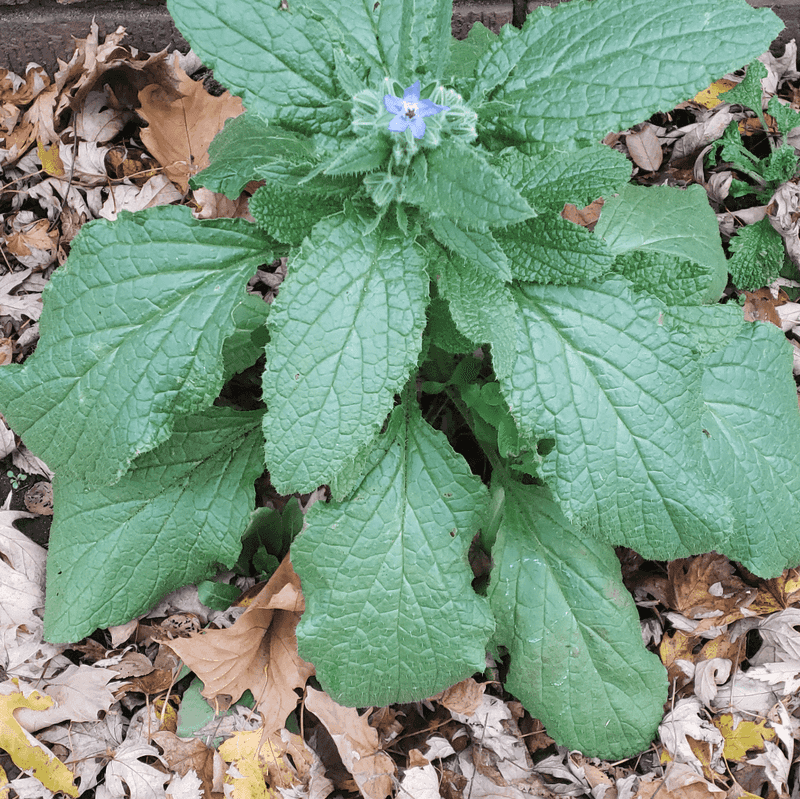
Pick up a borage leaf and the first thing you notice is the texture. It is rough, almost scratchy, covered in fine bristly hairs that can feel surprising if you are not expecting it.
But do not let that put you off. Those leaves have real value.
Young borage leaves have a mild cucumber flavor that works well in salads, cold drinks, and herb-infused water. The flavor is refreshing and light.
Many people enjoy adding a few small leaves to summer lemonade or iced tea for a subtle green note that is hard to place but easy to enjoy.
The leaves are most tender and best for eating when the plant is young. As borage matures and grows taller, the leaves get tougher and the bristles become more pronounced.
Harvesting early and often keeps a steady supply of softer, more palatable leaves coming throughout the season.
Beyond the kitchen, borage leaves have a long history in herbal traditions. They were used in various folk remedies for centuries, though modern use tends to focus more on the flowers and seeds.
The leaves can also be chopped and added to compost, where they break down quickly and add trace minerals back to the soil.
Some gardeners use large borage leaves as a living mulch around the base of other plants. They shade the soil, slow moisture loss, and eventually break down into the ground.
It is a surprisingly practical use for a leaf that most people toss aside without a second thought.
7. Plant It Near Vegetables That Need Pollination
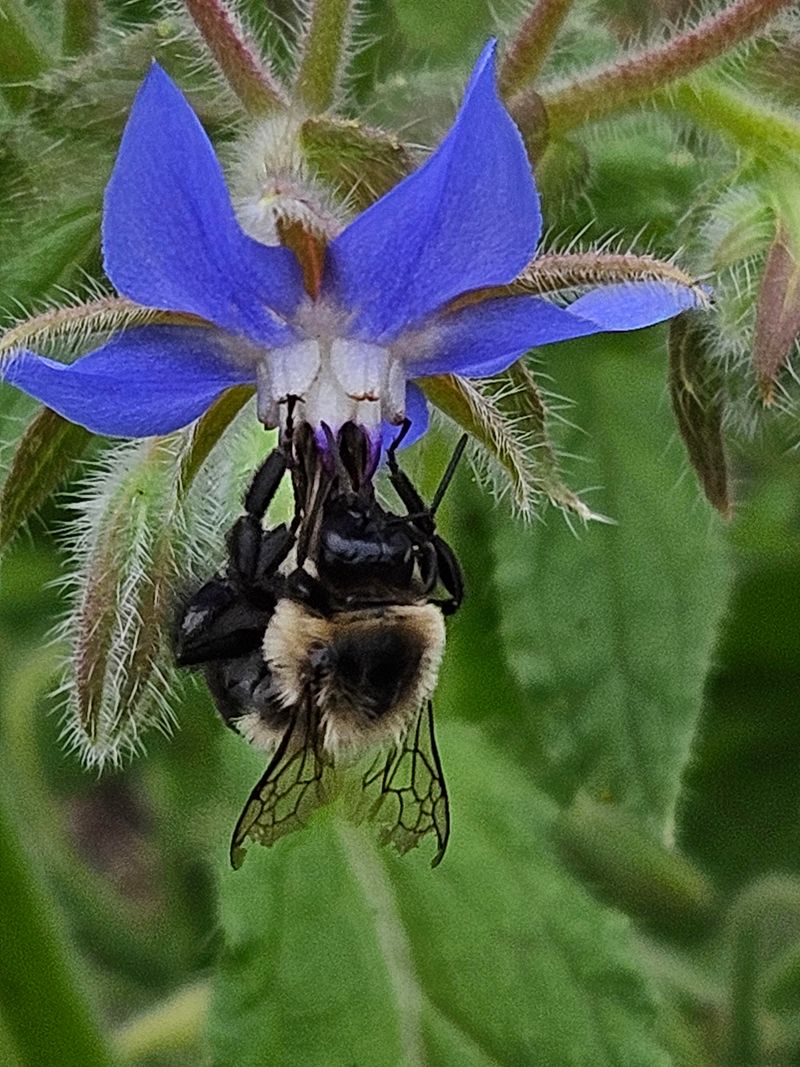
Borage is not just a pretty herb that bees love. It is also a strategic companion plant that can directly improve the productivity of your vegetable garden.
Planting it near crops that depend on pollination is one of the smartest moves a gardener can make.
Tomatoes, squash, cucumbers, and zucchini all need pollinators to set fruit. When bees are busy visiting borage nearby, they naturally move between the herb and the vegetables.
This cross-pollination leads to better fruit set, larger yields, and more consistent harvests throughout the season.
Squash in particular benefits enormously from having borage close by. Squash plants have separate male and female flowers, and they need bees to carry pollen between them.
Without strong pollinator activity, squash plants can produce plenty of flowers but very little actual fruit.
Experienced Oregon gardeners often tuck borage plants at the corners of raised beds or along the edges of vegetable rows. This placement gives bees an easy entry point and keeps them active throughout the entire bed.
The results in terms of vegetable production can be striking.
Beyond pollination, borage is also said to repel certain garden pests like tomato hornworms and cabbage worms. While more research is needed to confirm this fully, many gardeners swear by it.
Whether or not the pest-repelling claims hold up in every situation, the pollinator benefits alone make borage a vegetable garden essential worth planting every single season.