The Right Way To Water Pennsylvania Hydrangeas In August So They Do Not Collapse Before Fall
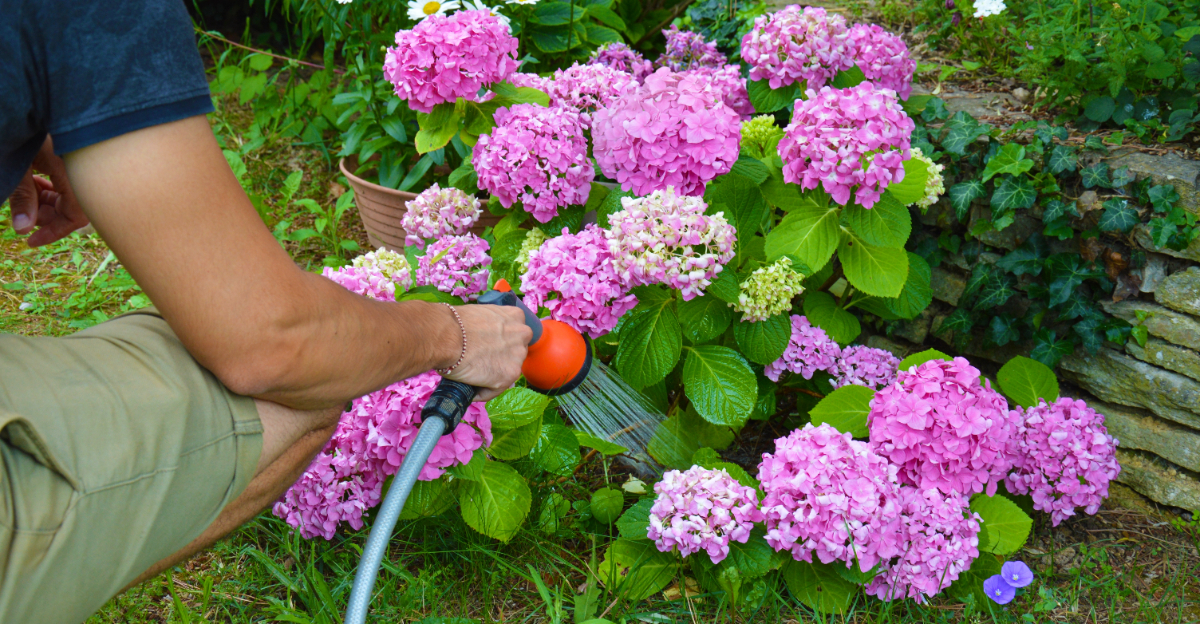
August tests hydrangeas in Pennsylvania like nothing else on the calendar. Thick air makes the leaves look fine from a distance, yet underneath, root systems fight to draw water through soil that has hardened into something closer to brick.
Skip a deep watering and those mophead blooms turn papery and limp within days. Mastering August watering for Pennsylvania hydrangeas is what keeps a garden’s color into fall.
Heat alone rarely does this damage on its own. It’s the combination of high humidity and parched roots that catches gardeners off guard, since the air feels heavy while the ground stays thirsty underneath.
Getting the timing and depth of watering right now protects blooms that took all spring and summer to build.
Deep Morning Watering Is The Right Approach
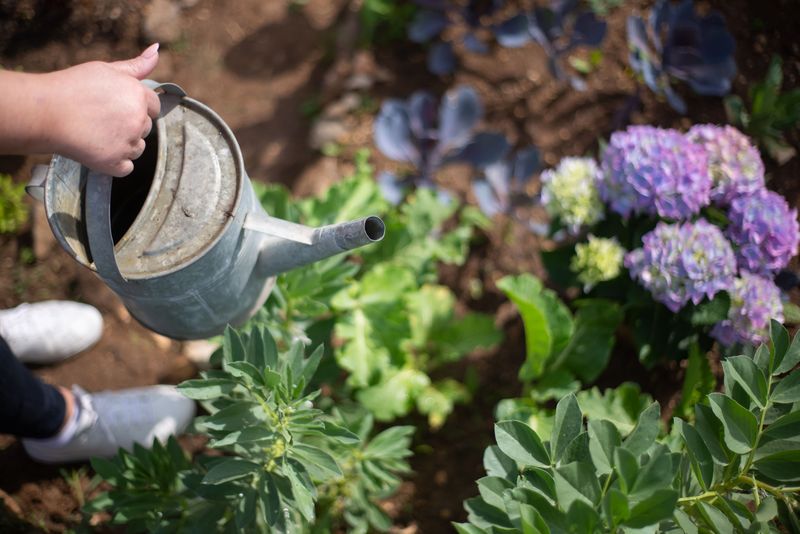
Your hydrangeas are thirsty, and shallow sips just do not cut it. The right way to water Pennsylvania hydrangeas in August starts with soaking the ground deeply each session.
Deep watering means letting water run slowly at the base for several minutes. You want moisture to sink at least ten to twelve inches deep into the soil.
Roots follow water downward when you train them this way. Shallow watering keeps roots near the surface, where August heat bakes them fast.
A deep soak encourages roots to grow lower into cooler soil layers. Those deeper layers hold moisture longer and protect the plant during heat spikes.
Use a garden hose set to low pressure or a soaker hose for best results. Fast, forceful water runs off before it can penetrate compacted summer soil.
Slow and steady is the winning strategy here. Give each plant at least two to three gallons per session to ensure the root zone gets fully saturated.
Think of it like filling a dry sponge. You have to go slow at first or the water just beads off the surface instead of soaking in.
Once you commit to deep morning watering, your hydrangeas stop wilting by noon. That visual improvement alone tells you the roots are finally getting what they need.
Morning Timing Matters Most For Absorption
Watering at noon in August works against your plants, not for them. Midday heat evaporates moisture before roots ever get a chance to absorb it.
Morning is the golden window, ideally between six and nine in the morning. Soil temperatures are cooler, evaporation is minimal, and roots are primed to drink.
Hydrangeas absorb water most efficiently when the surrounding air is still cool. That early window gives moisture time to travel deep before the sun gets aggressive.
Evening watering sounds appealing, but it creates a different problem. Wet foliage overnight invites fungal issues that weaken plants heading into fall.
Morning watering lets any splashed leaves dry off completely during the day. Dry foliage by sunset means far fewer mold and mildew problems on your blooms.
Set an alarm if you need to. Seriously, that extra thirty minutes of morning effort pays off in weeks of healthy, upright blooms through September.
Your Pennsylvania Garden Changes Every Week. Your Plan Should Too.
Gardening in Pennsylvania changes quickly throughout the season. Every Friday you’ll receive a simple weekly plan showing exactly what to plant, prune, fertilize, harvest, and protect so you never miss the right timing.
Pennsylvania mornings in August often bring light humidity, which actually helps slow evaporation slightly. That natural assist makes morning the smartest watering window of the entire day.
Consistency matters just as much as timing. Watering at the same hour each morning trains your plants into a rhythm that supports steady, reliable moisture uptake.
Once you nail the timing, you will notice fewer collapsed stems after hot afternoons. That is your signal the roots are finally keeping pace with August heat.
Reaching The Root Zone With Deep Watering
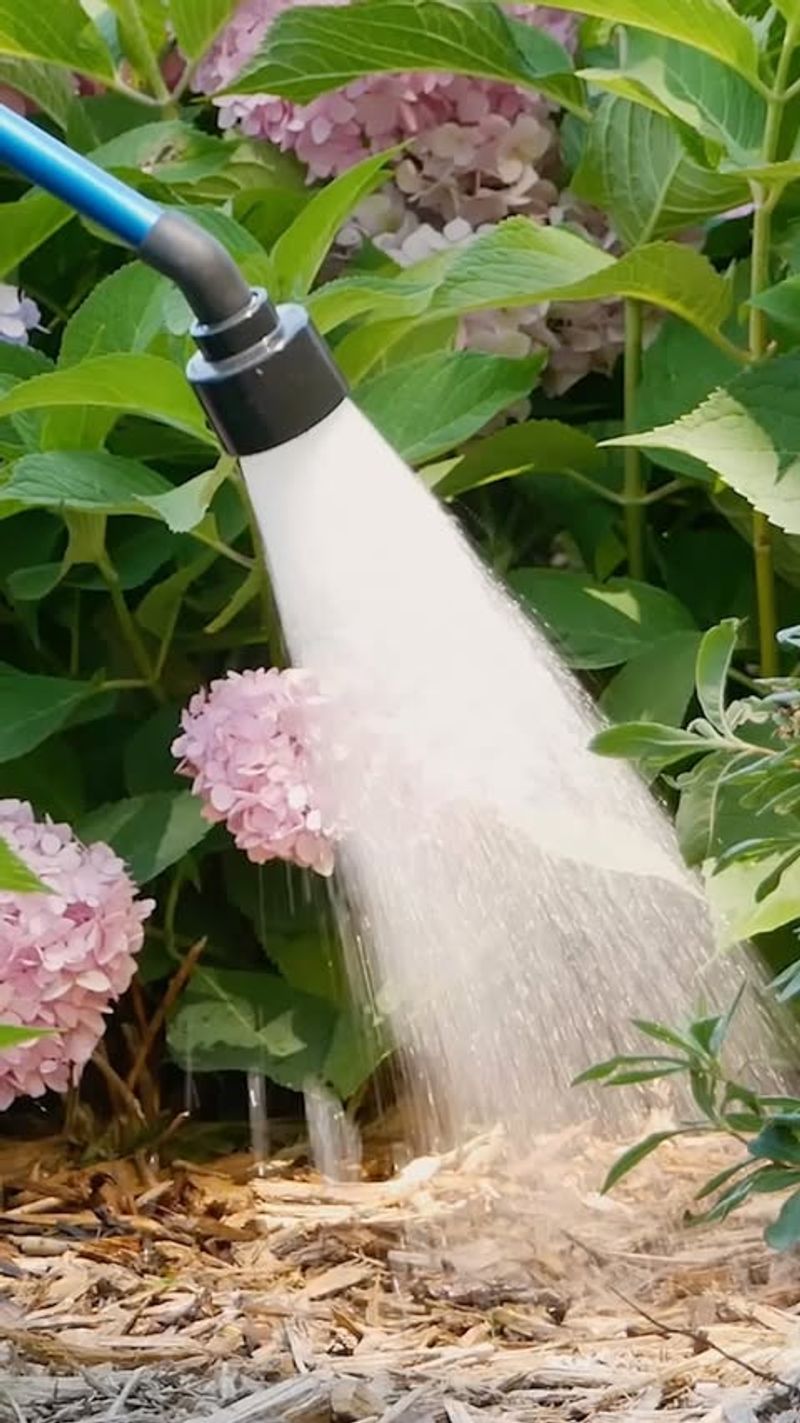
Most gardeners water the leaves and call it done. But hydrangeas pull nutrients and moisture through their roots, not through their foliage.
Getting water to the root zone is the whole game in August. Aim the hose at the base of the plant, not at the stems or flowers above.
The root zone of a mature hydrangea can spread two to three feet out from the main stem. Water that entire area, not just one spot directly at the trunk.
Soaker hoses are excellent tools for reaching the full root zone evenly. Lay one in a circle around the plant and let it run for twenty to thirty minutes.
Drip irrigation works similarly and wastes almost no water to evaporation. Both methods beat overhead sprinklers by a wide margin during hot summer months.
If you only have a standard hose, move it around the base as you water. Cover the full circle of soil around the plant before moving on.
Compacted soil is a common August problem in Pennsylvania gardens. Aerate lightly with a garden fork before watering to help moisture penetrate deeper and faster.
Mulching around the root zone also helps lock in moisture after each session. A two-inch layer of shredded wood or bark mulch can cut water loss significantly.
Roots that stay consistently moist produce stems that stand tall. Treat the root zone with respect and your hydrangeas reward you through October.
Checking Soil Moisture Before Each Session
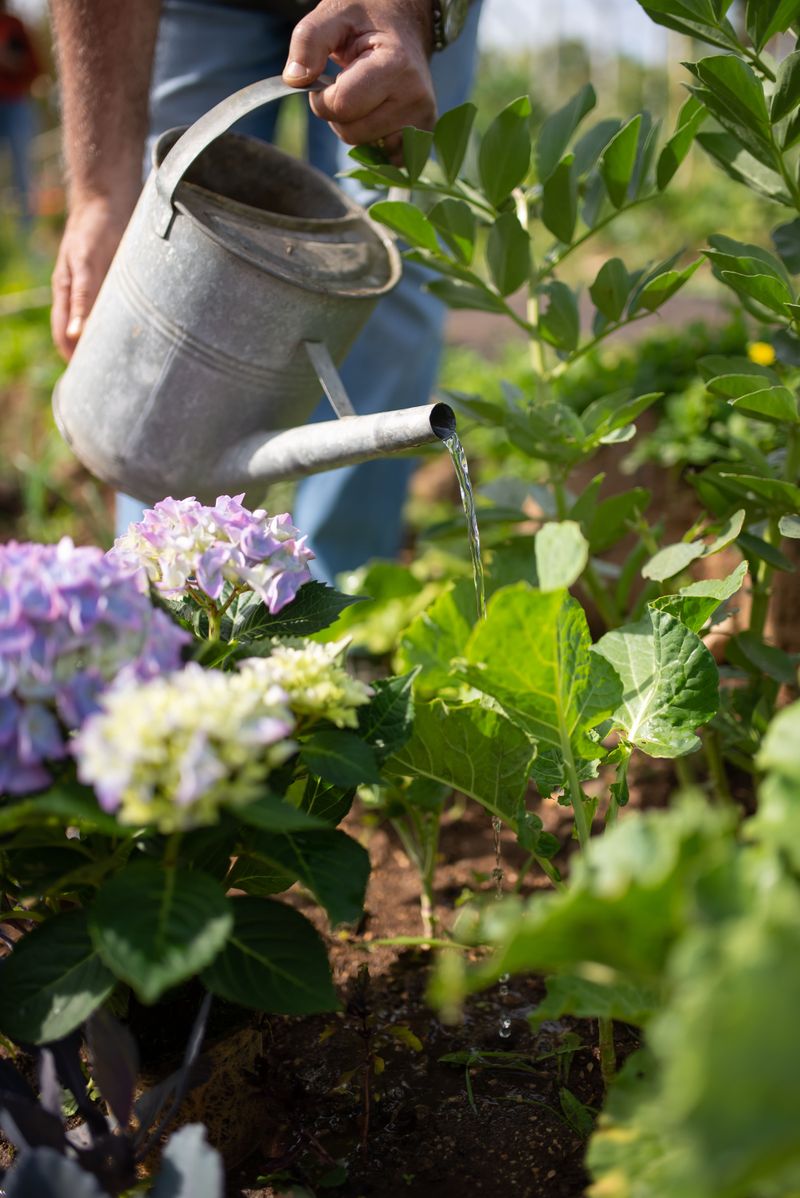
Before you grab the hose, stick your finger two inches into the soil near the plant base. That simple test tells you more than any watering schedule ever could.
If the soil feels moist at that depth, skip the session. If it feels dry or barely damp, water immediately without delay.
Overwatering is just as harmful as drought stress for hydrangeas. Soggy roots lose access to oxygen and start to break down, which causes the same wilting and collapse you were trying to prevent.
August weather in Pennsylvania swings wildly from week to week. A stretch of rainy days means your plants may not need supplemental watering at all.
A moisture meter is a cheap and useful tool for gardeners who want precision. Push the probe into the soil and read the level before every watering session.
Consistent checking builds your intuition over time. After a few weeks, you will start to read your plants visually before even touching the ground.
Hydrangeas that are slightly dry will show soft, drooping leaves in the afternoon. That is a warning sign, not a crisis, if you catch it early enough.
Plants that are overwatered look similar but feel different at the root level. Mushy, dark soil with a sour smell signals too much moisture, not too little.
Checking before each session keeps you in control of the watering process. Smart observation beats rigid schedules every single time in August garden care.
Adjusting Frequency As Temperatures Rise
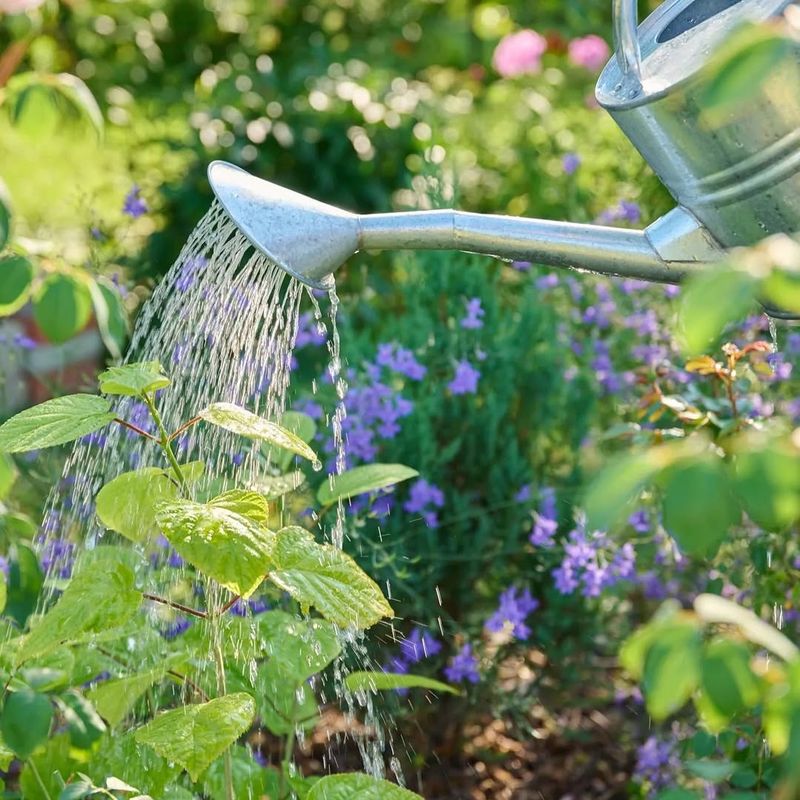
A ninety-degree week hits differently than a mild stretch of eighty-degree days. Your watering schedule needs to flex with the forecast, not stay locked on autopilot.
During extreme heat, hydrangeas may need water every single day. When temperatures drop back into the mid-seventies, every two to three days is usually enough.
Pennsylvania summers are unpredictable, which means you have to stay attentive. Check the weekly forecast each Sunday and plan your watering sessions around what is coming.
Wind also accelerates moisture loss from soil and leaves. On breezy August days, increase your watering amount slightly to compensate for the extra evaporation.
Potted hydrangeas dry out even faster than in-ground plants. Container plants may need watering twice daily during heat waves, morning and early evening.
Mulch becomes your best friend during high-frequency watering periods. A fresh layer of mulch after each deep soak helps hold moisture for hours longer than bare soil.
Pay attention to how quickly the soil dries between sessions. If it is bone dry within twelve hours, your plant needs more water or thicker mulch coverage.
Newly planted hydrangeas are the most vulnerable during August temperature spikes. Give them extra attention and check their soil twice daily until they establish strong roots.
Flexibility is the secret to keeping plants strong through summer surges. Adjusting your routine with the weather is what separates thriving gardens from struggling ones.
Signs The Method Is Working
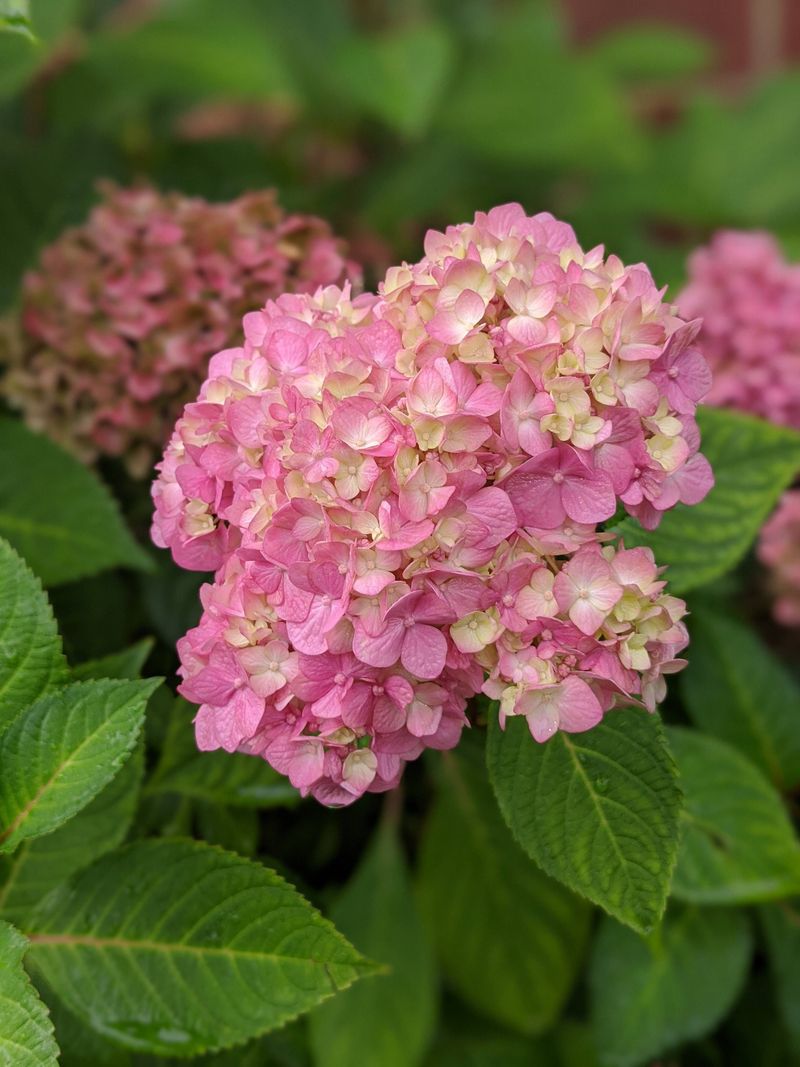
Your hard work will show up in the plant itself. Healthy, well-watered hydrangeas stand tall even through the hottest August afternoons in Pennsylvania.
Upright stems and firm, full blooms are the clearest signs your watering method is working. Drooping blooms that recover fully by morning confirm the roots are absorbing well.
Leaves should look deep green and slightly glossy, not pale, yellowed, or crispy at the edges. Crispy edges usually mean inconsistent watering or too much direct afternoon sun.
New growth is another encouraging indicator. When you spot small new buds or leaf shoots in August, the plant has enough energy to keep building toward fall.
Soil that stays consistently moist two inches down without becoming waterlogged means you have nailed the balance. That sweet spot is exactly what you are aiming for each session.
Blooms that hold their shape and color through late August are a real win. Faded or mushy flowers can signal overwatering, while crispy brown petals point to drought stress.
Take a photo of your plants each week for comparison. Progress is easier to track when you can see side-by-side snapshots of how the plant changes over time.
Strong plants entering September are far more likely to finish the season with color and structure. The right way to water Pennsylvania hydrangeas in August pays off visually every single fall.
Keep the routine going until overnight temperatures drop consistently below sixty. That is when your hydrangeas finally get to exhale after a long, hard summer.