The Underrated Pennsylvania Native Plant That Can Help Make Backyards Less Mosquito-Friendly
Warm Pennsylvania evenings spent on the patio are one of summer’s better offerings, right up until the mosquitoes show up and make everyone retreat inside.
If you have been looking for plants that pull double duty in a backyard setting, clustered mountain mint is one worth getting to know.
This hardy native perennial grows well across much of Pennsylvania, smells genuinely pleasant near a patio or border, and attracts an impressive number of pollinators once those small summer blooms open up.
It is worth being straightforward though: clustered mountain mint does not repel mosquitoes on its own, and no plant really does in a reliable, real-world way.
Reducing standing water is still the most important move. That said, adding this plant to a thoughtfully managed outdoor space is a smart and rewarding choice that brings a lot more than just good intentions to the garden.
1. Clustered Mountain Mint Adds Aromatic Foliage
Walking past a border planted with clustered mountain mint on a warm Pennsylvania afternoon, you might notice a clean, herby scent drifting through the air.
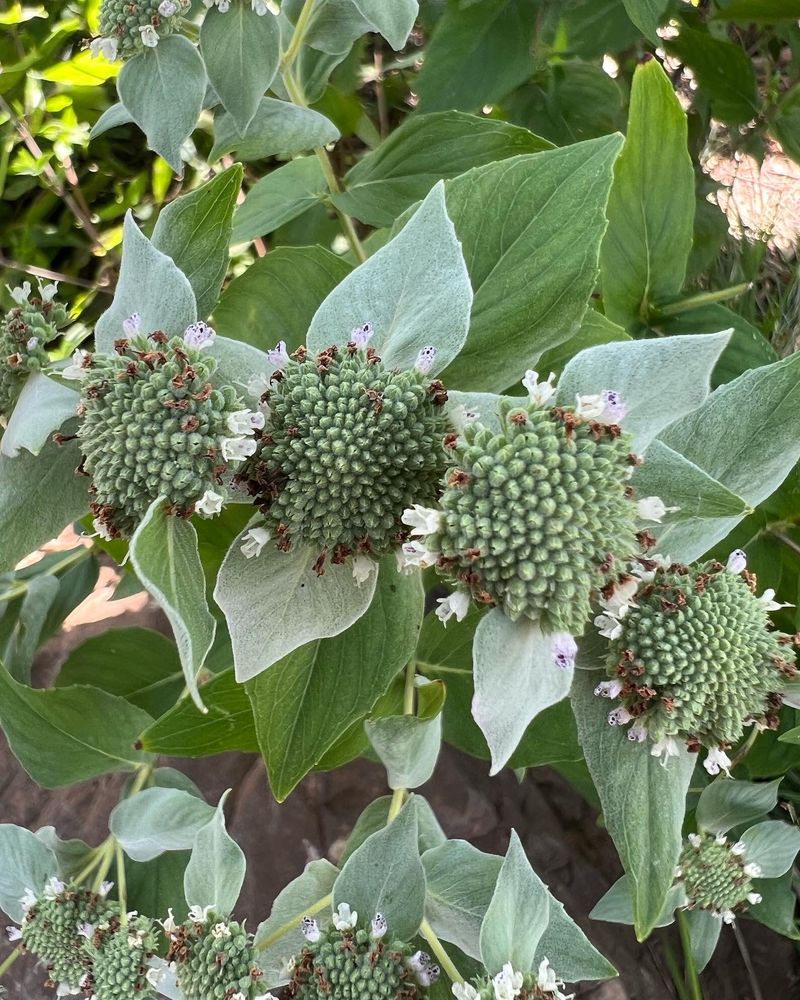
That fragrance comes from the plant’s aromatic foliage, which releases a minty smell when leaves are brushed or lightly crushed.
For gardeners who spend time near patios or garden paths, that sensory detail alone makes this plant worth considering.
Clustered mountain mint, known botanically as Pycnanthemum muticum, is native to much of the eastern United States, including Pennsylvania.
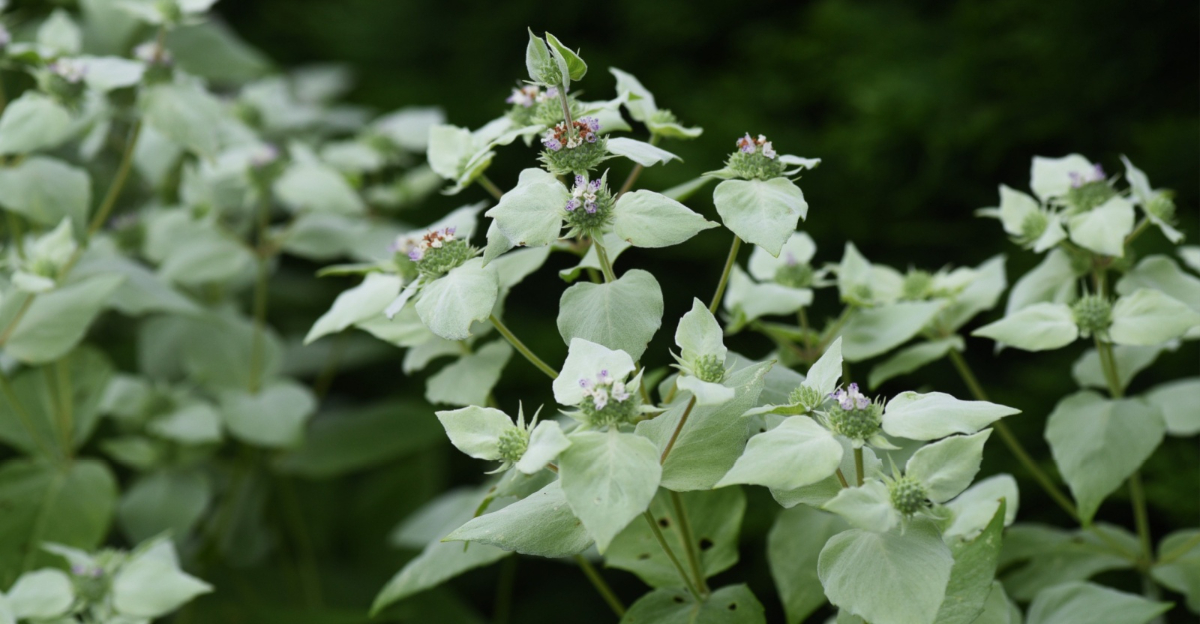
Its leaves are silvery-green with a slightly frosted look near the top of the plant, giving it a soft, decorative quality that works well alongside other native perennials.
The foliage stays attractive through much of the growing season, which makes it useful for borders that need consistent visual interest from late spring through fall.
Beyond looks, the aromatic quality of the leaves is one reason this plant tends to stand out in a mixed native bed. Some gardeners plant it near seating areas simply because the foliage feels refreshing on hot summer days.
It is not a mosquito repellent in any proven, reliable sense, but the plant adds a pleasant layer of sensory interest to any Pennsylvania backyard garden space worth spending time in.
2. Tiny Summer Blooms Bring Big Pollinator Value
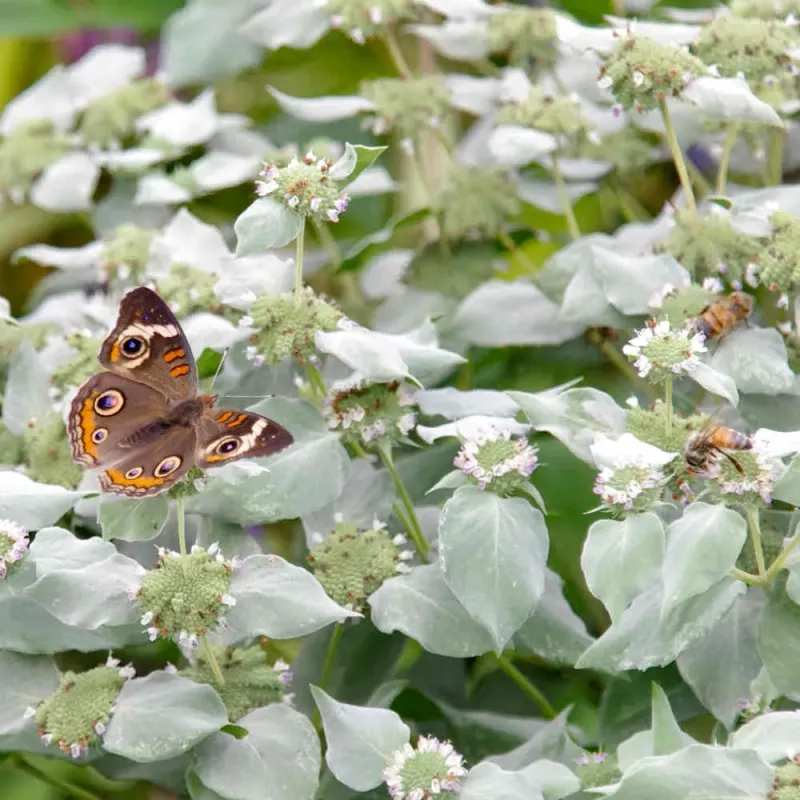
Spend a few minutes watching a patch of clustered mountain mint in bloom during a Pennsylvania summer, and it quickly becomes clear why pollinator gardeners love this plant.
The small, white to pale lavender flowers cluster tightly at the tops of stems from midsummer into early fall, and they attract an impressive variety of visiting insects.
Bees, wasps, butterflies, and beetles all seem drawn to the blooms in noticeable numbers.
What makes this plant especially valuable in a pollinator bed is that it blooms during a period when many other garden flowers have already finished for the season. That timing fills a gap that can leave pollinator gardens looking sparse and quiet in late summer.
Having clustered mountain mint in a Pennsylvania border means the garden stays active and buzzing well past the peak of early summer color.
Your Pennsylvania Garden Changes Every Week. Your Plan Should Too.
Gardening in Pennsylvania changes quickly throughout the season. Every Friday you’ll receive a simple weekly plan showing exactly what to plant, prune, fertilize, harvest, and protect so you never miss the right timing.
The flowers themselves are small but produced in large quantities, which means pollinators have plenty of material to work with during each visit. Native bees in particular tend to return to this plant repeatedly throughout its bloom period.
For Pennsylvania gardeners trying to support local pollinator populations while also designing a yard that feels lively and well-maintained, clustered mountain mint offers a straightforward way to accomplish both goals.
It does not require a lot of extra effort or specialized care during the growing season, which makes it an easy addition to almost any sunny border or patio planting.
3. Minty Leaves Make Borders Feel Fresher
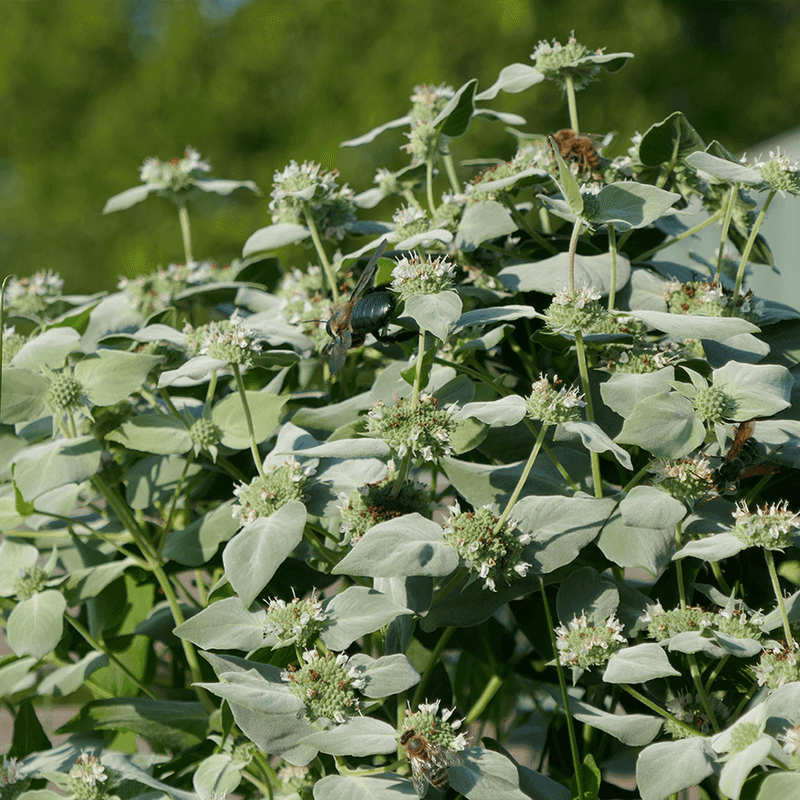
There is something genuinely refreshing about a garden border that smells as good as it looks. Clustered mountain mint brings that quality to Pennsylvania backyard plantings in a way that few other native perennials can match.
The minty scent released by the foliage is subtle enough that it does not overwhelm a space, but noticeable enough to make time spent near the border feel a little more pleasant on warm afternoons.
Gardeners who place this plant near a patio edge, a garden path, or a seating area often find that it adds an informal, herb-garden feel to the landscape without requiring the maintenance that dedicated herb beds sometimes demand.
Clustered mountain mint is a perennial, so it returns each season without needing to be replanted, which simplifies the upkeep for busy Pennsylvania homeowners who want a low-maintenance border with some personality.
The silvery-tipped foliage also provides visual contrast when planted alongside darker-leaved natives or bold summer bloomers like coneflowers and black-eyed Susans.
That combination of scent, texture, and color makes clustered mountain mint a versatile choice for borders that need more than just flowers to stay interesting.
When a backyard border smells fresh and looks layered, it tends to feel like a more inviting place to spend time, which is reason enough to give this plant a closer look in any Pennsylvania garden.
4. Standing Water Still Matters Most
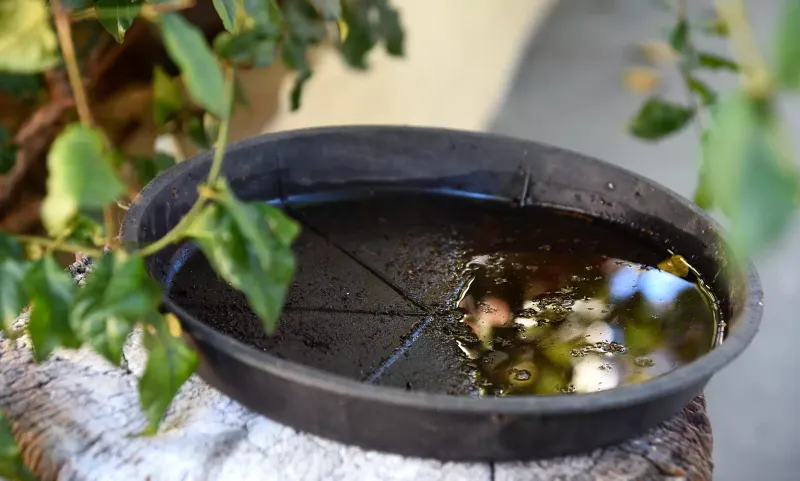
Even the most thoughtfully planted Pennsylvania backyard garden can feel uncomfortable in summer if standing water is allowed to collect nearby.
Mosquitoes lay their eggs in still, shallow water, and even small amounts, like what collects in a forgotten bucket, a clogged gutter, a plant saucer, or a low spot in the lawn, can support breeding populations that make outdoor time unpleasant.
Clustered mountain mint is a wonderful native plant with real landscape and pollinator value, but no plant eliminates mosquito risk on its own.
The most effective step any Pennsylvania homeowner can take toward a more mosquito-aware yard is regularly checking for and removing sources of standing water.
Emptying containers after rain, cleaning out clogged gutters, refreshing birdbath water every few days, and filling in low spots that hold water can all reduce the number of mosquitoes developing near a home.
Good water management habits remain the most important foundation for keeping mosquito pressure down in any Pennsylvania backyard.
Pairing that with thoughtful planting choices, including natives like clustered mountain mint that support a healthy and active garden ecosystem, gives homeowners the best chance at an outdoor space that feels genuinely enjoyable through the summer months.
Thinking of mosquito control as a two-part approach, one part habitat maintenance and one part smart planting, tends to produce better results than relying on any single plant or product to solve the problem on its own.
5. Sunny Spots Help Mountain Mint Thrive
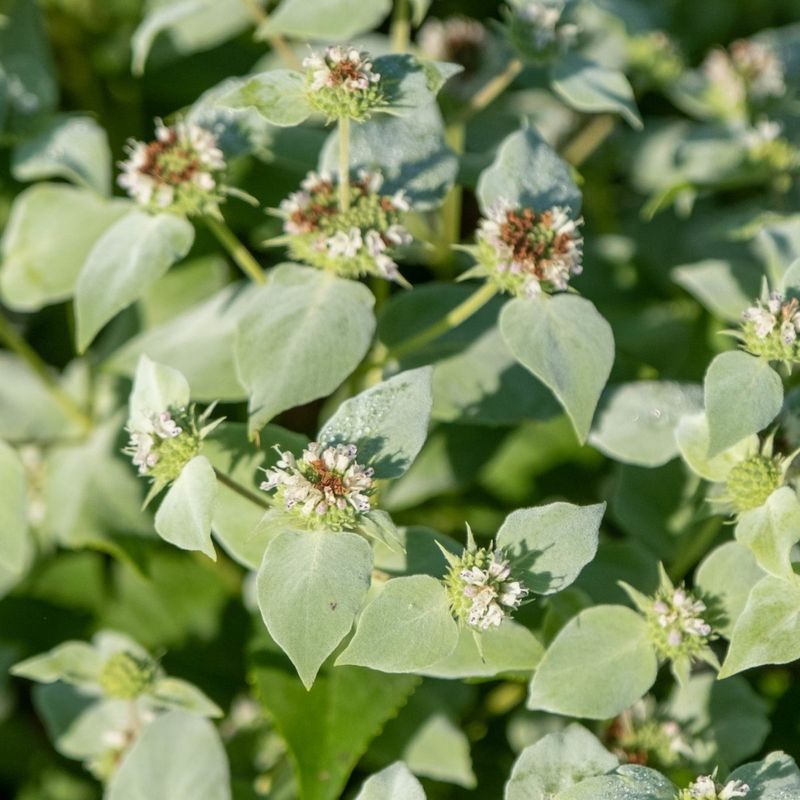
Sunny backyard borders in Pennsylvania are some of the most productive spots in a home landscape, and clustered mountain mint tends to perform well when it gets the light it prefers.
This plant generally does best in full sun to light shade, making it a strong candidate for open borders, meadow-style plantings, and the sunny edges of patios or lawn areas where other plants might struggle to fill in.
In shadier conditions, clustered mountain mint tends to produce less dense growth and may not bloom as reliably.
Choosing a spot with good sun exposure gives the plant the energy it needs to produce its characteristic silvery foliage, tight flower clusters, and the dense, spreading habit that makes it useful as a ground-covering border plant.
Pennsylvania gardeners working with open, well-lit beds will likely find this plant easy to establish and satisfying to watch develop over a season or two.
Soil conditions are also worth considering. Clustered mountain mint tends to tolerate a range of soil types, including average or slightly moist soils, which are common in many Pennsylvania yards.
It does not typically need rich, amended soil to perform well, which makes it accessible for gardeners who are just starting to experiment with native plantings.
Giving it a sunny, reasonably well-drained spot is the most reliable way to help this plant settle in and fill out over time.
6. Dense Growth Fills Backyard Gaps
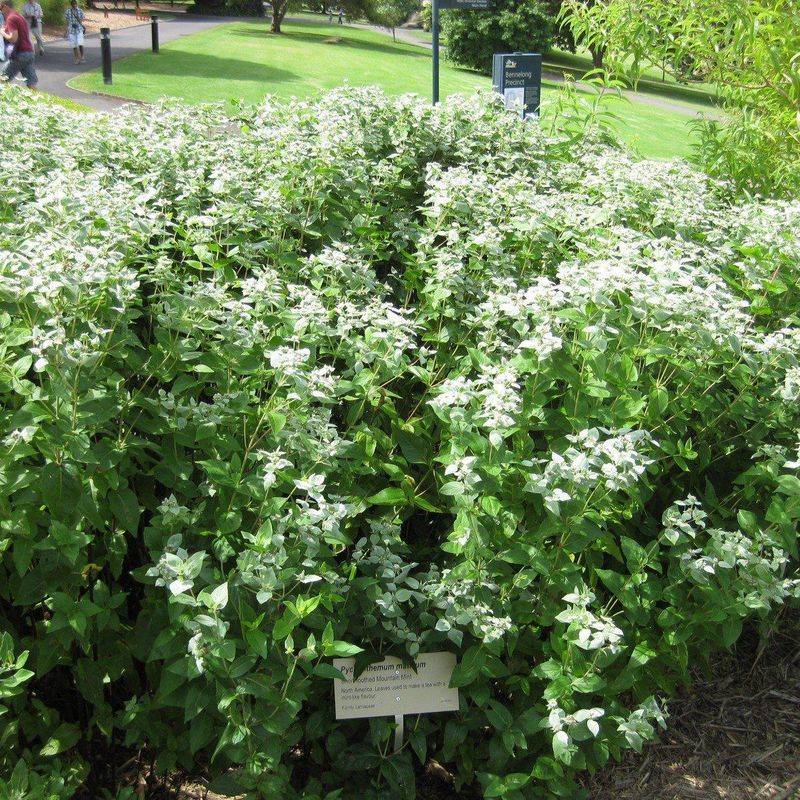
Gaps in a garden border can be frustrating, especially when weeds seem to find those open spots faster than desirable plants do.
Clustered mountain mint has a naturally spreading, clump-forming habit that allows it to fill in bare areas of a Pennsylvania backyard border over time.
That spreading tendency is one of the reasons it works so well as a ground-level filler in native plant beds and pollinator gardens.
As the plant matures and spreads, it creates a relatively dense canopy of foliage that can shade out some weed growth in the spaces it occupies.
This does not mean it eliminates weeding entirely, but a well-established patch of clustered mountain mint tends to leave fewer open spots for opportunistic weeds to take hold compared to a sparsely planted border.
For gardeners looking to reduce maintenance over time, that growth habit is a practical benefit worth considering.
The spreading nature of the plant does mean that Pennsylvania gardeners should give it some room to grow and be prepared to divide or trim it back if it begins to move into areas where other plants need space.
Division is generally straightforward and can be done in spring or fall, giving gardeners the opportunity to spread new plants to other parts of the yard or share them with neighbors.
Managing its spread is a small trade-off for the full, lush look it brings to a sunny native border.
7. A Native Choice For Mosquito-Aware Gardens
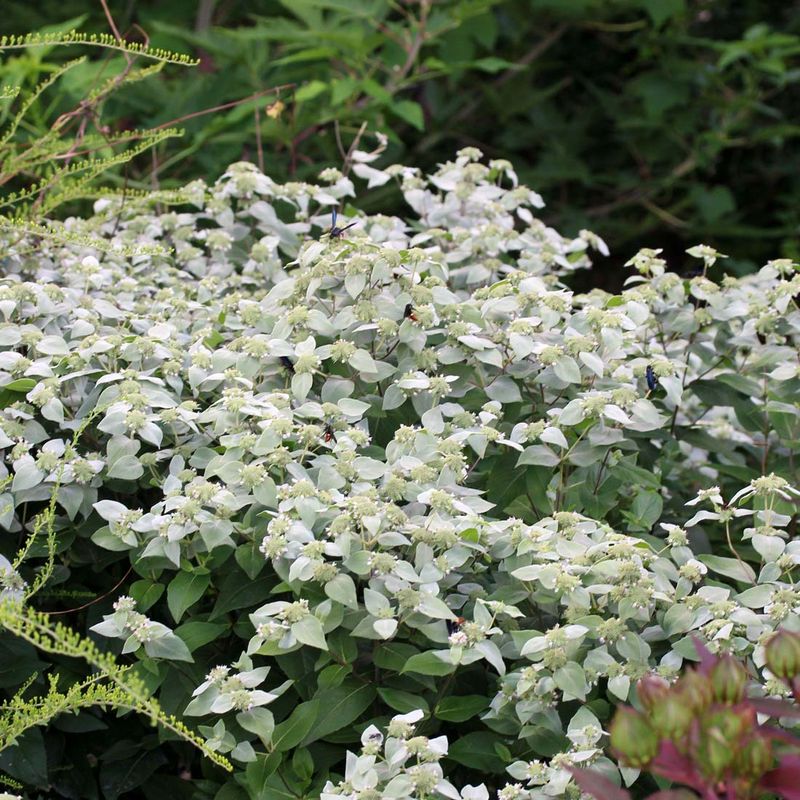
Designing a backyard with mosquito awareness in mind does not mean giving up on a beautiful, plant-filled landscape.
For Pennsylvania gardeners, incorporating native plants like clustered mountain mint into a thoughtfully maintained yard is one way to make outdoor spaces feel more intentional and inviting, even during peak mosquito season in summer.
The idea behind a mosquito-aware garden is not that certain plants chase mosquitoes away, but that a well-maintained, properly planted yard tends to support better airflow, fewer stagnant water pockets, and a more active ecosystem overall.
Clustered mountain mint contributes to that kind of yard by filling sunny borders with dense, aromatic foliage and summer blooms that attract beneficial insects.
A garden that hums with pollinators and stays well-tended naturally discourages the neglected, damp corners where mosquitoes tend to breed.
Pennsylvania gardeners who pair native plantings with consistent mosquito-prevention habits, like checking containers for standing water after rain and keeping gutters clear, are likely to notice a real difference in how comfortable their outdoor spaces feel.
Clustered mountain mint is not a solution by itself, but as part of a broader approach to yard care and native garden design, it earns its place as a low-maintenance, regionally appropriate plant.
It makes Pennsylvania backyards more enjoyable and ecologically sound throughout the warm months of the year, which is a pretty solid return on a single well-chosen native perennial.
8. Pollinators Get More From This Plant
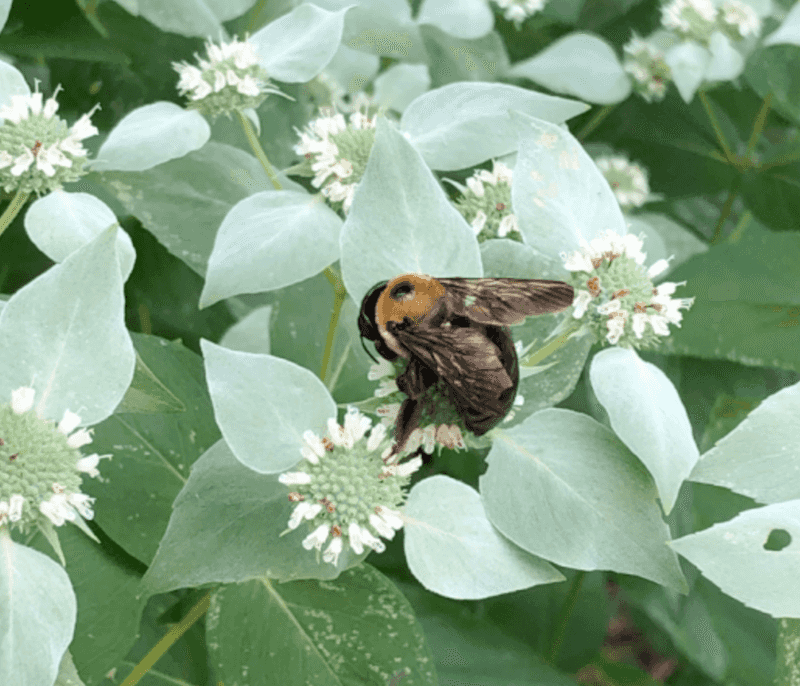
Late summer in Pennsylvania can be a quieter time for pollinators if a garden is not planned with that season in mind.
Many popular garden flowers wrap up their bloom cycles by midsummer, leaving bees, butterflies, and other beneficial insects with fewer food sources just as the season is winding down.
Clustered mountain mint blooms right into that late-summer window, giving pollinators a reliable source of nectar when options in many yards become limited.
Native bees are among the most frequent visitors to clustered mountain mint flowers, and some research suggests that this plant supports a notably diverse range of bee species compared to many other garden perennials.
That diversity matters for Pennsylvania gardeners who want to do more than attract a single species.
A border that supports multiple types of native bees, along with butterflies, wasps, and other beneficial insects, contributes meaningfully to local ecosystem health in a way that a conventional ornamental planting often does not.
Beyond the ecological benefit, watching a patch of clustered mountain mint in full bloom is genuinely entertaining.
The steady movement of visiting insects throughout the day gives the garden a sense of activity and life that static plantings cannot replicate.
For Pennsylvania gardeners who want their outdoor spaces to feel alive and purposeful, planting something that pollinators genuinely rely on is one of the most satisfying investments a home garden can make.