Check Your Minnesota Lawn For These Yellow Jacket Nesting Spots Before Mowing
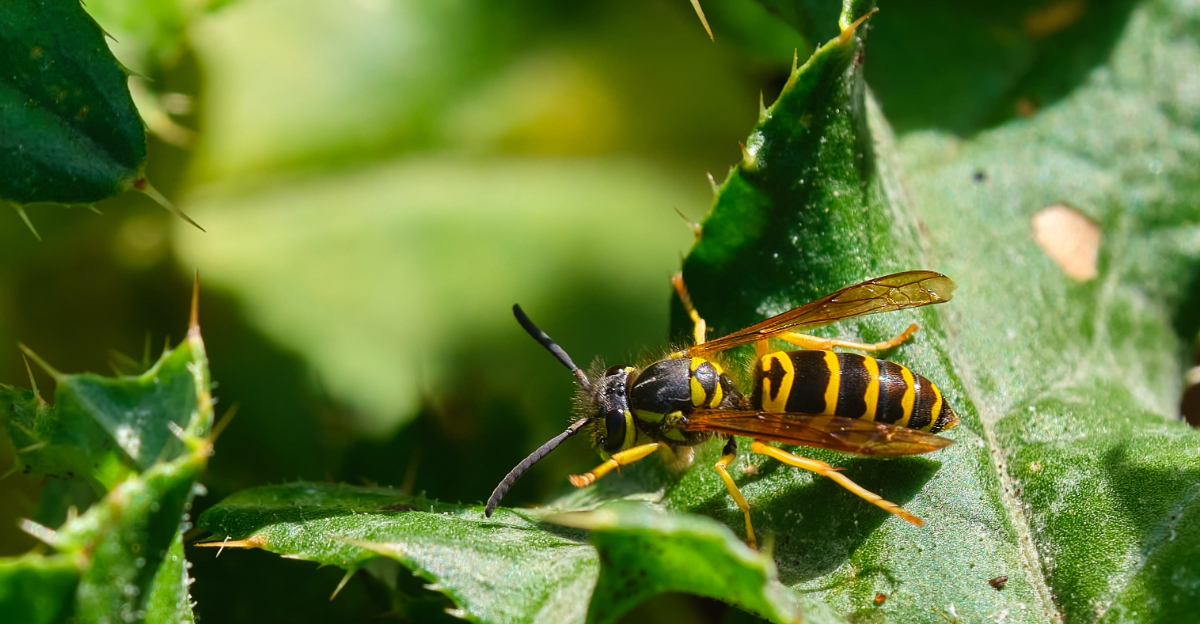
Your lawn mower’s engine roar can trigger something far worse than a Saturday headache in Minnesota backyards. Yellow jackets tuck their nests into the ground with almost surgical precision, often within inches of your mower’s usual path.
A single vibration from those spinning blades can jolt an entire colony into defense mode within moments. Spotting these ground-level hideouts before you start mowing turns a risky guessing game into a quick, confident walk around your property.
Minnesota’s warm months bring these wasps out in full force, and they respond fast to any threat near their tunnel entrance. Taking five extra minutes to study your yard’s quiet corners can spare you a swollen, stinging mess of a day.
1. Underground Burrows In Dry Soil Hide Most Nests
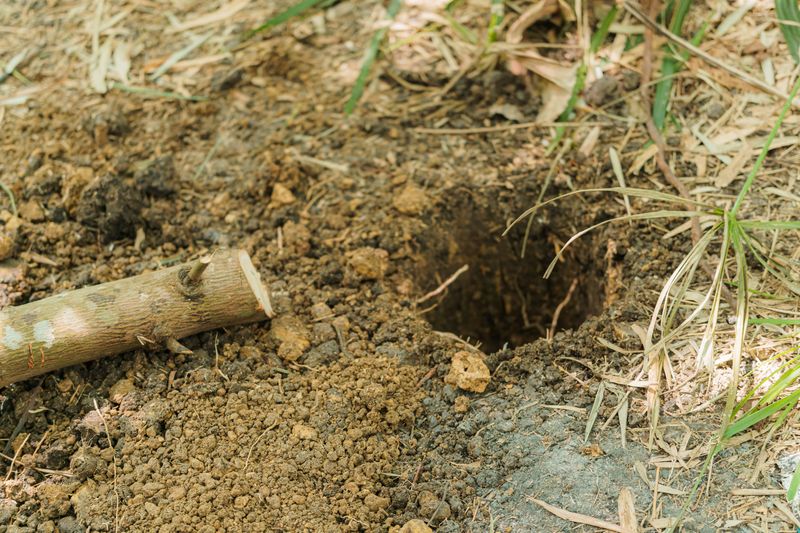
Most people don’t see it coming until it’s too late. A small hole in the ground, barely the size of a quarter, hides an entire yellow jacket colony beneath your feet.
These underground burrows are among the most common nesting spots across Minnesota lawns. The insects prefer dry, loose soil that is easy to tunnel through and rarely disturbed.
Abandoned rodent burrows are especially popular. Yellow jackets move right in, expand the tunnels, and set up a colony that can grow to thousands of workers by August.
Walk your yard slowly before each mow. Look for a steady stream of wasps flying low to the ground and disappearing into a small opening.
Dry patches near garden borders, under trees, or along fence lines are prime real estate for these insects. Bare soil spots that get afternoon sun tend to warm up fast, which speeds up colony growth.
The entrance hole is often surrounded by loose dirt kicked out during excavation. That tiny mound of disturbed soil is your first clue something is living underground.
Checking your Minnesota lawn for these yellow jacket nesting spots takes only a few minutes. Crouch down and scan at ground level for any suspicious activity near soil openings.
Mark any suspicious holes with a small flag or stick before mowing. Give the area a wide berth until you can safely address the nest after dark when activity slows.
2. Compost Piles And Mulch Beds Offer Warm Cover
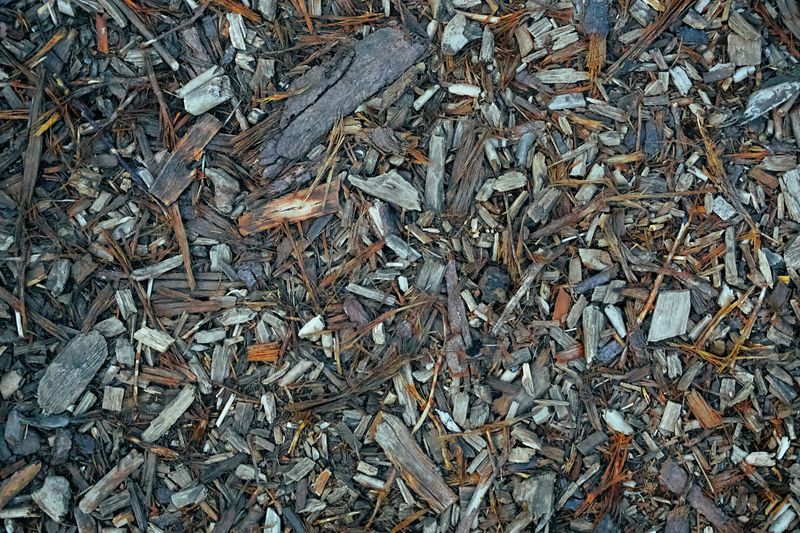
Your compost pile is basically a five-star hotel for yellow jackets. It stays warm, offers plenty of food scraps, and rarely gets poked around after summer begins.
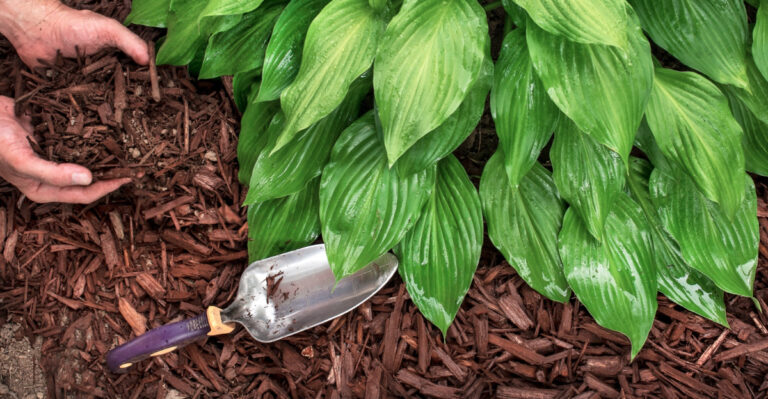
Mulch beds share the same appeal. The thick layer of wood chips traps heat and moisture, creating a cozy, insulated environment perfect for colony expansion.
Many Minnesota homeowners are shocked to find a nest tucked beneath a layer of shredded bark. The nest can be fully established before anyone notices unusual wasp traffic nearby.
Fruit and protein scraps in compost attract foraging workers first. Once scouts find a reliable food source nearby, the colony often relocates or expands in that direction.
Before turning your compost or raking mulch, stand back and watch for a full minute. Wasps entering and exiting the same spot repeatedly are a strong signal of a hidden nest below.
Your Minnesota Garden Changes Every Week. Your Plan Should Too.
Gardening in Minnesota changes quickly throughout the season. Every Friday you’ll receive a simple weekly plan showing exactly what to plant, prune, fertilize, harvest, and protect so you never miss the right timing.
Mulch depth matters more than most gardeners realize. A bed that is four or more inches deep gives yellow jackets enough insulation to build comfortably without being detected from the surface.
Keep your compost bin sealed with a tight lid whenever possible. An open pile is an open invitation, especially from July through September when colonies are at peak population.
Checking your Minnesota lawn for these yellow jacket nesting spots around compost and mulch areas is a smart habit. A quick visual check before yard work saves you from a painful surprise mid-task.
3. Ground-Level Openings Signal Nest Activity Nearby
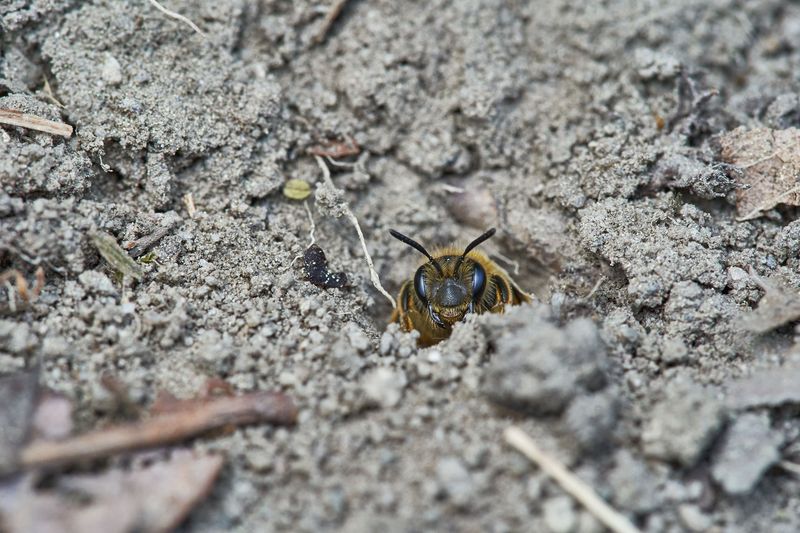
Gaps, cracks, and low openings around your yard are more than just eyesores. Yellow jackets scout these spaces as potential nest entrances with impressive efficiency.
Tree roots that have lifted the soil create natural cavities just below the surface. These root gaps offer shelter, darkness, and protection from rain, which makes them highly attractive nesting spots.
Cracks in concrete pavers, gaps along retaining walls, and spaces under wooden landscape timbers are all worth inspecting. Any ground-level opening wider than a pencil deserves a second look during summer months.
Watch the area for about sixty seconds without moving. If you spot wasps flying in and out in a consistent pattern, a nest is almost certainly behind that opening.
Decorative rocks and stepping stones are sneaky hiding spots too. A flat stone resting on soft ground can shelter a nest entrance that stays hidden until you accidentally step nearby.
Hollow logs left in garden beds are another common problem. What looks like a charming rustic accent can become a fully active colony site by midsummer without any obvious warning signs.
Checking your Minnesota lawn for these yellow jacket nesting spots means getting low and looking carefully at ground level. Your eyes need to sweep slowly along edges, roots, and any structural gaps near garden beds.
Mark suspicious openings before you mow and approach with caution. A calm, slow inspection before each mowing session is your best protection against an unexpected encounter with a defensive colony.
4. Under Deck Boards And Shed Foundations
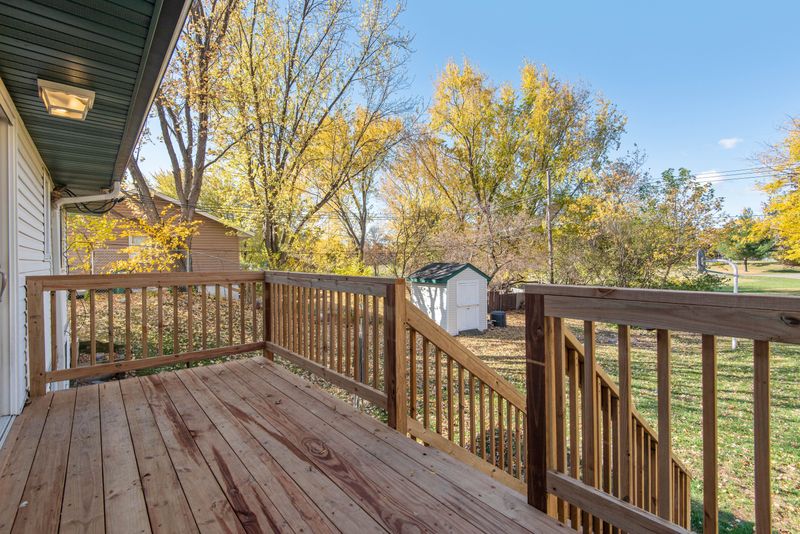
The shaded gap beneath a deck or shed gives yellow jackets exactly what they look for. Cool soil, minimal foot traffic, and solid cover overhead make these foundations a common nesting choice by midsummer.
Colonies here often go unnoticed until activity picks up near the entry point. A steady line of wasps disappearing under a deck board or shed edge is a clear signal something has settled underneath.
Homeowners frequently discover these nests only after storing tools or firewood against the structure. The vibration from moving items nearby can trigger a defensive response before anyone realizes wasps are present.
Foundations with gaps in their skirting are especially vulnerable to colonization throughout the season. Loose lattice panels, missing trim boards, and unsealed corners all create easy access points for scouting workers in spring.
Check these areas from a few feet away before mowing close to any foundation. Shine a flashlight along the base edge early in the morning, when wasp movement tends to be slower and easier to spot.
Pay close attention after heavy rain, since flooding can push colonies to relocate toward drier, more sheltered foundations nearby. A sudden increase in wasp traffic around a deck often follows a shift in ground moisture.
Sealing gaps in early spring, before scouts begin searching for nest sites, remains one of the most effective ways to reduce the risk of a colony settling there.
5. Tree Stumps And Hollow Tree Bases
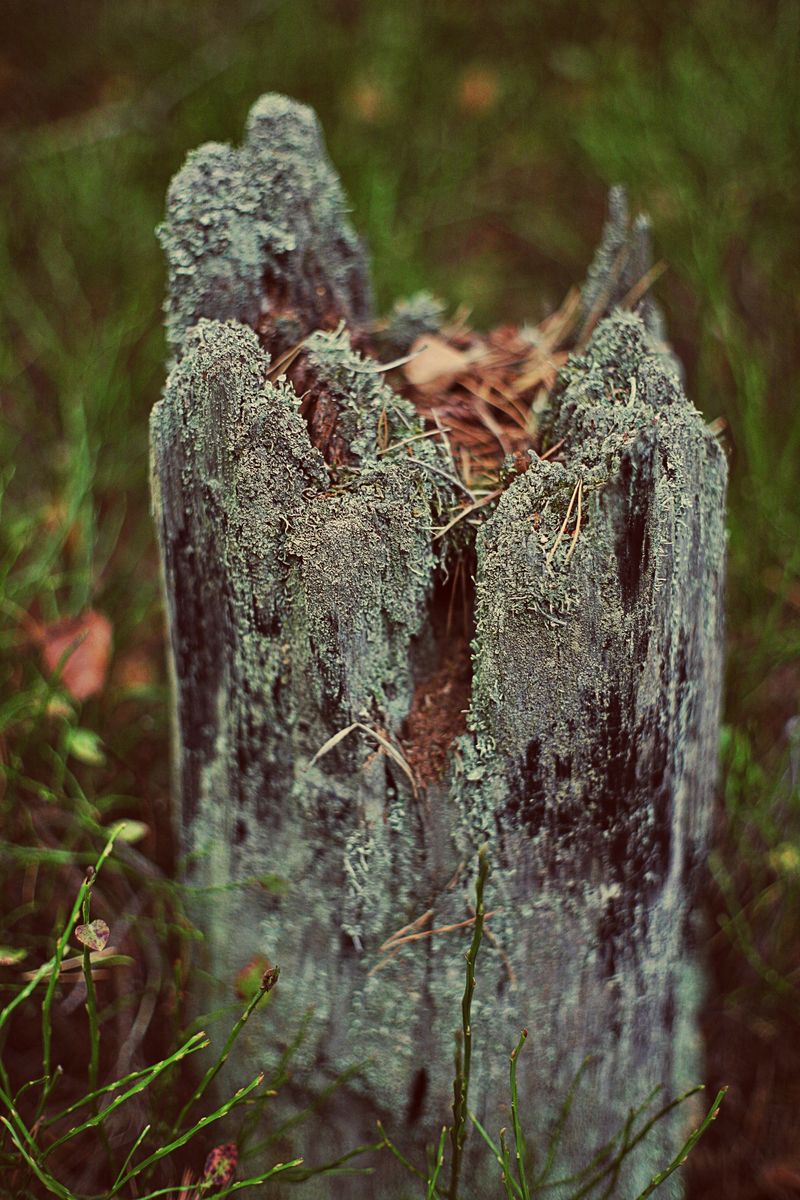
Old tree stumps left to decay naturally become soft and hollow over time. That softened wood is remarkably easy for yellow jackets to excavate, making stumps a frequent nesting site across Minnesota yards.
Hollow spaces at the base of living trees offer similar appeal. Rot pockets near root systems stay dark, dry, and undisturbed for most of the season, giving colonies plenty of room to expand undetected.
Workers often enter through small cracks in the bark rather than a single obvious opening. This makes stump nests harder to spot compared to ground burrows with one clearly visible entrance hole.
Older stumps with extensive internal decay can support surprisingly large colonies by late summer. The insulating wood holds heat efficiently, which speeds up brood development compared to a nest built directly in soil.
Watch for wasps crawling into seams along the stump’s surface rather than flying directly to the ground. A cluster of activity at knee height near an old stump usually points to an active colony inside.
Yards with several aging or storm-damaged trees carry a higher risk of multiple stump nests forming in the same season. Walking the full property, not just the mowing path, helps catch nests early.
If removal becomes necessary, treating a suspected colony after dark is far safer than grinding or pulling a stump while wasps are active during daylight hours.
6. Woodpiles And Stacked Firewood
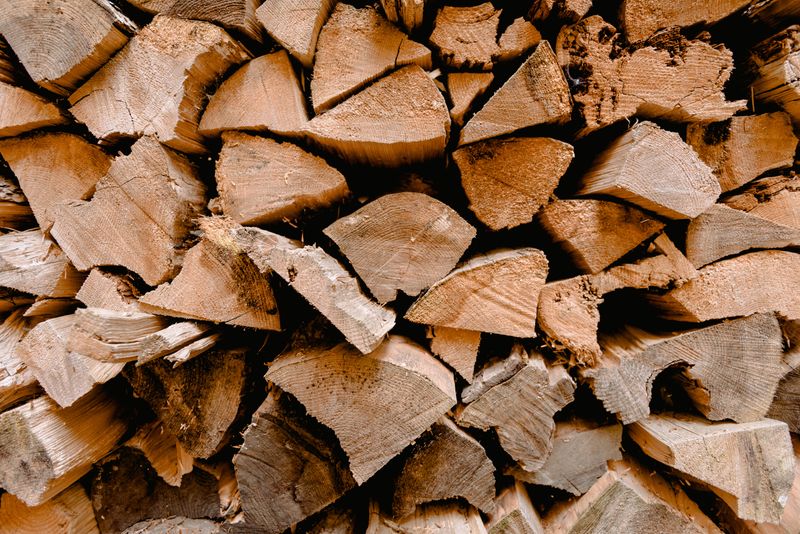
Stacked firewood creates dozens of small gaps that stay dry and shielded from rain. Yellow jackets exploit these gaps readily, often building nests deep within a woodpile where they go unnoticed for weeks.
The insulation firewood provides makes these nests especially stable through temperature swings. Colonies tucked into a woodpile can grow undisturbed for weeks before anyone moves a single log from the stack.
Grabbing firewood by hand without checking first is one of the most common ways Minnesota homeowners get stung. A hand reaching into a gap can trigger an immediate defensive response from wasps just inches away.
Piles stacked directly against a house or garage wall pose additional risk, since a disturbed colony has nowhere to retreat but toward the building. This often pushes defensive workers closer to doors and windows.
Before pulling logs from a stack, tap the pile gently with a long stick and step back to watch for movement. Wasps emerging from multiple points along the stack signal a nest has formed somewhere inside.
Older, weathered firewood left untouched since the previous season is particularly attractive to nest-building queens in spring. Rotating and using older wood first can reduce how long any single pile stays undisturbed.
Elevating firewood off the ground on a rack and keeping the pile away from the house are two of the simplest ways to lower your risk all summer.
7. Rock Piles And Garden Retaining Walls
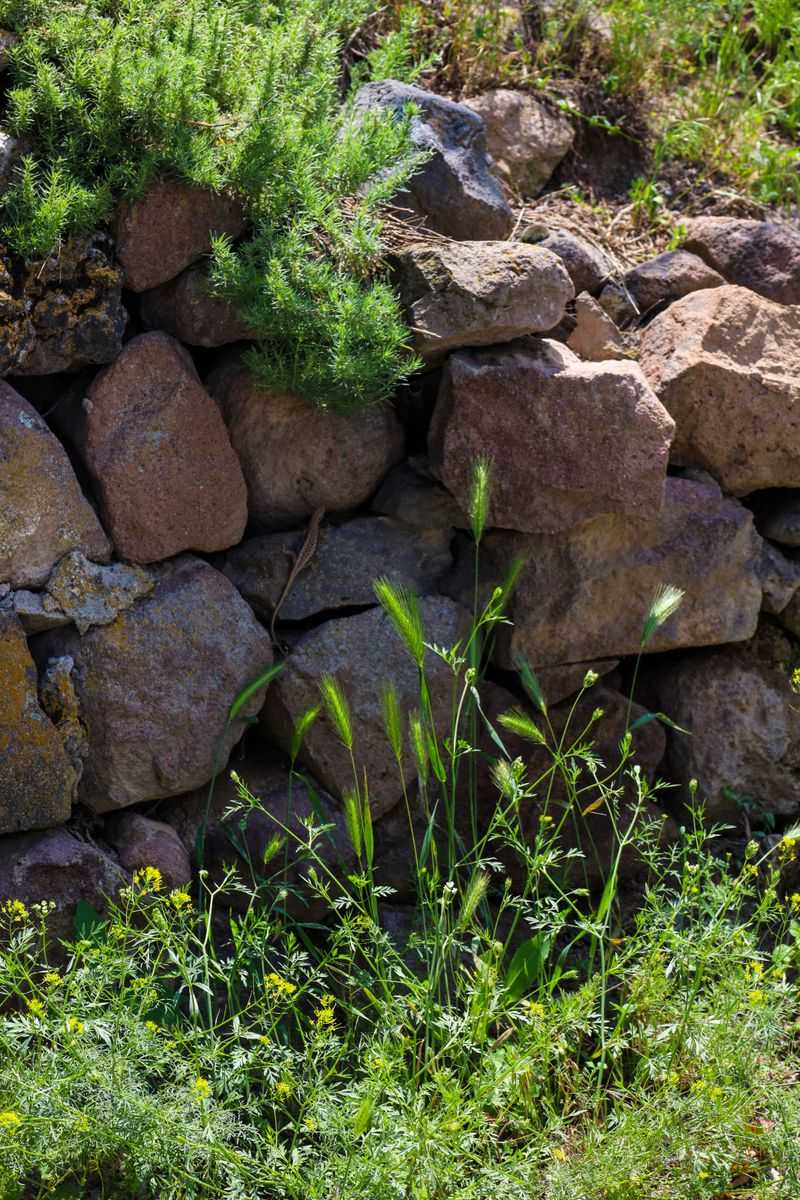
Loose rock piles and dry stone retaining walls create countless small voids underground. Yellow jackets favor these spaces because they combine shelter, darkness, and easy tunnel access all in one convenient location.
Decorative rock borders around flower beds carry the same risk on a smaller scale. A gap between two stacked stones can lead directly to a nest built in the soil just beneath the surface.
These nests are particularly easy to miss during routine yard work. The rocks themselves mask both the entrance hole and the low humming sound of activity happening just below the surface.
Larger retaining walls built without mortar tend to have more voids overall, giving colonies several possible entrance points rather than one obvious opening. This makes a full nest harder to locate and treat safely.
Watch retaining walls for wasps entering and exiting the same crevice repeatedly over several minutes. That consistent pattern is a stronger indicator of a nest than a single wasp passing through the area briefly.
Walls facing south or west tend to warm up faster during the day, encouraging earlier colony development in spring. Checking these sun-exposed sections first can help you catch a nest before it grows large.
Loose rocks near vegetable gardens deserve extra attention year-round, since foraging workers are often drawn there quickly once fallen fruit or exposed soil becomes available.
8. Dense Ground Cover And Overgrown Grass Edges

Thick ground cover plants like creeping juniper or vinca create a dense canopy just above the soil. Yellow jackets use this cover to conceal nest entrances that would otherwise be visible in open lawn.
Overgrown grass edges along fences and property lines offer the same kind of protection. Tall blades bend over natural openings, hiding the entrance from view until someone walks directly through the area.
These nests are especially risky because they blend into the landscape so well. A homeowner trimming edges or weeding nearby can disturb the colony before spotting any warning signs at all.
Areas where ground cover meets a fence line or garden border see the highest concentration of hidden nests. The combination of shade, undisturbed soil, and thick foliage checks every box on a colony’s wish list.
Part the ground cover gently with a rake or long stick rather than your hands before working in these areas. Watching for wasps emerging from beneath the foliage gives you a safer way to check first.
Overgrown edges left untrimmed since spring are more likely to hide an established colony by midsummer. Regular trimming throughout the season limits how much cover is available for a nest to develop unnoticed.
Keeping these edges trimmed short from early summer onward remains one of the easiest habits for avoiding an unpleasant discovery later in the season.