Water-Smart Perennials That Thrive In Colorado Gardens
Colorado has two gardening seasons: the one where you’re optimistic, and the one where you’re dragging a hose across cracked soil wondering where it all went wrong. Most plants weren’t built for this. The altitude is punishing, the sun is relentless, and the rain shows up whenever it feels like it, which is rarely when you need it.
But some plants were made for exactly this. Water-smart perennials don’t just survive Colorado’s conditions, they thrive on them.
They come back every year looking better than before, without demanding irrigation schedules or constant attention. Tough climates, lean soils, and dry stretches that would finish off anything less resilient? These plants call that home.
If you’re ready to stop fighting your environment and start working with it, these are the plants your Colorado garden has been waiting for.
Lavender Delivers Timeless Beauty That Handles Heat And Neglect Easily
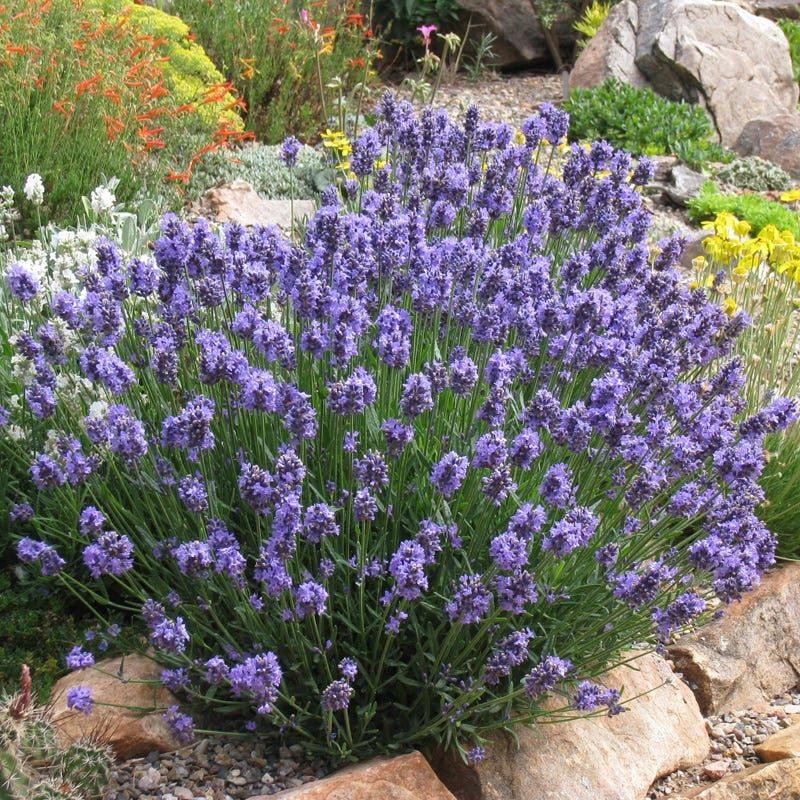
Purple spikes of fragrance that basically scream Mediterranean vacation while surviving Rocky Mountain winters, that’s lavender for you. This aromatic superstar thrives in full sun and well-drained soil without gulping water.
Once established, it laughs at drought conditions and rewards you with stunning blooms from June through August.
My neighbor planted three lavender bushes five years ago and they’ve turned into a buzzing butterfly highway that makes her yard smell like a fancy spa. The silvery-green foliage looks gorgeous even when flowers aren’t blooming, adding year-round texture to beds and borders.
Pruning after flowering keeps plants compact and encourages bushier growth.
English lavender varieties handle our cold winters better than French or Spanish types, so stick with those for best results. Space plants about two feet apart to allow air circulation, which prevents fungal issues in our occasional humid summer storms.
The flowers dry beautifully for sachets and crafts.
Water deeply once weekly during the first season, then forget about it unless we’re experiencing extreme drought. Lavender actually produces more essential oils when slightly stressed, making it more fragrant.
Avoid fertilizing too much, these Mediterranean natives prefer lean soil and will get leggy with too much nitrogen.
Russian Sage Offers Silvery Foliage And Purple Blooms All Summer Long
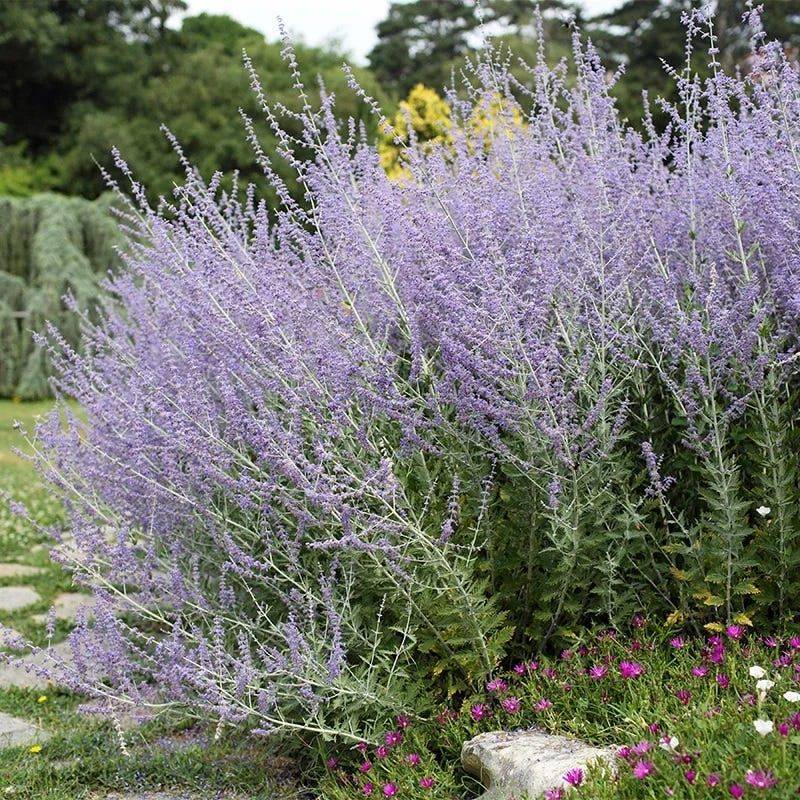
Standing tall like a misty blue cloud, Russian Sage brings architectural drama without the diva attitude. This tough-as-nails perennial reaches four feet high and wide, creating a hazy purple presence that deer won’t touch with a ten-foot pole.
The silvery stems and aromatic leaves smell like a combination of sage and lavender when brushed.
Plant one specimen and it quietly becomes the backdrop for an entire border within a few seasons. The wispy flowers bloom from July through September, extending color when many other plants are taking summer siestas.
Bees and butterflies mob it like it’s giving away free nectar samples.
Cut the entire plant back to six inches in early spring before new growth emerges, which sounds brutal but keeps it from getting woody and floppy. Russian Sage tolerates poor soil, reflected heat, and wind like they’re gifts rather than challenges.
Your Colorado Garden Changes Every Week. Your Plan Should Too.
Gardening in Colorado changes quickly throughout the season. Every Friday you’ll receive a simple weekly plan showing exactly what to plant, prune, fertilize, harvest, and protect so you never miss the right timing.
It pairs beautifully with ornamental grasses and yellow coneflowers.
Water sparingly once established, overwatering causes more problems than underwatering with this plant. Full sun is mandatory for best flowering and compact growth.
The spent flowers provide winter interest, so you can leave them standing until spring cleanup if you’re feeling lazy or aesthetically adventurous.
Coneflower Brings Pollinator Power And Long-Lasting Summer Blooms
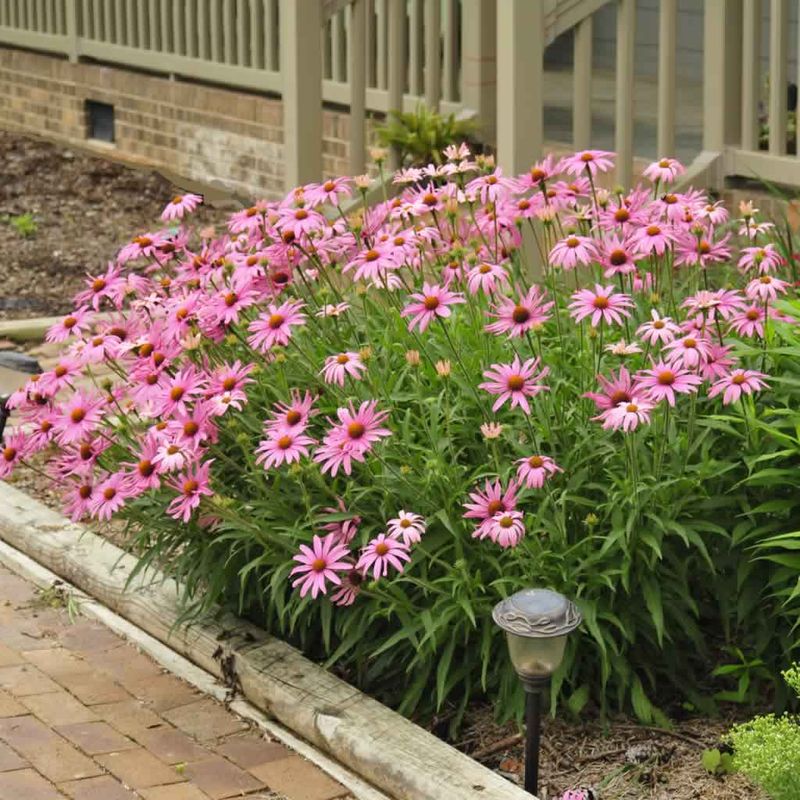
Goldfinches, bees, and butterflies all agree, coneflowers are unmissable. These cheerful natives produce daisy-like blooms with prominent centers that shift from green to orange to brown as the season moves along, and the classic purple variety handles Colorado’s mood swings without a single complaint.
Bees practically set up condos in coneflowers. Butterflies treat them like a daily destination.
The six-legged crowd can’t stay away, and once the blooms open, the garden never feels quiet again.
Flowers bloom from June through August with deadheading, though leaving some seed heads feeds birds through winter.
Plants reach two to three feet tall and spread slowly into impressive clumps.
Coneflowers tolerate clay soil better than many perennials, though they still prefer decent drainage to prevent root rot during spring snowmelts. Full sun produces the most blooms, but they’ll handle partial shade without throwing tantrums.
Established plants survive weeks without supplemental water during typical summers.
Divide clumps every three to four years to maintain vigor and share extras with neighbors who’ll actually appreciate them. The roots were traditionally used medicinally, though I just enjoy the flowers without making questionable herbal concoctions.
Avoid fancy hybrid varieties that often perform worse than the straight species in our climate.
A low-water, high-impact perennial like this is exactly what makes a Colorado garden both beautiful and sustainable.
Black-Eyed Susan Creates Golden Color That Thrives In Sun And Heat
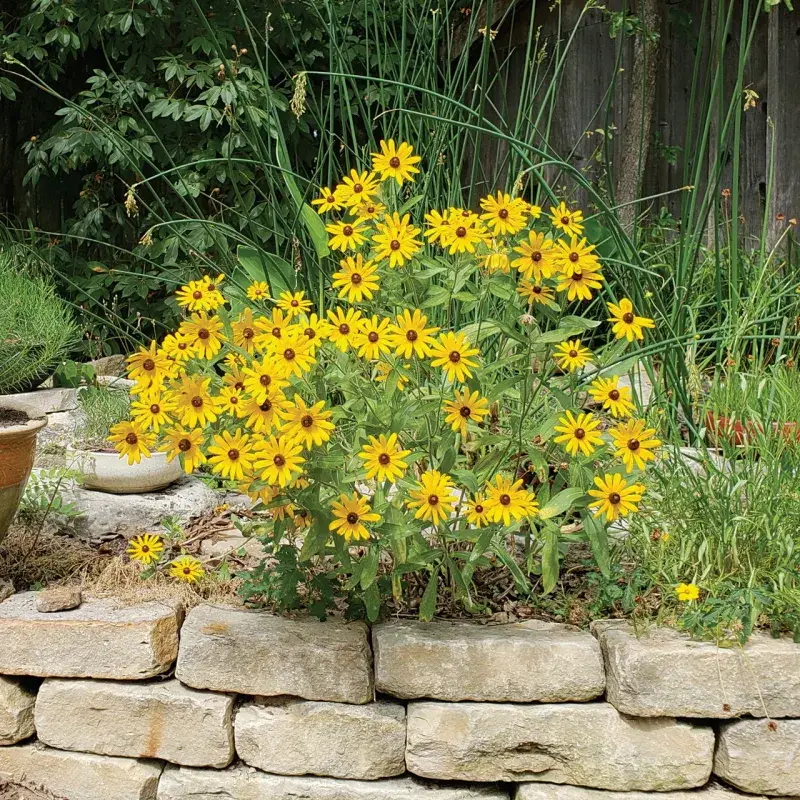
Pure sunshine! Black-Eyed Susans light up the garden from July until frost finally decides to crash the party.
The golden petals practically glow in late afternoon light, creating displays that photograph like professional landscape shots even when you’re just using your phone.
These native wildflowers reseed enthusiastically without becoming aggressive bullies.
Let one plant go to seed and volunteers quietly multiply, filling gaps and defining borders in ways that look planned but required almost no effort. They bloom prolifically with minimal care, asking only for sun and occasional water during establishment.
Deadheading extends flowering but isn’t mandatory if you want free plants next year.
Black-Eyed Susans adapt to various soil types including heavy clay, though they appreciate decent drainage like most sensible plants. They reach two to three feet tall depending on variety and water availability.
The hairy leaves deter some pests but attract beneficial insects that patrol your garden for troublemakers.
Cut plants back in early spring rather than fall, as the seed heads provide winter food for birds and structural interest when everything else looks dead.
These short-lived perennials often behave like annuals or biennials, but their prolific reseeding means you’ll never actually lose them. Combine with purple coneflowers for a classic prairie-inspired look.
Sedum Unleashes Color And Texture With Minimal Maintenance
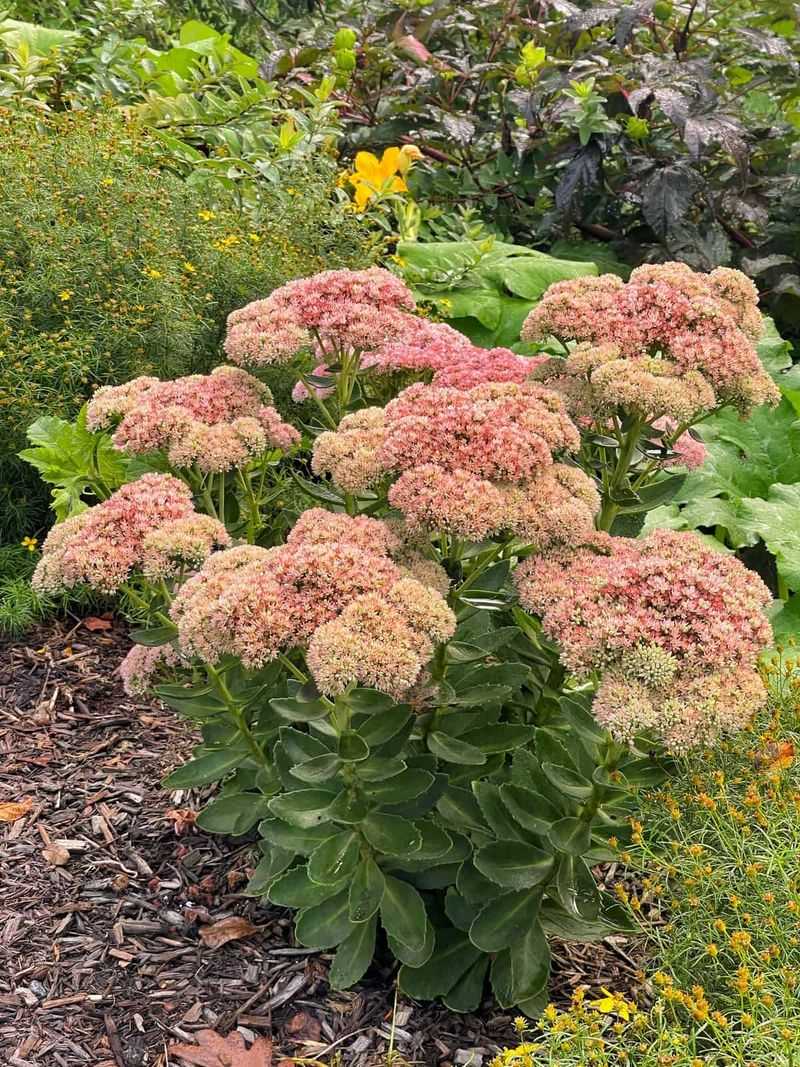
No fuss, no drama, no watering schedule. Sedums store water in their plump leaves and simply get on with it, even during dry spells that would slow down most other plants.
Varieties range from tiny groundcovers to two-foot tall specimens with showy flower clusters.
I once neglected a sedum patch for an entire summer while traveling, returning to find it had actually improved without my interference. The fleshy foliage comes in colors from blue-green to burgundy, providing visual interest before flowers even appear.
Blooms attract butterflies in late summer when many other nectar sources have dried up.
Tall sedums like Autumn Joy develop sturdy stems topped with pink flower clusters that age to rusty red and look architectural through winter. Low-growing types make excellent living mulch between stepping stones or sprawling over rock walls.
All types demand excellent drainage and will rot faster than forgotten lettuce in poorly-drained soil.
Plant sedums in spring or fall, water occasionally the first season, then basically ignore them forever. They thrive on neglect and actually suffer from too much attention or fertilizer.
Divide clumps every few years or simply break off pieces and stick them in the ground, they root easier than houseplants in water.
Yarrow Radiates Soft Color And Serious Toughness In Any Garden
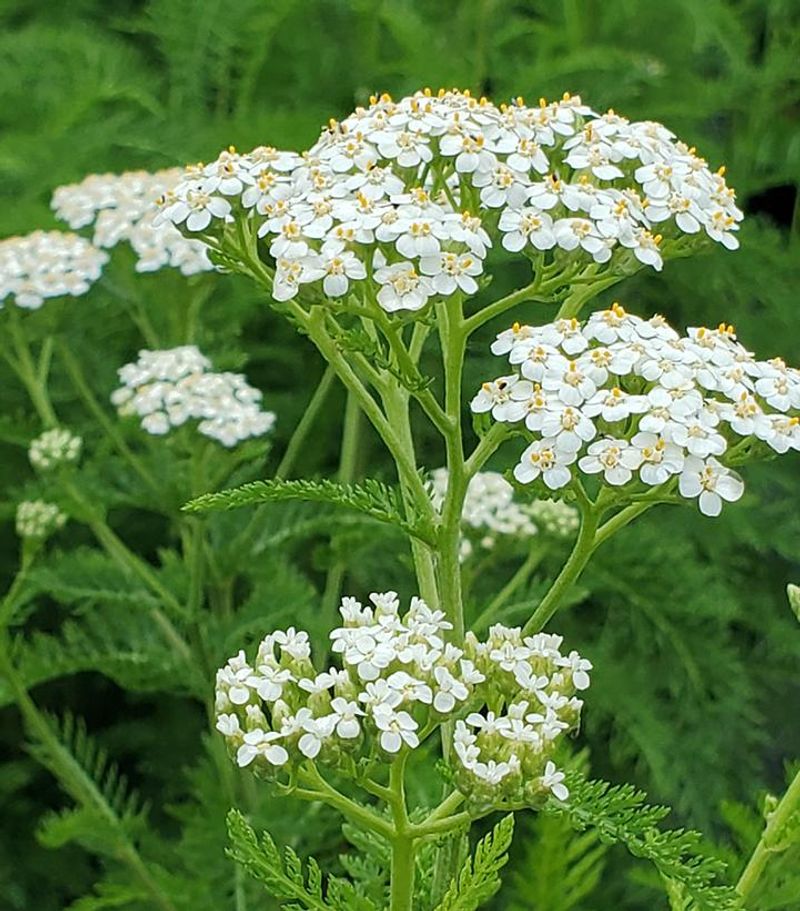
Tough enough for battlefields, easy enough for beginners. Yarrow’s flat-topped flowers in white, yellow, and deep red just keep coming from June all the way to September.
The ferny foliage looks delicate but handles our harsh conditions like armored vegetation.
Yarrow spreading into a weed-suppressing mat in the toughest spot in the garden says everything about its staying power. The flowers dry beautifully for arrangements, and the foliage releases a pleasant herbal scent when brushed.
Butterflies and beneficial insects treat blooming yarrow like a popular nightclub.
Yarrow tolerates poor soil, foot traffic, and general neglect that would devastate most perennials. It spreads via rhizomes but stays manageable with occasional division every three years.
The species grows eighteen to twenty-four inches tall, though cultivated varieties offer more compact options.
Cut flower stalks back after initial bloom for potential rebloom later in summer, or leave them for a more naturalistic look. Yarrow handles both full sun and partial shade, though flowering is heaviest in bright light.
Water deeply but infrequently once established, this Mediterranean native actually resents constant moisture and may develop fungal issues in soggy conditions.
In a world where most plants need constant care, yarrow proves that truly tough perennials can still be beautiful and reliable.
Blanket Flower Showcases Bright Blooms That Refuse To Quit In Heat
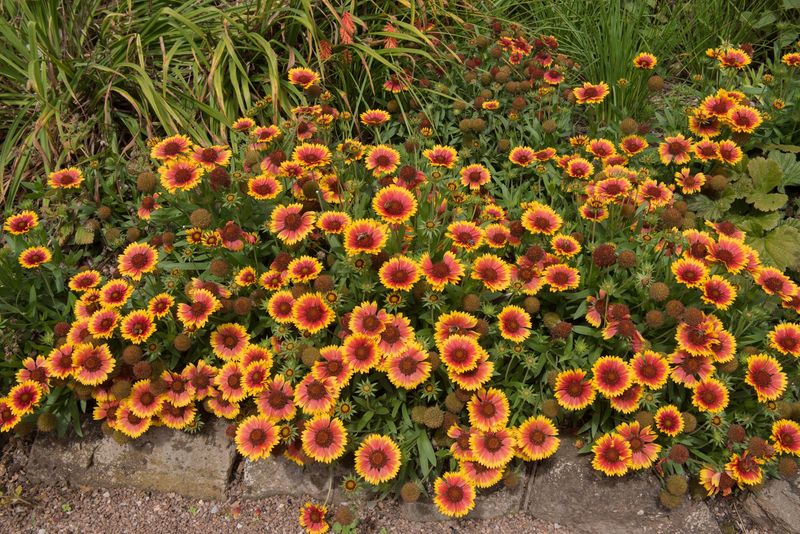
Sunset in flower form. Blanket Flowers splash red and yellow across the garden from early summer until hard frost, blooming for months without demanding a single extra drop of water.
The daisy-like flowers measure two to three inches across and practically glow in evening light.
Some plants just perform without being asked, Blanket Flower is exactly that. They self-sow moderately, creating natural-looking drifts without becoming invasive nightmares.
Deadheading isn’t necessary but extends the flower show if you’re feeling ambitious.
Blanket Flowers demand excellent drainage and actually perform better in lean soil than rich, amended beds. They reach twelve to eighteen inches tall and spread about as wide, creating mounded plants covered in blooms.
The common name supposedly comes from the resemblance to colorful Native American blankets.
Once established, they shrug off dry spells that would stress most other perennials, continuing to bloom even during intense summer heat. They rarely require fertilizing, and too much care can actually reduce flowering.
This makes them especially appealing for gardeners who prefer a natural, low-effort approach to planting.
Bees and butterflies visit constantly throughout the season. Paired with ornamental grasses and other drought-tolerant perennials, they create a relaxed prairie-style look that feels both wild and intentional.
If you’re looking for a plant that delivers maximum color with minimal intervention, Blanket Flowers are about as dependable as it gets.
Penstemon Adds Upright Color And Texture To Water Smart Gardens
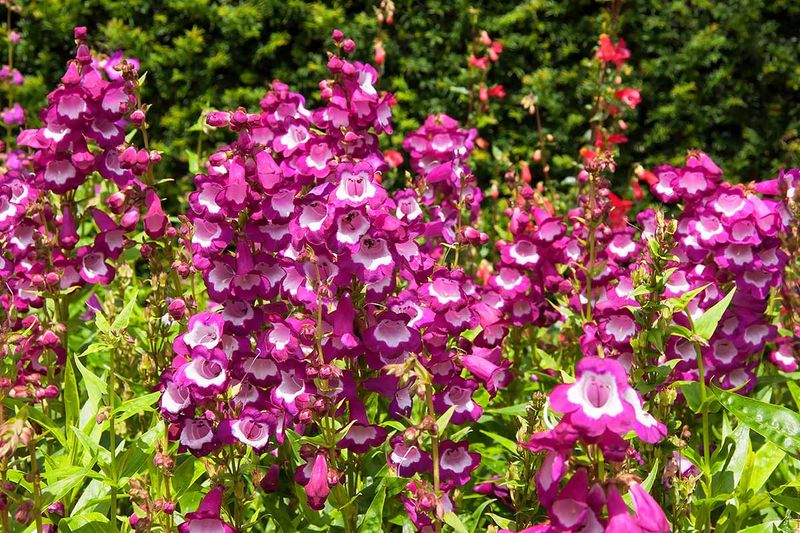
Hummingbirds can’t resist it. Penstemon’s tubular blooms in hot pink, electric blue, and every shade between light up the garden from late spring through summer with almost no irrigation needed.
I learned the hard way that penstemon hates wet feet, overwatering turns them into drama queens real fast. Give them full sun, decent drainage, and step back.
They’re Colorado natives after all, which means they laugh at our altitude and temperature swings. Deadheading spent flowers keeps them blooming longer, but even if you forget, they’ll forgive you and come back strong next year.
Once established, Penstemon handles dry spells and intense sun without losing its shape or color. It actually performs better with a bit of neglect, perfect for gardeners who tend to overcare.
Upright, airy stems add vertical interest and pair beautifully with ornamental grasses. Bees treat them like a favourite stopover, moving from bloom to bloom all day long.
Rocky, poor soil doesn’t slow Penstemon down, if anything, it seems to prefer it. Minimal effort, maximum color and wildlife activity all season long.
Salvia Creates Spiky Purple Blooms That Thrive In Sun And Dry Conditions
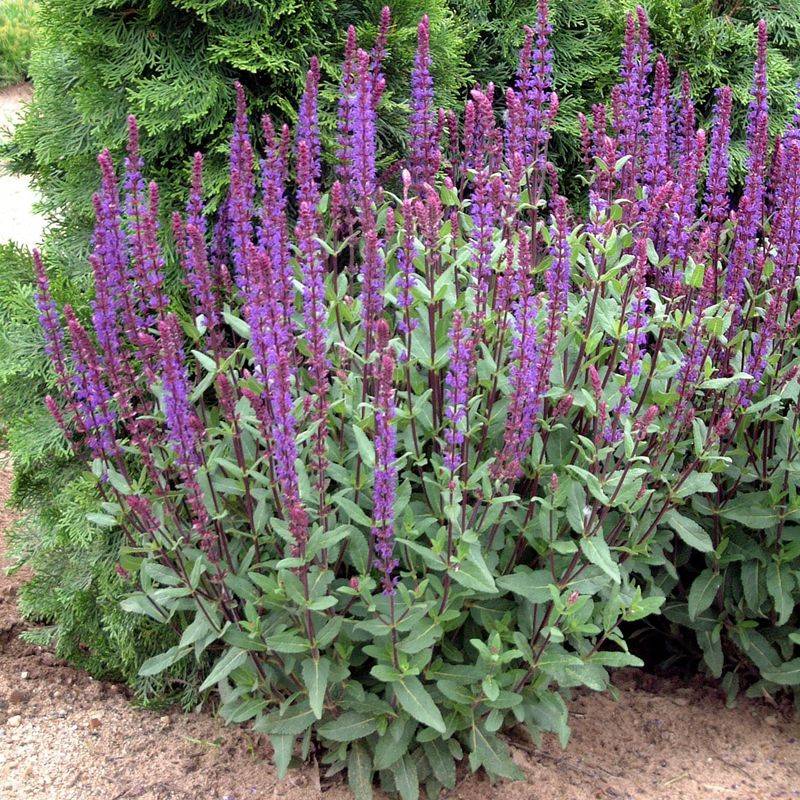
That purple is almost too good to be real. Salvia sends up spiky flower stalks that pollinators mob from the moment they open, and the blooms keep coming all season with just a little deadheading.
Low drama, high impact.
Water it during establishment, then watch it cruise through summer on minimal moisture. Those purple spires swaying in the breeze are seriously addictive to watch from any window.
Salvia also handles heat waves without losing its color intensity, which is something I didn’t expect the first summer I planted it. Even during the driest weeks, it keeps its upright form instead of collapsing into a tired mess like some other flowering perennials.
Vertical spikes contrast beautifully with softer, mounding plants and ornamental grasses, creating that effortless, slightly wild look that feels intentional but never overworked.
Once you get a few plants established, they often return more vigorous each year, slowly filling out space without becoming aggressive. It’s the kind of plant that quietly earns its place in the garden and then never really leaves your planting plan again.
Blue Fescue Creates Year-Round Form With Minimal Water Needs
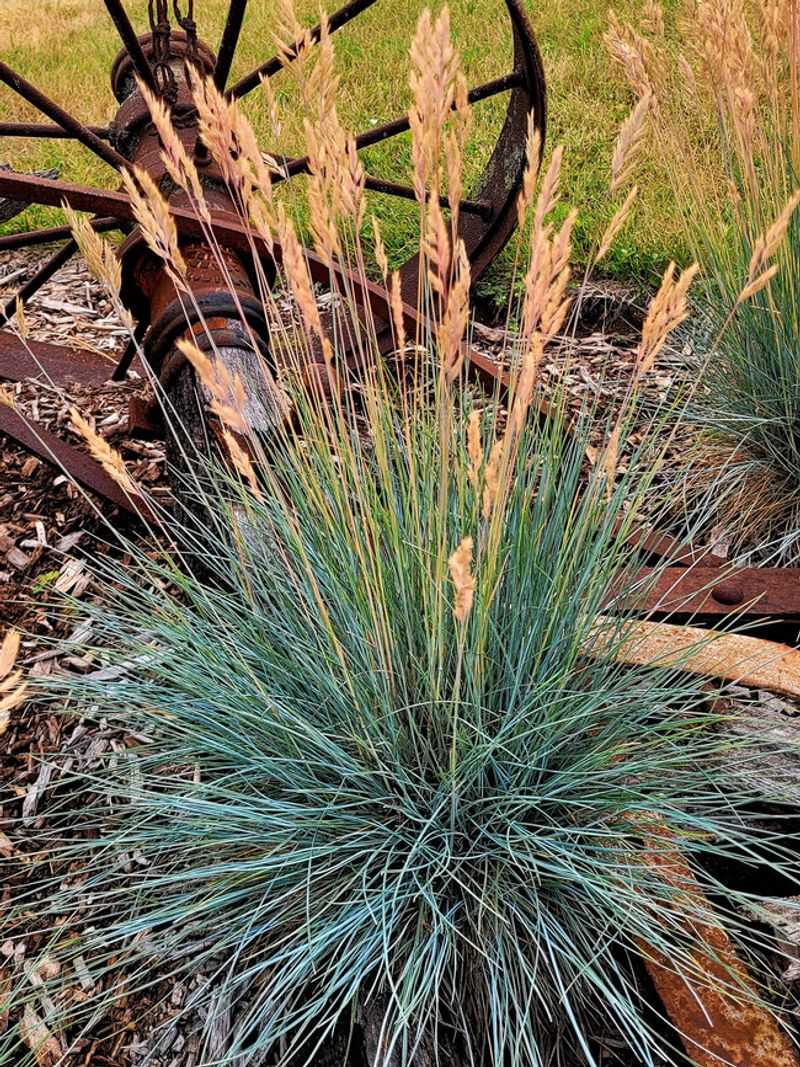
Small plant, big personality! Blue Fescue’s steel-blue mounds look intentional in every season, and they thrive on the kind of neglect that finishes off everything else.
The texture adds contrast to flowering perennials without stealing the show or spreading like grasses with boundary issues. Deer ignore it completely, which makes it worth planting in my book.
Full sun and occasional water are all it asks, making it perfect for slopes, rock gardens, or anywhere you need low-maintenance style. Bonus: it’s evergreen in Colorado, so your winter garden won’t look totally naked.
Blue Fescue holds its cool tone through summer heat and winter frost alike. Plant it in groups and those soft mounds create an almost cloud-like effect against stone or gravel.
I’ve found it pairs beautifully with flowering perennials that have warm tones, since the contrast makes both stand out even more. It doesn’t need dividing often and stays compact without becoming unruly, which is a relief in low-maintenance planting schemes.
In winter, when most of the garden fades, it continues to provide structure and visual interest, proving that even simple grasses can carry a landscape through the quiet months.