The Secret Hiding Places Of Massachusetts Spittlebugs After The Foam Fades
November brings a gentle hush to gardens across Massachusetts. The beds are resting, the leaves have fallen, and the busy growing season has settled into calm.
It is easy to forget that only a few months ago, strange white foam clung to stems and leaves all over the garden. Many gardeners wondered what it was and whether it signaled trouble.
The answer is a tiny insect called the spittlebug, and its story does not end when the foam disappears. Right now, the next generation is tucked away in plant debris, quietly waiting for spring. That makes this month a useful time to act.
Understanding where these insects spend the winter, and how simple cleanup can help, makes the whole mystery easier to manage.
Here is what those foamy masses on Massachusetts plants mean, and what to do about them now.
A Quiet Month In The Garden
In November, the foam is long gone from Massachusetts gardens. The spittlebugs have not disappeared entirely, though, and what you do this month can shape what you find next spring.
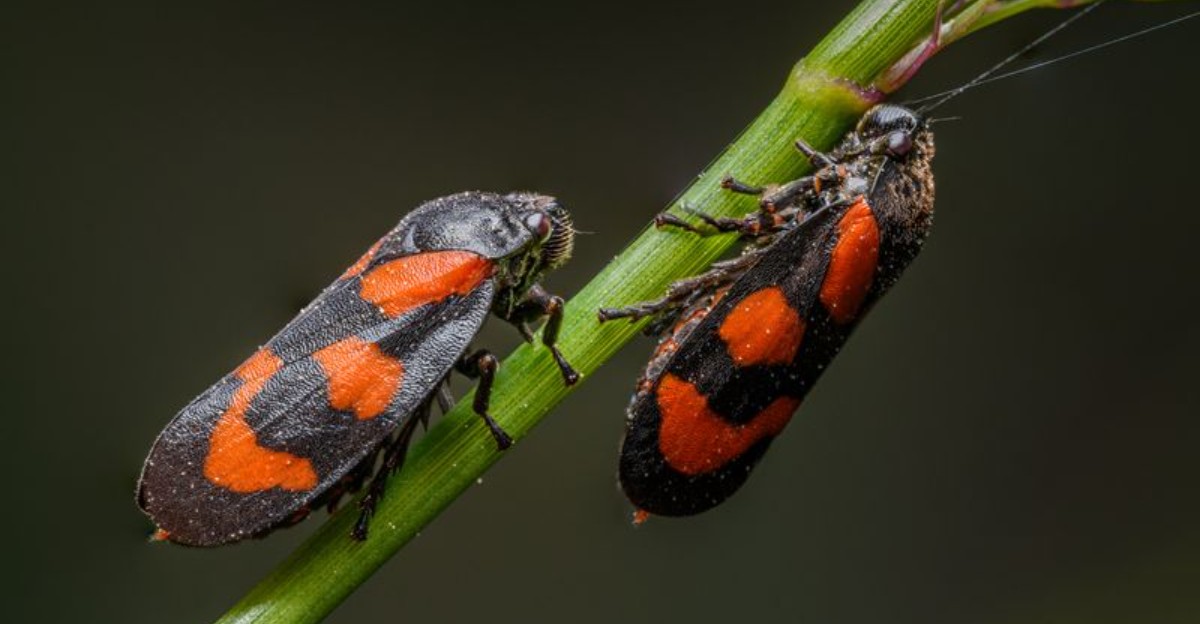
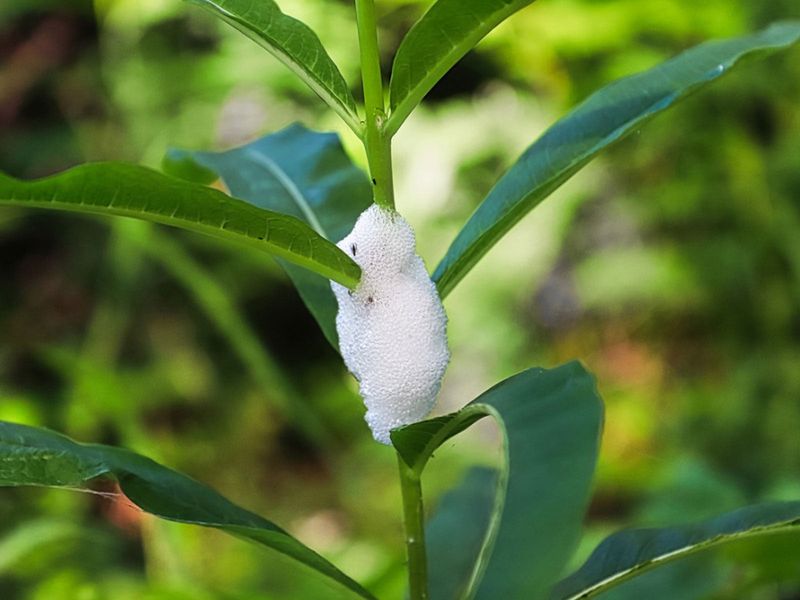
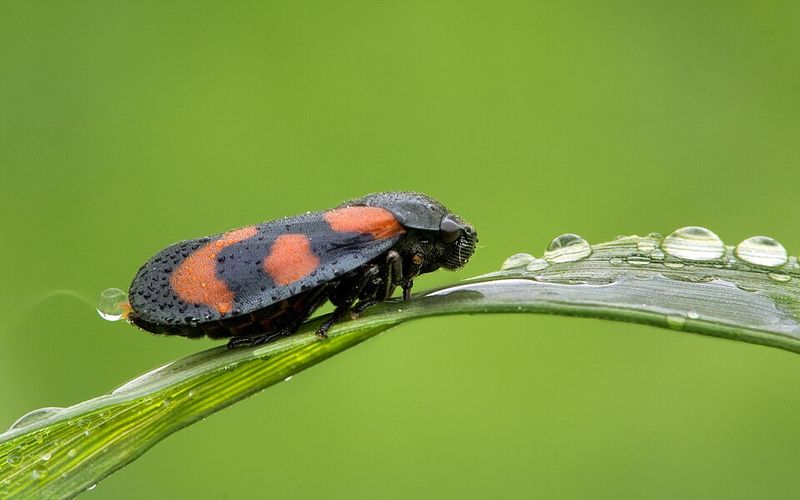
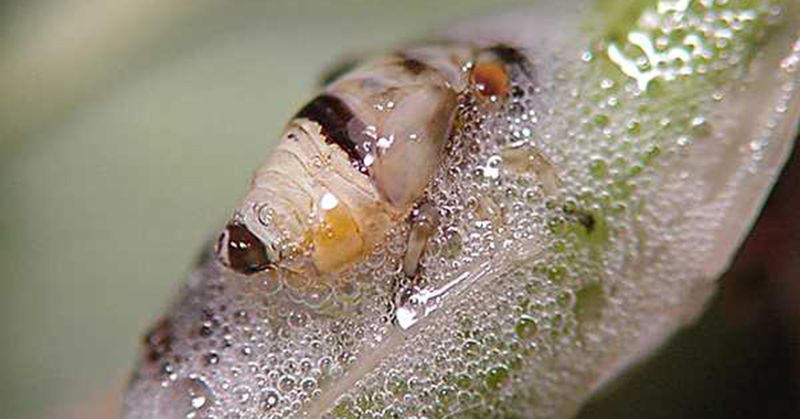
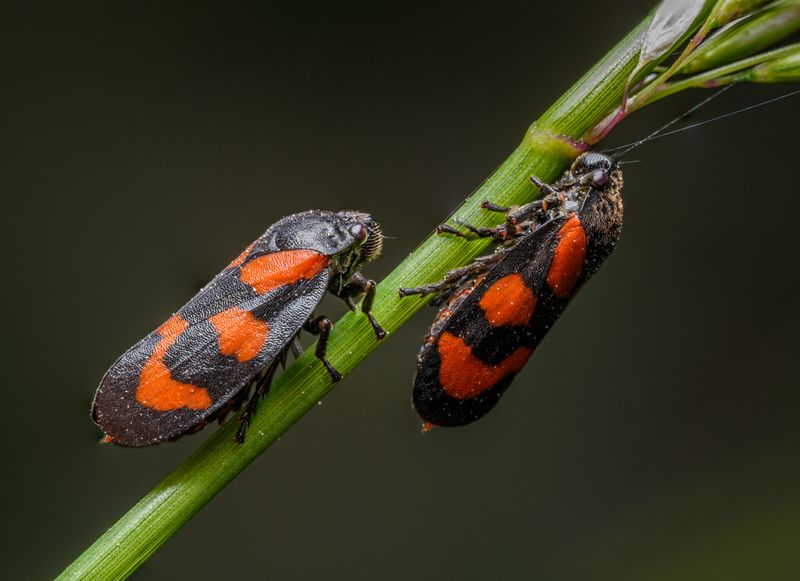
Those frothy masses that clung to stems in early summer were built by spittlebug nymphs. The nymphs grew into adult froghoppers, which hopped around the garden through summer.
By now, those adults have finished their season. Their next generation is already tucked away, patiently waiting for warmer weather.
Late fall is a wonderfully quiet window for gardeners. Plants are resting, the insects are out of sight, and the busy growing season has settled into calm. Nothing is rushing you now.
This is the perfect moment to look back at what happened in your beds and plan ahead with a clear head.
You may remember how strange that foam looked on rosebushes, strawberries, lavender, and ornamental grasses.
Many gardeners first mistake it for a fungal problem, when the source is really a tiny, soft-bodied nymph enjoying a cozy bubble shelter. Knowing that makes the whole story much less mysterious.
This article walks through where spittlebugs spend the winter, which small cleanup tasks help most, and how to prepare for spring.
The cleanup steps here are gentle, low effort, and free of chemicals. Grab a warm drink, take a slow stroll around your beds, and let the season of rest work in your favor.
Where Spittlebugs Are In November
The foam you saw last summer is a thing of the past. Spittlebugs spend the winter as eggs, not as active insects.
Adult froghoppers lay their eggs in late summer and fall. They tuck them into plant debris, stems, and small crevices near the base of plants. Once hard frosts arrive, the adults finish their season and only the eggs remain.
The eggs are tiny and very hard to spot, so you will not find them by simply looking. They rest quietly through the cold months and hatch in spring, when the new nymphs begin building their foam. The cycle then starts all over again.
This explains why the same plants often get foam again and again. Adult spittlebugs often lay eggs on or near the plants where they fed.
Affected plants and the debris around them can become the starting point for next year’s foam. It is a simple pattern that makes planning easier.
Nymphs hatch as temperatures rise and plants begin to grow again. In Massachusetts, that usually means the foam returns in late spring, right on schedule.
Until then, the garden has nothing to show, which is exactly why fall is such a useful time to act.
Think of the eggs as a quiet promise of spring rather than a cause for worry. They cannot bother your plants during winter, because the eggs do not feed. The real work simply happens later, when the weather warms.
Why November Cleanup Matters
Because the eggs spend the winter in plant material, fall cleanup is one of the most practical steps you can take. It costs nothing and needs no chemicals.
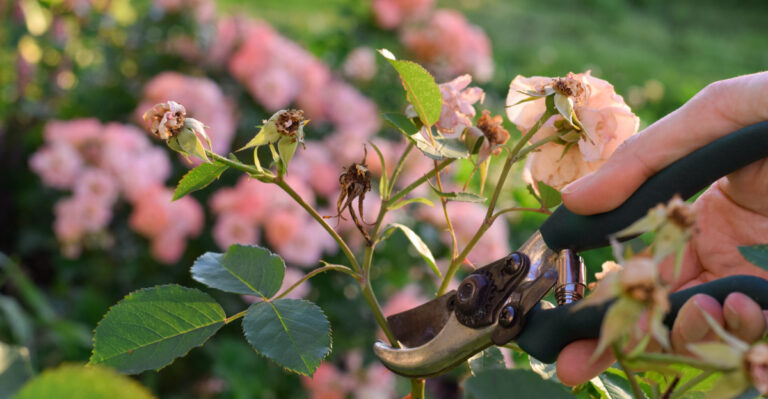
Once plants have settled into dormancy, clear away spent stems, fallen leaves, and old plant debris from beds where you saw foam this year. This removes some of the places where eggs may be tucked away.
Strawberry beds deserve special attention, since large spittlebug populations can reduce fruit yield. Remove old leaves and debris from the patch, and avoid leaving heavy layers of decaying material around the plants.
Ornamental grasses, herbs like lavender and rosemary, and perennials such as asters and goldenrod are all common hosts. Check how your local extension office recommends cutting back each one.
Some plants are best left standing over winter to shelter wildlife, so cleanup does not have to be all or nothing.
Spittlebugs also move between cultivated plants and nearby weedy vegetation. Clovers and wild grasses along fence lines and bed edges can host them.
Pulling or trimming weeds around garden borders before the ground freezes reduces the habitat available next year.
Less shelter nearby means fewer nymphs working their way onto your favorite plants. Rake up the weedy debris and dispose of it away from the bed, so you do not simply relocate the eggs.
Should You Be Concerned
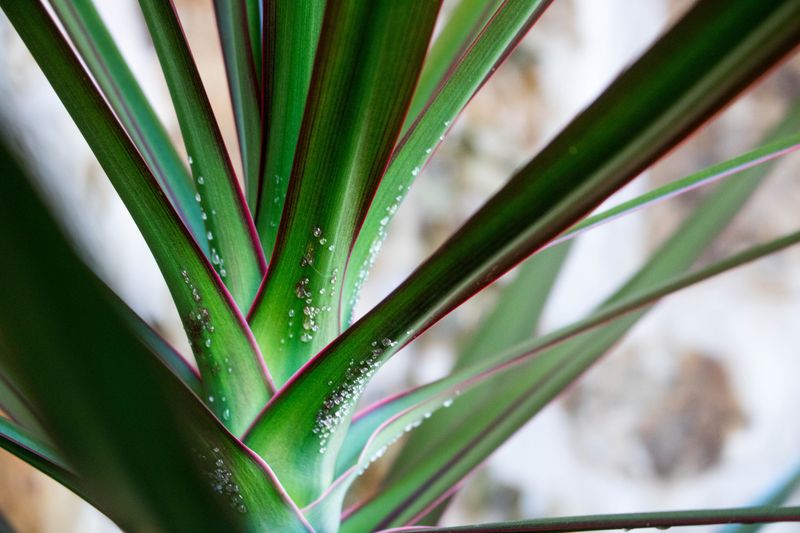
Not very much. As in summer, spittlebugs are rarely a serious problem for healthy, established plants in a home garden.
Each nymph feeds on a small amount of sap from one spot, and any effects are usually cosmetic.
Young seedlings and newly transplanted starts are more sensitive than mature plants, and a large number of nymphs can slow their growth.
Strawberries are the main crop worth watching, since big populations can reduce fruit yield over a season. Commercial growers keep a close eye on this, but home gardeners with a few plants rarely face the same concern.
The foam itself does not spread disease or introduce harmful pathogens. It is simply a protective housing for the nymph, not a sign of plant illness.
If your leaves were green, your stems were firm, and new growth kept appearing, your plants handled their summer guests just fine.
Healthy soil and proper watering give plants the resilience to handle minor insect activity. A thriving plant can host a spittlebug or two without missing a beat. Good habits through the season matter far more than any single treatment.
If you noticed wilting, discoloration, or stunted growth alongside the foam, it is worth a closer look once the plant is dormant.
Inspect the stem and roots for signs of rot or structural problems. Spittlebugs may have been secondary to a deeper soil or root issue, and fall is a calm time to look into that.
Planning Ahead For Spring

November is a good time to make notes while the season is still fresh in your mind. A garden journal helps you track patterns from year to year. Write down which plants had foam, when you first noticed it, and how heavy it was.
Next spring, check those same spots as the weather warms. Foam usually appears low on the plant, close to where the stem meets the soil, so look near the base first. Check the undersides of leaves and the junctions between stems and branches too.
When foam does appear, gentle tools are all you need. A sharp blast of water from the hose rinses the froth and the nymph off the stem.
Repeat every few days if new foam shows up. Hand-picking works well for small numbers, using gloves and a bucket of soapy water.
Insecticidal soap and neem oil, used according to label directions, are options for larger numbers of nymphs. Apply them in the early morning or evening for best results.
Encouraging natural helpers is a longer-term strategy. Birds, ground beetles, and parasitic wasps feed on spittlebugs at various life stages.
Planting flowers such as dill and fennel near your beds supports beneficial insects and builds a natural balance over time.
Winter is a lovely time to sketch out where those flowers could go. Seed catalogs often start arriving soon, which makes the planning feel even more fun.
A Quiet Season With A Lesson
The foamy masses on Massachusetts plants can teach you a lot about your garden. Frequent heavy foam can point to moist, shaded, or crowded conditions, so November is also a good time to think about spacing and drainage.
Dense, overcrowded plantings hold moisture around stems, which is the kind of cozy setting nymphs enjoy. Giving plants a little more room, or dividing clumps once the season allows, improves airflow and helps stems dry out.
Check your irrigation habits too. Steady overwatering creates the moist microclimate these insects love, and compacted soil that holds too much water can weaken plants over time. Improving drainage in fall gives roots a healthier start in spring.
If foam kept returning to the same plant, take a closer look at its stem and roots once it has gone dormant. Plants growing in well-drained soil are better prepared for the season ahead.
Weeds around your beds deserve one last look before winter settles in. Because they can shelter spittlebugs, keeping borders neat reduces the number of nymphs that find their way to your favorite plants next year. A few minutes of trimming now pays off later.
Clear the debris, trim the weeds, take your notes, and let the garden rest. Next spring’s foam will be easier to understand and easier to handle.
Spittlebugs are fascinating little engineers, and they are rarely a problem for most gardens. Enjoy the stillness of the season.