How To Keep California Avocado Roots Cool Without Causing Rot
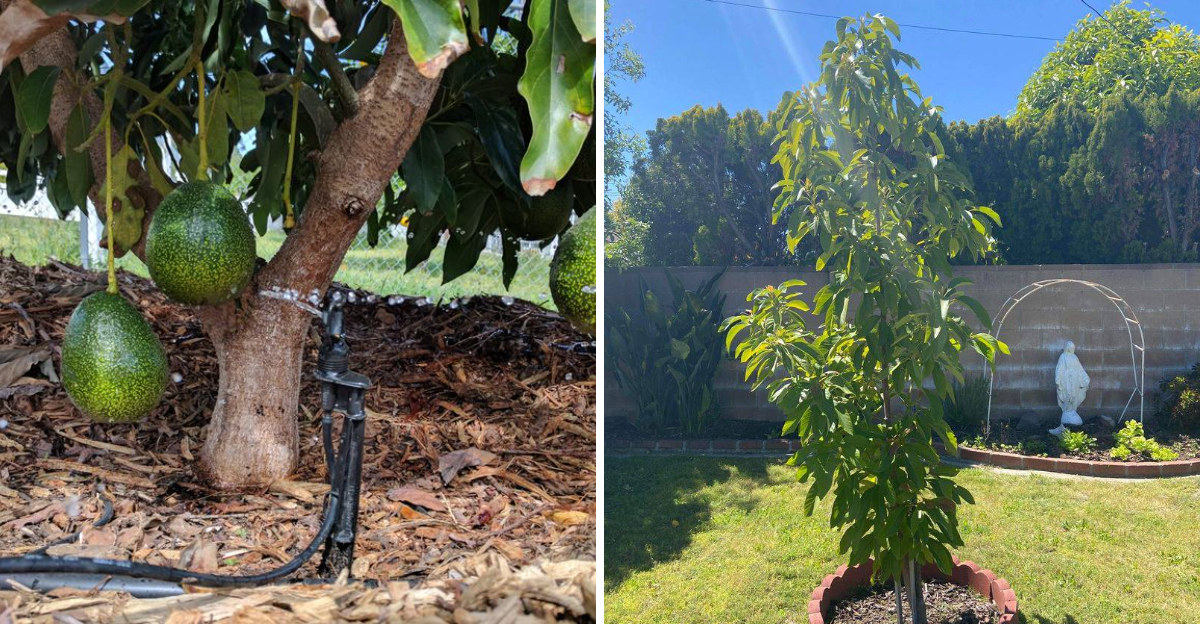
California fruit trees can look tough above ground while their roots are living right at the edge of trouble.
The leaves may shine. The canopy may look calm. Below the mulch, though, shallow feeder roots are dealing with hot soil, dry winds, sudden deep watering, and summer afternoons that make the ground feel like a skillet.
That is where gardeners get caught.
They try to cool the root zone with more mulch, longer watering, or extra sprinkler time. Then the same good intentions create soggy soil around the crown, and root problems start moving in like uninvited houseguests.
So how do you keep those shallow roots cooler without turning the base into a rot-friendly mess?
Start with balance. The goal is cool, moist, airy soil, not a wet blanket pressed against the trunk.
Smart mulch placement, deep watering, drainage checks, shade, and better irrigation habits can help your tree handle California heat without sitting in conditions that make roots suffer.
1. Mulch Beyond The Trunk
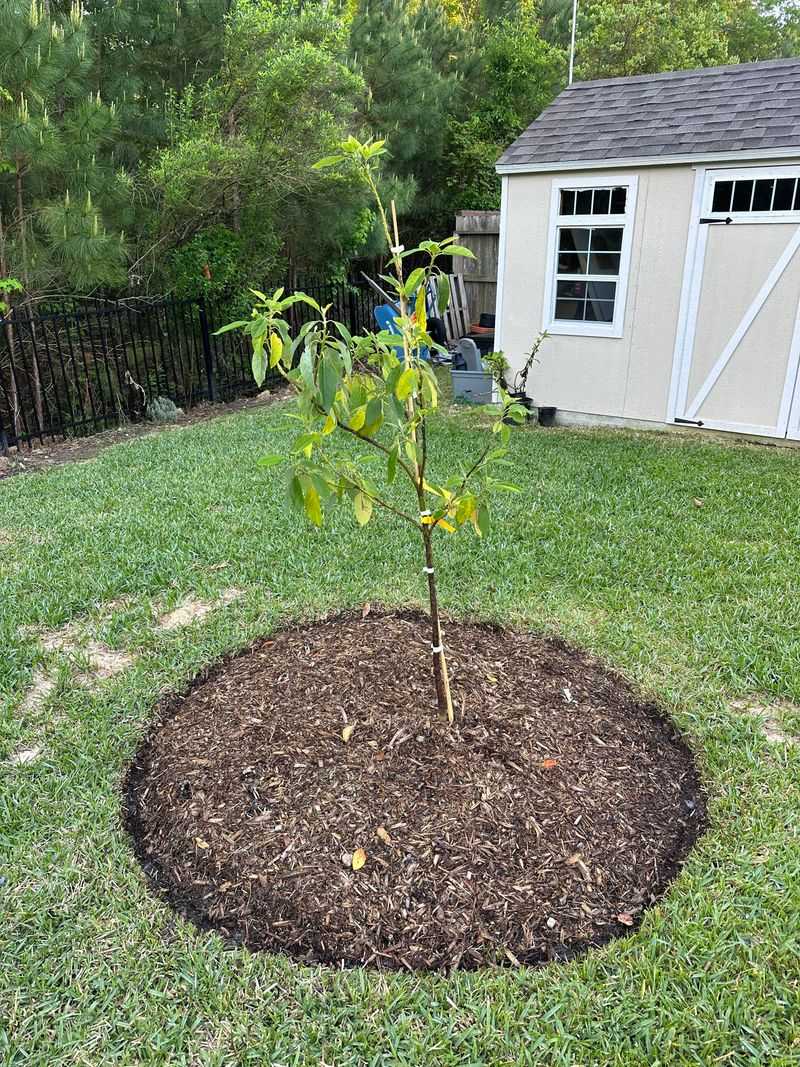
Hot bare soil under a California fruit tree can stress shallow feeder roots fast.
Mulch helps, but only when it goes in the right place. A narrow little ring near the trunk does not do much for the roots doing the most work. Those active feeder roots often stretch outward under the canopy, near and beyond the drip line.
Think wider, not higher.
Spread coarse wood chips in a broad layer under the canopy, starting about a foot away from the trunk and extending toward the outer branch spread.
Three to four inches is usually enough to cool the soil, reduce weeds, and keep moisture steadier through hot afternoons.
Coarse chips work better than fine, compacted mulch.
Air still needs to move through the layer, and water needs to soak down without creating a sealed, soggy mat. Fine mulch can pack together and hold too much moisture near the surface, which turns the root zone into a bad spa day.
Refresh the layer as it breaks down.
Summer heat, irrigation, and winter rain can thin the mulch over time. Keeping the coverage consistent gives shallow roots a cooler buffer without smothering them.
This is not mulch mountain gardening.
It is root-zone shade with manners. Give the feeder roots a wide, breathable blanket, and they can handle California summer with a lot less drama.
2. Keep Mulch Off The Crown
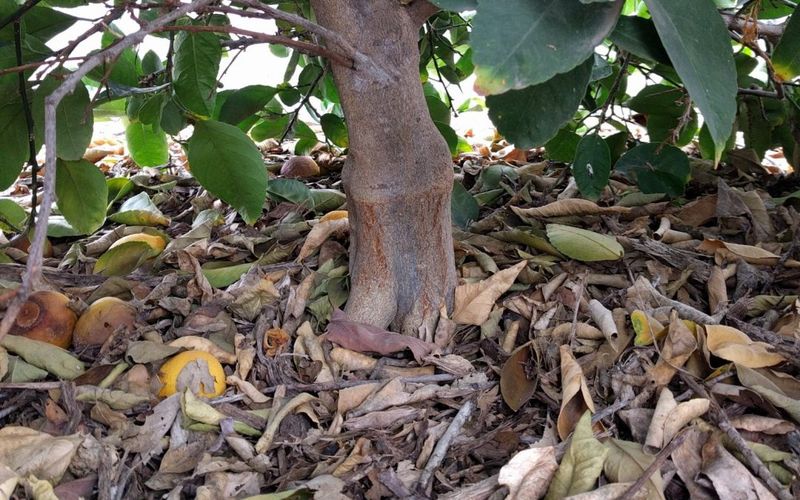
Mulch belongs around the root zone, not hugged against the trunk.
That small detail can make a huge difference. When wood chips pile against the crown, they trap moisture exactly where airflow should stay open.
The bark stays damp, the base stays hidden, and rot-friendly conditions get far too comfortable.
Use the donut method.
Leave a clear open circle around the trunk, usually six to twelve inches wide. The mulch ring should begin outside that space, then spread outward across the root zone. From above, it should look like a wide donut, not a volcano.
The crown needs breathing room.
That area where trunk meets soil should stay visible, dry, and easy to inspect. Buried crowns are harder to monitor, and small problems can go unnoticed until the tree starts showing stress above ground.
Your California Garden Changes Every Week. Your Plan Should Too.
Gardening in California changes quickly throughout the season. Every Friday you’ll receive a simple weekly plan showing exactly what to plant, prune, fertilize, harvest, and protect so you never miss the right timing.
Pull mulch back after storms and irrigation checks.
Water, wind, pets, and garden tools can shift chips toward the trunk over time. A quick hand sweep keeps the gap open. This tiny habit does more than many expensive fixes that arrive too late.
Avoid stacking bark, compost, or leaves against the base.
Even natural materials can become trouble when they stay wet in the wrong spot. Mulch is useful because it cools and protects soil, not because it touches the trunk.
Give the crown some personal space.
Roots like cool cover. The trunk likes air. That is the avocado peace treaty.
3. Water Deeply Not Daily
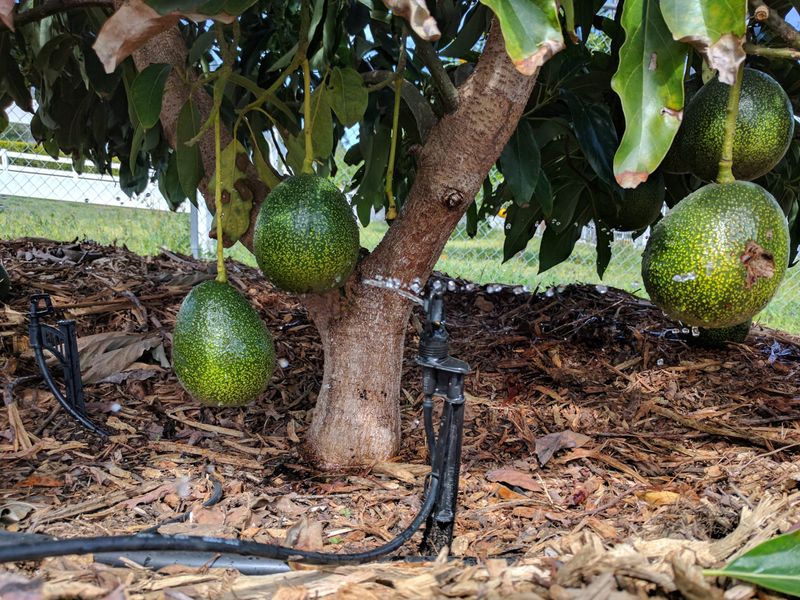
Daily shallow watering feels helpful, but it can train roots into bad habits.
A little water every day keeps moisture near the surface, where heat is strongest and evaporation moves fast. Roots respond by staying shallow, and shallow roots are the first ones to struggle during a California heat wave.
Deep watering works smarter.
A slow soak near the drip line encourages moisture to move down through the soil profile. Roots can follow that moisture into cooler, steadier ground instead of crowding the hot surface.
Use drip emitters, a soaker hose, or a slow basin soak.
Sprinklers are less ideal because they wet the crown, waste water to evaporation, and often encourage surface rooting. Water should reach the root zone without splashing the trunk or soaking the mulch gap.
Check before watering again.
The top inch may look dry while the soil several inches down still holds moisture. Use a soil probe, moisture meter, or long screwdriver. Easy movement usually means the soil still has moisture. Hard resistance often means the root zone is drying.
Let the soil cycle between moist and slightly dry.
Constant sogginess is not kindness. It limits oxygen, stresses roots, and creates the conditions rot problems enjoy.
Deep watering is not about drowning the tree.
It is about giving roots a better target. Fewer, deeper drinks beat tiny daily sips when California summer starts turning soil into toast.
4. Check Drainage Before Adding More
A struggling tree does not always need more water.
Sometimes it needs water to leave faster.
Drainage is easy to ignore because the soil surface can look dry while the lower root zone stays wet. That hidden moisture is where trouble builds.
Avocado roots dislike sitting in saturated soil, especially in heavy clay or compacted areas that hold water after irrigation.
Test before guessing.
Dig a small hole near the outer canopy area, away from the trunk. Fill it with water and watch how quickly it drains. Slow drainage tells you the root zone may already be holding more water than expected.
That changes the plan.
Instead of watering longer, you may need to water less often, improve soil structure, redirect runoff, or adjust emitters. Adding mulch on top of poorly draining soil without changing irrigation can make the problem worse.
Look for low spots too.
Water from patios, slopes, rooflines, or lawn sprinklers may be moving toward the tree after every irrigation cycle or winter storm. A slight grade adjustment can keep excess water away from the crown.
Do not keep treating dryness that only exists on the surface.
The real root zone may be telling a different story. A soil check gives you facts before the hose gets another turn.
Drainage may not sound exciting, but it is root insurance.
Cool soil helps. Airy soil matters. Wet, trapped soil is where the plot goes mushy.
5. Shade Young Root Zones
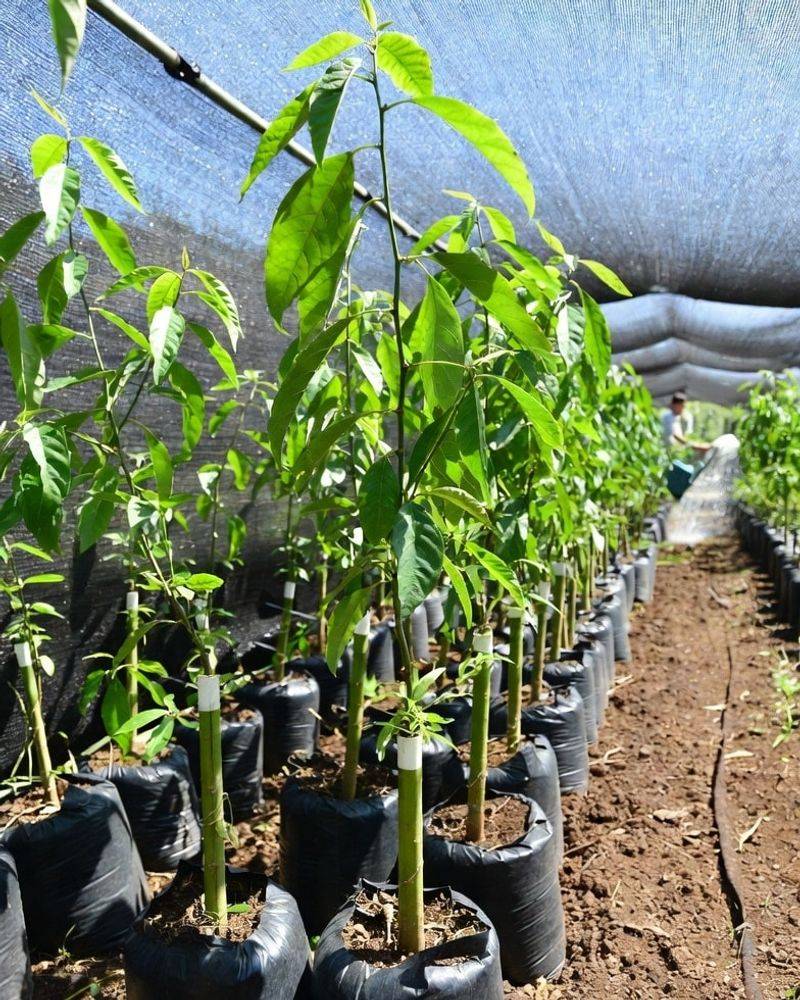
Young trees need more help while their roots are still finding their way.
A newly planted tree does not yet have a full canopy to shade the ground beneath it. That leaves the root zone exposed to blazing California afternoon sun, especially in inland areas where summer soil can heat up fast.
Temporary shade can make establishment easier.
The goal is not to hide the whole tree in darkness. The goal is to reduce the harshest afternoon heat around the root zone while still allowing enough light for healthy growth.
Use shade cloth on the south or west side during the hottest months.
A simple frame, stakes, or temporary screen can block the worst late-day sun. Thirty to forty percent shade is often enough for young trees during their first summers.
Companion planting can help too.
Low, drought-tolerant plants nearby may shade the soil without crowding the trunk. Keep them far enough away to avoid root competition and maintain airflow at the base.
Mulch and shade work best together.
Mulch cools the soil surface. Shade reduces the heat load before the soil gets blasted. Together, they help young roots avoid wild wet-dry swings that lead to stress.
Remove or reduce temporary shade as the tree matures.
Once the canopy expands, it begins doing much of that cooling work on its own.
Think of early shade as training wheels for the root zone. Not forever, just long enough to help the tree ride through California summer without wobbling.
6. Avoid Lawn Sprinkler Spillover
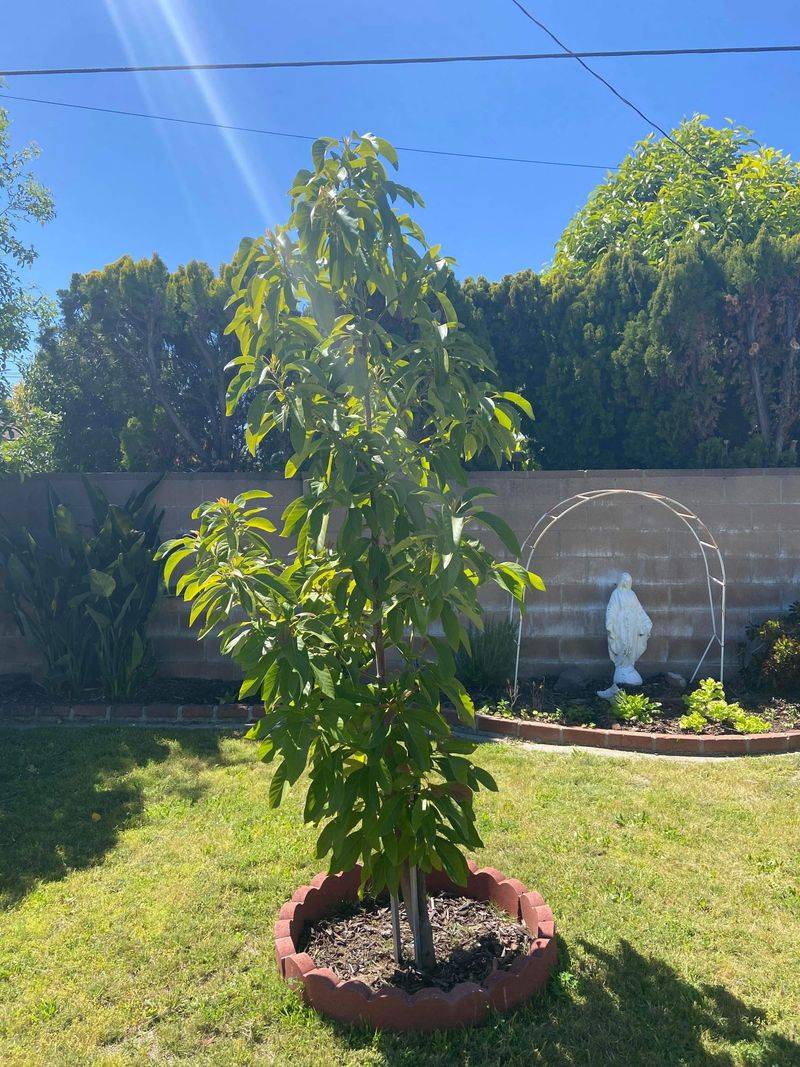
Lawn sprinklers and avocado roots make awkward neighbors.
Grass likes frequent, shallow irrigation. This fruit tree prefers deeper, less frequent water with a dry crown and breathable soil. Put both on the same sprinkler schedule, and the tree often gets the worst deal.
Sprinklers can keep the trunk base too wet.
Repeated spray near the crown creates the damp conditions that rot problems enjoy. It also encourages shallow roots near the surface instead of deeper, sturdier growth farther from heat.
Separate the irrigation whenever possible.
Create a dedicated drip or soaker setup for the tree, with emitters placed out near the active root zone rather than right against the trunk. This gives the tree water where it needs it without soaking bark or mulch at the crown.
Adjust nearby sprinkler heads.
Even a small change in angle can stop overspray from hitting the trunk. Cap unused heads, add deflectors, or redesign the turf edge so lawn water does not constantly drift into the tree basin.
A grass-free zone under the canopy also helps.
Remove turf near the trunk and replace it with properly placed mulch. Grass competes for water and nutrients, and mowing near shallow roots creates extra stress.
The tree should not have to live on a lawn’s drinking schedule.
Give it its own irrigation lane. Avocados are fussy enough without sharing a sprinkler calendar with thirsty turf.
That is not diva behavior. That is root biology.
7. Plant On Slight Mounds
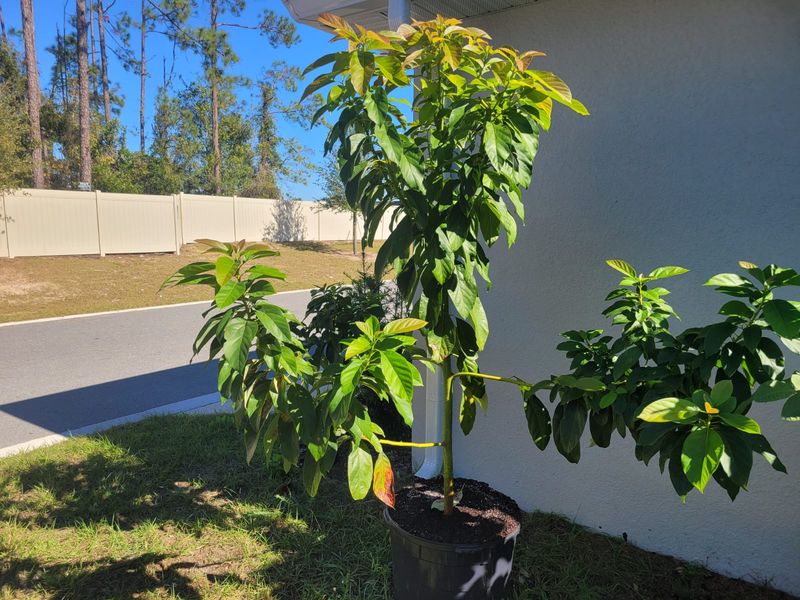
A slight mound can prevent years of root-zone regret.
This is especially useful in California yards with heavy soil, slow drainage, or low planting spots. When the tree sits too low, water naturally gathers near the crown after irrigation or rain.
That wet base creates the exact conditions gardeners are trying to avoid.
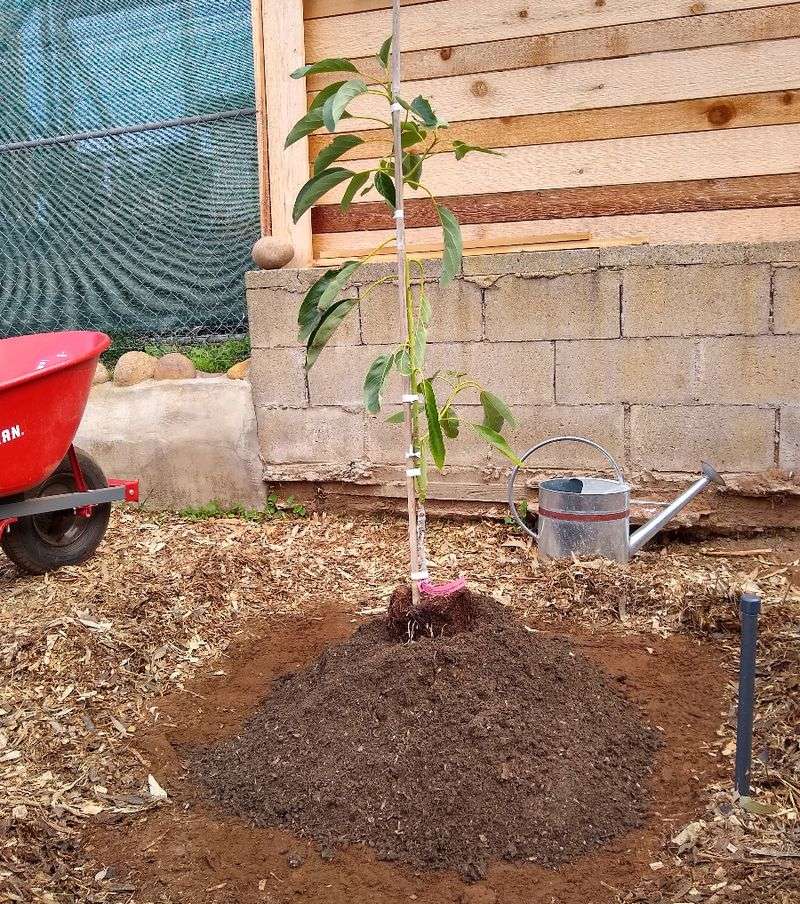
Raise the planting area instead. A broad mound lifts the crown above the surrounding grade and helps water move away from the trunk.
The mound does not need to look dramatic. A gentle rise of twelve to eighteen inches can make a meaningful difference in drainage.
Width matters more than a steep peak.
Build a broad, gradual slope that supports the root ball and spreads outward smoothly. A narrow cone dries too fast and can shed water away from young roots. A wide mound gives roots room to grow while keeping the crown elevated.
Mulch the mound correctly.
Keep the crown gap clear, then spread coarse wood chips outward across the raised root zone. That combination gives you both drainage protection and soil cooling.
Watch settling over time.
Mounds can sink as soil compacts and organic matter breaks down. Add soil around the outer mound when needed, but keep the trunk flare visible and uncovered.
This is one of those unglamorous planting choices that pays off quietly for years.
A tree planted slightly high has a better chance of staying cool, moist, and airy instead of trapped in a soggy bowl.
Raised roots, calmer gardener.