The Shade Trees California Homeowners Are Planting To Lower Their Cooling Bills
A single well-placed tree can do something no air conditioner can. It blocks heat before it ever reaches your home, and it keeps doing that for decades without running up your electricity bill.
California homeowners are catching on to this fast, especially as summer cooling costs keep climbing and the seasons keep getting hotter.
The right shade tree positioned on the right side of a house can reduce indoor temperatures and take real pressure off an AC unit that would otherwise be running constantly.
Not every tree does this job well though. Some grow too slowly to make a practical difference.
Others get too large, have invasive roots, or drop enough debris to create new problems while solving the old one.
California’s climate also narrows the field because the tree has to handle heat, drought, and dry summers while still growing quickly enough to deliver shade.
1. Western Redbud
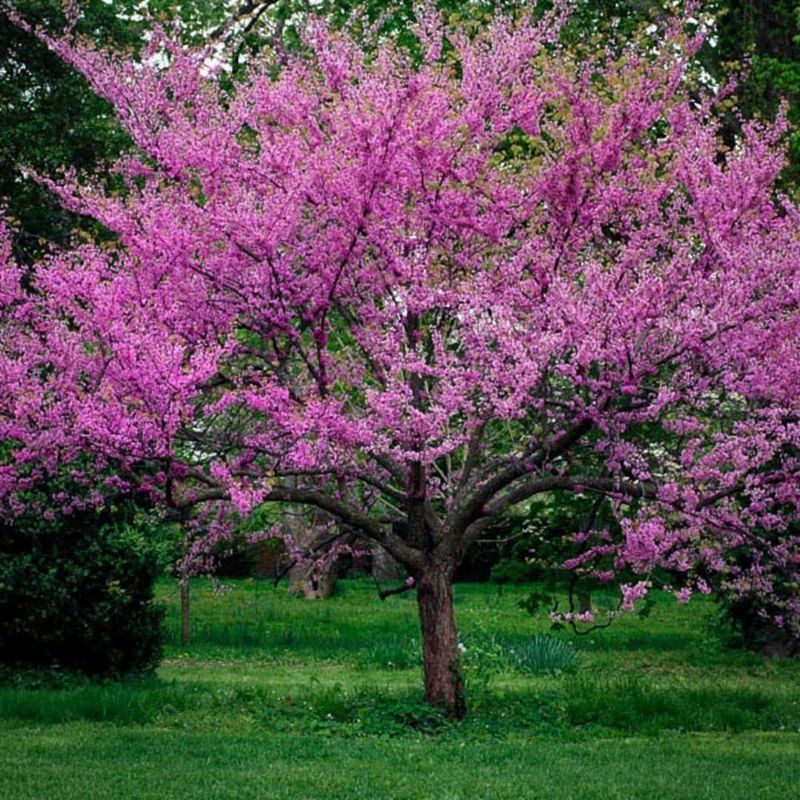
Few trees put on a show quite like the Western Redbud. Every spring, before its leaves even appear, it bursts into a cloud of bright magenta-pink blossoms that stop people in their tracks.
It is honestly one of the most eye-catching trees you can plant in a yard.
But beauty is not the only reason homeowners love it. This tree grows into a broad, rounded canopy that does a fantastic job of shading patios, windows, and south-facing walls.
Planted on the west or south side of your home, it can significantly cut down on afternoon heat gain.
Western Redbud is native to our state and thrives in hot, dry conditions. It handles summer drought well once it gets established, which usually takes about two to three years with regular watering.
After that, it needs very little attention.
It typically grows between 10 and 20 feet tall and wide, making it a great fit for smaller yards or tight spaces near the house. The heart-shaped leaves turn yellow and orange in fall, giving you another season of visual interest.
Birds and pollinators absolutely love this tree. Hummingbirds flock to the spring flowers, and native bees depend on it as an early food source.
You get shade, savings, and a backyard full of life all from one beautiful tree.
2. Desert Willow
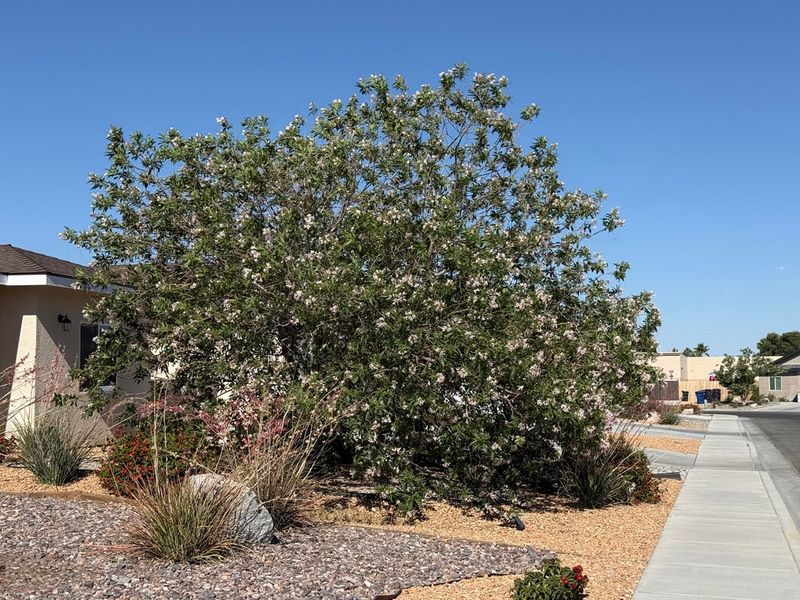
Do not let the name fool you. The Desert Willow is not a true willow, but it is one tough, stunning tree that thrives in some of the hottest parts of our state.
It produces long, trumpet-shaped flowers in shades of pink, purple, and white from late spring all the way through fall.
That extended bloom season is a huge bonus. While most flowering trees put on their show and disappear, this one keeps going for months.
And all those flowers attract hummingbirds and butterflies, turning your yard into a lively outdoor space.
From a cooling standpoint, the Desert Willow earns its place near the house. Its canopy spreads wide enough to shade a patio or a section of wall, reducing the amount of direct sunlight that hits your home.
Less sun hitting the walls means less heat building up inside.
Your California Garden Changes Every Week. Your Plan Should Too.
Gardening in California changes quickly throughout the season. Every Friday you’ll receive a simple weekly plan showing exactly what to plant, prune, fertilize, harvest, and protect so you never miss the right timing.
It is also extremely drought-tolerant, which matters a lot in our state where water restrictions are common. Once established, it can survive on very little supplemental water, making it both an eco-friendly and budget-friendly choice.
Growth is moderate, reaching about 15 to 25 feet tall. It has a naturally open, airy structure that lets breezes pass through while still providing meaningful shade.
For hot inland areas and desert-adjacent communities, this tree is a genuinely smart pick for any homeowner wanting to lower cooling costs.
3. California Buckeye
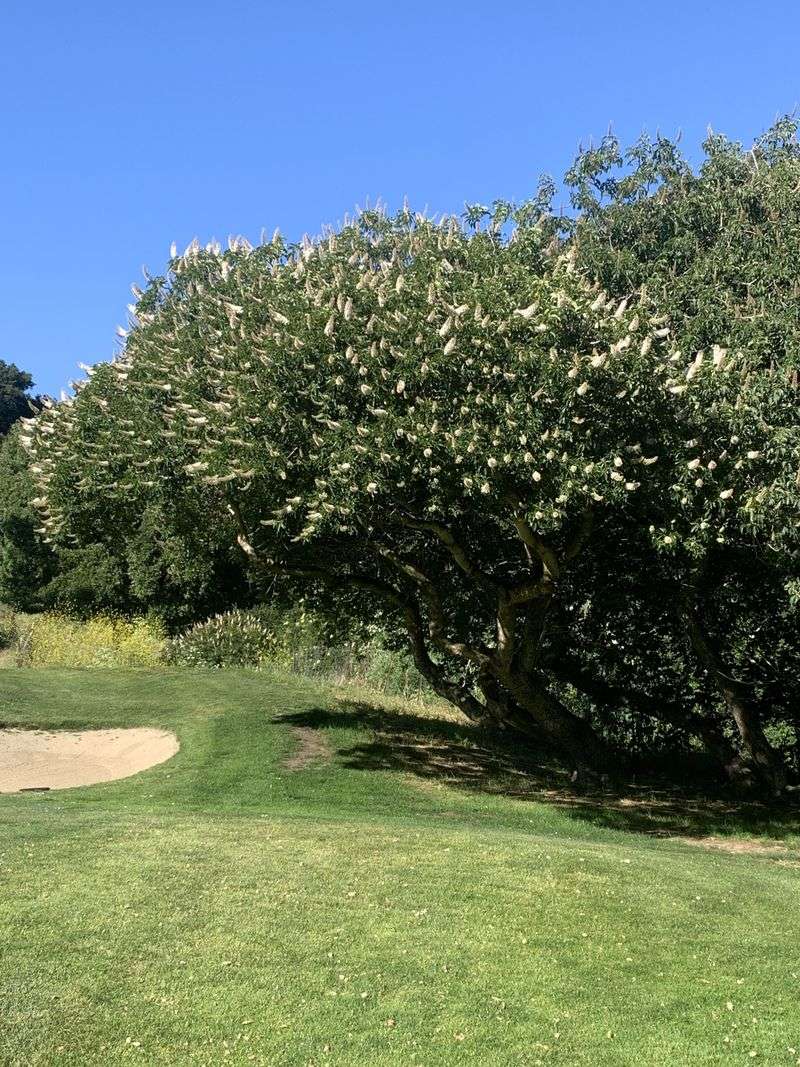
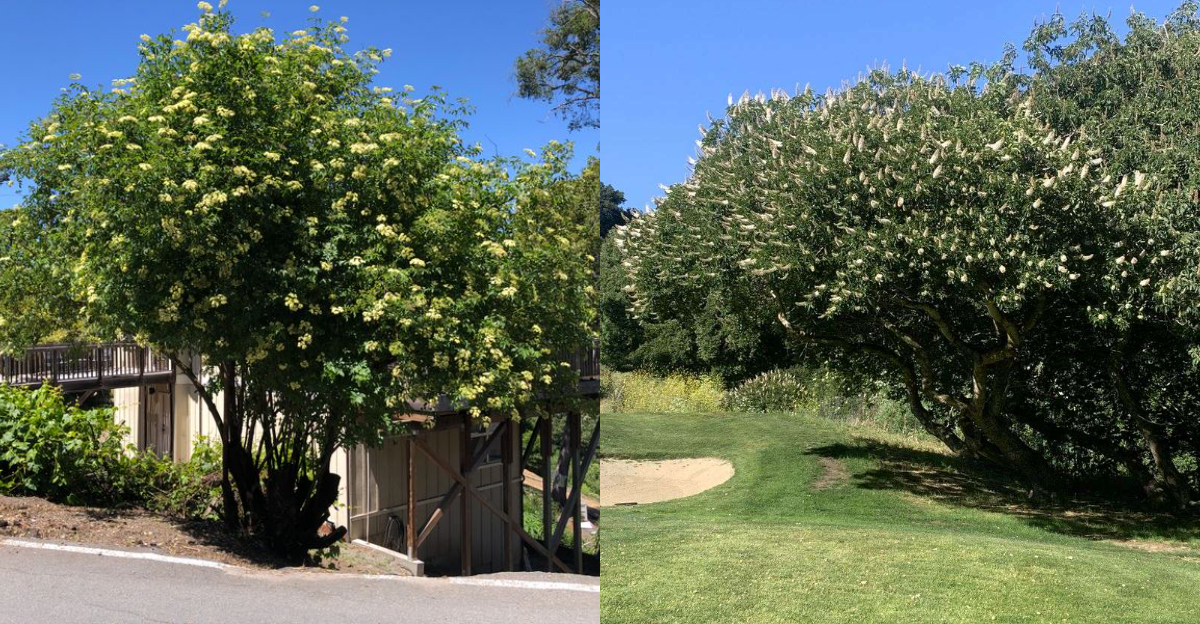
There is something almost magical about the California Buckeye. It is one of the first trees to leaf out in late winter and one of the first to drop its leaves in late summer.
That might sound like a drawback, but it is actually a clever feature.
Because it goes dormant early, it lets winter sun reach your home when you want warmth, then provides dense shade right when summer heat peaks. That seasonal timing works perfectly with a home’s energy needs throughout the year.
The tree grows large and wide, often spreading 20 to 30 feet across. Planted on the south or west side of a house, that canopy creates a serious barrier against afternoon sun.
Homeowners in the foothills and coastal ranges have relied on this tree for generations for exactly that reason.
In late spring, it puts on a spectacular display of creamy white flower spikes that smell sweet and attract native bees. The large, round seed pods that follow are interesting to look at and are a favorite food source for squirrels.
One thing to keep in mind is that this tree is best suited for drier areas. It does not like wet roots and thrives in well-drained soil with minimal summer water once established.
For those living in hotter, drier parts of the state, it is a reliable and beautiful choice that rewards patience.
4. Bigleaf Maple
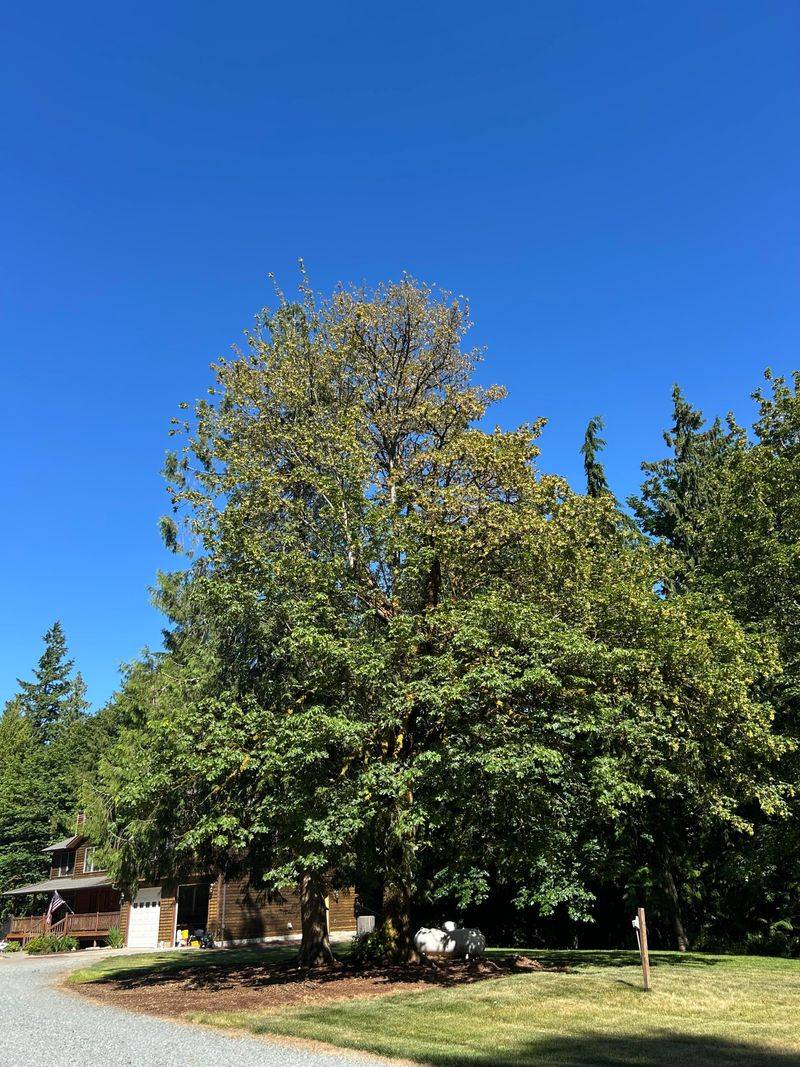
When it comes to sheer canopy size, few native trees can compete with the Bigleaf Maple. Its leaves are the largest of any maple in North America, sometimes growing as wide as 12 inches across.
That massive leaf surface creates deep, cooling shade that you can genuinely feel when you step under it.
Homeowners in the northern and coastal regions of our state have long appreciated this tree for its ability to transform a hot yard into a shaded retreat. Planted on the west side of a house, it blocks the brutal late-afternoon sun that heats up walls and windows the most.
In fall, the Bigleaf Maple puts on a show of golden-yellow color that rivals anything you would see in New England. It is one of the few native trees in our state that delivers a true autumn display, making it a year-round asset in the landscape.
It grows best in moist, well-drained soil and does well near streams, swales, or areas that receive some supplemental water in summer. It can reach 40 to 75 feet tall, so it is best suited for larger properties where there is room for it to spread out.
Wildlife benefit enormously from this tree. Birds nest in its branches, and its seeds feed squirrels and other small animals.
For homeowners who want serious shade and a tree with real presence, the Bigleaf Maple delivers on every front.
5. California Elderberry
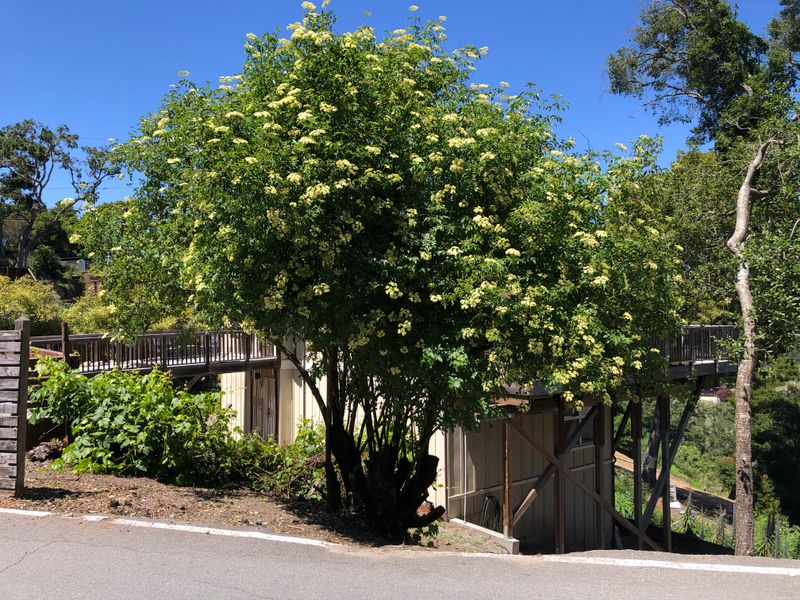
Underrated and incredibly useful, the California Elderberry is one of those plants that earns its keep in every season. Most people know it for its clusters of dark purple berries, which are used to make syrups, jams, and herbal remedies.
But it also works hard as a shade-producing tree in the home landscape.
It grows fast, which is a major advantage for homeowners who want results quickly. In just a few years, it can reach 10 to 20 feet tall and develop a broad, leafy canopy that shades patios, fences, and the sides of buildings effectively.
Because it grows so quickly, it provides cooling benefits much sooner than slower-growing trees. That speed makes it a popular choice for homeowners who want to reduce their energy bills within just a few seasons of planting.
Elderberry is also incredibly generous to wildlife. More than 50 species of birds feed on its berries, and its flowers attract a huge variety of native bees and butterflies.
Planting it near your home means bringing in a whole ecosystem of beneficial creatures.
It thrives in a range of soil types and tolerates both dry and occasionally moist conditions, making it adaptable across many parts of our state. Regular pruning keeps it tidy and encourages vigorous new growth.
For a fast-growing, wildlife-friendly shade option that also produces food, California Elderberry is hard to beat in any home garden.
6. Toyon
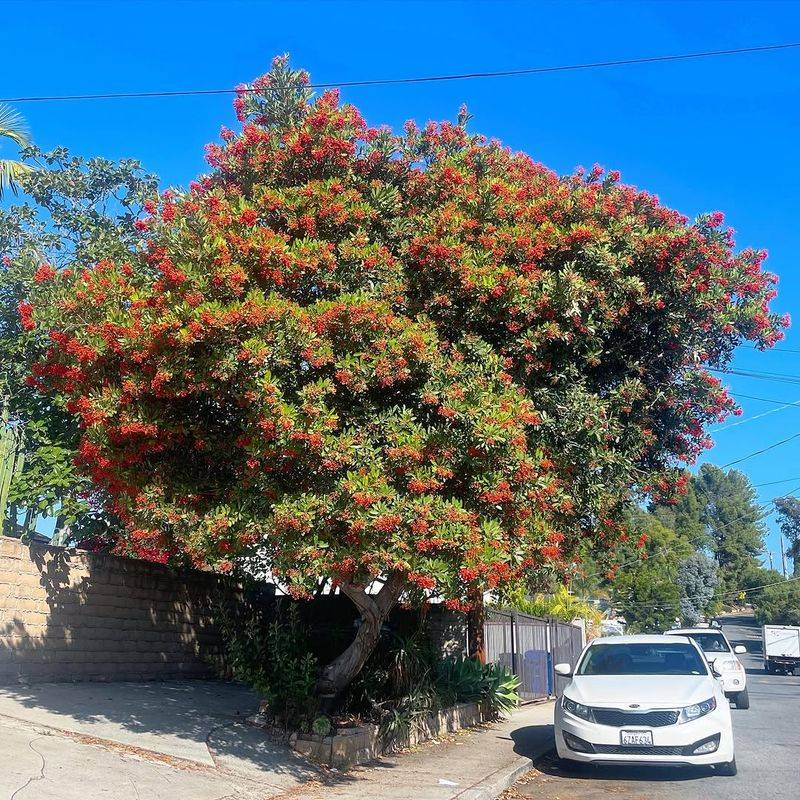
Known as the plant that gave Hollywood its name, Toyon is one of the most iconic native plants in our state. Early settlers called it California Holly because of its clusters of bright red berries that appear in winter, right around the holidays.
It is a tree with deep roots in the culture and landscape of this region.
Beyond its history, Toyon is a genuinely practical choice for homeowners focused on energy savings. It grows into a dense, rounded canopy that provides excellent shade on the south and west sides of a home.
That shade reduces the amount of heat that penetrates walls and windows during the hottest months.
It is also one of the toughest native trees around. Once established, it handles full sun, poor soil, and dry summers without complaint.
Watering it once or twice a month in summer is usually enough to keep it healthy and growing well.
Toyon typically reaches 6 to 15 feet tall, though in ideal conditions it can grow taller. Its size makes it perfect for planting close to the house without worrying about roots damaging foundations or pipes.
It fits neatly into smaller yards and works well as a large privacy hedge.
The berries that appear each winter are a vital food source for robins, cedar waxwings, and mockingbirds. Choosing Toyon means choosing a tree that gives back to the local ecosystem while keeping your home cooler and your energy bills lower all year long.
7. Pacific Wax Myrtle
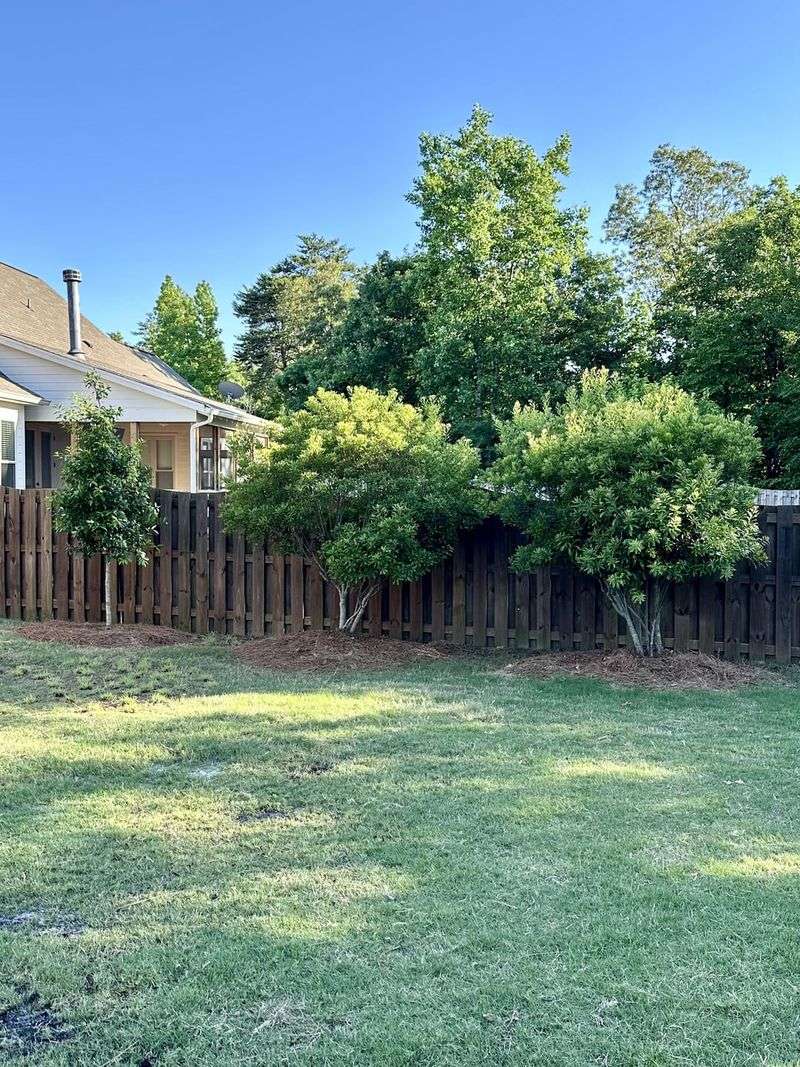
For year-round shade, very few native trees match the Pacific Wax Myrtle. Unlike deciduous trees that lose their leaves in winter, this one stays green and full every single month of the year.
That means consistent shade on your home no matter what season it is.
That evergreen quality makes it especially valuable for homes that face west or south, where the sun beats down hard for most of the day. With a dense canopy that blocks light effectively, it acts almost like a natural sunscreen for your walls and windows.
Pacific Wax Myrtle grows quickly and can reach 10 to 25 feet tall, with a spread that can be just as wide. It responds very well to pruning, which means you can shape it into a tree, a large hedge, or a privacy screen depending on what your yard needs most.
It thrives in coastal and inland areas alike, handling salt spray, wind, and a range of soil types without much trouble. Once established, it is quite drought-tolerant, though it appreciates some summer water in hotter, drier locations.
The small, waxy berries it produces are a favorite food for yellow-rumped warblers and other songbirds, adding life and sound to your yard throughout the year. For homeowners who want dependable, low-maintenance shade that works every day of the year, Pacific Wax Myrtle is one of the smartest choices you can make for your landscape.
8. Catalina Cherry
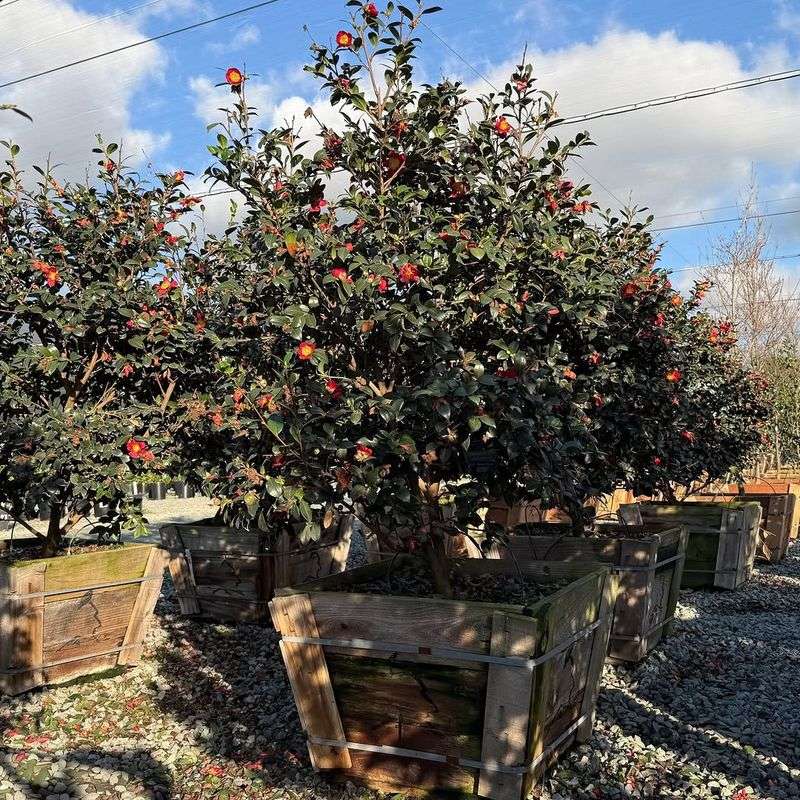
Originally from the Channel Islands off the coast of Southern California, the Catalina Cherry has found a happy home in yards across the warmer parts of our state. It is a bold, handsome tree with large, glossy leaves that create a rich, tropical-looking canopy unlike anything else on this list.
That dense canopy is exactly what makes it so effective at lowering cooling costs. The thick leaves block sunlight aggressively, keeping the ground and nearby walls noticeably cooler.
Homeowners in hot inland valleys and coastal communities have embraced it for this reason.
It grows at a moderate pace, eventually reaching 15 to 45 feet tall depending on conditions. Younger trees can be pruned and shaped to fit smaller spaces, but given room to grow, they become magnificent shade trees that anchor a yard with real visual weight.
Drought tolerance is one of its strongest qualities. Once established, it needs very little water to survive our dry summers, which is a major plus in areas with water restrictions or rising utility costs.
It prefers well-drained soil and full sun to light shade.
In spring, it produces clusters of small white flowers that attract pollinators. Later in the season, dark cherry-like fruits appear that birds absolutely love.
Choosing Catalina Cherry means getting a tree that is beautiful, practical, drought-tough, and generous to wildlife, all wrapped up in one remarkable package for your home landscape.