Why North Carolina Gardeners Are Letting One Bed Go Completely Wild, And What They Are Getting For It
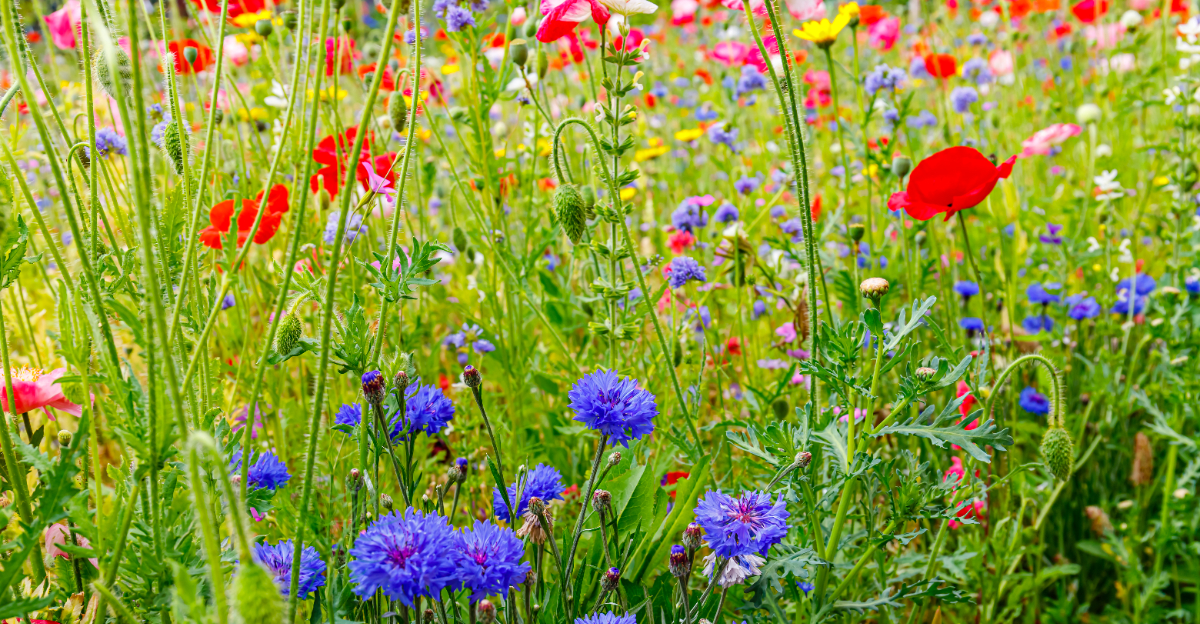
North Carolina backyards are quietly embracing a small shift. Homeowners who once trimmed every blade to perfection are now roping off a corner and letting nature take the wheel.
The results speak for themselves. Native wildflowers push through where turf used to sit, and the buzz of pollinators has replaced the drone of mowers.
Neighbors walk by slower than they used to. Some stop, some snap photos, and a few have started asking how to start their own wild patch.
This is not about laziness. It is about swapping constant upkeep for something that feeds birds, bees, and curiosity all at once.
If your arms are tired from edging beds that nobody actually admires, this shift might be the permission slip you have been waiting for. One overgrown corner could become the most interesting part of your yard.
What This Wild Garden Bed Trend Actually Looks Like
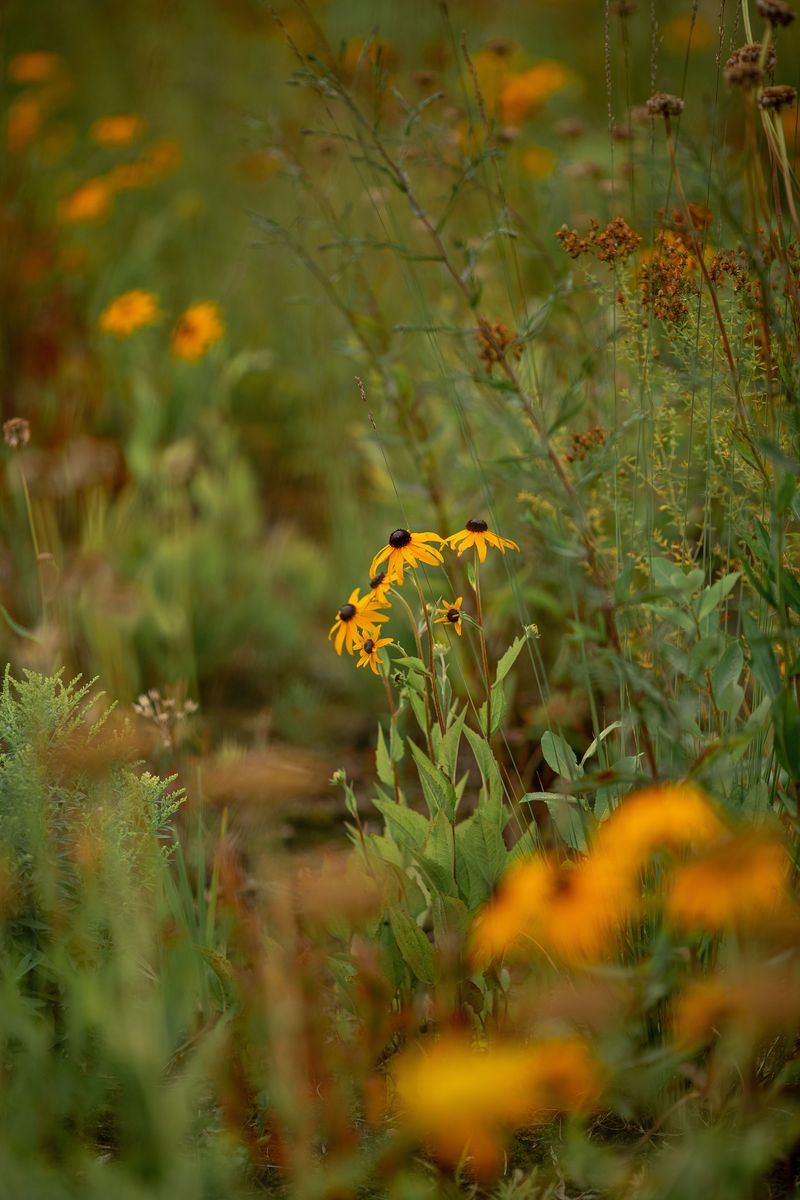
Picture a patch of ground where nothing is perfectly straight. Stems lean into each other, seed heads bob in the breeze, and something is always blooming in some unexpected corner.
This is what the wild bed trend looks like in real life. It is not a neglected mess but a deliberately hands-off growing space filled mostly with native plants.
North Carolina gardeners are carving out one small bed, sometimes just four feet by eight feet, and leaving it fully untouched. Spent blooms stay where they fall, stems lean without a stake, and the soil gets no help from a fertilizer bag.
The plants that thrive here tend to be tough regional favorites. Black-eyed Susans, Joe Pye weed, wild bergamot, and native grasses fill in quickly and confidently.
What makes this trend feel fresh is the intentionality behind it. Gardeners are choosing this wildness on purpose, not because they ran out of time.
There is a visible difference between an abandoned bed and a wild one. The wild bed has structure, even if that structure is loose and living.
Edges are often defined with a simple border of stones or a clean-cut lawn edge. That small detail signals to visitors that the wildness inside is planned.
North Carolina gardeners are finding that one wild bed changes how the whole yard feels. It adds movement, texture, and a kind of honest energy that clipped hedges simply cannot match.
The Wildlife And Pollinators Showing Up Because Of It
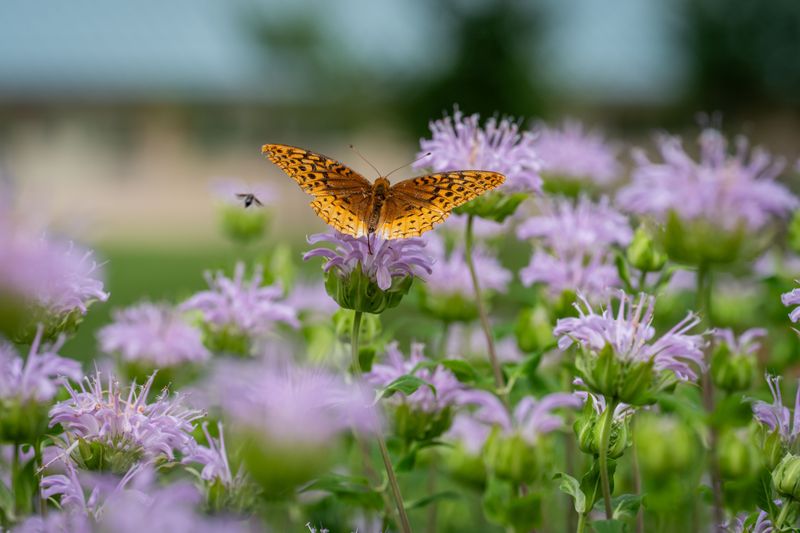
Within weeks of stepping back from a bed, the visitors start arriving. Bumblebees find the bergamot first, then the goldfinches discover the seed heads.
Pollinators consistently benefit from untouched habitat, especially now. Managed lawns and clipped gardens offer very little for bees, butterflies, or beetles trying to complete their life cycles.
A wild bed gives them what they actually need. Hollow stems become nesting spots for native bees that never touch a hive.
Leaf litter left at the base of plants shelters moth pupae and beetle larvae through cold months. These creatures are part of the food chain that feeds birds and small mammals all year.
Your North Carolina Garden Changes Every Week. Your Plan Should Too.
Gardening in North Carolina changes quickly throughout the season. Every Friday you’ll receive a simple weekly plan showing exactly what to plant, prune, fertilize, harvest, and protect so you never miss the right timing.
Ruby-throated hummingbirds are commonly drawn to wild bergamot once it starts blooming. Swallowtail butterflies lay eggs on host plants that only appear when gardeners stop pulling every unfamiliar leaf.
The variety of species increases noticeably when even one small area is left alone. Gardeners often report noticeably higher pollinator activity in yards with just one naturalized patch.
What surprises most gardeners is how fast this happens. Two growing seasons is often enough to see real changes in local wildlife activity around your yard.
Letting one bed go wild is one of the most effective things a home gardener can do for local ecosystems. The wildlife showing up is the reward you did not have to work very hard for.
Constant Tidying Versus Healthy Soil
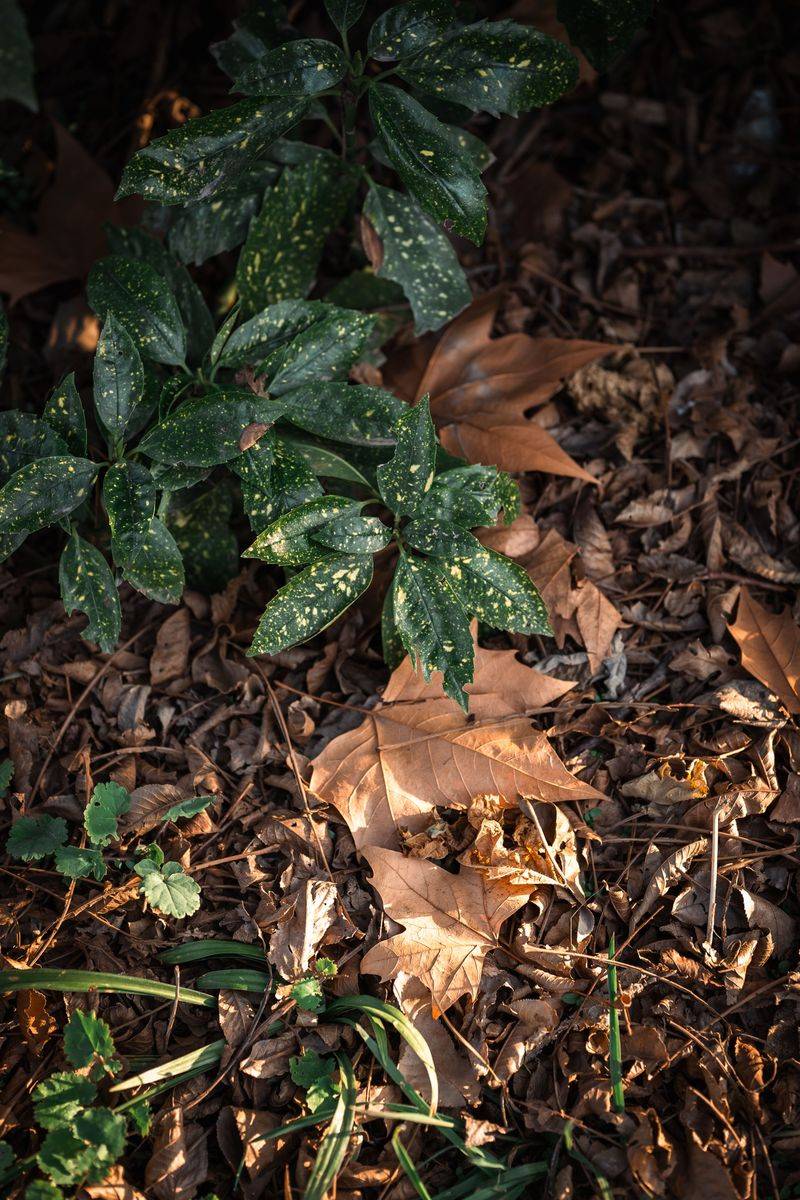
Healthy soil is not built by constant disturbance. Every time a gardener turns the earth, pulls roots, or rakes away debris, the underground ecosystem takes a hit.
Soil is alive in ways most people rarely think about. Fungal networks, earthworms, and billions of microorganisms work together to break down organic matter and feed plant roots.
When a bed is left wild, fallen leaves become food for those organisms. Decaying stems add carbon and structure to the soil profile over time.
Roots from native perennials grow deep without being cut or moved. Those deep roots break up compacted clay, which is a genuine problem in many parts of the state.
A wild bed essentially composts itself from the inside out. Gardeners who have tested their soil before and after a few wild seasons often report measurable improvements in organic matter content.
Moisture retention also improves significantly. A layer of natural mulch from dropped leaves and stems keeps the ground cooler and wetter during dry summer stretches.
That matters a lot when summer temperatures climb and rainfall gets unpredictable. A wild bed can often go longer between waterings than a traditionally managed one.
Soil health is the foundation of everything growing in your yard. Giving one bed a complete rest from tidying is one of the simplest ways to rebuild what years of over-management may have taken away.
Starting One Wild Bed Without It Becoming A Weed Patch
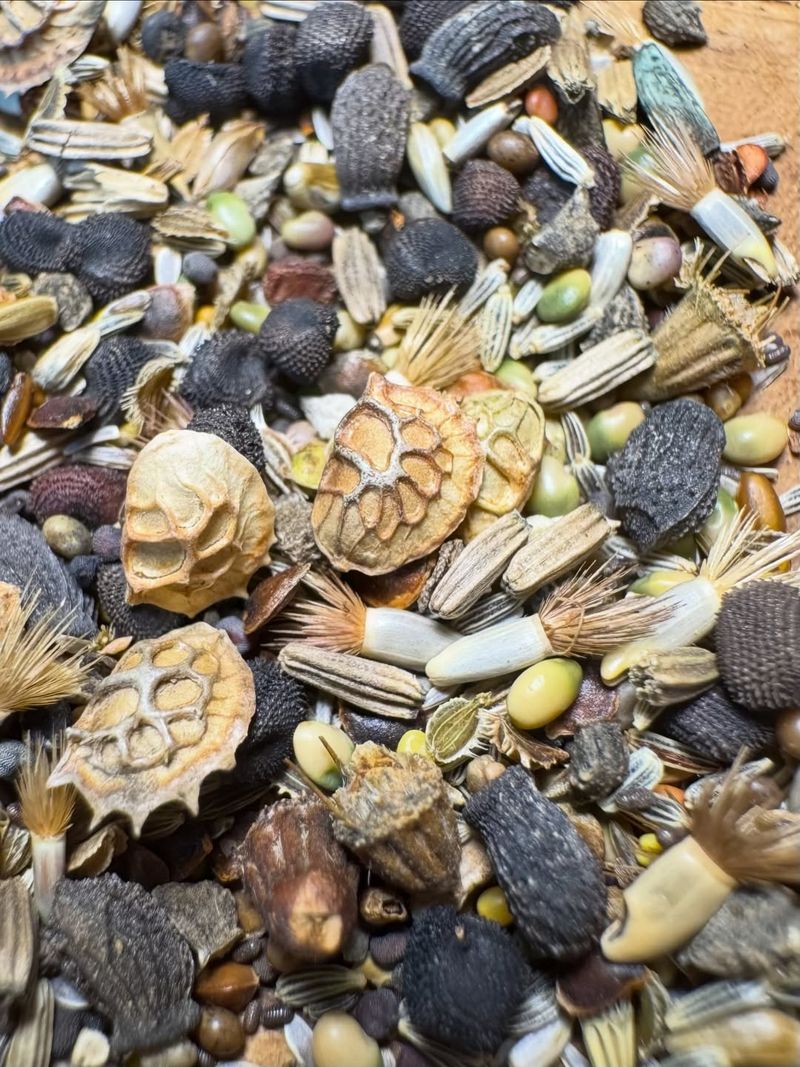
Starting a wild bed the right way takes about one good afternoon of work. After that, the whole point is to mostly leave it alone.
Begin by clearing the space of invasive plants first. Kudzu, English ivy, and Japanese honeysuckle will take over any naturalized area if they get a foothold.
Once invasives are out, plant a mix of native species suited to your light and moisture conditions. A sunny dry spot calls for different plants than a shaded corner near a downspout.
Good starter choices for most yards include wild columbine, lance-leaf coreopsis, and purple coneflower. These plants are tough, attractive, and well-loved by local pollinators.
Mulch lightly with wood chips or shredded leaves after planting. This suppresses weeds in the first season while the natives get established.
Check the bed once a month during the first growing season. Pull anything you recognize as invasive before it sets seed.
After the first year, your visits can get even shorter and less frequent. Established native plants compete well against most common weeds on their own.
Defining the bed edge clearly is the simplest way to avoid the weed-patch look. A clean border of river stones or a simple edged lawn line tells everyone that the wildness inside is completely on purpose.
Starting small and intentional keeps the wild bed from feeling overwhelming. One well-chosen patch is all it takes to change your whole relationship with your yard.
North Carolina Gardeners Are Noticing This By Midsummer
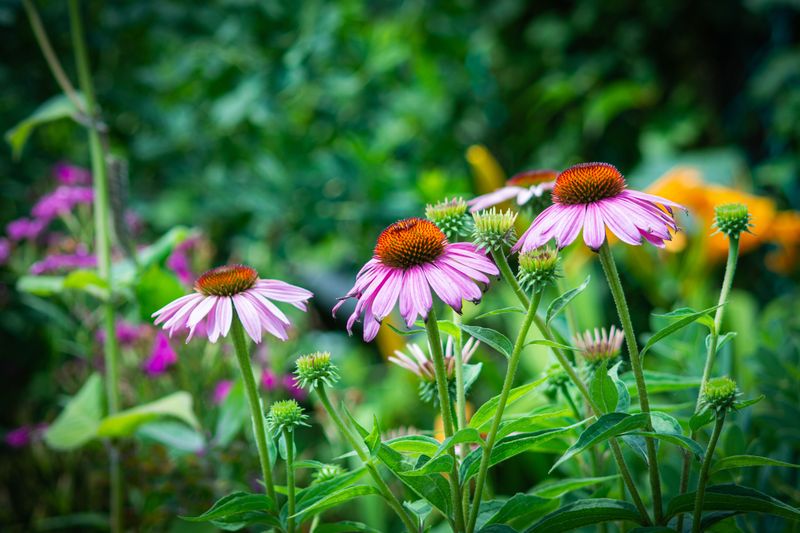
By late July, something shifts in the wild bed. Colors deepen, seed heads form, and the whole patch takes on a full and generous look that managed beds rarely achieve.
Gardeners who started their wild beds in spring often describe midsummer as the payoff moment. The plants have found their footing and the whole bed looks like it has been there for years.
Purple coneflowers peak around this time and attract a parade of bees and butterflies every single morning. Goldfinches begin visiting daily once the seed heads start to dry.
Many gardeners also notice how much cooler the wild bed feels compared to surrounding lawn. Dense plant coverage shades the soil and creates a noticeably different microclimate just inches away from the grass.
Fewer pest problems also show up in and around the wild area. Predatory insects like ground beetles and parasitic wasps move in when habitat is available, quietly handling aphids and caterpillars.
Water bills often drop too, because the wild bed needs almost no supplemental irrigation by midsummer. Deep native roots access moisture that shallow-rooted annuals struggle to reach.
The emotional shift is something gardeners mention just as often as the practical benefits. Watching a wild space thrive without constant intervention feels genuinely freeing after years of high-maintenance routines.
Midsummer in a wild bed is not chaos. It is confidence, color, and a yard that finally feels alive in a way that goes beyond just looking tidy.
Keeping The Rest Of Your Yard Looking Intentional Alongside It

One wild bed works best when the rest of the yard looks cared for. Contrast is actually what makes the wild area feel purposeful rather than forgotten.
Keep the lawn edges crisp right up to the wild bed border. That single detail does more for curb appeal than almost anything else you could add.
Trim nearby shrubs and maintain clear paths between garden areas. A tidy frame around a wild center creates a visual balance that feels both natural and intentional.
Think of the wild bed as a painting and the rest of the yard as the frame. The frame does not need to be wild, just clean and consistent.
Neighbors who might raise an eyebrow at first tend to come around quickly once they see the butterflies. A small handwritten sign identifying the bed as a pollinator habitat can also shift perception immediately.
Choosing a location that is visible from a window or a seating area makes the most of the wild bed experience. You want to be able to watch it from somewhere comfortable.
Pairing the wild bed with a few potted plants or a defined seating area nearby creates a cohesive outdoor room feeling. The wildness becomes a feature, not an accident.
Wild garden beds and tidy yards are not opposites. Letting one corner go completely free is one of the most rewarding decisions a North Carolina gardener can make for their outdoor space.