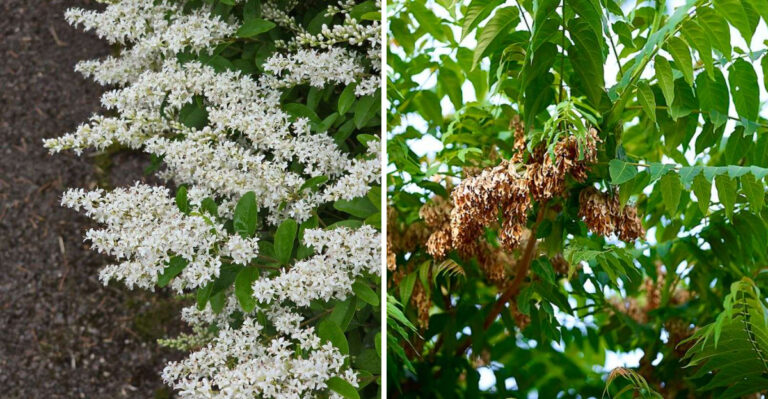
8 August Oakleaf Hydrangea Care Tips For A Blooming Spring Ahead In South Carolina
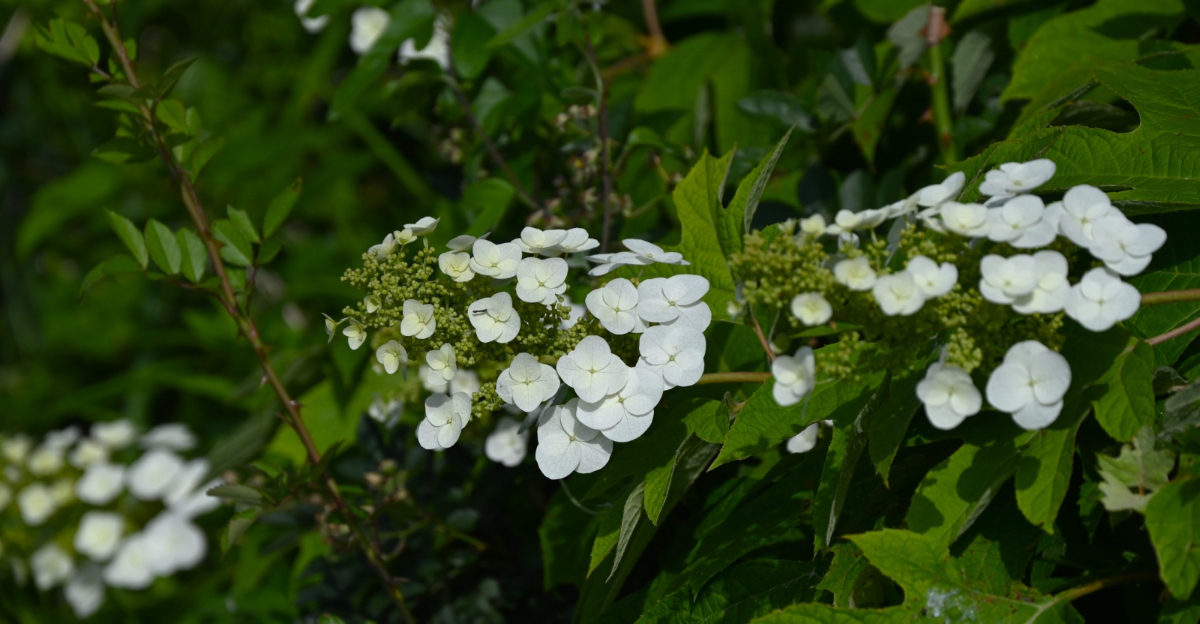
Right now, your oakleaf hydrangea is deciding next spring’s show. South Carolina summers stretch long, but this window closes fast. Buds form now, hidden beneath leaves you barely notice.
Neglect this month, and spring arrives disappointingly bare. Water deeply, but only when the soil truly demands it. Pruning after midsummer removes next year’s flowers completely.
Fertilizer applied too late confuses the plant’s internal clock. Mulch holds moisture while temperatures climb toward uncomfortable highs. Shade patterns shift as summer light angles change daily.
Roots absorb everything you give them, good or bad. Timing separates gardeners who succeed from those who guess. Attention paid now becomes color you’ll notice for months.
Nothing about this process happens overnight or by accident. Every choice compounds until spring reveals the difference.
Humidity in South Carolina adds pressure most gardeners underestimate entirely. Ignore these signals, and mediocrity becomes your default outcome. You simply cannot afford to miss it.
1. Snip Faded Blooms To Tidy The Shrub
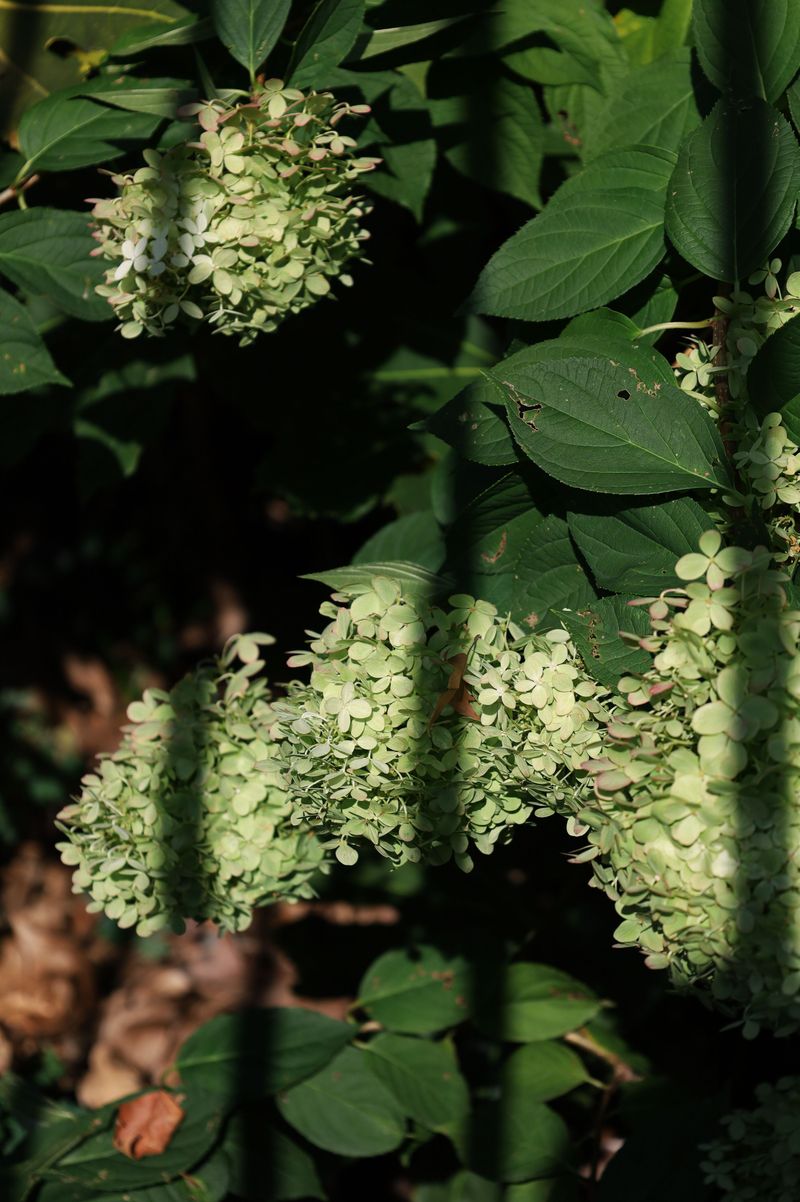
Faded blooms have a way of making an otherwise healthy shrub look tired and forgotten. Snipping them off is one of the easiest wins in your August oakleaf hydrangea care routine.
It takes maybe ten minutes, and the payoff is immediate. When you remove spent flower heads, the plant stops putting energy into seeds. That freed-up energy goes straight toward root strength and new bud development instead.
Think of it as redirecting the shrub’s focus. Use clean, sharp pruners every single time you cut. Dull blades crush stems and invite disease into the plant.
A quick wipe with rubbing alcohol between cuts keeps things sanitary. Cut just above the first set of healthy leaves below the faded bloom. Do not cut too far down the stem.
Cutting too low risks removing the buds already forming for next spring’s flowers. Some gardeners leave a few dried blooms on the plant for winter interest. That is absolutely fine, especially if you enjoy the papery texture against snow.
Just make sure you are intentional about which ones you keep. Removing spent flowers also improves airflow around the inner branches. Better airflow means fewer fungal problems as the weather shifts.
Your shrub will head into fall looking clean, tidy, and ready to rest well before its big spring comeback.
2. Skip Heavy Pruning To Protect Next Year’s Buds
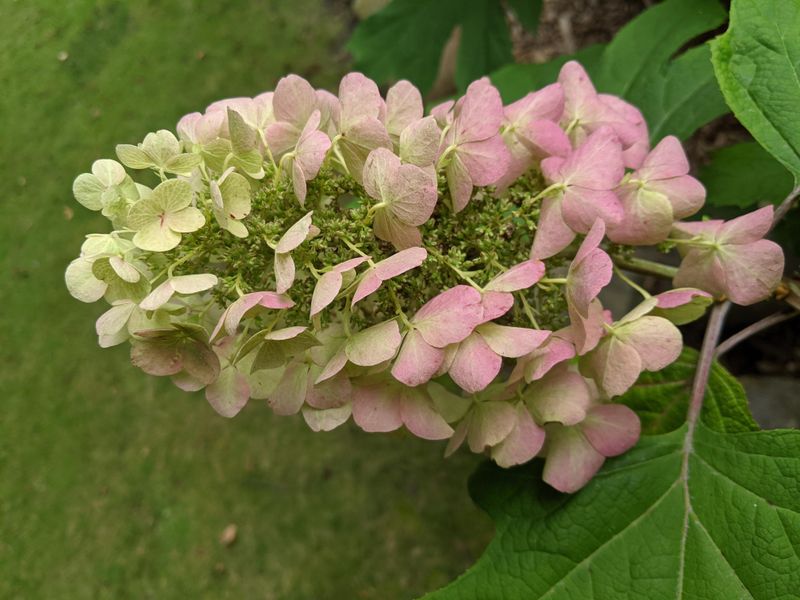
Here is where most gardeners accidentally reduce their spring bloom. Heavy pruning in August removes the buds that are already forming for next year.
It feels productive, but it costs you the very thing you are working toward. Oakleaf hydrangeas bloom on old wood. That means the flower buds for spring are set during the current growing season.
Cut those stems now, and you cut your spring flowers right along with them. Light tidying is perfectly acceptable this time of year. Remove broken branches without hesitation.
Just stay away from any stems that look green, healthy, and full of promise. A good rule of thumb is to only remove what is clearly damaged. If a stem is alive and upright, leave it alone until late winter or very early spring.
Your South Carolina Garden Changes Every Week. Your Plan Should Too.
Gardening in South Carolina changes quickly throughout the season. Every Friday you’ll receive a simple weekly plan showing exactly what to plant, prune, fertilize, harvest, and protect so you never miss the right timing.
Patience here pays off in a big way come April. Many South Carolina gardeners confuse oakleaf hydrangeas with smooth or panicle varieties. Those types bloom on new wood and can handle a hard cut.
Oakleaf is different, and treating it the same way leads to a flowerless spring. Oakleaf hydrangea care means knowing when to put the pruners down. Restraint is a genuine gardening skill.
Protecting those forming buds right now is your single most powerful move for a breathtaking spring display ahead.
3. Water Deeply During Hot, Dry Spells
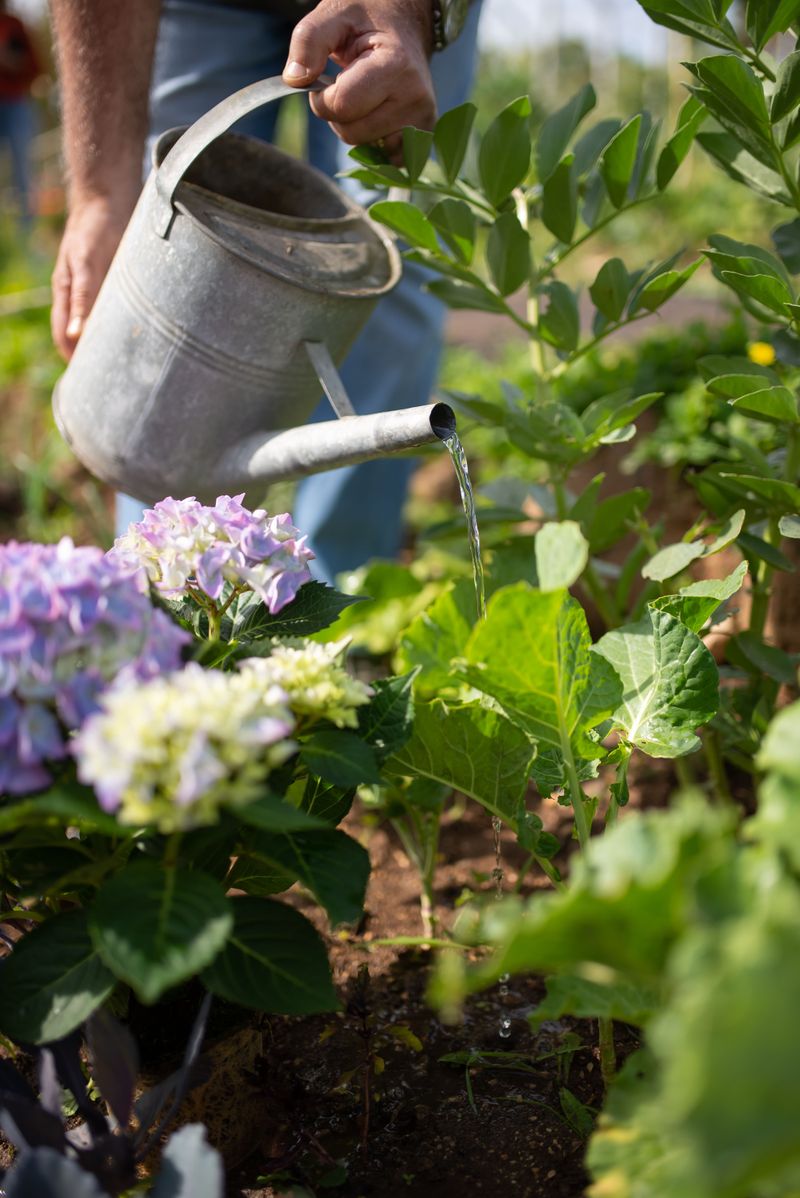
August heat is no joke, and your oakleaf hydrangea feels every degree of it. Wilting leaves in the afternoon are a classic sign the shrub needs a long, slow drink.
Shallow watering just does not cut it during a hot dry stretch. Deep watering encourages roots to grow down into cooler soil layers.
Shallow, frequent watering trains roots to stay near the surface. Surface roots are vulnerable to heat stress and drought damage.
Aim to water at the base of the shrub, not overhead. Wet foliage sitting overnight invites powdery mildew and leaf spot.
A soaker hose or drip line works beautifully for this kind of targeted watering. How often depends on your soil and rainfall.
Sandy soils dry out faster and may need water every few days during a heat wave, depending on your climate and rainfall. Clay soils hold moisture longer but can become waterlogged if you overdo it.
Check the soil before you water by pushing a finger two inches deep. If it feels dry at that depth, it is time to water thoroughly. If it still feels moist, give it another day before checking again.
Consistency matters more than quantity during August. A steady watering schedule keeps your oakleaf hydrangea calm and focused on bud development.
Stressed plants skip blooming, and nobody wants a quiet, bloomless spring after all that summer effort.
4. Apply Mulch To Retain Soil Moisture
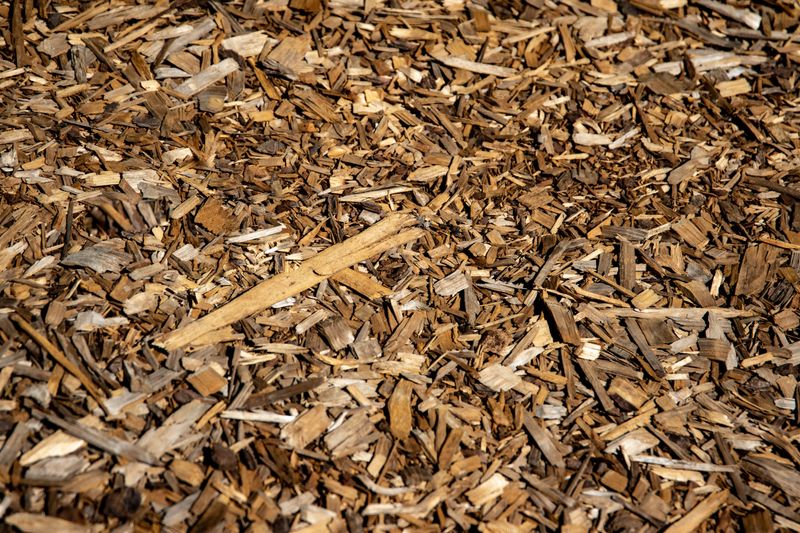
Mulch is one of those underrated garden tools that does not get nearly enough credit. A fresh layer around your oakleaf hydrangea in August can dramatically cut down on how often you need to water.
It also keeps soil temperatures from swinging wildly in the late summer heat. Spread two to three inches of organic mulch around the base of the shrub. Shredded bark, wood chips, or pine needles all work well.
Each option breaks down over time and adds nutrients back into the soil. Keep the mulch a few inches away from the main stem of the shrub. Mulch piled against the stem traps moisture and encourages rot.
A small gap around the base keeps air moving and the stem healthy. Mulch also suppresses weeds that compete with your hydrangea for water and nutrients. Fewer weeds mean less work for you and more resources for the plant.
That is a trade anyone would take. If you applied mulch in spring, check the layer now. It may have thinned out or compacted over the South Carolina summer months.
Add a fresh top layer to bring it back up to the right depth before the heat peaks again. Think of mulch as a slow, steady gift to your plant’s root zone. It buffers, protects, and nourishes all at once.
Your oakleaf hydrangea will reward that kindness with stronger roots and a more vibrant spring bloom.
5. Feed Lightly With A Balanced Fertilizer
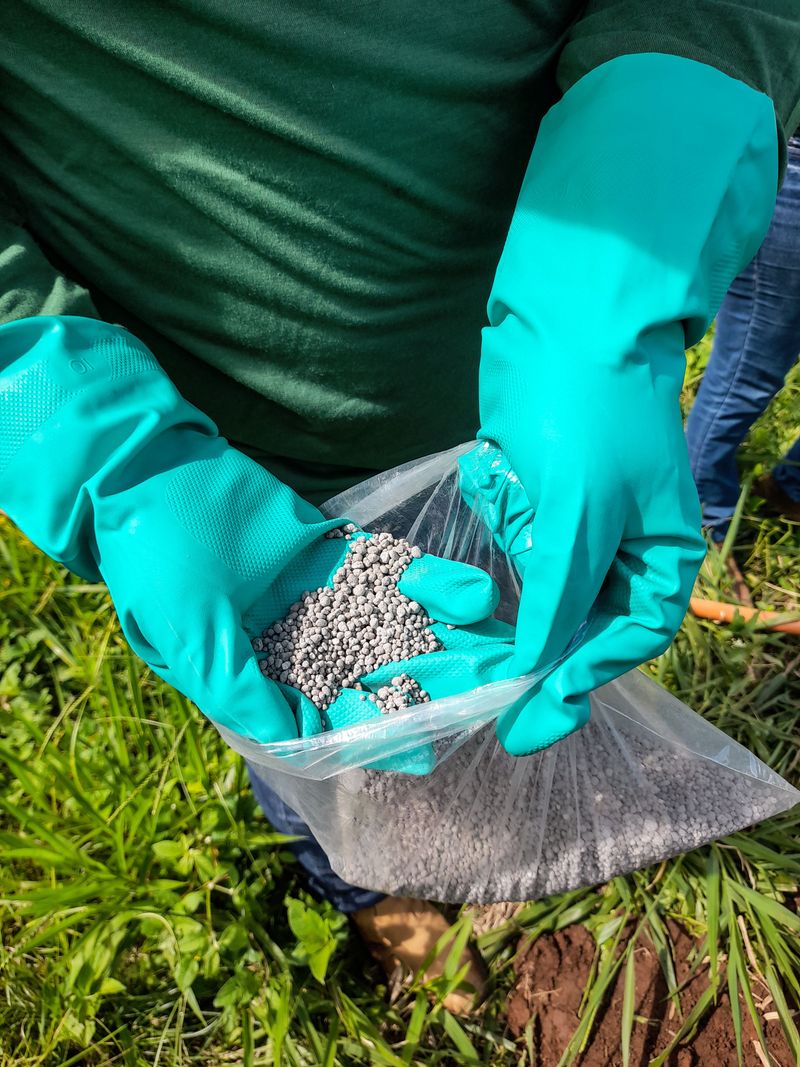
August is not the time to push your oakleaf hydrangea into a feeding frenzy. A light application of balanced fertilizer can give the shrub a gentle boost without triggering a flush of soft new growth.
Soft new growth in late summer is vulnerable to early fall frost damage. Look for a fertilizer labeled 10-10-10 or something close to that ratio. Balanced formulas support overall plant health without overloading any one nutrient.
Nitrogen is the one to watch, since too much of it encourages leafy growth over flowers. Apply fertilizer around the drip line of the shrub, not at the base. The drip line is the outer edge of the canopy where feeder roots are most active.
Spreading it there gets nutrients to the roots that actually absorb them. Water the fertilizer in thoroughly after applying. Dry granules sitting on the surface can burn roots if rain does not come quickly.
A good soak right after application moves nutrients into the soil where they belong. If you already fertilized in spring and early summer, you may not need another feeding at all. Oakleaf hydrangeas are not heavy feeders by nature.
Over-fertilizing does more harm than skipping a feeding ever would. A light late-summer feeding done right gives your shrub the steady energy it needs to set strong buds.
Those buds are the seeds of your spring bloom. Treat them well now, and they will repay you beautifully.
6. Watch For Pests Like Aphids Or Scale
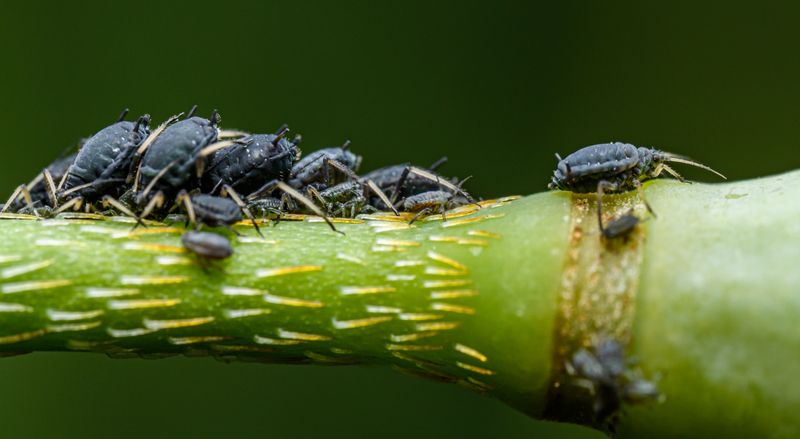
Late summer is prime time for uninvited guests on your hydrangea. Aphids and scale insects tend to show up right when the plant is busy setting buds.
Catching them early makes a huge difference in how much damage they cause. Aphids are tiny, soft-bodied insects that cluster on new growth and leaf undersides. They suck sap from the plant and leave behind a sticky residue called honeydew.
That residue attracts ants and encourages sooty mold to develop. Scale insects look different. They appear as small, waxy bumps attached to stems and branches.
They are easy to miss because they barely look like bugs at all. Run your fingers along stems regularly to feel for unusual bumps.
A strong blast of water from the hose knocks aphids off effectively. For heavier infestations, insecticidal soap spray works without harming beneficial insects much.
Always spray in the early morning to avoid leaf scorch in hot sun. Scale is trickier to treat once it matures. Horticultural oil applied in late summer smothers the insects before they spread further.
Follow label directions carefully, since spraying thresholds vary by product formulation. Checking your shrub weekly takes only a few minutes but saves enormous headaches.
Healthy plants resist pest pressure better than stressed ones do. Good oakleaf hydrangea care means staying one step ahead of the bugs all season long.
7. Ensure Good Airflow Around The Branches
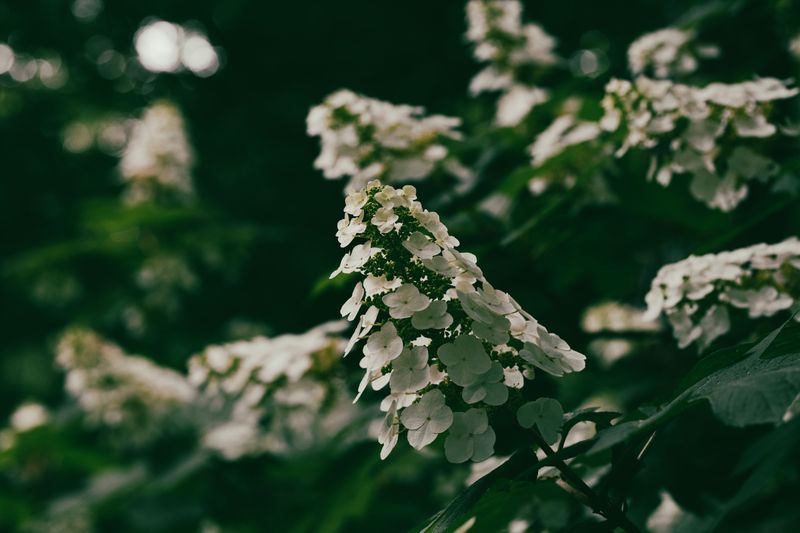
Crowded branches are a recipe for fungal trouble, especially as August humidity climbs. Good airflow through and around your oakleaf hydrangea keeps the foliage dry and disease-free.
It is one of the most underrated parts of keeping this shrub healthy. Start by looking at what surrounds the shrub. Are other plants, fences, or structures crowding close to the branches?
If so, creating a little breathing room can make a noticeable difference in overall plant health.
Remove any crossing or rubbing branches inside the canopy. These create wounds that invite pests and pathogens.
Thinning a few interior stems improves light penetration along with air circulation at the same time.
Powdery mildew is a common complaint with hydrangeas in humid climates. It shows up as a white powdery coating on leaves.
Good airflow significantly reduces the conditions that allow powdery mildew to take hold. Avoid overhead watering as part of your airflow strategy. Wet leaves in stagnant air create an environment that favors fungal growth.
Water at the soil level and let the foliage stay dry whenever possible. Think of airflow as an important protective factor. You cannot see it working, but it protects every leaf and stem from the inside out.
Plants with good air circulation simply look better, stay healthier, and bloom more reliably when spring finally arrives.
8. Avoid Fall Pruning That Removes Flower Buds
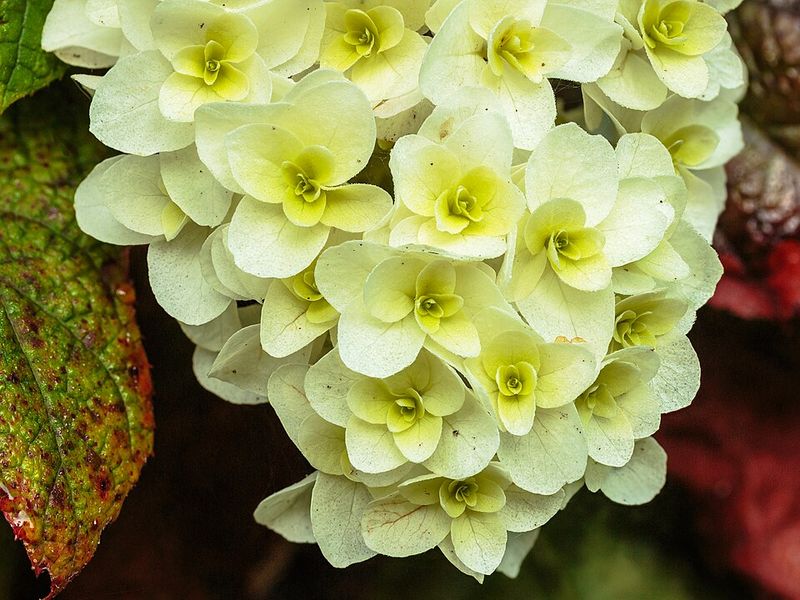
Fall pruning on an oakleaf hydrangea is one of the most common gardening mistakes out there. The urge to tidy up before winter is strong, but cutting now strips away next spring’s blooms before they ever get a chance.
This is one of the most important rules for the season. By late summer and into fall, flower buds for next year are already tucked inside the stems. They are small, easy to overlook, and completely vulnerable to a careless cut.
Every stem you remove in fall is a cluster of spring flowers gone for good. If a branch is healthy and upright, leave it standing through the entire fall and winter. Let it do its job of protecting and maturing those buds through cold weather.
The shrub knows what it is doing even when it looks dormant. The correct window for pruning oakleaf hydrangea is late winter or very early spring. That timing allows you to remove any truly lifeless wood without losing live buds.
Wait until you can see new growth beginning to emerge from the stems. Mark your calendar now if you tend to forget. A sticky note on the garage door or a reminder on your phone works perfectly.
Protecting those buds through fall is the final and most important act of the whole August care routine.
Great oakleaf hydrangea care is really about knowing when to step back. The shrub rewards patience with an abundance of white blooms every spring. Keep the pruners away this fall and see the results appear right on schedule.