These South Carolina Plants Might Be The Reason Fireflies Are Disappearing From Your Yard
Fireflies are not disappearing because of bad luck. Across South Carolina, their numbers have been falling steadily, and invasive plants are doing more damage than most people realize.
Firefly larvae spend up to two years living in moist soil and decomposing leaf litter before they ever light up a summer night. When invasive plants move in, they strip that habitat down to nothing.
The damage happens underground first. By the time firefly numbers drop noticeably, the habitat has already been gone for years.
Several of these plants are sitting in South Carolina yards right now, often planted on purpose and rarely questioned. If your summer nights have felt a little darker lately, this is where the problem likely starts.
Kudzu (Pueraria Montana)
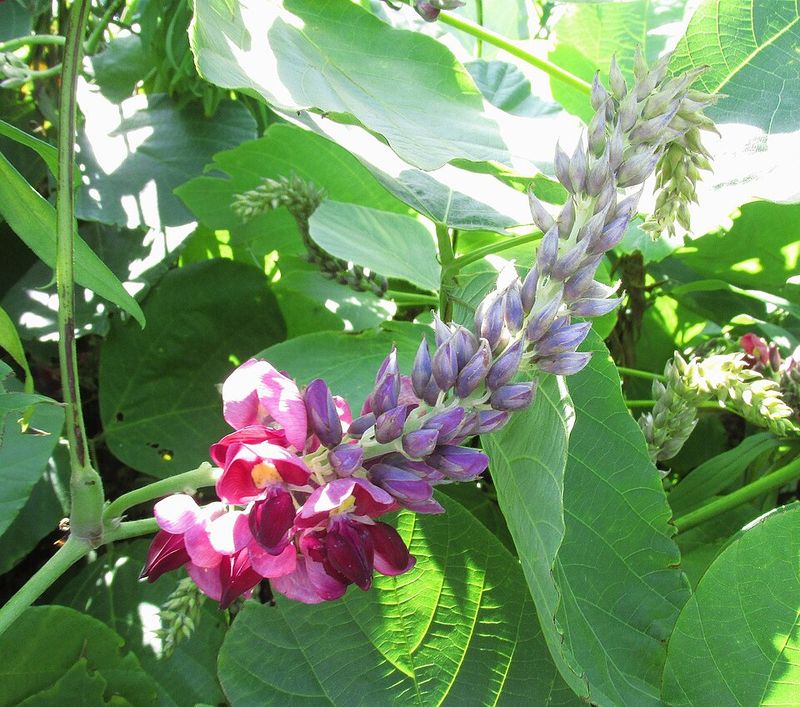
Kudzu is the plant that ate the South. This fast-growing vine can spread up to 100 feet in a single season, smothering everything beneath it.
Firefly larvae live in moist soil and leaf litter on the forest floor. Kudzu creates a dense mat that blocks sunlight and crowds out the native ground cover those larvae depend on.
Without that rich, layered habitat, firefly populations struggle to establish themselves. Some research suggests kudzu may release chemicals that affect nearby plant growth, though effects in natural soil tend to be limited.
Controlling kudzu takes persistence, but it is absolutely possible. Repeated mowing during the growing season weakens the root system significantly over time.
Herbicide treatments applied in late summer hit the plant while it is storing energy in its roots. Goats are also surprisingly effective and far more entertaining to watch than spraying chemicals.
Removing kudzu from even a small section of your property can restore enough habitat for fireflies to return. Native ground covers like wild ginger or partridgeberry make excellent replacements that actually support local wildlife.
The disappearance of fireflies from your yard may have started with this one aggressive vine. Reclaiming your land from kudzu is one of the most powerful steps you can take for your local ecosystem.
English Ivy (Hedera Helix)
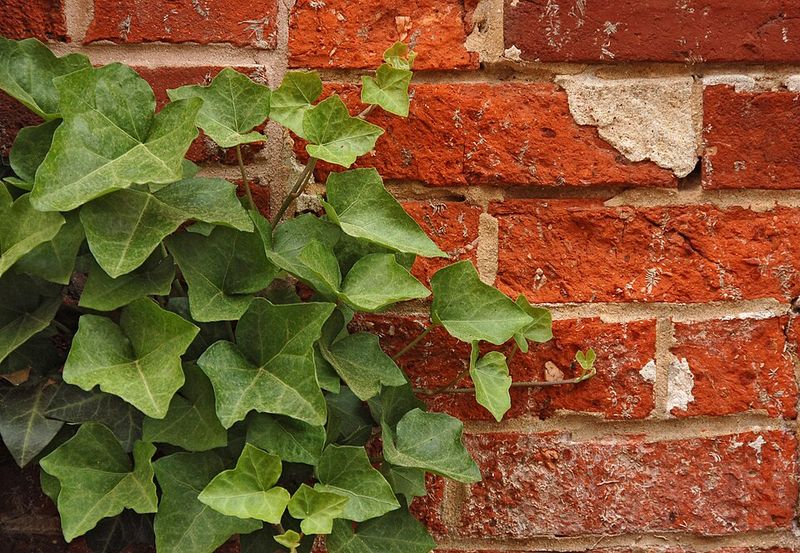
English ivy looks elegant climbing a garden wall, but underneath that charm is a serious ecological problem. It spreads aggressively across the ground, forming a thick monoculture that chokes out native plants.
Firefly larvae need loose, moist soil rich with organic matter and small insects to feed on. Ivy creates a sealed-off layer that blocks moisture exchange and eliminates the diverse ground-level life fireflies rely on.
Birds that spread ivy seeds make it incredibly hard to contain once it escapes your yard. A single patch can creep into nearby woodlands and begin disrupting habitat far beyond your property line.
Pulling ivy by hand works well for smaller infestations when you start early in spring. Wear gloves because the sap causes skin irritation in many people after extended contact.
Cut vines at the base around trees first to protect the bark and stop upward spread immediately. Let the upper portions wither before removing them so you avoid spreading seeds accidentally.
Your South Carolina Garden Changes Every Week. Your Plan Should Too.
Gardening in South Carolina changes quickly throughout the season. Every Friday you’ll receive a simple weekly plan showing exactly what to plant, prune, fertilize, harvest, and protect so you never miss the right timing.
Replacing ivy with native ground covers like green-and-gold or wild strawberry gives your yard beauty without the ecological damage. These natives stay low, support pollinators, and leave room for firefly larvae to move freely through the soil.
Your yard could be a firefly sanctuary with just a few smart plant swaps. Letting go of ivy might be the most rewarding garden decision you make this year.
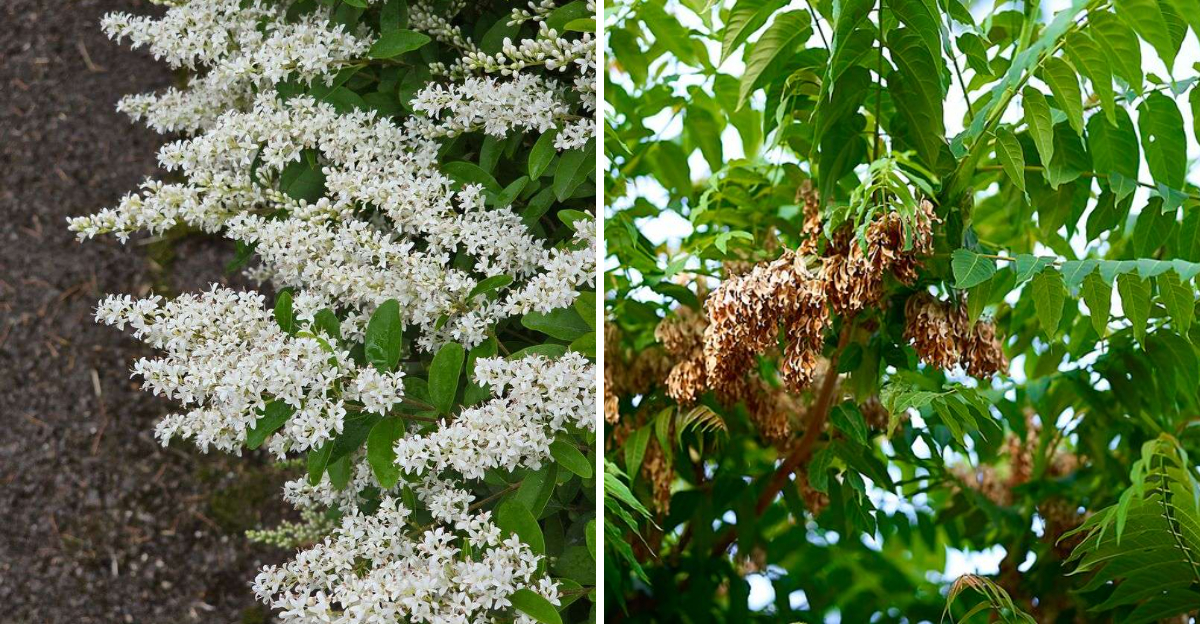
Chinese Privet (Ligustrum Sinense)
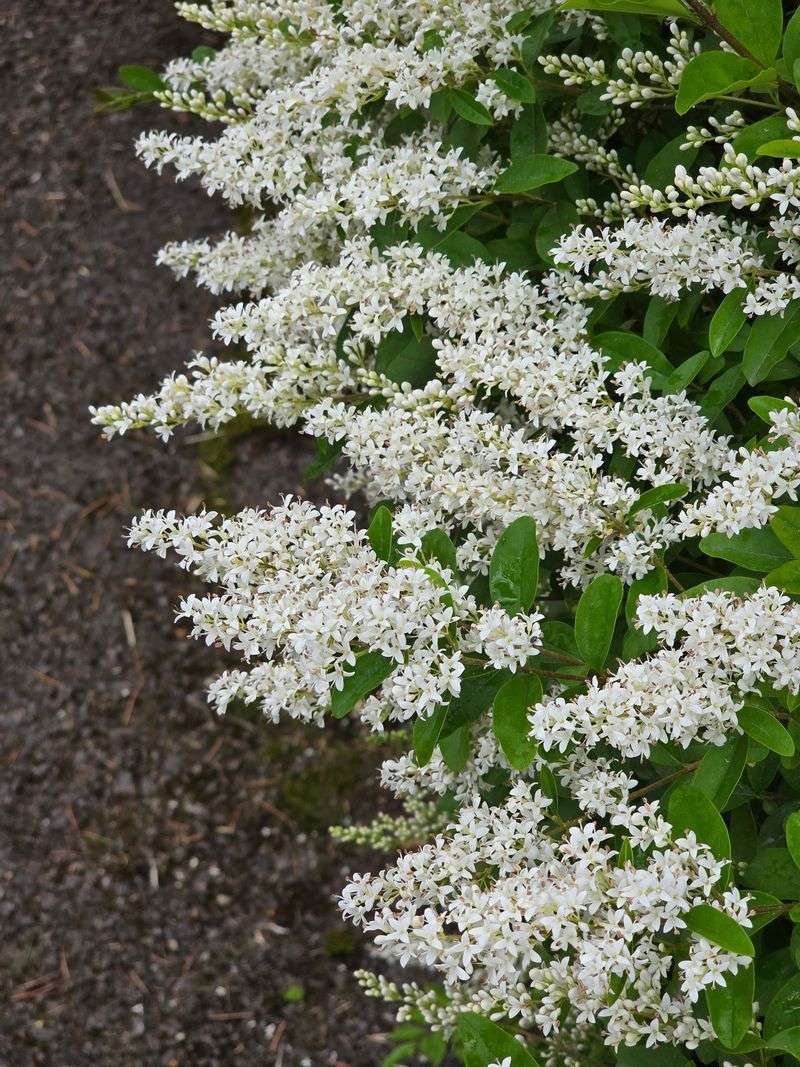
Image Credit: © Arda Kaykısız / Pexels
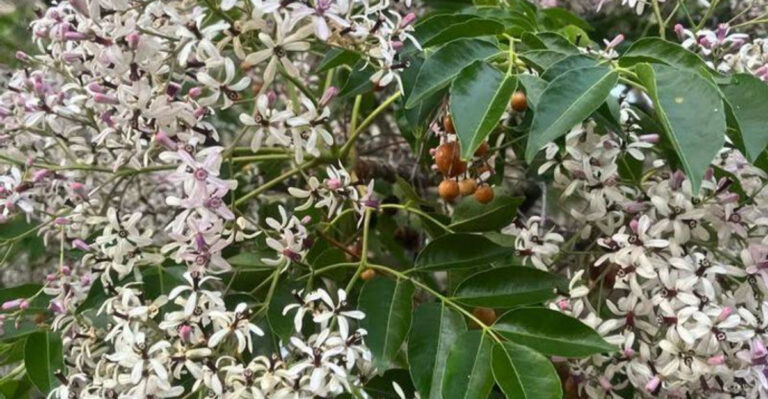
Chinese privet is one of the most common and stubborn invasive shrubs across the Southeast. It was brought here as a landscaping plant, but it quickly escaped into forests and floodplains where it now dominates.
Fireflies need open, humid woodland edges with native understory plants and rich leaf litter below. Privet forms such dense thickets that native plants cannot compete, and the ground ecosystem beneath it is severely disrupted.
The shrub produces thousands of berries that birds spread far and wide every season. One established privet plant can generate a new thicket within just a few years without any help from a gardener.
Small privet plants pull out by hand fairly easily after a good rain when the soil is loose. Larger shrubs need cutting followed by an immediate herbicide treatment on the fresh stump.
Skipping the herbicide step almost always leads to vigorous resprouting from the root system below. Treating the stump within minutes of cutting gives you the best chance of stopping regrowth completely.
Native shrubs like beautyberry, buttonbush, or spicebush are visually striking replacements that fit naturally into any South Carolina yard. Unlike privet, they support the insects and small creatures that firefly larvae depend on for food.
They also maintain the moist, layered ground cover that larvae need during their long underground development. Swapping even one privet thicket for a native shrub can make a noticeable difference over time.
Japanese Honeysuckle (Lonicera Japonica)
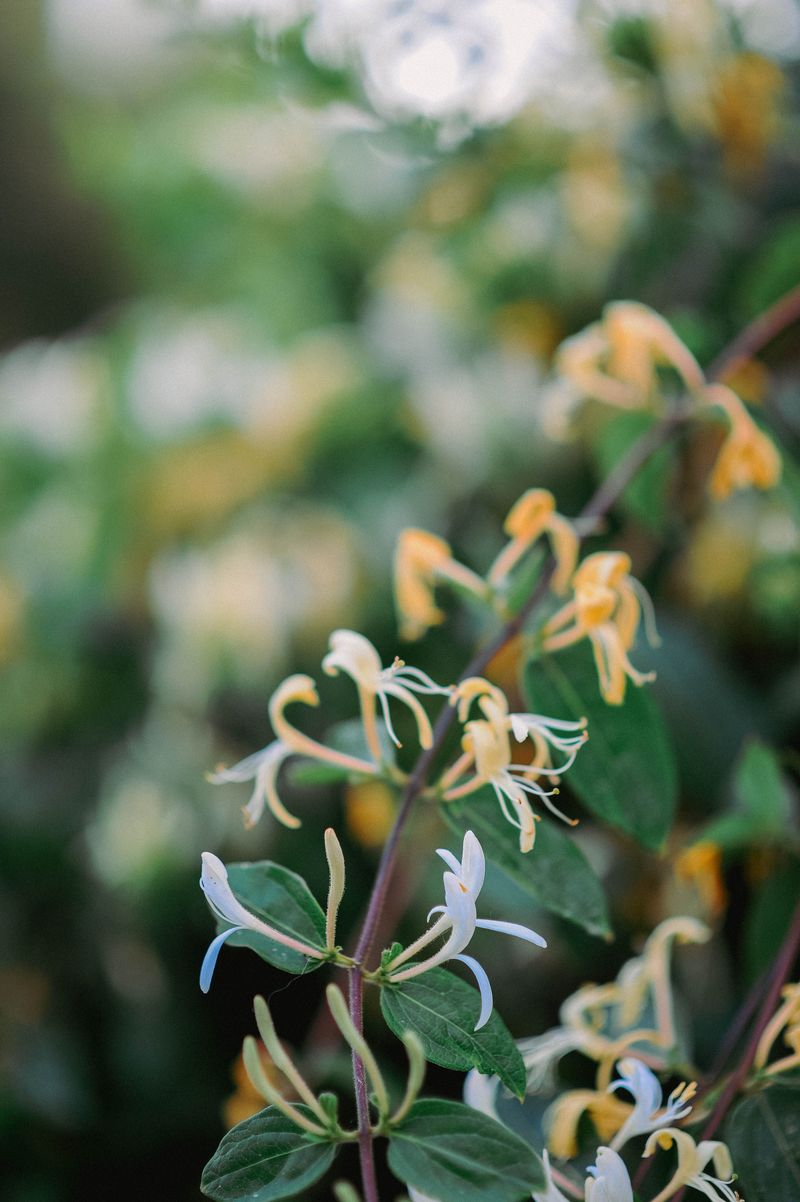
Few plants smell as sweet as Japanese honeysuckle in bloom, which makes it so easy to overlook its destructive side. That intoxicating fragrance comes with a serious cost to native ecosystems across the region.
This vigorous vine twines around native shrubs and small trees, eventually girdling and weakening them over time. As it smothers the understory, it eliminates the layered plant structure that firefly larvae depend on for moisture and shelter.
Firefly eggs hatch in soft soil near the base of native plants. When honeysuckle takes over that ground space, the habitat becomes hostile to the entire larval stage of the firefly life cycle.
Pulling vines in late fall or early spring makes removal easier before new growth makes the tangle worse. Follow-up treatment is essential because root fragments left in the ground sprout again quickly.
Repeated cutting weakens the plant over multiple seasons if you cannot treat with herbicide. Consistency matters far more than any single aggressive removal effort during one weekend.
Native alternatives like coral honeysuckle offer similar beauty without the invasive spread. This native species actually supports hummingbirds and is a far better neighbor to your local firefly population.
Swapping Japanese honeysuckle for native vines is one of the simplest upgrades you can make. Your yard will still smell amazing, and your fireflies will have a fighting chance to come back.
Bradford Pear (Pyrus Calleryana)
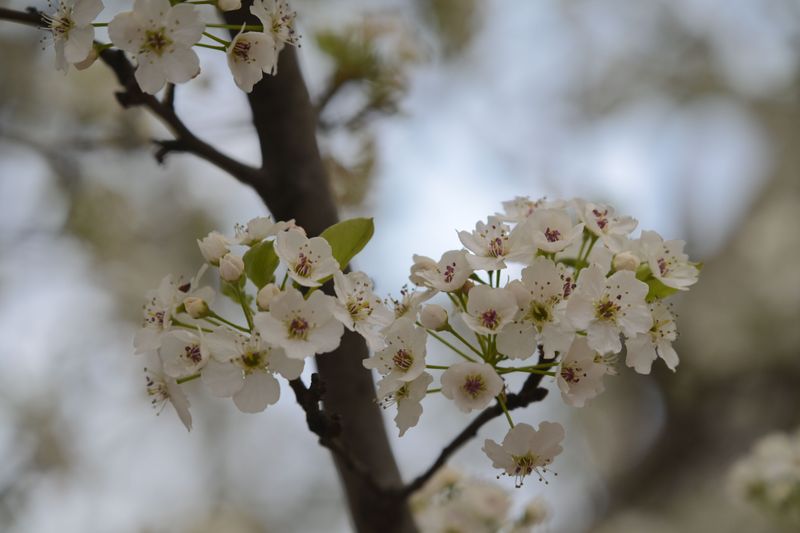
Bradford pear trees are pretty in spring but problematic all year long. They bloom in dazzling white clouds, yet underneath that beauty lies one of the most ecologically damaging trees planted across the Southeast.
These trees produce dense canopies that shade out native ground plants and shrubs below. Without that diverse understory layer, the moist and leafy microhabitat that firefly larvae need simply does not exist.
Bradford pears cross-pollinate with other Callery pear varieties to produce thorny, invasive offspring that crowd out native species and reduce firefly habitat.
Many states are now banning Bradford pear sales entirely because of how disruptive the tree has become. South Carolina homeowners who already have them face the choice of removal or continued habitat loss in their yards.
Cutting the tree and treating the stump prevents regrowth from the persistent root system. Timing the removal before the tree sets fruit stops further seed spread into surrounding natural areas.
Replacing a Bradford pear with a native serviceberry or flowering dogwood gives you comparable spring beauty. These trees also support insects, birds, and the ground-level ecosystem that fireflies need to thrive.
Choosing the right tree is one of the most lasting decisions a homeowner can make for local wildlife. A single native tree replacement can make a noticeable difference in firefly activity within just a few seasons.
Nandina (Nandina Domestica)
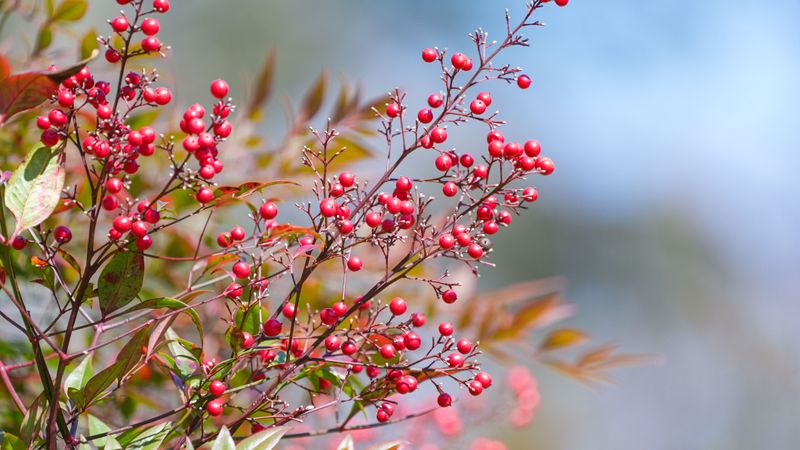
Nandina, often called heavenly bamboo, is a staple of Southern landscaping. It is also one of the most misunderstood invasive shrubs in the region.
Its red berries and feathery foliage make it a popular choice for home gardens. Those same berries can be toxic to certain birds, particularly cedar waxwings, and spread seeds widely into surrounding natural areas.
As nandina spreads into natural areas, it forms dense monocultures that displace native plants. That displacement removes the diverse ground cover and leaf litter structure that firefly larvae need to complete their development.
Firefly larvae spend up to two years underground before emerging as adults. Disrupting the soil ecosystem with invasive shrubs like nandina can interrupt that entire underground life stage before a single firefly ever blinks.
Removing nandina is straightforward for small plants using a sharp spade to cut the root mass. Larger established clumps may need cutting followed by a stump treatment to prevent aggressive resprouting.
Bag and dispose of any berries carefully so birds do not spread seeds to new locations. Even a small amount of seed spread can start a new infestation in a nearby natural area.
Native shrubs like inkberry holly or Virginia sweetspire offer year-round visual interest without the ecological baggage. Both support native insects and provide the kind of layered structure that fireflies and other beneficial wildlife depend on.
Swapping nandina for a native shrub is a small change with a surprisingly big payoff. Your yard can look just as beautiful while actually supporting the fireflies you want to see.
Japanese Stiltgrass (Microstegium Vimineum)
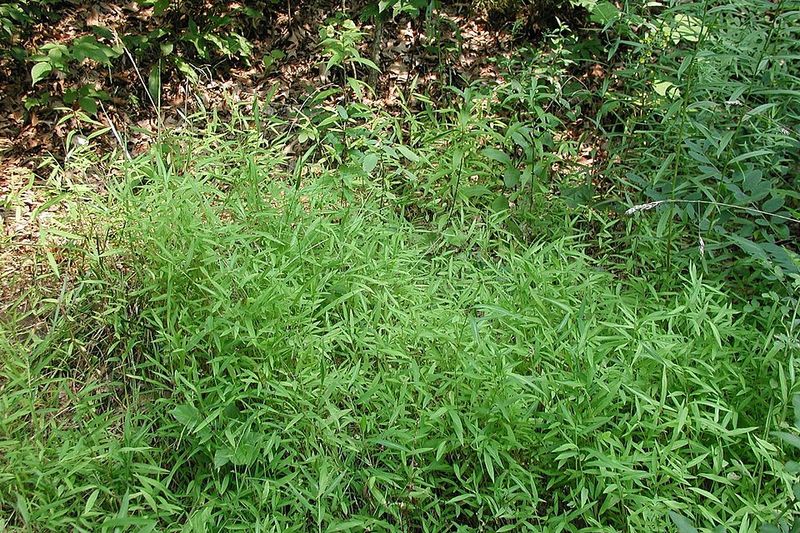
Japanese stiltgrass is easy to overlook because it looks like a harmless, delicate grass. Do not be fooled by its modest appearance because this plant is one of the most damaging forest floor invaders in the entire Southeast.
It spreads rapidly across shaded woodland floors, forming thick mats that smother native ground cover. Those mats eliminate the complex, layered habitat that firefly larvae depend on for food, moisture, and shelter during their long underground development.
Firefly larvae are predators that hunt small insects and snails through the leaf litter. Stiltgrass replaces that rich hunting ground with a dense mat where prey species struggle to establish.
Pulling stiltgrass before it sets seed in late summer is the most effective low-tech control method. It pulls easily from moist soil and has shallow roots that give way with minimal effort.
Timing matters enormously because this plant produces seeds from August through October depending on conditions. Miss that window and you will be dealing with a much larger population the following spring season.
Mulching bare soil after removal discourages stiltgrass from reestablishing in cleared areas. Native ferns, wild ginger, and trout lily are excellent replacements that reclaim the ground without causing new problems.
Clearing stiltgrass from even a small patch of your yard can restore meaningful firefly habitat fast.
Tree-Of-Heaven (Ailanthus Altissima)
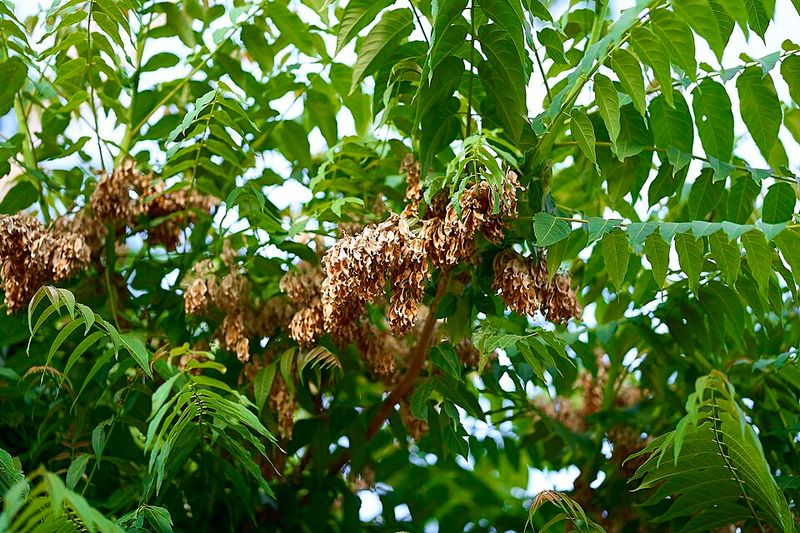
Image Credit: George E. Koronaios, licensed under CC BY-SA 2.0. Via Wikimedia Commons.
Tree-of-Heaven has one of the most misleading names in the plant world. There is nothing heavenly about a tree that can grow several feet per year and releases toxins into the soil to suppress competing plants.
Once established, it blankets the ground so completely that native plants have almost no chance of recovering on their own.
Firefly larvae depend on moist soil and decaying leaf litter to survive their two-year underground development. When Tree-of-Heaven moves in, it shades out the native understory plants that keep that habitat intact.
Some research also suggests the tree releases chemicals from its roots that make it harder for native species to establish nearby. Without that native ground layer, the conditions firefly larvae need simply disappear.
Tree-of-Heaven is also the preferred host of the spotted lanternfly, another invasive species spreading through the region. Controlling this tree helps limit the spread of multiple ecological threats at the same time.
Cutting the tree actually stimulates aggressive resprouting from the roots if not treated immediately. Apply herbicide directly to the fresh cut stump within minutes of cutting to stop the root system from responding.
Female trees produce enormous quantities of wind-dispersed seeds that travel far beyond your property line. Targeting female trees first limits new seedling establishment in surrounding natural areas significantly.
Native fast-growing alternatives like tulip poplar or river birch can fill a similar landscape role without the damage. Removing Tree-of-Heaven is one of the most impactful steps you can take to bring south carolina fireflies back to your yard.