How To Keep Michigan Basil Producing Through A Late-July Heat Wave
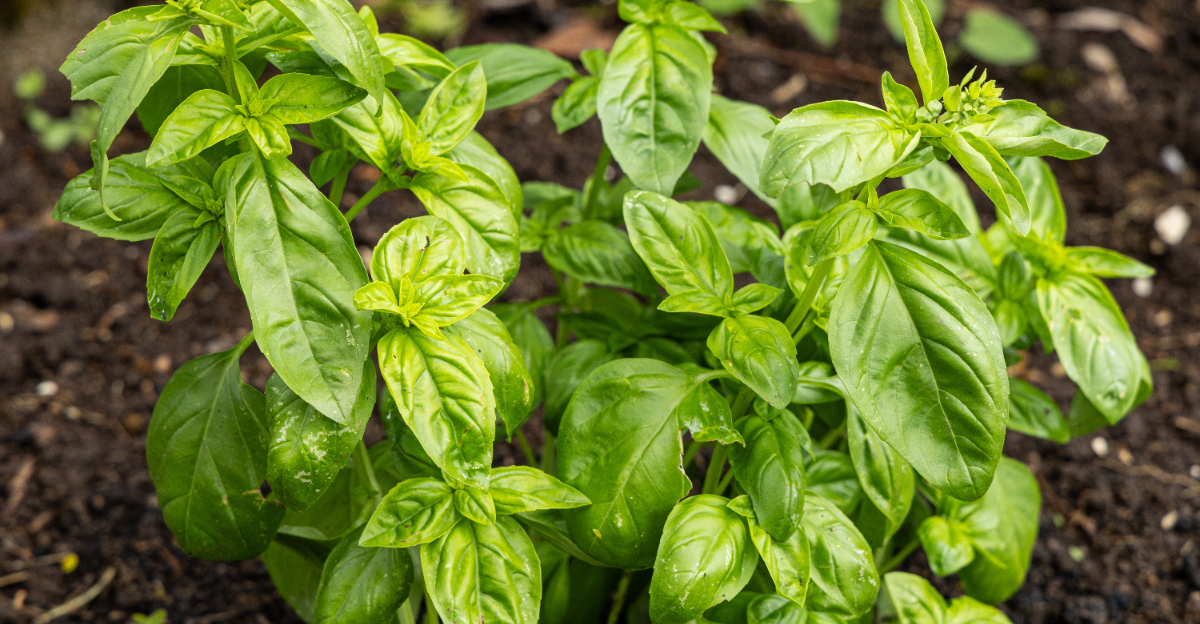
Basil can slow down significantly during a late July heat wave, but a few adjustments help Michigan gardeners keep plants productive. Providing light afternoon shade reduces stress during the hottest hours, helping basil avoid wilting or bolting prematurely.
Consistent watering becomes especially important, since basil’s shallow root system dries out faster than many other herbs during extreme heat.
Harvesting leaves regularly, rather than letting the plant grow unchecked, encourages continued production instead of energy going toward flowering.
Pinching off any flower buds immediately helps redirect the plant’s focus back toward leaf growth. Mulching around the base helps retain soil moisture and keeps roots cooler during scorching afternoons.
Avoiding overhead watering during peak heat reduces the risk of leaf scorch on already stressed plants. A few simple adjustments now keep basil thriving right through the toughest part of summer.
1. Water The Root Zone Early In The Morning
Something magical happens in the garden before 8 a.m. The air is cooler, the soil is calm, and your basil is ready to soak up every drop of water you give it.
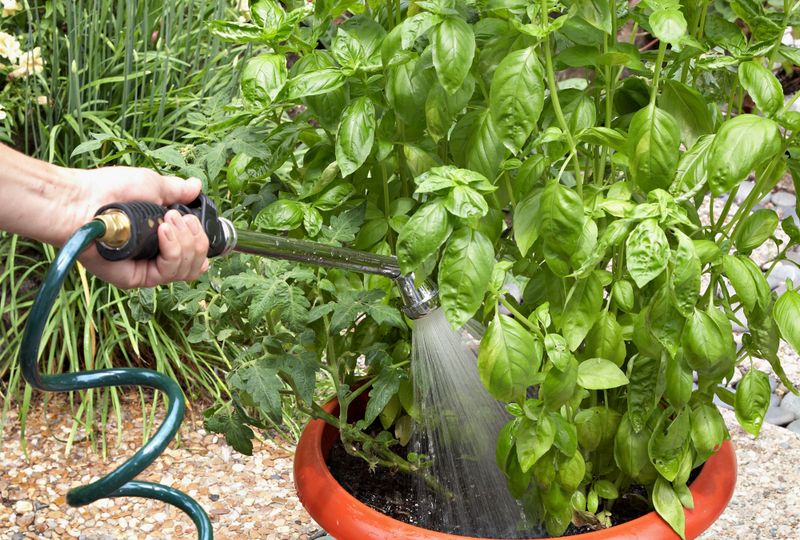
Morning is hands-down the best time to water during a late-July heat wave, and the reason is simple: moisture reaches the roots before the afternoon sun has a chance to pull it away.
When you water early, the soil holds onto that moisture longer. By the time temperatures peak in the afternoon, the root zone already has a good supply to draw from.
Point your hose or watering can low, right at the soil around the base of the plant. Wet foliage in the heat of the day can lead to leaf problems, and it also wastes water through faster evaporation.
One thing that trips up a lot of gardeners is misreading a midday wilt. Basil leaves sometimes droop in the afternoon even when the soil is still perfectly moist below the surface.
Before you grab the hose, press your finger about an inch into the soil. If it still feels cool and damp, hold off and check again in the evening.
The goal is not soaking wet soil, but evenly moist ground with good drainage. Waterlogged roots are just as much of a problem as dry ones.
A steady, smart morning watering routine is one of the most effective tools you have for keeping basil strong through the heat.
2. Check Container Basil More Than Once Each Day
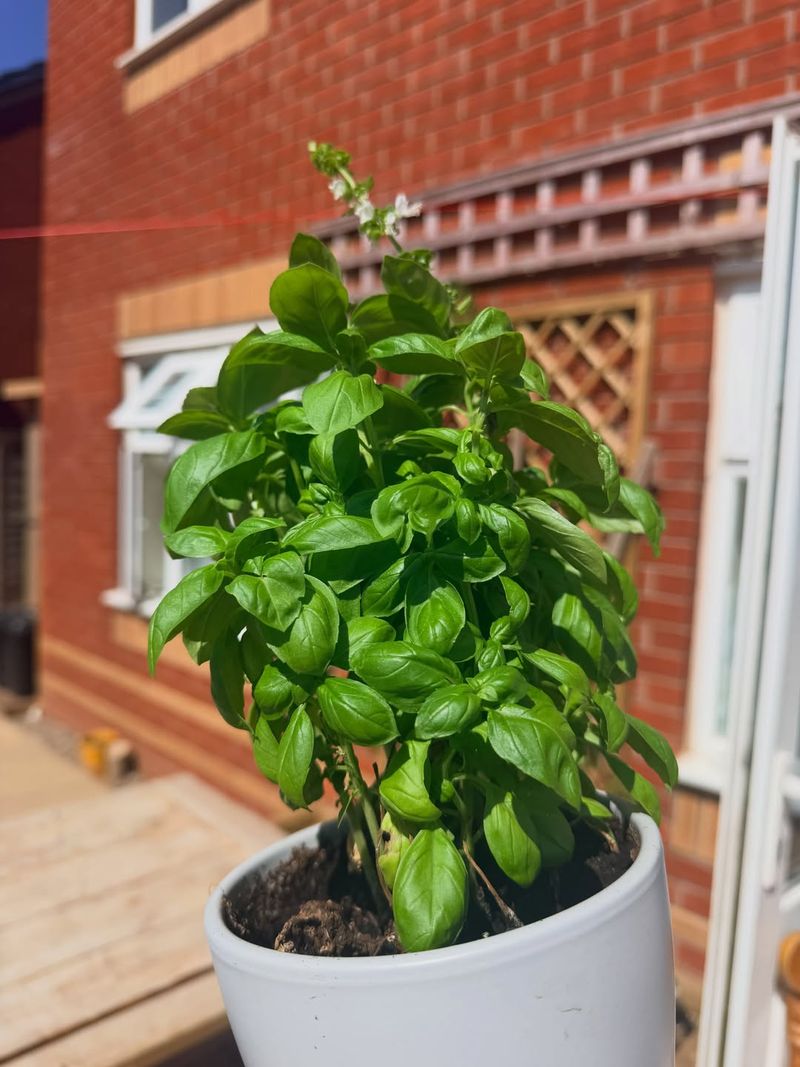
Pots and planters are sneaky. They look fine from the outside, but inside, the soil can go from moist to bone dry in just a few hours during a Michigan heat wave.
Container basil plays by a completely different set of rules compared to plants growing in open garden beds, and once you understand why, checking them twice a day starts to feel completely natural.
The math is not complicated. A small or medium pot holds a limited amount of soil, which means it holds a limited amount of water.
Add in direct sun hitting the container walls, mature roots filling every inch of space, and a warm afternoon breeze, and you have a recipe for rapid moisture loss. Fabric planters and dark-colored pots can lose water even faster than clay or plastic ones.
Your Michigan Garden Changes Every Week. Your Plan Should Too.
Gardening in Michigan changes quickly throughout the season. Every Friday you’ll receive a simple weekly plan showing exactly what to plant, prune, fertilize, harvest, and protect so you never miss the right timing.
Make it a habit to check your containers in the morning and again around mid-afternoon on the hottest days. Push your finger about an inch into the growing mix.
If it feels dry at that depth, water thoroughly until you see moisture flowing out of the drainage holes at the bottom. That runoff tells you the entire root zone got a good drink.
Never leave containers sitting in a tray full of standing water. Roots sitting in pooled water can become oxygen-starved, which leads to weak, drooping growth that looks a lot like drought stress.
Empty those saucers after watering and keep airflow moving around your pots for the healthiest results.
3. Add A Light Organic Mulch Around The Plants
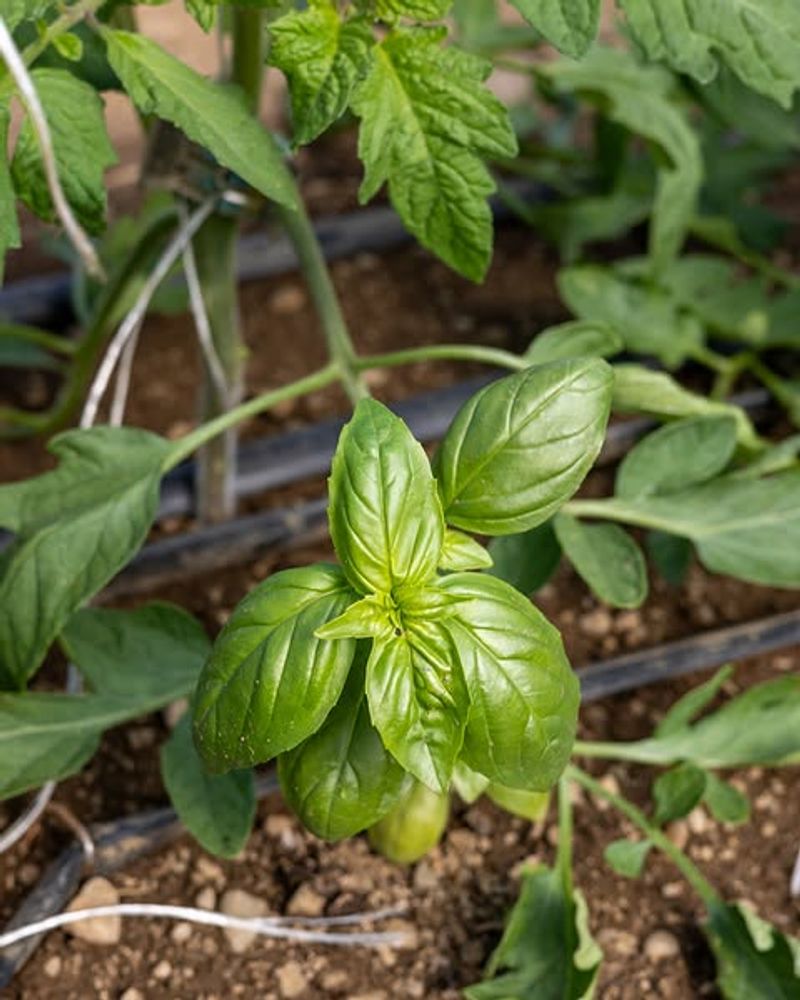
Picture the soil around your basil as something that needs protection from the summer sun, because it really does. Bare soil heats up fast, dries out quickly, and loses moisture to evaporation at a rate that can stress your plants before you even notice.
A thin layer of organic mulch changes all of that in a simple, low-effort way that pays off every single day of a heat wave.
Clean straw works great for basil beds. Shredded dry leaves are another solid option if you have them on hand.
Apply a layer about two inches thick around your plants after a good morning watering session, when the soil is already moist.
That layer acts like a blanket, slowing down moisture loss and keeping the root zone cooler than exposed soil would ever stay on its own.
There is one important rule to follow: keep the mulch pulled back a bit from each basil stem. Mulch piled right against the base of the plant traps moisture against the stem, which creates conditions where soft stem tissue can break down.
A small gap of an inch or two around each stem is all you need. Do not assume the soil beneath the mulch is always moist just because it looks covered. Lift the mulch and check with your finger regularly, especially during back-to-back hot days.
As a bonus, mulch also blocks weed seeds from sprouting and reduces the amount of soil that splashes onto leaves during watering. It is one of the simplest upgrades you can make to your basil setup.
4. Provide Temporary Afternoon Shade During Extreme Heat
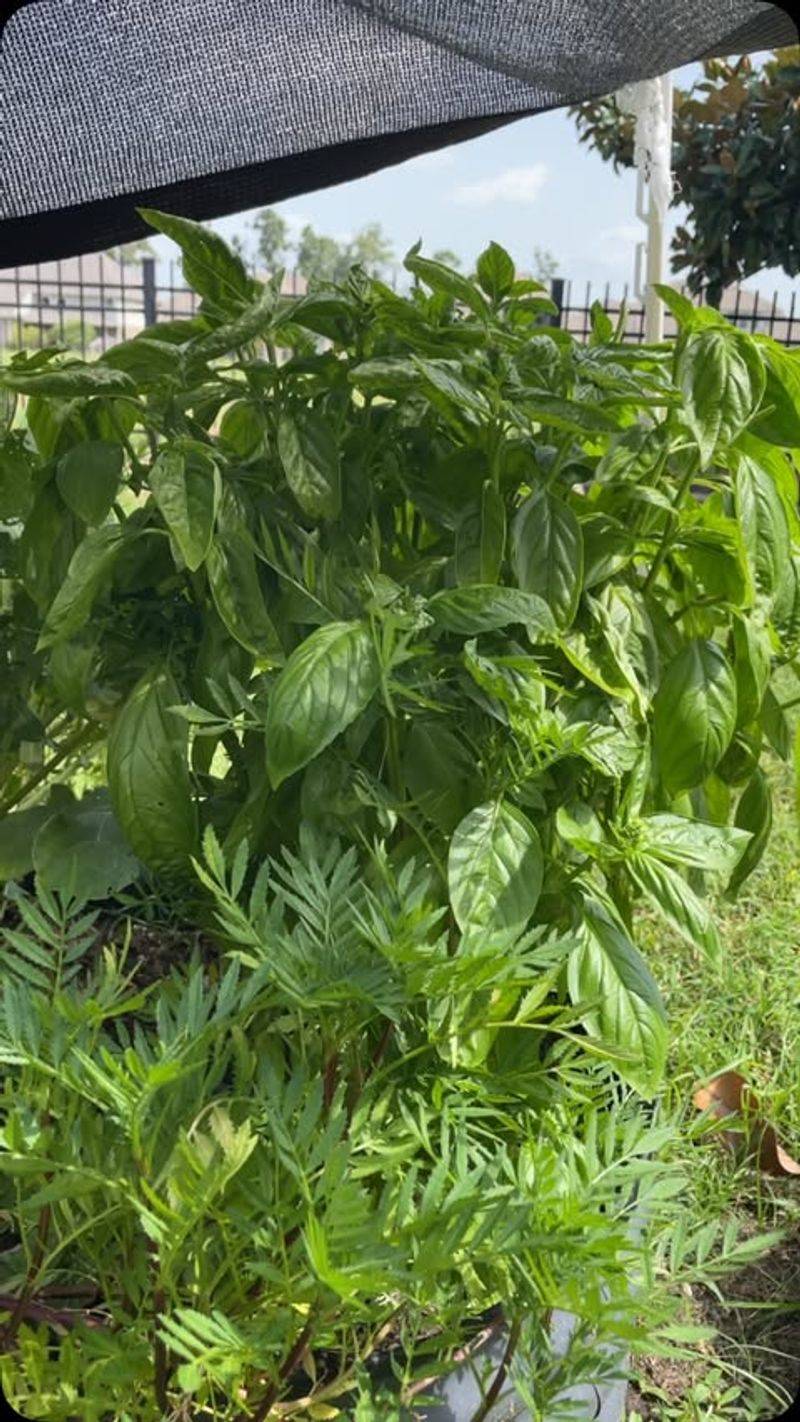
Basil loves the sun. Everyone knows that. But there is a point during a serious Michigan heat wave when even sun-loving plants hit their limit, and basil is not immune to that reality.
When temperatures push past 90 degrees Fahrenheit and a hot wind is blowing across the garden, the combination of intense light, heat, and drying air can push basil leaves to the edge of what they can handle.
Temporary afternoon shade is a surprisingly effective tool for days like that. A piece of breathable shade cloth rated at 30 to 40 percent shade is ideal.
Hang or stake it a foot or more above the plants so it filters the light without trapping hot air around the foliage. Direct contact between the cloth and the leaves is something to avoid, since that can create its own set of problems.
The key word here is temporary. Basil needs full sun to grow well, produce oils, and stay flavorful.
Moving it into permanent shade or keeping it covered for days at a time will weaken the plant over the long run.
Reserve the shade cloth for the hottest stretch of the afternoon, roughly between noon and 4 p.m., on days when the forecast is especially brutal.
Once temperatures drop in the evening, remove or roll back the cloth so the plant gets good airflow overnight.
You will likely only need this trick on the most extreme days of the season, but having the cloth ready to go means you can act fast when the forecast calls for it.
5. Harvest The Growing Tips Instead Of Single Leaves
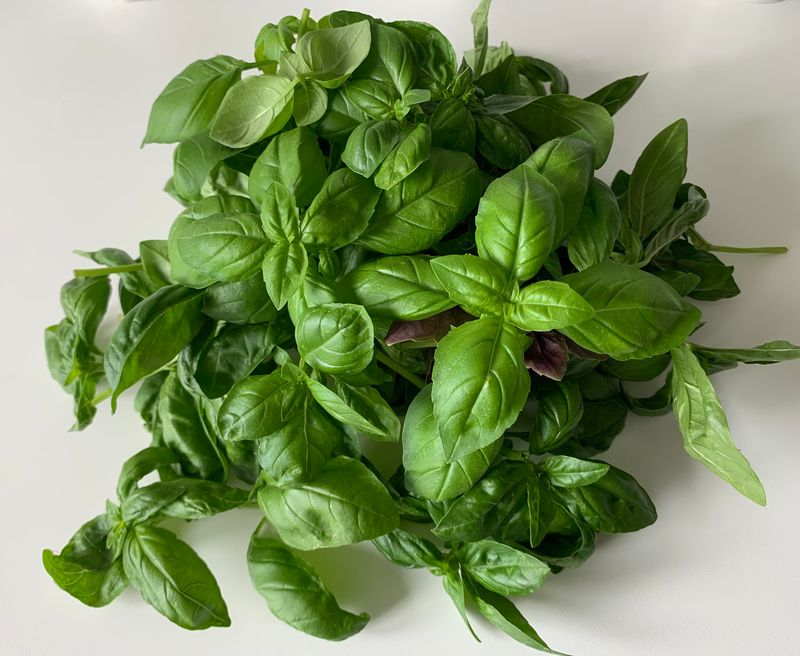
Most gardeners start out picking basil the same way: grabbing the biggest, prettiest leaf and pulling it off. It seems logical, but over time, that approach leaves you with tall, leggy stems and fewer leaves coming in.
The better method takes only a few extra seconds and results in a much fuller, more productive plant throughout the entire growing season.
Instead of picking individual leaves, pinch or snip the top of a stem just above a healthy pair of leaves. That spot where you cut is called a node, and it already has tiny buds waiting to develop.
Once you remove the tip above them, those buds get the signal to grow, and within a week or two, one stem becomes two. Do that regularly across several stems and your basil turns into a bushy, leafy powerhouse.
Repeatedly stripping only the largest leaves from the bottom or middle of the plant does the opposite. It removes the oldest growth while leaving the bare upper stems exposed and unproductive.
The plant puts energy into fewer and fewer useful spots over time, and the harvest quality drops noticeably by midsummer.
During a heat wave, timing matters too. Harvest in the morning after any dew has dried but before the hottest part of the day arrives.
The plant handles the minor stress of harvesting much better when it is not already dealing with peak heat and sun. Keeping your harvests moderate and consistent is the real secret to a basil plant that keeps giving all summer long.
6. Remove Flower Buds As Soon As They Appear
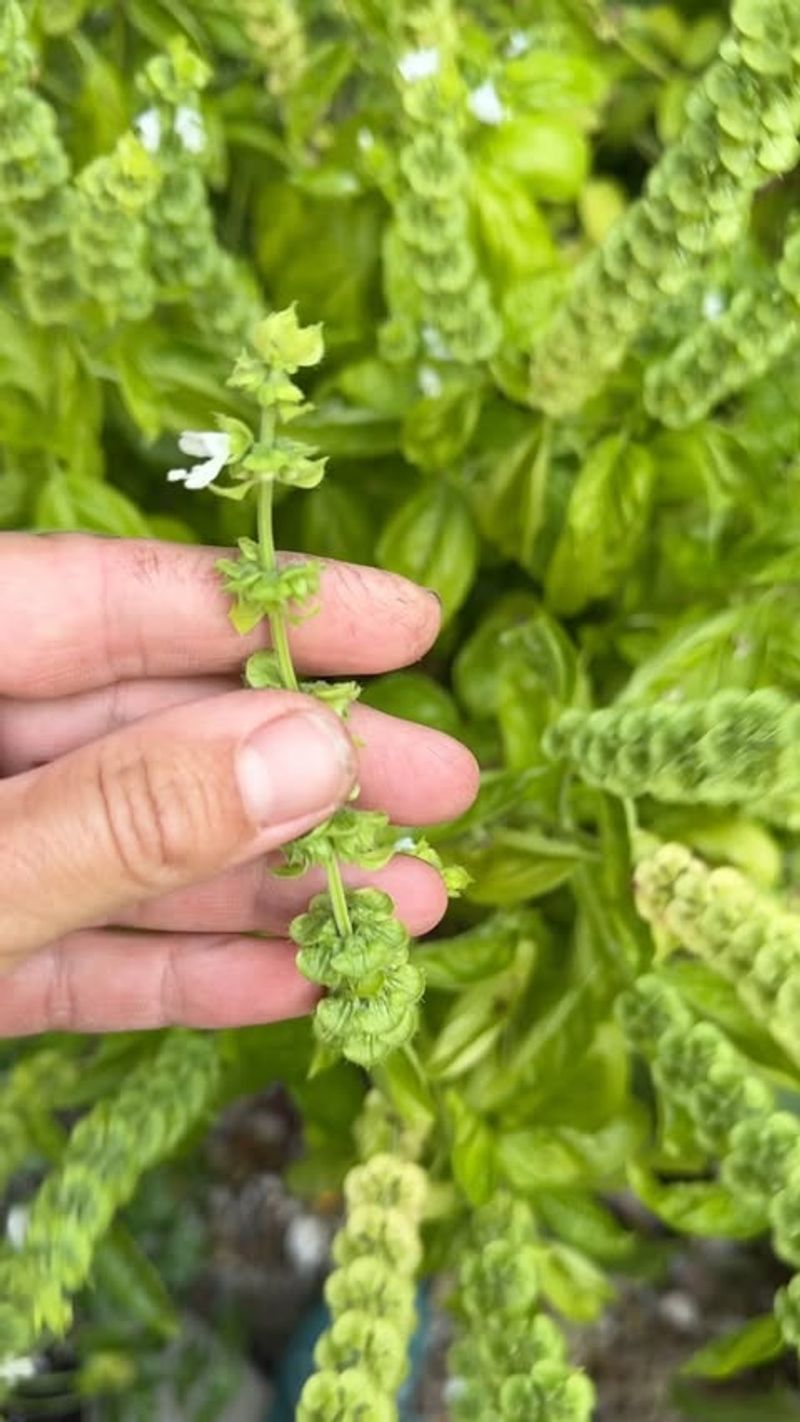
Basil has one goal by late July, and it is not to keep feeding you pesto. Left to its own devices, a basil plant will shift all of its energy toward making flowers and producing seeds.
That is perfectly natural from the plant’s perspective, but for anyone who wants a steady supply of flavorful leaves, it is a process worth interrupting as often as possible.
Flower buds on basil are easy to spot once you know what to look for. They appear at the very top of the stem as a small cluster of tiny leaves arranged tightly together, often with a slightly different texture than the regular foliage.
Catch them early and pinch the entire bud cluster off just above a healthy leaf pair below it. That one quick action redirects the plant’s energy back into branching and leaf production.
Basil that has already flowered and gone to seed tends to develop woodier stems and a noticeably sharper, sometimes bitter flavor in the remaining leaves. The plant becomes less productive and harder to harvest cleanly.
Staying on top of bud removal from early to mid-July gives you a much longer window of great-tasting leaves before the season winds down.
If you enjoy watching pollinators visit your garden, consider keeping one basil plant dedicated to blooming while keeping your culinary plants trimmed.
Bees absolutely love basil flowers, so letting one plant go is a nice way to support local pollinators without sacrificing your kitchen harvest. A little planning goes a long way when basil season is in full swing.
7. Avoid Severe Cutting During The Hottest Days
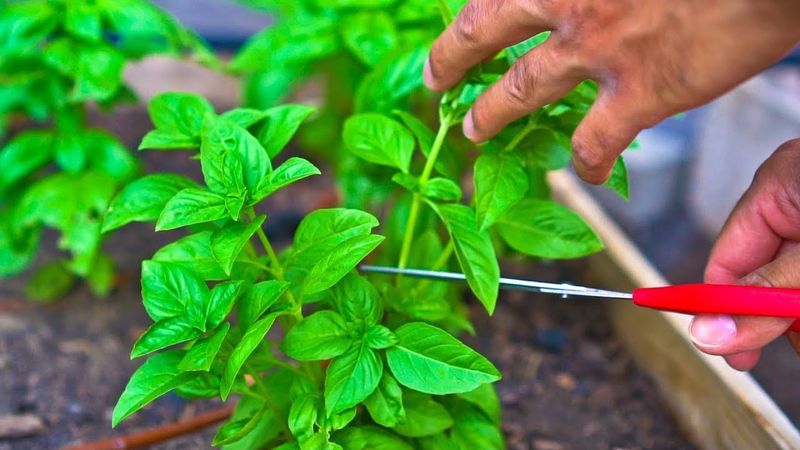
Regular harvesting is genuinely good for basil. It encourages branching, prevents bolting, and keeps the plant productive week after week.
But there is a difference between a smart, moderate harvest and cutting the plant down dramatically on the hottest afternoon of the month. During an intense heat wave, timing and amount both matter a great deal.
Think about what leaves actually do for a plant. They are not just the product you are after.
They also shade the stem, produce energy through photosynthesis, and release a small amount of moisture into the surrounding air, which has a mild cooling effect on the plant itself.
Strip away too much foliage at once and the plant suddenly has less shade, less energy production, and more stem exposed to the full force of the summer sun.
On days when temperatures are climbing into the upper 80s or 90s, keep your harvest moderate. Take a few tips from several different stems rather than cutting one stem very low or removing a large portion of the plant at once.
Spreading the harvest across the plant means no single area takes too much of a hit, and recovery happens faster and more evenly.
Save any major reshaping or renewal cutting for a cooler stretch of weather, ideally a morning when temperatures are milder and the soil is well-watered.
Giving the plant a few calm days to bounce back after a significant trim makes a noticeable difference in how quickly new growth appears. Patience during a heat wave pays off in a bigger, healthier harvest once conditions settle down.
8. Avoid Forcing Soft Growth With Excess Fertilizer
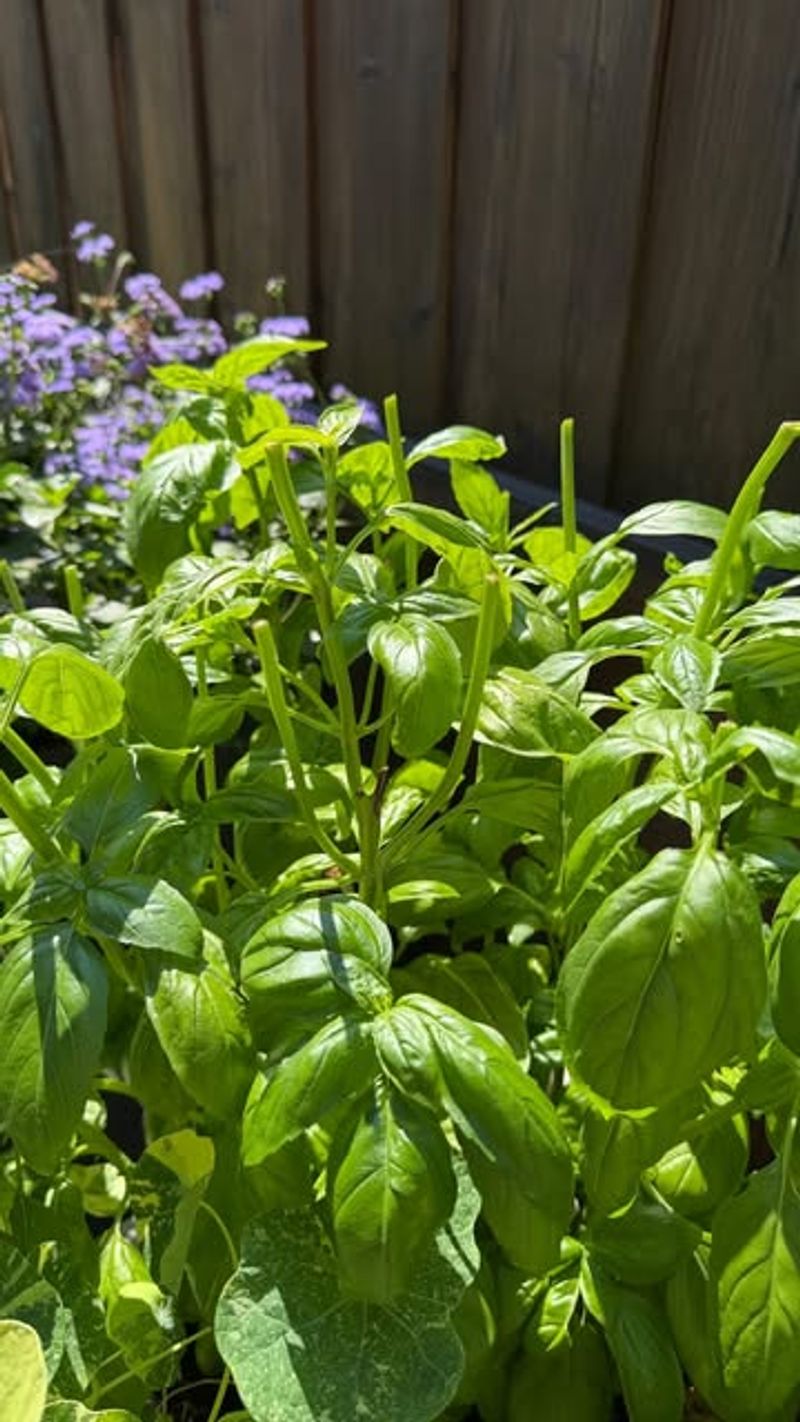
When a basil plant looks stressed during a heat wave, the instinct to feed it more is completely understandable. More nutrients should mean more growth, right?
Actually, heavy fertilizing during extreme heat can backfire in ways that make the situation harder, not easier. Understanding why helps you make smarter decisions for your plants all season long.
Nitrogen is the nutrient that drives leafy, green growth, and too much of it during a heat wave pushes the plant to produce soft, fast-growing tissue.
That kind of growth sounds ideal, but soft stems and leaves actually need more water to stay firm and upright.
During a heat wave, when water is already in high demand, forcing extra growth adds stress rather than relieving it. Weak, soft stems are also more vulnerable to physical damage from wind and heavy afternoon sun.
In garden beds, following a soil test result is the most reliable way to know what your basil actually needs. In containers, apply fertilizer only according to the directions on the product label, and avoid the temptation to add extra.
Most well-prepared potting mixes already contain enough nutrients to carry container basil through a normal season with minimal supplementation.
The real tools for keeping basil productive through a heat wave are the habits covered throughout this article: morning watering, consistent moisture checks, mulch, smart harvesting, regular bud removal, moderate cutting, and shade on the worst days.
When Michigan nights start cooling in late summer, remember that basil is cold-sensitive and should be harvested heavily or protected before temperatures drop too far. Good habits beat heavy feeding every time.