Native Pennsylvania Ground Covers That Feed Your Soil While Smothering Weeds
Bare soil never stays bare for long.
In Pennsylvania gardens, an empty patch under a maple, a washed-out slope, or a thin layer of tired mulch can turn into a weed nursery by midsummer.
Pull the same invaders three years in a row, and the lesson becomes pretty clear: exposed soil is an invitation.
Living ground covers change that conversation.
Instead of leaving open space for weeds, low-growing native plants cover the ground, shade the soil, hold moisture, slow erosion, and feed soil life as old leaves and roots break down.
They also support pollinators, protect beneficial insects, and make garden beds look settled rather than constantly under repair.
The key is matching the plant to the place.
Dry shade, moist woodland edges, sunny slopes, and relaxed borders all need different kinds of coverage. Once the right native plant fills that role, the garden starts working with the soil instead of fighting it.
So which Pennsylvania natives can cover ground, build healthier beds, and make weeds work harder?
Start with plants that spread steadily, stay low, and know how to handle the state’s shade, humidity, rain, winters, and root-filled garden trouble spots.
1. Pennsylvania Sedge
Dry shade under big trees needs a plant that does not panic.
Pennsylvania sedge handles the kind of spot where lawn grass fades, mulch thins, and weeds sneak through every gap.
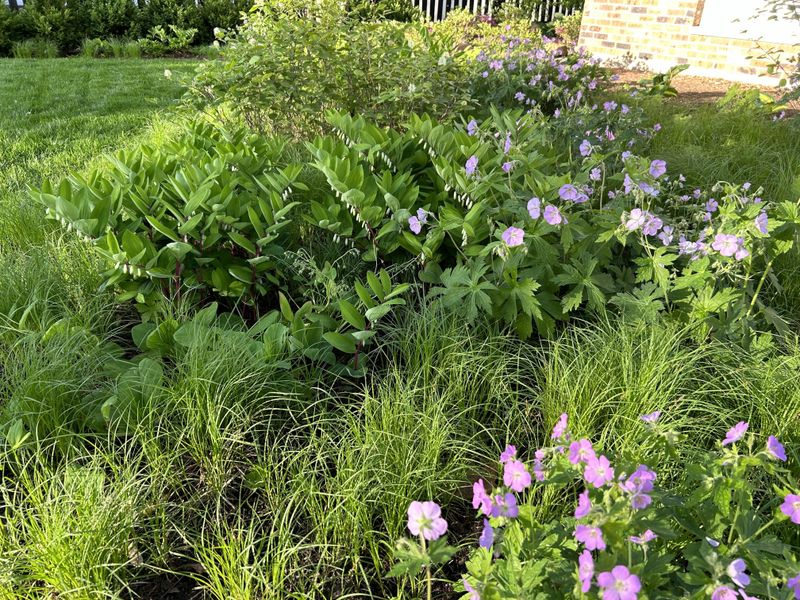
Under oaks, maples, and other mature trees, this fine-textured native creates a soft green layer that looks calm and intentional.
It stays low and graceful.
Most plants reach about six to twelve inches tall, with arching, grass-like blades that form a loose, natural carpet. It spreads by rhizomes, slowly filling open ground without acting aggressive.
That steady spread is the real value.
Once established, Pennsylvania sedge shades the soil surface, reduces weed germination, and helps hold soil in place on gentle slopes. Its roots knit through the upper soil layer, which helps protect bare areas from erosion after rain.
It also supports healthier soil over time.
Old blades and roots break down gradually, adding organic matter and creating a cooler, more stable soil surface. That kind of living cover does more for the bed than a mulch layer that disappears by July.
Plant plugs eight to twelve inches apart for faster coverage.
Give them regular water during establishment, especially during dry spells. After the planting settles in, it can handle dry to medium moisture and part shade to full shade with very little fuss.
A late-winter trim can refresh the whole patch.
Pennsylvania sedge is not flashy. It is the quiet carpet that keeps shade gardens from looking defeated.
2. Wild Strawberry
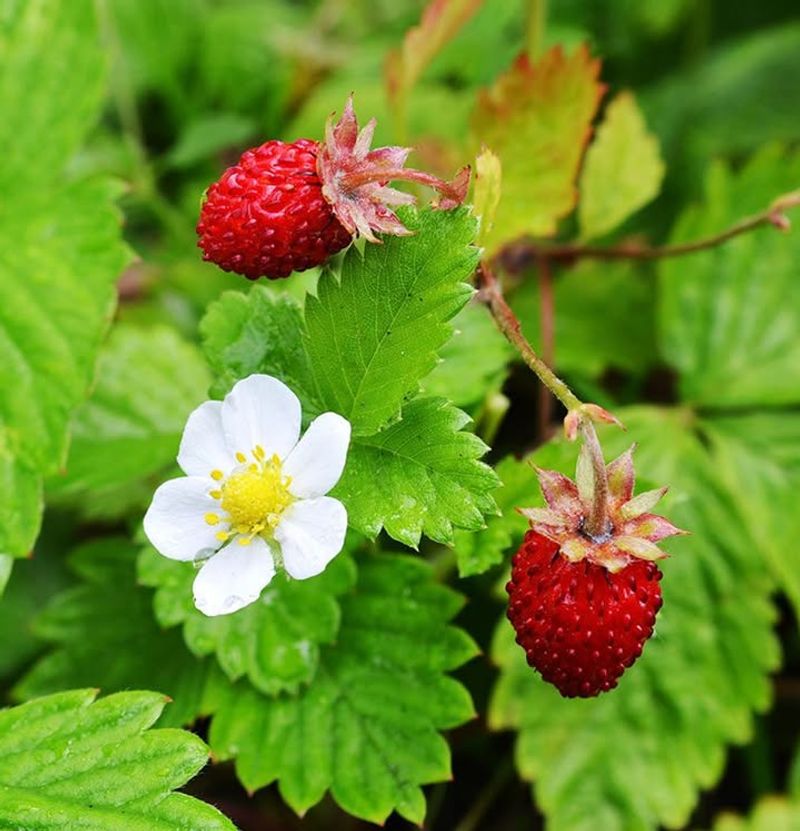
A low mat with flowers, runners, and tiny fruit earns its keep fast. Wild strawberry spreads by sending out runners that root where they touch the soil.
That habit makes it a natural living mulch for Pennsylvania beds with sun to part shade, especially spots where bare ground keeps turning into a weed problem.
The foliage stays close to the soil.
Your Pennsylvania Garden Changes Every Week. Your Plan Should Too.
Gardening in Pennsylvania changes quickly throughout the season. Every Friday you’ll receive a simple weekly plan showing exactly what to plant, prune, fertilize, harvest, and protect so you never miss the right timing.
Most plants reach only three to six inches tall, which lets them cover ground without overwhelming neighboring perennials. The leaves shade the surface, slow moisture loss, and make it harder for weed seedlings to find light.
Spring brings the charm.
Small white flowers appear early, feeding native bees and other pollinators when the garden is just getting started.
The berries that follow are small, sweet, and quickly noticed by birds. Gardeners may get a few too, preferably before the robins find them.
Wild strawberry is adaptable.
It tolerates many Pennsylvania soil types, including leaner beds that have lost organic matter over time. It does best where the soil is not constantly soggy, but it can handle ordinary garden moisture and some summer dryness once established.
The first season still needs help.
Weed between young plants while they spread. By the second year, the mat usually becomes dense enough to take over much of that job on its own.
Use it near paths, border edges, sunny woodland openings, or relaxed lawn alternatives.
Wild strawberry does not just cover soil. It makes bare ground feel useful again, with flowers, fruit, pollinators, and a little snack potential tucked into the leaves.
3. Green And Gold
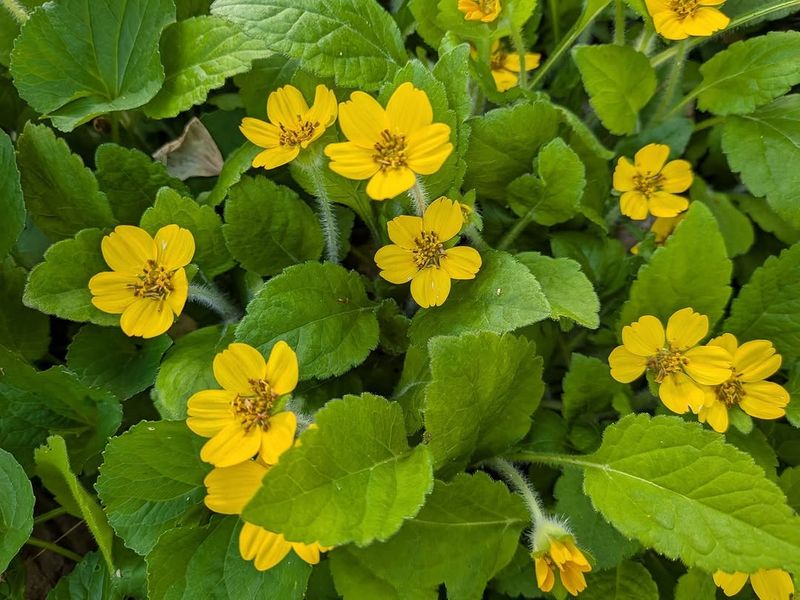
Bright spring flowers can make a shaded edge feel awake.
Green and gold brings cheerful yellow blooms in April and May, then follows with a spreading mat of low foliage that keeps working long after the first show fades.
For Pennsylvania gardeners with part shade, it offers beauty and ground coverage in one tidy package.
The plant spreads without bullying.
Runners and occasional self-seeding help it fill gaps over time. It can knit into a dense patch that shades soil and reduces weed seedlings, especially after the second or third season.
Moist, well-drained soil suits it best.
Green and gold prefers part shade to light shade with some organic matter in the soil. It can tolerate drier shade once established, but growth usually slows there. Give it a woodland-edge feel, and it responds with better coverage.
That leafy mat helps the soil.
Covered ground stays cooler and more evenly moist. As older foliage breaks down, it feeds the upper soil layer and supports the organisms that keep garden beds healthy.
Spacing plants about a foot apart works well.
That gives each plant room to settle while still allowing the patch to close in fairly quickly. Add leaf mulch or compost around new plants to help them establish.
It plays nicely with other natives.
Foamflower, sedges, wild ginger, and ferns can all share space with green and gold without turning the bed into a wrestling match.
The flowers get attention first.
The weed-suppressing foliage is the long game, and it is exactly why this plant belongs in shady Pennsylvania borders.
4. Foamflower
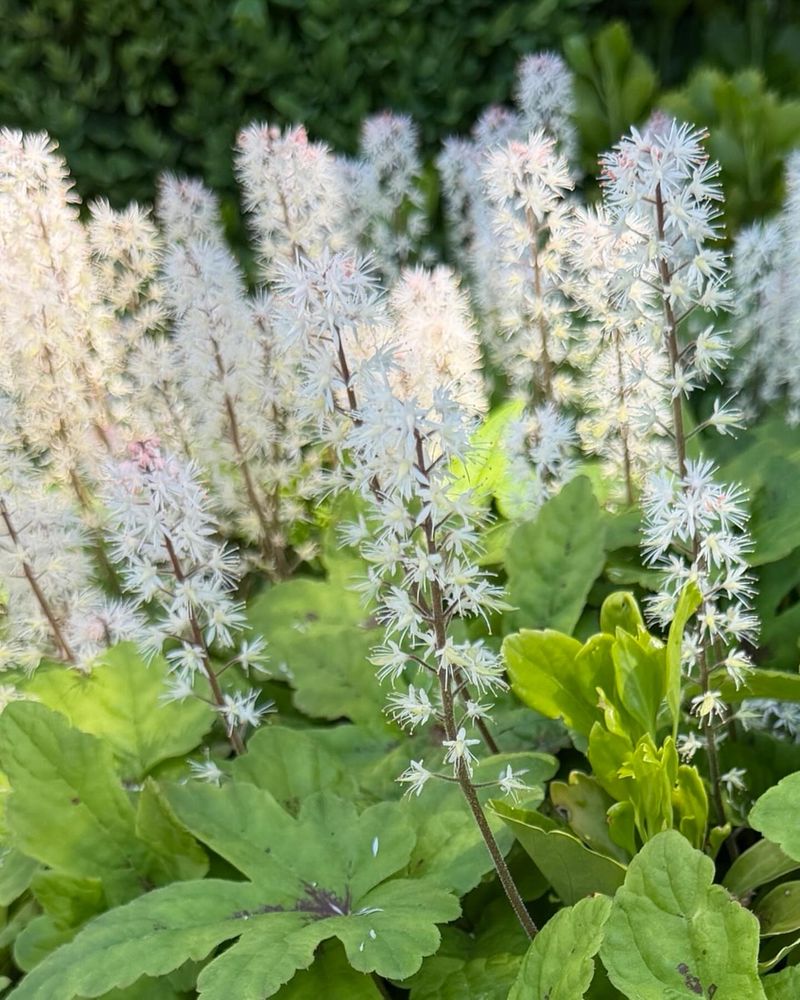
A woodland floor effect is hard to fake, but this plant gets close.
Foamflower forms low mounds of attractive foliage and sends up airy white flower spikes in spring. The blooms look delicate, but the plant is practical, especially in shady Pennsylvania beds where weeds move into every open pocket.
Its foliage does serious work.
The leaves grow dense enough to shade the soil, helping block light from weed seeds. Over time, short runners allow the plant to expand into a soft, connected layer rather than a set of isolated clumps.
Woodland conditions suit it best.
Foamflower likes moist, humus-rich soil, dappled shade, and the kind of leaf-litter environment found under deciduous trees. Letting leaves break down around the plants can help mimic that natural cycle.
That leaf breakdown matters.
It feeds soil organisms, improves texture, and helps the bed hold moisture through warmer weather. A foamflower patch becomes part of a living soil system, not just a decorative surface.
Spring pollinators appreciate the flowers.
Native bees visit the blooms during a season when food sources can still be limited. After flowering, the foliage carries the planting through summer and into fall.
Space plants about twelve inches apart.
They will fill gradually and usually behave well around other shade-loving natives. Pair them with ferns, wild ginger, sedges, or spring ephemerals for a layered woodland look.
Foamflower feels soft, but it is not passive.
It covers, cools, feeds, flowers, and makes weeds fight for every inch.
5. Golden Ragwort
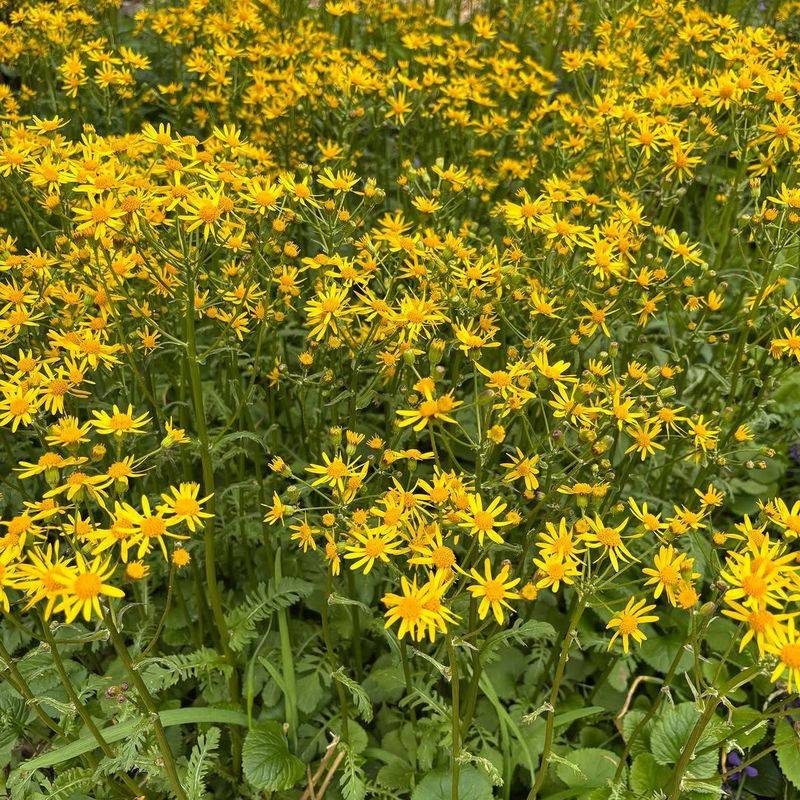
Moist shade calls for a ground cover with confidence.
Golden ragwort moves quickly in the right spot, which makes it valuable for Pennsylvania gardeners dealing with damp edges, low areas, stream banks, or rain garden borders where weeds rush in after every storm.
The plant starts with low green rosettes.
Those rounded leaves hug the ground and create year-round coverage in many gardens. In spring, bright yellow daisy-like flowers rise above the foliage and bring early color when the rest of the bed is still stretching.
Pollinators notice fast.
Native bees and early butterflies visit the flowers during a season when nectar and pollen can be scarce. That makes golden ragwort useful for both soil coverage and early wildlife support.
Its spread is energetic.
Rhizomes and self-seeding help it build a dense leafy carpet. That can smother weeds with real authority, especially in moist part shade where many slower ground covers take too long to fill.
The soil benefits from constant cover.
Roots hold the upper layer in place, foliage slows rain impact, and older leaves return organic matter to the bed. In erosion-prone spots, that protection can make a visible difference.
Give it room to do its job.
Golden ragwort is not the choice for a tiny formal pocket where every seedling must stay in line. In naturalistic beds, woodland edges, and damp slopes, its enthusiasm becomes an asset.
Seedlings are easy to edit while young.
That makes the plant manageable, even with its quick spread.
Golden ragwort does not politely ask weeds to move. It takes the floor.
6. Wild Ginger
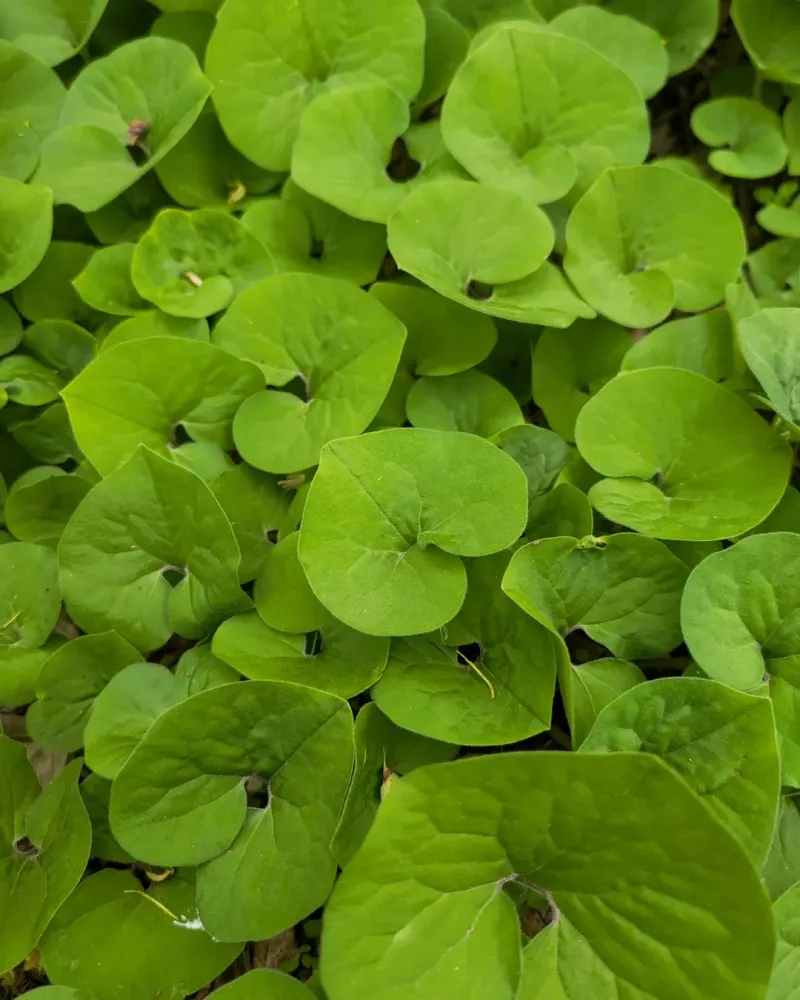
Deep shade feels less impossible with a leafy native carpet.
Wild ginger thrives where many plants lose strength, especially under dense tree canopies and in cool woodland beds. Its broad, heart-shaped leaves create a lush surface that makes difficult shade look intentional.
The coverage is the main attraction.
Leaves sit low and overlap enough to block light from reaching weed seeds underneath. Established patches can suppress many common weeds simply by keeping the soil shaded and occupied.
The spread is slow but steady.
Wild ginger moves through rhizomes, expanding gradually instead of racing across the bed. That makes it ideal for long-term coverage in shade gardens where stability matters more than instant results.
It loves rich, organic soil.
Moist, humus-heavy ground gives the best growth, but established plants can handle some dry shade under trees once their roots settle in. A layer of fallen leaves or leaf mold helps keep the soil cool and alive.
Hidden flowers appear near the soil.
They are not the main show, but they add woodland character for anyone who looks closely. The real beauty comes from the foliage, which turns bare shade into a green floor.
Soil under wild ginger stays protected.
The canopy slows evaporation, roots hold the surface, and decomposing leaves feed the microbial community. Over time, the bed feels more like a forest edge and less like a problem area.
Use it under shrubs, trees, or along shaded paths.
Wild ginger is not fast. It is faithful, and that is often better in a shade garden.
7. Creeping Phlox
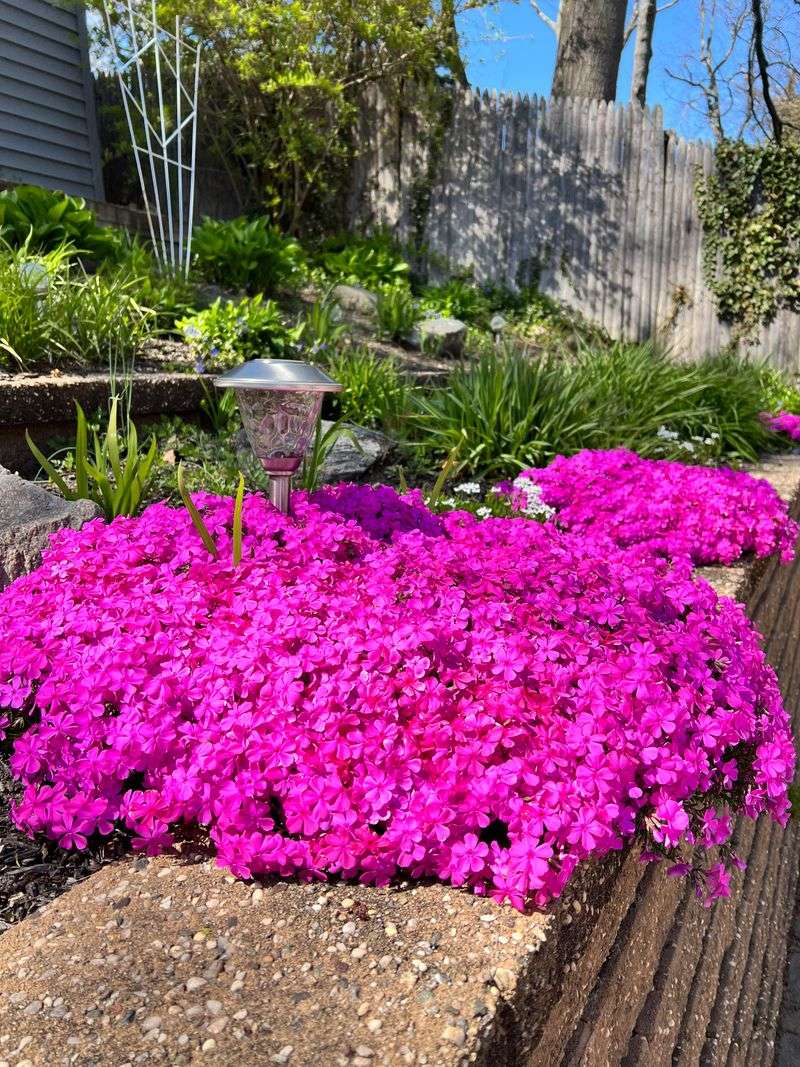
A sunny slope needs coverage that can grip.
Creeping phlox is one of Pennsylvania’s best native choices for dry, well-drained, sun-baked spots where mulch slides, soil washes, and weeds keep testing the gaps. Its tight evergreen mat hugs the ground and helps stabilize exposed areas.
Spring is the big reveal.
The plant bursts into a carpet of pink, lavender, white, or purple flowers, depending on the variety. The bloom can be so dense that the foliage nearly disappears for several weeks.
Pollinators use the flowers early.
Native bees and butterflies visit during a season when sunny ground covers can provide important food. After the flowers fade, the plant keeps earning its space with year-round coverage.
The foliage is needle-like and dense.
That mat shades the soil surface and makes it harder for weed seeds to settle in. Roots hold the upper soil layer, helping reduce erosion during heavy spring rains.
Drainage is essential.
Creeping phlox wants full sun and dry to medium, well-drained soil. It struggles in soggy clay or low spots that stay wet. Rocky slopes, sandy edges, raised beds, and sunny banks are much better matches.
Plant it near the top of a slope.
Let it trail and knit downward over time. A light trim after flowering keeps the mat compact and encourages fresh growth.
Creeping phlox gives weeds less room and gives gardeners a spring show big enough to stop traffic.
That is a very good bargain for a difficult slope.
8. Common Blue Violet
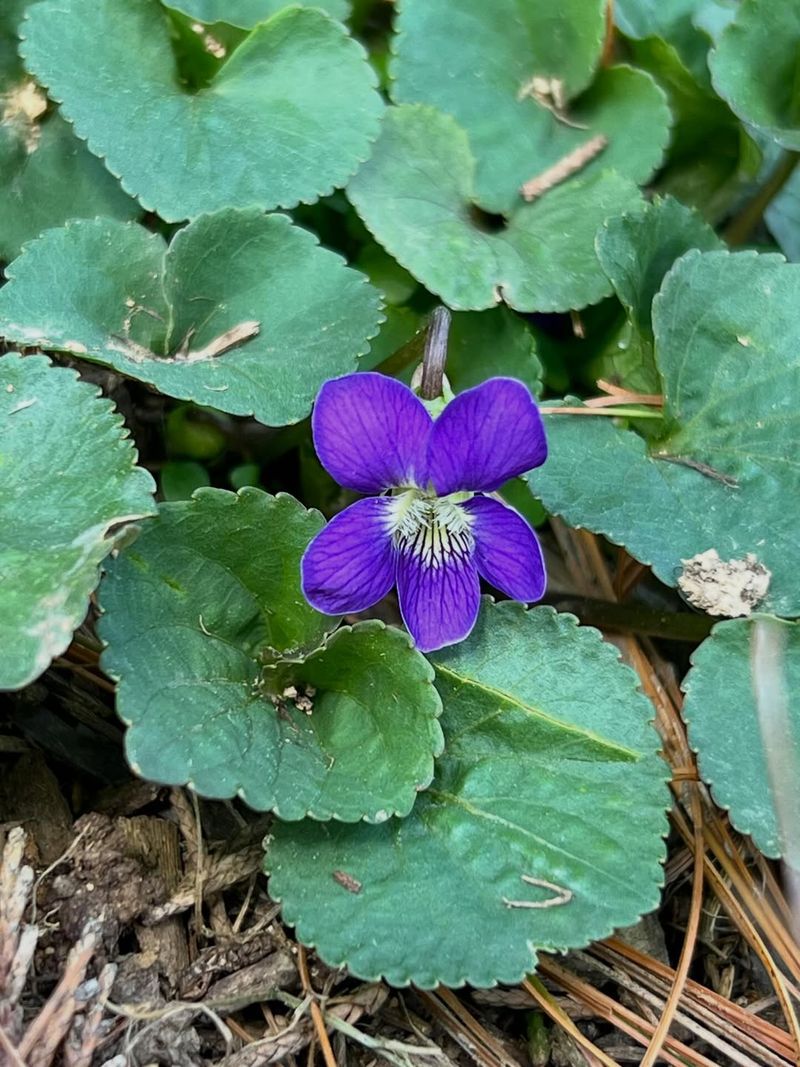
A volunteer can become a garden ally.
Common blue violet often appears on its own in Pennsylvania lawns, paths, and bed edges. Many gardeners pull it before realizing how much work it can do as a native ground cover.
The rosettes stay low.
Heart-shaped leaves form a dense layer just a few inches tall, shading soil and slowing weed germination. In relaxed borders, woodland edges, and lawn-alternative areas, that coverage can be incredibly useful.
Early flowers support pollinators.
Purple-blue blooms appear in spring, offering food after winter when many insects are just becoming active. Violet leaves also serve as host foliage for fritillary butterflies, giving the plant an important role in the local food web.
It handles a wide range of conditions.
Common blue violet grows in sun, part shade, and shade. It tolerates moist soil, average garden soil, and moderately dry spots once established. That flexibility makes it one of the easiest native fillers for awkward gaps.
Self-seeding is part of the package.
In naturalistic areas, that spread is helpful. In formal beds, it may need occasional editing. Young plants pull easily, so keeping it in bounds does not have to become a major chore.
Let it weave between larger perennials.
It covers the soil while taller plants emerge above it, creating a layered planting that looks full instead of bare.
Common blue violet may arrive without an invitation.
Sometimes the garden knows what it needs before the gardener does.