Why Radishes Are One Of The Fastest Fall Vegetables Michigan Gardeners Can Seed In July
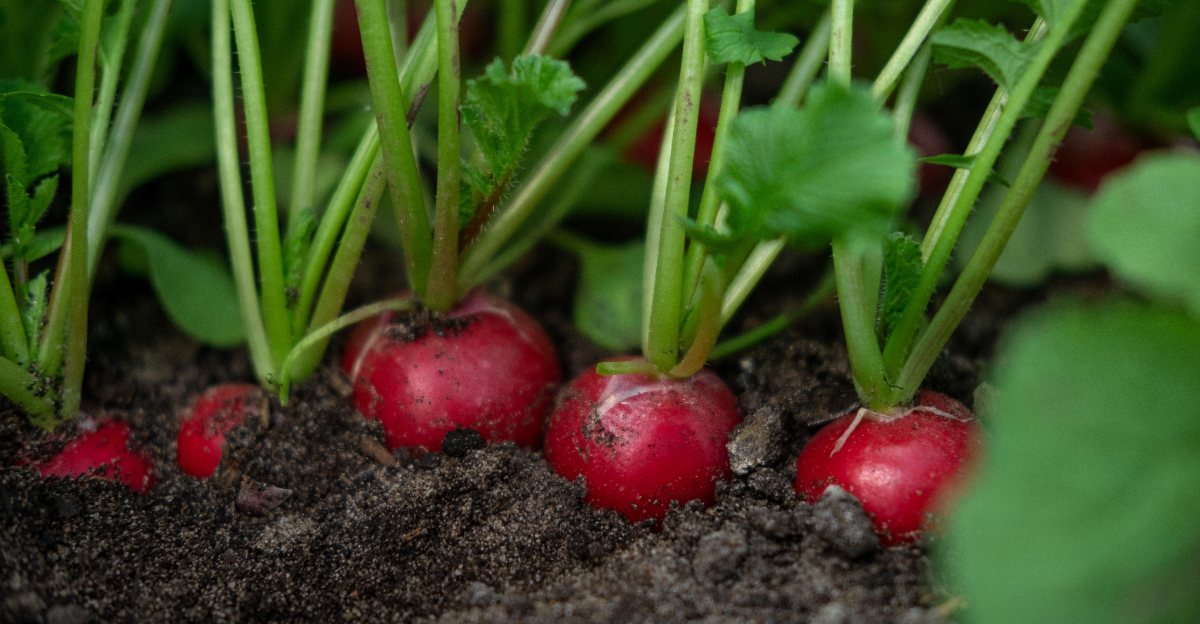
Radishes are hard to beat when it comes to speed, often ready to harvest within just three to four weeks of seeding. A July planting gives Michigan gardeners a quick, reliable crop as summer transitions into fall.
Cooler temperatures later in the season actually improve radish flavor, softening the sharp bite common in hot weather batches. Their fast growth cycle makes radishes perfect for filling small gaps left behind by finished summer crops.
Consistent moisture during germination helps seeds sprout evenly in still warm July soil. Radishes also tolerate light frost well, allowing for a slightly extended harvest window if needed.
Thinning seedlings early gives remaining roots enough space to develop properly. For gardeners wanting fast results with minimal effort, radishes deliver quicker than almost any other fall crop.
1. Many Radishes Are Ready In About One Month
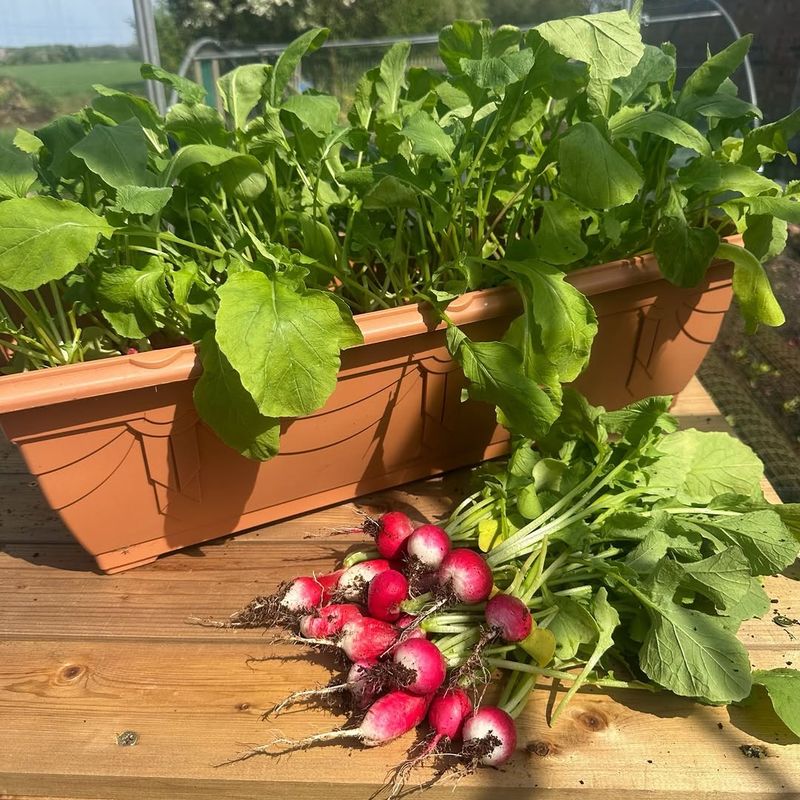
Speed is one of the biggest reasons Michigan gardeners reach for radish seeds every summer. Many popular small globe varieties, like Cherry Belle or Early Scarlet Globe, can reach harvest size in roughly 30 days under good growing conditions.
That kind of quick turnaround is almost unmatched in the vegetable garden, and it gives you real flexibility when planning a fall planting schedule. Of course, 30 days is a general guideline rather than a guarantee.
The actual time from seeding to harvest depends on the specific variety you choose, how quickly seeds germinate, soil moisture levels, spacing between plants, available sunlight, and temperatures throughout the growing period.
A seed packet is one of your best planning tools because it lists the expected days to maturity right on the label.
Smart Michigan gardeners count backward from their expected first hard frost rather than using a single statewide date.
Frost timing varies quite a bit across the state, arriving earlier in the Upper Peninsula and northern Lower Michigan than in the southern counties.
Checking your local average frost date and adding a few extra days as a buffer helps you figure out the latest realistic seeding date for a successful crop. Starting the count early also gives you room to fit in more than one planting window.
When you understand exactly how fast your chosen variety grows, scheduling becomes much easier and you can squeeze in multiple harvests before cold weather settles in for good.
2. July Planting Uses Warm Soil For Quick Germination
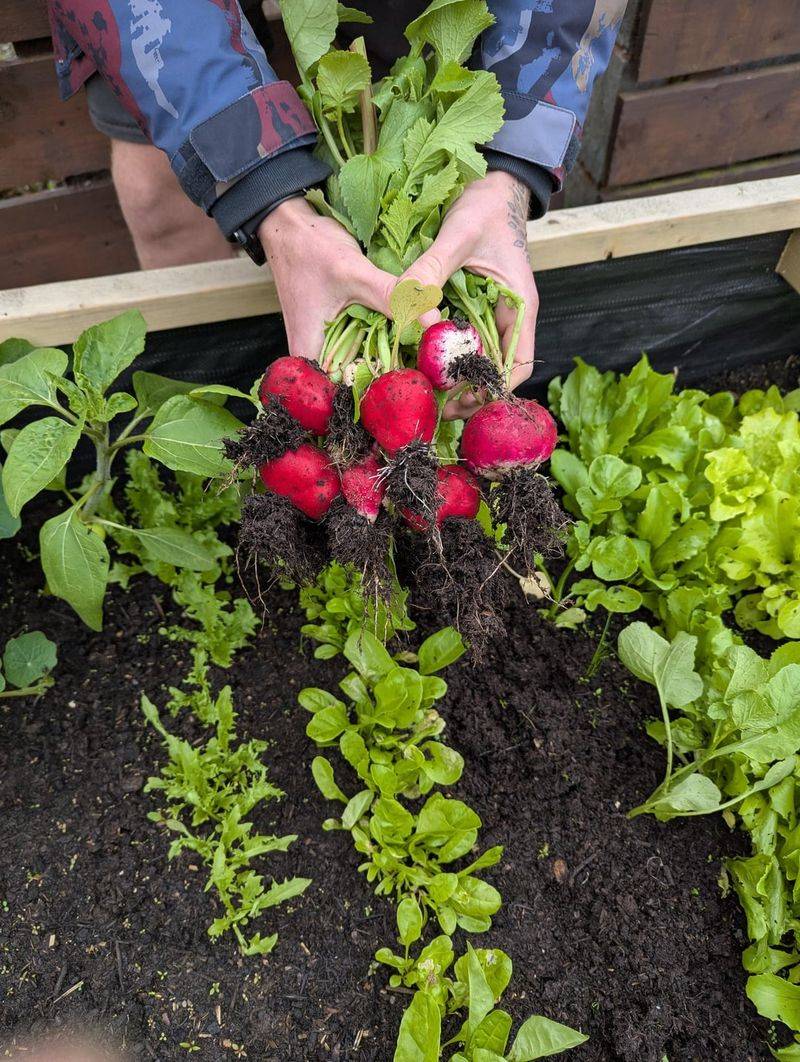
Warm soil is actually a hidden advantage when you seed radishes in July. Radish seeds tend to germinate quickly when the soil temperature sits in the range of 50 to 85 degrees Fahrenheit, and Michigan July soil usually falls right in that sweet spot.
Faster germination means seedlings emerge sooner, which gets your fall crop off to a strong and early start.
One thing to watch carefully is soil moisture. Shallow-planted seeds sit close to the surface, and that top layer of soil can dry out surprisingly fast during hot, sunny, or breezy Michigan summer days.
Checking the upper inch of soil every single day until seedlings are well established is a simple habit that makes a real difference. Water gently using a soft spray to avoid washing seeds out of position or creating a hard soil crust.
Your Michigan Garden Changes Every Week. Your Plan Should Too.
Gardening in Michigan changes quickly throughout the season. Every Friday you’ll receive a simple weekly plan showing exactly what to plant, prune, fertilize, harvest, and protect so you never miss the right timing.
If your garden faces intense afternoon heat, a piece of lightweight shade cloth draped loosely over a newly seeded row can protect young seedlings from stress.
The key word there is loosely, because airflow underneath the cloth matters just as much as shade.
Once seedlings are a couple of inches tall and looking healthy, you can reduce or remove the shade cloth so plants get the full light they need to keep growing strong.
Following the sowing depth recommended on your seed packet is also worth the extra minute it takes.
Planting too deep slows emergence, while planting too shallow leaves seeds exposed to drying conditions that can interrupt germination before it even gets going.
3. Cooler Weather Supports Better Root Quality
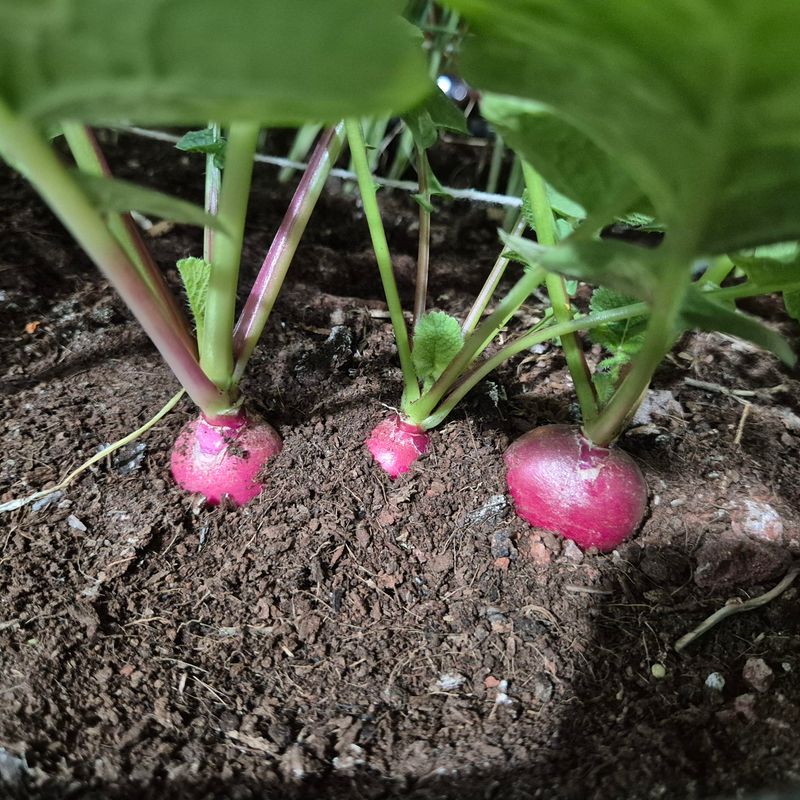
Radishes have a bit of a reputation for tasting sharp or getting tough, but the truth is that temperature plays a huge role in how roots turn out.
Prolonged heat during the main root-enlargement phase can lead to strong pungency, fibrous texture, poor root formation, or early bolting, which is when the plant sends up a flower stalk instead of developing a good root.
Timing your seeding so that roots swell during cooler weather makes a noticeable difference in the final product.
July seeding in Michigan is a smart strategy because it allows early growth to kick off while the soil is warm and germination is fast.
As the weeks pass and late summer fades into early fall, temperatures gradually ease and the roots do most of their enlarging in those milder conditions.
The combination of a quick start and a cooler finish is really what makes July such a well-suited month for fall radish seeding in this state.
It would be unfair to promise perfectly mild, crisp roots every single time, though, because flavor also depends on the variety you choose, how consistently you water, your soil composition, and when you actually pull the roots.
Some varieties are naturally spicier than others regardless of temperature. Reading variety descriptions before buying seeds helps you pick one that matches your flavor preferences.
Paying attention to watering is equally important. Uneven moisture leads to uneven root development, so keeping the soil consistently moist rather than alternating between dry and soaked gives roots the steady conditions they need to fill out properly.
4. Radishes Tolerate Light Frost
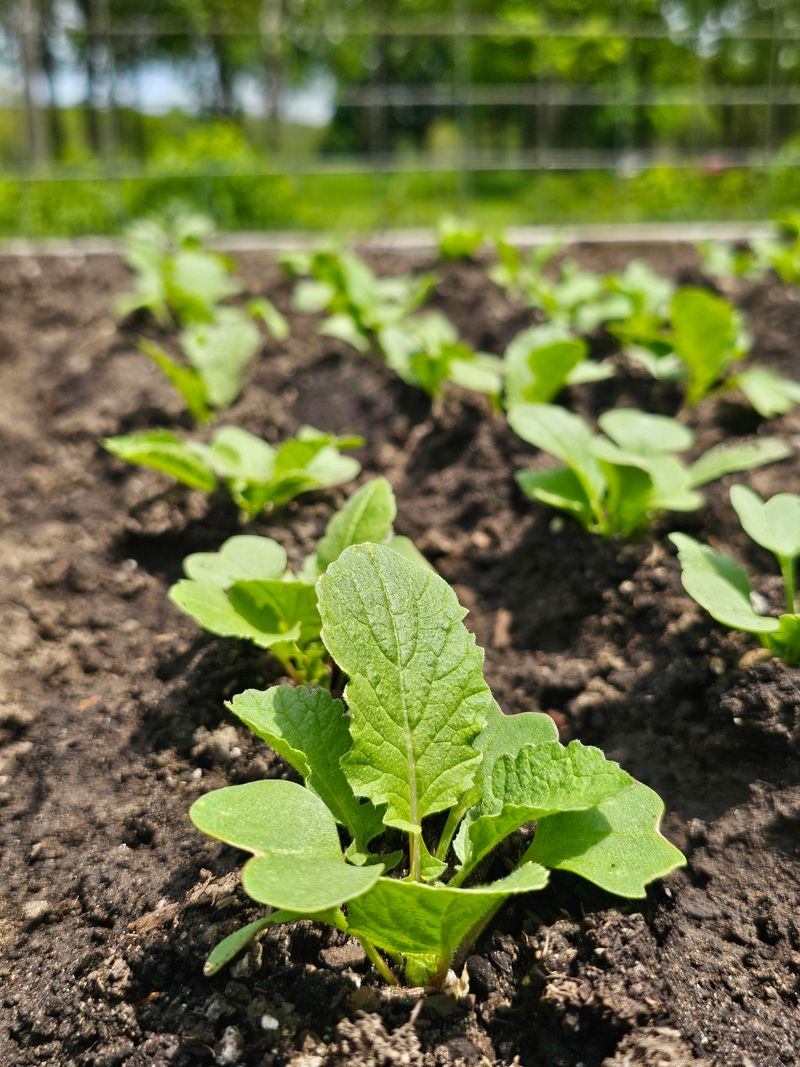
One of the most useful things about radishes is how well they handle cool and even lightly frosty conditions.
While warm-season crops like tomatoes and cucumbers call it a season the moment temperatures drop near freezing, established radishes keep right on going.
This cold tolerance extends your productive gardening window well into fall, which is a real bonus for Michigan growers who want to squeeze every possible week out of the season.
Established radishes can tolerate light frost and temperatures down to around 26 degrees Fahrenheit without major damage.
However, their precise cold tolerance depends on factors like variety, soil moisture, wind exposure, and how gradually the plants were acclimated to cool weather.
A single brief frost on an otherwise mild night is very different from a prolonged hard freeze, and most radishes handle the former without much trouble at all.
A light frost does not automatically mean you have lost your crop. Roots that are close to harvest size often come through a light frost in perfectly good shape, especially if they are well established and the soil has not frozen solid.
Pulling roots the morning after a light frost and bringing them inside is a simple way to avoid any risk of quality loss.
When colder weather arrives before your crop reaches harvest size, a supported row cover draped over the plants can buy you extra days or even a couple of weeks.
Row covers trap heat from the soil overnight and protect foliage from frost damage, giving your radishes more time to reach the size you are looking for before the season truly closes.
5. Direct Seeding Makes Planting Simple
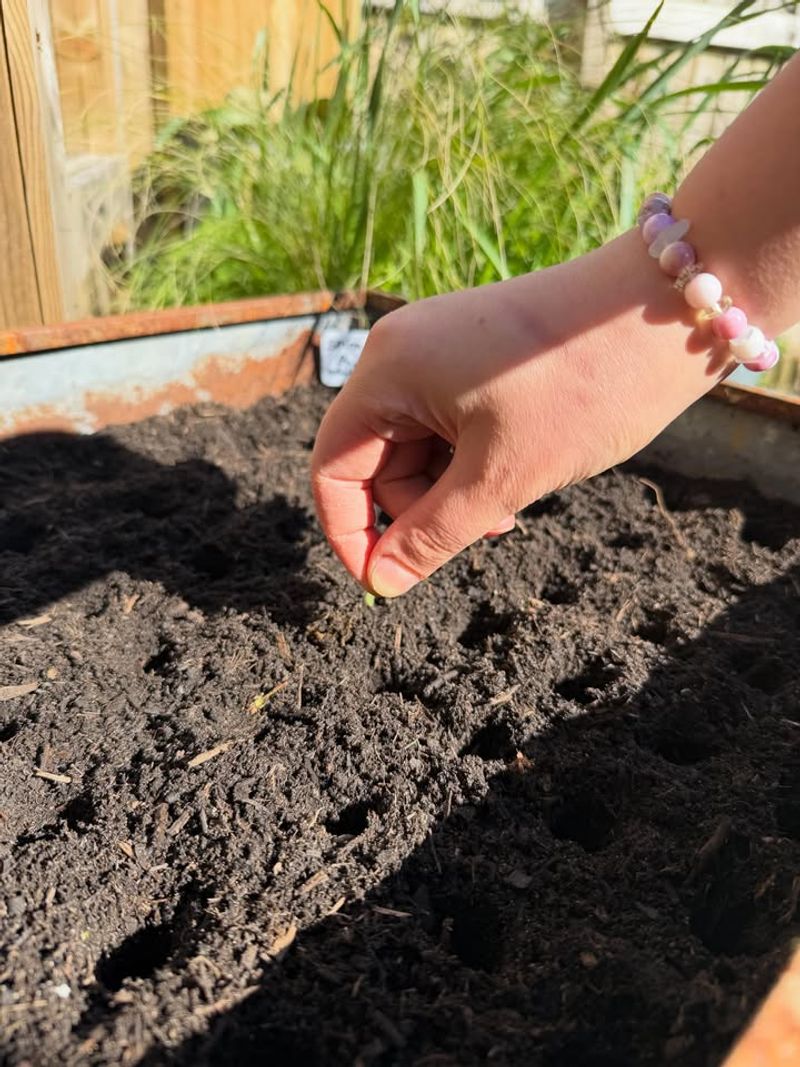
Radishes skip the whole transplanting step that many vegetables require, and that simplicity is a genuine selling point. Edible roots develop best when young plants grow undisturbed from seed to harvest in the same spot.
Trying to start radishes in trays and move them later tends to disrupt root development and can result in misshapen or stunted roots that never quite reach their potential.
Preparing the soil well before seeding makes a bigger difference than most beginners expect. Loose, crumbly soil gives developing roots room to push outward and downward without hitting hard spots or stones.
Breaking apart compacted clods, removing rocks, and raking the surface smooth are all worth the extra few minutes they take.
Fresh undecomposed manure is something to avoid in the planting area because it can burn young roots and encourage leafy growth over root development.
Where native soil is dense, heavy clay, or drains poorly, raised beds are a practical solution that many Michigan gardeners swear by.
Filling a raised bed with a good quality mix of topsoil and compost creates ideal loose conditions for radish roots to develop evenly and reach full size without fighting the surrounding soil structure.
One important rule to remember is that working wet soil causes compaction that can persist long after the soil dries. If you grab a handful of soil and it clumps into a ball that does not crumble when you poke it, the soil is too wet to work.
Waiting even just a day or two after heavy rain before you prepare and seed your radish bed saves you from creating a problem that takes much longer to fix.
6. Proper Thinning Produces Rounder Roots
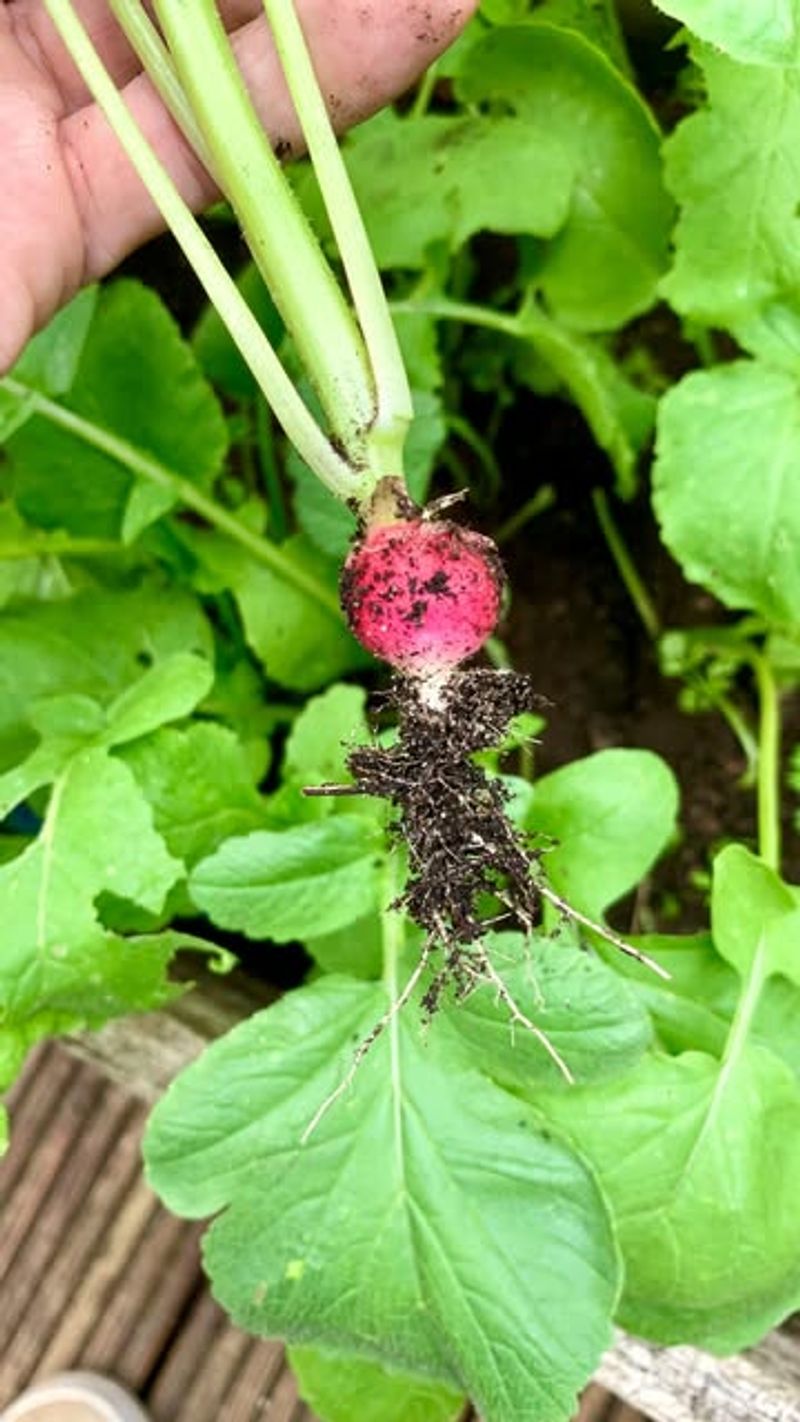
Radishes are one of those vegetables where giving each plant a little personal space pays off in a big way.
When seeds are scattered too thickly and seedlings crowd each other, the plants put most of their energy into growing tall leafy tops rather than developing the round, firm roots you actually want to eat.
Thinning is a simple fix, but a lot of gardeners skip it and then wonder why their radishes turned out small and oddly shaped.
For most small globe radish varieties, thinning to about one to two inches apart is the general recommendation, though your seed packet will list the ideal spacing for the specific variety you chose.
Getting that spacing right reduces competition between plants for moisture, nutrients, and light, and it gives each root the physical room it needs to expand outward into a satisfying round shape.
Crowded roots bump into each other and end up misshapen, no matter how good your soil is.
Thinning works best when seedlings are still young and small, usually when they are just an inch or two tall. At that stage, you can pull out the weaker-looking plants without disturbing the roots of the ones you are keeping.
Waiting too long makes thinning harder and increases the risk of accidentally loosening the roots of nearby plants you want to keep growing. Here is a pleasant bonus: those small thinnings you pull out are often edible.
The tiny leaves have a fresh, mildly peppery flavor that works nicely in salads, and even the tiny root nubs are perfectly safe to snack on right there in the garden while you work.
7. Successive Sowing Creates Several Harvests
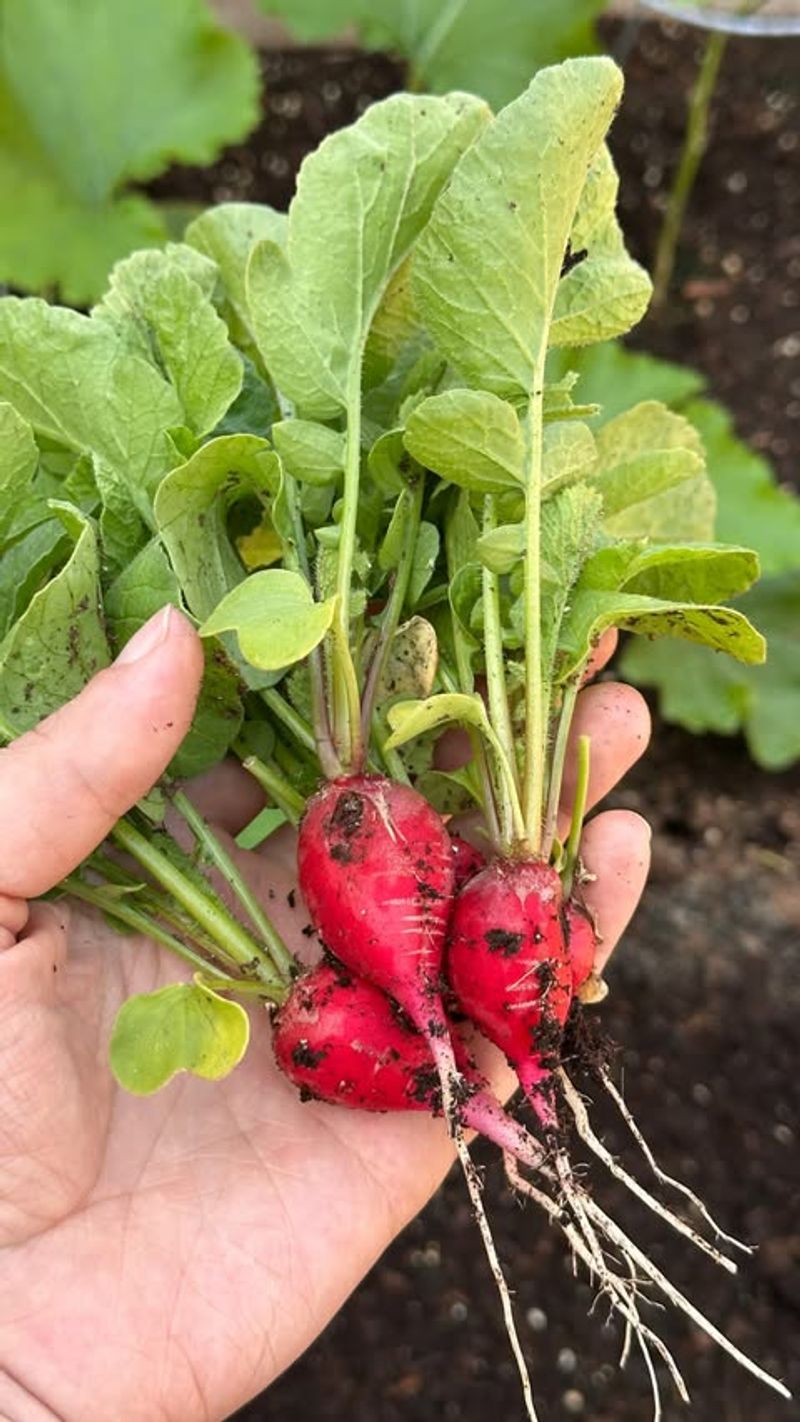
Imagine pulling a fresh batch of crisp radishes every week or two throughout late summer and into fall rather than having an entire crop mature all at once and scrambling to use it up.
Successive sowing is the simple technique that makes this possible, and it works beautifully with radishes because their short growing cycle lets you fit several rounds into a single season.
The idea is straightforward. Instead of seeding all your radishes on the same day, you plant a short row, wait one to two weeks, then seed another short row, and keep repeating that pattern throughout the suitable planting window.
Each batch matures at a slightly different time, spreading fresh harvests over a much longer period than a single large planting would allow. You end up with a steady supply rather than a flood all at once.
The one thing to plan carefully with successive sowing is the timing of your final planting. That last row still needs enough warm growing days to reach maturity before severe cold and very short fall days slow or stop growth.
A root that is almost ready but gets caught by a hard early freeze without any protection can lose quality quickly, so building in a comfortable buffer before your expected first hard frost is always the smart move.
Gardeners in northern Michigan and the Upper Peninsula should wrap up their later sowings a bit earlier than growers in the warmer southern part of the state.
Frost arrives earlier in the north, and accounting for that difference in your planting schedule means you finish the season with a full harvest rather than a disappointing partial crop.
8. Prompt Harvesting Keeps Roots Crisp
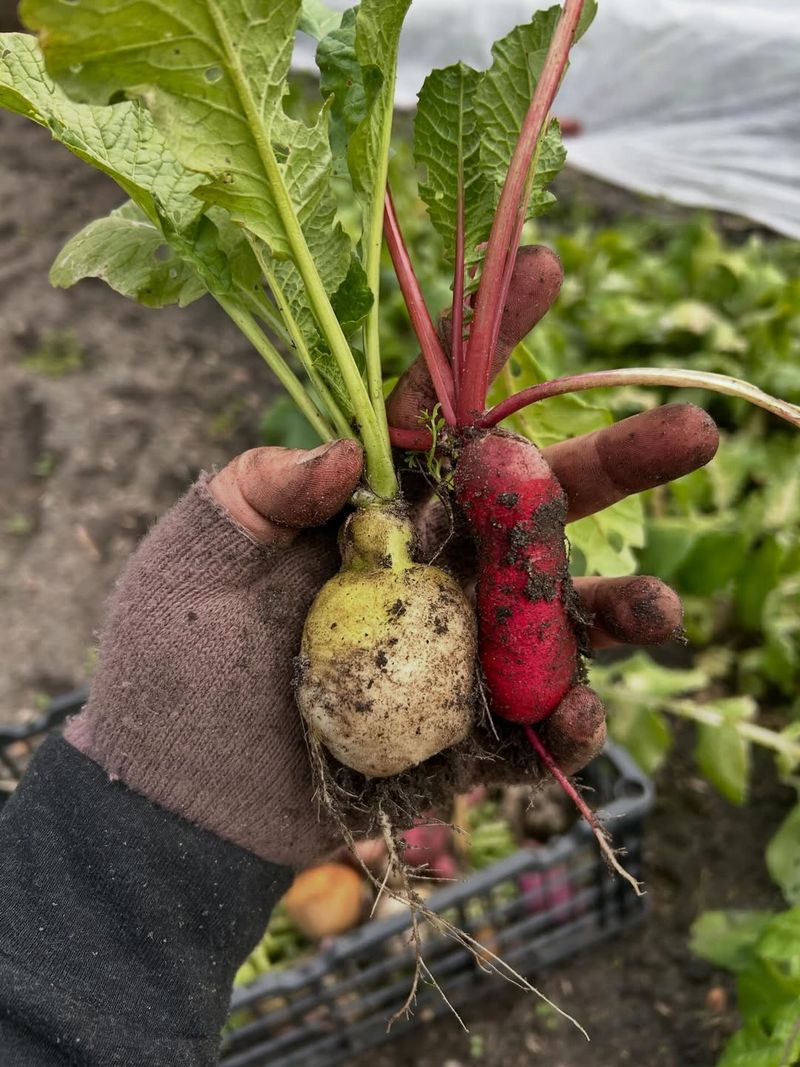
All that effort seeding, thinning, watering, and waiting pays off best when you harvest at exactly the right moment. Radishes grow fast, and that speed works against you if you are not paying attention near the end of the cycle.
Roots left in warm soil past their prime can become oversized, develop a tough or pithy texture, split, or turn excessively sharp in flavor.
Checking on your crop frequently as it approaches maturity is one of the most important habits a radish grower can develop.
A quick and easy way to judge readiness is to gently brush away a little soil from the top of one root and look at its width.
When it matches the expected mature size for your variety, usually about three quarters of an inch to one inch across for small globe types, the whole row is likely ready to pull.
Waiting for every single root to look perfect before harvesting is a strategy that often results in the earliest ones going past their peak while you are watching the stragglers catch up.
Harvesting in the morning gives you the best quality because roots are still firm and cool from overnight temperatures. After pulling, twist off the leafy tops right away because the leaves draw moisture out of the root and cause it to soften faster in storage.
Rinsing the roots, patting them dry, and placing them in a sealed bag in the refrigerator keeps them crisp and flavorful for up to two weeks.
Quick growth is a wonderful trait in a vegetable, but it only delivers its full value when you are ready to harvest at the right stage. Stay attentive, check often, and enjoy the reward of perfectly crisp, fresh radishes pulled at exactly the right time.