Where Earwigs Chew First In Michigan Flower Beds When Summer Nights Turn Damp
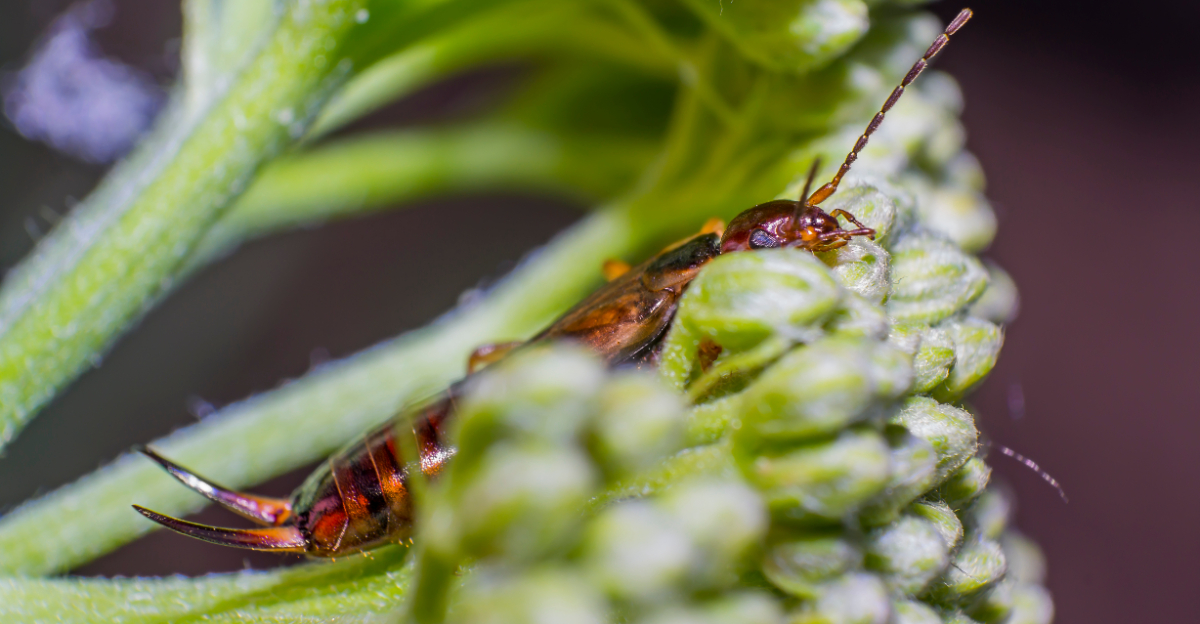
Earwigs are active after dark, which means the damage they cause appears overnight and gets blamed on whatever other pest comes to mind first thing in the morning.
In Michigan flower beds after warm, damp summer nights, earwig feeding follows a specific pattern that is recognizable once you know what to look for.
They do not hit every plant equally or start at random locations on the ones they target. Certain plant types, certain bed positions, and certain moisture conditions draw them to specific spots first.
Knowing where to look for early earwig activity means catching the problem before it spreads across the entire bed rather than discovering widespread damage and working backward to figure out what caused it.
1. Tender Flower Petals Show The First Ragged Bites
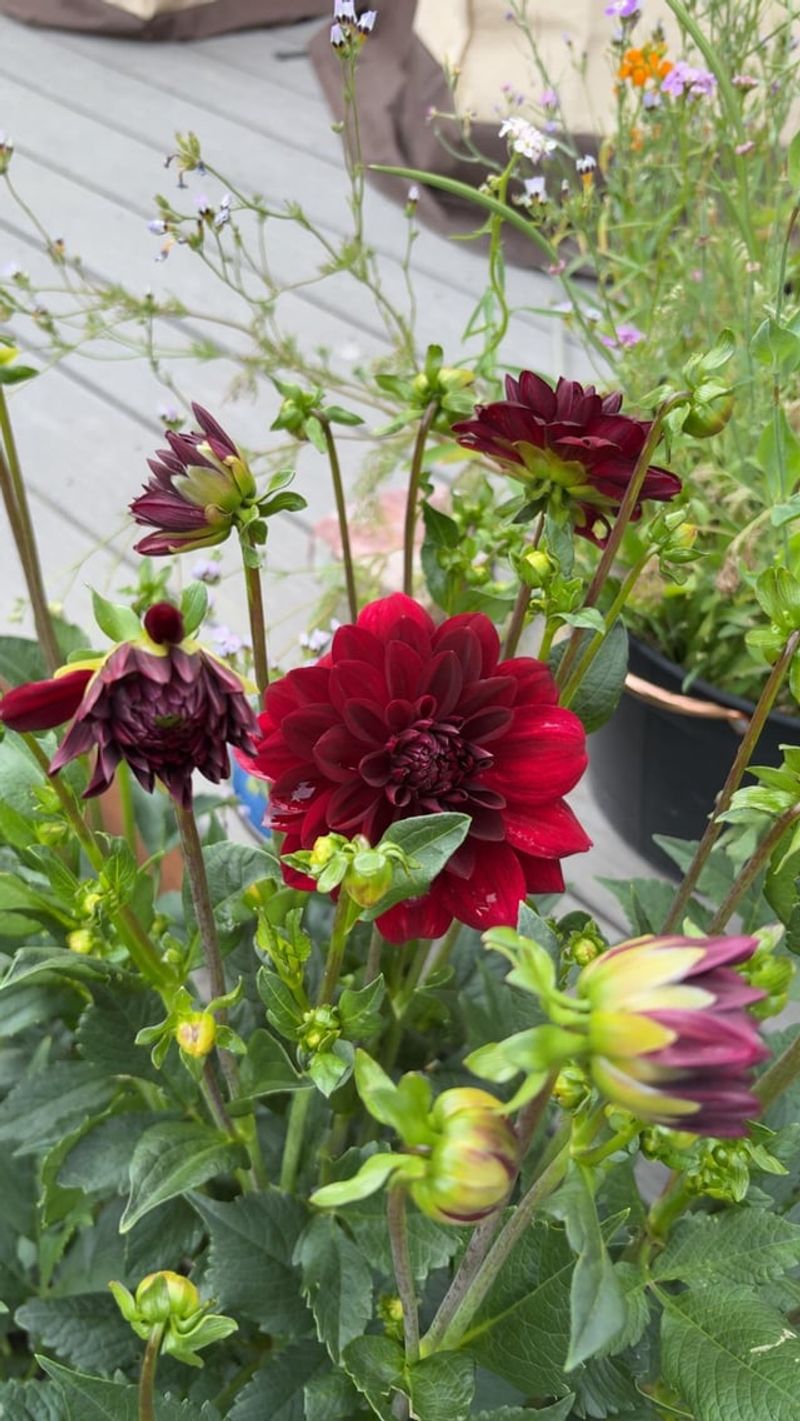
Something feels off when you step outside in the morning and your flower petals look like tiny scissors went to work overnight.
Earwigs are often the first suspect when you spot small, jagged holes or torn edges on blooms that looked perfectly fine the evening before.
The damage tends to appear suddenly, especially after a warm, wet night when earwig activity peaks across Michigan flower beds.
Petals are soft, thin, and easy to chew through, which makes them a prime first target. Earwigs do not usually go for tough, thick plant material when tender petals are available.
The torn look is a key clue because the holes are rarely clean or round the way some insect bites appear.
Checking your flowers first thing in the morning gives you the best picture of what happened overnight. Look for blooms with ragged outer edges, missing sections of petals, or flowers that appear partially eaten from the inside out.
Sometimes the damage is subtle, just a few small nicks around the edges, but other times a whole petal cluster can look shredded.
Earwigs chew from wherever they can grip, so blooms close to the ground or nestled inside dense foliage often show the worst early damage. The more moisture in the air, the more active earwigs tend to be.
Staying consistent with morning checks after rainy or foggy nights is one of the smartest habits a Michigan gardener can build during the summer season.
2. Marigolds And Dahlias Are Common Places To Check
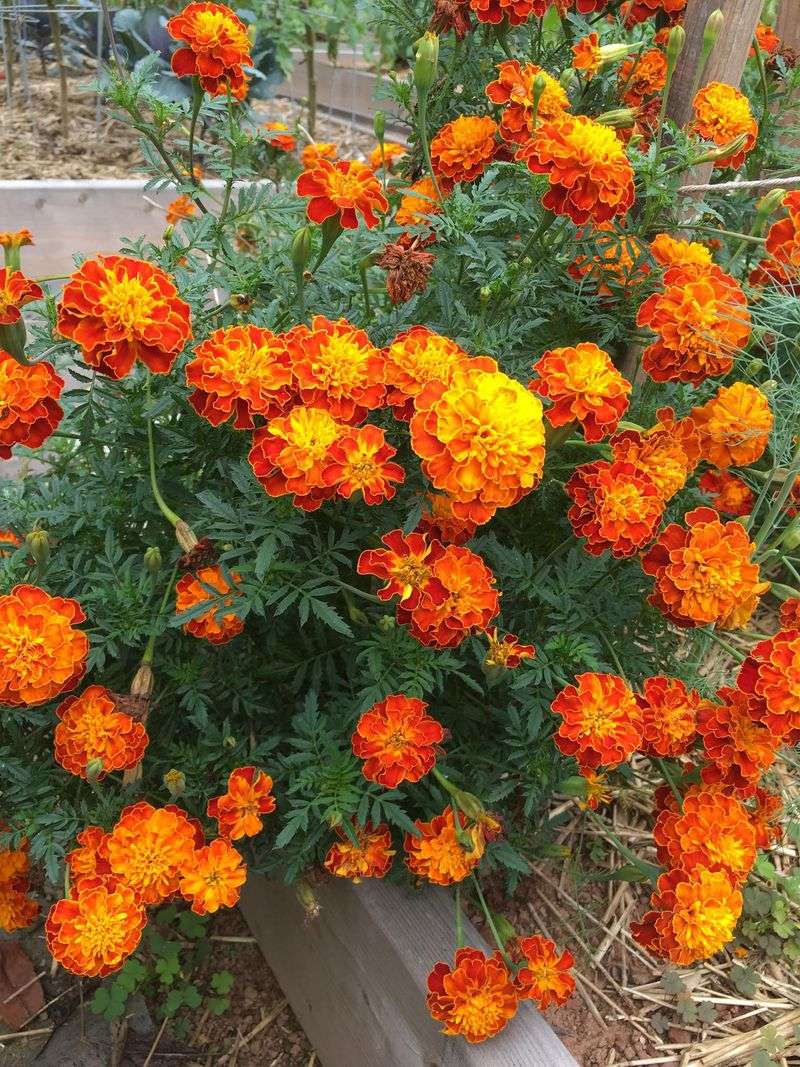
Marigolds and dahlias are two of the most popular summer flowers in Michigan yards, and unfortunately, earwigs seem to share that enthusiasm.
These flowers are frequently mentioned in Michigan State University Extension guidance as plants where earwigs may chew on both leaves and blossoms.
If you grow either of these in your beds, they deserve a closer look after any stretch of damp, humid nights.
Marigolds tend to attract earwigs partly because of their layered petals, which create cozy hiding spots during the day. Dahlias, with their full blooms and soft petals, are equally inviting.
The chewing often starts along the outer petals and works inward, leaving flowers that look tattered by the time morning sunlight hits them.
One thing worth knowing is that both plants produce lush, slightly sticky foliage that holds moisture well.
Your Michigan Garden Changes Every Week. Your Plan Should Too.
Gardening in Michigan changes quickly throughout the season. Every Friday you’ll receive a simple weekly plan showing exactly what to plant, prune, fertilize, harvest, and protect so you never miss the right timing.
That moisture retention makes them especially attractive during Michigan’s humid summer stretches when earwig populations tend to climb.
Checking underneath lower leaves and around the base of the flower heads is a smart routine to develop.
You do not need to remove these flowers from your garden to manage the problem. Simply monitoring them closely and acting early gives you a real advantage.
Look for chewed blossom edges, irregular holes in leaves near the flower heads, and any dark debris that might signal earwig activity nearby.
Catching the early signs on marigolds and dahlias means you can address the issue before it spreads to other plants in the bed.
3. Low Leaves Near Mulch Are Easy Targets
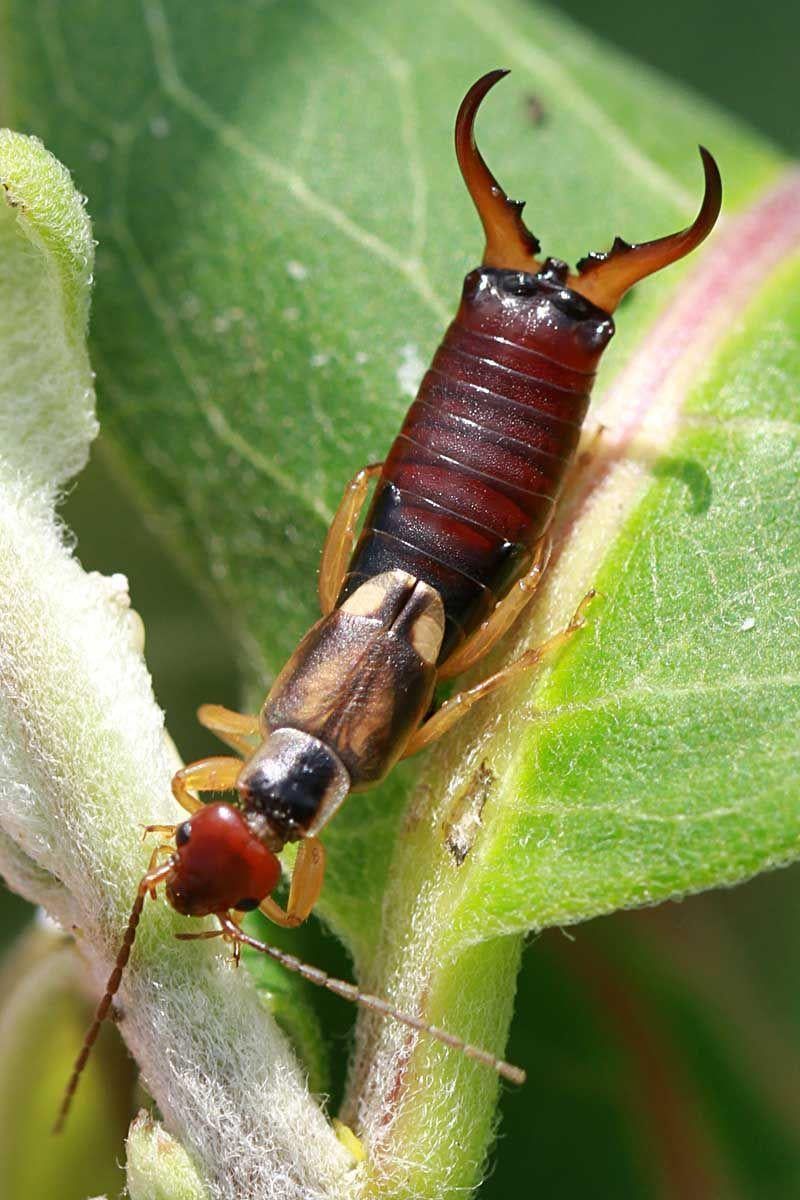
Picture a warm Michigan night after a steady afternoon rain. The mulch is damp, the air is thick, and earwigs are sliding out from their daytime hiding spots looking for their next meal.
Low leaves that rest directly on or near mulch are practically right in their path, making them one of the easiest places for feeding to begin.
Earwigs spend daylight hours tucked into dark, moist spaces, and mulch provides exactly that kind of environment. When night falls, they do not travel far before they start feeding.
Any leaf close to the mulch surface becomes a convenient snack without much effort on their part.
The damage on low leaves often appears as ragged, irregular holes rather than smooth, clean bites. You might also notice the edges of leaves looking chewed or missing sections near the base of the plant.
Because these lower leaves are often hidden beneath the upper canopy of the plant, the damage can go unnoticed for several days.
Pulling mulch back slightly from the base of your plants can reduce the number of cozy hiding spots earwigs have right next to your foliage.
Keeping mulch a few inches away from plant stems also improves airflow and reduces moisture buildup, which makes the area less welcoming overall.
Checking low leaves regularly, especially after damp nights, helps you catch early chewing before it works its way up to more visible parts of your plants.
A quick peek under leaves near the soil line takes only seconds and can make a big difference in how quickly you spot a problem.
4. Seedlings And Soft New Growth Can Be Hit Early
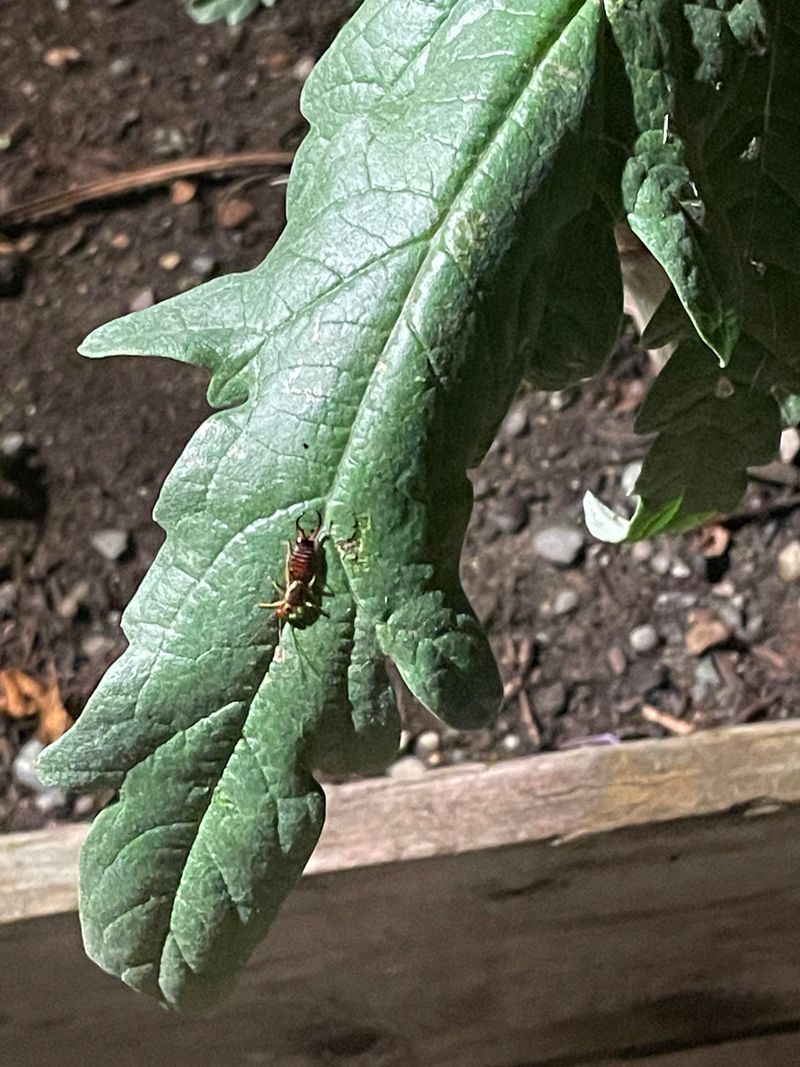
Young plants have a tough road ahead of them in a Michigan summer garden, and earwigs do not make it any easier.
Seedlings and fresh new growth have softer tissue than established plants, which means earwigs can chew through them far more easily.
After a damp night, checking your newest additions to the flower bed should be at the top of your morning routine.
Newly planted annuals are especially vulnerable in the weeks right after they go into the ground. Their stems are thin, their leaves are soft, and they have not yet developed the tougher cell structure that older plants carry.
A single earwig can do noticeable damage to a young seedling in just one night of feeding.
Fresh shoots on perennials are another soft target. As plants push out new growth in early and midsummer, those tender emerging leaves and stems are at their most chewable.
Earwigs will often skip tougher, more mature foliage nearby and go straight for the newest, most succulent growth available.
One helpful habit is to check seedlings at ground level first, since earwigs often start feeding at the base of young plants where the tissue is softest and the ground is most accessible.
Look for stems that appear notched or partially eaten through, as well as leaves with ragged edges or missing tips.
Placing a small barrier like a ring of diatomaceous earth around your most vulnerable seedlings can add a layer of protection during the peak of damp summer nights in Michigan.
5. Dense Crowded Flower Clumps Hide The Problem
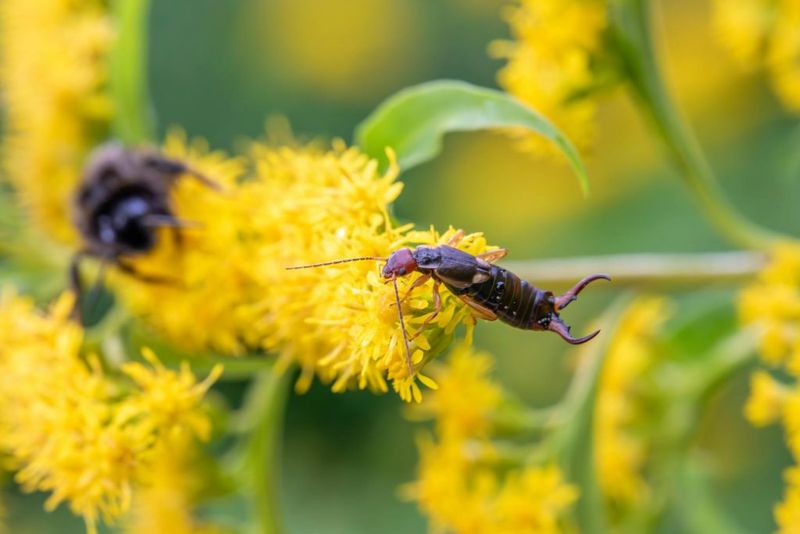
Thick, lush flower clumps look gorgeous in a Michigan summer garden, but they can also be hiding a chewing problem you would never spot from the outside.
Dense foliage traps moisture between leaves and stems, creating a humid microclimate that earwigs find incredibly appealing.
By the time you notice the outer leaves or blooms look a little ragged, feeding may have already been going on inside the clump for several nights.
Earwigs are nocturnal and prefer sheltered spaces during the day. A crowded flower clump gives them exactly what they need: shade, moisture, and proximity to food.
They can rest inside the dense growth during daylight hours and start chewing as soon as the sun goes down, all without ever venturing far from their hiding spot.
The tricky part is that the damage inside a clump is easy to miss during a casual walkthrough. Outer leaves may look fine while inner leaves and stems are already riddled with irregular holes.
Gently parting the foliage and looking deep into the center of your plants is the only reliable way to catch this kind of hidden feeding early.
Thinning out overcrowded flower beds is one of the most practical steps you can take to reduce earwig activity.
Better airflow between plants means less trapped moisture, fewer cozy hiding spots, and less overall appeal for earwigs looking for a sheltered place to spend the day.
Spacing plants properly from the start, and dividing overgrown clumps when needed, gives your flowers better health and makes earwig activity much easier to spot before it spreads.
6. Damp Boards, Pots, And Stones Point To The Hiding Spot
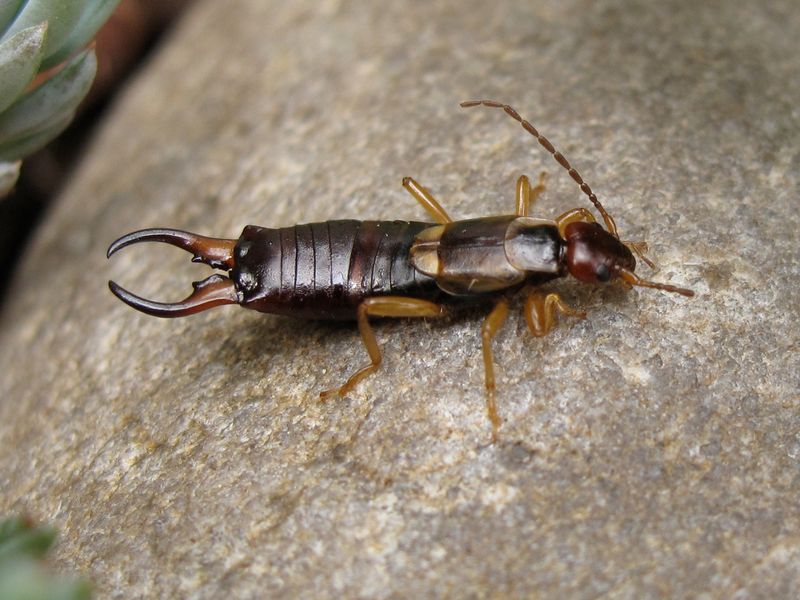
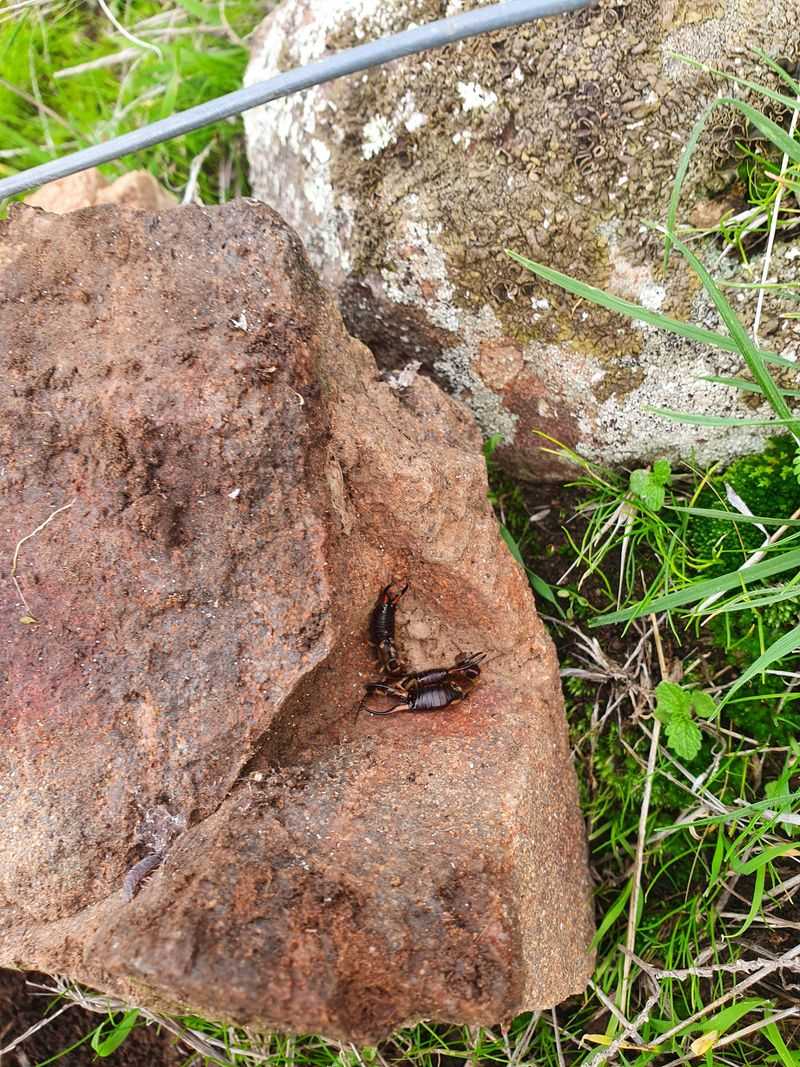
Flip over a pot saucer, lift a flat stone, or peek under a board near your flower bed after a damp Michigan night, and you might find exactly who has been snacking on your blooms.
Earwigs are classic daytime hiders, and they gravitate toward any object that sits close to the soil and holds moisture underneath.
These spots act like a map pointing straight to where the nighttime feeding begins. Garden objects like decorative stones, brick edging, wooden boards, and even upside-down pots are prime daytime shelters for earwigs.
The space underneath stays dark, cool, and damp, which is precisely the combination earwigs look for when the sun comes up.
The closer these objects are to your flowers, the shorter the commute when feeding time arrives after sunset.
Checking beneath these items during the day is one of the most straightforward ways to confirm earwig activity in your garden.
If you find several earwigs clustered under a stone or board right next to a plant showing chew marks, you have connected the dots between the hiding spot and the damage. That information alone helps you take targeted action rather than guessing.
Removing or relocating objects that sit directly on moist soil near your flower beds can reduce the number of available daytime shelters.
Elevating pot saucers, moving decorative stones away from plant bases, and keeping the area around your flowers clear of flat debris all make the environment less hospitable.
Even small changes like these can noticeably reduce the earwig population hanging around your most prized Michigan flower beds.
7. Hostas And Other Shady Bed Plants May Show Ragged Holes
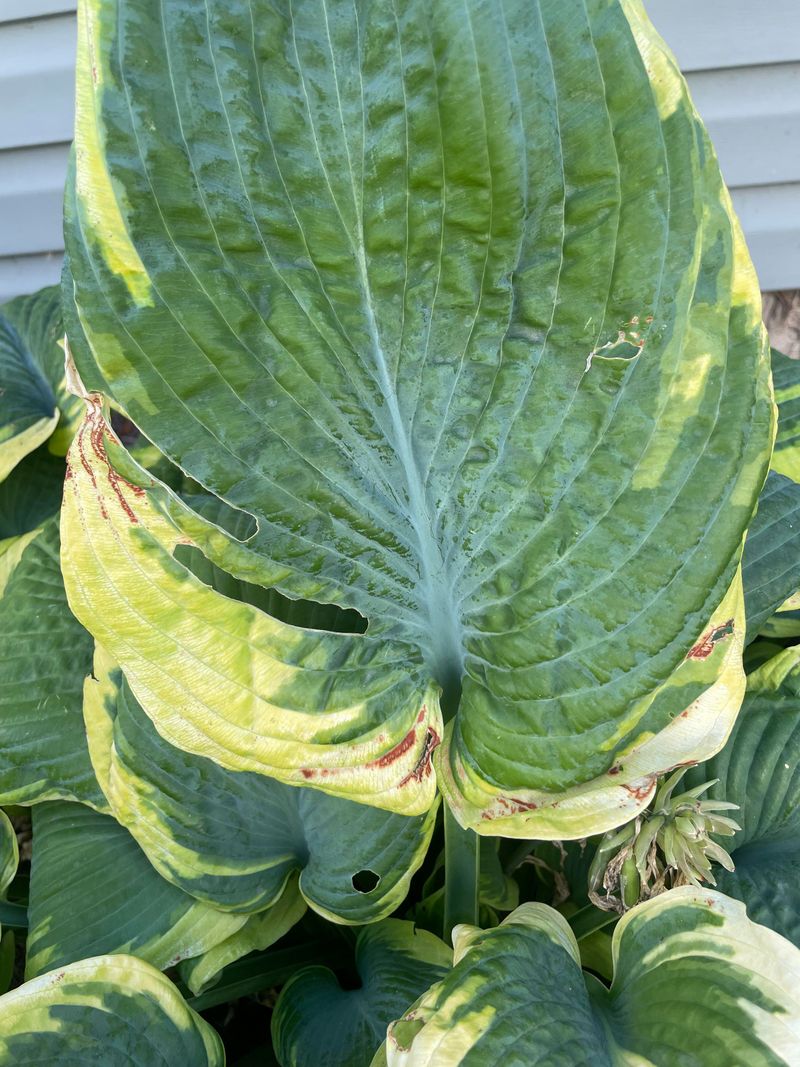
Hostas are a staple of shaded Michigan gardens, beloved for their bold leaves and low-maintenance reputation. But those same broad, smooth leaves also happen to be exactly what earwigs are drawn to on a humid summer night.
If your hostas are waking up with ragged, irregular holes scattered across their leaves, earwigs are a very likely explanation.
Shady garden beds stay moist longer than sunny spots, especially after rain or heavy dew. That extended dampness is a major draw for earwigs, who thrive in humid conditions and seek out areas where the soil and mulch hold moisture well into the night.
Hostas planted under trees or along the shaded north side of a home can stay damp for hours after the rest of the yard dries out.
The holes earwigs chew in hosta leaves tend to be irregular in shape and scattered across the leaf surface rather than concentrated along the edges. This pattern can sometimes look like slug damage, which is why identifying the actual pest matters.
Both slugs and earwigs favor shady, moist conditions, so it is worth inspecting closely to know what you are actually dealing with.
Other shady bed plants like astilbe, coral bells, and impatiens can show similar feeding patterns during peak earwig season.
Keeping the mulch in shaded beds a little thinner and pulling it slightly away from plant crowns helps reduce the moisture that earwigs find so appealing.
Checking shady beds after a string of warm, damp nights gives you the best chance of catching feeding activity before the leaf damage becomes severe across your garden.
8. A Flashlight Check Confirms The Real Culprit
Seeing the damage in the morning is one thing, but watching it happen is a whole different level of confirmation.
Heading out to your Michigan flower bed after dark with a flashlight is the most reliable way to know for certain whether earwigs are behind the chewing you have been finding.
Night is when all the action happens, and a quick inspection at the right time removes all the guesswork.
Earwigs are most active a few hours after sunset, especially on warm, humid nights. Slowly scan your flashlight beam along low leaves, flower petals, seedlings, and inside dense clumps.
Earwigs are fast movers when startled by light, so look carefully and give each plant a moment before moving on. You may spot them mid-chew on a petal or tucked inside a bloom.
One important reason to do this check is that other nighttime feeders can create very similar-looking damage. Slugs, for example, also love damp Michigan nights and chew irregular holes in many of the same plants earwigs target.
Without seeing the pest yourself, it is easy to misidentify the problem and take the wrong approach to managing it.
A nighttime flashlight check ties everything together. You already know to look at tender petals, low leaves near mulch, seedlings, crowded clumps, shady hosta beds, and near damp boards and stones.
Visiting those exact spots after dark with a light in hand turns suspicion into certainty. Once you confirm earwigs are present, you can move forward with targeted, confident steps to protect your Michigan flower beds through the rest of the summer season.