This Is The Invasive Insect Swarming Pennsylvania Trees As Adults Emerge Now
Pennsylvania backyards have turned into something out of a strange nature documentary. Trees along fence lines are dotted with clusters of patterned wings, and porches near maples have become an unexpected landing zone.
The pest responsible has moved into its adult phase, and that shift changes everything about how visible it becomes. Homeowners scrolling for answers keep landing on the same unsettling truth: this species has spread across multiple counties already.
Fruit trees, grapevines, and even wooden fence posts now host groups of these winged visitors, often dozens at a time. A quiet backyard one afternoon can look completely different by evening.
Anyone noticing these markings on their property is dealing with a confirmed and expanding presence, not an isolated encounter.
The Real Cause Behind This Sudden Swarm In Your Trees
Your trees are not sick. They are hosting an aggressive invader.
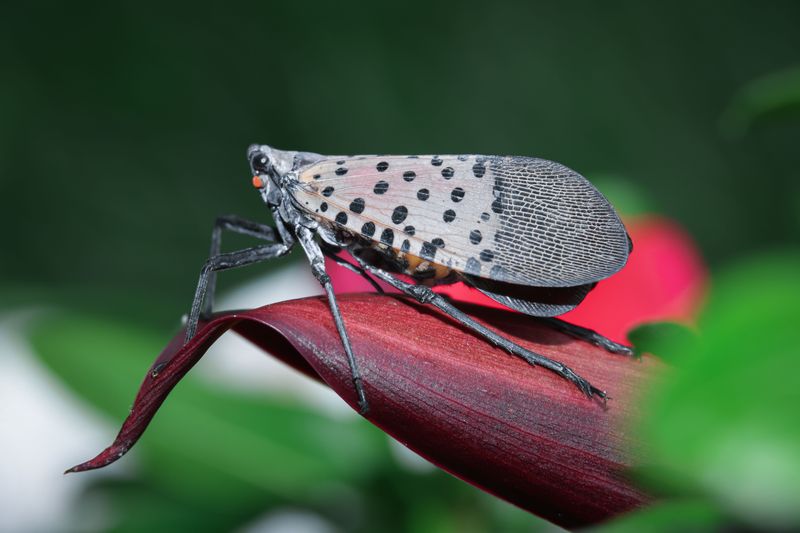
The invasive insect taking over Pennsylvania landscapes right now is the spotted lanternfly. Adults emerge each summer, turning calm backyards into buzzing, crawling chaos almost overnight.
This pest arrived in Berks County back in 2014. Since then, it has spread to dozens of counties across the state, with populations shifting in size from one season to the next.
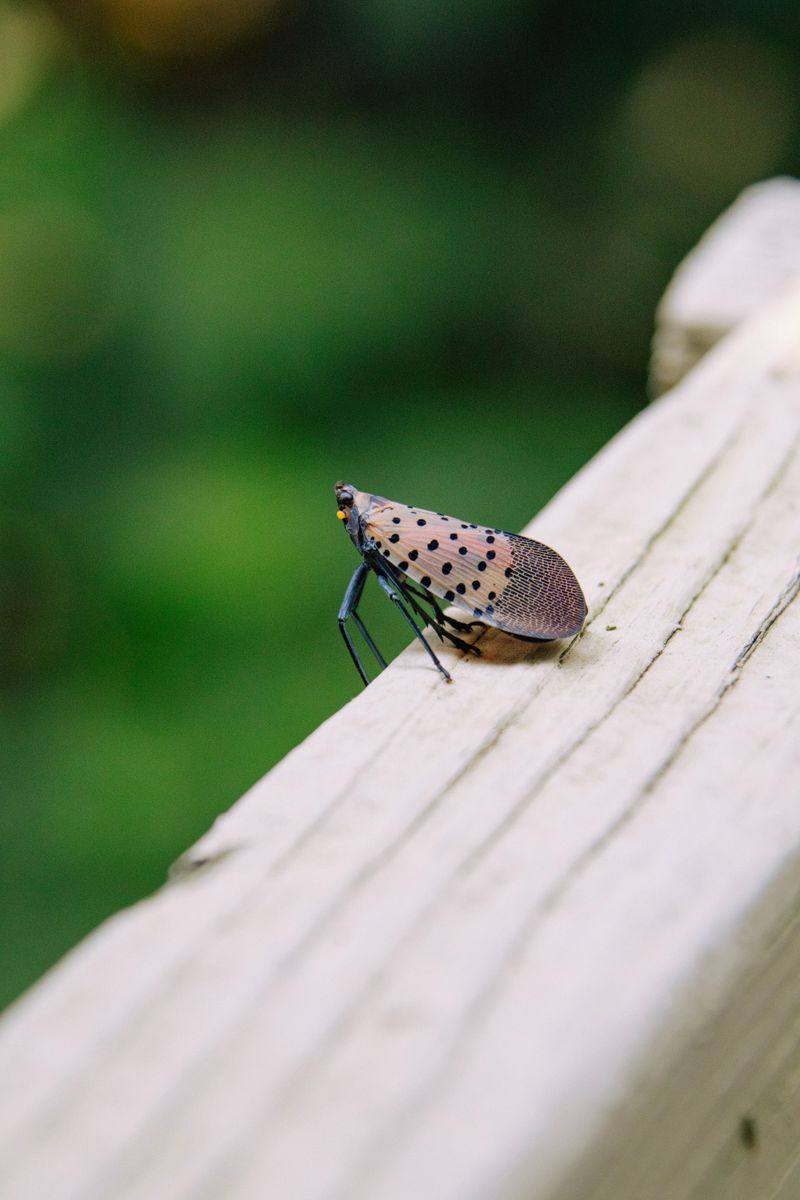
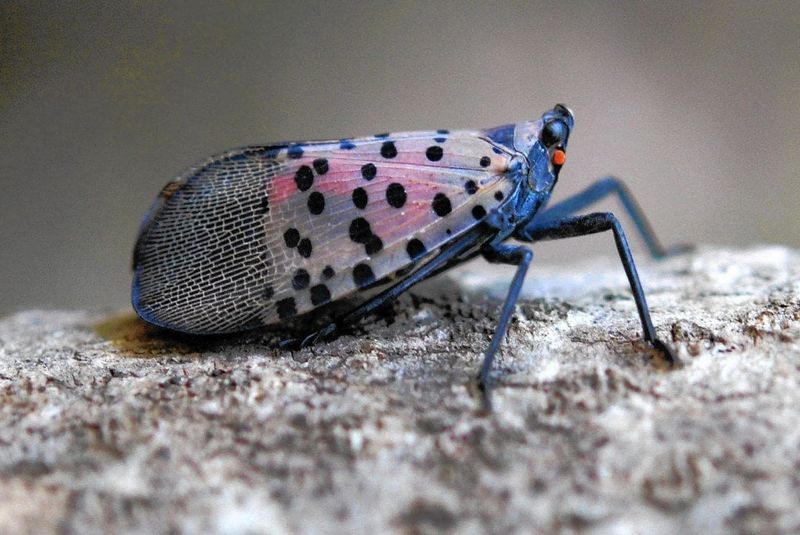
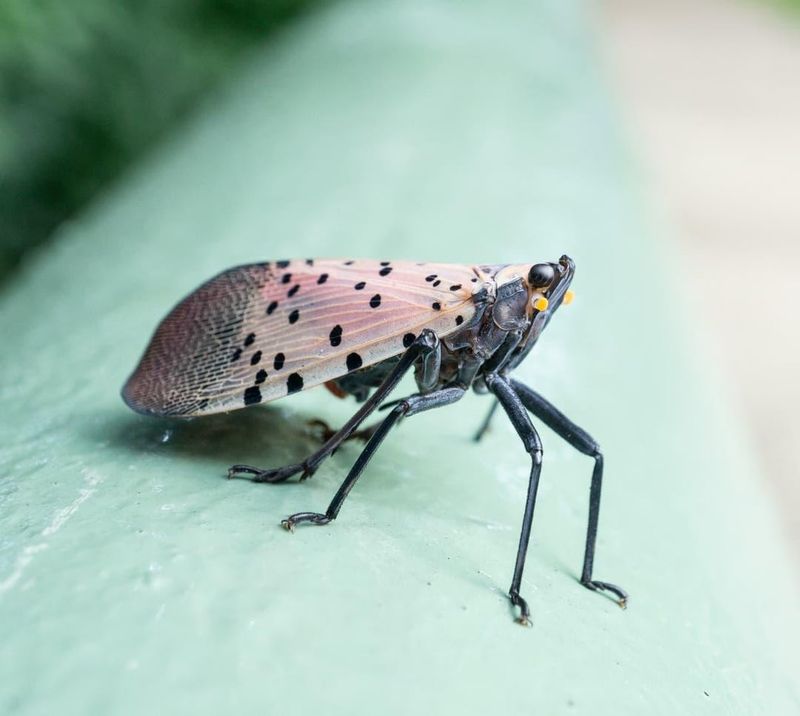
Adult spotted lanternflies are actually striking to look at. Their outer wings are gray with black spots, and their inner wings flash bright red when they fly or feel threatened.
Do not let the pretty colors fool you. These insects feed aggressively on plant sap, weakening trees and shrubs that homeowners and farmers depend on.
Your yard is not the only thing at stake here. Spotted lanternflies target grapevines, hops, and hardwood trees that commercial growers depend on, which is why agricultural officials keep such a close eye on their spread.
The swarms tend to peak between July and November. That is when adults are fully formed and actively feeding, mating, and searching for new host plants to colonize.
Neighbors across the state are seeing hundreds of them on a single trunk. Some trees become so heavily infested that the bark looks like it is moving.
Understanding what you are dealing with is the first step. Knowing its habits makes control a whole lot easier, and there are real ways to push these invaders out of your yard.
The Transformation From Nymph To Winged Adult
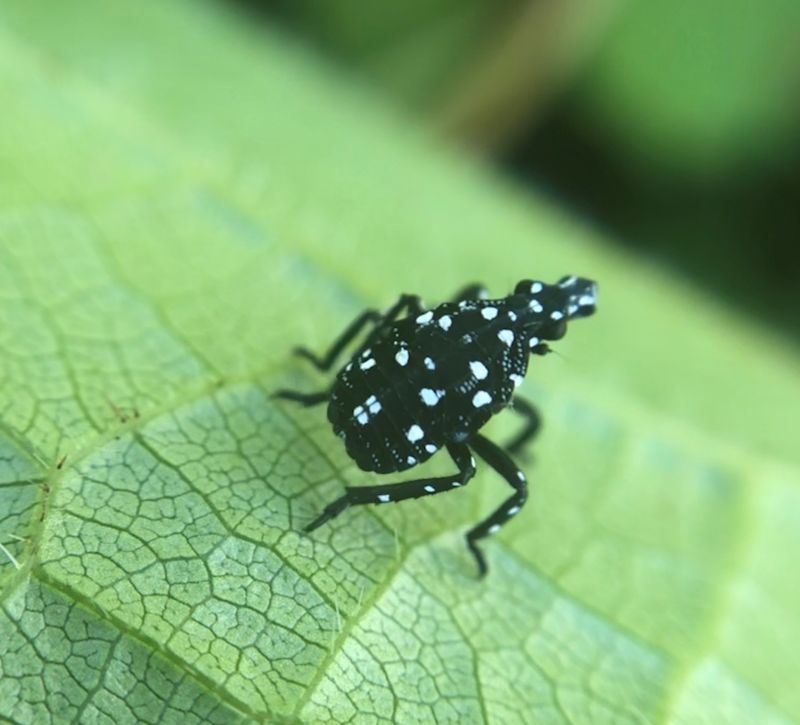
The transformation is genuinely wild to witness. Spotted lanternfly nymphs look nothing like the winged adults they eventually become.
Early-stage nymphs are tiny and black with white spots. They hatch in spring and spend weeks crawling up and down plants before anything dramatic happens.
By late spring, they enter a fourth nymph stage that turns them bright red. That red-and-black coloring acts as a warning signal, telling predators to back off.
Then comes the final molt. Around mid-July, the nymph sheds its exoskeleton one last time and emerges as a fully winged adult ready to cause real damage.
Adults are roughly an inch long. They can fly short distances, which helps them spread to new host plants and new neighborhoods quickly.
Your Pennsylvania Garden Changes Every Week. Your Plan Should Too.
Gardening in Pennsylvania changes quickly throughout the season. Every Friday you’ll receive a simple weekly plan showing exactly what to plant, prune, fertilize, harvest, and protect so you never miss the right timing.
Here is what makes this life cycle so frustrating for homeowners. By the time adults appear, the population has already built up all season long in your yard.
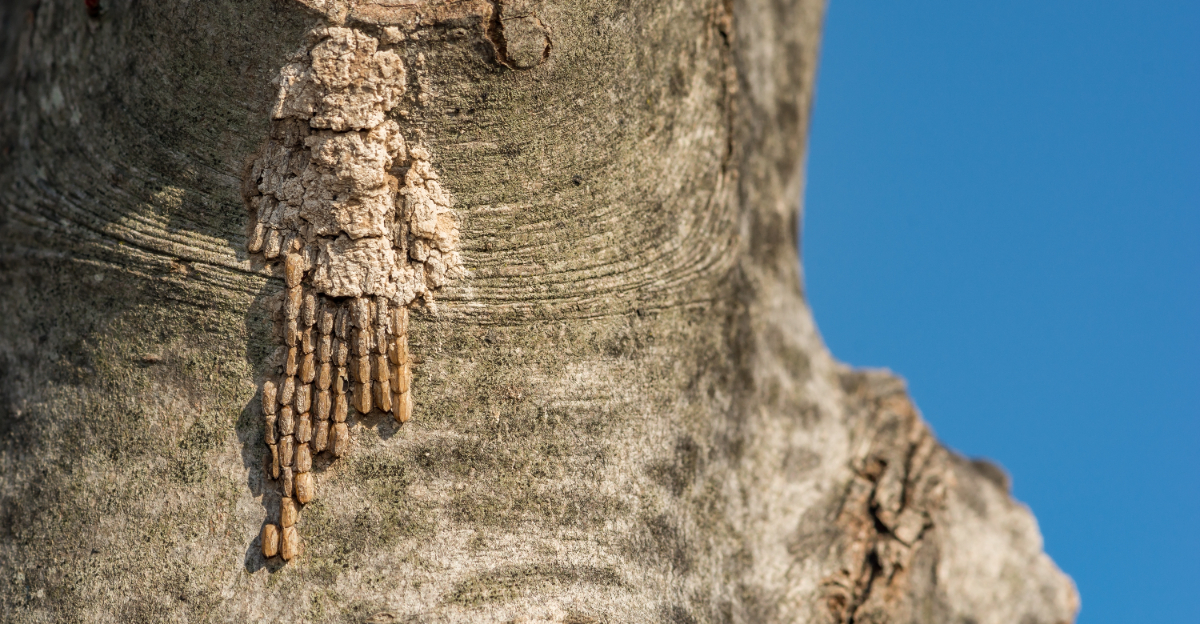
The spotted lanternfly does not overwinter as an adult. Instead, females lay flat, mud-like egg masses on smooth surfaces before cold weather arrives, starting the whole cycle again.
Spotting nymphs early in spring gives you a real advantage. Catching them before adulthood means fewer flying insects to deal with when summer temperatures peak and swarms explode.
Tree-Of-Heaven And Other Plants Drawing Them In

One plant above all others acts like a magnet for spotted lanternflies. Tree-of-Heaven, a fast-growing invasive tree, is their top feeding spot.
Tree-of-Heaven grows along roadsides, fence lines, and the edges of forests across Pennsylvania. It spreads aggressively, which means lanternflies typically have a nearby buffet waiting for them.
Removing Tree-of-Heaven from your property can actually reduce lanternfly pressure. Fewer preferred hosts nearby means fewer insects choosing your yard as their hangout spot.
But these pests are not picky eaters. Researchers have documented them feeding on over 70 plant species, including grapevines, hops, apples, peaches, and black walnut trees.
Grapevines are especially vulnerable. Pennsylvania has a growing grape-growing sector, and vineyards across the state have suffered serious losses due to heavy lanternfly feeding pressure.
Maples, willows, and poplars also attract large numbers of adults during peak season. Ornamental trees in suburban yards are just as much at risk as commercial crops.
Knowing which plants on your property are attractive to spotted lanternflies helps you focus your efforts. Prioritize those trees first with traps or sticky bands to intercept feeding adults.
Planting less-preferred species as replacements is a smart long-term move. A yard with fewer lanternfly favorites is a yard with far fewer insects crawling across your outdoor furniture each morning.
The Honeydew Residue Showing Up On Decks And Furniture
Your deck is sticky for a reason. That gross, tacky film coating your outdoor furniture is not tree sap — it is honeydew from spotted lanternflies.
Honeydew is a sugary waste product that insects excrete after feeding on plant sap. When lanternfly populations get large, the dripping can actually be heard hitting leaves below.
The residue builds up fast. Decks, patio chairs, cars, and even sidewalks can become coated within days of a heavy infestation settling into nearby trees.
Worse, honeydew creates the perfect growing environment for sooty mold. This black fungal coating spreads across leaves and bark, blocking sunlight and further stressing already weakened plants.
Sooty mold does not directly infect the plant tissue. However, when it covers enough leaf surface, photosynthesis slows down dramatically, leaving trees less able to recover from feeding damage.
Cleaning up honeydew residue regularly can help protect your wood and outdoor surfaces. A mild soap-and-water solution works well on furniture, decks, and fencing.
For trees showing heavy sooty mold buildup, a gentle rinse with a garden hose can remove some of the coating. Consistent monitoring helps you catch the problem before it becomes overwhelming.
The sticky mess is one of the clearest signs that spotted lanternflies are actively feeding nearby. Spotting it early gives you time to act before the damage becomes much harder to reverse.
Pennsylvania’s Push To Get Every Sighting Reported
Pennsylvania is serious about tracking this pest. State officials have built an entire reporting network just to keep up with where spotted lanternflies are spreading.
Every report from a resident adds to a real-time map that scientists and agriculture officials use to guide response efforts. Your sighting genuinely matters to that effort.
Reporting is easy and takes less than two minutes. The Pennsylvania Department of Agriculture has an online form, and several apps allow photo submissions directly from your phone.
Early detection in new counties buys officials precious time. A fast response can slow the spread into areas where populations have not yet taken hold.
Spotted lanternfly spreads partly through human movement. Egg masses laid on vehicles, outdoor furniture, and firewood get transported to new locations without anyone realizing it.
Pennsylvania has issued quarantine orders for many counties to slow that unintentional spread. Residents in those areas are legally required to check vehicles before traveling outside the quarantine zone.
Beyond legal requirements, reporting helps researchers study how the insect behaves over time. Long-term data helps scientists develop better control strategies and more effective traps for future seasons.
Think of your report as a small but meaningful act. One photo submitted from your backyard could help protect an orchard, a vineyard, or a forest a few counties away from a wave of these invasive insects.
Squashing, Trapping, And Other Ways To Control The Spread
You do not have to just watch the swarm take over. There are real, practical steps any homeowner can take starting today.
The simplest method costs nothing at all. Physically squashing spotted lanternflies is genuinely effective, especially when populations are concentrated on a single tree or fence post.
Circle traps and sticky band traps wrapped around tree trunks intercept lanternflies as they climb upward to feed. These traps work around the clock without any effort from you.
One important note about sticky traps: use mesh guards around them. Birds and small mammals can accidentally get stuck on unprotected bands, which causes unnecessary harm to local wildlife.
Neem oil and insecticidal soap sprays can reduce populations when applied directly to insects. These options are less toxic to beneficial insects than broad-spectrum chemical pesticides.
For larger infestations, licensed pesticide applicators can treat heavily affected trees with systemic insecticides. These products are absorbed into the tree and affect insects that feed on it.
Egg mass scraping in fall and winter is one of the most underrated control tactics. Each mass destroyed in November means fewer nymphs hatching the following spring.
Controlling the invasive insect swarming Pennsylvania trees takes consistency more than anything else. Small actions repeated throughout the season add up to real, measurable protection for your yard and garden.