Break Up This Hard Soil Crust Before Heavy Pennsylvania Storms Wash It Away
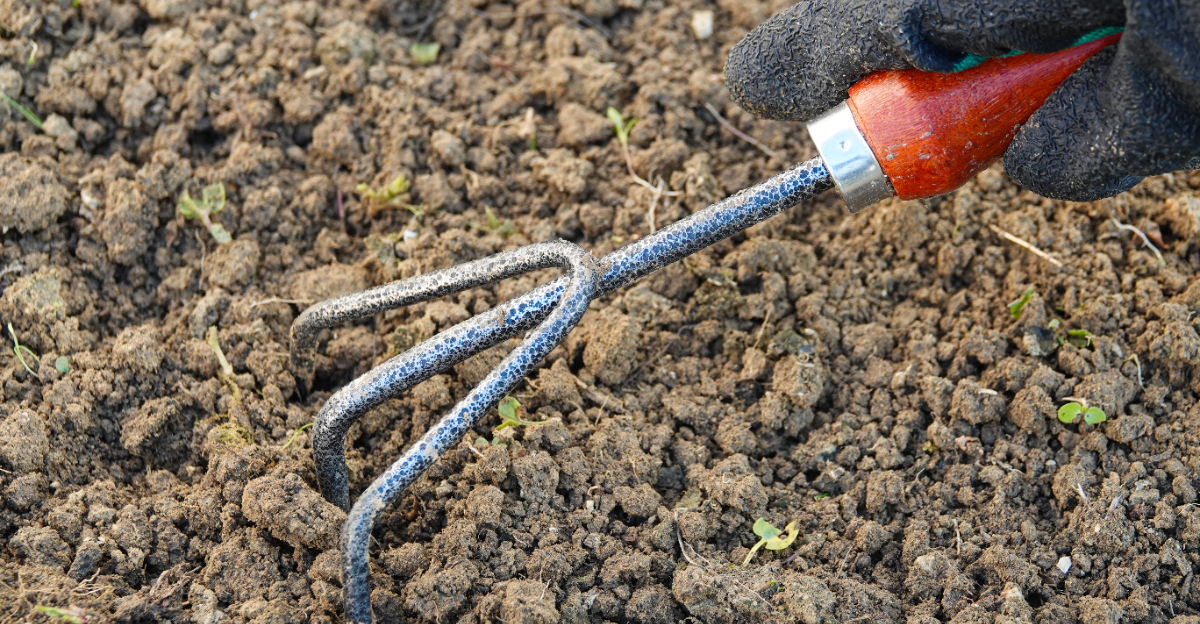
If you’ve ever watched a downpour skate across your lawn instead of sinking in, you’ve met soil crust firsthand. That thin, hardened layer forms right at the surface, and it’s tougher than it looks.
It acts like a seal, cutting off water, air, and roots from the ground beneath it. Seeds struggle to push through, and moisture that should reach the roots ends up pooling or running off instead.
Pennsylvania’s storms tend to arrive fast and heavy, and a crusted surface turns that rainfall into runoff before it ever reaches your plants. Add a few dry spells between storms, and the crust only gets harder to break.
Loosening that crust ahead of the next downpour is one of the cheapest, smartest moves you can make for your soil, and it pays off all season long.
A Simple Tool And A Bit Of Timing Loosen Crusted Soil Fast
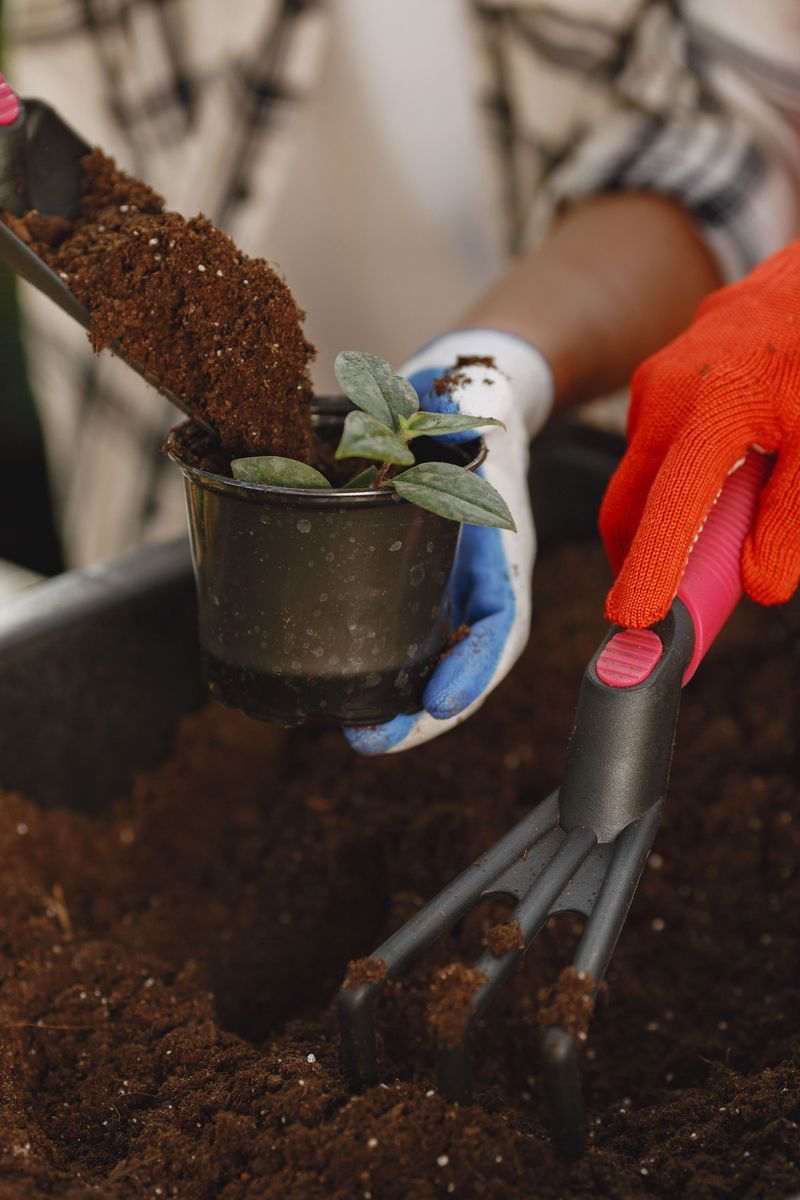
Grab a hand cultivator and get outside. Breaking up hard soil crust does not need to be complicated or expensive.
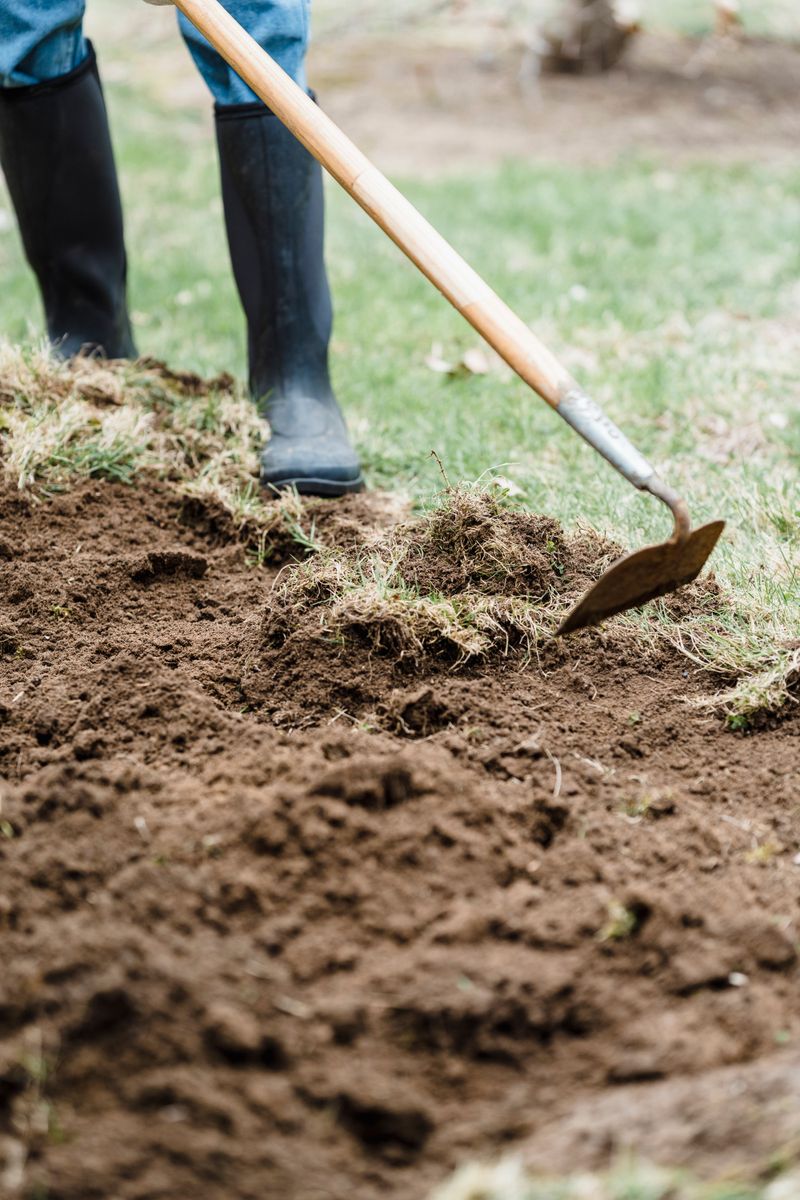
A basic three-pronged hand cultivator is inexpensive and widely available at hardware stores. It scratches through the top inch of soil in minutes, which is all you need.
Work in short rows across your garden bed. Keep your strokes shallow so you do not disturb deep root systems already in the ground.
Timing matters just as much as the tool you pick. Loosening the surface one to two days before a storm gives the soil time to settle into a more absorbent state.
A stirrup hoe is another solid option for larger areas. It cuts through crust on both the push and pull stroke, saving your arms serious effort.
Electric tillers can also handle big patches fast. However, for most home gardens, a hand tool is precise enough and easier to maneuver around plants.
The goal is not deep digging. You are simply cracking that sealed layer so water has somewhere to go when the rain hits.
Think of it like poking holes in a sealed container lid. Without those openings, liquid just spills over the sides and goes to waste.
Once you have loosened the surface, lightly rake it smooth. A rough, uneven surface actually catches more rainfall than a completely flat one does.
Crusted Soil Forms When Rain And Sun Compact The Surface
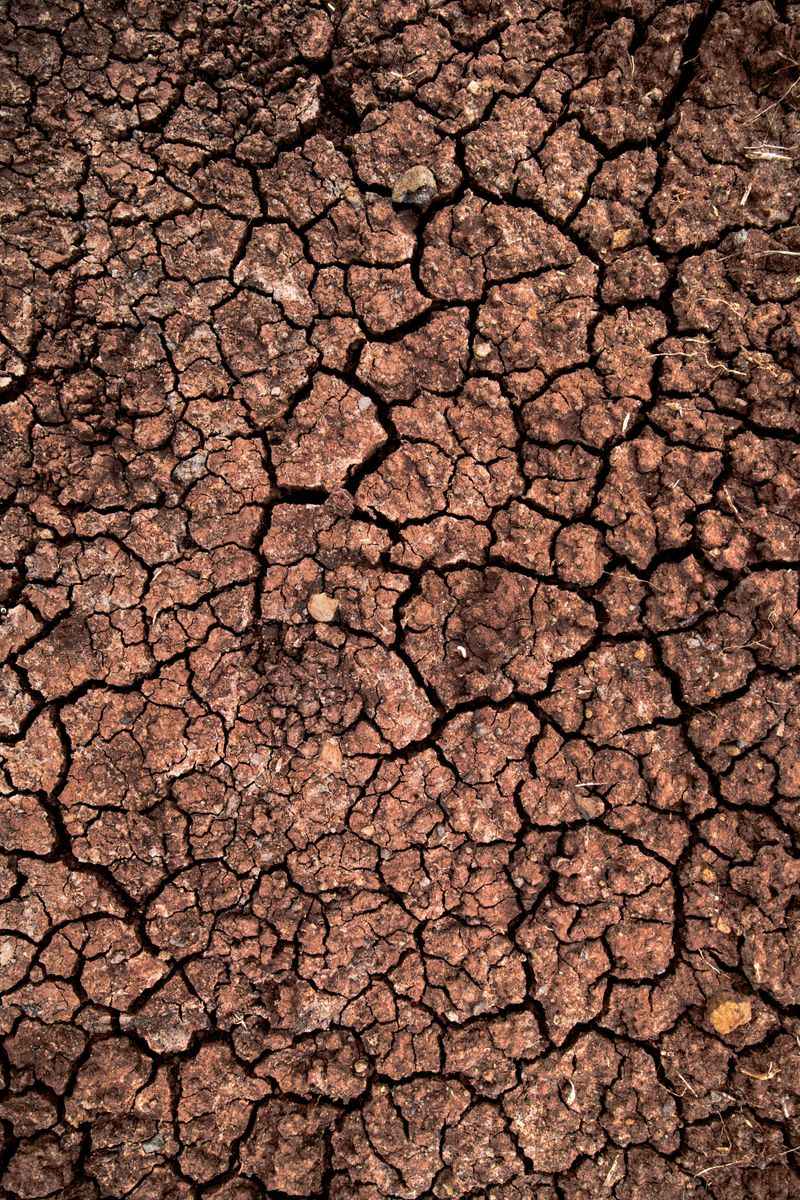
Here is something most gardeners overlook completely. Soil crust often forms naturally after a rain event.
When raindrops hit bare soil, they break apart tiny soil particles. Those particles then resettle in a dense, tight layer as the surface dries out in the sun.
This process is called surface sealing, and it happens fast. In Pennsylvania summers, a single storm followed by a few dry days is often enough to form a noticeable crust.
Clay-heavy soils are especially prone to crusting. Many parts of Pennsylvania have clay-heavy ground, which makes this problem more common than in sandier regions.
Bare soil is the most vulnerable. When no plants or mulch cover the ground, raindrops hit the surface directly with full force.
Your Pennsylvania Garden Changes Every Week. Your Plan Should Too.
Gardening in Pennsylvania changes quickly throughout the season. Every Friday you’ll receive a simple weekly plan showing exactly what to plant, prune, fertilize, harvest, and protect so you never miss the right timing.
Over time, repeated rain and sun cycles build up layer after layer of compressed soil. The crust gets harder and harder with each passing storm season.
Organic matter helps fight this cycle naturally. Soils rich in compost and decomposed plant material hold their structure better under rainfall impact.
Adding compost each season improves your soil texture from the inside out. It creates tiny air pockets that resist compaction and help water move downward instead of sideways.
Understanding why crust forms helps you stop it before it starts. Prevention is usually faster and easier than breaking through a thick, sun-baked surface after the damage is already done.
Water Runs Off Instead Of Soaking In Through A Hard Crust
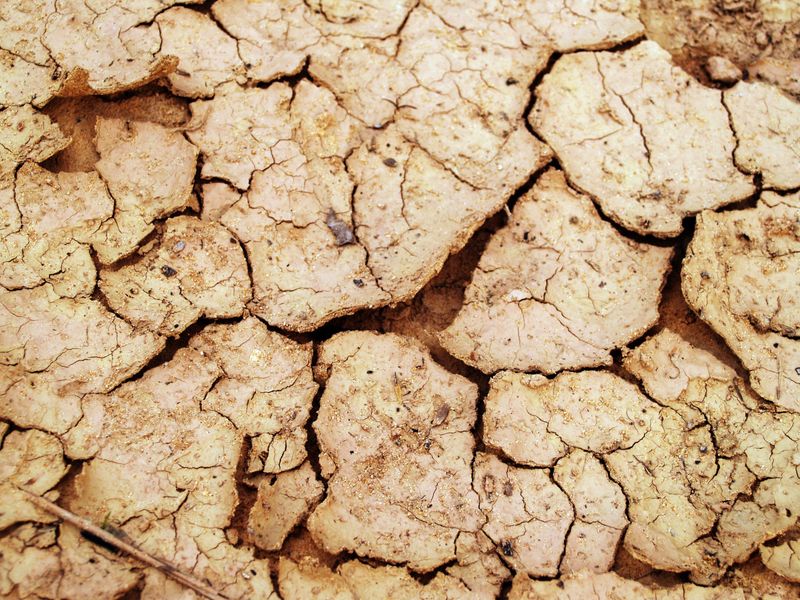
Picture this: a heavy storm rolls across central Pennsylvania and your garden gets an inch of rain in thirty minutes. Without a permeable surface, almost none of that water reaches your plant roots.
Sealed soil acts like pavement. Rainfall hits, has nowhere to go, and flows downhill carrying your precious topsoil with it.
Topsoil erosion is a real problem for Pennsylvania homeowners. The state loses meaningful amounts of healthy topsoil every year to storm runoff.
That lost topsoil carries nutrients, beneficial microbes, and organic matter. Once it washes away, rebuilding that fertility takes years of consistent effort and investment.
Runoff also creates muddy messes in low-lying areas of your yard. Pooling water suffocates shallow roots and creates ideal conditions for fungal diseases to spread.
When soil is loose and open, water infiltrates slowly and steadily. Roots get a long, deep drink instead of a quick surface splash that evaporates by afternoon.
Breaking up hard soil crust before a storm changes this equation completely. Instead of running off, rain soaks in and recharges the moisture your plants need to thrive.
Deep soil moisture also means less frequent watering on your part. Water stored six to ten inches down stays cool and available long after the surface dries out.
Healthy water infiltration is the foundation of a resilient yard. Every minute you spend loosening the surface pays back in stronger plants and lower water bills.
Loosening The Top Layer Restores Air And Water Movement
Soil is not just dirt. It is a living system full of air pockets, water channels, and billions of tiny organisms that keep your plants healthy.
When the surface crusts over, it cuts off airflow to the root zone below. Roots need oxygen just as much as they need water, and compacted soil cuts off their supply of both.
Loosening the top layer reopens those critical pathways. Air moves back in, water flows downward, and roots can push through soft ground without fighting through a hardened barrier.
Earthworms are your best allies in this process. They tunnel through loose soil and create natural channels that improve both drainage and aeration at the same time.
Compacted, crusted soil drives earthworms deeper or away from the area entirely. When you break up that crust, you are basically sending them an invitation to return.
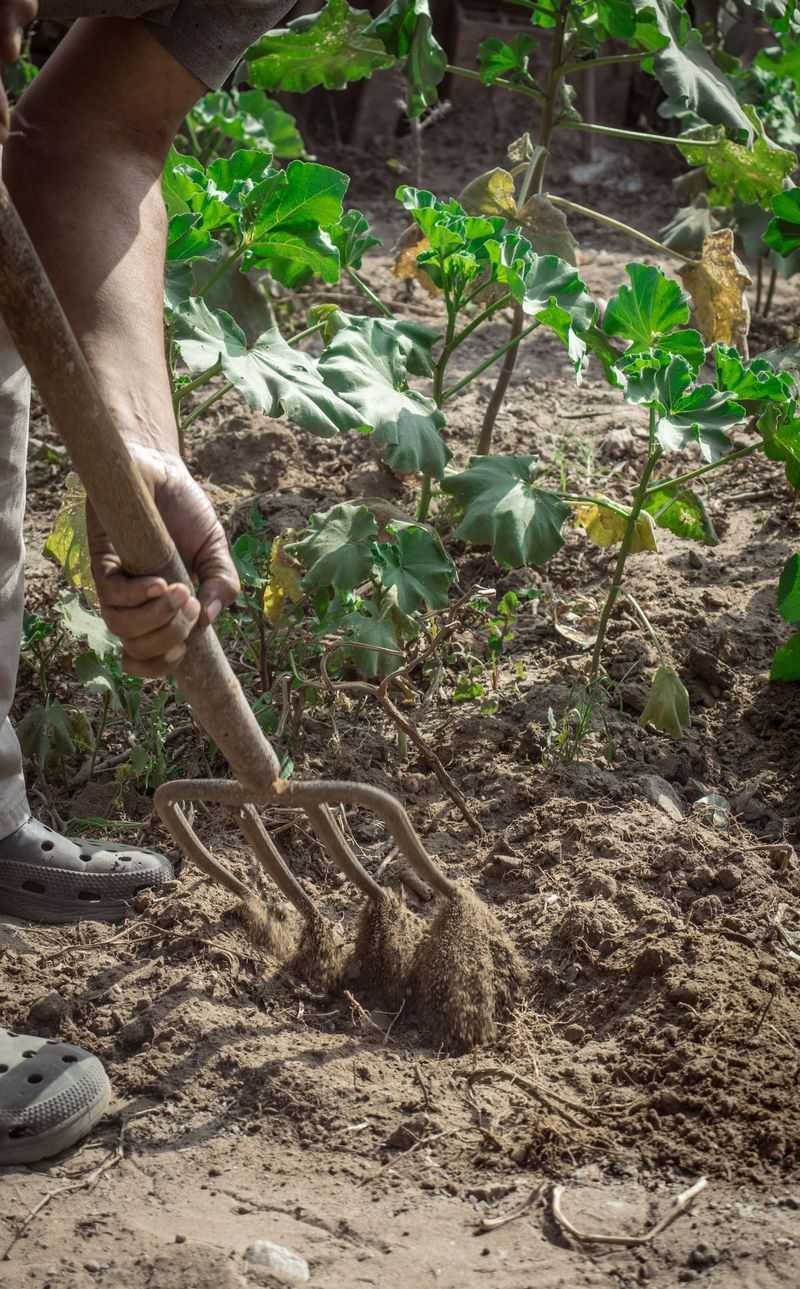
A garden fork works well for loosening without fully turning the soil. Push it in four to five inches and wiggle it back and forth to open up the ground without disrupting plant roots.
Broadfork tools are excellent for larger beds. They go deeper than hand cultivators and loosen a wide path with each step, making the job faster and more thorough.
Restored air and water movement also wakes up beneficial soil microbes. Those microbes break down organic matter and release nutrients that feed your plants naturally.
Healthy soil structure is the gift that keeps giving all season long. One good loosening session before a storm sets your entire garden up for success.
Mulch Helps Prevent The Crust From Reforming
Breaking up the crust is step one. Keeping it from coming back is step two, and mulch is your best friend for that job.
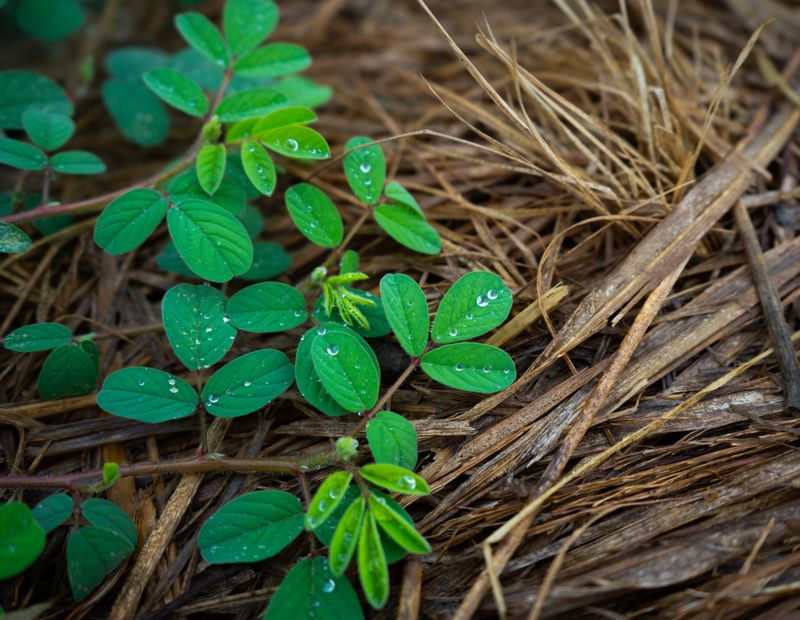
A two to three inch layer of organic mulch acts like a shield between your soil and incoming raindrops. It absorbs the impact of heavy rain before it ever touches the ground beneath.
Wood chips, straw, shredded leaves, and bark mulch all work well. Each one breaks down slowly and adds organic matter back into your soil over time.
Mulch also regulates soil temperature. Cooler soil stays more pliable and moist, which means it resists the drying and re-hardening cycle that creates crust in the first place.
In Pennsylvania, fall leaves are a free and abundant mulch source. Shred them with a mower and spread them two inches thick across your beds before winter hits.
Straw mulch is especially popular in vegetable gardens. It is lightweight, easy to move between rows, and breaks down by spring to feed your soil naturally.
Avoid piling mulch directly against plant stems. That traps moisture against delicate tissue and can cause rot, which undoes all the good work you just did.
Refresh your mulch layer each spring and fall. Over time, the bottom layer decomposes and the overall depth shrinks, leaving the soil more exposed to rain impact.
Consistent mulching means less maintenance overall. You will spend far less time breaking up hard soil crust when you protect the surface before storms arrive.
Timing This Task Before A Storm Makes The Biggest Difference
Check the forecast before you do anything else. Timing plays a major role in breaking up hard soil crust effectively.
Loosening soil one to two days before a predicted storm is the sweet spot. The surface has just enough time to settle without re-hardening before the rain arrives.
Avoid working soil when it is soaking wet. Wet soil compacts even further under foot pressure, making the problem worse instead of better.
Wait until the top inch feels dry but the soil below still has a little give. That condition means the ground is workable without crumbling to dust or smearing into clumps.
Pennsylvania sees frequent heavy storms from late spring through early fall. Keeping an eye on weekly forecasts and doing a quick crust check every few days becomes a simple habit.
Morning is the best time to work the soil. Cooler temperatures mean less moisture evaporation, so the ground stays workable longer while you finish the job.
After you loosen the surface, add your mulch layer right away. Do not leave freshly worked soil bare overnight, because wind and sun can re-seal the surface surprisingly fast.
Mark your calendar for the days leading up to major storm systems. A quick session with a hand tool can prevent a lot of post-storm erosion cleanup.
Breaking up hard soil crust before storms hit is one of those small habits that delivers real results. Your garden will thank you every time the rain rolls in.