The Lazy Gardener’s Trick For Fewer Weeds
Every gardener knows the drill. You spend an afternoon yanking weeds from the soil, and by the following weekend they have already staged a comeback.
There is a flat, unassuming fix hiding somewhere in your house right now, and it costs nothing. This trick smothers weeds before they get a chance to root.
Lay it down, soak it thoroughly, then top it with mulch, and sunlight simply stops reaching the seeds underneath. Weeks later, it softens into the ground and hands your soil a nutrient boost instead of ending up as waste.
Many lazy gardeners swear by this method, and once your knees stop aching from weeding duty, you will understand exactly why.
Lay Down Cardboard And Let It Do The Work
Cardboard is the lazy gardener’s trick that actually works. You do not need to dig, spray, or sweat to stop weeds in their tracks.
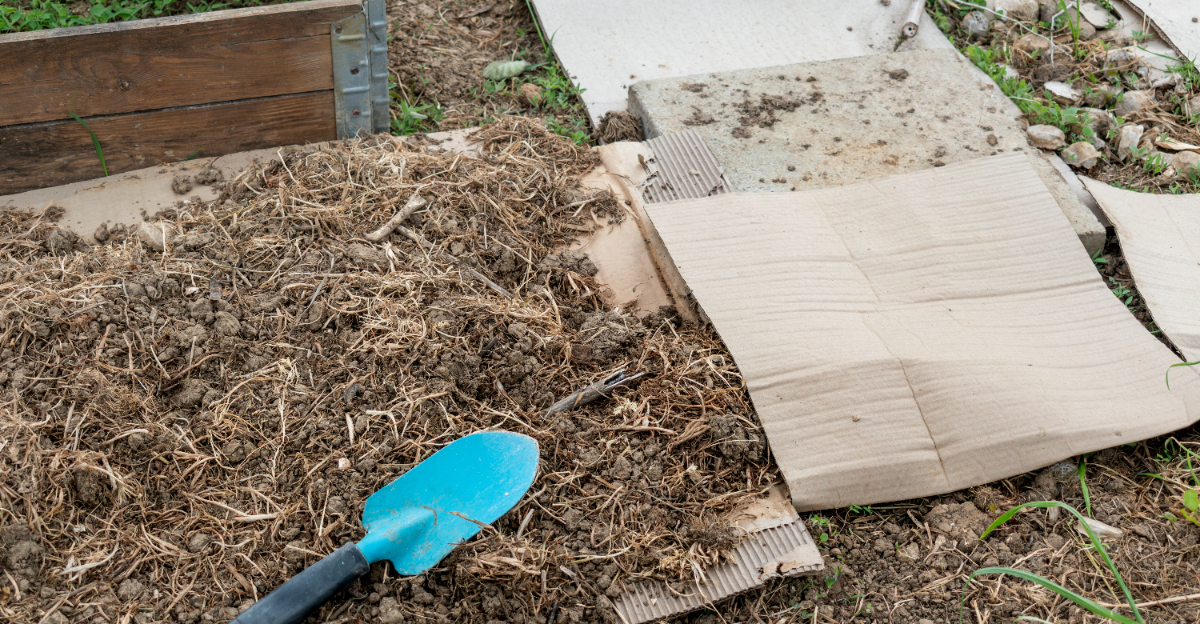
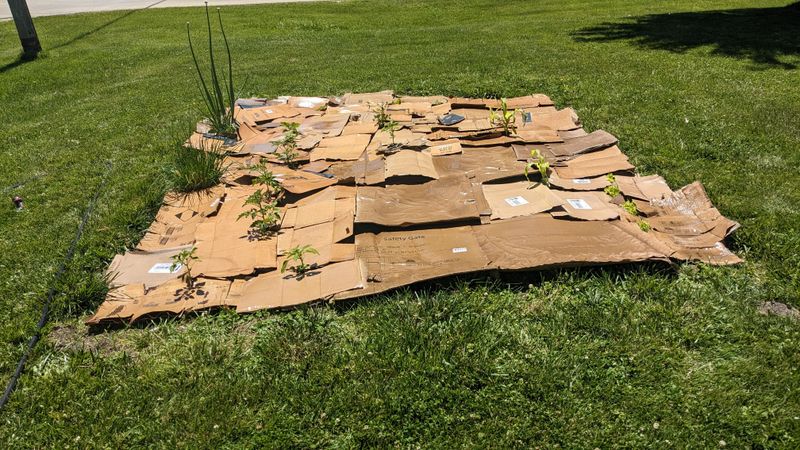
The idea is simple: place flattened cardboard boxes directly on your soil. The cardboard acts as a physical barrier, cutting off sunlight to any weed seeds below.
Without light, most weed seeds struggle to sprout. They just sit there, stalled, going nowhere.
You want to start by clearing the area of any tall weeds first. Pull the big ones out by hand so the cardboard can lay flat against the ground.
Flat contact is key here. Any gaps or air pockets give sneaky weeds a chance to wiggle through.
Once the cardboard is down, wet it thoroughly with a garden hose. Moisture helps it conform to the soil and starts the breakdown process right away.
Then pile mulch, wood chips, or compost on top. That top layer holds the cardboard in place and makes your garden look intentional and tidy.
People often overthink this step, but there is nothing complicated about it. You are basically making a weed-smothering sandwich with cardboard in the middle.
The best part? You can plant right through it. Cut a small hole, tuck in your seedling, and let the cardboard handle everything around it.
One afternoon of laying cardboard can save you hours of weeding throughout the season. That trade-off alone makes it worth every flattened box you can find.
Blocking Light Beats Pulling Weeds By Hand
Pulling weeds by hand feels productive until you realize the roots are still down there laughing at you. Most weeds regrow from even a tiny piece of root left behind.
Blocking light is a smarter approach because it targets the problem earlier. Many weed seeds rely on sunlight to germinate, and cutting that off stops much of the cycle before it starts.
Picture it like flipping the switch on the weed operation’s power grid. Without that energy source, there is nothing left for them to grow on.
Hand-pulling also disturbs the soil, which is actually a bad thing. Disturbed soil brings buried weed seeds up to the surface where light can reach them.
Each time you dig or till, you are basically planting a fresh crop of weeds. It is a tiring cycle that keeps repeating.
Cardboard skips that whole mess entirely. It sits on top of the soil without disturbing anything beneath it.
The fewer weeds you have to deal with, the more time you can spend actually enjoying your garden. That is the whole point of this low-effort approach.
Light-blocking methods also work on perennial weeds, which are the really stubborn ones. Even aggressive grasses slow down significantly when starved of sunlight for weeks.
You might still see a few weeds pop up in the mulch layer on top, but those are easy to flick out. They have no deep roots and come out with almost no effort. Smarter beats harder in the garden.
Safe Boxes Versus Ones You Should Skip
Not every cardboard box belongs in your garden. Some boxes are treated with chemicals or coatings that you do not want breaking down into your soil.
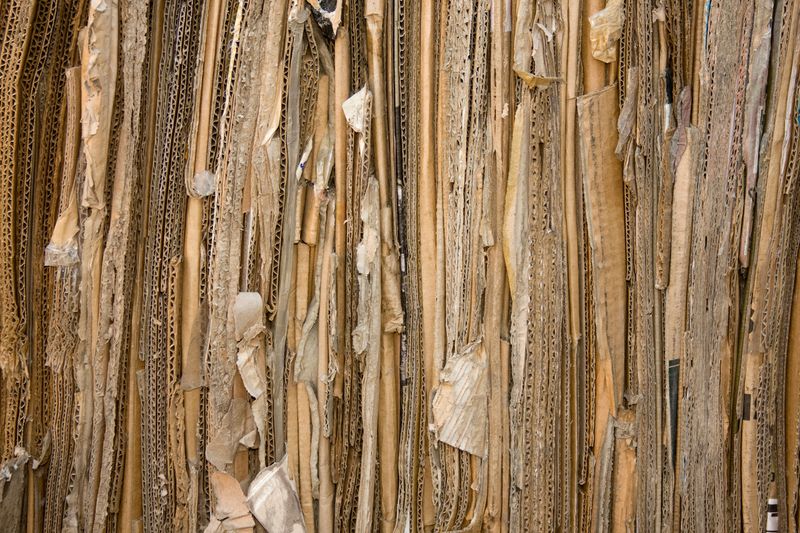
Plain brown cardboard is your best friend here. It is unbleached, untreated, and breaks down cleanly into organic matter your soil will love.
Avoid anything with a glossy or waxy coating. Shiny boxes, like the kind juice boxes or cereal bags come in, do not break down properly.
They can leave behind residue that slows decomposition and may not be great for soil health long-term. When in doubt, scratch the surface with your fingernail.
If it feels slick or peels in layers, skip it. You want rough, fibrous cardboard that absorbs water easily.
Boxes from grocery stores, hardware stores, and online retailers are usually perfect. Moving boxes work great too, especially the big ones.
You will also want to remove any tape, staples, or stickers before laying the cardboard down. Tape does not break down, and plastic stickers can linger in your soil for years.
Staples are metal and will rust, but they are generally harmless in small amounts. Still, pulling them out takes about five seconds and is worth the effort.
Printed ink on plain cardboard is usually soy-based these days and considered safe. However, boxes with heavy black or colored printing are worth a second look.
Choosing the right cardboard from the start makes the whole system work better and cleaner.
Getting The Layering And Overlap Right
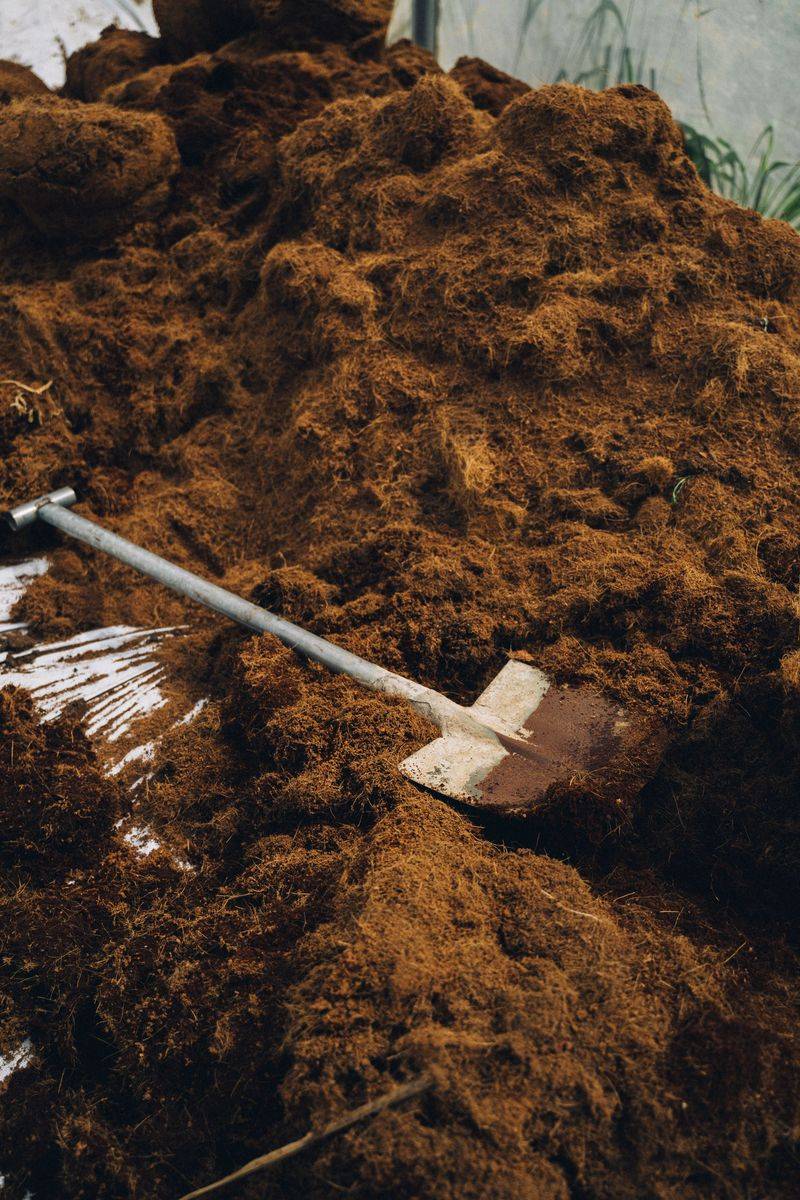
Gaps are the enemy of a good cardboard weed barrier. Weeds are experts at finding the tiniest opening and pushing right through.
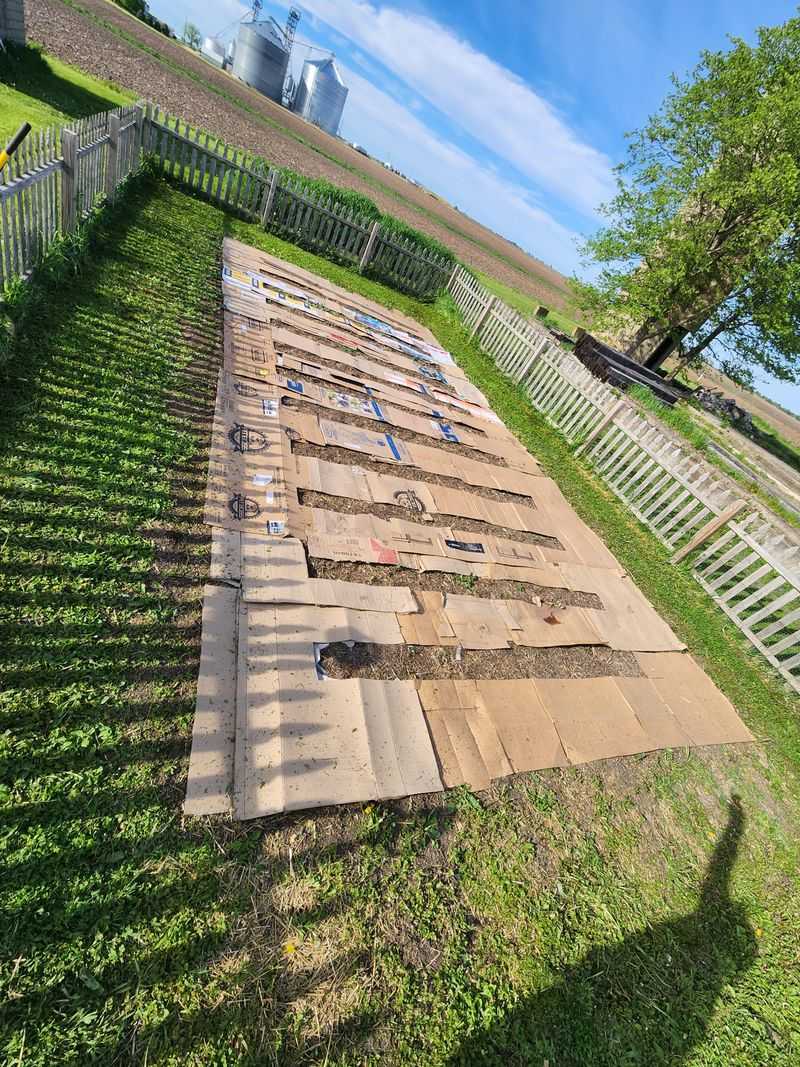
Overlap your cardboard pieces by at least six inches on every edge. That generous overlap closes off any pathways that determined weeds might find.
Think of it like shingling a roof. Each piece covers the edge of the one before it so nothing slips through the seams.
Start at one end of your garden bed and work your way across. Lay each sheet down with intention, pressing it firmly against the ground as you go.
Around trees or established plants, cut the cardboard to fit snugly without covering the base of the stem or trunk. Covering the crown of a plant can cause rot.
Leave a few inches of breathing room around any existing plants. The cardboard should protect the soil, not smother what is already growing.
Once your layer is down, add a generous topping of mulch, at least two to three inches deep. That top layer locks the cardboard in place against wind and rain.
Wood chip mulch is especially effective because it is heavy and breaks down slowly. Straw works too, though it can carry some weed seeds of its own.
After a good rain, check the edges to make sure nothing has shifted. Tuck any lifted corners back down and add more mulch if needed.
A well-layered setup means you barely have to touch that garden bed all season long.
Watering Through Cardboard Without Drowning Your Plants
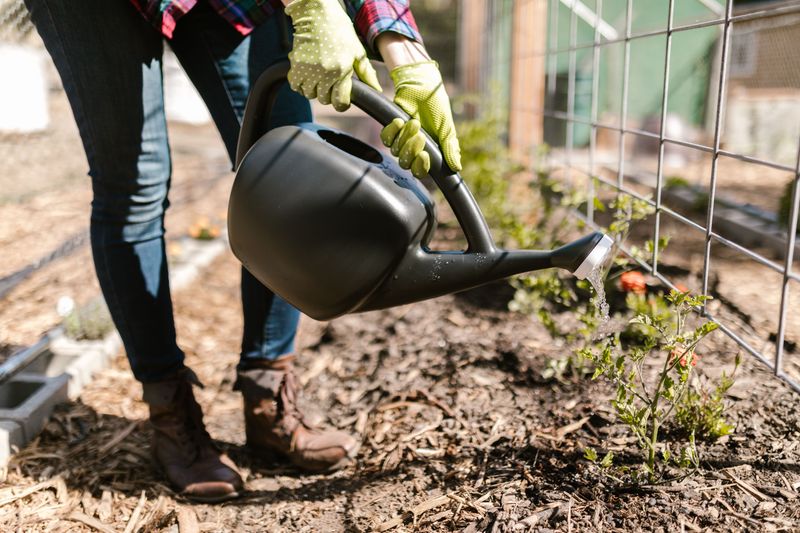
One of the first questions people ask is whether water can actually get through cardboard to reach plant roots. The answer is yes, but technique matters.
Wet cardboard thoroughly when you first lay it down. Soggy cardboard becomes porous and allows water to pass through far more easily than dry cardboard.
Once it is wet and settled, regular watering from a hose or sprinkler works just fine. Water moves through the layers slowly, which actually encourages deeper root growth.
Slow, deep watering is better for plants than fast surface watering anyway. Roots follow moisture downward, which makes your plants more drought-resistant over time.
Drip irrigation is an excellent pairing with this method. You can run drip lines directly on top of the cardboard before adding mulch, and they will deliver water right where it counts.
Avoid flooding the area all at once, especially on a slope. Too much water too fast can cause runoff before it has a chance to soak through.
Check soil moisture by pressing a finger into the mulch and cardboard layers. If the soil beneath feels damp, your plants are getting what they need.
During dry spells, you may need to water a bit more often at first. New cardboard takes a few weeks to fully soften and become fully permeable.
After a month or so, the cardboard breaks down enough that watering becomes much easier. Your garden stays moist longer too, which means fewer watering sessions overall.
What Happens To The Cardboard Over Time
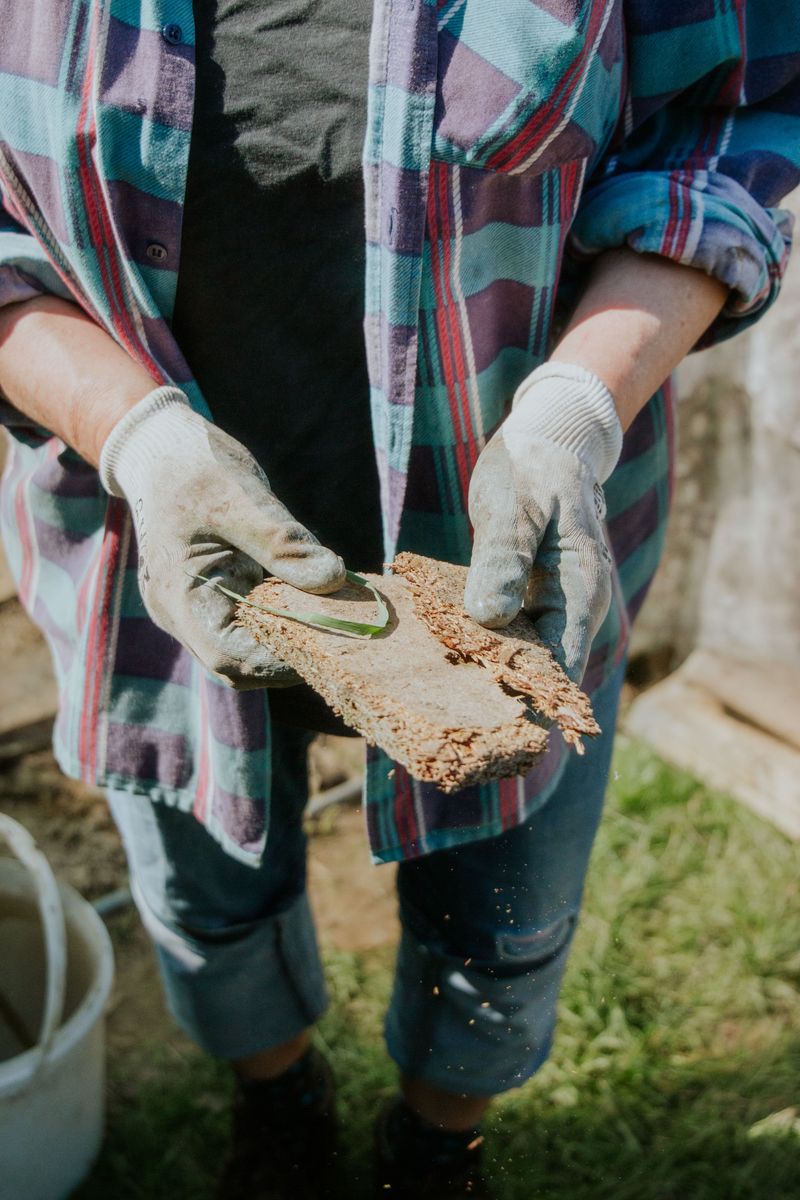
Here is the part that makes this method genuinely magical: the cardboard disappears. Over the course of one growing season, it breaks down almost entirely into the soil.
Earthworms are drawn to cardboard. They move through it, eat it, and leave behind castings that are incredibly rich in nutrients.
What started as a pizza box or shipping container becomes food for your garden. That is a pretty satisfying transformation for something headed to the recycling bin.
As the cardboard breaks down, it also improves soil structure. It adds organic matter that loosens compacted soil and helps it retain moisture more effectively.
By fall, most of the cardboard will be unrecognizable. You might find a few soggy pieces in spots that stayed dry, but even those crumble easily in your hands.
You can till the remaining bits into the soil or simply lay fresh cardboard on top for the next season. The cycle keeps giving back year after year.
Soil that has been sheet-mulched for two or three seasons becomes noticeably darker and richer. Gardeners who stick with this approach often stop buying expensive soil amendments.
The worm population also increases significantly over time. More worms mean better aeration, better drainage, and a healthier ecosystem right under your feet.
This trick for fewer weeds does not just solve a short-term problem. It builds a better garden from the ground up, season after season, with almost no extra effort on your part.