The August Garden Checklist Oregon Gardeners Need Region By Region
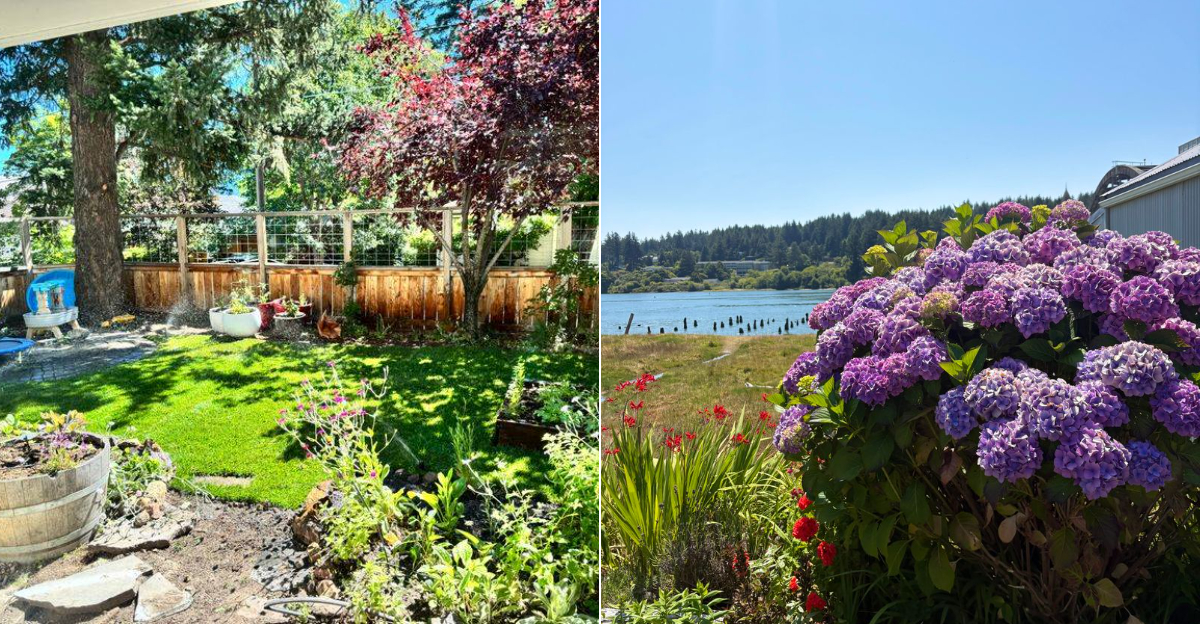
August does not treat every Oregon garden the same. A coastal yard may still feel cool and damp, while an inland plot faces dry soil and relentless afternoon heat.
East of the Cascades, the season follows another rhythm entirely. One state, several garden personalities.
That regional split can make generic advice more confusing than useful. A task that deserves attention in Portland may wait elsewhere, while a chore that feels urgent in Bend could create problems near the coast.
This month also brings a strange mix of priorities. Summer crops need support, tired flowers ask for care, and the first hints of fall start to sneak into the calendar.
The garden refuses to pick one season. How convenient.
A region-specific checklist can help each yard get the right attention at the right moment. With a clear plan, August feels less chaotic and far more manageable across Oregon.
1. Coast: Watch Wind, Salt, And Mildew
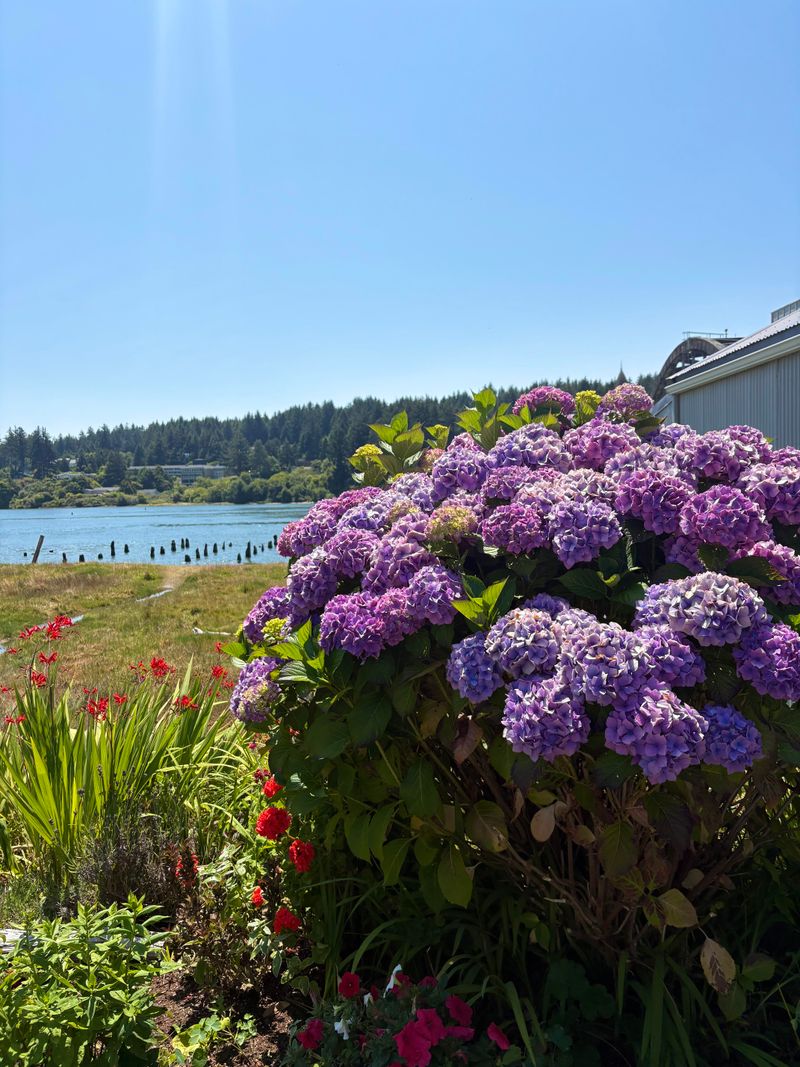
Living close to the ocean comes with real gardening challenges in August. The salty air blows in from the Pacific and can coat leaves, clog pores, and stress plants that are not built for coastal conditions.
Wind is another constant problem along the coast. It dries out soil faster than you might expect and can physically damage soft stems and flower heads.
Check your plants regularly for powdery mildew this month. Mildew loves cool, damp coastal mornings followed by mild afternoons.
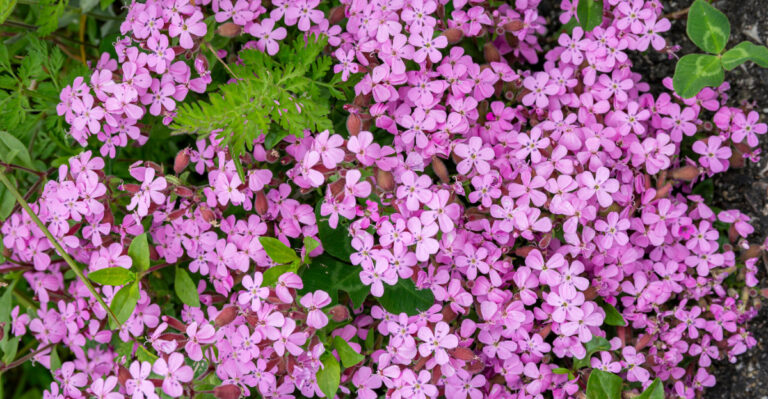
Squash, roses, and phlox are especially prone to it. Remove affected leaves right away and avoid overhead watering in the evening.
Good air circulation is your best defense, so do not crowd plants together.
Salt spray is sneaky. You may not see it happening, but it builds up on leaves over time.
Rinse foliage with fresh water after stormy or windy days. Choose plants with waxy or thick leaves when possible, since they handle salt much better.
Lavender, sea thrift, and ornamental grasses are solid choices for coastal spots.
Windbreaks make a huge difference in this region. A row of dense shrubs or a simple fence can protect more delicate vegetables and flowers from wind damage.
Check your existing windbreaks and trim any withered or broken branches that could fall during August storms. A little protection now keeps your whole garden safer through the rest of summer.
2. Willamette Valley: Water Deep Before Heat Peaks
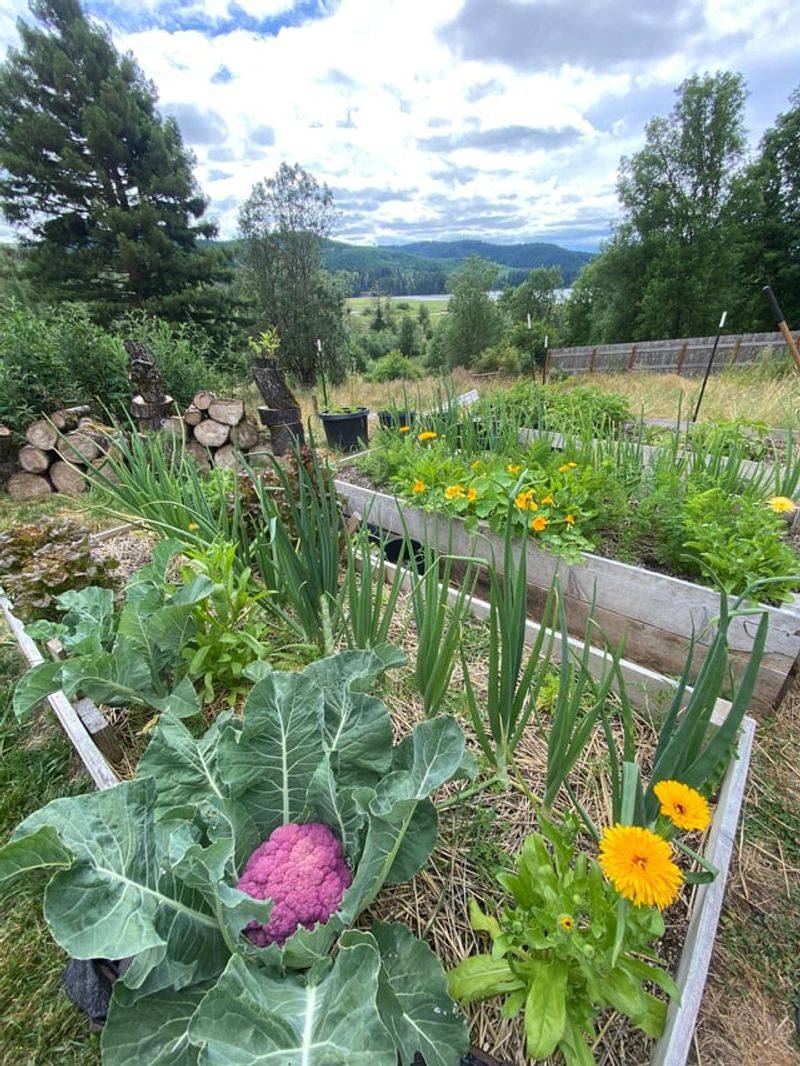
The Willamette Valley is famous for its rich soil and long growing season, but August heat can sneak up on even experienced gardeners here. Temperatures regularly climb into the 90s, and dry spells can last for weeks at a time.
Shallow watering is one of the most common mistakes gardeners make during this stretch of summer.
Watering deeply means getting moisture down six to eight inches into the soil. This encourages roots to grow downward instead of staying near the surface.
Deep roots are stronger and more heat-resistant. Use a soaker hose or drip system rather than a sprinkler, which wastes water and can encourage fungal issues on leaves.
The best time to water in this region is early morning, before 9 a.m. if possible. This gives plants time to absorb moisture before the hottest part of the day hits.
Your Oregon Garden Changes Every Week. Your Plan Should Too.
Gardening in Oregon changes quickly throughout the season. Every Friday you’ll receive a simple weekly plan showing exactly what to plant, prune, fertilize, harvest, and protect so you never miss the right timing.
Evening watering can leave plants sitting in dampness overnight, which invites disease and pests. Try to water at the base of each plant rather than from above.
Mulch is your garden’s best friend in the valley this month. A two- to three-inch layer of straw or wood chips around your plants holds moisture in the soil much longer.
It also keeps soil temperatures cooler, which roots really appreciate. Refresh your mulch layer now if it has thinned out since spring.
Consistent moisture and cool roots lead to better fruit set and bigger harvests in August.
3. Portland Metro: Keep Containers From Baking
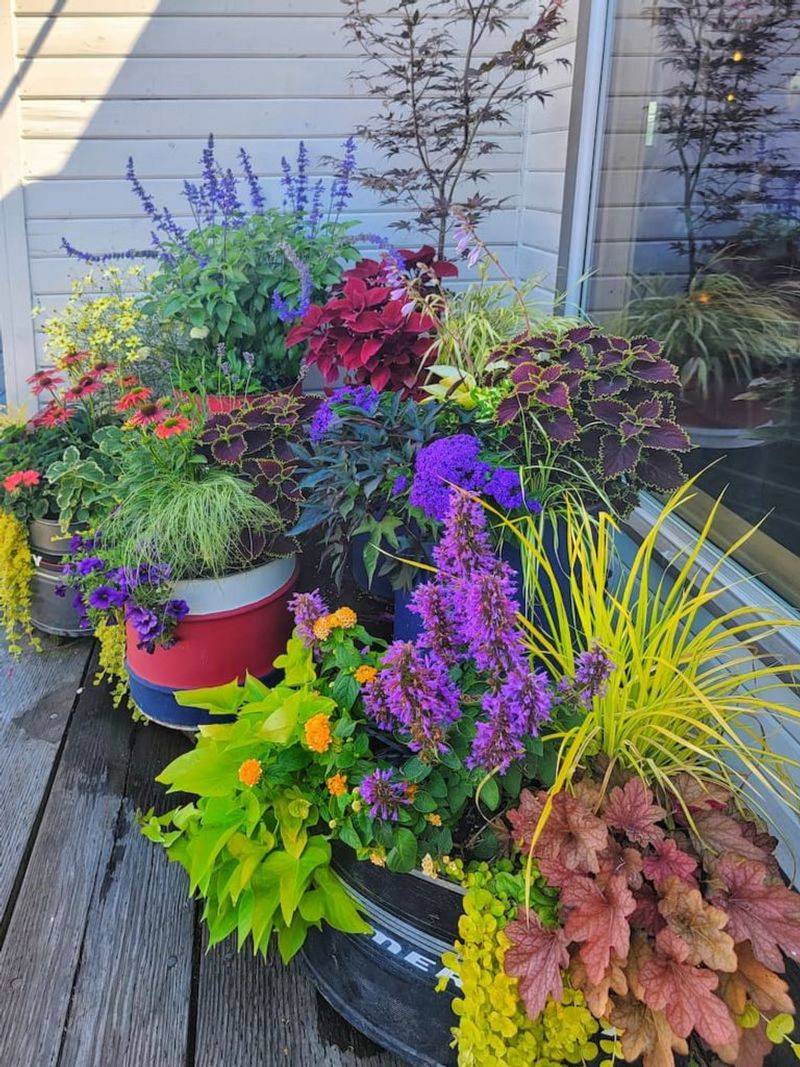
Container gardening is incredibly popular in the Portland metro area, and for good reason. Pots and planters let you grow food and flowers on patios, balconies, and small urban lots.
But August brings a serious challenge for container gardeners: heat. Containers heat up much faster than garden beds, and the roots inside have nowhere to escape the warmth.
Dark-colored pots absorb more heat than light ones. If your containers are black or dark brown, consider moving them to a spot that gets afternoon shade.
You can also wrap pots in burlap or set them inside a larger, lighter-colored pot to create a buffer. These small moves can lower root temperature by several degrees, which matters a lot for plant health.
Container plants need more frequent watering than in-ground plants during hot weather. In August, you may need to water some pots twice a day during heat waves.
Stick your finger about an inch into the soil. If it feels dry, it is time to water.
Make sure your pots have drainage holes so roots do not sit in standing water, which can cause rot.
Fertilizing is also key for containers this month. Nutrients wash out of pots faster than from garden beds.
Use a balanced liquid fertilizer every one to two weeks to keep plants fed and productive. Deadhead spent flowers regularly to encourage new blooms.
A little extra attention to your containers now will keep them looking full and healthy all the way through September.
4. Southern Oregon: Protect Plants From Extreme Heat
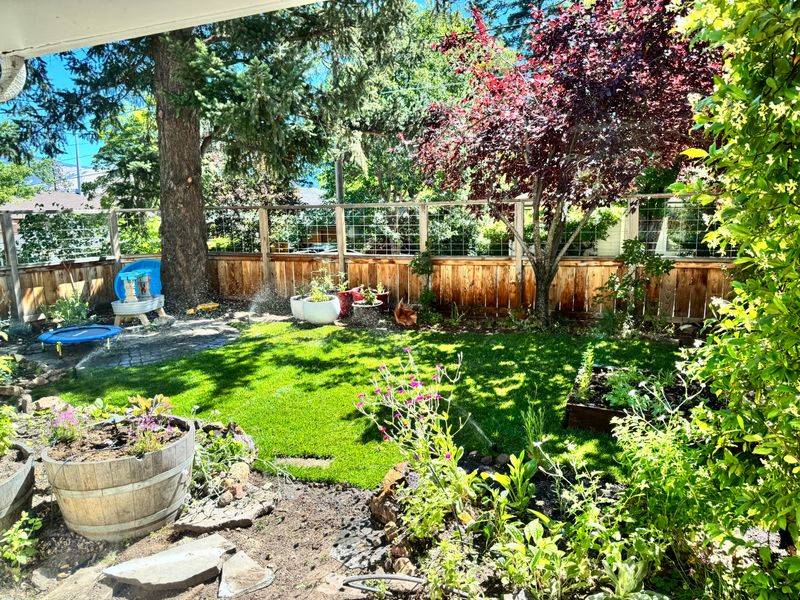
Southern parts of Oregon face some of the most intense summer heat in the entire region. Temperatures can push past 100 degrees Fahrenheit during August heat waves, and dry conditions make things even harder on garden plants.
If you have not already set up some form of heat protection, now is the time to act.
Shade cloth is one of the best tools available for hot-climate gardeners. A 30 to 50 percent shade cloth stretched over raised beds or hoops can lower the temperature under the fabric by 10 to 15 degrees.
That difference is huge for heat-sensitive crops like lettuce, spinach, and even tomatoes, which can drop their blossoms when temperatures get too high.
Sunscald is a real problem in this region during August. Tomatoes, peppers, and squash can develop pale, papery patches where the sun hits them directly.
Providing some afternoon shade helps prevent this. You can also use row cover fabric loosely draped over plants during the hottest part of the day, then remove it in the evening to allow air circulation.
Water management is critical here. Watering early in the morning gives plants a full tank before the heat arrives.
Check soil moisture at least once a day, and consider adding an extra layer of mulch around plants to slow evaporation.
Gardeners in this region who stay consistent with watering and shading through August will see far better results than those who skip these steps. Heat protection is a real investment in your harvest.
5. Columbia Gorge: Check Wind-Dried Soil Fast
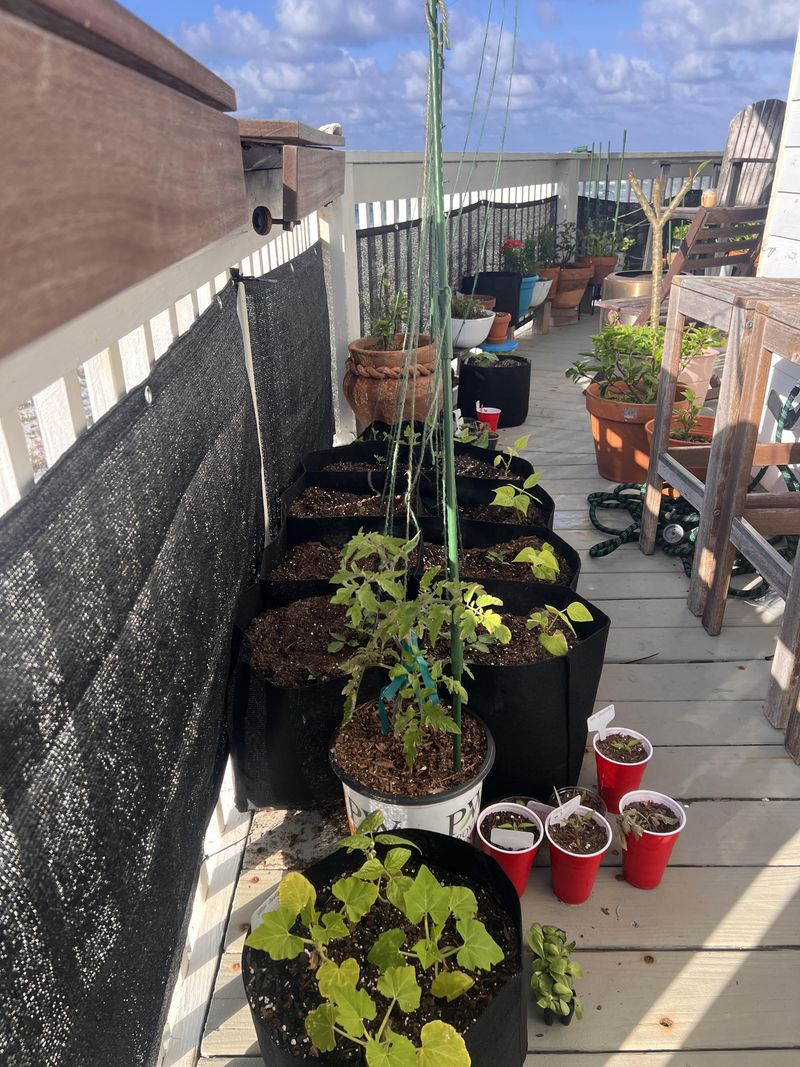
Few places in our state have wind like the Columbia Gorge. The powerful gusts that funnel through this dramatic landscape are great for windsurfers, but they are tough on gardens.
Wind pulls moisture out of soil and plant tissue at a surprisingly fast rate, and August heat makes the problem even worse. If you are not checking your soil daily, you could be missing some serious dryness.
Do the finger test every morning. Push your finger two inches into the soil near your plants.
If it feels dry at that depth, water right away. Wind-dried soil can look deceptively fine on the surface while being bone dry just an inch or two down.
A soil moisture meter is a helpful tool if you want more accurate readings without guessing.
Mulch is especially important in the Gorge. A thick layer of wood chips or straw creates a barrier between the wind and the soil surface, slowing down evaporation significantly.
Aim for three inches of mulch around all your plants. Keep it a few inches away from stems to prevent rot and pest problems.
Windbreaks also matter here more than almost anywhere else in the state. Hedges, fences, or even temporary barriers made from burlap can cut wind speed at ground level dramatically.
Taller plants placed on the windward side of your garden can shield shorter, more vulnerable crops.
Checking your garden setup and adjusting for wind protection in August is one of the smartest moves a Gorge gardener can make this time of year.
6. Central Oregon: Guard Against Cold Nights
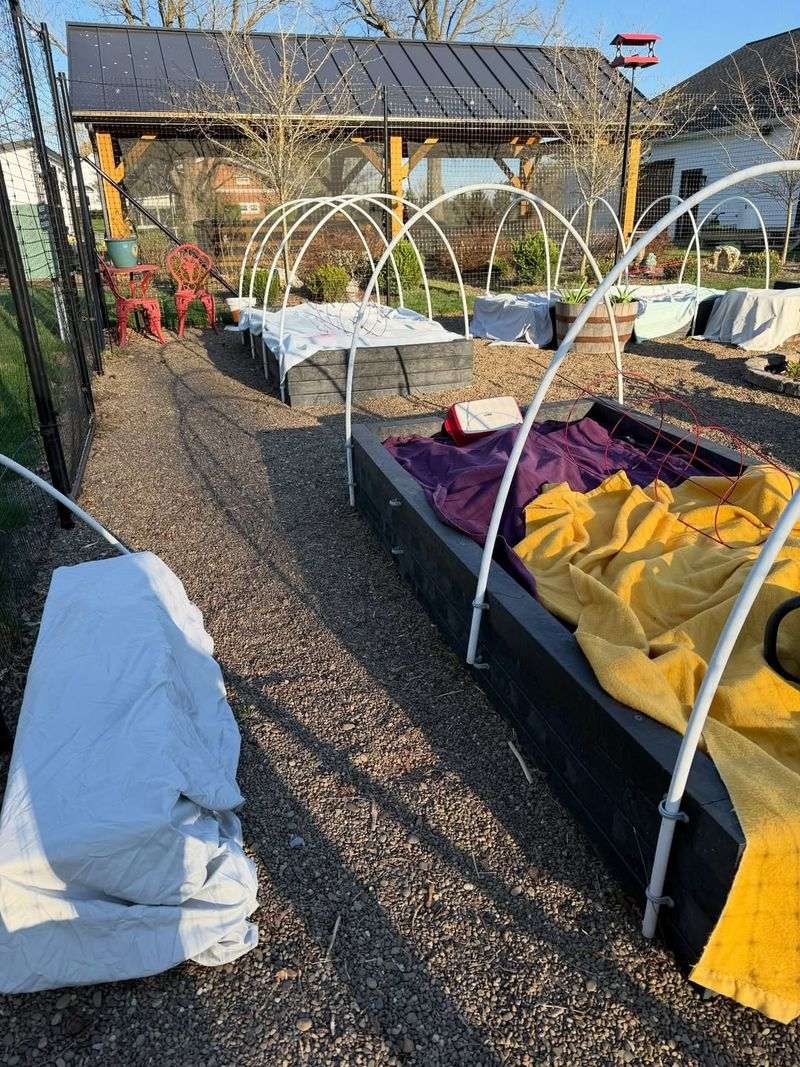
Central parts of Oregon are full of surprises when it comes to weather. August days can be warm and sunny, but nights can drop into the 40s or even lower at higher elevations.
This temperature swing is tough on warm-season crops like tomatoes, peppers, basil, and beans. Cold nights slow growth and can cause stress that shows up days later as yellowing leaves or poor fruit development.
Keep a close eye on the forecast throughout August. When nighttime temps are expected to drop below 50 degrees, consider covering sensitive plants with lightweight row cover fabric.
This traps a bit of warmth around the plants without blocking light or airflow during the day. Remove covers each morning so plants get full sun and warmth during the day.
Basil is one of the most cold-sensitive plants in the summer garden. Even one chilly night can turn its leaves black.
If you are growing basil outdoors in this region, bring pots inside at night or cover plants carefully. Harvest basil leaves generously throughout August to make the most of the warm days while they last.
Warm-season vegetables need as much heat as they can get in this region. Using black plastic mulch around tomatoes and peppers helps absorb daytime heat and release it slowly at night, warming the root zone.
Row covers, cold frames, and smart placement near south-facing walls or fences can all add a few extra degrees of warmth. Every degree counts when nights get cool in August.
7. High Desert: Water Young Plants More Carefully
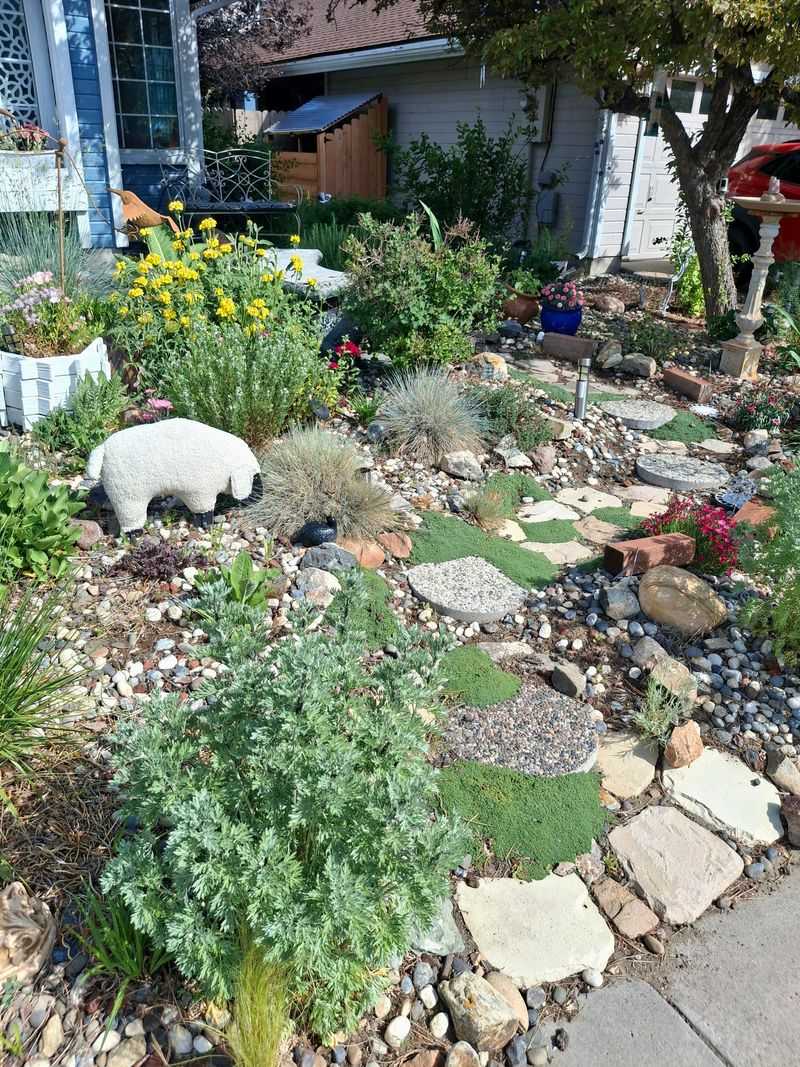
Gardening in the high desert takes patience and a good understanding of how dry conditions affect plant roots. August in this region brings intense sun, low humidity, and soil that drains quickly.
Young plants and recent transplants are especially vulnerable because their root systems have not had time to spread deep into the soil where moisture lingers longer.
Newly transplanted seedlings need water more frequently than established plants. Check them at least twice a day during August heat.
Morning watering is essential. A second light watering in the late afternoon can help young plants get through the hottest stretch of the day without wilting too badly.
Wilting is a sign of stress, and repeated stress slows growth significantly.
Sandy or rocky desert soils lose water fast. Adding compost to your planting holes before transplanting helps the soil hold moisture around roots.
Watering slowly and deeply is better than a quick splash on the surface. A slow trickle from a drip line or soaker hose lets water soak in rather than run off the surface before roots can absorb it.
Grouping young plants together slightly closer than usual can help them shade each other’s roots and reduce soil moisture loss. Using a thick layer of mulch around every young plant is non-negotiable in this region.
Straw, bark, or even gravel mulch all help keep soil cooler and wetter. Give your young plants the extra attention they need in August and they will reward you with strong growth heading into fall.
8. Eastern Oregon: Prioritize Shade And Mulch
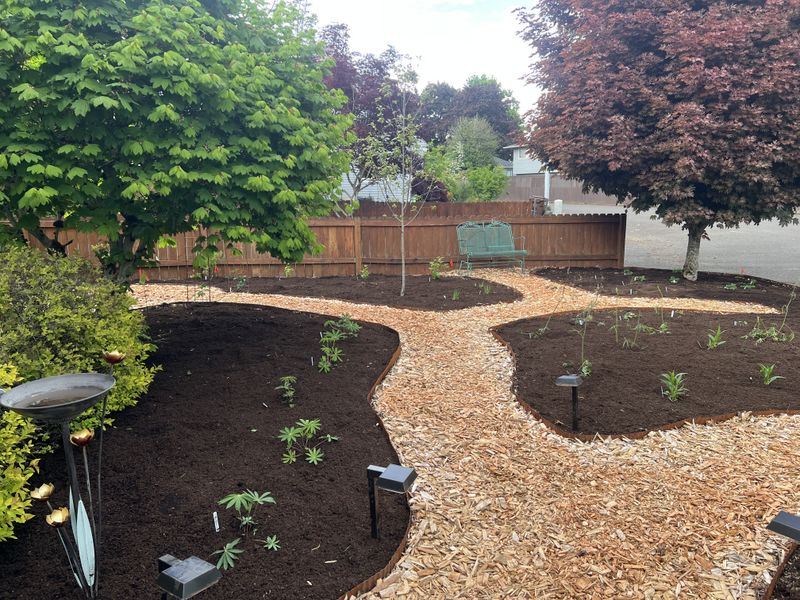
Eastern parts of Oregon are known for wide open spaces, big skies, and serious summer heat. August is often the hottest and driest month of the year here.
Without shade and mulch, garden soil can bake to temperatures that are harmful to roots. Gardeners in this region need to take both of these strategies seriously to keep plants alive and productive.
Shade structures do not have to be complicated. A simple frame made from wood or PVC pipe covered with shade cloth works well for raised beds and row gardens.
Positioning shade cloth on the west side of your garden blocks the harsh afternoon sun, which is the most intense and damaging part of the day. Even a few hours of afternoon shade can make a noticeable difference in plant health.
Mulch is equally important. Bare soil in eastern parts of the state can reach temperatures well above 130 degrees Fahrenheit on a hot August afternoon.
That kind of heat at the soil surface damages roots and stops moisture from reaching them. A three- to four-inch layer of straw, wood chips, or shredded leaves keeps the soil underneath much cooler and retains moisture far longer between waterings.
Watering schedules need to be tight and consistent here. Early morning watering before the heat builds is a must.
Skip evening watering to avoid encouraging fungal problems in the damp overnight air.
Combine good shade, deep mulch, and smart watering habits, and your eastern garden can still thrive beautifully through even the toughest August conditions this region throws your way.
9. Western Foothills: Stay Ahead Of Blackberry Regrowth
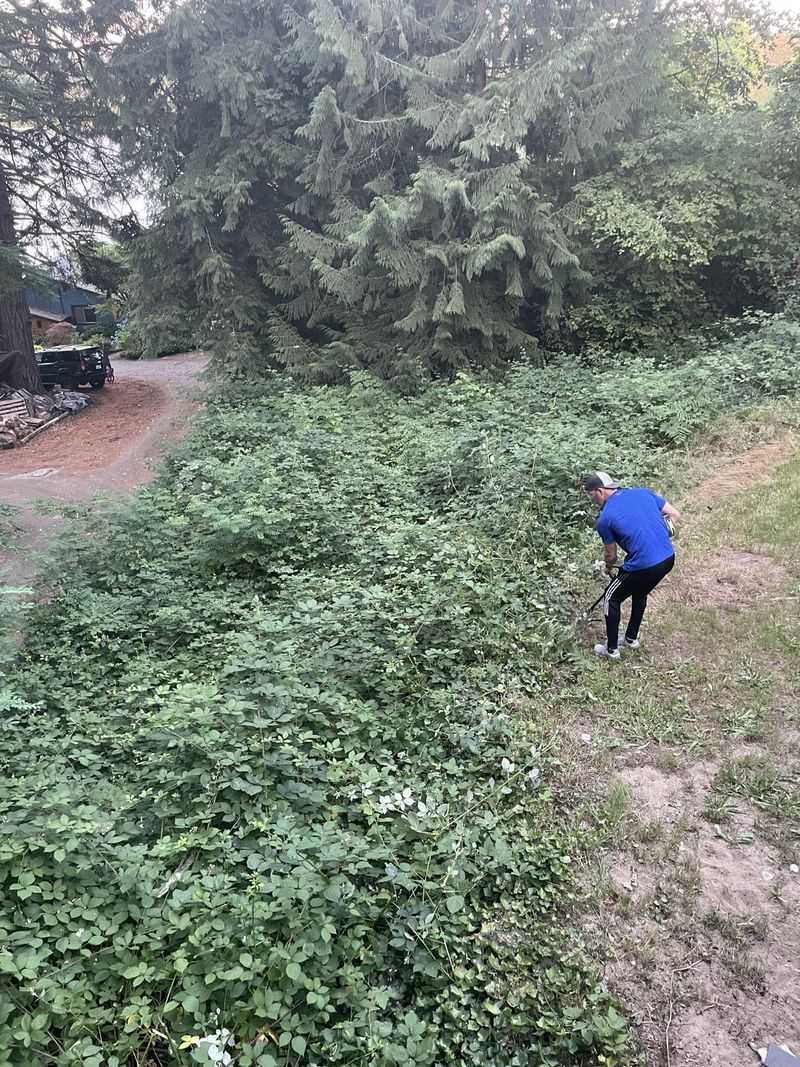
Blackberries are a persistent challenge for gardeners in the western foothills of our state.
August is one of the most important months to tackle regrowth because the vines grow fast in summer heat and can take over a garden bed, fence line, or pathway in just a few weeks.
Staying on top of them now prevents much bigger problems in fall and spring.
Himalayan blackberry is the most common invasive species in this region. Its canes can grow several feet in a single week during peak summer conditions.
New shoots that are not removed quickly will root at their tips and start new plants wherever they touch the ground. Cutting them back before this happens is much easier than dealing with a rooted cane later.
Wear thick gloves and long sleeves when working with blackberries. The thorns are sharp and can cause real injury if you are not protected.
Use loppers or heavy-duty pruning shears for thick canes. Cut as close to the ground as possible, and bag the cuttings rather than composting them, since they can re-root even after being cut.
For a more long-term approach, consider digging out the root crowns after cutting the canes.
Blackberry roots are tough and deep, but repeated removal over several seasons weakens them significantly.
Smothering new growth with cardboard and thick mulch after clearing can slow regrowth between sessions.
Staying consistent with blackberry control through August means you start the fall season with a cleaner, more manageable garden space in the western foothills.
10. Statewide: Harvest Often To Keep Plants Producing
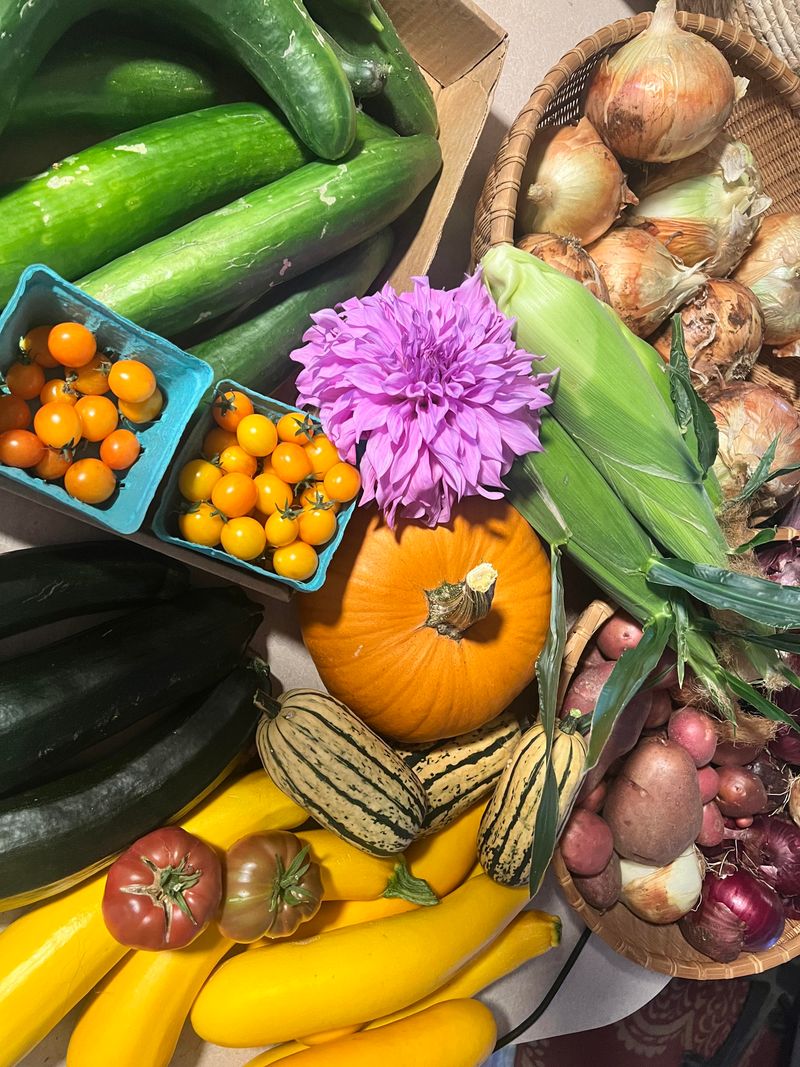
No matter which part of our state you call home, one August task applies to every single gardener: harvest often. Leaving ripe vegetables on the plant signals it to slow down production.
The plant thinks its job is done once seeds mature inside the fruit. Regular harvesting tells the plant to keep making more, which means more food for you all the way through fall.
Zucchini and summer squash are the classic example. A zucchini that gets missed for just a few days can turn into a giant, tough vegetable that is hard to cook and eat.
Bigger is not better with squash. Pick them small and often, and the plant will keep setting new fruit right up until the first frost. Check squash plants every single day during August.
Beans, cucumbers, and peppers work the same way. Beans left on the vine too long become tough and stringy.
Cucumbers get bitter and seedy. Peppers take energy away from new fruit development.
Harvesting at the right size keeps flavor high and production strong. Bring a basket to the garden every morning and do a full walk-through of everything that is ready to pick.
Tomatoes are slightly different. Let them fully color up on the vine for the best flavor, but do not leave them past peak ripeness.
Overripe tomatoes attract pests and can split after rain. Harvest them as soon as they feel soft to gentle pressure.
Keeping up with harvests across your whole garden in August is one of the simplest and most rewarding habits you can build this time of year.