Stop Watering Your Arizona Lawn On A Set Schedule During Monsoon Season
Arizona monsoon season has a very specific personality. One minute the sky is completely clear and the ground is baked solid, and the next there’s a dramatic afternoon storm dropping a serious amount of rain in a very short period of time.
It’s one of the most exciting weather events the desert produces, and also one of the most confusing for anyone trying to manage a lawn irrigation schedule.
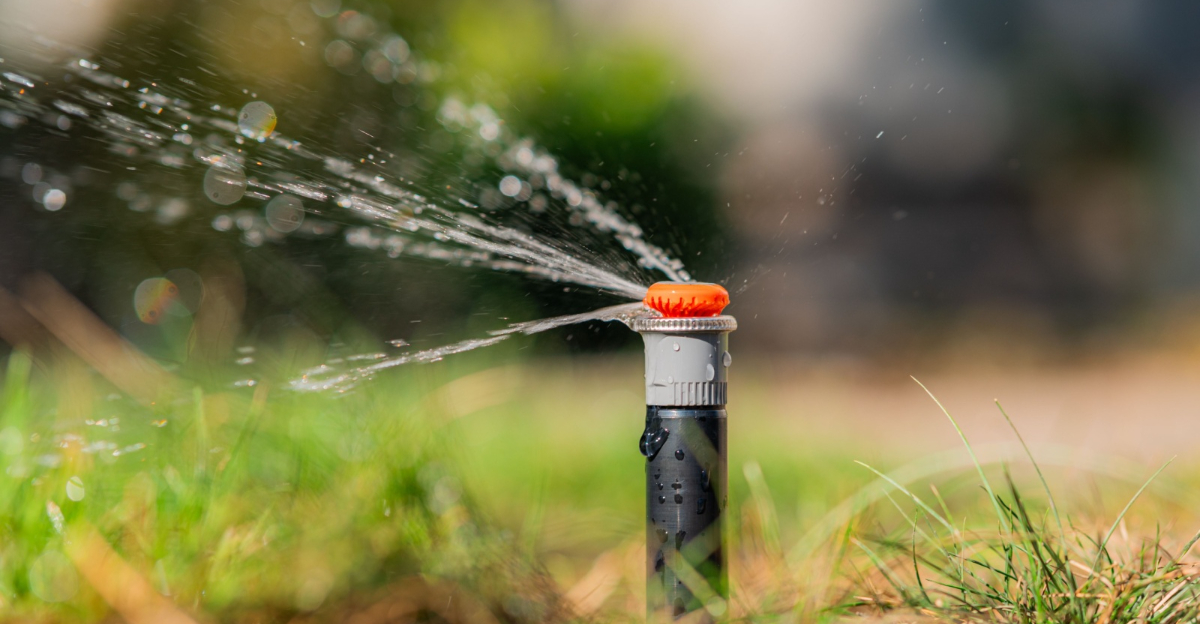
Here’s the problem that catches a lot of Arizona homeowners off guard: the sprinkler timer doesn’t know it rained.
It just runs when it’s told to, regardless of what the sky did an hour ago.
Watering on top of already saturated soil wastes water, encourages shallow roots, and sends runoff straight down the driveway instead of into the ground where it actually belongs.
Reading your lawn’s real needs is a much smarter approach.
1. The Limits Of Calendar-Based Lawn Watering
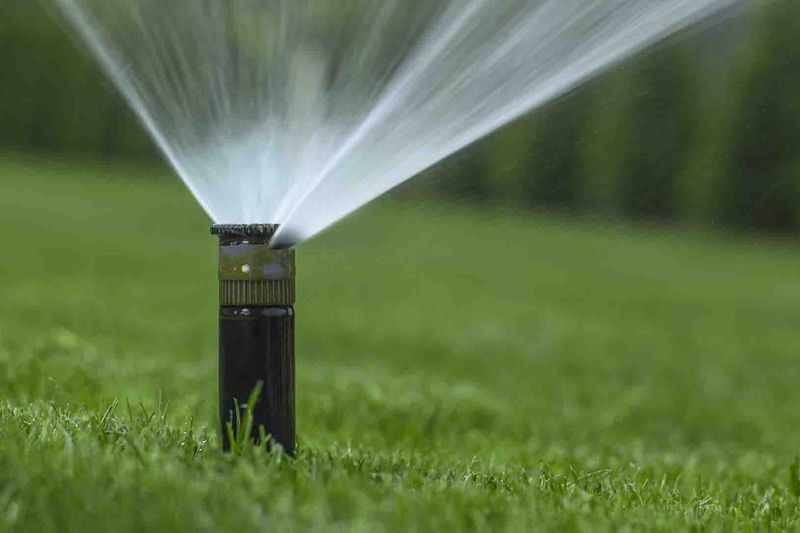
Fixed irrigation schedules work well during dry Arizona summers when rainfall is rare and predictable gaps between storms make it easy to plan ahead. Once the monsoon arrives, that reliability disappears.
Storms can drop a significant amount of rain on one afternoon and leave the soil moist for days, yet a calendar-based controller will still trigger sprinklers at the same time it always has.
The core problem with calendar watering during monsoon season is that it treats every day the same, regardless of what the weather actually did. A lawn that received a solid soaking storm two days ago likely does not need the same amount of irrigation it needed in May.
Running sprinklers on a locked schedule during active monsoon weeks can add water to soil that is already holding plenty of moisture.
Over time, consistently wet soil can encourage shallow root growth, since roots tend to stay near the surface when moisture is always available close to the top.
Soil that stays saturated for extended periods may also develop drainage problems or become more hospitable to certain lawn diseases.
Adjusting your schedule rather than eliminating it entirely is the smarter approach. Think of your irrigation controller as a helpful tool that still needs your input to work well during Arizona’s changing monsoon conditions.
2. Using Monsoon Rain To Guide Irrigation
Monsoon storms in Arizona can be genuinely generous with rainfall, sometimes dropping a half-inch or more in a single afternoon event. When that happens, the rain itself becomes a useful guide for deciding whether your sprinklers need to run at all.
Treating each storm as a data point rather than an interruption helps you make smarter irrigation decisions throughout the season.
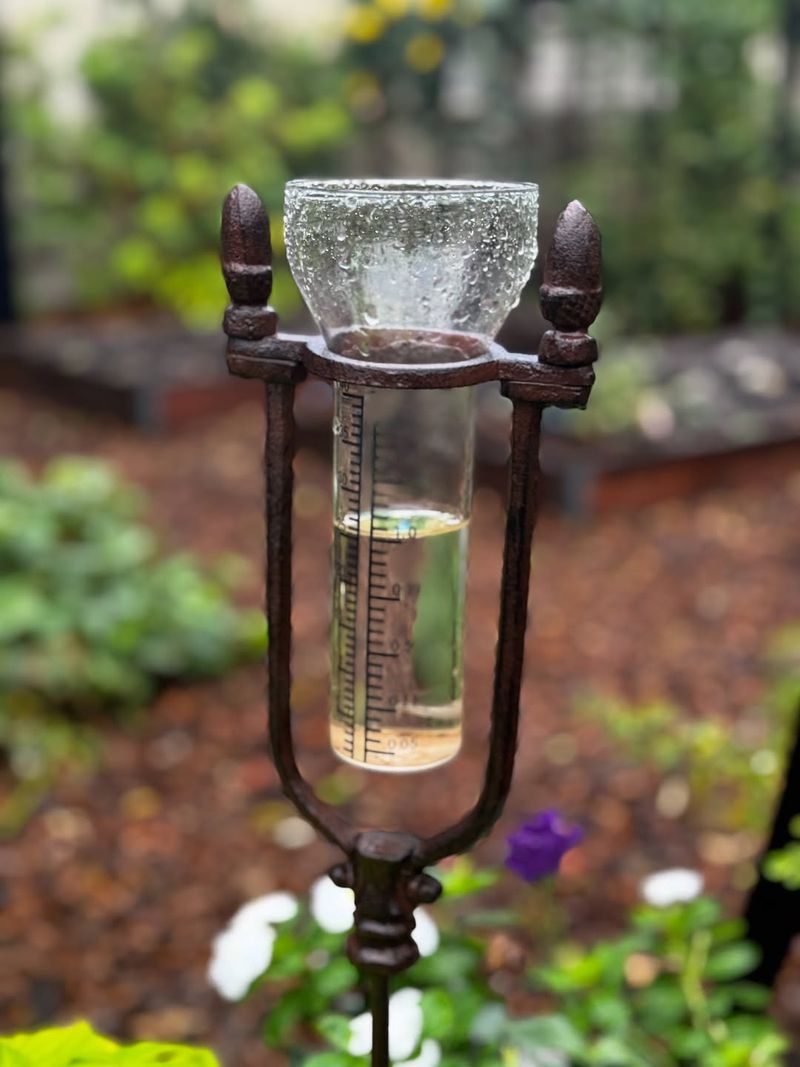
A basic rain gauge placed in an open area of your yard gives you a simple, reliable way to track how much water actually fell on your property.
Knowing that your lawn received a measurable amount of rain lets you compare that figure against your typical irrigation output and decide whether to skip or reduce your next watering cycle.
Your Arizona Garden Changes Every Week. Your Plan Should Too.
Gardening in Arizona changes quickly throughout the season. Every Friday you’ll receive a simple weekly plan showing exactly what to plant, prune, fertilize, harvest, and protect so you never miss the right timing.
Even a modest storm can offset some of your scheduled irrigation needs.
Keep in mind that not every storm delivers the same depth of moisture into the soil. A brief, intense shower may wet the surface without reaching deeper into the root zone, while a slower or longer storm may push water several inches down.
Checking soil moisture after a storm gives you a clearer picture than rainfall totals alone. Using monsoon rain as a guide does not mean abandoning your irrigation system.
It means pairing what the weather provides with what your lawn actually needs, rather than defaulting to the same schedule every week throughout Arizona’s unpredictable summer storm season.
3. Checking Soil Moisture Before Watering
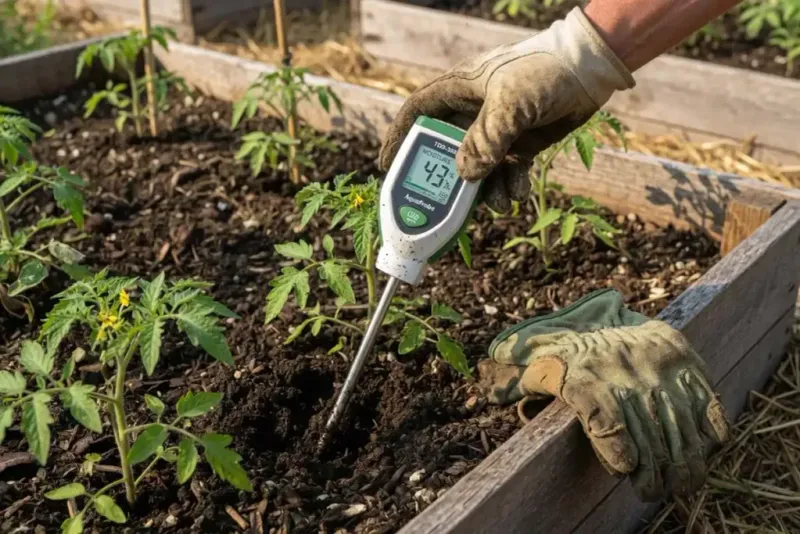
Soil moisture is one of the most practical things you can check before deciding to run your sprinklers after a monsoon storm.
The surface of the lawn can look dry even when moisture is still present a few inches below, which is why a quick physical check tends to be more reliable than a visual glance from across the yard.
One straightforward method involves pushing a long screwdriver or thin soil probe into the ground in several spots across your lawn. If the tool slides in without much resistance and comes out with damp soil clinging to it, moisture is likely still present in the root zone.
If the probe meets resistance and comes out dry, the soil may be ready for irrigation. This simple test does not provide a complete picture of every lawn condition, but it gives you useful information before committing to a full watering cycle.
Check multiple areas of your lawn rather than relying on one spot, since soil texture, slope, shade, and drainage can vary across a single yard. Areas near walls, under roof overhangs, or at the base of slopes may hold moisture differently than open sections of turf.
Arizona soils can range from sandy to clay-heavy, and each type holds and releases water at a different rate.
Taking a few minutes to check conditions across your lawn before watering can save water and help you avoid applying moisture where it is not yet needed.
4. Reading Lawn Stress Before Running Sprinklers
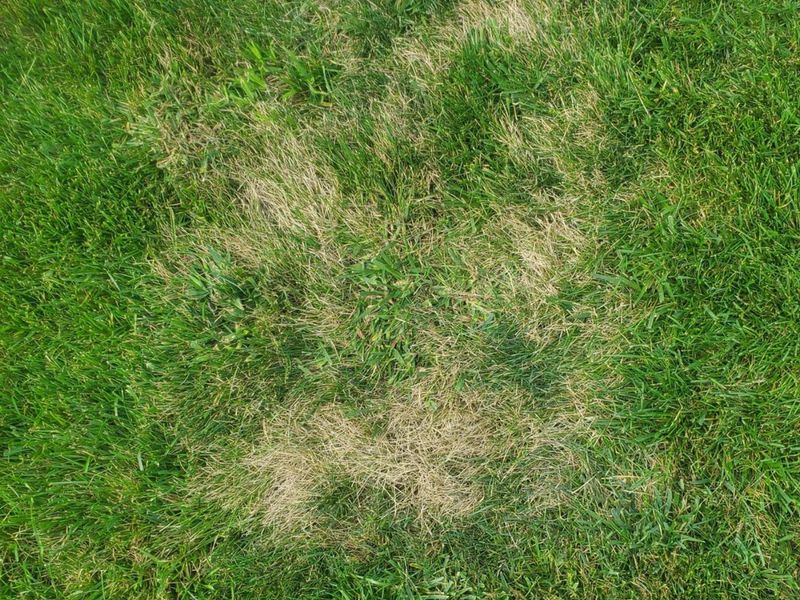
Bermudagrass and other warm-season turf common in Arizona do show signs when they are running low on moisture, but those signs are worth reading carefully rather than reacting to immediately.
A slight blue-gray tint to the leaf blades, a footprint that lingers longer than usual after walking across the lawn, or a general wilting of the grass can all suggest that moisture levels are dropping in the root zone.
These symptoms are worth noting, but they are not always caused by a lack of water alone. Poor sprinkler coverage, compacted soil, lawn disease, insect activity, or heat stress from intense Arizona afternoon sun can produce similar appearances.
Before assuming the lawn simply needs more water, take a moment to check whether the soil is actually dry or whether another issue might be contributing to what you are seeing.
During monsoon season, the challenge is that a lawn may look stressed from heat in the early afternoon but recover on its own as temperatures drop in the evening, especially if the soil still holds moisture from a recent storm.
Watering in response to midday appearance without checking soil conditions first can lead to unnecessary irrigation.
Paying attention to how the lawn looks in the cooler morning hours tends to give a more accurate picture of whether moisture is genuinely needed.
Observation paired with a quick soil check is more reliable than appearance alone when making watering decisions during Arizona’s monsoon months.
5. Understanding Uneven Monsoon Rainfall
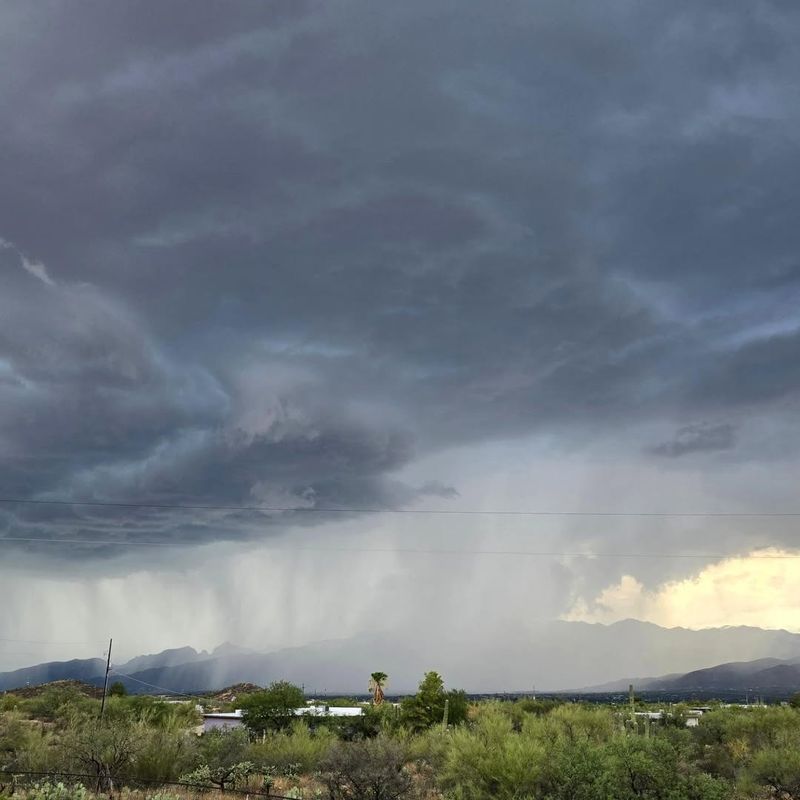
One of the defining characteristics of Arizona’s monsoon is how localized the storms can be. A storm cell can drench one neighborhood with a substantial amount of rain while leaving a property just a few streets away completely dry.
This means that checking a weather app or hearing that rain fell nearby does not confirm that your specific lawn received any meaningful moisture.
Even within a single yard, rainfall distribution can be uneven. Roof overhangs can block rain from reaching areas close to the house, while walls and fences may deflect wind-driven rain away from certain sections of turf.
Trees with dense canopies can intercept a significant amount of rainfall before it ever reaches the soil below. Slopes may cause water to run off before it has a chance to soak in, leaving higher areas drier than lower ones.
Because of this variability, walking your yard after a storm and checking multiple areas before making irrigation decisions is a practical habit during monsoon season. A rain gauge helps, but it only captures what fell in one spot.
Checking soil moisture in shaded corners, open areas, and spots near structures gives you a fuller picture of what your lawn actually received.
Relying on neighborhood weather reports or a single soil check may lead to skipping irrigation in areas that genuinely need it or running sprinklers where the soil is already adequately moist from the storm that passed through Arizona earlier that day.
6. Pausing Irrigation After Meaningful Rain
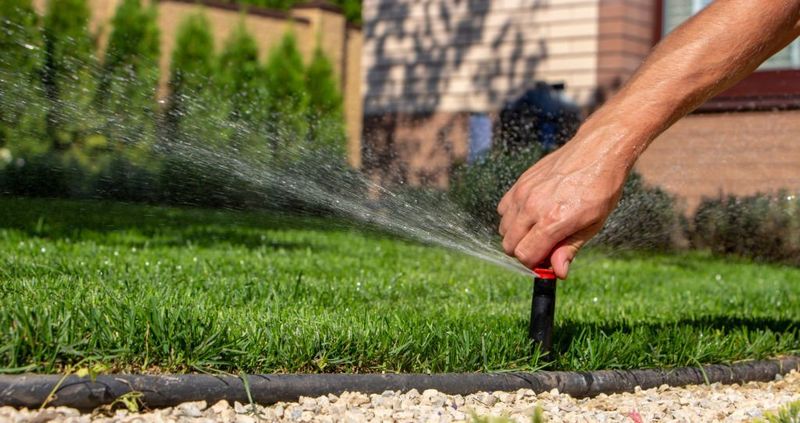
After a storm that delivers a solid, measurable amount of rainfall, pausing your irrigation schedule is a reasonable response that can save water and reduce the risk of overwatering.
How long that pause should last depends on several factors, including how much rain fell, how deeply the moisture reached into the soil, the type of grass you have, your soil texture, and the heat and sun conditions in the days that follow.
There is no single number of days that applies to every lawn after every storm. Sandy soils drain and dry out more quickly than clay-heavy soils, so a lawn growing in sandy ground may need irrigation sooner after a storm than one planted in a denser soil.
Lawns in full Arizona sun will lose surface moisture faster than shaded areas. Checking soil moisture before restarting your schedule, rather than resuming automatically after a set number of days, gives you a more accurate starting point.
A brief shower that wets only the surface may not justify skipping your next watering cycle, especially during the hottest stretches of Arizona’s summer.
A longer or heavier storm that pushes moisture several inches into the root zone is a stronger reason to pause.
The goal is to match irrigation to actual conditions rather than running sprinklers on autopilot. Keeping a simple log of recent rainfall amounts and your soil checks can help you make more consistent and confident decisions throughout the monsoon season.
7. Making Better Use Of Rain Sensors And Smart Controllers
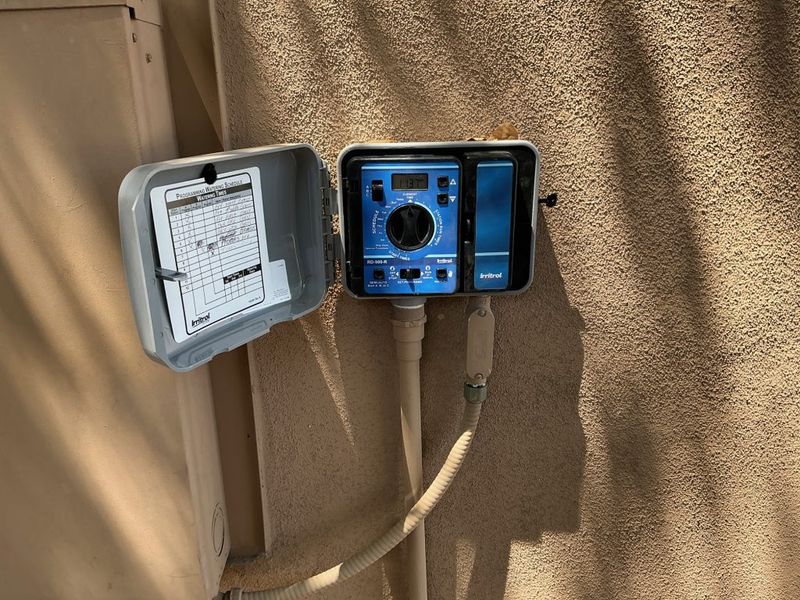
Rain sensors and smart irrigation controllers can be genuinely useful tools during Arizona’s monsoon season, particularly for homeowners who are not always home to manually adjust their systems after a storm.
A rain sensor is designed to interrupt a scheduled watering cycle when it detects that rainfall has occurred, helping prevent sprinklers from running immediately after a storm has already watered the lawn.
Smart controllers can take this a step further by pulling in local weather data and adjusting watering schedules based on conditions such as recent rainfall, temperature, and evapotranspiration rates.
Some models allow you to review watering history and make manual overrides when needed.
These features can reduce unnecessary irrigation during active monsoon weeks without requiring you to reprogram your system after every storm.
That said, these devices work best when they are correctly installed, properly programmed, and checked periodically throughout the season. A rain sensor that is mounted under an overhang may not detect rainfall accurately.
A smart controller that relies on regional weather data may not reflect the highly localized nature of Arizona monsoon storms, where rainfall can vary significantly from one property to the next.
Using these tools as part of your overall approach, rather than as a fully automatic solution, tends to produce better results.
Combining technology with regular observation and soil checks gives you the most reliable picture of what your Arizona lawn actually needs during monsoon season.
8. Adjusting Watering As Monsoon Conditions Shift
Arizona’s monsoon season does not deliver consistent rainfall from week to week. Some stretches bring frequent afternoon storms that keep the soil relatively moist, while other periods can go ten days or more with little to no measurable rain.
Treating the entire monsoon season as a single uniform block and setting one reduced schedule for all of July and August can leave your lawn either overwatered during active storm periods or underwatered during dry spells.
Checking the forecast regularly and staying aware of recent rainfall in your specific area helps you make timely adjustments rather than reacting after your lawn has already been affected.
When a stretch of storms is expected, you may be able to reduce irrigation frequency in advance.
When a dry period settles in, returning closer to your standard schedule sooner rather than later can help the lawn maintain healthy root moisture before stress symptoms develop.
Soil type, turf variety, sun exposure, and your sprinkler system’s output all influence how quickly your lawn uses available moisture between storms.
Bermudagrass, which is common across Arizona, is relatively heat-tolerant and can handle some dry periods, but it still benefits from consistent moisture during the growing season.
Staying flexible and revisiting your irrigation settings every week or two throughout the monsoon, rather than making one seasonal adjustment and leaving it unchanged, puts you in a much better position to keep your Arizona lawn healthy through the full range of conditions the monsoon can bring.