What To Do With Your Florida Gardenia In August So Next Year’s Buds Aren’t Ruined
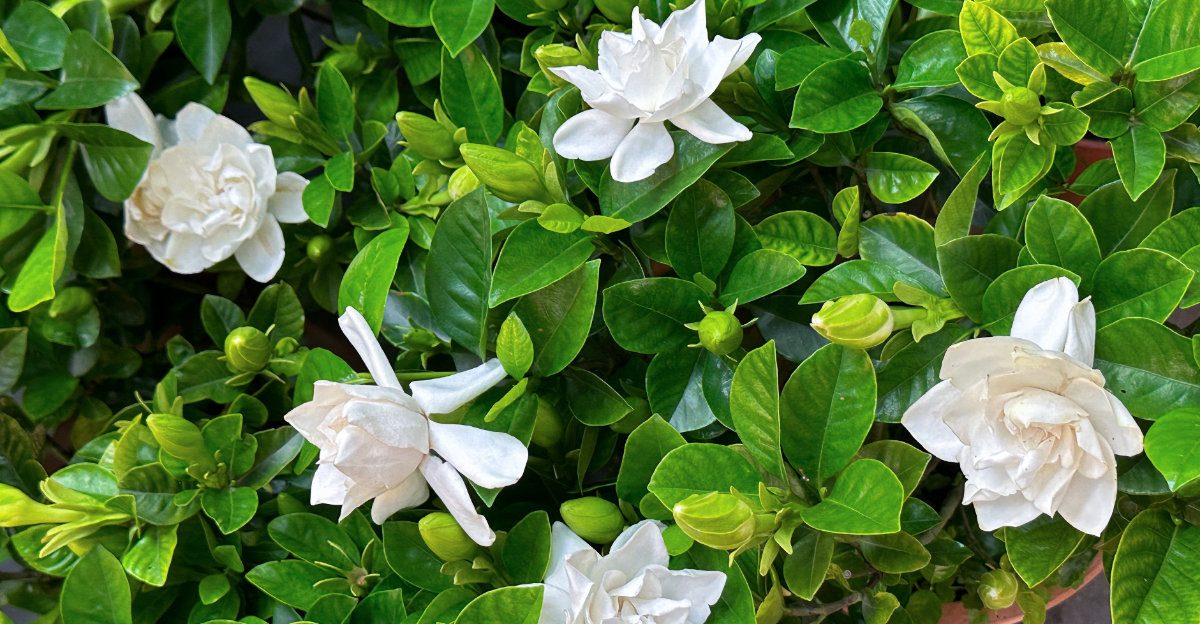
August is the month Florida gardenias get ignored. The blooms finished months ago, the heat has settled in, and the shrub blends into the background while everything else in the garden demands attention.
That invisibility in August is exactly what ruins next year’s buds before they ever get the chance to form. Gardenias are setting the foundation for next spring right now.
Not in February, not when the buds become visible. In August, quietly, while nobody is paying attention.
One task done this month protects that process. Skip it and the buds that should open next May either form poorly or do not form at all.
August gardenia care is not complicated. It is just consistently overlooked because nothing about the plant in this season signals urgency.
The urgency is there. It is just working on a timeline that does not make itself obvious until it is too late to do anything about it.
1. Stop Cutting Before Buds Start Setting
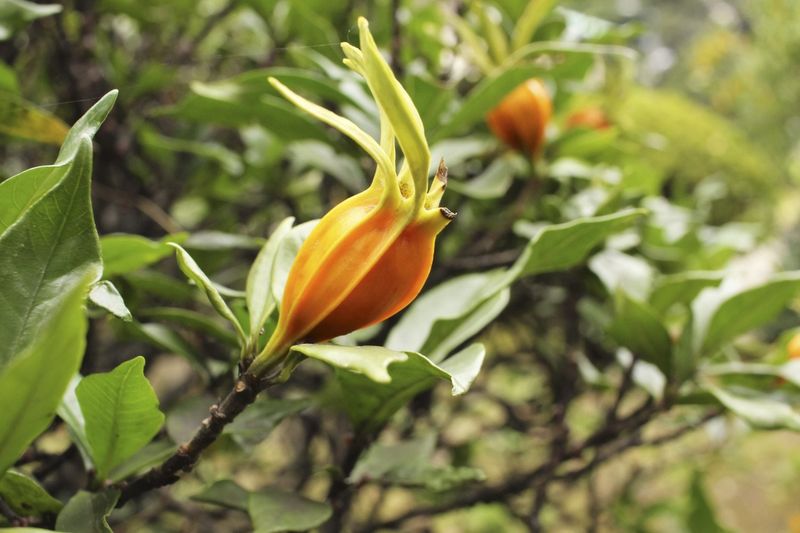
Reaching for the pruners after the last gardenia flowers fade feels like the natural next step. The shrub looks overgrown, the spent blooms are brown, and a cleanup seems overdue.
But late summer is exactly when the timing gets tricky.
Many gardenia cultivars begin developing the growth that will carry next year’s flower buds during the weeks after the main bloom period ends. Cutting into that new growth in August can remove potential bloom sites before they ever get a chance to develop.
The risk is not the same for every plant. Timing depends on the cultivar, the bloom pattern, Florida local conditions, and how much of the shrub gets cut.
Some gardenia types bloom on older wood, which means fresh cuts in late summer may take away the very stems that would have flowered next spring. Others have longer or repeat bloom cycles that shift the window slightly.
Because that window varies, the safest approach is to stop hard pruning once the main bloom period has wrapped up.
Light touch-ups are a different matter and are covered in the next section. For now, the key point is simple.
To protect next year’s bloom display, put down the heavy pruners from late July through August and let the shrub grow.
2. Shape Lightly Instead Of Pruning Hard
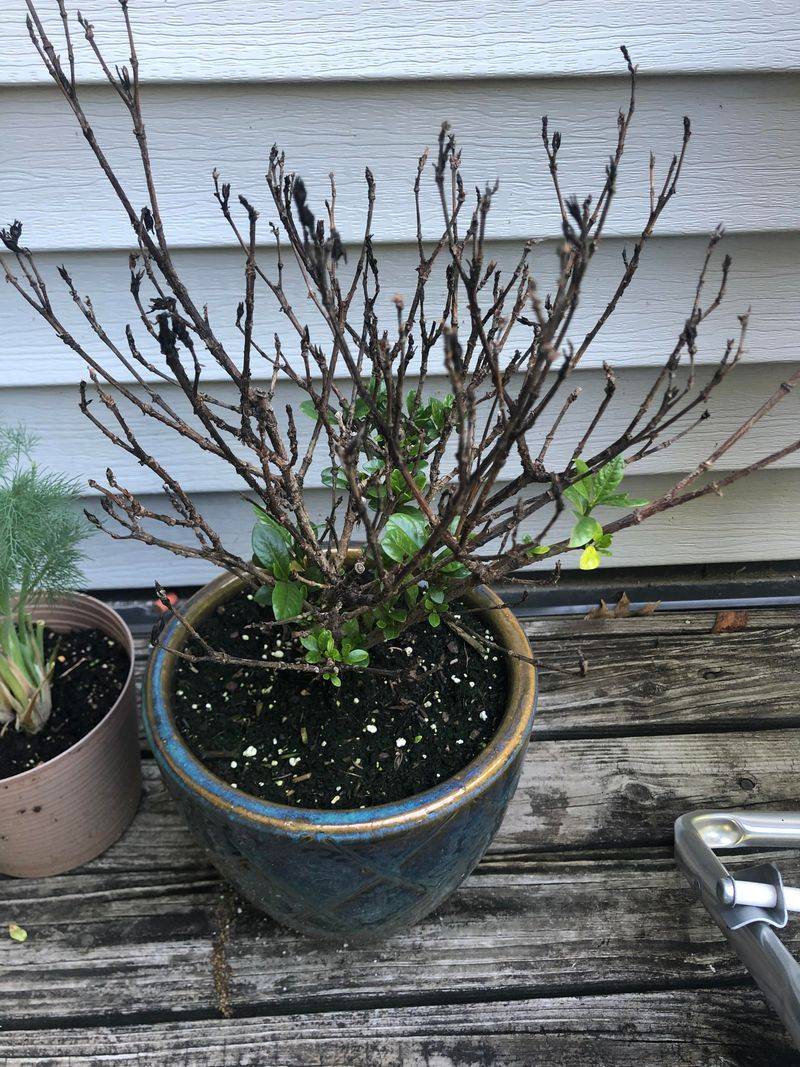
Standing next to a gardenia that has put on a lot of summer growth, the temptation to even it out is completely understandable. A few long stems stick out, the outline looks uneven, and the whole shrub seems to be asking for a trim.
Light shaping is fine. Hard pruning is where the trouble starts.
Light shaping means removing only stem tips that are clearly out of place. You can also reduce one branch that has grown too long or neaten the outer edge slightly.
It does not mean cutting the shrub back by several inches all around or using hedge clippers to force a tighter shape.
Hedge-style shearing in August removes a large volume of growth all at once. That kind of cut does not just change the shape; it can strip away stems that were already building toward next year’s buds.
Your Florida Garden Changes Every Week. Your Plan Should Too.
Gardening in Florida changes quickly throughout the season. Every Friday you’ll receive a simple weekly plan showing exactly what to plant, prune, fertilize, harvest, and protect so you never miss the right timing.
A slightly uneven gardenia that blooms well in spring is a better outcome than a neatly shaped shrub that produces far fewer flowers.
Use bypass pruners rather than electric trimmers for any August shaping. Make clean cuts just above a leaf node or a side branch.
Step back after each cut and look at the whole plant before making another. Small corrections add up quickly, and it is always easier to cut a little more later than to undo cuts already made.
3. Remove Stray Branches Without Thinning Too Much
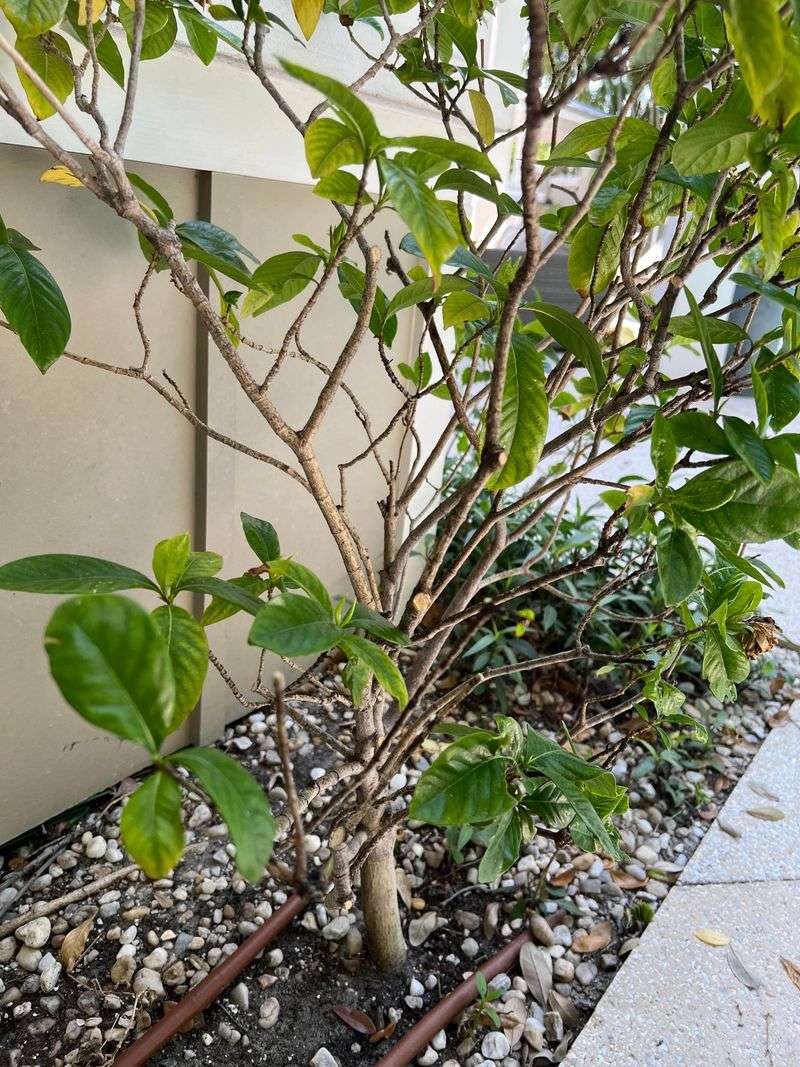
Not every branch on a gardenia in August deserves to stay. Some stems cross awkwardly through the center, rub against other branches, or grow at odd angles that will only cause problems later.
Removing those specific problem branches is reasonable and does not carry the same risk as broad thinning or heavy reshaping.
The key is selectivity. Walk around the shrub slowly and look for branches that are clearly rubbing, crossing, broken, or heading in the wrong direction.
Make one clean cut per problem stem, cutting back to a healthy junction or a side branch with clean, sharp pruners. Dull blades tear tissue and create ragged cuts that heal more slowly and can invite pests.
Where the approach gets risky is when selective removal turns into general thinning. Pulling out multiple interior branches to open up the shrub or improve airflow sounds reasonable, but removing too much foliage during August heat can stress the plant.
Leaves help the shrub manage heat, produce energy, and support root strength through the rest of summer.
Step back between cuts and reassess. If the shrub still looks full and balanced after removing one or two problem branches, that may be enough for now.
Preserving the natural form of the plant during this caution window is a better strategy than trying to achieve a perfectly open structure before fall arrives.
4. Keep August Growth Healthy And Green
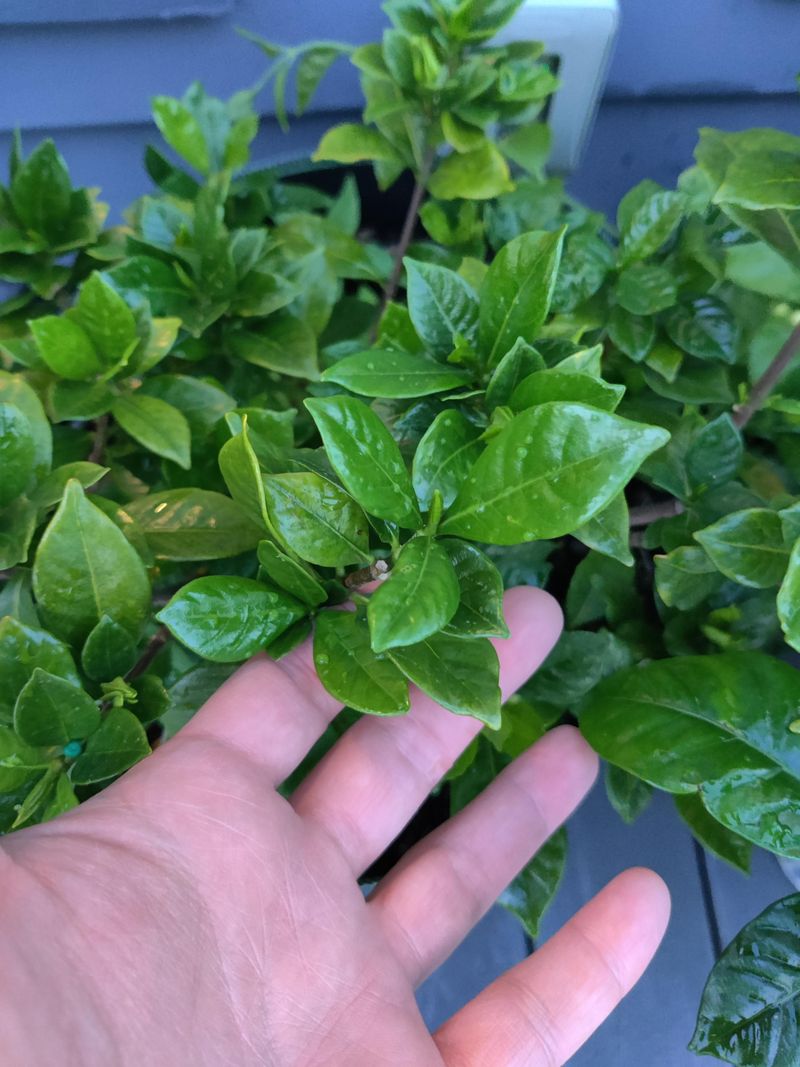
Full, dark green leaves on a gardenia in August are a good sign. They mean the plant is processing energy, feeding its roots, and building reserves for the next growth and bloom cycle.
Protecting that foliage matters more than most Florida gardeners realize.
Leaves are not just decoration. Each one acts like a small solar panel, converting light into the energy the plant uses to grow roots, develop stems, and eventually set flower buds.
Stripping foliage through heavy pruning, pest damage, or stress reduces the plant’s ability to do all of that work. A shrub that heads into fall with sparse, struggling leaves is starting from a weaker position than one that stays full and green.
Yellowing leaves are worth paying attention to, but guessing at the cause can lead to the wrong fix. Yellow foliage on a gardenia can point to soil pH that is too high, nutrient deficiency, inconsistent watering, root stress, or pest activity.
Check soil pH with a simple test kit, inspect the plant for pests, and review recent watering habits. That gives a clearer picture than applying a random treatment.
UF/IFAS and county extension resources can help identify the specific cause of yellowing in your area, since conditions vary across the state.
The goal for August is to keep as much healthy green growth as possible and address any real problems with accurate information rather than guesswork.
5. Water Deeply Without Soaking The Roots
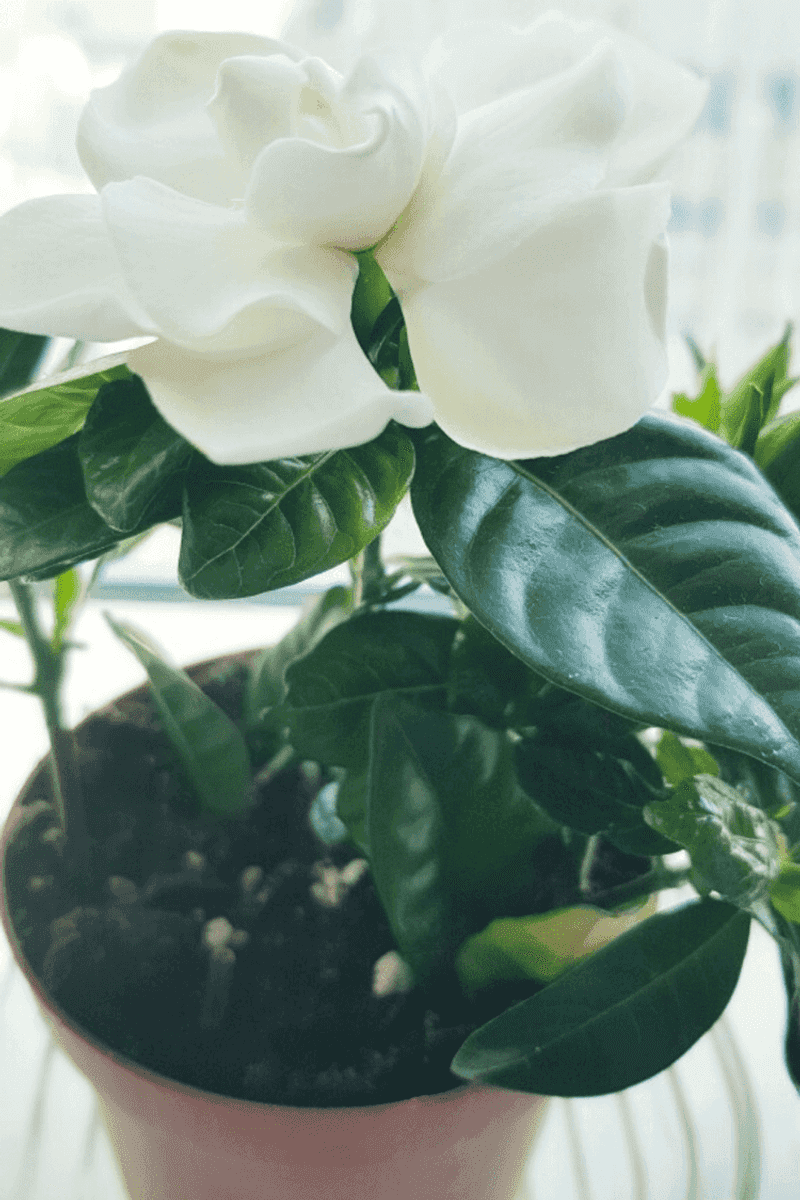
August in warm-weather landscapes brings a combination of intense heat, afternoon thunderstorms, and unpredictable dry spells. For gardenias, that weather pattern makes consistent moisture management one of the most important tasks of the month.
Gardenias prefer moist, well-drained soil. That phrase matters in both directions.
Too little water during August heat stresses roots and can affect how well the plant develops over the coming weeks. Too much water, especially in poorly drained soil, creates soggy conditions that damage roots and make the plant more vulnerable to disease.
The goal is steady moisture without saturation.
Deep, infrequent watering encourages roots to grow down into the soil rather than staying shallow near the surface. Water slowly at the base of the plant and let it soak in rather than running off.
Check soil moisture a few inches down before watering again. After a stretch of heavy afternoon rain, the irrigation schedule may not need to run at all.
Mulch plays a supporting role here. A layer of organic mulch two to three inches deep around the root zone helps hold soil moisture, moderate soil temperature, and reduce water stress between rain events.
Keep mulch a few inches away from the main stem to avoid creating conditions that promote rot or pest pressure near the base of the plant. Proper mulching is a simple step with real benefits for late-summer plant health.
6. Feed Carefully Before The Season Shifts
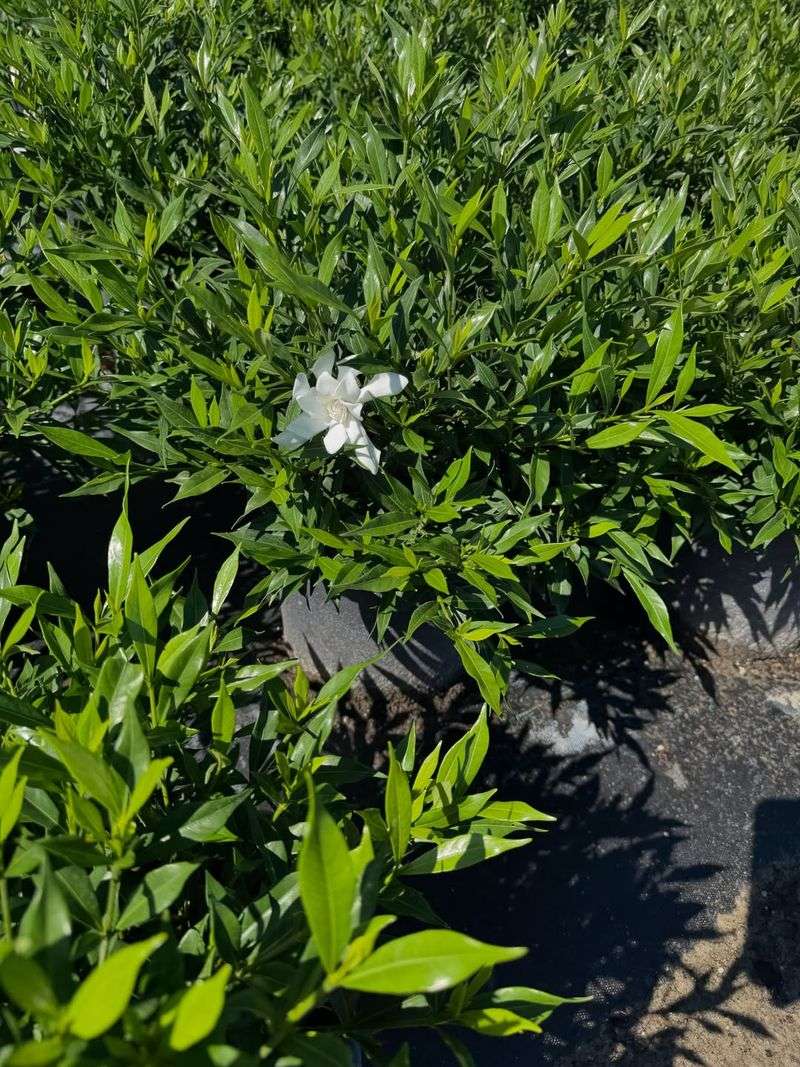
Late summer feeding for gardenias requires more caution than spring feeding does. In spring, the plant is actively pushing new growth and can use the extra nutrients well.
By August, the season is shifting, and pushing a lot of tender new growth with heavy fertilizer can create problems rather than help.
Gardenias generally do best in acidic soil conditions, and their nutrition needs reflect that. A fertilizer formulated for acid-loving plants, applied according to label directions, is a reasonable option when the plant shows signs of needing support.
Soil testing through your county extension office gives the clearest picture of what the soil actually lacks, which takes the guesswork out of fertilizer choices.
What to avoid is over-applying fertilizer in August, especially before a stretch of heavy rain. Excess nutrients can wash away, stress the plant, or push soft new growth that is more vulnerable to pest pressure and heat damage.
More fertilizer does not mean more blooms. It means more risk when timing and conditions are not right.
UF/IFAS and Florida local extension offices provide fertilizer guidelines specific to Florida landscapes and seasonal timing. Following those guidelines is more reliable than estimating based on how the plant looks.
If the shrub looks healthy and the soil test shows adequate nutrition, hold off on extra feeding until early fall. That may better protect next year’s bloom potential.
7. Watch Pests Before Buds Get Stressed
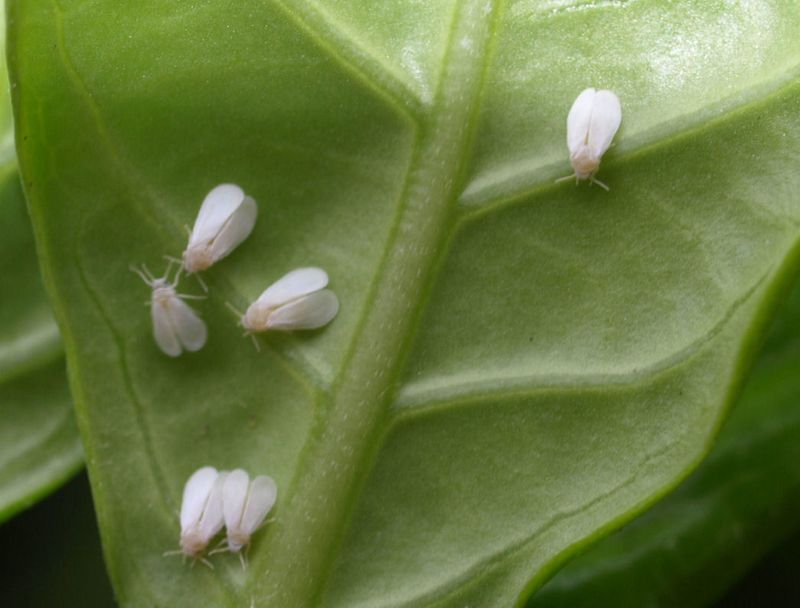
A gardenia that is already managing August heat does not need the added burden of a pest infestation draining its energy. Late summer is a good time to slow down and inspect the plant carefully before the next growth cycle picks up.
Start with the undersides of leaves, where many common gardenia pests prefer to feed. Whiteflies are a frequent problem in warm-weather landscapes and often appear as small white insects that scatter when a branch is disturbed.
Scale insects show up as small, waxy bumps on stems and leaf surfaces. Aphids cluster on new growth, and mealybugs appear as white, cottony patches in branch joints and along stems.
One visible sign of several of these pests is a sticky residue on leaves or nearby surfaces. That stickiness, called honeydew, is a byproduct of feeding insects and often leads to a black coating called sooty mold.
Sooty mold does not infect the plant directly, but it can block light from reaching leaves and signals that a pest problem is active.
Correct identification matters before any treatment is applied. Random sprays, especially during heat or when beneficial insects are present, can cause more harm than the pest itself.
UF/IFAS and Florida local extension offices can help identify common gardenia pests. They can also suggest appropriate, label-directed treatments when intervention is truly needed.
Catching a problem early gives you more options and less stress on the plant.
8. Protect Next Spring Blooms By Doing Less
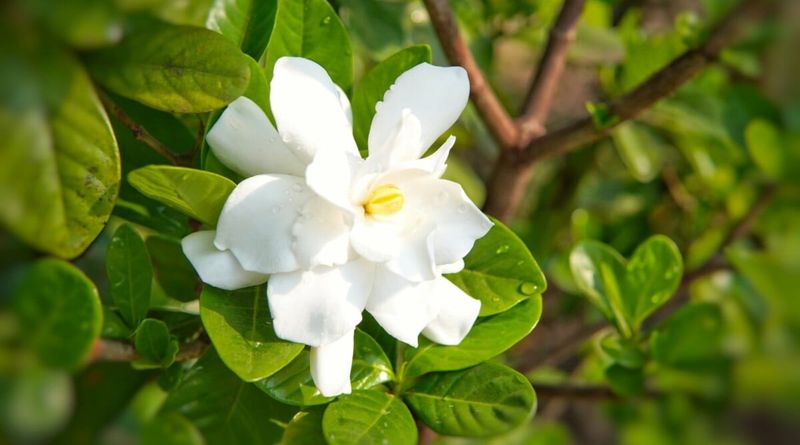
Sometimes the best thing a Florida gardener can do in August is put the tools down and walk away. Gardenias do not need aggressive intervention during this window.
They need steady care, a little attention, and protection from the mistakes that are easiest to make when a shrub looks a bit rough after a long summer.
Avoiding hard pruning is the single most protective step for next year’s bloom display. Keep soil moisture consistent, maintain a proper mulch layer, and check for pests.
These actions support the plant without putting future buds at risk. Feeding carefully, based on soil conditions and label guidance rather than guesswork, rounds out a solid late-summer routine.
Doing less does not mean ignoring the plant. It means being deliberate about what actually helps versus what feels productive but can set the shrub back.
A gardenia that finishes August with intact foliage, watered roots, mulch, and pests under control is in a strong position. It can develop the growth that carries next spring’s flowers.
Major reshaping, hard thinning, and structural pruning are better saved for the period right after the main bloom cycle ends, before late summer arrives.
That window, which varies by cultivar and local conditions, gives the shrub time to recover and set new growth without the added pressure of bud development.
August is a time for patience, and patience pays off in spring.