What It Means When Pill Bugs Start Eating North Carolina Seedlings Instead Of Dry Leaves
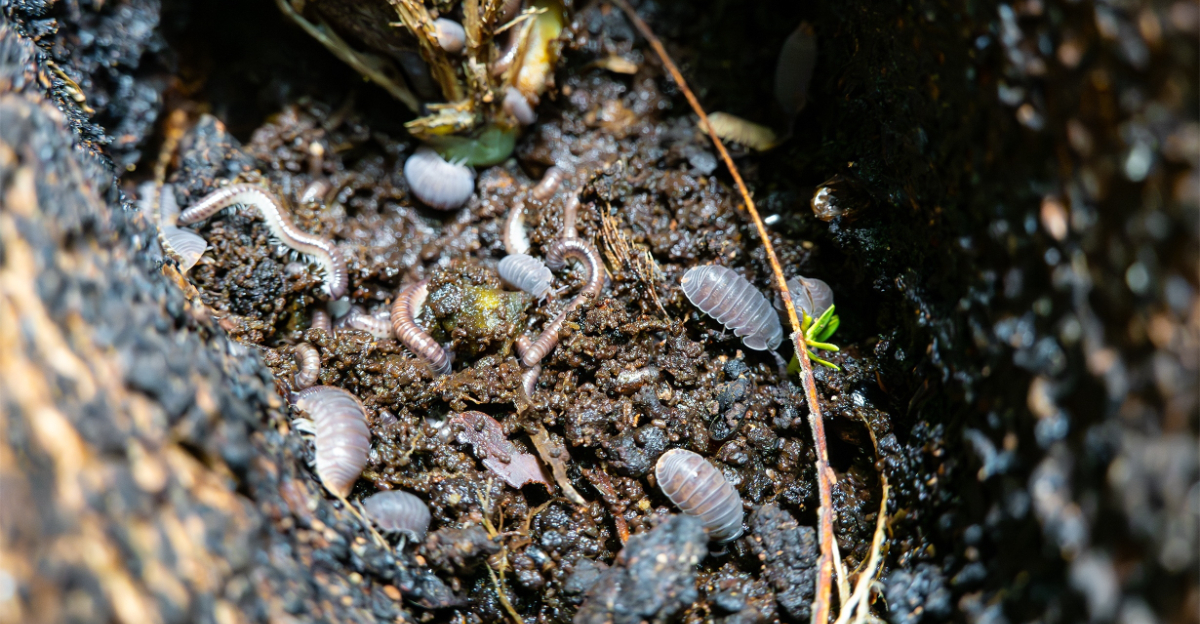
Pill bugs typically stick to decomposing plant matter, so a shift toward eating live seedlings often signals overcrowding or a shortage of their preferred food source.
In North Carolina gardens, heavy mulch or excess organic debris can create ideal conditions for pill bug populations to grow larger than usual.
Once numbers increase significantly, these normally harmless decomposers start targeting tender seedlings out of sheer necessity. Young, soft stemmed plants are especially vulnerable, since pill bugs can quickly chew through delicate tissue near the soil line.
Reducing excess mulch around vulnerable seedlings helps limit the moist, sheltered environment pill bugs prefer. Handpicking pill bugs in the evening, when they’re most active, offers a simple way to reduce their numbers directly.
Protecting seedlings with a temporary barrier can also prevent access until plants become more established. Recognizing this shift early helps protect young plants before damage becomes widespread.
1. Pill Bug Numbers Have Built Up Around The Seedbed
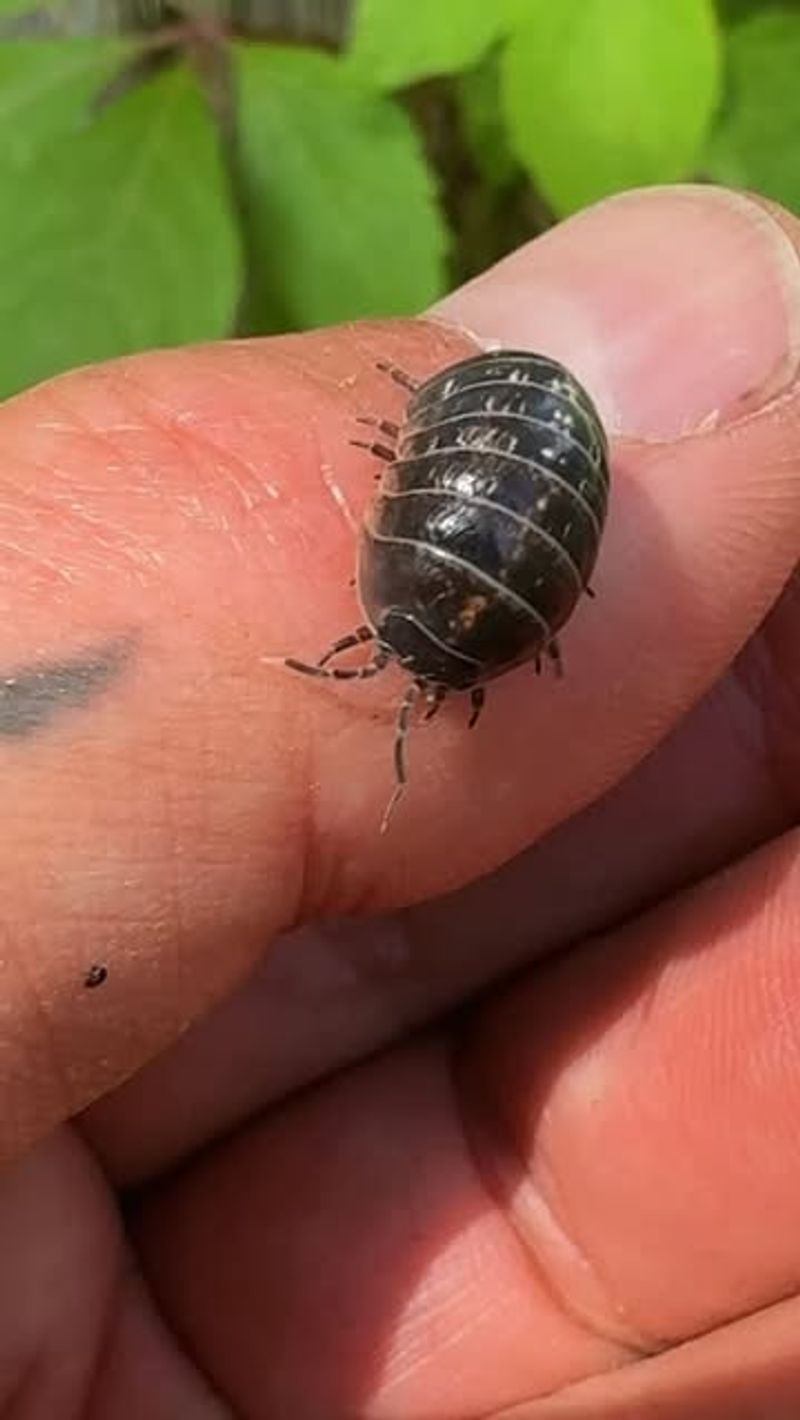
Surprise visitors in your seedbed are never a welcome sight, especially when they arrive in large numbers. Pill bugs are normally helpful creatures, quietly breaking down soggy leaves, rotting wood, and soft organic matter.
When their population builds up near a seedbed, though, things can shift in an unexpected direction.
Damp mulch, leaf litter, unfinished compost, boards, stones, overturned pots, and dense groundcover all create cozy daytime shelters for pill bugs. North Carolina gardens often have plenty of these spots, especially after a rainy spring week.
The more hiding places clustered close to young plants, the more pill bugs gather right beside tender seedlings.
Normally, having a few pill bugs nearby is not a problem at all. Large groups resting just inches from fragile stems, though, increase the chance that some individuals will sample the closest soft tissue available.
Pill bugs are broad scavengers by nature, so proximity matters a great deal when populations spike.
Lift mulch or move nearby objects during the day and look for clusters of small gray segmented animals that curl into a ball when touched. Seeing several dozen in one spot near your seedlings is worth paying attention to.
Finding just a handful nearby does not automatically mean they caused the injury, since they may simply be sharing the same moist shelter without feeding on your plants at all.
2. The Soil Surface Is Remaining Moist For Too Long
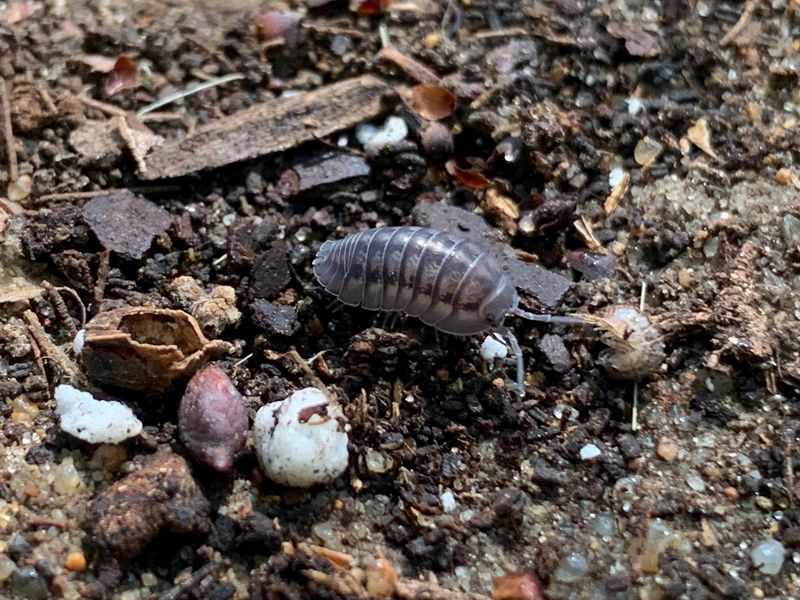
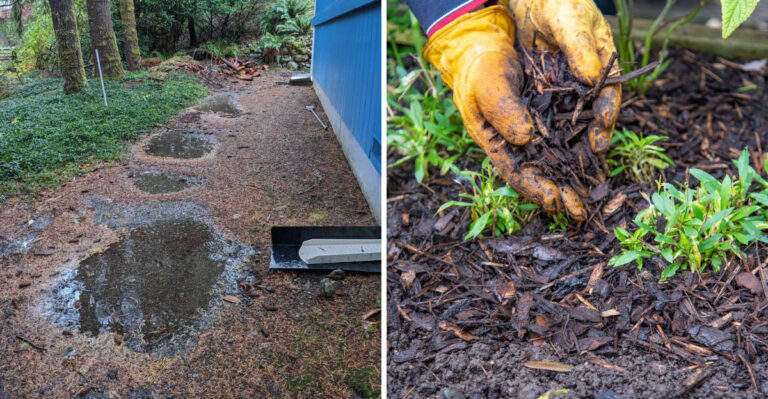
Persistently wet soil sounds like a gardener’s dream, but it can quietly invite the wrong crowd to your seedbed. Pill bugs thrive in humid, sheltered environments, and a surface that stays damp around the clock gives them every reason to stick around.
When the conditions are just right, they never need to wander far from where your seedlings are growing.
Frequent light watering is one of the most common mistakes North Carolina gardeners make without realizing it.
Sprinkling a little water every day keeps the top inch of soil continuously wet without actually reaching the deeper root zone where young plants need moisture most.
That shallow dampness creates a welcoming carpet for pill bugs sheltering beneath mulch, plant debris, and soil clods all day long.
Your North Carolina Garden Changes Every Week. Your Plan Should Too.
Gardening in North Carolina changes quickly throughout the season. Every Friday you’ll receive a simple weekly plan showing exactly what to plant, prune, fertilize, harvest, and protect so you never miss the right timing.
A simple shift in your watering routine can make a real difference. Water thoroughly during the morning, giving the soil a proper soaking, and then allow the surface to dry out between sessions.
Morning watering means the top layer dries out during the day, making the environment noticeably less comfortable for pill bugs seeking shelter close to your plants.
Young seedlings still need reliable moisture, so avoid letting the soil crack or pull away from roots. The goal is not to create drought conditions but to stop the surface from staying soggy around the clock.
A drier surface reduces pill bug shelter while still supporting healthy seedling establishment, and that balance is exactly what North Carolina spring gardens need.
3. Tender Stems Are Resting Against Their Shelter
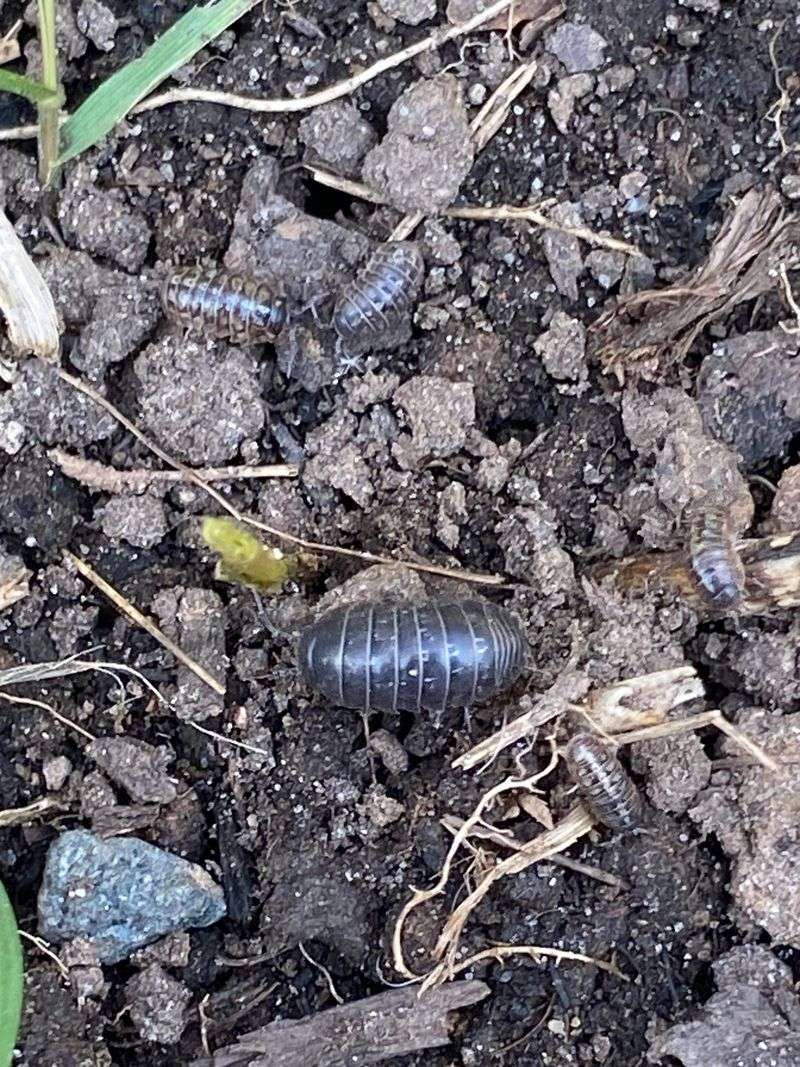
Picture a freshly sprouted cucumber seedling, its tiny stem barely thicker than a toothpick, resting directly against a clump of damp mulch. That small point of contact is all it takes for a pill bug to find an easy meal.
Seedlings that touch their surroundings face far more exposure than those standing clear of the soil surface.
Cotyledons, low-hanging leaves, and soft new stems can press directly against the spots where pill bugs hide and feed during the night. Newly emerged lettuce, beans, squash, brassicas, and flower seedlings have very little tissue to spare.
Losing even a small portion of a stem or a single growing point can completely stop a young plant from developing any further.
Pulling heavy mulch back several inches from seedling stems is one of the easiest and most effective adjustments you can make.
Creating a small open ring of bare soil around each plant allows air to circulate and reduces the contact zone between tender tissue and pill bug shelters. This simple step costs nothing and can make a noticeable difference within a few nights.
Thinning crowded seedlings also helps quite a bit. When plants are packed tightly together, leaves overlap and stay wet longer, and the microclimate near the soil stays humid all day.
Spacing seedlings properly so leaves dry out faster and rise above the soil surface reduces feeding opportunities significantly. Not every low-growing seedling will face damage, but removing unnecessary contact points gives each plant a much better chance.
4. Decaying Material Is No Longer Their Only Convenient Food
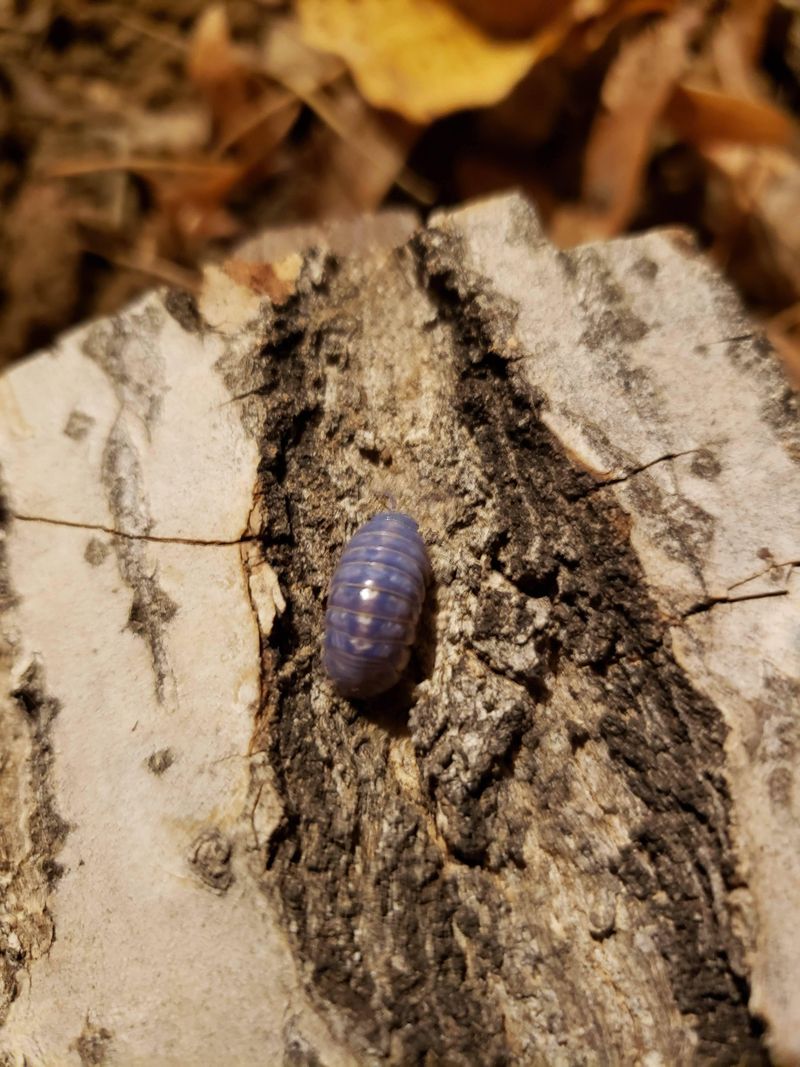
Pill bugs did not suddenly decide to become plant pests overnight. The shift from decaying material to living seedlings usually happens gradually, driven by what is closest, softest, and easiest to reach.
Understanding this helps gardeners respond to the actual situation rather than guessing at a single cause.
Rotting fruit sitting on the soil, collapsed leaves pressed against stems, and thick unfinished compost piled near seedling rows can all pull large numbers of pill bugs into a very small area.
Once a crowd forms, some individuals will naturally explore beyond the original food source. Tender roots, soft stems, and young leaves become attractive simply because they are moist, easy to chew, and right there.
Very dry weather adds another layer to this picture. When organic material dries out faster than usual, pill bugs may move toward living plant tissue to find the moisture they need.
On the flip side, extremely wet conditions support larger populations overall, which means more individuals are active near seedlings even when plenty of decaying material is still available.
Removing rotting fruit, soggy collapsed leaves, and thick unfinished compost from the immediate seedling area helps redirect pill bug activity away from your plants. You do not need to strip useful organic matter from the entire garden.
Keeping a small clean zone around seedling rows, while allowing decomposition to continue elsewhere in the bed, strikes the right balance. The real issue is almost always a combination of shelter, moisture, population size, and plant vulnerability working together.
5. Small Seedlings Cannot Tolerate Much Feeding
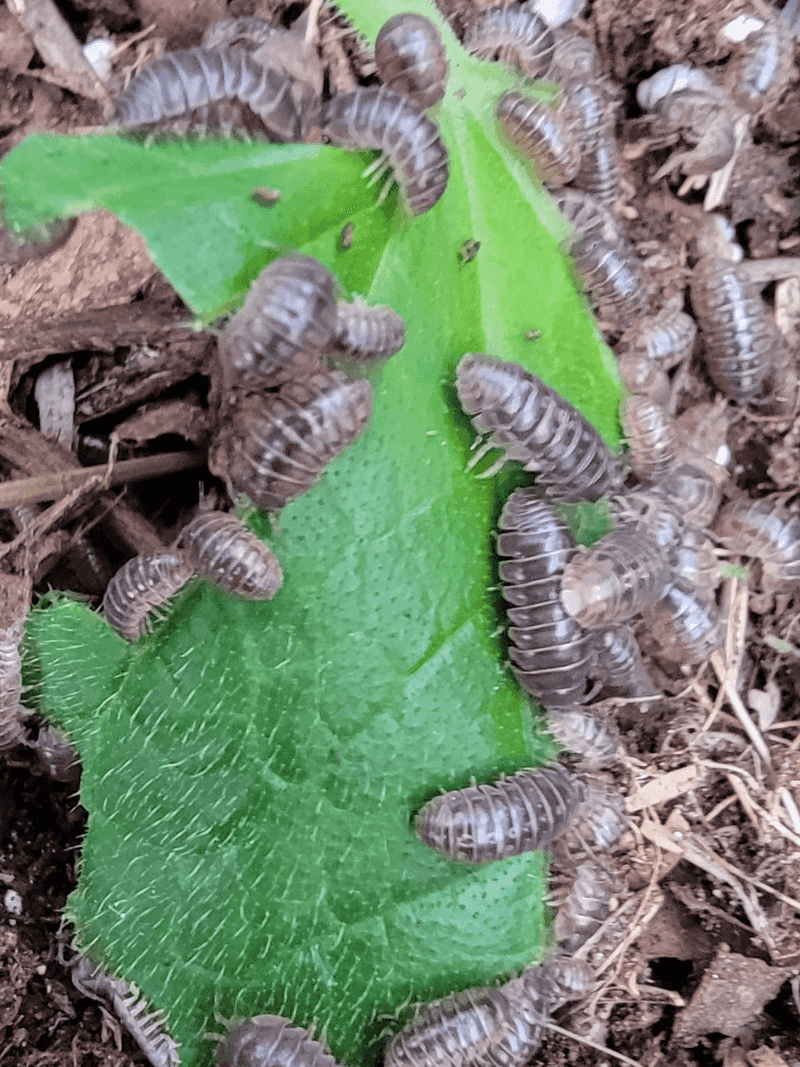
A fully grown tomato plant can shrug off a few small holes without missing a beat. A seedling that just pushed through the soil two days ago does not have that kind of resilience.
Even a small amount of feeding can mean the difference between a thriving plant and one that never recovers.
One clipped growing point, one severed cotyledon, or one ring of damaged tissue near the soil line can completely stop a tiny seedling from developing normally. The younger the plant, the fewer resources it has to repair or grow around an injury.
North Carolina gardeners who lose their first round of transplants sometimes replant without addressing the actual cause, only to watch the same thing happen again.
Look for shallow scraping along stems, irregular holes in lower leaves, missing leaf edges, and soft mushy tissue right at the soil surface. Pill bug feeding tends to happen close to the ground rather than higher up on the plant.
Noticing these signs early gives you a chance to act before the entire seedling row is affected.
Protecting newly emerged plants should come before any attempt to remove every pill bug from the landscape. Pill bugs genuinely help break down organic material and improve soil structure, so the goal is not to eliminate them from your garden entirely.
Focused management around vulnerable seedlings, rather than a broad treatment of the whole space, keeps the garden ecosystem working properly while giving young plants the protection they need during their most fragile stage.
6. Similar Damage May Have A Different Cause
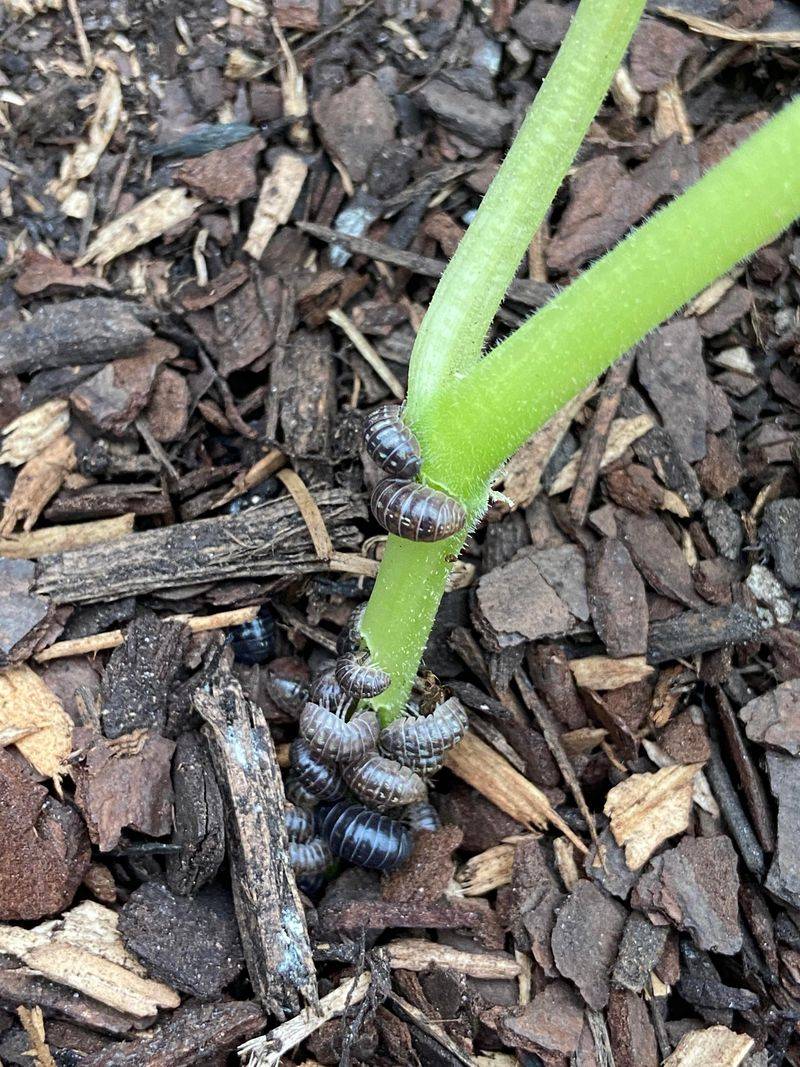
Not every seedling injury in a North Carolina garden comes from pill bugs, even when pill bugs are found nearby. Jumping to conclusions can lead to treating the wrong problem while the real culprit keeps feeding undisturbed.
Taking a closer look at how the damage actually appears can point you toward the right answer.
Slug feeding usually shows up as irregular chewing with a shiny dried trail nearby. Cutworms are notorious for severing stems cleanly at or just below the soil surface, leaving the rest of the plant toppled over but otherwise intact.
Earwigs and small caterpillars tend to leave ragged, uneven holes across leaf surfaces rather than the shallow scraping that pill bugs typically produce.
Seedlings that collapse with discolored, water-soaked tissue may not have been touched by any animal at all.
Excessive moisture combined with certain soil conditions can cause damping-off, a fungal problem that mimics pest damage closely enough to confuse even experienced gardeners.
Seeing pill bugs in the same area does not automatically mean they are responsible for what you are seeing.
Inspecting the garden after dark with a flashlight is one of the most reliable ways to catch the actual culprit in the act. Watch the damaged plants directly rather than just looking at what animals are resting nearby.
Photographing the injury pattern and reaching out to your local North Carolina Cooperative Extension center is a smart move when the cause stays uncertain, since their staff can help identify the problem accurately.
7. Pull Back Shelter Before Using A Control Product
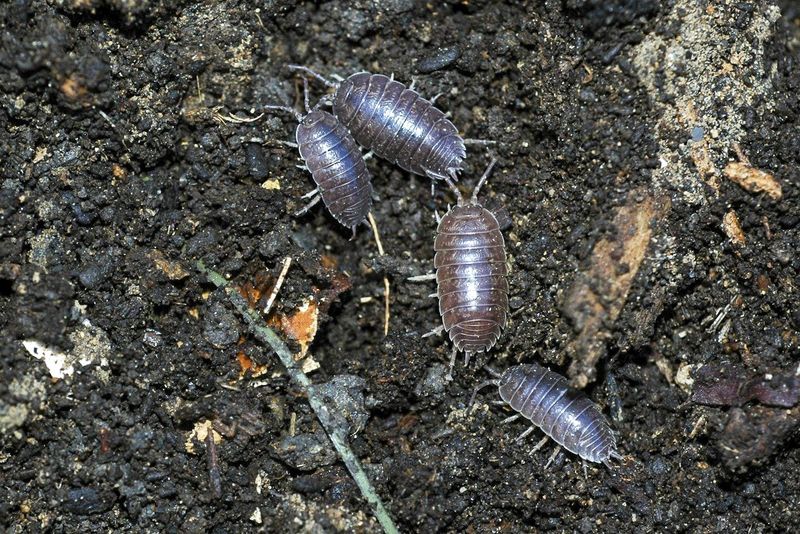
Reaching for a pesticide bottle is often the first instinct when garden pests show up, but habitat changes almost always work better as a starting point.
Removing the conditions that brought pill bugs close to your seedlings in the first place gets to the root of the problem rather than just treating the symptom. Simple physical changes can produce real results within a few days.
Move boards, unused pots, stones, dense weeds, and excessive damp debris away from the seedling row. Pull mulch back temporarily to let the soil surface breathe and dry between watering sessions.
Improving air movement through the bed and correcting any leaking irrigation lines can shift the microclimate just enough to make the area less attractive to large pill bug groups.
A surprisingly effective monitoring trick involves placing a damp piece of cardboard near the seedling area before nightfall. Lift it the following morning and you will likely find pill bugs gathered underneath.
Removing them manually at that point is easy and requires no chemical products at all. Repeating this for several nights can reduce local numbers noticeably.
Any pesticide you consider must specifically list the crop, the planting site, and the target pest on its label before you apply it. Pill bugs are not always included on common garden pest labels, so reading carefully matters.
Unnecessary treatment can affect beneficial soil organisms, earthworms, and other decomposers that your garden genuinely needs.
Habitat management first, targeted treatment only if absolutely necessary, is the approach that protects both your plants and your soil.
8. The Next Sowing Needs Temporary Protection
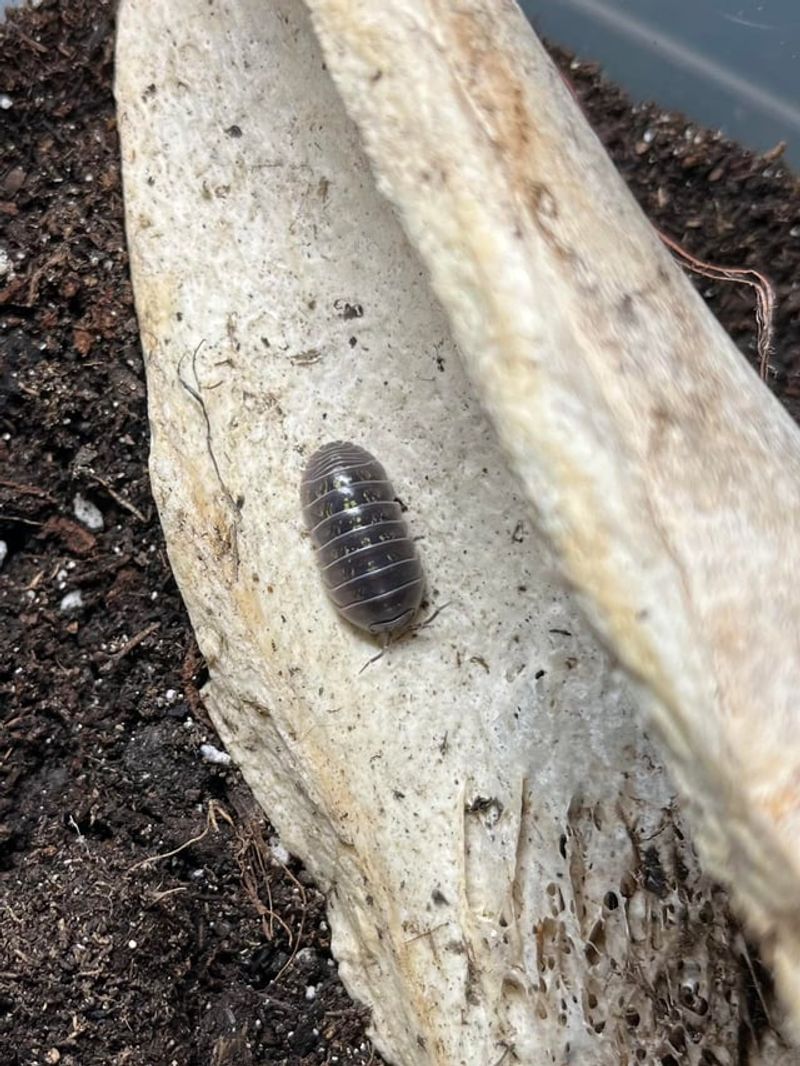
Replanting after pill bug damage can feel discouraging, but a few smart adjustments before you put the next seedlings in the ground can change the outcome completely.
Confirmed pill bug activity near a seedbed means the habitat still favors them, and sending in a fresh round of tender plants without making any changes is a recipe for the same frustrating result.
Starting with healthy, slightly more mature transplants where possible gives each plant a better chance of surviving early contact. Larger, tougher stems are less vulnerable than seedlings that just cracked through the soil surface.
Clearing a small open ring of bare soil around each stem removes the direct contact point between the plant and any nearby shelter.
Simple collars made from cardboard tubes or plastic cups with the bottoms removed can create a physical barrier between tender stems and the soil surface. They work best when pressed lightly into the soil to prevent pill bugs from crawling underneath.
Make sure any collar you use does not trap water or restrict the stem as the plant grows, since both of those issues can cause their own problems.
Check the planting after dark for several nights in a row, flashlight in hand, watching for activity directly around the stems.
Pill bug feeding on seedlings is a signal that something in the local habitat is out of balance, not a reason to remove every decomposer from your garden.
Once stems toughen and leaves rise above the ground, the need for close monitoring and temporary protection will naturally fade on its own.