What Sudden Brown Patches Actually Mean In Your Michigan Lawn Today
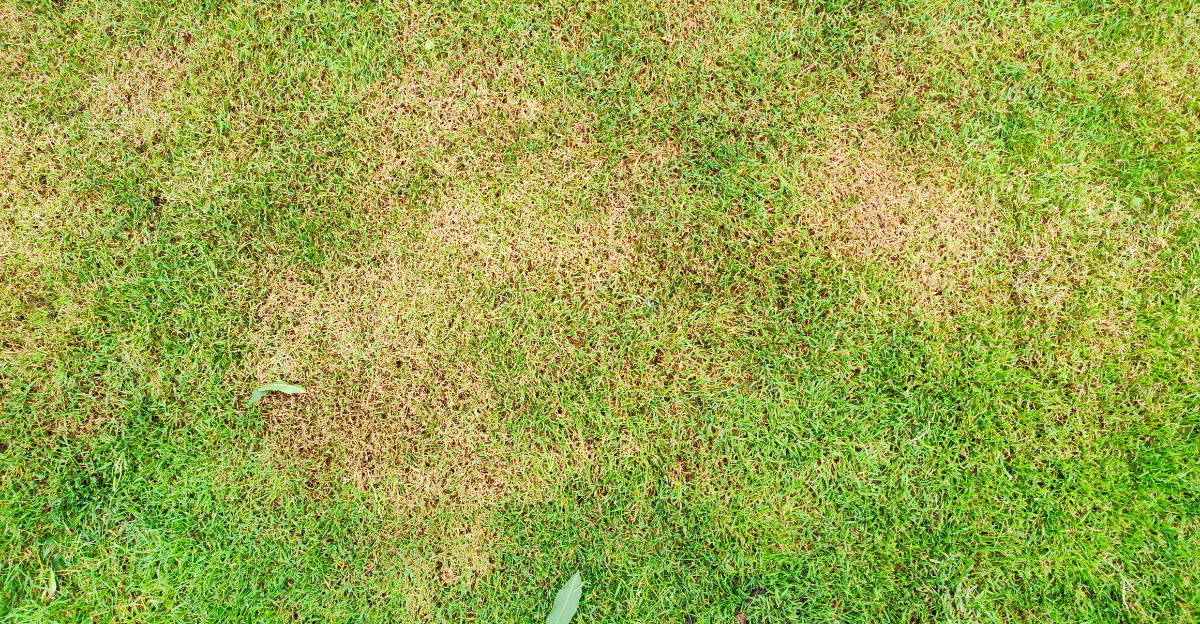
That brown patch did not show up just to ruin your morning coffee.
Michigan lawns can change fast in summer. One week, the grass looks thick and green. The next, a tan patch appears by the driveway, along the sidewalk, or right in the middle of the yard like someone dropped a hot pan on it.
The hard part is that several problems look almost identical from a distance.
Heat stress, drought dormancy, chinch bugs, grubs, fungal disease, and mowing damage can all turn grass brown in patches. But up close, each one leaves different clues.
That means the smartest move is not grabbing the sprinkler, fertilizer, or pest control product right away.
It is slowing down, checking the patch, and figuring out what the grass is actually telling you.
So what do sudden brown patches in a Michigan lawn really mean today?
Start with the patch location, blade color, soil moisture, root strength, and the way the damage spreads. The answer is usually sitting right there in the lawn, waiting for a closer look.
1. Heat Stress Is The First Clue
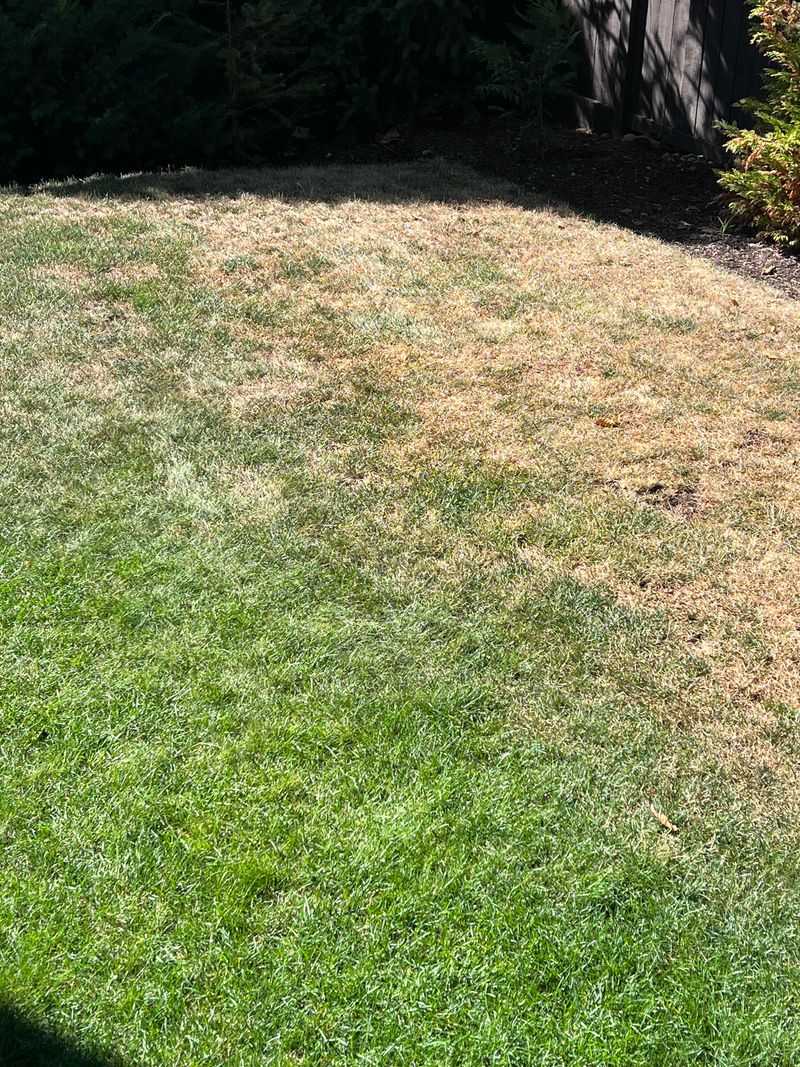
A faded patch near concrete usually speaks heat first.
Driveways, sidewalks, patios, and south-facing slopes hold and reflect summer heat. Grass beside them often shows stress earlier than the rest of the lawn, especially during long, hot Michigan afternoons.
The color may look gray-green before brown.
Heat-stressed turf often turns dull or bluish before it becomes tan. The blades may fold or curl lengthwise, giving the patch a wilted, tired look.
Footprints linger longer too.
Healthy turf springs back after being stepped on. Stressed grass stays flattened because it does not have the moisture and energy to bounce upright quickly.
Cool-season grasses struggle in real summer heat.
Kentucky bluegrass, perennial ryegrass, and fine fescues grow best during cooler weather. During hot stretches, they naturally slow down to conserve energy.
Check moisture before blaming drought.
Push a screwdriver or soil probe several inches into the ground. Easy movement means moisture is still present. Hard resistance means the patch is both hot and dry.
Watering may help, but timing matters.
Early morning watering gives the lawn moisture before the hottest part of the day and lets blades dry quickly. Evening watering can leave grass wet overnight and raise disease pressure.
Heat stress is often a warning stage.
Catch it early, and the lawn can recover faster once temperatures ease.
2. Drought Dormancy May Be Starting
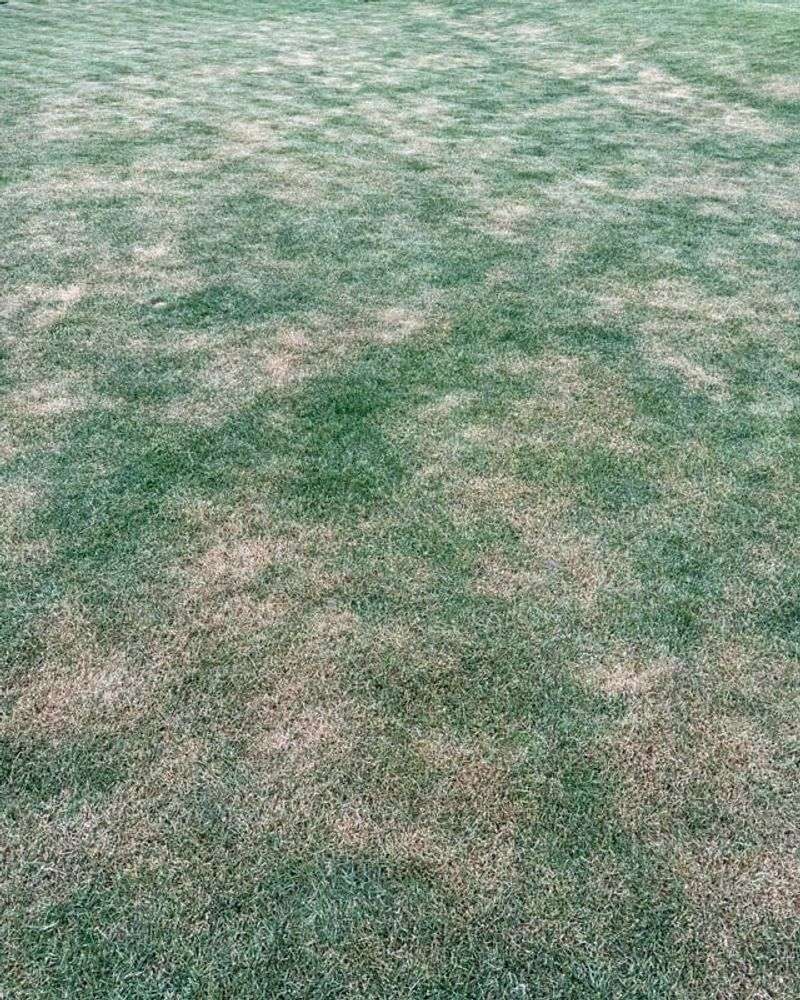
A straw-colored patch can be the lawn protecting itself.
Cool-season grass may turn tan during dry Michigan stretches because it is entering dormancy. The blades look rough, but the crown at the soil surface may still be alive.
That crown is what matters most.
Dormant turf can return when moisture improves, as long as the crown stays hydrated and roots remain anchored. The lawn may look worse than it actually is.
Do not water halfway.
Inconsistent watering can wake the grass, then stress it again when moisture disappears. That back-and-forth is harder on turf than a clear plan.
Your Michigan Garden Changes Every Week. Your Plan Should Too.
Gardening in Michigan changes quickly throughout the season. Every Friday you’ll receive a simple weekly plan showing exactly what to plant, prune, fertilize, harvest, and protect so you never miss the right timing.
Choose one approach.
Keep the lawn actively growing with about one inch of water per week, or let it go dormant and apply a small amount every couple of weeks to keep crowns from drying too far.
Check the soil below the surface.
A quick sprinkle may darken the lawn without reaching the roots. Moisture should move several inches down for active growth.
The tug test helps separate dormancy from root damage.
Dormant grass should resist pulling because the roots still hold. Grass that lifts easily may point to grubs or another root problem.
Dormancy looks dramatic.
In many Michigan lawns, it is also temporary. The key is keeping the plant crown alive until cooler, wetter weather returns.
3. Chinch Bugs Like Hot Edges
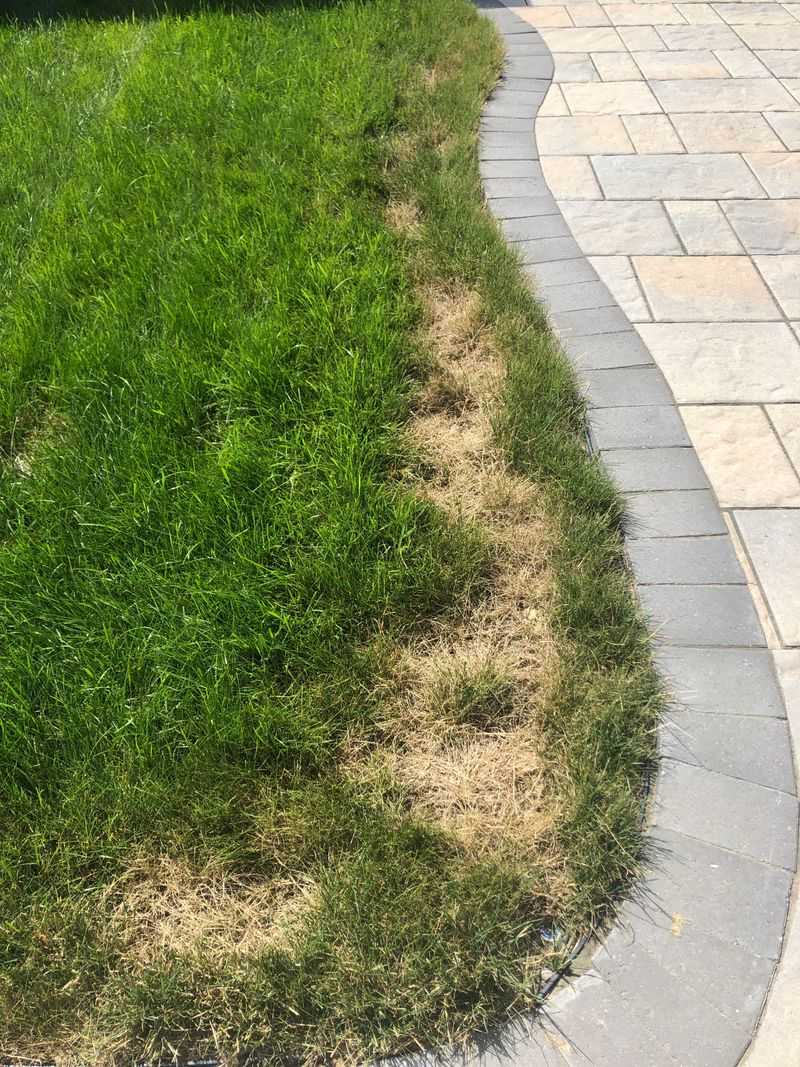
Brown patches along pavement deserve a closer inspection.
Chinch bugs favor hot, dry areas where turf is already under pressure. Damage often starts near sidewalks, driveways, sunny slopes, or thin lawn edges and spreads outward in uneven shapes.
The patch may mimic drought.
That is what makes chinch bugs tricky. The grass looks thirsty, but watering does not bring it back because the insects damage the blades while feeding.
Look at the edge of the brown area.
Active feeding often happens where brown grass meets yellowing grass. That transition zone is more useful than the completely brown center.
The insects are tiny.
Adult chinch bugs are small, dark, and easy to miss unless you know where to look. Young ones may be reddish or lighter colored.
Try a flotation test.
Push an open-ended can a couple inches into the soil at the edge of the patch, fill it with water, and wait several minutes. Chinch bugs may float to the surface.
Do not treat without confirming.
Brown grass near pavement is not automatic proof. Heat, drought, mower stress, and compacted soil can all show up in the same places.
Healthy turf is less inviting.
Higher mowing, steady moisture, and avoiding heavy summer nitrogen can reduce stress that makes chinch bug damage worse.
A hot edge patch is a clue.
The insects need evidence before they get blamed.
4. Dollar Spot Makes Small Patches
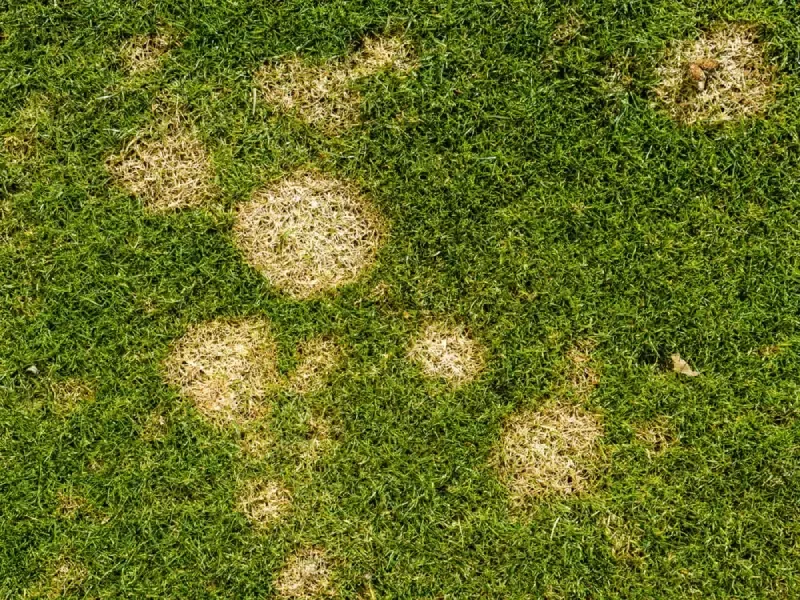
Tiny straw-colored circles point toward a different problem.
Dollar spot often shows up as small, round patches scattered through otherwise green turf. From a distance, they may look like pale coins dropped across the lawn.
The blade tells the truth.
Look closely at individual grass blades along the edge of a patch. Dollar spot often creates tan or bleached bands across the blade with darker reddish-brown borders.
That detail matters.
Drought stress usually affects whole blades more generally. Dollar spot creates a more specific lesion pattern that helps separate it from heat or insects.
Dewy nights help it spread.
Michigan lawns that stay damp overnight, then warm quickly during the day, can create ideal conditions for this fungal problem.
Mowing wet grass can move it around.
Clippings, mower wheels, and foot traffic can spread disease through the lawn when blades are wet.
Mow only when grass is dry during outbreaks.
Bagging clippings temporarily may help reduce spread in active problem areas. Clean equipment before moving from a diseased section to healthier turf.
A hungry lawn may be more vulnerable.
Low fertility can make turf less able to resist dollar spot. Use modest, well-timed feeding rather than heavy summer fertilizer.
Small circles can tell a big story.
Look at the blades before deciding the lawn simply needs more water.
5. Brown Patch Follows Humid Nights
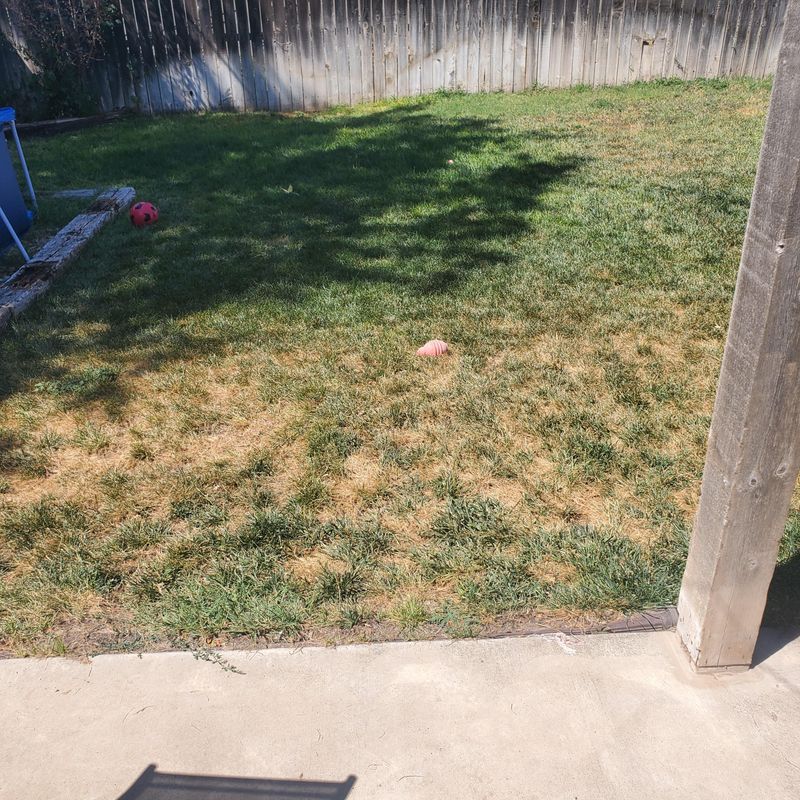
Large irregular patches after muggy nights suggest disease pressure.
Brown patch often appears during warm, humid weather, especially when nights stay hot and the lawn remains wet for hours. Michigan August can give this problem everything it wants.
The patches are usually bigger than dollar spot.
Instead of small coin-sized circles, brown patch can spread in uneven areas several feet wide. The grass may look tan, wilted, or water-soaked in places.
Early morning is the best time to check.
A darker ring around the edge of the patch may appear while dew is still present. This ring can fade once the sun dries the grass.
The roots may still be fine.
Brown patch mostly attacks leaf tissue rather than destroying the whole plant. That means the lawn can often recover as conditions improve.
Watering habits matter.
Water early in the morning so grass blades dry during the day. Avoid late-day watering that leaves turf damp through warm nights.
Skip summer nitrogen during humid stretches.
Pushing lush new growth can make the lawn more vulnerable to fungal problems. Save stronger feeding for better timing.
Improve airflow where possible.
Trim back overhanging shrubs, reduce thatch, and avoid letting grass stay overly dense and wet near shaded areas.
Brown patch looks alarming.
Often, the crown survives, and the lawn can refill once the weather stops helping the fungus.
6. Grubs Loosen The Roots
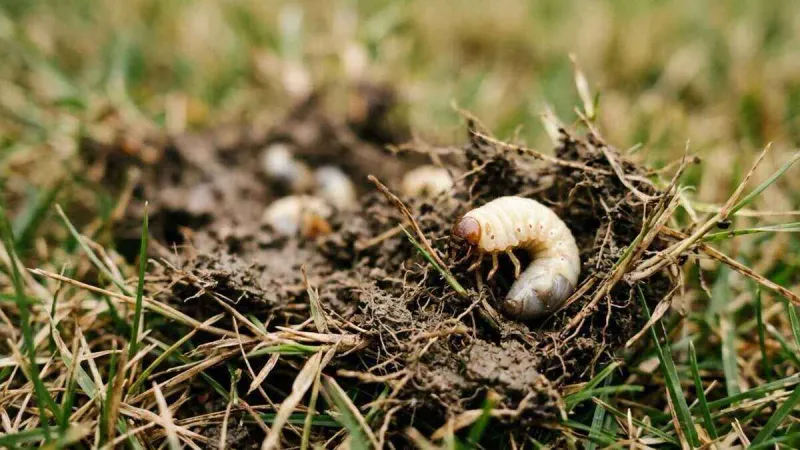
A brown patch that lifts like carpet points underground.
Grubs feed on grass roots, which weakens the connection between turf and soil. From above, the lawn may look drought-stressed. Underneath, the roots may be partly gone.
The tug test is the fast clue.
Grab a handful of brown grass and pull upward with steady pressure. Turf damaged by grubs often releases easily because the roots have been chewed short.
Healthy or dormant grass should resist.
Even tan dormant turf usually stays anchored. Loose turf means something has damaged the root system.
Look under the lifted section.
C-shaped white larvae in the soil are the sign to watch for. Count what you find in a square-foot area rather than reacting to one grub.
Timing matters in Michigan.
Grub damage often becomes more obvious from late summer into early fall as larvae feed actively and lawns are already stressed by heat.
Skunks and raccoons can add clues.
Fresh digging, peeled turf, or small holes may mean animals are searching for grubs. Their damage can make the lawn look worse overnight.
Do not treat based on color alone.
Grub products cost money and need proper timing. Confirm the population before applying anything.
Brown grass above may be only the symptom.
The roots underneath decide the diagnosis.
7. Mower Stress Made It Worse
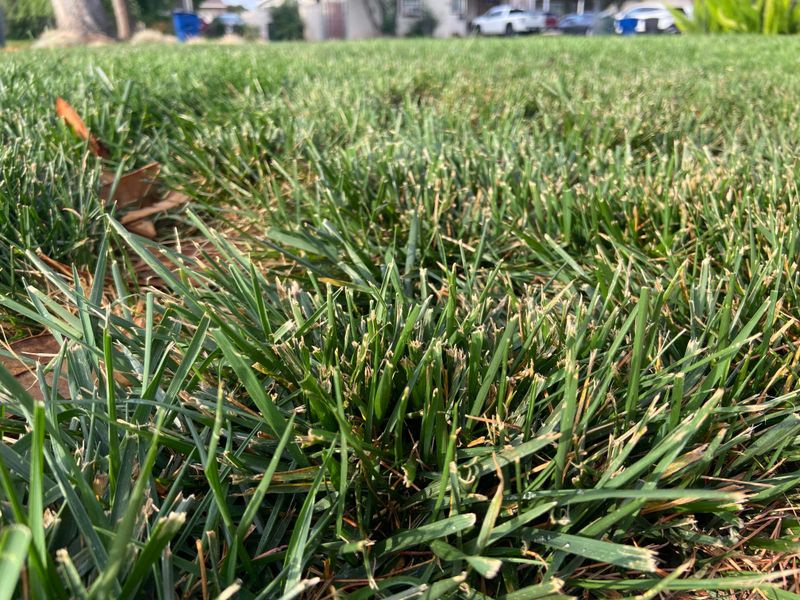
A mower can turn a stressed lawn into a brown one.
Cutting too short during Michigan summer heat removes too much leaf surface at the worst time. The grass loses shade, moisture protection, and energy all in one pass.
Brown streaks can follow mower tracks.
Dry turf mowed in the afternoon may show wheel marks or cut stress soon after. The pattern can look suspiciously like disease until you notice it follows the mowing route.
Dull blades make the damage obvious.
A sharp blade cuts cleanly. A dull blade tears grass tips, leaving ragged edges that turn tan or brown within a day or two.
Check the tips closely. Frayed, shredded, pale ends usually point to mower blade damage. Smooth cuts point elsewhere.
Mow higher in summer. Most Michigan cool-season lawns handle heat better around three to three and a half inches. Taller grass shades the soil and protects the crown.
Never remove more than one-third of the blade at once. A hard scalp after skipping a week can shock the lawn, especially during heat or drought.
Mow during cooler parts of the day. Morning after dew dries, or early evening once heat fades, is easier on turf than peak afternoon.
Sometimes the patch is not a mystery. Sometimes the lawn just got a haircut it could not afford.
8. Tug Test The Turf Today
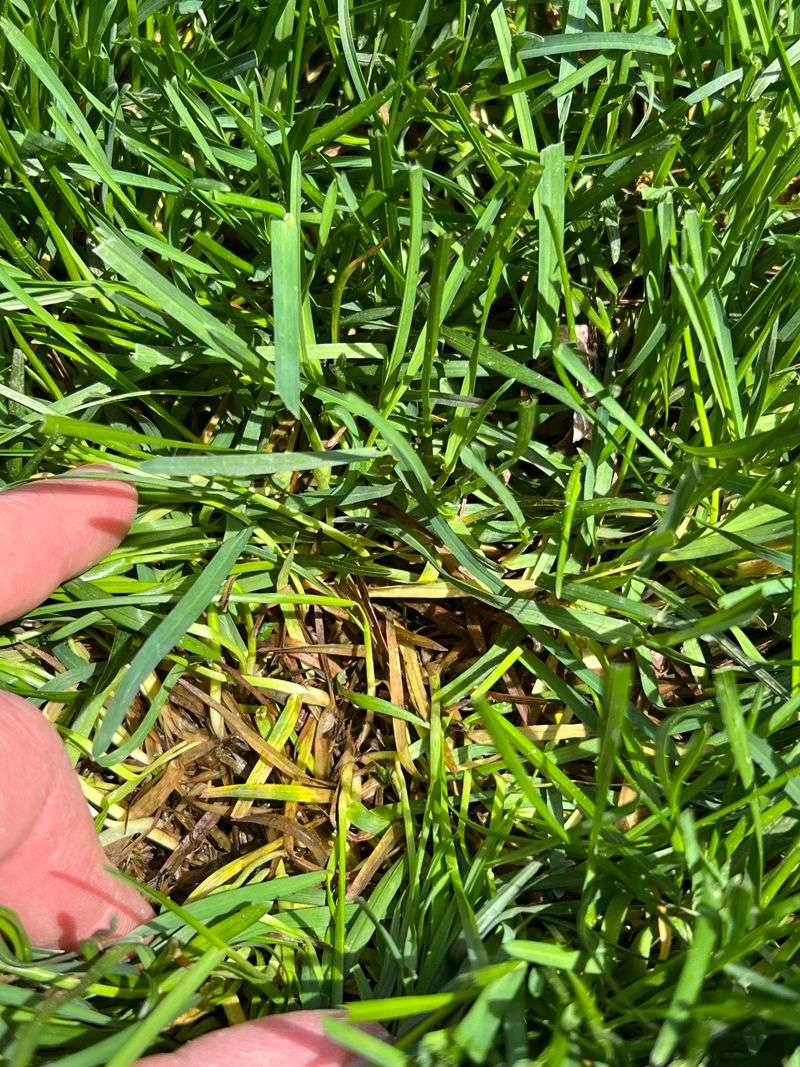
One simple pull can save a lot of guessing.
The tug test is one of the fastest ways to separate surface stress from root trouble. It takes seconds and gives you immediate information before you spend money on products or overwater the lawn.
Start at the patch edge.
The transition area between green and brown grass is usually the most useful place to test. Completely brown centers may be too far gone to show current activity.
Grab a small handful of grass.
Pull upward with steady, moderate pressure. Do not yank hard enough to tear healthy turf by force.
Rooted turf should hold.
Heat stress, drought dormancy, and many leaf diseases still leave roots anchored. The blades may look bad, but the plant remains attached.
Loose turf points to root damage.
A section that lifts easily, especially like a mat, suggests grubs or another below-ground problem. Check the soil immediately underneath.
Look and smell.
Healthy soil smells earthy. Sour odors, compacted soil, shallow roots, or visible larvae all add more clues.
Combine tests.
Check soil moisture, blade lesions, patch location, and root strength before deciding what to do. Color alone is never enough.
Treat the cause, not the brown.
That little patch may be heat stress, dormancy, insects, disease, or mowing damage. The tug test helps you stop guessing and start fixing the right problem.