This Small Habit Keeps Your Petunias Blooming All Summer Long
Petunias have a quiet trick that catches most gardeners off guard. Your blooms fade fast, leaving pots looking thin and dull. Hot weather turns lush petals into tired color within days.
Nobody explains the shift happening inside every bloom cycle. These flowers thrive on rhythm, not luck, and yours can too. Feeding schedules matter more than sunlight once July arrives.
Trimming spent flowers wrong slows the vital energy your plants need to recover. Gardeners everywhere struggle with this exact pattern every season. Timing shapes everything, from root strength to petal density.
Water alone cannot fix a plant needing real nutrients. Every choice you make either speeds decline or reverses it. Consistent blooming depends on steady, ongoing care.
Small corrections now prevent bigger problems by peak heat. Control shifts to you the moment you notice the pattern. You cannot afford to stop here, not now that the answers are within reach.
Why Petunias Stop Blooming
Nobody warns you about this when you buy that cheerful six-pack at the nursery. Petunias are programmed to set seed, and once they do, the blooming slows way down.
A petunia’s whole mission in life is reproduction. When a flower fades and a seed pod forms, the plant thinks its job is done.
That is the core reason behind every droopy, bloom-free petunia you have ever owned. The plant is not struggling, it is just following its instincts.
Hot weather adds another layer to the problem. High heat can stress petunias into a temporary slowdown, especially in July and August.
Poor soil nutrition is also a big culprit. Petunias are heavy feeders, and containers drain nutrients fast with regular watering.
The good news is that every single one of these problems has an easy fix. Understanding why the blooms stop is the first step toward keeping them going all season long.
Once you recognize the pattern, you will catch it early. Staying one step ahead of your petunias is the real trick to a summer full of color.
Removing Faded Flowers To Keep Them Blooming
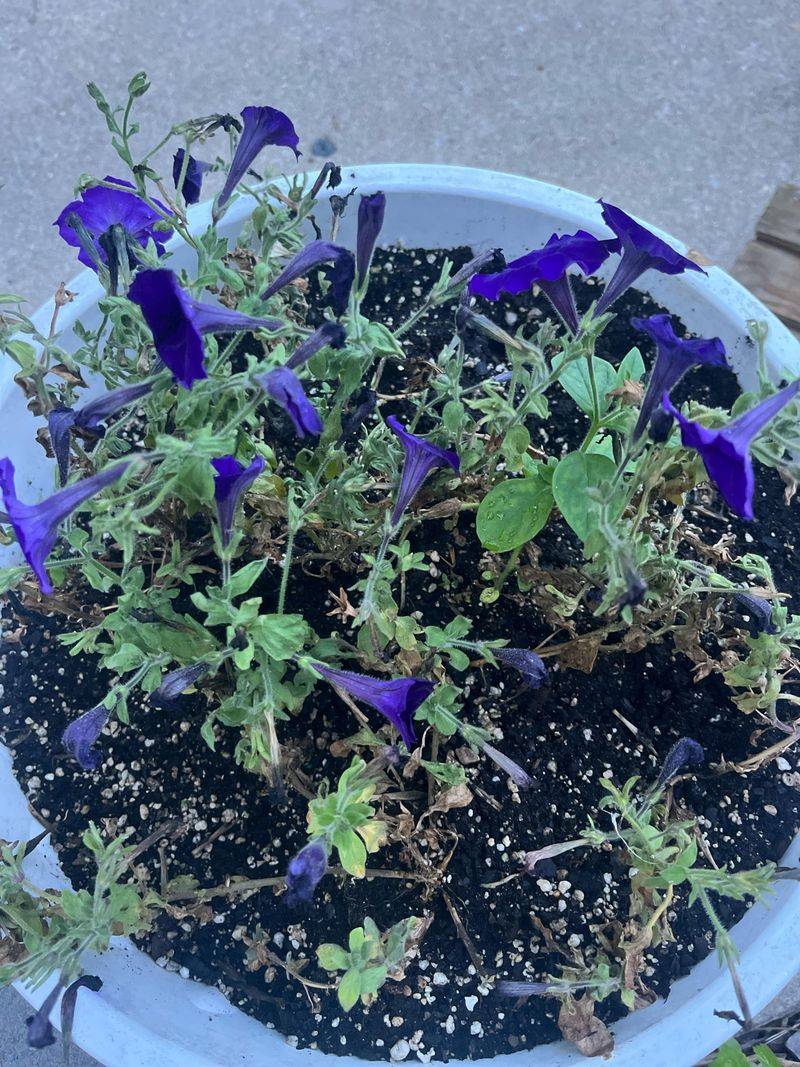
Removing spent blooms is one of the most effective techniques for non-stop petunia blooms all summer. It sounds fancy, but it just means picking off the old flowers before they turn into seeds.
When you remove a spent bloom, you send the plant a clear message. That message is: keep making flowers, because this one did not make it to seed.
The plant responds by pushing out new buds almost immediately. Most gardeners notice fresh blooms appearing within a week or two, depending on the plant and conditions.
You do not need any special tools to get started. Your fingers work perfectly for snapping off soft, faded petals and the small green seed pod hiding behind them.
The key is removing the whole base of the flower, not just the petals. That green nub at the back is where the seed forms, so it has to go too.
Spend five minutes every two or three days walking through your garden with fresh eyes. A quick scan and a few pinches can completely change how your petunias perform.
Make flower removal part of your morning coffee routine and it never feels like a chore. Small, consistent effort pays off in waves of fresh, healthy blooms.
How To Trim Spent Blooms The Right Way
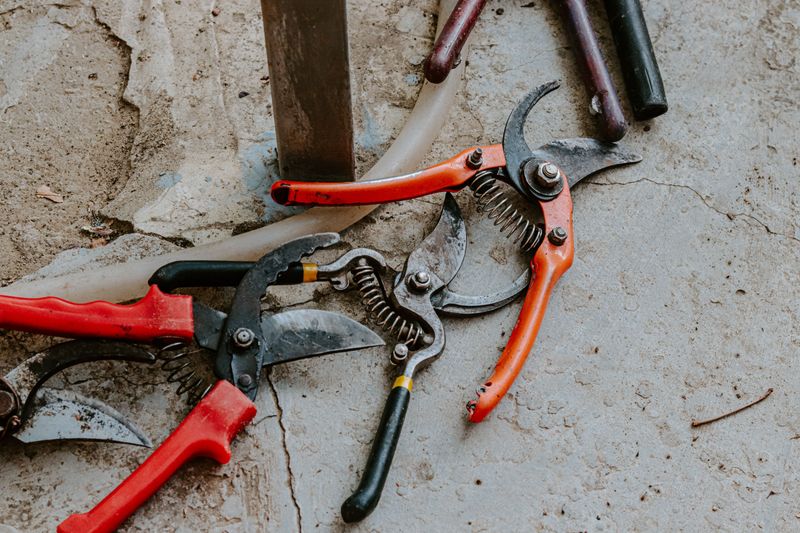
Snipping in the wrong spot can set your petunias back instead of pushing them forward. Knowing exactly where to cut makes all the difference between a quick recovery and a slow one.
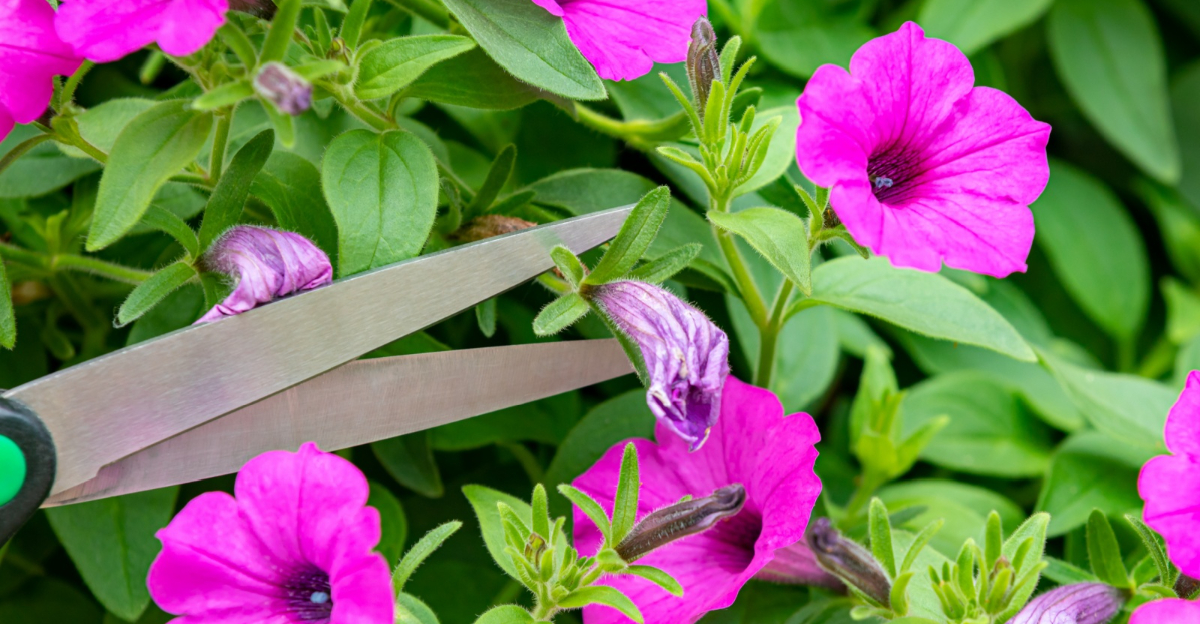
Always cut just above a leaf node, which is the spot on the stem where a leaf grows out. New growth sprouts from those nodes, so cutting there encourages branching.
Use clean, sharp scissors or small pruning snips for the best results. Dull blades can crush stems and leave ragged edges that invite disease.
Cut at a slight angle rather than straight across. An angled cut sheds water more easily and keeps the stem healthier between trims.
If the stem looks long, leggy, or bare, cut it back by about one-third. This might feel dramatic, but petunias bounce back fast and come back fuller than before.
Wipe your blades with rubbing alcohol between plants if you have several containers or beds. This simple habit stops any fungal issues from spreading from one plant to another.
Do not toss those trimmings in the trash right away. Check them for any signs of pests or disease before composting, so you catch problems early.
Trimming correctly is a skill that gets faster every time you do it. After a few sessions, you will move through your garden in minutes and your petunias will respond well.
Pinching Back For Bushier Growth
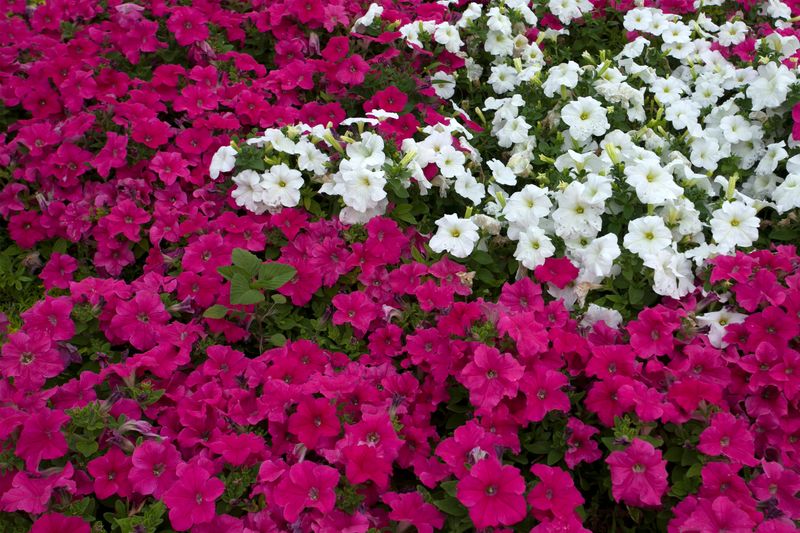
Pinching back sounds counterintuitive, but it is one of the best tricks experienced gardeners swear by. You are removing growth on purpose to trigger even more growth in return.
When you pinch the very tip of a stem, the plant cannot grow upward anymore. Instead, it splits its energy into two or more new side shoots.
More shoots mean more flowers, and that is exactly the goal for a full, lush display. A pinched petunia becomes bushy and round instead of long and stringy.
Start pinching when your petunias are young, around four to six inches tall. Early pinching sets up a strong branching structure that pays off all season.
You can also pinch back mature plants that have gotten leggy in midsummer. A mid-season haircut can refresh tired plants and trigger a second wave of blooms.
Just pinch with your fingernails right above a leaf set, removing about an inch of stem tip. No tools needed, and the whole process takes seconds per plant.
Some gardeners feel guilty pinching off healthy growth at first. That guilt fades fast once they see how thick and floriferous the plant becomes in the following weeks.
Think of pinching as investing a little now for a huge payoff later. Your petunias will spread wider, bloom heavier, and look stunning all the way through fall.
Feeding And Watering Tips For More Blooms
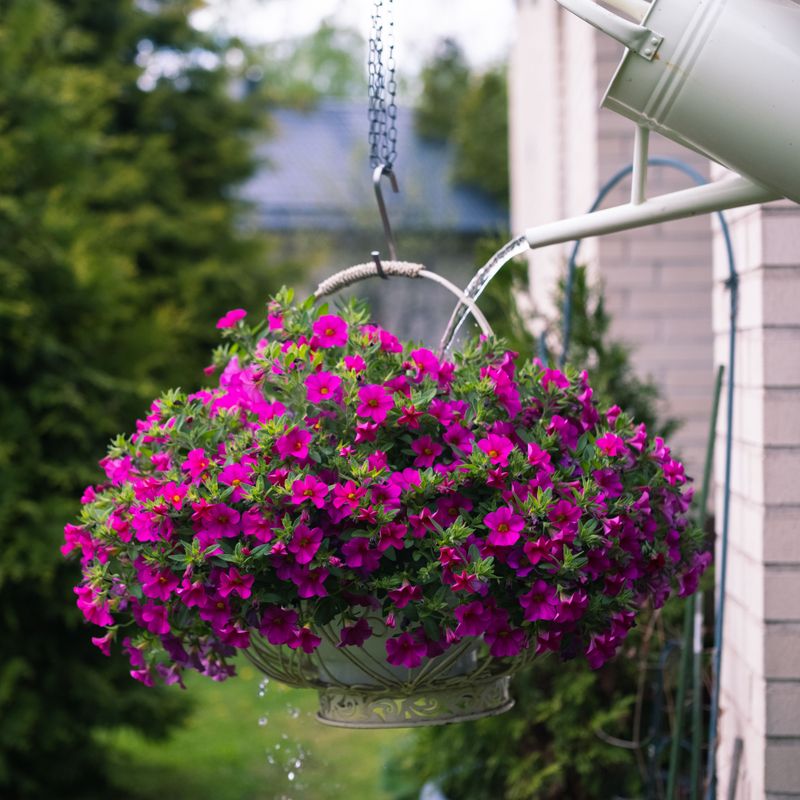
Petunias are hungry plants, especially when they are packed into containers and blooming hard all summer. Skipping fertilizer is one of the fastest ways to end up with green leaves and no flowers.
A balanced liquid fertilizer applied every one to two weeks keeps the nutrients flowing. Look for a formula with a higher middle number, which encourages blooms over leafy growth.
Slow-release granular fertilizer works well for garden beds. Sprinkle it around the base of the plants at the start of the season and let it do its work quietly.
Watering correctly is just as important as feeding. Petunias like consistent moisture but struggle when sitting in soggy soil, which can cause root rot and sudden decline.
Water deeply and then let the top inch of soil dry out before watering again. This encourages roots to grow deeper, making the plant stronger and more heat-resistant.
Container petunias dry out much faster than those in the ground. On hot days, you may need to water them twice, once in the morning and again in late afternoon.
Avoid getting water on the flowers and leaves when possible. Wet foliage in humid conditions can lead to botrytis, a gray mold that spreads quickly.
Healthy feeding and smart watering work together like a team. Nail both habits and your petunias will reward you with a non-stop show of color all summer.
Common Mistakes To Avoid
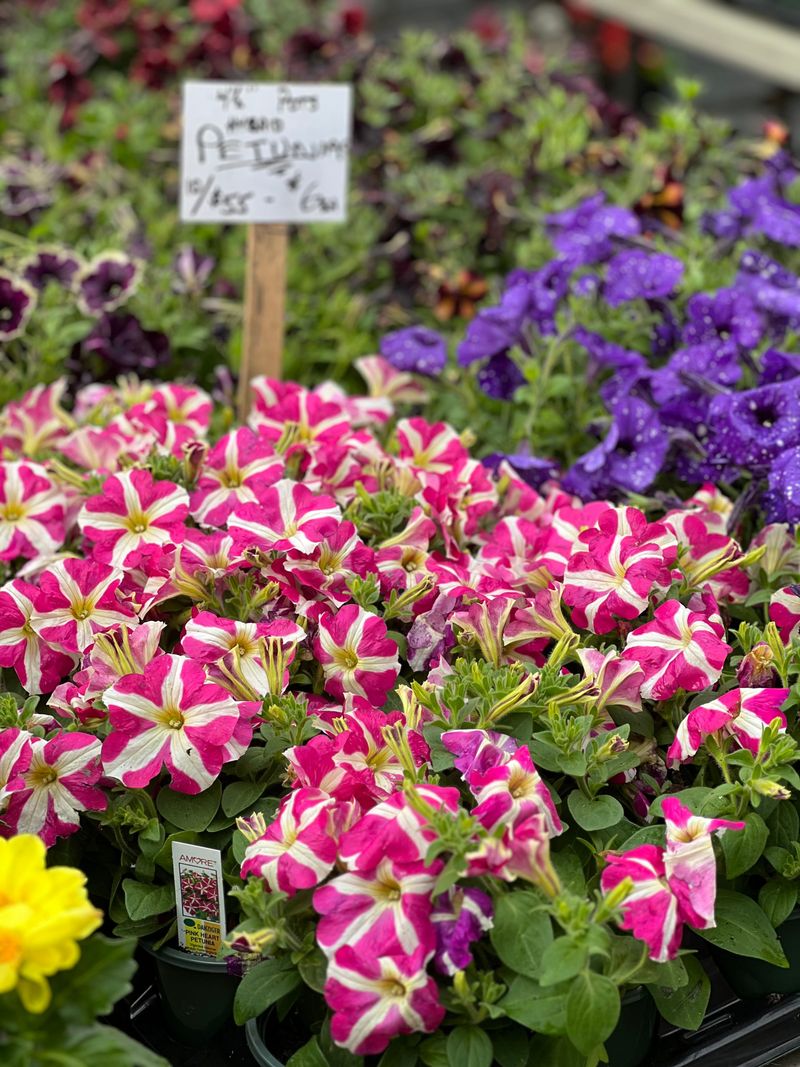
Even experienced gardeners make mistakes with petunias, and most of them are totally avoidable. Knowing what not to do can save you weeks of frustration and a lot of wasted effort.
Overwatering is the number one mistake people make with container petunias. Roots that sit in water cannot breathe, and an overwatered plant stops blooming fast.
Planting petunias in too much shade is another common misstep. These flowers need at least six hours of direct sun daily to bloom their best.
Using the wrong fertilizer can backfire too. A nitrogen-heavy formula pushes leafy green growth at the expense of flowers, leaving you with a lush but bloomless plant.
Forgetting to remove spent blooms is probably the most widespread mistake of all. Letting spent flowers go to seed tells the plant to stop producing, which is the opposite of what you want.
Crowding petunias too close together limits airflow and invites fungal problems. Give each plant enough space to spread out and breathe comfortably.
Waiting too long to trim leggy stems is another trap. By the time plants look scraggly, they have already lost weeks of potential blooming time.
Not checking for pests regularly is a mistake that sneaks up on gardeners. Aphids and budworms can do serious damage before you even notice something is wrong.
Avoiding these pitfalls is half the work in achieving non-stop petunia blooms all summer. Fix the habits, and the flowers will follow almost immediately.
Choosing The Right Petunia Variety For Longer Blooms
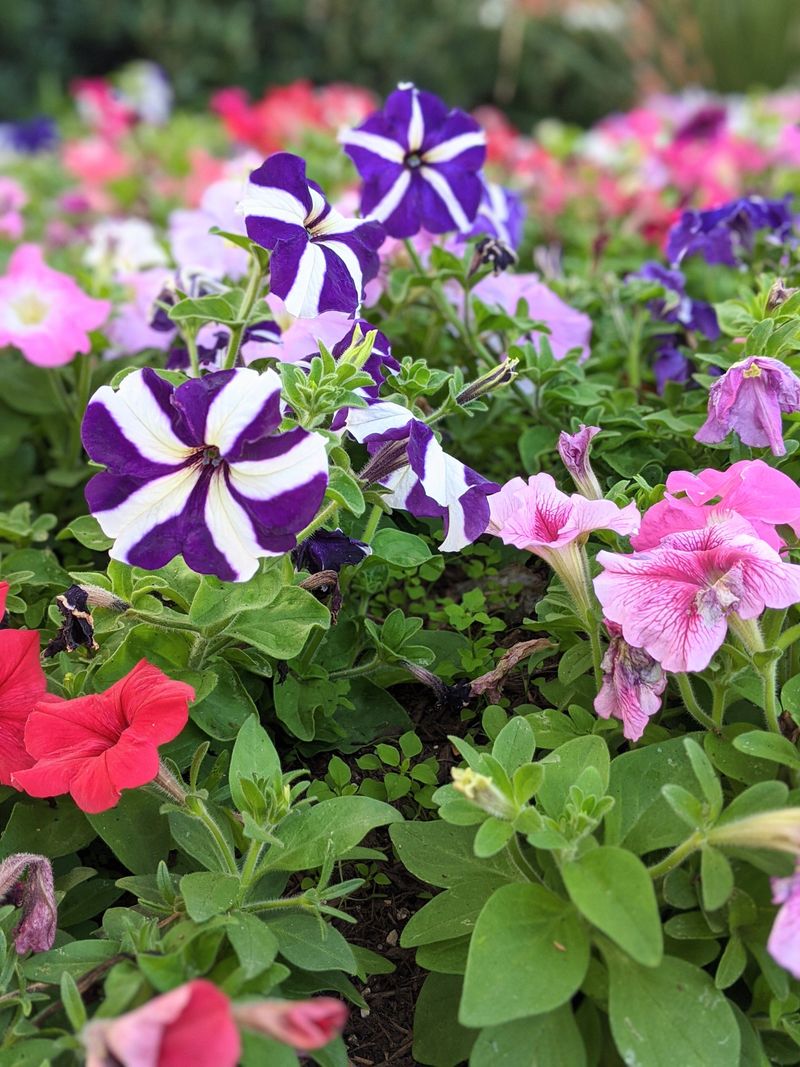
Not all petunias are built the same, and picking the right type from the start gives you a serious head start on a full-season display. Some varieties are bred specifically to bloom harder and longer than others.
Wave petunias are well known for their spreading habit and nearly self-cleaning blooms. They drop spent flowers on their own, which means less flower-removal work for you.
Multiflora petunias produce smaller but far more numerous flowers than the classic grandiflora types. They also handle rain and heat better, making them a smart pick for unpredictable summers.
Grandiflora petunias have those big, showy blooms everyone loves in photos. They need more consistent flower removal but deliver strong visual impact when properly maintained.
Supertunias and Proven Winners varieties are bred for exceptional vigor and bloom production. These hybrids often outperform standard seed-grown petunias throughout the season.
Double-flowered petunias look gorgeous but require extra care. Their dense blooms trap moisture and can rot in humid conditions, so good airflow is essential.
Consider your climate when choosing a variety. In hot, humid regions, a heat-tolerant multiflora will outlast a delicate grandiflora without much extra effort on your part.
Matching the right variety to your garden conditions sets you up for success before you even dig a hole. Start smart, and the rest of the season becomes much easier to manage.