Why Every Connecticut Homeowner Should Locate Their Property Line Before A Tree Dispute Starts
A boundary dispute over a tree rarely announces itself in advance. It shows up the moment a branch snaps onto a neighbor’s roof or a root buckles a walkway. By then, the conversation already has an edge to it.
Connecticut draws a clear line between a tree that sits fully on one property and one that straddles two. That single detail changes who owns it, who can trim it, and who covers the cleanup after a storm.
A survey settles arguments that memory and old fences never can. Homeowners who pull one before any cutting starts avoid the kind of dispute that drags on for months.
Ignoring a boundary question rarely makes it disappear. It usually resurfaces later, bigger, pricier, and harder to fix than a quick property check would have been.
Property Lines Determine Who Is Responsible For A Tree
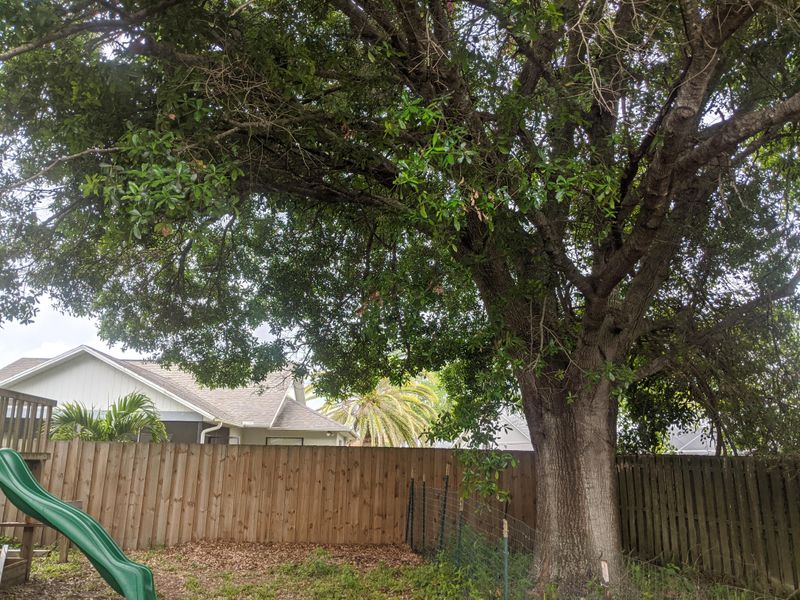
That tree might look like it belongs to everyone, but the law sees it differently. Ownership of a tree is determined by where the trunk sits relative to the property line.
If the trunk stands entirely on your land, it is your tree. You are responsible for its upkeep, its damage, and any liability that comes with it.
When a trunk straddles the boundary line, things get more complicated. Both neighbors may share ownership, which means both may share responsibility too.
This shared-ownership situation is sometimes called a boundary tree. Courts across the country have handled these cases, and outcomes vary widely based on local laws.
Connecticut homeowners shouldn’t assume a tree belongs to the neighbor just because it leans that way. The trunk location is what matters most under the law.
Locating your property line before a tree dispute starts helps you understand your role from the beginning. You will know whether you are the responsible party or whether the responsibility belongs to someone else.
Ignorance of the boundary is not a legal defense. If your tree falls on a neighbor’s fence and you had no idea where your line was, you could still be held liable.
Getting clear on ownership early keeps you protected. A quick check of your property records or a professional survey can answer the ownership question before any conflict arises.
Finding Your Exact Property Line In Connecticut
Finding your property line is easier than most people expect. You do not need to hire someone immediately to get a general idea of where your boundary sits.
Start with your property deed. This legal document describes the boundaries of your land using measurements and reference points called metes and bounds.
Your local town hall is another great resource. The assessor’s office often has plat maps that show lot boundaries for every parcel in the area.
Connecticut also offers online GIS mapping tools through many municipal websites. These interactive maps let you see approximate boundary lines from your own home computer.
Survey pins are metal stakes driven into the ground by a licensed surveyor. They mark official corners of your property and are often buried just below the surface.
Your Connecticut Garden Changes Every Week. Your Plan Should Too.
Gardening in Connecticut changes quickly throughout the season. Every Friday you’ll receive a simple weekly plan showing exactly what to plant, prune, fertilize, harvest, and protect so you never miss the right timing.
A metal detector can help you find these pins if they are not visible. Once located, you can measure from corner to corner to trace the line yourself.
For a legally binding determination, a licensed land surveyor is the one who can provide an official property line location. This becomes critical when a tree dispute starts heading toward legal territory.
Connecticut has licensed surveyors available throughout the state. Costs vary, but the investment is far cheaper than a court battle or a damaged neighbor relationship.
Knowing your exact line puts you on solid ground. Before a dispute starts, arm yourself with accurate information so you are never caught guessing.
Connecticut Law On Overhanging Branches And Roots
Branches hanging over your yard from a neighbor’s tree can feel like an invasion. Connecticut law gives you the right to trim them, but only up to the property line.
You cannot cross onto your neighbor’s land to do the trimming. All cutting must happen from your side of the boundary, and you must not harm the overall health of the tree.
Roots are treated the same way under Connecticut common law. If roots from a neighboring tree are pushing into your yard, damaging your foundation, or cracking your driveway, you have the right to cut them at the property line.
However, cutting roots carelessly can severely damage a tree. If your trimming causes the tree to become unstable, you could face legal and financial consequences.
Connecticut courts have generally followed the Massachusetts Rule for many years. Under this approach, a neighbor can trim encroaching branches and roots without needing the tree owner’s permission.
Some municipalities in the state have additional local ordinances covering tree removal and trimming. It’s smart to check with your town before cutting anything significant near a shared boundary.
Notifying your neighbor before you trim is always a smart move. A friendly heads-up can prevent misunderstandings and keep the relationship positive.
Understanding these rules before a tree dispute starts means you can act confidently and legally. Knowing the law protects you from accidentally crossing a line, both literally and legally.
Who Pays When A Neighbor’s Tree Causes Damage
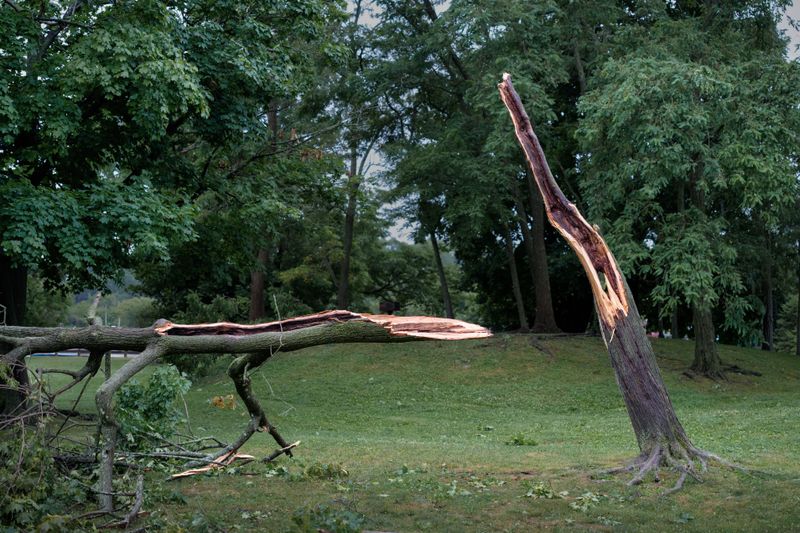
A storm rolls through overnight and a large limb crashes onto your fence. Now the big question hits: who is responsible for paying to fix it?
In Connecticut, liability for tree damage depends largely on negligence. If a neighbor knew their tree was diseased, or dangerously leaning and did nothing, they may be held responsible.
If the tree appeared healthy and fell due to an unpredictable storm, the general rule is that each property owner handles damage on their own side. Your homeowner’s insurance typically covers this type of loss.
The key word here is notice. Proving that a neighbor was aware of a hazardous tree is the foundation of most successful tree damage claims.
Document everything before a problem happens. Take photos of any trees near your boundary that look unhealthy, cracked, or heavily leaning toward your home.
Send a written notice to your neighbor if you believe one of their trees poses a risk. Keep a copy for your records, and send it via certified mail if possible.
This documentation creates a legal paper trail. If the tree later causes damage, you have evidence showing the owner was warned and failed to act.
Your homeowner’s insurance agent can walk you through your specific coverage. Understanding your policy before a tree dispute starts means fewer surprises when you file a claim.
Preparation is your best protection against unexpected costs. A few proactive steps now can save thousands of dollars later.
Steps To Take Before Cutting Anything Near The Line
Before you pick up a chainsaw or call a tree service, slow down and take a few important steps. Acting too fast near a property boundary can turn a simple trim into a costly legal problem.
First, confirm exactly where your property line sits. Use your deed, a plat map, or survey pins to establish the boundary before any work begins.
Next, identify which trees are entirely on your land, which belong to your neighbor, and which ones straddle the line. This step changes everything about how you proceed.
Talk to your neighbor before cutting anything that is close to the shared boundary. A brief, friendly conversation can prevent a major misunderstanding from forming later.
If you are hiring a tree service, make sure they are licensed and insured in Connecticut. A reputable company will ask to see your property lines before starting work.
Check with your town for any local permits required before removing or significantly trimming a tree. Some municipalities require permits for trees over a certain size or species.
Take photos before, during, and after any tree work near your boundary. This visual record protects you if questions arise about what was cut and where.
Don’t assume a tree is yours just because it is in your yard. Physical location and legal ownership are not always the same thing.
Taking these steps before a tree dispute starts keeps you legally protected. A cautious approach now prevents an expensive and stressful situation later.
When To Involve A Surveyor Or Legal Professional
Sometimes a friendly chat with your neighbor is not enough to settle a boundary question. When the stakes get higher, it is time to bring in a professional.
A licensed land surveyor provides a legally recognized determination of your property line. Their findings can be used in court, in mediation, or simply to end an argument with solid facts.
Surveyors in Connecticut are regulated by the state Department of Consumer Protection. Hiring a licensed professional ensures your survey meets legal standards and holds up under scrutiny.
If a neighbor has already cut your trees, damaged your property, or refuses to address a hazard, consulting a real estate attorney is a smart next step. An attorney can explain your options and help you avoid costly mistakes.
Many attorneys offer free or low-cost initial consultations. A single meeting can clarify your rights and give you a clear path forward without a full legal battle.
Mediation is another option worth exploring before heading to court. A neutral third party can help both neighbors reach an agreement that avoids expensive litigation.
Connecticut has community mediation centers that handle neighborhood disputes. These services are often free or low-cost and can resolve conflicts faster than the court system.
Acting early is generally better than waiting for a tree dispute to escalate. The moment you sense a boundary conflict forming, start building your documentation and seek professional guidance.
Protecting your property line means protecting your investment. Get the right help early, and you stay in control of the outcome.