7 Native North Carolina Plants That Keep Bare Soil Covered Around Stepping Stones
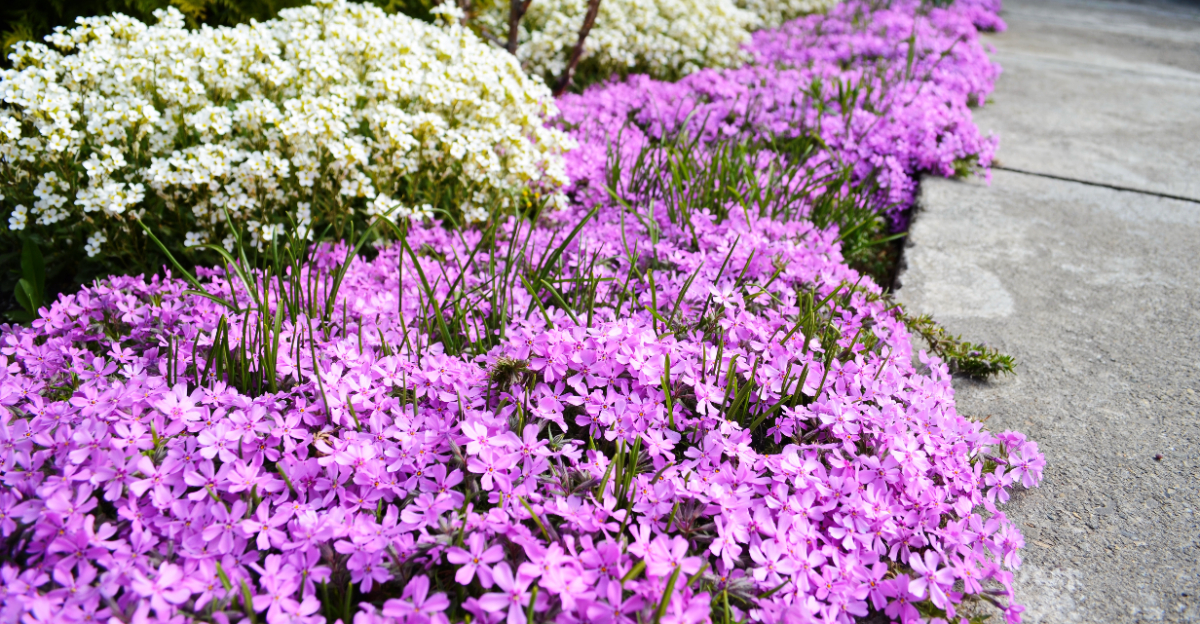
Filling bare soil around stepping stones becomes much easier with the right native North Carolina plants suited for foot traffic areas.
Creeping phlox spreads low and dense, tolerating light foot traffic while producing colorful spring blooms between stones.
Wild ginger offers attractive, textured foliage that thrives in shaded pathways with consistently moist soil. Green and gold provides cheerful yellow flowers while filling gaps quickly without becoming invasive.
Pennsylvania sedge works well in partial shade, forming a soft, grass like mat around stepping stones. Blue star creeper, though not native everywhere, pairs beautifully with true natives for added texture and color.
Golden ragwort thrives in slightly damp areas, adding both greenery and seasonal blooms. Combining a few of these options creates a natural, low maintenance path that stays green through most of the year.
1. Creeping Phlox For Soft Color Around Stepping Stones
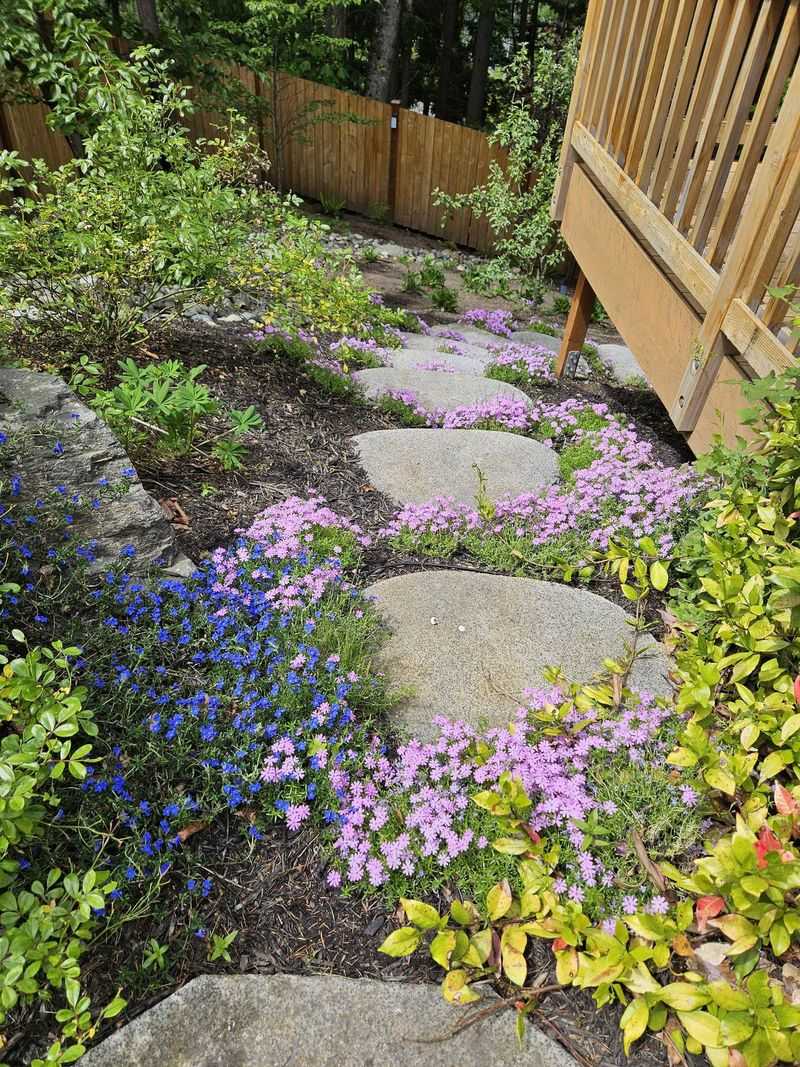
Few spring sights beat a carpet of Creeping Phlox tumbling over rocks and filling garden edges with waves of pink, purple, or white blooms.
Phlox stolonifera is a true North Carolina native, and it earns its place around stepping stone paths by spreading steadily without becoming aggressive.
The low mat of evergreen foliage stays attractive all year, so even after the flowers fade, you still have a neat, weed-suppressing layer of green hugging the ground.
Creeping Phlox thrives in full sun to partial shade, which makes it flexible enough to work along most path edges. It prefers well-drained soil that is slightly acidic, which matches many natural conditions across North Carolina perfectly.
The plants grow only about four to six inches tall, spreading up to two feet wide over time, so spacing them about twelve inches apart gives them room to knit together and cover bare soil efficiently.
Water newly planted Creeping Phlox regularly during the first season to help roots settle in. Once established, it handles dry spells reasonably well and needs very little extra attention.
Bees and butterflies love the spring flowers, adding extra life to your garden path. Trim the stems back lightly after blooming to encourage fresh, dense growth.
Plant Creeping Phlox along the sides of stepping stones rather than directly in the walking line, since it prefers undisturbed ground where it can spread freely and build a thick, colorful, low-growing layer that keeps bare soil completely covered season after season.
2. Green And Gold For Shaded Stepping Stone Edges
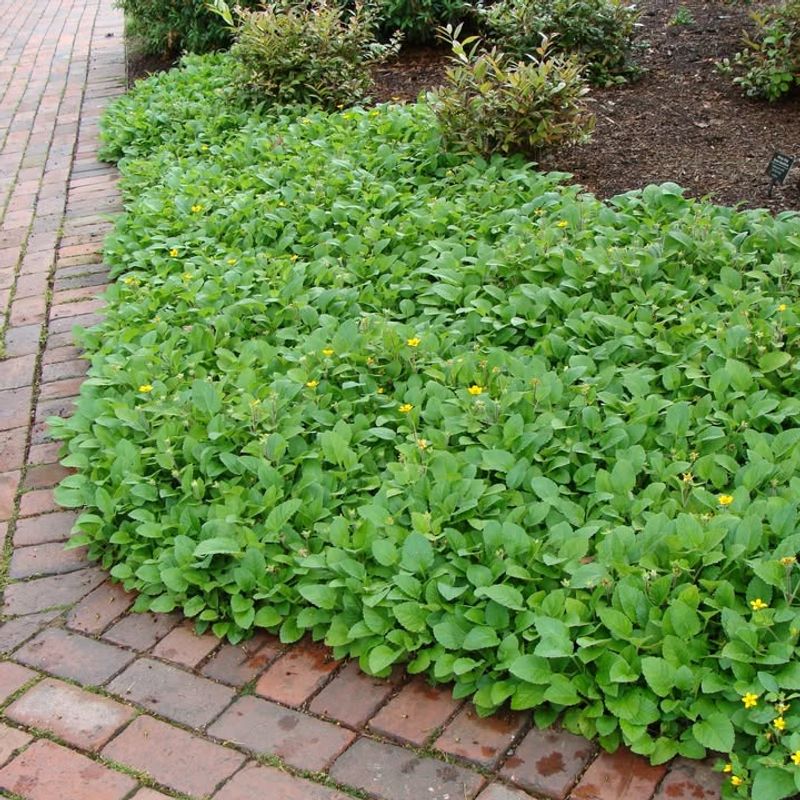
There is something cheerful about a plant that blooms yellow in the shade when most plants struggle to flower at all.
Green and Gold, known scientifically as Chrysogonum virginianum, is a native North Carolina gem that thrives in partial to full shade, making it ideal for stepping stone paths that run through wooded areas or under tree canopies.
The bright yellow star-shaped flowers appear in spring and often continue blooming sporadically into fall, giving you color for months without any extra effort.
The foliage forms a low, spreading mat that stays close to the ground, usually reaching only four to six inches in height. Plants spread slowly by short runners, gradually filling in bare soil along path edges with dense, attractive greenery.
Your North Carolina Garden Changes Every Week. Your Plan Should Too.
Gardening in North Carolina changes quickly throughout the season. Every Friday you’ll receive a simple weekly plan showing exactly what to plant, prune, fertilize, harvest, and protect so you never miss the right timing.
Space them about twelve to eighteen inches apart when planting, and they will gradually merge to create a weed-blocking layer that looks natural and tidy.
Green and Gold prefers moist, well-drained soil rich in organic matter, which is easy to achieve by mixing compost into your planting area.
Consistent moisture during dry summer stretches keeps the foliage looking its best, though established plants show decent drought tolerance once their roots are well settled.
Bees and small pollinators visit the flowers regularly, adding movement and life to shaded garden corners. Maintenance is genuinely simple. Remove faded leaves in early spring to refresh the patch.
Always plant Green and Gold along the edges of stepping stones rather than directly underfoot, where foot traffic would damage the low foliage and runners over time.
3. Partridgeberry For Woodland Stepping Stone Gaps
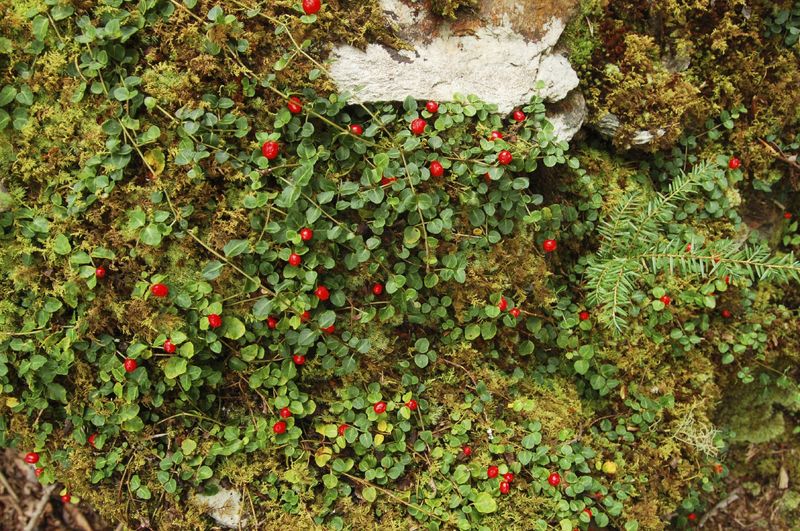
Walking through a woodland garden and spotting tiny red berries peeking through glossy green leaves is one of those small joys that makes native gardening so rewarding.
Partridgeberry, or Mitchella repens, is a delicate evergreen native found naturally across North Carolina woodlands, and it brings that same woodland magic to stepping stone paths in shaded home gardens.
The small, paired white flowers that appear in late spring carry a faint fragrance and eventually develop into the bright red berries that persist through winter, offering food for birds and visual interest for gardeners.
Partridgeberry grows extremely close to the ground, rarely exceeding two inches in height, and spreads slowly by trailing stems that root where they touch moist soil.
Because it spreads at a gentle pace, it works best in protected spots beside stepping stones where foot traffic is minimal and the soil stays consistently cool and moist.
It thrives in deep to partial shade and prefers acidic, humus-rich soil, which is common under oaks and pines across the North Carolina Piedmont and mountains.
Water regularly during dry periods, especially in the first year while the plant establishes itself. Once settled, Partridgeberry is surprisingly self-sufficient in a shaded woodland setting.
Avoid planting it in compacted or dry areas since it genuinely needs moisture and shelter to perform well. This plant rewards patience.
It spreads slowly, but the result is a rich, textured carpet of evergreen foliage dotted with seasonal color that makes any woodland stepping stone path feel like a hidden forest trail worth exploring.
4. Woodland Stonecrop For Rocky Stepping Stone Borders
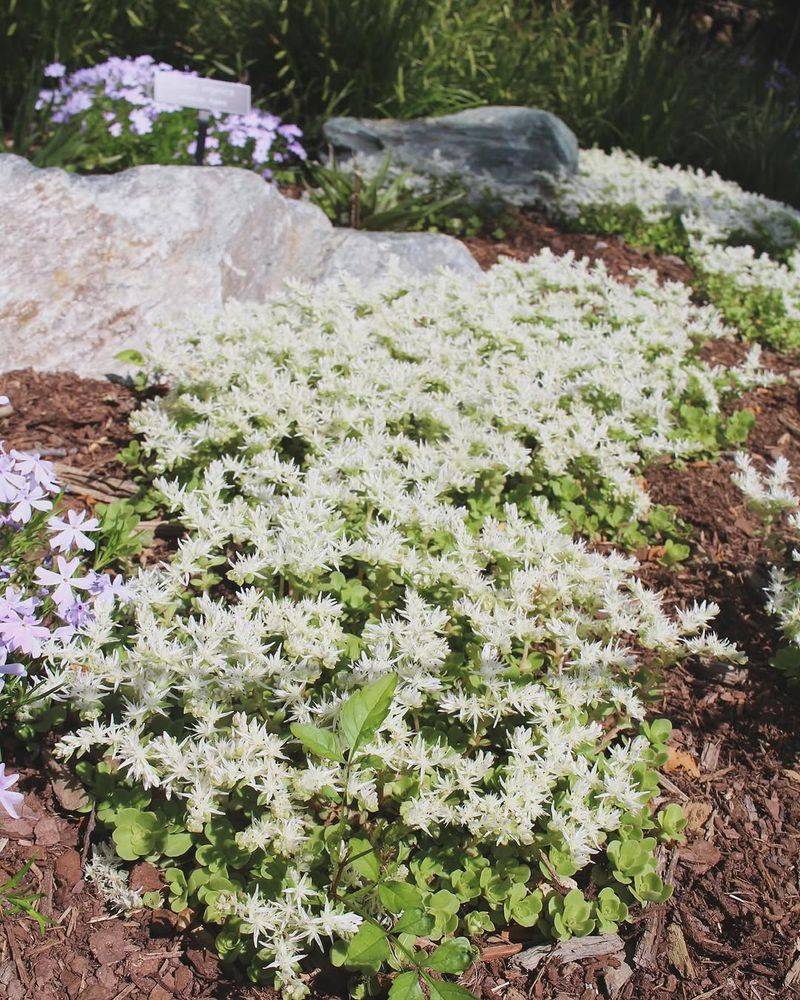
Rocky soil, deep shade, and poor drainage are conditions that send most plants packing, but Woodland Stonecrop actually thrives in exactly those spots.
Sedum ternatum is one of the few native succulents found in North Carolina, and it is perfectly suited for tucking into the rocky borders around stepping stone paths where the soil tends to be thin and fast-draining.
The small, rounded succulent leaves stay bright green through much of the year, and in spring the plant produces clusters of delicate white star-shaped flowers that attract small native bees and beneficial insects.
Woodland Stonecrop stays compact, growing only three to four inches tall and spreading up to twelve inches wide. Space plants about eight to ten inches apart to allow them to fill in naturally and form a seamless low mat around stone edges.
Unlike many sedums that demand full sun, this native species actually prefers partial to full shade, making it a standout choice for stepping stone paths that run through shadier parts of the yard.
It handles dry periods well once established, though consistent moisture during the first season helps it root in quickly.
Drainage is the one non-negotiable requirement. Woodland Stonecrop will struggle in soggy, heavy clay soil, so adding coarse sand or gravel to the planting area makes a noticeable difference.
Maintenance is refreshingly minimal. There is no need to fertilize, and the plant rarely needs trimming.
Place it along the sides and between the outer edges of stepping stones rather than directly in the walking line, where foot traffic would flatten its fleshy stems.
5. Wild Strawberry For Sunny Stepping Stone Borders
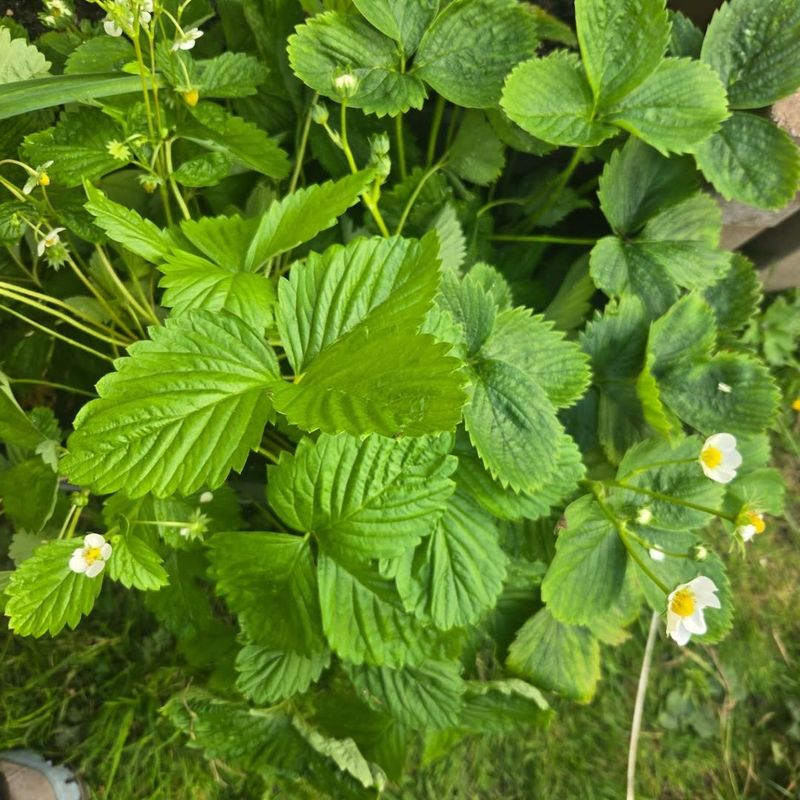
Imagine a ground cover that covers bare soil, feeds pollinators, produces edible fruit, and controls erosion all at once.
Wild Strawberry, Fragaria virginiana, does exactly that, and it is native to North Carolina, which means it already knows how to handle the local heat, humidity, and rainfall without much help from you.
The cheerful white flowers open in spring, drawing in bees and butterflies, and the small but genuinely sweet red berries that follow attract birds and wildlife while giving curious gardeners a trail snack worth savoring.
Wild Strawberry spreads by sending out runners that root into open soil, gradually covering bare patches between and around stepping stones with a low, attractive mat of trifoliate leaves.
The plants grow about three to six inches tall and spread enthusiastically in full sun to partial shade. Space transplants about twelve inches apart, and they will fill in quickly during the first growing season.
Well-drained soil with moderate moisture produces the best results, though Wild Strawberry adapts to a range of soil types found across North Carolina gardens.
Water during dry spells to keep the foliage healthy and fruit production strong. Trim back runners that creep onto the walking surface of stepping stones to keep the path clear and safe underfoot.
The foliage turns attractive shades of red and orange in fall, adding seasonal interest even after the fruit is gone.
Wild Strawberry is a genuinely hardworking plant that earns its spot in any sunny stepping stone border while providing real ecological value to the garden throughout the entire growing season.
6. Plantain Pussytoes For Dry Stepping Stone Edges
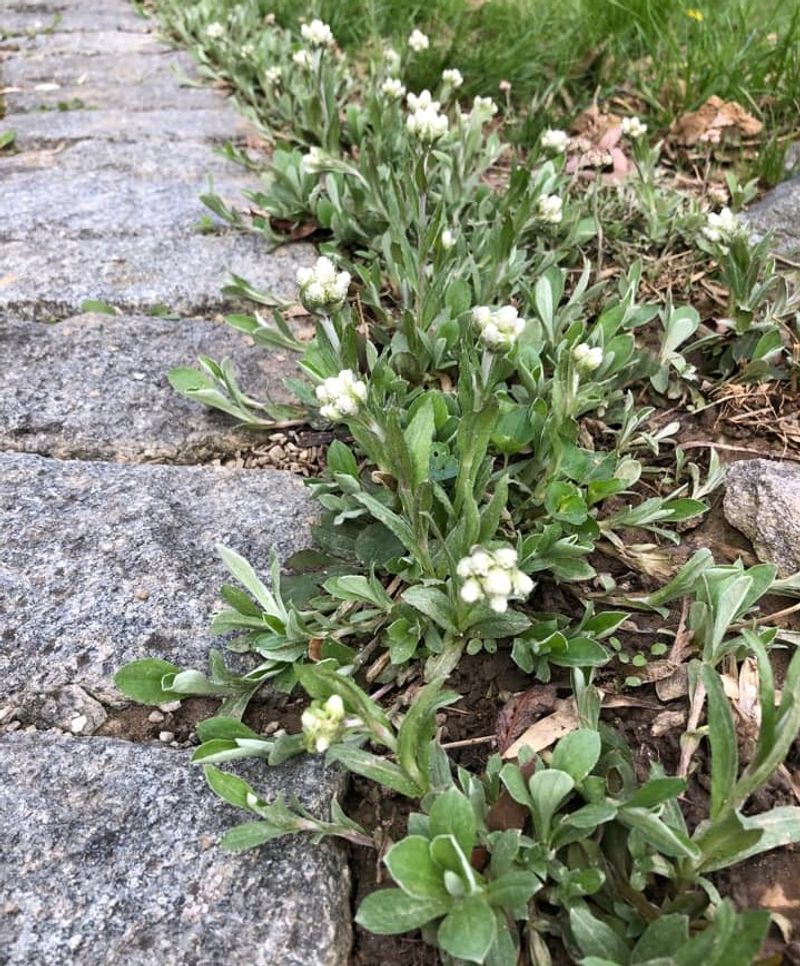
Not every garden path gets regular rain or sits over moisture-retaining soil. Some stepping stone edges are dry, sunny, and sandy, and that is exactly where Plantain Pussytoes shines.
Antennaria plantaginifolia is a compact native North Carolina wildflower that forms a soft, silver-green mat close to the ground, thriving in the kind of lean, well-drained conditions that would stress most other plants.
The fuzzy, spoon-shaped leaves have a silvery coating that reflects heat and reduces water loss, making this plant genuinely built for tough, dry spots.
In spring, Plantain Pussytoes sends up small clusters of fluffy white flowers that resemble tiny cat paws, which is exactly how it got its charming name.
These flowers are important early-season nectar sources for native bees and small pollinators that emerge while the weather is still cool.
The plant grows only two to four inches tall and spreads by short stolons to form a tidy, weed-resistant mat. Space plants about eight to twelve inches apart to allow them to gradually merge and cover bare soil along stepping stone edges.
Drainage is essential for Plantain Pussytoes. It performs poorly in wet or compacted clay soil, so sandy loam or rocky soil suits it best.
Fertilizer is unnecessary and can actually reduce vigor. Once established, this plant needs almost no maintenance beyond occasional tidying after the flowers fade.
Plant it beside stepping stones rather than in the main walking area, since regular foot traffic will compress the mat over time.
For dry, sun-baked garden paths, Plantain Pussytoes is one of the most reliable and low-effort native ground covers available anywhere in North Carolina.
7. Foamflower For Moist Shaded Stepping Stone Paths
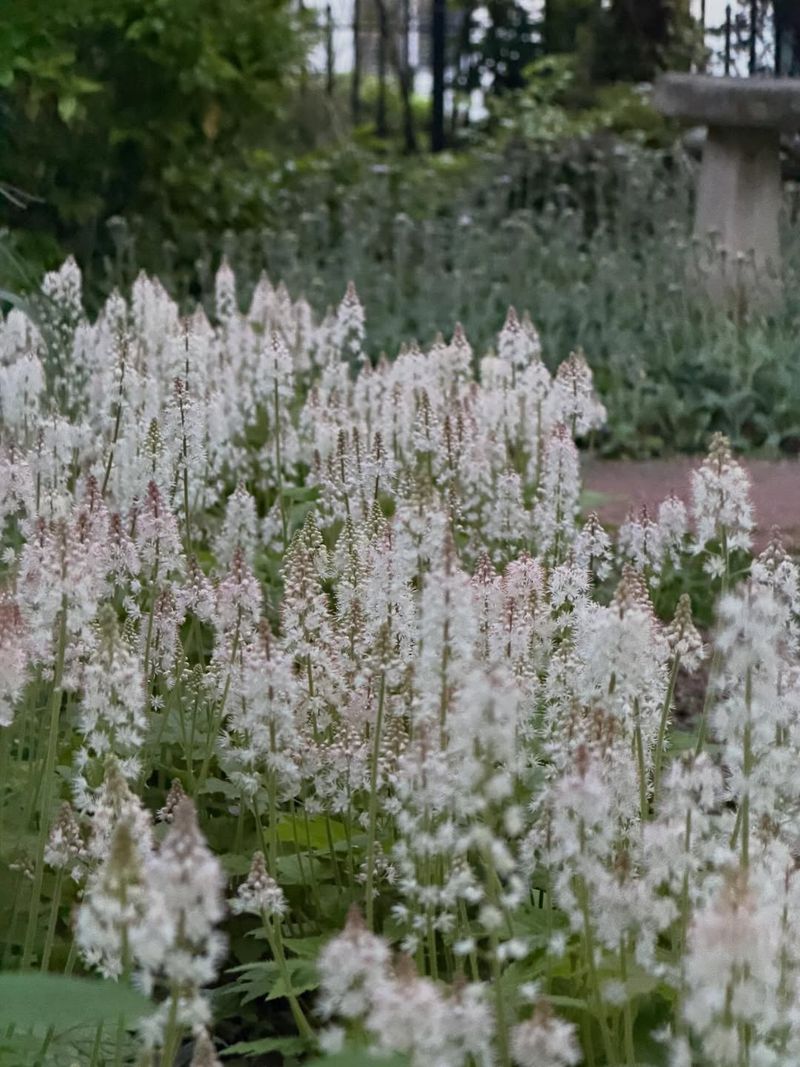
Some plants look like they belong in a fairy tale, and Foamflower is one of them.
Tiarella cordifolia produces airy spikes of tiny white flowers in spring that float above the foliage like wisps of foam, which is exactly how this North Carolina native earned its poetic name.
Beyond the flowers, the heart-shaped leaves are genuinely attractive all season long, often featuring deep purple or maroon markings along the veins that give the plant a decorative, almost artistic quality even when it is not in bloom.
Foamflower spreads by surface runners that root into moist soil, gradually building a dense, weed-suppressing layer along shaded stepping stone paths.
It grows six to nine inches tall and spreads up to two feet wide, making it a strong performer in spaces where bare soil tends to collect fallen leaves and weeds.
Space plants about twelve to eighteen inches apart in partial to full shade, and they will fill in reliably over one to two growing seasons. Consistently moist, humus-rich, well-drained soil produces the best growth and the most vigorous flowering.
Water during dry periods to prevent the foliage from wilting or losing its lush appearance. Foamflower pairs beautifully with other shade natives like Partridgeberry and Green and Gold along the same path.
Bees visit the flowers regularly in spring, making this plant a quiet but meaningful contributor to garden pollinator activity. Trim old foliage in early spring to make room for fresh growth.
Always plant Foamflower along the protected edges of stepping stone paths rather than directly underfoot, where its runners would be damaged by regular foot traffic.